
Known for
 6.1
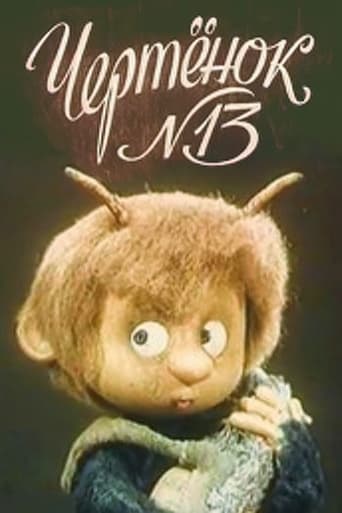
6.1At school for devils, the theme of the lesson is "Love". Whom should the devil still love? Imp No. 13 has his own answer, which does not correspond to the school curriculum in any way.
The Imp N13
1982
 7.0
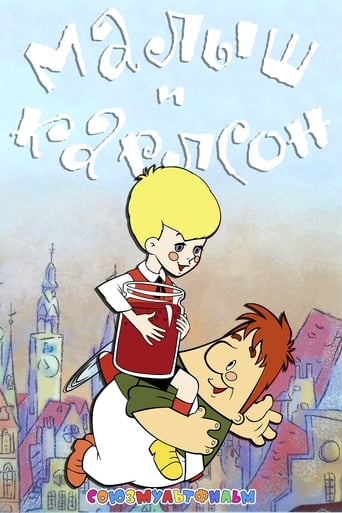
7.0A Soviet cult cartoon, so untypical for a Western viewer, especially, a little one. A boy named Malysh ("A Little One") suffers from solitude being the youngest of the three children in a Swedish family. The acute sense of solitude makes him desperately want a dog, but before he gets one, he "invents" a friend - the very Karlson who lives upon the roof. So typical for the Russian culture spirit of mischief, which is, actually, never punished, and the notion that relative welfare not necessarily means happiness made the book by Astrid Lindgren and its TV adaptations tremendously popular in the Soviet Union and nowadays Russia and vice versa - somewhat alienated to the Western reader and viewer (see User's comments below). However, both the book and the cartoon are truly universal - entertaining and funny for the children and thought-provoking and somewhat sad for grownups.
Junior and Karlson
1968
 7.1
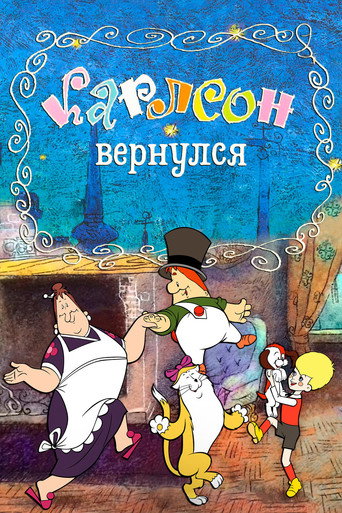
7.1The Kid didn't have to miss Carlson for long - one day he landed in his room again. This means that there will be new adventures and pranks! With Carlson's help, the harsh and bossy Freken Bock will be re-educated and become very kind. And then the friends will all put on a costume show with dancing and drink tea with buns.
Karlson Returns
1970
 NR
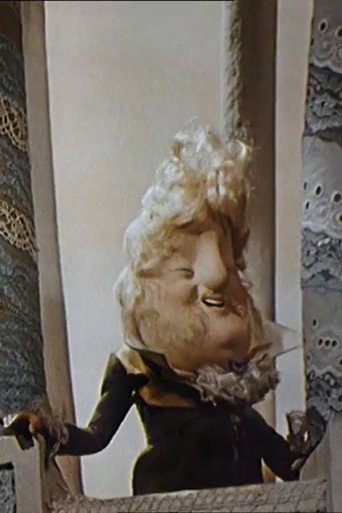
NRShort Soviet puppet animation based on Gogol's novel Dead Souls.
The Travels of Chichikov: Manilov
1974
 6.9
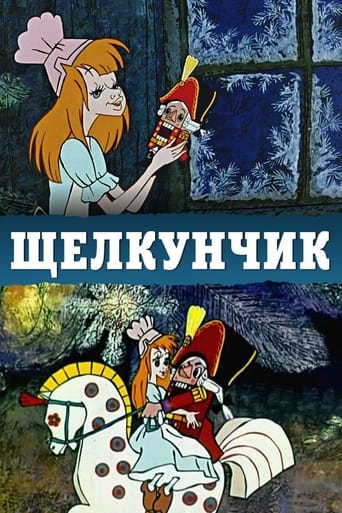
6.9A young chambermaid finds a neglected nutcracker under a Christmas tree. It comes to life, but the Nutcracker is really an enchanted prince.
The Nutcracker
1973
 6.0
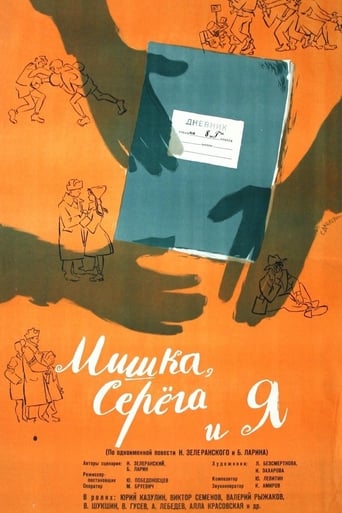
6.0Three friends are bored in eighth grade but everything changes after a new teacher arrives to the class.
Mishka, Seryoga and I
1961
Behind the camera
6.1At school for devils, the theme of the lesson is "Love". Whom should the devil still love? Imp No. 13 has his own answer, which does not correspond to the school curriculum in any way.
The Imp N13
1982
7.0A Soviet cult cartoon, so untypical for a Western viewer, especially, a little one. A boy named Malysh ("A Little One") suffers from solitude being the youngest of the three children in a Swedish family. The acute sense of solitude makes him desperately want a dog, but before he gets one, he "invents" a friend - the very Karlson who lives upon the roof. So typical for the Russian culture spirit of mischief, which is, actually, never punished, and the notion that relative welfare not necessarily means happiness made the book by Astrid Lindgren and its TV adaptations tremendously popular in the Soviet Union and nowadays Russia and vice versa - somewhat alienated to the Western reader and viewer (see User's comments below). However, both the book and the cartoon are truly universal - entertaining and funny for the children and thought-provoking and somewhat sad for grownups.
Junior and Karlson
1968
7.1The Kid didn't have to miss Carlson for long - one day he landed in his room again. This means that there will be new adventures and pranks! With Carlson's help, the harsh and bossy Freken Bock will be re-educated and become very kind. And then the friends will all put on a costume show with dancing and drink tea with buns.
Karlson Returns
1970
NRShort Soviet puppet animation based on Gogol's novel Dead Souls.
The Travels of Chichikov: Manilov
1974
6.9A young chambermaid finds a neglected nutcracker under a Christmas tree. It comes to life, but the Nutcracker is really an enchanted prince.
The Nutcracker
1973
6.0Three friends are bored in eighth grade but everything changes after a new teacher arrives to the class.
Mishka, Seryoga and I
1961
 9.5
9.5Ivan Czarevich is led by his servant to the castle of Kashchey to rescue the beautiful czarevna. But a lazy and silly knight could hardly be the real hero of this fairy tale.
The Tale Is Told
1970
 NR
NRAbout saving electricity.
Kopeck
1982
 6.4
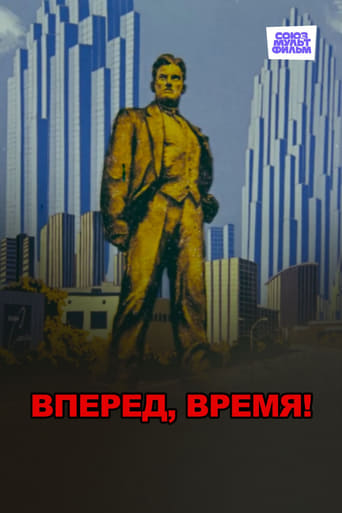
6.4Soviet animation from Vladimir Tarasov.
Forward March, Time!
1977
 NR
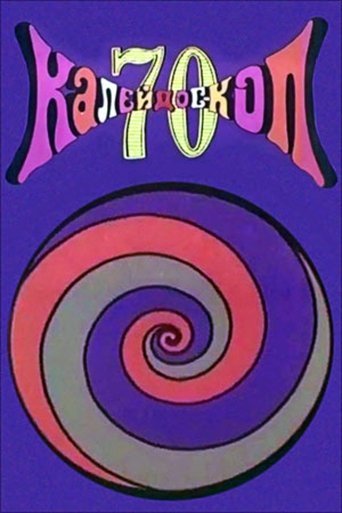
NRAn animated satire in three parts from three animators.
Kaleidoscope-70
1970
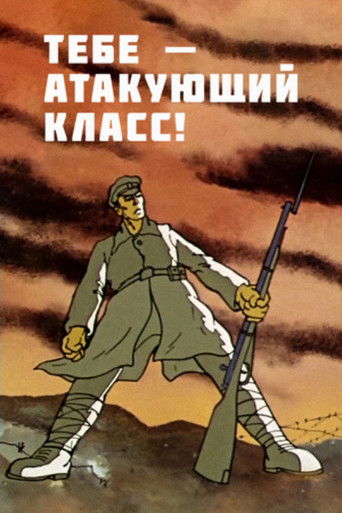 NR
NRBased on Vladimir Mayakovsky's works about the Great October Revolution.
To You — the Attacking Class!
1977
 NR
NRHow Alyosha rehabilitated a rude man.
Who is Stronger?
1984
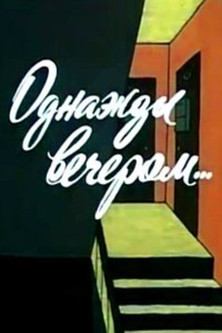 NR
NRA satirical cartoon about electricity wasters.
One Evening
1982
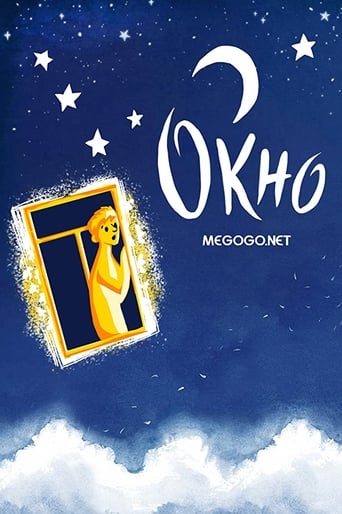 NR
NRA young man falls in love with a young woman from the next window. A wordless fantasy inspired by Sergei Prokofiev's Visions fugitives, Op. 22.
The Window
1966