
Directing
Boris Stepantsev
Born — Died
1929-12-07 — 1983-05-21
Place of birth
Moscow, RSFSR, USSR [now Russia]
Known for
Directing
Credits
27 titles
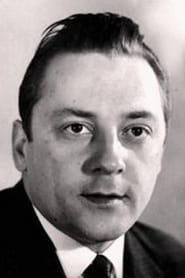
Boris Pavlovich Stepantsev (7 December 1929 — 21 May 1983) was a Soviet and Russian animation director, animator, artist and book illustrator, and creative director of the Multtelefilm animation department of the Studio Ekran. As a child Boris Stepantsev (born Stepantsov) fell in love with animated films "because there was nothing funnier in the whole world" and decided to dedicate his life to comedy animation. He graduated from the Moscow Art School and in 1946, right after the end of war, joined animation courses at Soyuzmultfilm where he watched many movies, including films by Disney that served as a major inspiration for him. [from Wikipedia]
Known for
 5.0
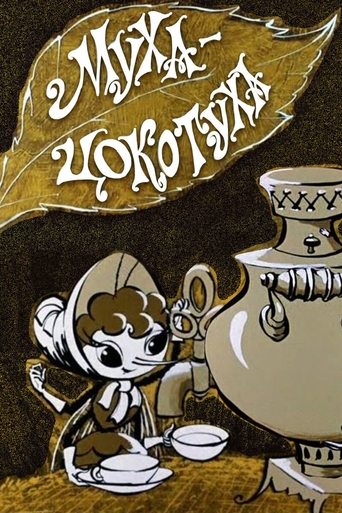
5.0The fly, flying over the field, found a coin. Pleased with this fact, she went to the bazaar to buy a samovar and invite her friends to celebrate her birthday. But then a misfortune came - a spider burst into the festival and stole our fly. None of the guests decided to join the spider in a duel, except for a small, but brave gnat. Fortunately, everything worked out, and fly and gnat made a harmonious pair.
Tsocotukha the Fly
1976
 10.0
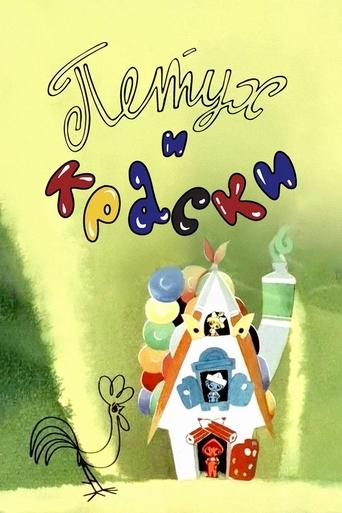
10.0The painted rooster gets acquainted with the inhabitants of the barnyard and learns about the world.
Rooster and Paint
1964
 7.7
7.7A boy finds his way into the Little Red Riding Hood cartoon in order to save the girl from the Big Bad Wolf.
Petia and Little Red Riding Hood
1958
 7.0
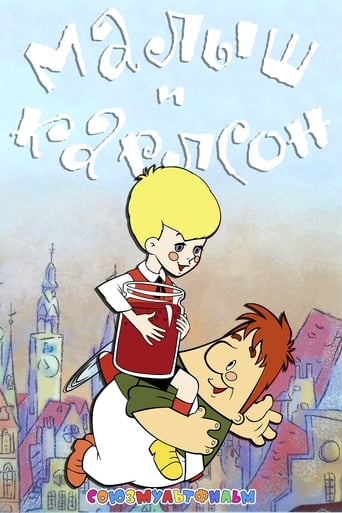
7.0A Soviet cult cartoon, so untypical for a Western viewer, especially, a little one. A boy named Malysh ("A Little One") suffers from solitude being the youngest of the three children in a Swedish family. The acute sense of solitude makes him desperately want a dog, but before he gets one, he "invents" a friend - the very Karlson who lives upon the roof. So typical for the Russian culture spirit of mischief, which is, actually, never punished, and the notion that relative welfare not necessarily means happiness made the book by Astrid Lindgren and its TV adaptations tremendously popular in the Soviet Union and nowadays Russia and vice versa - somewhat alienated to the Western reader and viewer (see User's comments below). However, both the book and the cartoon are truly universal - entertaining and funny for the children and thought-provoking and somewhat sad for grownups.
Junior and Karlson
1968
 4.0
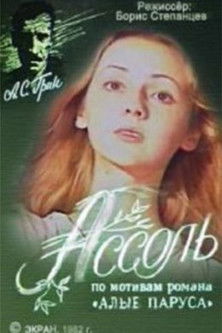
4.0No synopsis available yet.
Assol
1983
 7.1
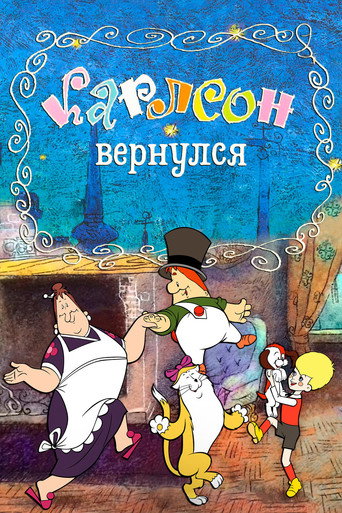
7.1The Kid didn't have to miss Carlson for long - one day he landed in his room again. This means that there will be new adventures and pranks! With Carlson's help, the harsh and bossy Freken Bock will be re-educated and become very kind. And then the friends will all put on a costume show with dancing and drink tea with buns.
Karlson Returns
1970
Behind the camera
5.0The fly, flying over the field, found a coin. Pleased with this fact, she went to the bazaar to buy a samovar and invite her friends to celebrate her birthday. But then a misfortune came - a spider burst into the festival and stole our fly. None of the guests decided to join the spider in a duel, except for a small, but brave gnat. Fortunately, everything worked out, and fly and gnat made a harmonious pair.
Tsocotukha the Fly
1976
5.0The fly, flying over the field, found a coin. Pleased with this fact, she went to the bazaar to buy a samovar and invite her friends to celebrate her birthday. But then a misfortune came - a spider burst into the festival and stole our fly. None of the guests decided to join the spider in a duel, except for a small, but brave gnat. Fortunately, everything worked out, and fly and gnat made a harmonious pair.
Tsocotukha the Fly
1976
10.0The painted rooster gets acquainted with the inhabitants of the barnyard and learns about the world.
Rooster and Paint
1964
7.7A boy finds his way into the Little Red Riding Hood cartoon in order to save the girl from the Big Bad Wolf.
Petia and Little Red Riding Hood
1958
7.0A Soviet cult cartoon, so untypical for a Western viewer, especially, a little one. A boy named Malysh ("A Little One") suffers from solitude being the youngest of the three children in a Swedish family. The acute sense of solitude makes him desperately want a dog, but before he gets one, he "invents" a friend - the very Karlson who lives upon the roof. So typical for the Russian culture spirit of mischief, which is, actually, never punished, and the notion that relative welfare not necessarily means happiness made the book by Astrid Lindgren and its TV adaptations tremendously popular in the Soviet Union and nowadays Russia and vice versa - somewhat alienated to the Western reader and viewer (see User's comments below). However, both the book and the cartoon are truly universal - entertaining and funny for the children and thought-provoking and somewhat sad for grownups.
Junior and Karlson
1968
4.0No synopsis available yet.
Assol
1983
4.0No synopsis available yet.
Assol
1983
7.1The Kid didn't have to miss Carlson for long - one day he landed in his room again. This means that there will be new adventures and pranks! With Carlson's help, the harsh and bossy Freken Bock will be re-educated and become very kind. And then the friends will all put on a costume show with dancing and drink tea with buns.
Karlson Returns
1970
 NR
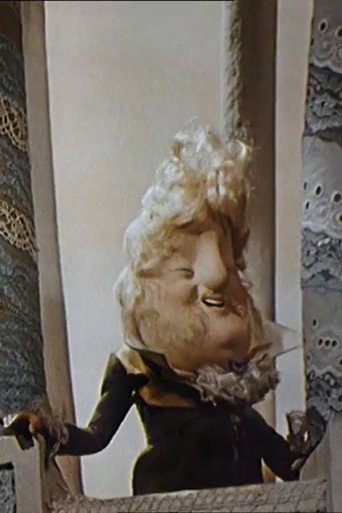
NRShort Soviet puppet animation based on Gogol's novel Dead Souls.
The Travels of Chichikov: Manilov
1974
NRShort Soviet puppet animation based on Gogol's novel Dead Souls.
The Travels of Chichikov: Manilov
1974
 7.3
7.3A schoolboy gets into a fairy tale with the help of a librarian and DIY book. But life in the magical land is not as easy as it seems.
Vovka in the Kingdom of Far Far Away
1965
 6.9
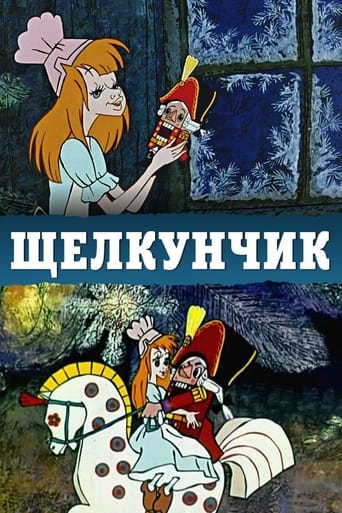
6.9A young chambermaid finds a neglected nutcracker under a Christmas tree. It comes to life, but the Nutcracker is really an enchanted prince.
The Nutcracker
1973
6.9A young chambermaid finds a neglected nutcracker under a Christmas tree. It comes to life, but the Nutcracker is really an enchanted prince.
The Nutcracker
1973
 NR
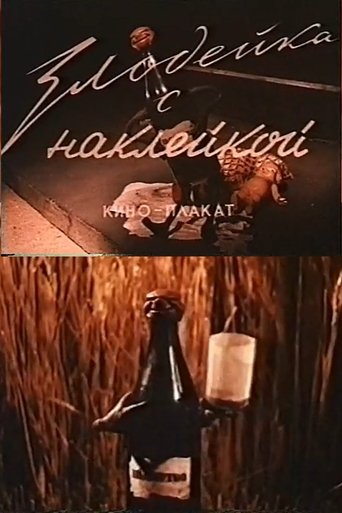
NRThe authors of the animated film devoted it to the eternal theme - the dangers of drunkenness. The main anti-hero is a half-liter bottle that creates trouble everywhere and brings evil to everyone who seeks a meeting with it. The plot in the style of silent films is accompanied by music and interspersed with propaganda rhymes.
Devil with the Sticky Label
1954
 NR
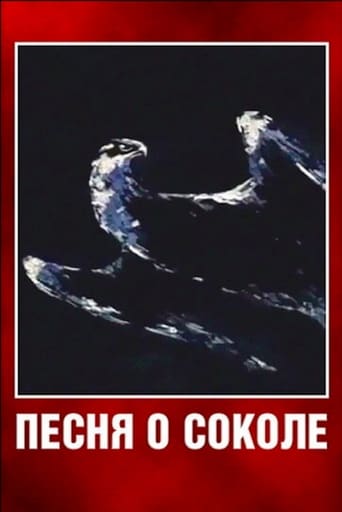
NRA paint-on-glass animated film (one of the first of its kind) about a dying falcon and a stupid snake.
Song of a Falcon
1967
NRA paint-on-glass animated film (one of the first of its kind) about a dying falcon and a stupid snake.
Song of a Falcon
1967
 NR
NRNo synopsis available yet.
Почему ослик заупрямился?
1979
NRNo synopsis available yet.
Почему ослик заупрямился?
1979
 6.0
6.0No synopsis available yet.
Only Not Now
1962
 7.0
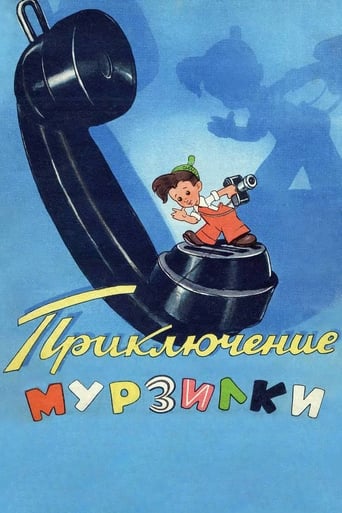
7.0The fabulous journalist Murzilka, while on vacation, receives a telegram from the magazine's editor-in-chief in which Murzilka is instructed to make a photo portrait of a good boy or child inventor for the cover of the new issue.
Adventures of Murzilka
1956
 NR
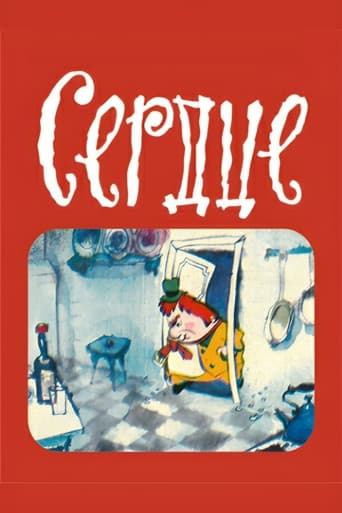
NRAbout the causes of heart disease and the prevention of these dangerous diseases.
Heart
1971
NRAbout the causes of heart disease and the prevention of these dangerous diseases.
Heart
1971
 9.5
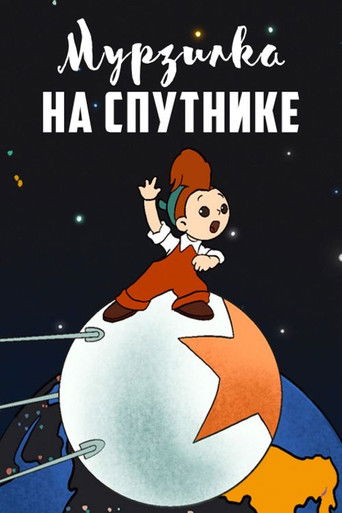
9.5One of the many stories that happened to the Russian popular fairy tale character Murzilka.
Murzilka on the Satellite
1960
 5.6
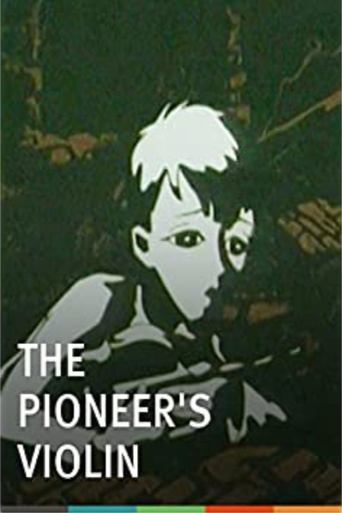
5.6Subtle coloring and an impressionistic approach to landscape distinguish this patriotic animated short set to music. After a flourishing Soviet hamlet is destroyed by Nazi planes, the sole survivor is confronted by a hulking Nazi commando in a tank. The military man tries to cajole the young violinist into repeating a jaunty harmonica melody at gunpoint but the boy strikes up a noble song of resistance instead. Stepantsev's film may romance the idea of martyrdom but it does so with a gravity not often found in similar films.
The Pioneer's Violin
1971
 7.0
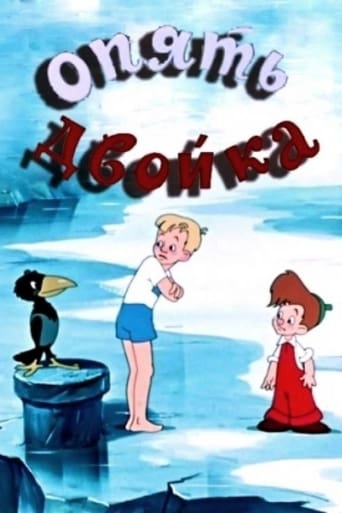
7.0Murzilka sets forth for the known picture of Fyodor Pavlovich Reshetnikov "Again two". A boy considers that two on geography was put him unfairly. Murzilka examines him. Outliving the row of adventures, a student gives one's word to reform.
Again, Deuce
1957
 NR
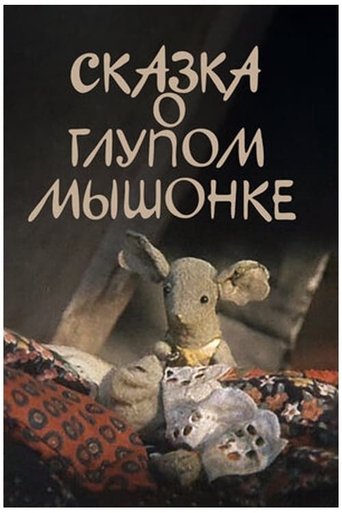
NRThe film is made after the same named poem by Samuil Marshak. Mother mouse tries to find a nanny for her little mouse who can't sleep at night.The same poem was famously animated ( and orchestrated!) by Mikhail Tsekhanovsky with music of Dmitri Shostakovic
The Tale of the Silly Baby Mouse
1981
 NR
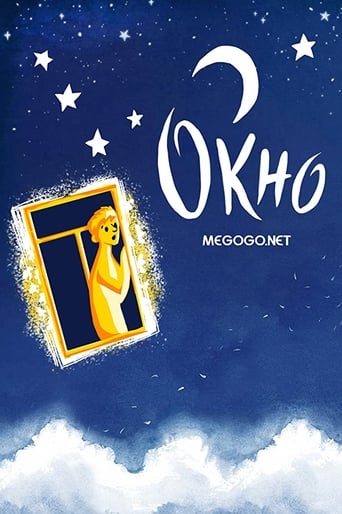
NRA young man falls in love with a young woman from the next window. A wordless fantasy inspired by Sergei Prokofiev's Visions fugitives, Op. 22.
The Window
1966