
Directing
Sergei Dvortsevoy
Born
1962-08-18 (64)
Place of birth
Chimkent, Kazakh SSR, USSR, (now Shymkent, Kazakhstan)
Known for
Directing
Credits
22 titles
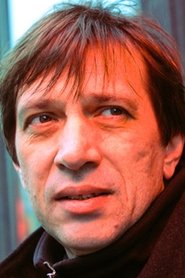
Sergei Vladimirovich Dvortsevoy (Kazakh: Серге́й Влади́мирович Дворцево́й; born 18 August 1962; Shymkent) is a Kazakh filmmaker, documentary director, screenwriter, editor, cinematographer, producer. His 2008 feature film Tulpan, was Kazakhstan's 2009 Academy Awards official submission to Foreign Language Film category and was the winner of the Prix Un Certain Regard at the 2008 Cannes Film Festival. He was born on August 18, 1962 in Shymkent. Father — Dvortsevoy Vladimir Alexandrovich (1936-2005), engineer-geodesist, mother — Dvortsevaya Vera Petrovna (1938), engineer-cartographer. Graduated from Shymkent Secondary School No. 29. At the same time, he was engaged in football at a children's…
Known for
 6.8
A young Kyrgyz immigrant tries to eke out a living in Moscow after abandoning her newborn and fleeing the hospital.
Ayka
2018
 5.6
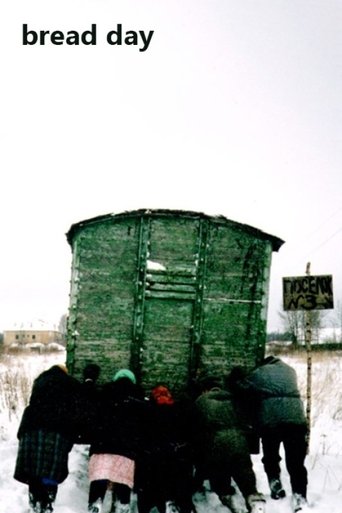
Depicts a community of pensioners living in near isolation outside of St. Petersberg as it enacts the weekly ritual of bringing a delivery of bread—left at a rail junction two hours away—into the village for distribution.
Bread Day
1998
 6.3
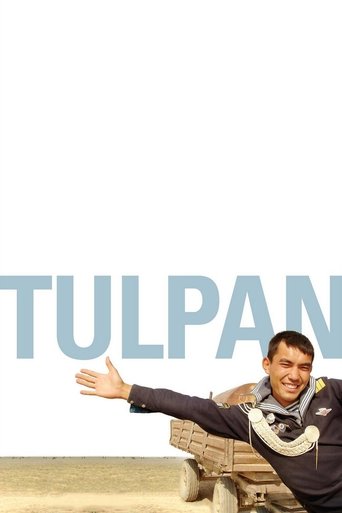
Asa, a young and cheerful dreamer, returns from his Russian naval service to his sister’s nomadic family on the desolate Hunger Steppe of central Asia, so that he can begin his own life as a shepherd. But before he can tend a flock of his own, Asa must first win the hand of the only eligible girl for miles—his mysterious neighbor, Tulpan.
Tulpan
2009
 5.8
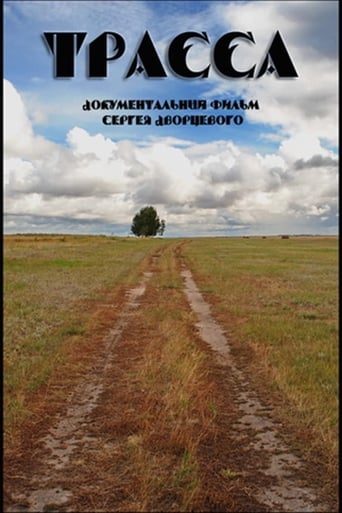
The highway of the title is a 2,000 mile dirt road in Kazakhstan. Along this route, a traveling family circus journeys in their crowded hand-cranked bus, stopping in villages. The filmmaker accompanies the Tadjibajevs, capturing their quarrels, performances, and intimate moments.
Highway
1999
 5.9
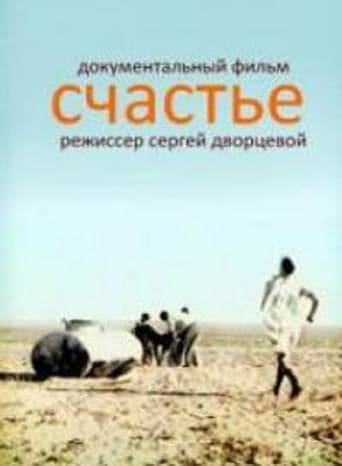
Sergey Dvortsevoy makes his international debut with this astonishingly intimate portrait of a nomadic family on the Kazakh plains. Several scenes in this slow, elegant film betray a certain dry humor -- a child devouring the last of a bowl of yogurt and then crying; a cow getting its head stuck in a pail; and a woman singing to herself, accompanied by her snoring husband. Other scenes capture the nomads' hardscrabble lives -- drunken herdsmen in the grips of existential despair, growling dogs, and a camel enduring a rather grim septum piercing. By the end of the film, the family pulls up stakes and herds its sundry four-legged beasts -- camels, cattle, goats, dogs, and horses -- to a more fertile plain. This film was screened at the 1999 Yamagata International Documentary Film Festival.
Paradise
1995
 5.0
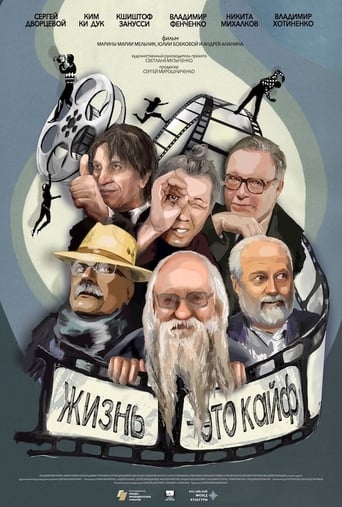
This is a story about an amazing person who devotes his life to his students. Vladimir Fenchenko lit the hearts of hundreds of young filmmakers with love for cinema.
Life is a Thrill
2020
Film credits
Behind the camera
6.8A young Kyrgyz immigrant tries to eke out a living in Moscow after abandoning her newborn and fleeing the hospital.
Ayka
2018
6.8A young Kyrgyz immigrant tries to eke out a living in Moscow after abandoning her newborn and fleeing the hospital.
Ayka
2018
6.8A young Kyrgyz immigrant tries to eke out a living in Moscow after abandoning her newborn and fleeing the hospital.
Ayka
2018
5.6Depicts a community of pensioners living in near isolation outside of St. Petersberg as it enacts the weekly ritual of bringing a delivery of bread—left at a rail junction two hours away—into the village for distribution.
Bread Day
1998
5.6Depicts a community of pensioners living in near isolation outside of St. Petersberg as it enacts the weekly ritual of bringing a delivery of bread—left at a rail junction two hours away—into the village for distribution.
Bread Day
1998
5.6Depicts a community of pensioners living in near isolation outside of St. Petersberg as it enacts the weekly ritual of bringing a delivery of bread—left at a rail junction two hours away—into the village for distribution.
Bread Day
1998
6.3Asa, a young and cheerful dreamer, returns from his Russian naval service to his sister’s nomadic family on the desolate Hunger Steppe of central Asia, so that he can begin his own life as a shepherd. But before he can tend a flock of his own, Asa must first win the hand of the only eligible girl for miles—his mysterious neighbor, Tulpan.
Tulpan
2009
5.8The highway of the title is a 2,000 mile dirt road in Kazakhstan. Along this route, a traveling family circus journeys in their crowded hand-cranked bus, stopping in villages. The filmmaker accompanies the Tadjibajevs, capturing their quarrels, performances, and intimate moments.
Highway
1999
5.8The highway of the title is a 2,000 mile dirt road in Kazakhstan. Along this route, a traveling family circus journeys in their crowded hand-cranked bus, stopping in villages. The filmmaker accompanies the Tadjibajevs, capturing their quarrels, performances, and intimate moments.
Highway
1999
5.9Sergey Dvortsevoy makes his international debut with this astonishingly intimate portrait of a nomadic family on the Kazakh plains. Several scenes in this slow, elegant film betray a certain dry humor -- a child devouring the last of a bowl of yogurt and then crying; a cow getting its head stuck in a pail; and a woman singing to herself, accompanied by her snoring husband. Other scenes capture the nomads' hardscrabble lives -- drunken herdsmen in the grips of existential despair, growling dogs, and a camel enduring a rather grim septum piercing. By the end of the film, the family pulls up stakes and herds its sundry four-legged beasts -- camels, cattle, goats, dogs, and horses -- to a more fertile plain. This film was screened at the 1999 Yamagata International Documentary Film Festival.
Paradise
1995
Historical and adventure drama about how the famous Tai-Kazan was created by order of Tamerlane.
Untitled Film by Sergei Dvortsevoy
—
Historical and adventure drama about how the famous Tai-Kazan was created by order of Tamerlane.
Untitled Film by Sergei Dvortsevoy
—
Historical and adventure drama about how the famous Tai-Kazan was created by order of Tamerlane.
Untitled Film by Sergei Dvortsevoy
—
An attempt to understand the mental pain of a girl named Stepa, who was convicted and is serving her sentence in the Mozhaisk Women's Prison, without any ingratiating courtesies towards the convict or the tone of a righteous person who knows how to live. The painting is shot in the aesthetic of "observation."
Styopa
1992
 6.9
Low key documentary recording the daily life of an elderly blind man in Russia.
In the Dark
2004
6.9Low key documentary recording the daily life of an elderly blind man in Russia.
In the Dark
2004
6.9Low key documentary recording the daily life of an elderly blind man in Russia.
In the Dark
2004