
Directing
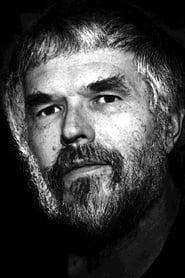
Stan Brakhage
Born — Died
1933-01-14 — 2003-03-09
Place of birth
Kansas City, Missouri, USA
Known for
Directing
Credits
101 titles
Stan Brakhage (January 14, 1933 - March 9, 2003) is one of the most influential filmmakers in American avant-garde cinema, noted for his unflinching social commentaries and technical innovations. Over his nearly 40-year career, he has made over 200 films of varying length. He made his first film, Interim (1952) at age 18 after dropping out of college. Brakhage films seek to change the way we see. They encourage viewers to eschew traditional narrative structure in favor of pure visual perception that is not reliant on naming what is seen; rather his goal is to create a more visceral visual experience, for he believes that a "stream-of visual-consciousness could be nothing less than the pathwa…
Known for
 NR
NRIndependent filmmakers are given a chance to show and discuss their work on a commercial (ABC-TV) affiliate station.
Screening Room
1972
 6.4
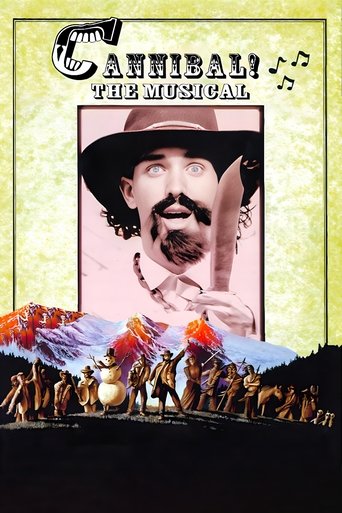
6.4Heading through Colorado Territory in search of gold and women, Alferd Packer and his group of bemused companions find themselves lost, starving and musically inspired by the obstacles they confront along the way, including a die-hard Confederate cyclops, a trio of surly trappers, a tribe of Japanese-speaking "Indians," and ultimately, each other.
Cannibal! The Musical
1996
 6.2
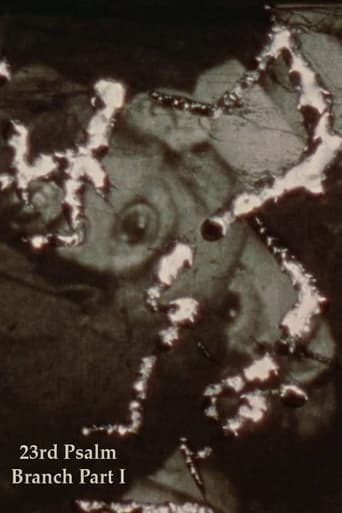
6.2In this haunting but lyrical meditation on war, Brakhage intercuts 8-mm footage of Colorado with imagery from WWII newsreels. He responds to the violence and nightmare of war by painting directly on the filmstrip.
23rd Psalm Branch: Part I
1967
 7.8
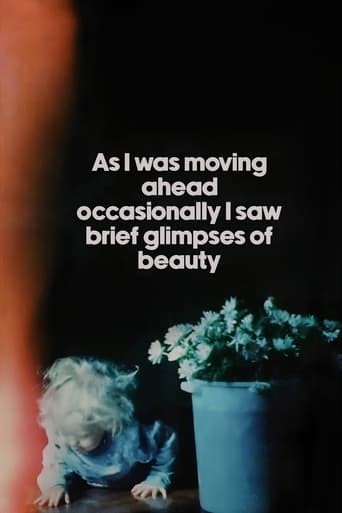
7.8A compilation of over 30 years of private home movie footage shot by Lithuanian-American avant-garde director Jonas Mekas, assembled by Mekas "purely by chance", without concern for chronological order.
As I Was Moving Ahead Occasionally I Saw Brief Glimpses of Beauty
2000
 7.3
7.3Also known as Walden, Jonas Mekas’s first diary film is a six-reel chronicle of his life in 1960s New York, interweaving moments with family, friends, lovers, and artistic idols. Blending everyday encounters with portraits of the avant-garde art scene, it forms an epic, personal meditation on community, creativity, and the passage of time.
Diaries, Notes, and Sketches
1968
 8.0
8.0SELF SONG documents a body besieged by cancer. The amber glow of flesh suggests both victory and submission to death. Blackness surrounds the image and takes it over altogether. Furthermore, the complex grooves and patterns of the flesh struggle to maintain their focus, suggesting the obscuring and dissolving effects of cancer. In DEATH SONG the film begins with blue hues which suggest the permanent aspect of death to contrast a sequence of overexposed yellow. Within these images are microscopic organisms constantly being 'washed out' by whiteness, which seeks to dissolve the image. In this respect, we might view the purity of whiteness as being 'soiled'. By the end of the film, the image has shifted to the blue screen suggesting a comfortable aspect of death. Yet, this vision is too idyllic in Brakhage's mind, and thus he allows the blueness to bleed from the side of the frame, opening the 'blinds' to the cancerous light. Preserved by the Academy Film Archive in 2016.
Self Song & Death Song
1997
Film credits
2020s · 2 titles
 NR
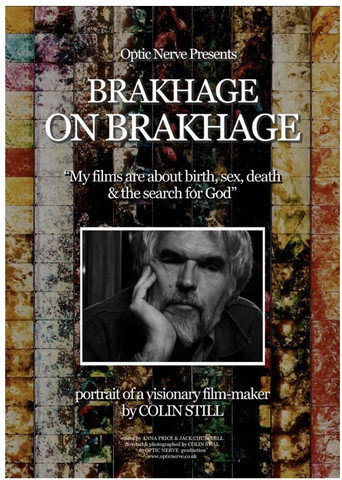
NRWorking outside the mainstream, the wildly prolific, visionary Stan Brakhage made more than 350 films over a half century. Challenging all taboos in his exploration of “birth, sex, death, and the search for God,” he turned his camera on explicit lovemaking, childbirth, even autopsy.
Brakhage on Brakhage
2025
This very special film features a carefully curated selection of some of the priceless messages that have graced Anthology’s voicemail system over the years. From the historically important to the utterly (and sublimely) absurd, they feature a cast of characters ranging from legendary avant-garde filmmakers, scholars, and other cultural figures to civilians whose legend has (until now) been confined to the offices of Anthology, thanks precisely to their witty, eloquent, eccentric – or in some cases unforgettably psychotic – voicemails. We’ve toyed with the idea of sharing these messages in some form for years, and the “Imageless Films” series provides a perfect pretext.
Please Leave a Message: Anthology Film Archives Voicemails Through the Ages
2022
2010s · 3 titles
 6.8
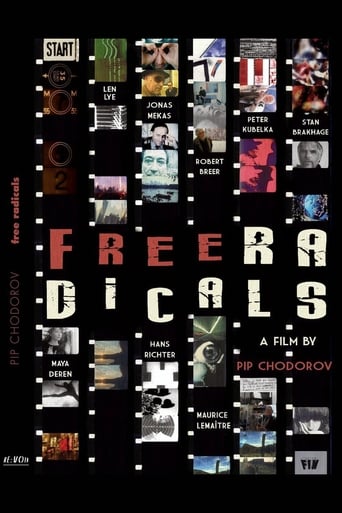
6.8Experimental filmmaker Pip Chodorov traces the course of experimental film in America, taking the very personal point of view of someone who grew up as part of the experimental film community.
Free Radicals: A History of Experimental Film
2011
 NR
NRA young woman stands by a car while scenes from metropolitan life flash by.
Cyclopean 3D: Life with a Beautiful Woman
2011
 7.0
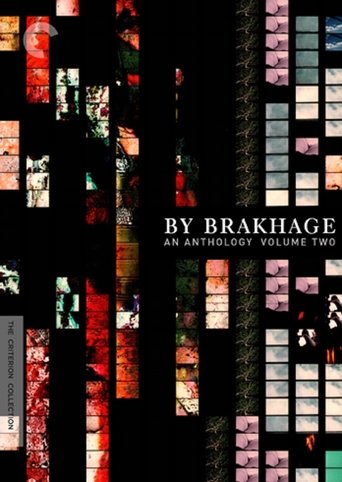
7.0In Criterion’s first volume of the anthology By Brakhage, we brought twenty-six astonishing works by the avant-garde film pioneer Stan Brakhage to home video for the first time. Now, in this second installment, we are proud to present thirty more of Brakhage’s visionary creations, from 1950s films to his final work, from 2003, curated by his wife, Marilyn Brakhage. Highlights of this collection include the war meditation 23rd Psalm Branch; hand-painted films from Persian Series; The Wonder Ring, made for a commission by Joseph Cornell; the autobiographical Scenes from Under Childhood, Section One; and the found-footage film Murder Psalm.
By Brakhage: An Anthology, Volume Two
2010
2000s · 18 titles
7.8A compilation of over 30 years of private home movie footage shot by Lithuanian-American avant-garde director Jonas Mekas, assembled by Mekas "purely by chance", without concern for chronological order.
As I Was Moving Ahead Occasionally I Saw Brief Glimpses of Beauty
2000
 7.5
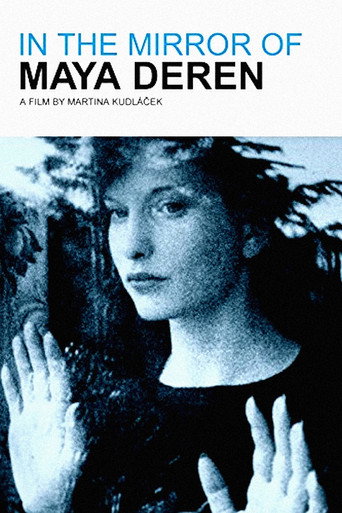
7.5Documentary about the life of avant-garde filmmaker Maya Deren, who led the independent film movement of the 1940s.
In the Mirror of Maya Deren
2002
 7.0
7.0Working completely outside the mainstream, the wildly prolific, visionary Stan Brakhage made more than 350 films over a half century. Challenging all taboos in his exploration of “birth, sex, death, and the search for God,” he has turned his camera on explicit lovemaking, childbirth, even autopsy. Many of his most famous works pursue the nature of vision itself and transcend the act of filming. Some, including the legendary Mothlight, were made without using a camera at all, as he pioneered the art of making images directly on film, by drawing, painting, and scratching.
By Brakhage: An Anthology, Volume One
2003
 NR
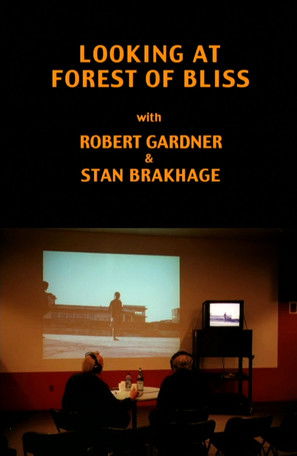
NRDirector Robert Gardner and legendary filmmaker Stan Brakhage share an in-depth viewing of Gardner's ethnographic masterwork, Forest of Bliss. The film is shown in its entirety, with Gardner occasionally pausing to elucidate, and Brakhage brilliantly observing tonality, poetic imagery, life, death, the unconscious, and, well, just being damned insightful. - dred
Looking at Forest of Bliss
2000
 4.0
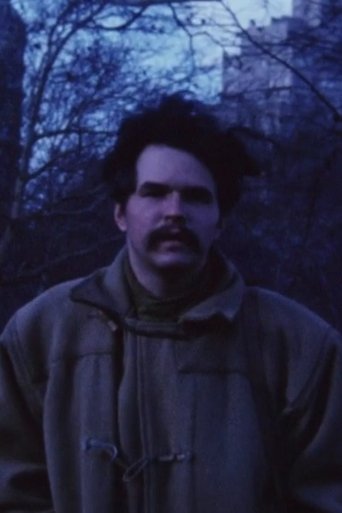
4.0Clip from Walden.
Brakhage Crosses Central Park
2006
 5.0
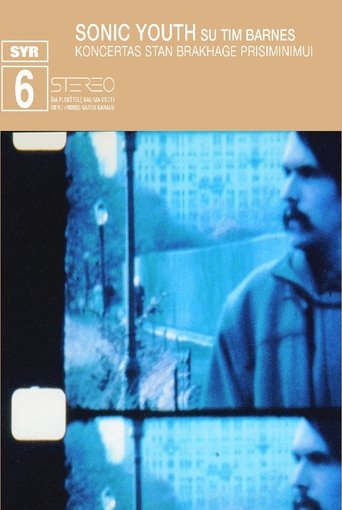
5.0Filmed April 12, 2003 at a benefit concert held at and for The Anthology Film Archives, the international center for the preservation, study, and exhibition of avant-garde and independent cinema. In addition to screening films for the public, AFA houses a film museum, research library and art gallery. The event, which raised money for the Archives and celebrated the life and work of avant-garde film maker Stan Brakhage, featured Sonic Youth providing an improvised instrumental collaboration with silent Brakhage’s films. The band performed with drummer/percussionist Tim Barnes (Essex Green, Jukeboxer, Silver Jews).
Sonic Youth: Koncertas Stan Brakhage Prisiminimui (April 12, 2003)
2003
 5.8
5.8A depiction of the creative process of hand-painting film giant, Stan Brakhage. Inspired by Monet's paintings from Giverny, Brakhage's luminous abstract painting transforms the screen into an oneiric botanical landscape. Brakhage's painted loops leap out of black and white footage of the master at work, painting and printing.
Garden Path
2001
 NR
NRIn late 1966 I visited Stan Brakhage in Rollinsville, Colorado. This is a portrait of Stan at home, with his family, his animals, and the surroundings, 9000 feet high. From the cycle of FIRST FORTY I made in late 2006 as an introduction to my work for my new, Internet audience. All of them are based on my earlier films but slightly, sometimes more than slightly, changed. I consider them works complete in themselves, seperate from the main body of my film work.
A Visit to Stan Brakhage
2006
A look at avant-garde filmmaker Marie Menken.
Notes on Marie Menken
2006
 NR
NRThis afternoon summer scene is very much how he worked (when painting directly on film) in the last several years – at various cafes and sports bars (usually indoors) on Pearl Street in Boulder (Boulder Blues and Pearls and…), amidst his taco salads, root beer floats, or Irish coffees…
Life with Stan #4: Stan Painting
2002
 NR
NRIn 1958 R. Igor Gamow first met Jane Brakhage. Peter Garrity, in his new documentary film, "Dinner with Brakhage and Gamow" follows their life long friendship and, of course, the resulting deep friendships of their two extended families. In 1960 George and Igor Gamow and Stan Brakhage initiated a dialogue in an attempt to understand, on many different levels, the schism that existed and still exists between the Arts and the Sciences. These discussions occurred, often at dinner, continued for the some 50 years
Dinner with Brakhage and Gamow
2008
Hungarian home movies are examined by the likes of James Ellroy and Stan Brakhage for evidence of family problems.
Vakvagany
2002
 10.0
10.0In a voiceover Stan Brakhage articulates his resentments about the use of computers for art production and in general. This comment is contrasted by video imagery turning more and more abstract until it bursts into a sea of square pixels. The video is an ironic illustration of Brakhage's views as these "defunct" images reveal a kind of beauty of their own.
Preserving Cultural Traditions in a Period of Instability
2004
A portrait of Brakhage shot in Victoria, British Columbia, just a few months before his death. Filmmaker Pip Chodorov illustrates Brakhage's reflections on his art with short passages from his hand-painted films.
A Visit to Stan Brakhage
2003
 NR
NRI shot this roll of film at a party Bard College threw when it awarded Stan Brakhage an honorary degree. A few days after he died, I dug it out and watched it again. I had meant to make Brakhage a gift of the roll, but instead it became a farewell.
Encomium
2003
 7.6
7.6A brief short of Phil Solomon and Stan Brakhage going to the movies in the spring of 2002.
Stan Brakhage Exits the Cinema and Enters the Light of Day
2002
 NR
NRThe late, legendary experimental filmmaker Stan Brakhage is the subject of this video portrait by his friends Ken Jacobs and Nisi Jacobs.The video closely documents Brakhage's last visit to New York, and captures scenes of his family life in Boulder, Colorado, affording a view of the artist that is at once candid and casual.
Keeping an Eye on Stan
2003
 7.0
7.0For Stan is a tribute film shot by Marilyn Brakhage of her husband at work with his camera in the late 1980s and early 90s – illuminating their close relationship.
For Stan
2009
1990s · 11 titles
6.4Heading through Colorado Territory in search of gold and women, Alferd Packer and his group of bemused companions find themselves lost, starving and musically inspired by the obstacles they confront along the way, including a die-hard Confederate cyclops, a trio of surly trappers, a tribe of Japanese-speaking "Indians," and ultimately, each other.
Cannibal! The Musical
1996
 7.0
7.0Jonas Mekas assembles 160 portraits, appearances, and fleeting sketches of underground and independent filmmakers captured between 1955 and 1996. Fast-paced and archival in spirit, the film celebrates the avant-garde as its own “nation of cinema,” a vital community existing outside the dominance of commercial film.
Birth of a Nation
1997
 6.4
6.4Not a documentary in the strictest sense of the word. Rather, it is a journey through the world of the artist Jonas Mekas - one of the exponents of independent U.S. movies; founder and director of the New York Anthology Film Archive.
Jonas in the Desert
1994
An exploration of film preservation and restoration in the United States.
Keepers of the Frame
1999
 NR
NRThis is a 1991 documentary film about the legendary artist and filmmaker, Joseph Cornell, who made those magnificent and strange collage boxes. He was also one of our great experimental filmmakers and once apparently made Salvador Dali extremely jealous at a screening of his masterpiece, Rose Hobart. In this film we get to hear people like Susan Sontag, Stan Brakhage, and Tony Curtis talk about their friendships with the artist. It turns out that Curtis was quite a collector and he seemed to have a very deep understanding of what Cornell was doing in his work.
Joseph Cornell: Worlds in a Box
1991
Stan Brakhage with a movie camera. Winter seascapes.
Z (Zee Not Zed)
1993
 7.1
7.1BRAKHAGE explores the depth and breadth of the filmmaker’s genius, the exquisite splendor of his films, his magic personal charm, his aesthetic fellow travelers, and the influence his work has had on generations of other creators. While touching on significant moments in Brakhage’s biography, the film celebrates Brakhage’s visionary genius, and explores the extraordinary artistic possibilities of cinema, a medium mostly known only for its commercial applications in the form of narratives, cartoons, documentaries, and advertising. BRAKHAGE combines excerpts from Brakhage’s films and films of other avant-garde filmmakers (eg, George Kuchar, Jonas Mekas, Willie Varela, Bruce Elder, and others); interviews with Brakhage, his friends, family, colleagues, and critics; archival footage of Brakhage spanning the past thirty-five years; and location shooting in Boulder, Colorado and New York.
Brakhage
1998
 NR
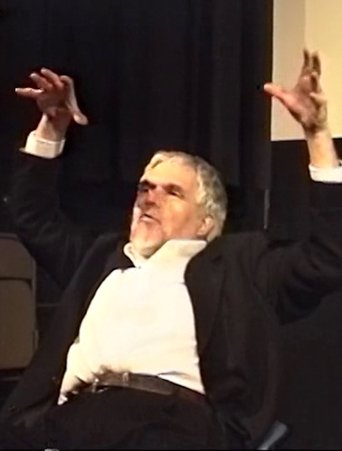
NRA very personal lecture on filmmaker and friend Jim Davis.
Stan Brakhage on Jim Davis
1997
 9.0
9.0Several well-known and pioneering abstract filmmakers discuss the history of non-objective cinema, the works of those that came before them and their own experiments in the field of visionary filmmaking.
Abstract Cinema
1993
 NR
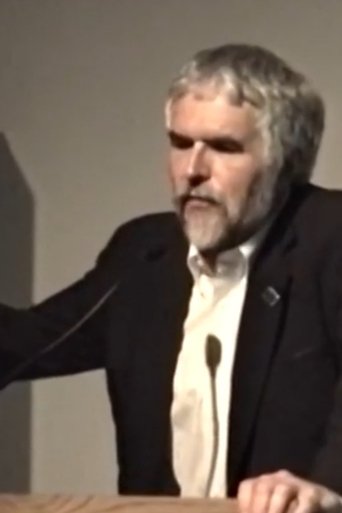
NRBrakhage's lecture at the Whitney Museum is a thoughtful meditation on another friend and fellow filmmaker Gregory Markopoulos.
Stan Brakhage on Gregory Markopoulos
1997
Stan Brakhage shows his new films at MoMA in New York. Before that, he said hello to me, Jonas Mekas, Birgit, the Anthology team and others. Later, we return home by metro.
I Met Stan Brakhage (At Moma, N.Y.C)
1998
1980s · 5 titles
 NR
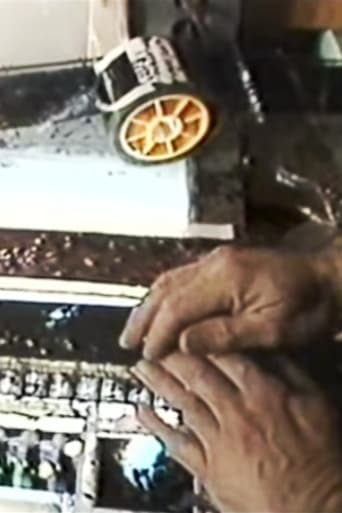
NRStan Brakhage is a film maker whose work is shown mainly at film festivals. His work has been likened to poetry. Brakhage explains his techniques and his motivation.
Reflecting Thought: Stan Brakhage
1985
 6.3
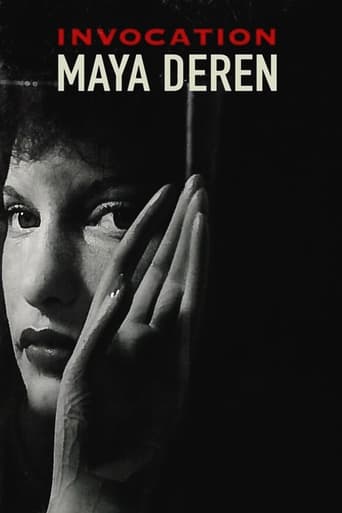
6.3Maya Deren is a legend of avant-garde cinema. This authoritative biography of the charismatic filmmaker, poet and anthropologist features excerpts from her pioneering Meshes of the Afternoon and her unfinished documentary on Haiti, interviews with Stan Brakhage and Jonas Mekas, and recordings of her lectures. Narrated by actress Helen Mirren, this definitive documentary offers startling insights into one of the most intriguing, accomplished figures in cinema history.
Invocation: Maya Deren
1986
 5.7
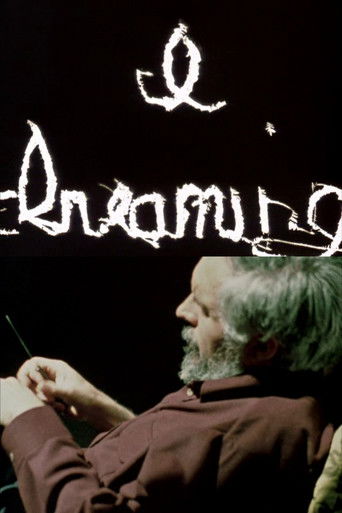
5.7Phrases of Stephen Foster, set to music by Joel Heartling, are set to film in this autobiographical piece: a solitary female voice, occasionally joined by a chorus, sings phrases of sorrow as we watch a solitary man in shadows in an unadorned house: he stretches out, he picks his feet, he walks across a room, he rocks in a chair. Occasionally he watches two young children at play; the film sometimes speeds up. Handwritten words, like "dark void" and "waiting longing," cross the screen. Film and phrases often come in short bursts. Outdoor it looks gray and cold.
I... Dreaming
1988
 8.0
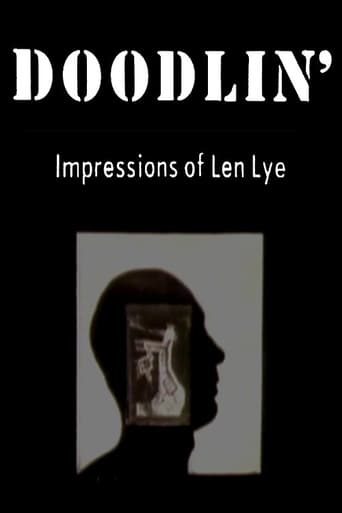
8.0This documentary, made seven years after the death of legendary filmmaker and kinetic artist Len Lye, tells Lye's story: from being a young boy staring at the sun, to travels around the Pacific and life in New York. It includes excerpts from many of his films, and interviews with second wife Ann and biographer Roger Horrocks. Len Lye himself is often heard, outlining his ideas of the ‘old brain’ and how Māori and Aboriginal art influenced his work. The grandeur of his ideas are only matched by their scale, with steel sculptures designed to be "at least 20 foot high".
Doodlin': Impressions Of Len Lye
1987
 6.8
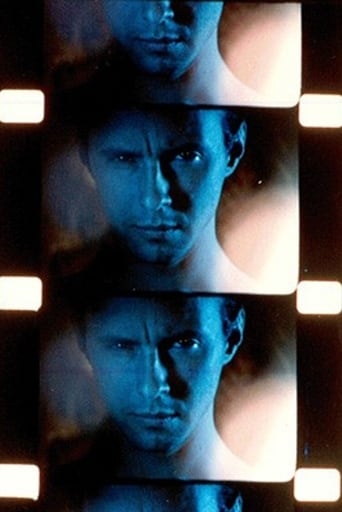
6.8“Faust Part 2” reveals the modern Faust in a romantic interlude, an idyll (from the Greek idein, "to see"); also, a journey of the id. A sense of story is inferred through the complex interweaving of human gesture, expression, and bodily movement within vibrantly shifting colours and rhythmic development, creating multiple levels of metaphorical meaning. A collaborative work with paintings by Emily Ripley and soundtrack by Joel Haertling.
Faust's Other: An Idyll
1988
1970s · 4 titles
 NR
NRDuring the 1970s I shot, helped to make, or commissioned about ten document films, mainly about film-makers. This film is one of them. It was made with Dan Ochiva, who acted as cameraman on about half of the footage. I shot the rest, and then edited the film. It is a record of a conference held at the State University of New York at Buffalo on March 22-25, 1973. Among the participants filmed were Gerald O'Grady (who organized the conference), Will Hindle, Stan Brakhage, Jonas Mekas, Robert Creeley, Bruce Baillie, Scott Bartlett, Hollis Frampton, Ken Jacobs, Ed Pincus, Stan Vanderbeek, Ed Emshwiller, Sally Dixon, James Cox. This footage will eventually become part of my film PEOPLE, PLACES, THE 1970S. –R. H.
Notes on the Buffalo Conference: “Autobiography in American Independent Cinema”
1973
 5.1
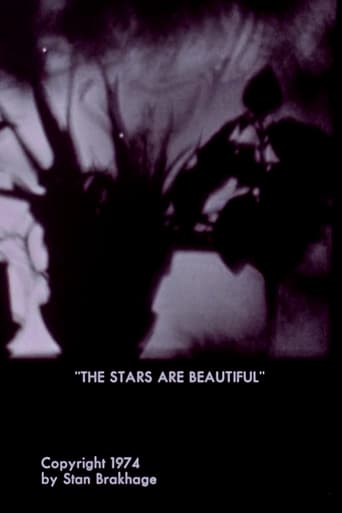
5.1We move back and forth between scenes of a family at home and thoughts about the stars and creation. Children hold chickens while an adult clips their wings; we see a forest; a narrator talks about stars and light and eternity. A dog joins the hens and the family, while the narrator explains the heavens. We see a bee up close. The narrator suggests metaphors for heavenly bodies. Scenes fade into a black screen or dim purple; close-ups of family life may be blurry. The words about the heavens, such as "The stars are a flock of hummingbirds," contrast with images and sounds of real children.
The Stars Are Beautiful
1974
 7.5
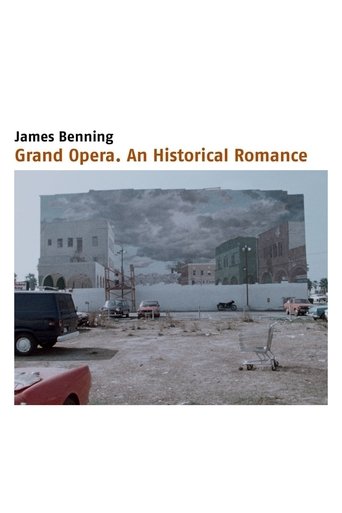
7.5Grand Opera marks a stock-taking of Benning's work and his life, presenting a personal and artistic autobiography woven together with a series of events dealing with the historical development of the number pi, Benning's travels, and homages to Michael Snow, Hollis Frampton, George Landow (Owen Land), and Yvonne Rainer.
Grand Opera: An Historical Romance
1979
 5.9
5.9Fulton made the film during his brief time at Harvard, where he had been invited to teach by Robert Gardner, his friend and collaborator (Fulton would later serve as a cinematographer on Gardner’s 1981 documentary Deep Hearts, among others). Reality’s Invisible could be described as a portrait of the Carpenter Center, yet it is a portrait of an extremely idiosyncratic and distinctive sort. Fulton moves us through the concrete space of the Center’s Le Corbusier-designed building—the only structure by the architect in North America—but, more centrally, presents us footage of students making and discussing their work alongside figures like Gardner, theorist Rudolf Arnheim, artist Stan Vanderbeek, filmmaker Stan Brakhage, and graphic designer Toshi Katayama.
Reality's Invisible
1972
1960s · 10 titles
7.3Also known as Walden, Jonas Mekas’s first diary film is a six-reel chronicle of his life in 1960s New York, interweaving moments with family, friends, lovers, and artistic idols. Blending everyday encounters with portraits of the avant-garde art scene, it forms an epic, personal meditation on community, creativity, and the passage of time.
Diaries, Notes, and Sketches
1968
 6.1
6.1A creation myth realized in light, patterns, images superimposed, rapid cutting, and silence. A black screen, then streaks of light, then an explosion of color and squiggles and happenstance. Next, images of small circles emerge then of the Sun. Images of our Earth appear, woods, a part of a body, a nude woman perhaps giving birth. Imagery evokes movement across time. Part of the Dog Star Man series of experimental films.
Prelude: Dog Star Man
1962
 6.4
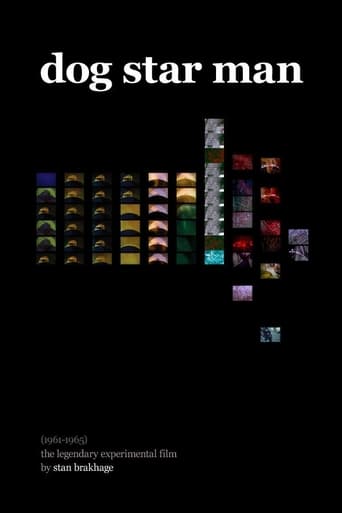
6.4Experimental film following a cycle of seasons as well as the stretch of a single day as a man and his dog slowly ascend a mountain.
Dog Star Man
1965
 NR
NRIimura creates a short self-portrait as well as brief portraits of five of his peers: Brakhage, Vanderbeek, Smith, Mekas and Warhol. In each portrait, Iimura attempts to copy the styles and traits of each artist (Vanderbeek's constantly moving camera; Mekas' experiments with film speed; Warhol's use of flashes of white against a black background), while briefly commenting on the images being shown. The film serves effectively as an introduction to the film styles of these artists.
Filmmakers
1969
 5.0
5.0This film is a limited portrait of Stan Brakhage. The subject attempts to describe the experience that he is involved in by means of immediately responding to the aural and visual stimuli which surround and affect him. Brakhage involves the viewer in the subjective experience of the space in which he is seated, the camera, lights and technicians which created the experiential process. He further extends the parameters of the film's scope through the interjection of real or possibly apparent silence. -S.G., from The Film-makers' Coop
Legendary Epics Yarns and Fables Part 2: Stan Brakhage
1969
 6.1
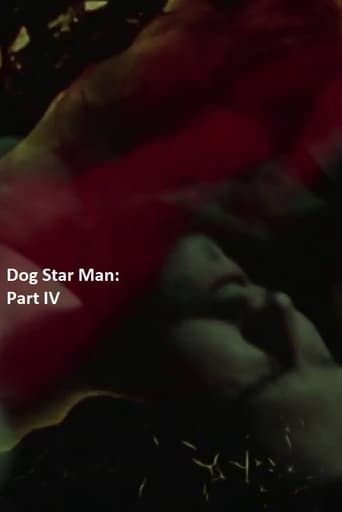
6.1A man is supine on a mountain side. Images rush past of nature and a stained glass saint. An infant is born. We see a lactating nipple. Images include a mountain peak, farm buildings, a tree stump, a fire, a crawling baby, and the sun. The man falls and rolls. Then, later, he swings his ax.
Dog Star Man: Part IV
1964
 6.2
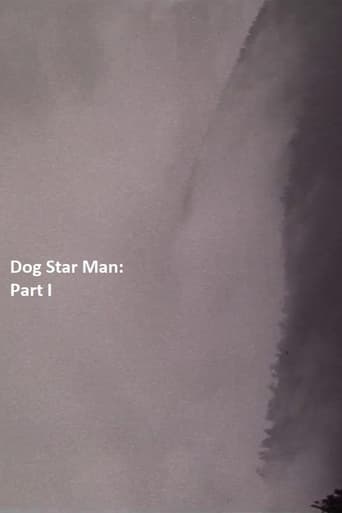
6.2From a murky landscape, a wooded mountain emerges. We watch the sun. We see a bearded man climbing up the mountain through the snow. He carries an ax, and he's accompanied by a dog. His labors continue. There is no soundtrack. Images rush past - water, trees, and surfaces too close up to distinguish. He struggles. A fire burns. Nature, in long shots and magnified, is formidable and silent. It's tough going; he carries on. In a capillary, blood flows.
Dog Star Man: Part I
1963
 6.1
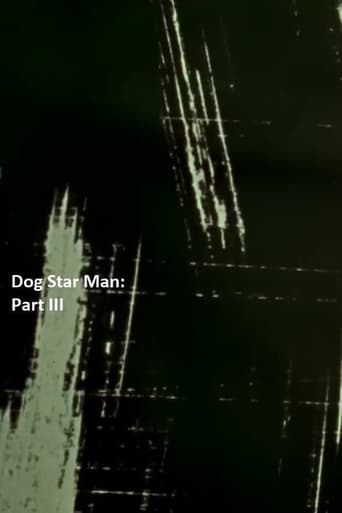
6.1Sexual intimacy. Three kinds of images race past, superimposed on each other sometimes: two bodies, a man and a woman's, close up, nude - patches of skin, wisps of hair, glimpses of a face and genitalia; strips of celluloid with lines and squiggles scratched on them; and, close-up shots of what appear to be the insides of living bodies - a heart beating, muscle and sinew and tissue wet with fluids. The exterior and interior of desire.
Dog Star Man: Part III
1964
 6.9
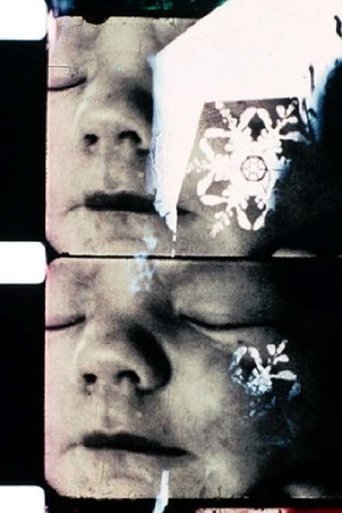
6.9A deconstruction of Dog Star Man that takes the four rolls and shows them first combined, then each combination of three rolls, then each combination of two rolls, then each individual roll. The plot is of a man who goes up a mountain with a dog to chop down a tree but has some unspecified transcendental experience while he is there.
The Art of Vision
1965
 6.4
6.4A man, accompanied by a dog, struggles through snow on a mountain side. We see film stock blister; drawn square shapes appear. Then, we see an infant's face. The images of struggling climber, baby, blurred film stock, large snow flakes, and what may be microscopic details of matter are superimposed on each other, one dominating the frame briefly to be replaced by another. As the man falls in the snow and tries to regain his feet, the baby continues to appear, first with eyes closed. Alternately, images rush by - montages of paper cutouts and life under a microscope.
Dog Star Man: Part II
1964
1950s · 7 titles
 6.9
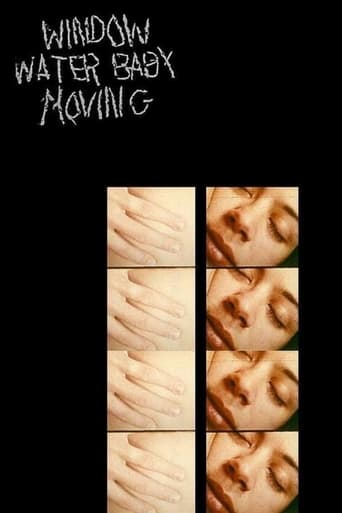
6.9On a winter's day, a woman stretches near a window then sits in a bathtub of water. She's happy. Her lover is nearby; there are close ups of her face, her pregnant belly, and his hands caressing her. She gives birth: we see the crowning of the baby's head, then the birth itself; we watch a pair of hands tie off and cut the umbilical cord. With the help of the attending hands, the mother expels the placenta. The infant, a baby girl, nurses. We return from time to time to the bath scene. By the end, dad's excited; mother and daughter rest.
Window Water Baby Moving
1959
 5.9
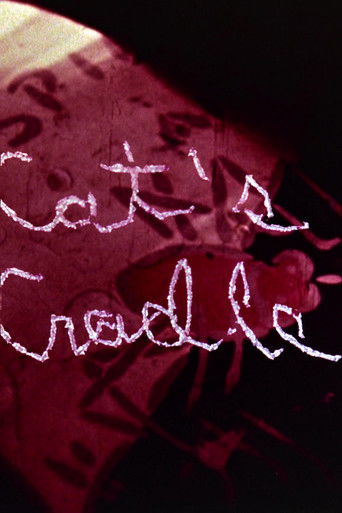
5.9Images of two women, two men, and a gray cat form a montage of rapid bits of movement. A woman is in a bedroom, another wears an apron: they work with their hands, occasionally looking up. A man enters a room, a woman smiles. He sits, another man sits and smokes. The cat stretches. There are close-ups of each. The light is dim; a filter accentuates red. A bare foot stands on a satin sheet. A woman disrobes. She pets the cat. Preserved by the Academy Film Archive in 2006.
Cat's Cradle
1959
 5.5
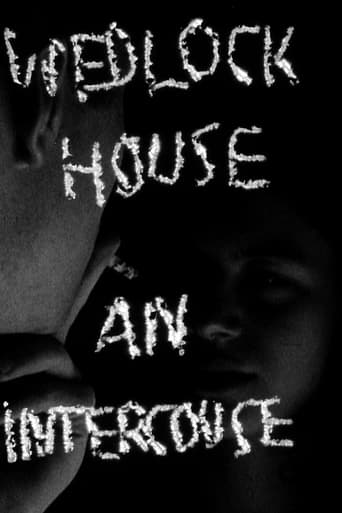
5.5We see a film negative of a nude couple embracing in bed. Then, back in regular black and white images, we see them alone and together, clothed, at home. It's night, she sees his reflection in the window, she closes the drapes. After sex, again in a black and white negative, they sit, smoke, have coffee. They kiss, she smiles. They light candles. The images are often quick, the camera angles occasionally are off kilter; the room is sometimes dark and sometimes lit, as if lit by the rotating of a searchlight. The images again appear in negative when they return to bed.
Wedlock House: An Intercourse
1959
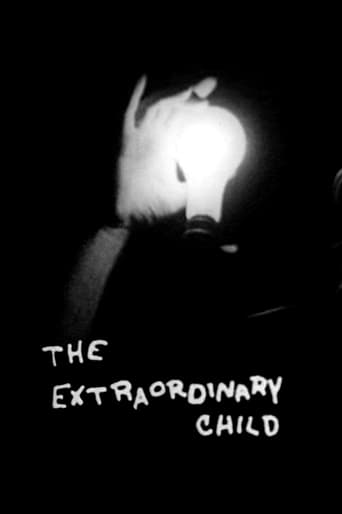 5.9
5.9The Extraordinary Child applies his developing style to broad slapstick. His friends from the previous films and the director himself play out a riotous farce about an overgrown baby who steals his father’s cigars. Everyone mugs hilariously. The movie could be taken as another example of the Romantic notion of the artist as a monstrous child or misfit, or a parody of the same rather than the personal confessional statement seen so often in these film movements.
The Extraordinary Child
1954
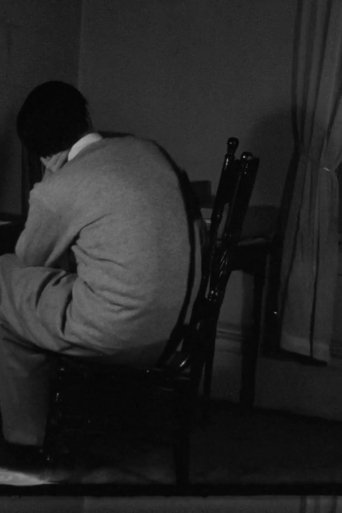 6.0
6.0The young man, played by Stan Brakhage, gets himself into a seriously comic mix-up by indulging in semi-sexual fantasies, and allowing the fantasies to take over. This is the best of my very early films and includes my first footage.
The One Romantic Venture of Edward
1956
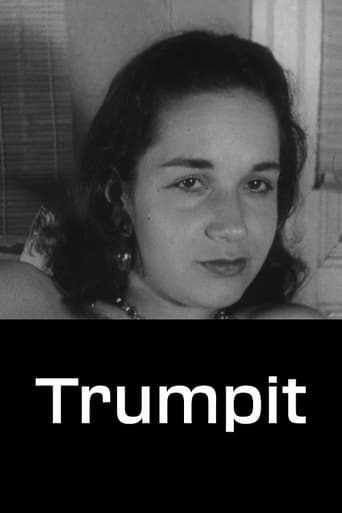 4.0
4.0Featuring a card game played on the body of a naked woman, Lawrence Jordan portrays male sexual frustration while slyly satirizing Hollywood reaction shots.
Trumpit
1956
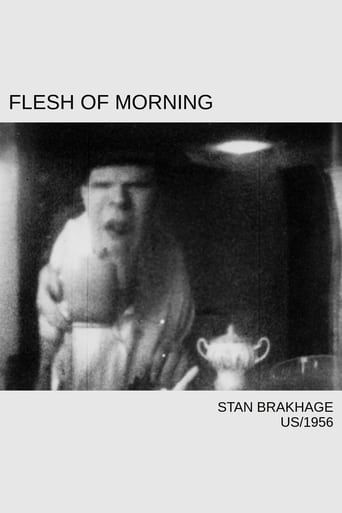 4.8
4.8Short B/W film about the textures of the human skin and household objects, showing Brakhage in the morning as reality distorts around him. Revised in 1986.
Flesh of Morning
1956
Series credits
Behind the camera
6.2In this haunting but lyrical meditation on war, Brakhage intercuts 8-mm footage of Colorado with imagery from WWII newsreels. He responds to the violence and nightmare of war by painting directly on the filmstrip.
23rd Psalm Branch: Part I
1967
8.0SELF SONG documents a body besieged by cancer. The amber glow of flesh suggests both victory and submission to death. Blackness surrounds the image and takes it over altogether. Furthermore, the complex grooves and patterns of the flesh struggle to maintain their focus, suggesting the obscuring and dissolving effects of cancer. In DEATH SONG the film begins with blue hues which suggest the permanent aspect of death to contrast a sequence of overexposed yellow. Within these images are microscopic organisms constantly being 'washed out' by whiteness, which seeks to dissolve the image. In this respect, we might view the purity of whiteness as being 'soiled'. By the end of the film, the image has shifted to the blue screen suggesting a comfortable aspect of death. Yet, this vision is too idyllic in Brakhage's mind, and thus he allows the blueness to bleed from the side of the frame, opening the 'blinds' to the cancerous light. Preserved by the Academy Film Archive in 2016.
Self Song & Death Song
1997
 6.0
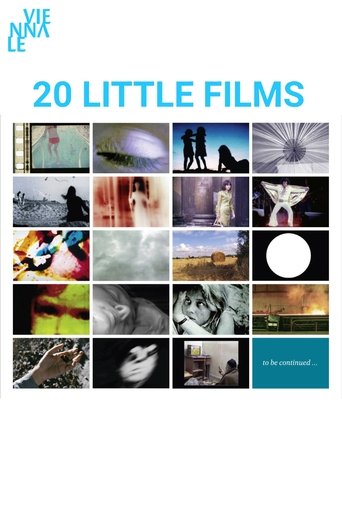
6.0Since 1995, the Viennale has invited renowned directors to create short, one-minute films as personal contributions to the festival. Ranging from home movies to political essays, musical sketches to abstract studies, these “little films” form a unique anthology of cinematic moments. 20 Little Films collects a selection of these works, premiering together for the Viennale’s 50th anniversary at the Locarno Film Festival.
20 Little Films
2012
 5.6
5.6Reel #5 of (...) is composed of scratch-imagery edited to music by James Tenney. The music starts accompanied only by black leader: then there is a sudden flare of pure white which begins to flicker with negative-colored ephemeral shapes, until finally the music and a fulsome mass of scratched images are accompanying each other. At times a distinctly different quality of colored image appears and continues for awhile (non-orange negative photography of painted film as well as picture images).
"..." Reel 5
1998
7.0Working completely outside the mainstream, the wildly prolific, visionary Stan Brakhage made more than 350 films over a half century. Challenging all taboos in his exploration of “birth, sex, death, and the search for God,” he has turned his camera on explicit lovemaking, childbirth, even autopsy. Many of his most famous works pursue the nature of vision itself and transcend the act of filming. Some, including the legendary Mothlight, were made without using a camera at all, as he pioneered the art of making images directly on film, by drawing, painting, and scratching.
By Brakhage: An Anthology, Volume One
2003
7.0Working completely outside the mainstream, the wildly prolific, visionary Stan Brakhage made more than 350 films over a half century. Challenging all taboos in his exploration of “birth, sex, death, and the search for God,” he has turned his camera on explicit lovemaking, childbirth, even autopsy. Many of his most famous works pursue the nature of vision itself and transcend the act of filming. Some, including the legendary Mothlight, were made without using a camera at all, as he pioneered the art of making images directly on film, by drawing, painting, and scratching.
By Brakhage: An Anthology, Volume One
2003
 5.9
5.9Four films in contemplation upon those events which are so centered upon one moment that chronology seems almost obliterated or at least unimportant in remembrance.
The Domain of the Moment
1977
6.9On a winter's day, a woman stretches near a window then sits in a bathtub of water. She's happy. Her lover is nearby; there are close ups of her face, her pregnant belly, and his hands caressing her. She gives birth: we see the crowning of the baby's head, then the birth itself; we watch a pair of hands tie off and cut the umbilical cord. With the help of the attending hands, the mother expels the placenta. The infant, a baby girl, nurses. We return from time to time to the bath scene. By the end, dad's excited; mother and daughter rest.
Window Water Baby Moving
1959
 6.1
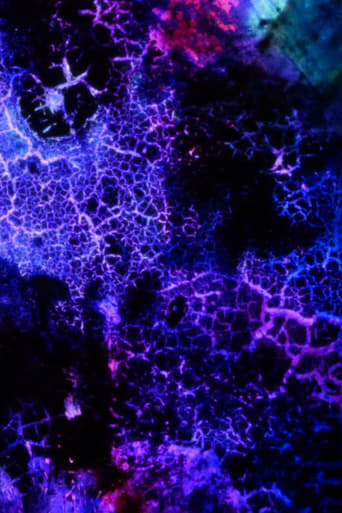
6.1Colleagues at the University of Colorado at Boulder, the two began with strips of film Brakhage had painted on by hand, photographing them frame by frame with Solomon’s optical printer. They often printed two strips of film together, some of them containing images taken by Solomon, then chose from the images what Brakhage says “seemed to us natural phrases,” which Brakhage arranged into the final form. The result is a 40-minute silent film in which occasional hints of photographic images sometimes seem to peek through largely abstract shapes.
Elementary Phrases
1994
6.1A creation myth realized in light, patterns, images superimposed, rapid cutting, and silence. A black screen, then streaks of light, then an explosion of color and squiggles and happenstance. Next, images of small circles emerge then of the Sun. Images of our Earth appear, woods, a part of a body, a nude woman perhaps giving birth. Imagery evokes movement across time. Part of the Dog Star Man series of experimental films.
Prelude: Dog Star Man
1962
 6.5
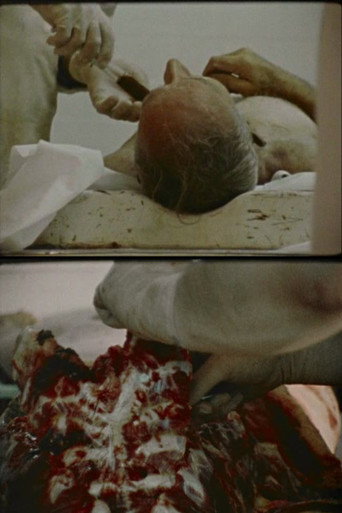
6.5At a morgue, forensic pathologists conduct autopsies of the corpses assigned. "S. Brakhage, entering, WITH HIS CAMERA, one of the forbidden, terrific locations of our culture, the autopsy room. It is a place wherein, inversely, life is cherished, for it exists to affirm that no one of us may die without our knowing exactly why. All of us, in the person of the coroner, must see that, for ourselves, with our own eyes. It is a room full of appalling particular intimacies, the last ditch of individuation. Here our vague nightmare of mortality acquires the names and faces of OTHERS. This last is a process that requires a WITNESS; and what 'idea' may finally have inserted itself into the sensible world we can still scarcely guess, for the CAMERA would seem the perfect Eidetic Witness, staring with perfect compassion where we can scarcely bear to glance." – Hollis Frampton
The Act of Seeing with One's Own Eyes
1972
6.4Experimental film following a cycle of seasons as well as the stretch of a single day as a man and his dog slowly ascend a mountain.
Dog Star Man
1965
6.4Experimental film following a cycle of seasons as well as the stretch of a single day as a man and his dog slowly ascend a mountain.
Dog Star Man
1965
 6.0
6.0First shown on January 30, 1967, FOR LIFE AGAINST THE WAR was an open-call, collective statement from American independent filmmakers disparate in style and sensibility but united by their opposition to the Vietnam War. Part of the protest festival Week of the Angry Arts, the epic compilation film incorporated minute-long segments which were sent from many corners of the country, spliced together and projected. The original presentation of the works was more of an open forum with no curation or selection, and in 2000 Anthology Film Archives preserved a print featuring around 40 films from over 60 submissions.
For Life, Against the War
1967
 5.4
5.4Photographing near Taos, New Mexico, where D.H. Lawrence lived, and in the room in which his ashes may be entombed, Brakhage also cites a statement of the writer's in connection with the film: "There must be mutation swifter than iridescence, haste, not rest, come-and-go, not fixity, inconclusiveness, immediacy, the quality of life itself, without denouement or close."
Visions in Meditation #4: D.H. Lawrence
1990
 5.6
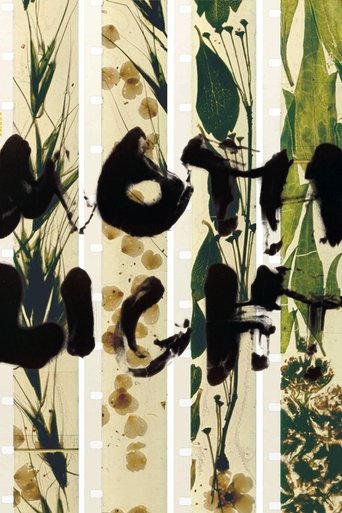
5.6Seemingly at random, the wings and other bits of moths and insects move rapidly across the screen. Most are brown or sepia; up close, we can see patterns within wings, similar to the veins in a leaf. Sometimes the images look like paper cutouts, like Matisse. Green objects occasionally appear. Most wings are translucent. The technique makes them appear to be stuck directly to the film.
Mothlight
1963
 8.3
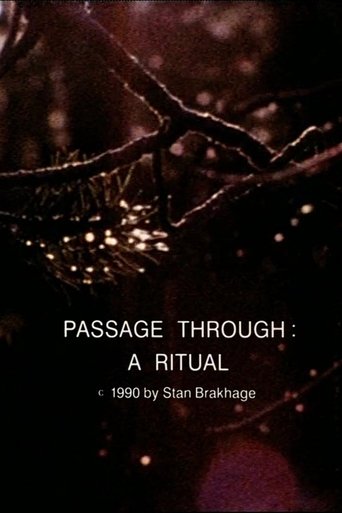
8.3“[Passage Through] required the most exacting editing process ever; and in the course of that work it occurred to me that I’d originally made 'The Riddle of Lumen' hoping someone would make an ‘answering’ film and entertain my visual riddle in the manner of the riddling poets of yore. I most expected Hollis Frampton (because of 'Zorns Lemma') to pick up the challenge; but he never did. In some sense I think composer Corner has – and now we have this dance of riddles as music and film combine to make ‘passage,’ in every sense of the word, further possible.” –S.B.
Passage Through: A Ritual
1990
 4.7
4.7A visualization of the inner world of foetal beginnings, the infant, the baby, the child - a shattering of the "myths of childhood" through revelation of the extremes of violent terror and overwhelming joy of that world darkened to most adults by their sentimental remembering of it ... a "tone poem" for the eye - very inspired by the music of Oliver Messiaen.
Scenes from Under Childhood, Section One
1968
One of Brakhage's series of short films painted directly on film, from 1999. Preserved by the Academy Film Archive in 2013.
Persian Series 1-5
—
 4.6
4.6Directly in the tradition of SEXUAL MEDITATION #1: Motel, this "sequel" does explore further possibilities of nudes in a room. - Canyon Cinema
Sexual Meditation: Room with View
1971
5.1We move back and forth between scenes of a family at home and thoughts about the stars and creation. Children hold chickens while an adult clips their wings; we see a forest; a narrator talks about stars and light and eternity. A dog joins the hens and the family, while the narrator explains the heavens. We see a bee up close. The narrator suggests metaphors for heavenly bodies. Scenes fade into a black screen or dim purple; close-ups of family life may be blurry. The words about the heavens, such as "The stars are a flock of hummingbirds," contrast with images and sounds of real children.
The Stars Are Beautiful
1974
5.1We move back and forth between scenes of a family at home and thoughts about the stars and creation. Children hold chickens while an adult clips their wings; we see a forest; a narrator talks about stars and light and eternity. A dog joins the hens and the family, while the narrator explains the heavens. We see a bee up close. The narrator suggests metaphors for heavenly bodies. Scenes fade into a black screen or dim purple; close-ups of family life may be blurry. The words about the heavens, such as "The stars are a flock of hummingbirds," contrast with images and sounds of real children.
The Stars Are Beautiful
1974
 10.0
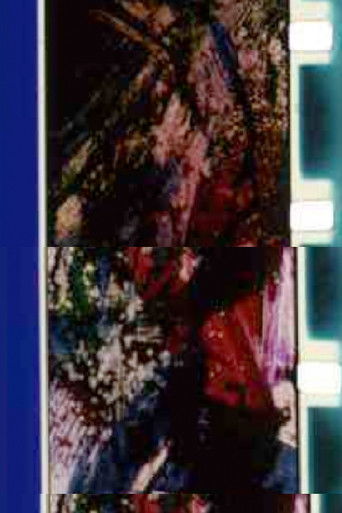
10.0This little hand-painted film was over-a-year in the making, and absolutely dependent upon a quality of "broad-stroke" in the painting which I think only children really capable of achieving, at least insofar as such stroke can approximate flame. These strokes/flames had, then, to be chopped back to the frame, in order to exist meaningfully on film. They had to be so timed as to epitomize the relentless of fire, so toned that fiery ice would be included in the aesthetic. - SB
Shockingly Hot
1996
5.9Images of two women, two men, and a gray cat form a montage of rapid bits of movement. A woman is in a bedroom, another wears an apron: they work with their hands, occasionally looking up. A man enters a room, a woman smiles. He sits, another man sits and smokes. The cat stretches. There are close-ups of each. The light is dim; a filter accentuates red. A bare foot stands on a satin sheet. A woman disrobes. She pets the cat. Preserved by the Academy Film Archive in 2006.
Cat's Cradle
1959
 6.8
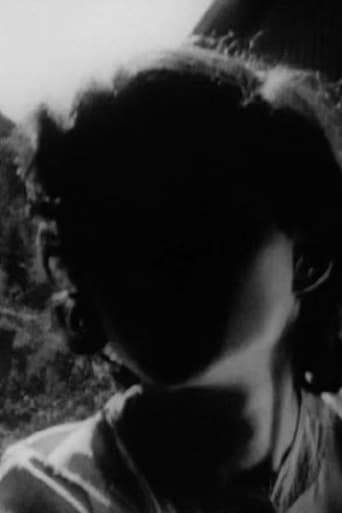
6.8An anatomy of violence. Four young men and two young women are on a drive. There's a rivalry between two guys for one of the girls. On a remote road, the car stalls. The driver hitchhikes for help. Led by the intrepid girl, the others walk toward abandoned buildings, perhaps a mining operation. One of the three guys sits and reads. The intrepid one explores the building and sees something that scares her. She screams; the two rivals and the second girl run to find her. Something she says starts a fight between her two suitors. The one reading a book walks away in disgust. After stopping the fight, the two young women follow. How can this end? Preserved by the Academy Film Archive in 2005.
Unglassed Windows Cast a Terrible Reflection
1953
6.8An anatomy of violence. Four young men and two young women are on a drive. There's a rivalry between two guys for one of the girls. On a remote road, the car stalls. The driver hitchhikes for help. Led by the intrepid girl, the others walk toward abandoned buildings, perhaps a mining operation. One of the three guys sits and reads. The intrepid one explores the building and sees something that scares her. She screams; the two rivals and the second girl run to find her. Something she says starts a fight between her two suitors. The one reading a book walks away in disgust. After stopping the fight, the two young women follow. How can this end? Preserved by the Academy Film Archive in 2005.
Unglassed Windows Cast a Terrible Reflection
1953
 6.7
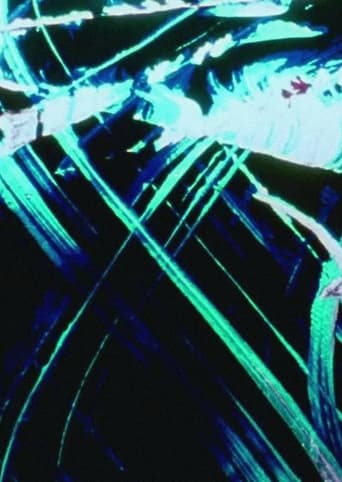
6.7Brakhage's frame-by-frame hand carvings and etchings directly into the film emulsion, sometimes photographically combined with paint, are illuminated by Solomon's optical printing; this footage was then edited by Solomon into a four part 'seasonal cycle'. This film can be considered to be part of a larger, 'umbrella' work by Brakhage entitled «...» . Seasons... is inspired by the colors and textures found in the woodcuts of Hokusai and Hiroshige, and the playful sense of forms dancing in space from the film works of Robert Breer and Len Lye.
Seasons...
2002
 8.0
8.0“Films made by the five Brakhage children; Brakhage arranged them in this form but did not edit them.” –Robert Haller
Window Suite of Children's Songs
1969
 4.5
4.5Prelude 20 begins with pale washes of hand-painted tones overlaid eventually by sharp forms, a kind of sliced color becoming more and more smeared.
Prelude 20
1996
6.1A man is supine on a mountain side. Images rush past of nature and a stained glass saint. An infant is born. We see a lactating nipple. Images include a mountain peak, farm buildings, a tree stump, a fire, a crawling baby, and the sun. The man falls and rolls. Then, later, he swings his ax.
Dog Star Man: Part IV
1964
5.7Phrases of Stephen Foster, set to music by Joel Heartling, are set to film in this autobiographical piece: a solitary female voice, occasionally joined by a chorus, sings phrases of sorrow as we watch a solitary man in shadows in an unadorned house: he stretches out, he picks his feet, he walks across a room, he rocks in a chair. Occasionally he watches two young children at play; the film sometimes speeds up. Handwritten words, like "dark void" and "waiting longing," cross the screen. Film and phrases often come in short bursts. Outdoor it looks gray and cold.
I... Dreaming
1988
5.8A depiction of the creative process of hand-painting film giant, Stan Brakhage. Inspired by Monet's paintings from Giverny, Brakhage's luminous abstract painting transforms the screen into an oneiric botanical landscape. Brakhage's painted loops leap out of black and white footage of the master at work, painting and printing.
Garden Path
2001
 5.7
5.7This, the first completed reel of work-in-progress, draws on autobiographical energies and images which reflect the first 20 years of my living. I have three definitions of the word Sincerity to sustain my working along these lines of thought with this autobiographical material: (1) Ezra Pound's marvelous mistranslation of a Chinese ideogram – Sincerity... the sun's lance coming to rest on the precise spot verbally...(of which I would change, for my purposes, the last word to visually), (2) Robert Creeley's trace-of-the-word for me on the back of a Buffalo restaurant menu Sym-keros... same-growth (Ceres) CREATE... of the same growth, and (3) Hollis Frampton's track-of-it to 'the greek', viz – 'a glazed pot (i. e. one which will hold water).' This film might best be seen, then, as a graph of light equivalent to autobiographical thought process.
Sincerity I
1973
5.5We see a film negative of a nude couple embracing in bed. Then, back in regular black and white images, we see them alone and together, clothed, at home. It's night, she sees his reflection in the window, she closes the drapes. After sex, again in a black and white negative, they sit, smoke, have coffee. They kiss, she smiles. They light candles. The images are often quick, the camera angles occasionally are off kilter; the room is sometimes dark and sometimes lit, as if lit by the rotating of a searchlight. The images again appear in negative when they return to bed.
Wedlock House: An Intercourse
1959
 7.0
7.0Portrait of the great chess master, aesthetician, human being, Eugene Salome.
Salome
1980
 6.8
6.8This film of single-strand photography begins with the "fire" of reflective light on water and on the barest inferences of a ship. Throughout, the interwoven play of light and water tell the inferred "tale" of the film through rhythm, the tempo, through visible textures and forms in gradual evolution, through resultant "moods" generated by these modes of making, and, then, by the increasingly distant boat images, birds, animals, fleeting silhouettes of people and their artifacts, flotsam and jetsam of the sea-dead, as well as (near end, and almost as at a funeral) flowers in bloom, swallowed by darkness midst the crumbling of the sand castles.
The God of Day Had Gone Down Upon Him
2000
6.2From a murky landscape, a wooded mountain emerges. We watch the sun. We see a bearded man climbing up the mountain through the snow. He carries an ax, and he's accompanied by a dog. His labors continue. There is no soundtrack. Images rush past - water, trees, and surfaces too close up to distinguish. He struggles. A fire burns. Nature, in long shots and magnified, is formidable and silent. It's tough going; he carries on. In a capillary, blood flows.
Dog Star Man: Part I
1963
 4.0
4.0Featuring stylized visual storytelling, this rarely seen film by famed experimental filmmaker Stan Brakhage was produced for the Colorado Department of Public Relations and is one of two films (the other being "Colorado Legend") to explore Colorado myths. This film tells the story of the Ute people and the tension between the youth, “the Braves”, and an elder, “Smoking Water”. The cultural objects were provided by the University of Colorado Museum and Denver Art Museum.
Ballad of the Colorado Ute
1961
 10.0
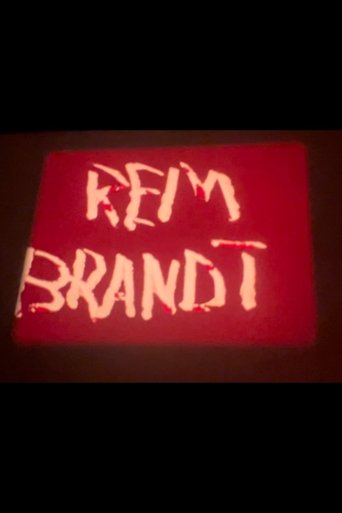
10.0The following films were all made in 1976. I do not wish to describe them. —SB "Two portrait sketches and two nondescript."
Rembrandt, Etc., and Jane
1976
 NR
NRWhile ill and experiencing some difficulty in completing the editing of this film, Brakhage was reading the Marguerite Young novel, "Miss MacIntosh, My Darling." Coming upon the following passage in her book, he found renewed energy to continue and complete the work: "Why should she give birth, though she had worked in a pottery, to an urn, to a stone angel, to the face of a cracked sundial? Why should she be, she screamed, this common clay, this tortured dust?" From "Miss MacIntosh, My Darling" by Marguerite Young... to whom this film is gratefully dedicated.
Tortured Dust Part 4
1984