
Directing
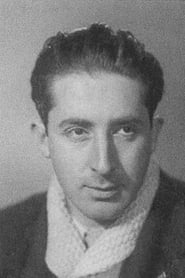
Grigori Kozintsev
Born 1905-03-22 · Kiev, Ukraine, Soviet Union
Grigori Mikhailovich Kozintsev (Russian: Григорий Михайлович Козинцев; 22 March [O.S. 9 March] 1905 – 11 May 1973) was a Soviet theatre and film director, screenwriter and pedagogue. He was named People's Artist of the USSR in 1964. In 1965 he was a member of the jury at the 4th Moscow International Film Festival. Two years later he was a member of the jury of the 5th Moscow International Film Festival. In 1971 he was the president of the jury at the 7th Moscow International Film Festival.
Acting credits
No synopsis available yet.
Георгий Вицин. Отшельник
2008
The second film of Alexander Sokurov's documentary series "Petersburg Diary" is dedicated to the outstanding Soviet film director Grigory Kozintsev
Petersburg Diary: Kozintsev's Apartment
1998
 NR
NR“The Magic Beam” is a film essay woven together from newsreels and documentary material from different decades, fragments of hundreds of non-fiction and fiction Soviet films of the 1910s-1960s.
The Magic Beam
1963
 NR
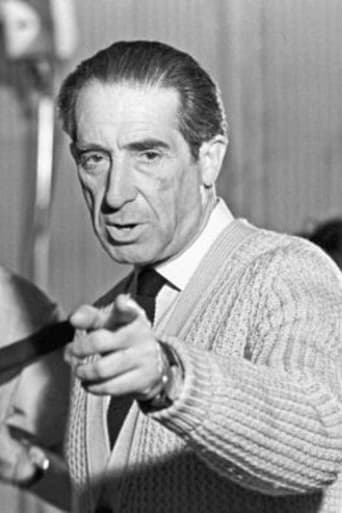
NRA documentary film about the Russian director Sergei Kosintsev.
The Diary of St. Petersburg: Kozintsev's Flat
1998
 NR
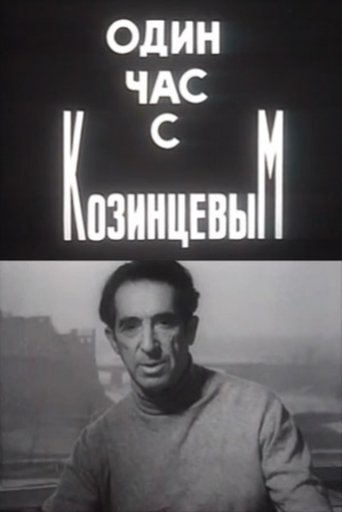
NRNo synopsis available yet.
One Hour With Kozintsev
1970
 NR
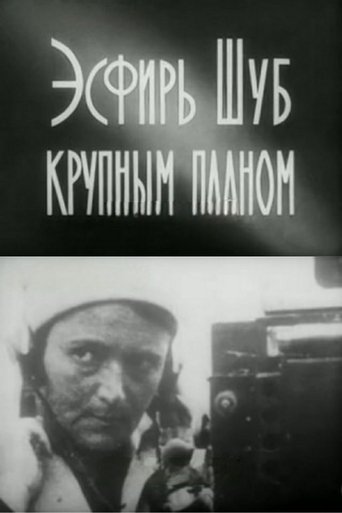
NRThe film tells about the life and work of the outstanding figure of Russian cinema Esfir Ilyinichna Shub.
Esfir Shub in Close-Up
1972
Behind the camera
 6.7
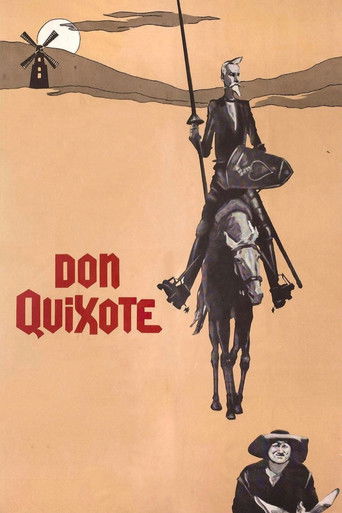
6.7Senor Quexana has read so many books on chivalry that he believes that he is the knight Don Quixote de la Mancha. So Don Quixote sets off on his horse, accompanied by his squire Sancho Panza on a mule, to perform valiant deeds. They mistakenly save the Lady Altisidora who is so amused that she invites them to visit the Duke to provide some merriment at court. Among other deeds, Don Quixote frees some prisoners, who then turn upon him, and Don Quixote attacks a windmill that he imagines is a monstrous wizard.
Don Quixote
1957
 7.3
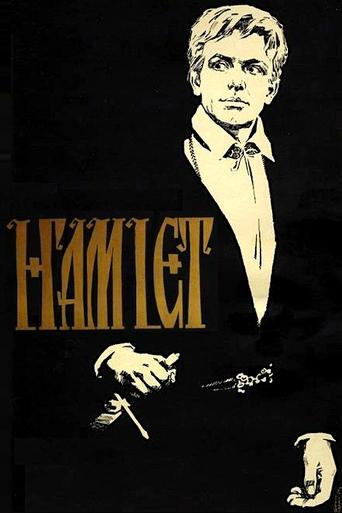
7.3Shakespeare's 17th century masterpiece about the "Melancholy Dane" was given one of its best screen treatments by Soviet director Grigori Kozintsev. Kozintsev's Elsinore was a real castle in Estonia, utilized metaphorically as the "stone prison" of the mind wherein Hamlet must confine himself in order to avenge his father's death. Hamlet himself is portrayed (by Innokenti Smoktunovsky) as the sole sensitive intellectual in a world made up of debauchers and revellers. Several of Kozintsev directorial choices seem deliberately calculated to inflame the purists: Hamlet's delivers his "To be or not to be" soliloquy with his back to the camera, allowing the audience to fill in its own interpretations.
Hamlet
1964
7.3Shakespeare's 17th century masterpiece about the "Melancholy Dane" was given one of its best screen treatments by Soviet director Grigori Kozintsev. Kozintsev's Elsinore was a real castle in Estonia, utilized metaphorically as the "stone prison" of the mind wherein Hamlet must confine himself in order to avenge his father's death. Hamlet himself is portrayed (by Innokenti Smoktunovsky) as the sole sensitive intellectual in a world made up of debauchers and revellers. Several of Kozintsev directorial choices seem deliberately calculated to inflame the purists: Hamlet's delivers his "To be or not to be" soliloquy with his back to the camera, allowing the audience to fill in its own interpretations.
Hamlet
1964
 6.7
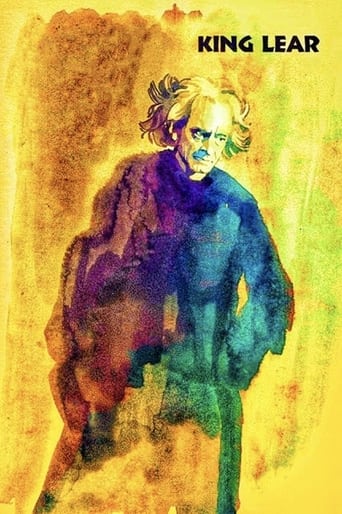
6.7King Lear, old and tired, divides his kingdom among his daughters, giving great importance to their protestations of love for him. When Cordelia, youngest and most honest, refuses to idly flatter the old man in return for favor, he banishes her and turns for support to his remaining daughters. But Goneril and Regan have no love for him and instead plot to take all his power from him. In a parallel, Lear's loyal courtier Gloucester favors his illegitimate son Edmund after being told lies about his faithful son Edgar. Madness and tragedy befall both ill-starred fathers.
King Lear
1970
6.7King Lear, old and tired, divides his kingdom among his daughters, giving great importance to their protestations of love for him. When Cordelia, youngest and most honest, refuses to idly flatter the old man in return for favor, he banishes her and turns for support to his remaining daughters. But Goneril and Regan have no love for him and instead plot to take all his power from him. In a parallel, Lear's loyal courtier Gloucester favors his illegitimate son Edmund after being told lies about his faithful son Edgar. Madness and tragedy befall both ill-starred fathers.
King Lear
1970
Lost film.
Мишки против Юденича
1925
Lost film.
Мишки против Юденича
1925
 6.1
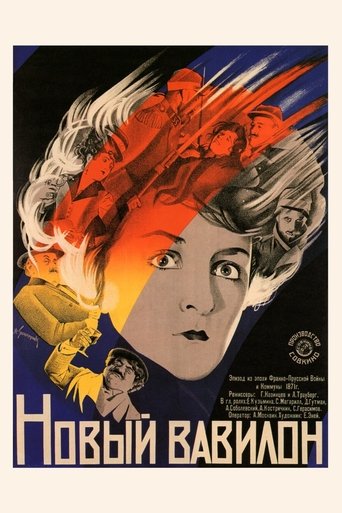
6.1In the short-lived Commune of Paris, a conscripted soldier falls in love with a Communard saleswoman. As the army cracks down on the revolutionaries, the soldier is forced to fight against the Commune, and the pair's love is put to the test.
The New Babylon
1929
6.1In the short-lived Commune of Paris, a conscripted soldier falls in love with a Communard saleswoman. As the army cracks down on the revolutionaries, the soldier is forced to fight against the Commune, and the pair's love is put to the test.
The New Babylon
1929
 10.0
10.0The collection consists of five short stories: "The Meeting," "One of Many," "At the Old Nanny's," "One Hundred for One," and "The Incident at the Telegraph Office."
Collection of Films for the Armed Forces #2
1941
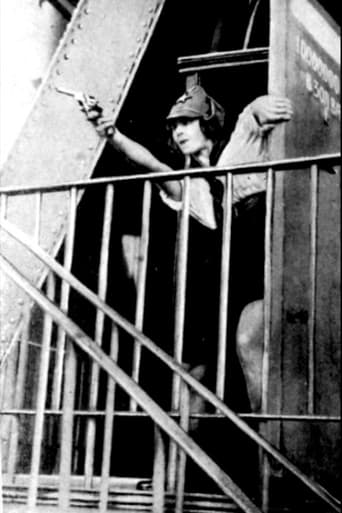 10.0
10.0Satire of the bourgeoisie and the West, anti-religious propaganda, agitation for a new lifestye, sees a young female revolutionary in a military helmet and miniskirt, ride a motorcycle through St. Petersburg
The Adventures of Oktyabrina
1924
10.0Satire of the bourgeoisie and the West, anti-religious propaganda, agitation for a new lifestye, sees a young female revolutionary in a military helmet and miniskirt, ride a motorcycle through St. Petersburg
The Adventures of Oktyabrina
1924
 6.2
6.2A 1945 Soviet war film which, along with the second part of Eisenstein's Ivan the Terrible was harshly criticized by Andrei Zhdanov and banned. A version of the film, released in 1956 during the Khrushchev Thaw, was disowned by director Grigori Kozintsev because the reediting was done without his participation.
Simple People
1945
6.2A 1945 Soviet war film which, along with the second part of Eisenstein's Ivan the Terrible was harshly criticized by Andrei Zhdanov and banned. A version of the film, released in 1956 during the Khrushchev Thaw, was disowned by director Grigori Kozintsev because the reediting was done without his participation.
Simple People
1945
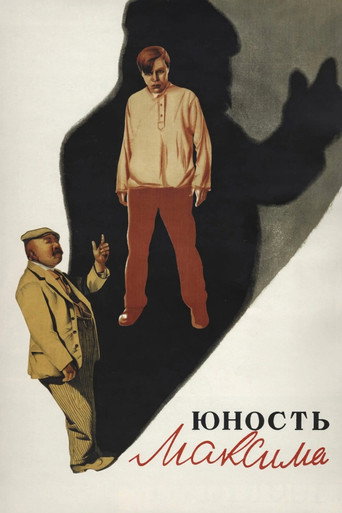 5.7
5.7A 1935 USA trade-paper reviewer called it... "an impressive and technically outstanding historical drama dealing with czarist terrorism and revolutionary boiling in the days of 1907. Picture is one of the Soviet prize winners and has particular merits in realistic performance, photography and movement, plus some musical touches in way of folk songs."
The Youth of Maxim
1935
5.7A 1935 USA trade-paper reviewer called it... "an impressive and technically outstanding historical drama dealing with czarist terrorism and revolutionary boiling in the days of 1907. Picture is one of the Soviet prize winners and has particular merits in realistic performance, photography and movement, plus some musical touches in way of folk songs."
The Youth of Maxim
1935
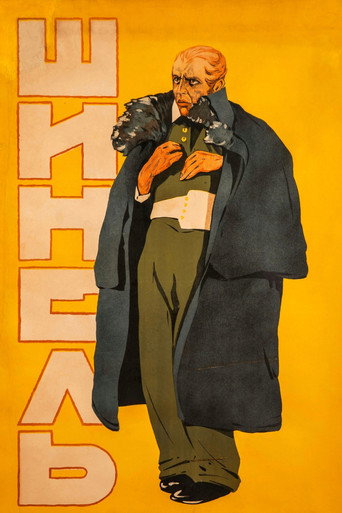 5.1
5.1Soviet film based on "Nevsky Prospekt" and "The Overcoat" by Nikolai Gogol.
The Overcoat
1926
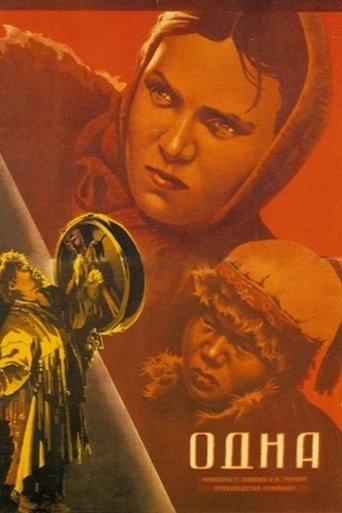 5.5
5.5A young teacher is sent to a remote province, separating her from her lover, and sets about the difficult task of building a school there.
Alone
1931
5.5A young teacher is sent to a remote province, separating her from her lover, and sets about the difficult task of building a school there.
Alone
1931
 5.9
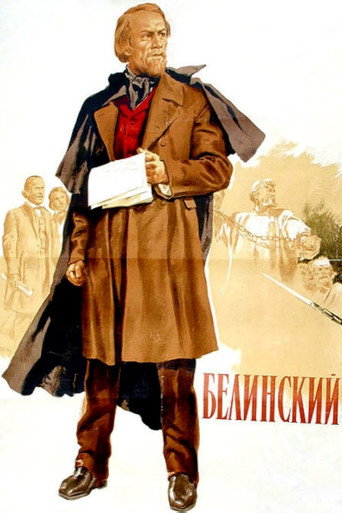
5.9A biopic based on the life of Russian literary critic Vissarion Belinsky (1811–1848). The production of the film was completed in 1951, but it was not released until 1953, following the reshooting of various scenes demanded by Stalin.
Belinsky
1953
5.9A biopic based on the life of Russian literary critic Vissarion Belinsky (1811–1848). The production of the film was completed in 1951, but it was not released until 1953, following the reshooting of various scenes demanded by Stalin.
Belinsky
1953
 5.3
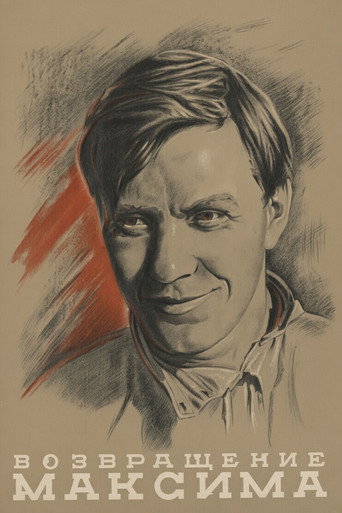
5.3The second part of trilogy about the life of a young factory worker, Maxim. In July 1914, the Bolsheviks and Mensehviks compete for representation of the working-class in the Duma. Maksim, who just returned from exile, calls the workers to strike as a protest against the firing of six of their colleagues. The traitor Platon Dymba assaults Maksim, wounding him severely. When the strike unfolds the workers demonstrate by the thousands, the news of the outbreak of World War I suddenly arrives. Maksim gets drafted.
The Return of Maxim
1937
5.3The second part of trilogy about the life of a young factory worker, Maxim. In July 1914, the Bolsheviks and Mensehviks compete for representation of the working-class in the Duma. Maksim, who just returned from exile, calls the workers to strike as a protest against the firing of six of their colleagues. The traitor Platon Dymba assaults Maksim, wounding him severely. When the strike unfolds the workers demonstrate by the thousands, the news of the outbreak of World War I suddenly arrives. Maksim gets drafted.
The Return of Maxim
1937
 7.4
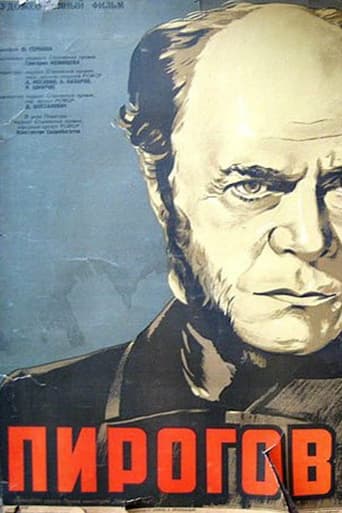
7.4A biopic based on the life of Russian scientist and doctor Nikolai Ivanovich Pirogov (1810-1881), famous for being the founder of field surgery.
Pirogov
1947