
Acting
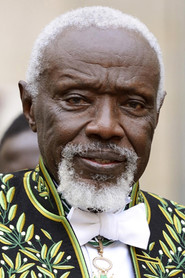
Ousmane Sow
Born — Died
1935-10-10 — 2016-12-01
Place of birth
Dakar, Sénégal
Known for
Acting
Credits
4 titles
Ousmane Sow, born on October 10, 1935, in Dakar, and died on December 1, 2016, in the same city, was a Senegalese sculptor. Ousmane Sow was born in Dakar to a mother from Saint-Louis and a father from Dakar, thirty years his senior. He grew up in Reubeuss, one of Dakar's toughest neighborhoods, where he received an extremely strict upbringing during which his father instilled responsibility in him from a very young age. From his father, he inherited rigor, a sense of duty, and a free spirit. After his father's death, and despite his deep affection for his mother, he decided to leave for Paris, penniless. While working various odd jobs, and after giving up his studies at the School of Fine A…
Known for
 8.0
8.0La Grande Librairie is a 90-minute literary program, launched by François Busnel in September 2008 and presented by Augustin Trapenard since 2022, broadcast live every Wednesday on France 5. A direct successor to Bernard Pivot's Apostrophes, it is the only literary program scheduled in prime time and is considered the most influential program on book sales, thanks to its connection with small bookstores, which attest to the return of readers in many French cities.
La Grande Librairie
2008
 10.0
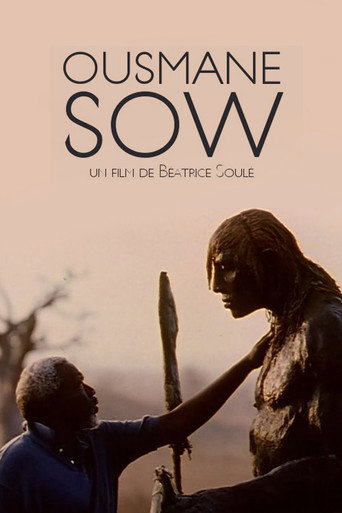
10.0No synopsis available yet.
Ousmane Sow
1996
 10.0
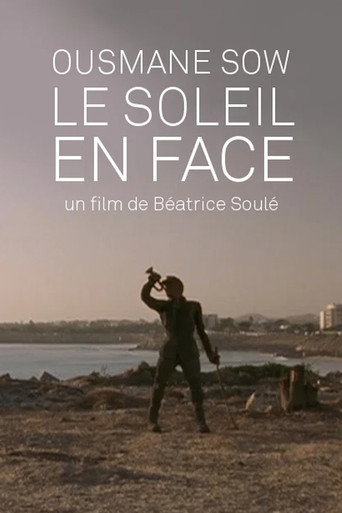
10.0This is the story of time passing, at the slow pace of Ousmane Sow, and of time rushing by, from the birth of a work to its unveiling one spring day in Paris on the Pont des Arts. For a year, while preparing the exhibitions in Dakar and Paris, Béatrice Soulé witnessed the creation of Two Moon, Sitting Bull, Chief Gall, and Crazy Horse by Ousmane Sow—Sioux and Cheyenne chiefs who, gathered along the Little Bighorn River, won the most important Native American victory against the American army in 1868, a victory that led to the death of General Custer. In the intimacy of the sculptor's home in Dakar, a home itself a place of creation, she shares with us her emotion at seeing works emerge from the sand, works that seem to journey from death to life.
Ousmane Sow, Le soleil en face
1999
 8.0
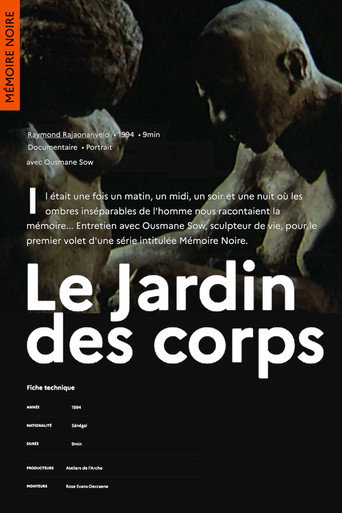
8.0Once upon a time there was a morning, noon, evening and night when the inseparable shadows of man told us about memory... Interview with Ousmane Sow, life sculptor, for the first part of a series entitled Black Memory.
Le Jardin des Corps
1994
Film credits
1990s · 3 titles
10.0No synopsis available yet.
Ousmane Sow
1996
10.0This is the story of time passing, at the slow pace of Ousmane Sow, and of time rushing by, from the birth of a work to its unveiling one spring day in Paris on the Pont des Arts. For a year, while preparing the exhibitions in Dakar and Paris, Béatrice Soulé witnessed the creation of Two Moon, Sitting Bull, Chief Gall, and Crazy Horse by Ousmane Sow—Sioux and Cheyenne chiefs who, gathered along the Little Bighorn River, won the most important Native American victory against the American army in 1868, a victory that led to the death of General Custer. In the intimacy of the sculptor's home in Dakar, a home itself a place of creation, she shares with us her emotion at seeing works emerge from the sand, works that seem to journey from death to life.
Ousmane Sow, Le soleil en face
1999
8.0Once upon a time there was a morning, noon, evening and night when the inseparable shadows of man told us about memory... Interview with Ousmane Sow, life sculptor, for the first part of a series entitled Black Memory.
Le Jardin des Corps
1994