
Directing
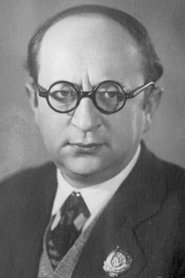
Grigoriy Roshal
Born — Died
1899-08-21 — 1983-01-11
Place of birth
Novozybkov, Chernigov Governorate, Russian Empire [now Bryansk Oblast, Russia]
Known for
Directing
Credits
35 titles
Soviet director and screenwriter. Brother of screenwriter Serafima Roshal. Married to screenwriter Vera Stroyeva.
Known for
 5.8
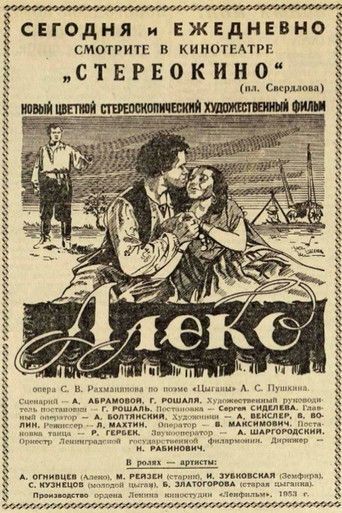
5.8The history of the gypsy Aleko who couldn't forgive the betrayal of his wife.
Aleko
1953
 9.0
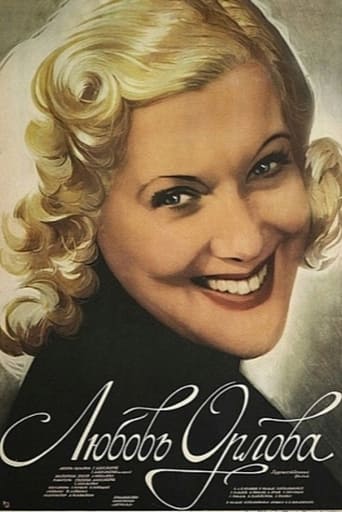
9.0A documentary on the life of the famous actress, deceased wife of the director Grigoriy Aleksandrov.
Lyubov Orlova
1985
 9.0
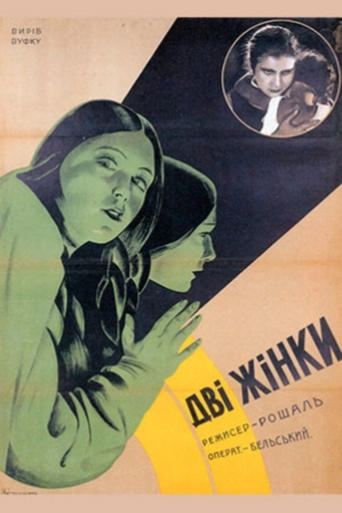
9.0During the NEP era, the ex-wife of a White officer, now married to a dedicated Soviet worker and lover to several bourgeois “specialists”, is expelled by her husband’s party for her affairs. Meanwhile, the commissar’s wife, once captured by White Cossacks, helps her husband lead a prisoner revolt and later serves as an exchange inspector on the commodity exchange. When she exposes the director’s fraud and her husband is wrongly implicated, both are reassigned to the provinces and depart together. Considered lost.
Two Women
1930
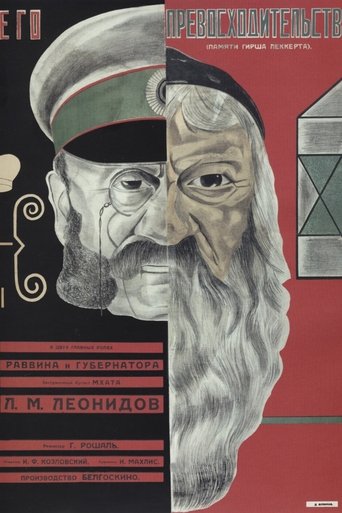 7.5
7.5This 1928 film features stylized cinematography and actors from the Moscow Art Theater in a fiction story based on the life of Jewish Labor Bund member Hirsch Lekert who attempted to assassinate the Vilna governor in 1902 to avenge the flogging of workers who participated in a May Day rally.
His Excellency
1928
 NR
NRAfter several days of the offensive, the Red Army detachment settles down to rest. At a halt, the warrior Kuregen tells his comrades-in-arms the story of the feat of the legendary Kazakh batyr Tolagai, who sacrificed his life for the people's good a thousand years ago.
Batyr of the Steppes
1942
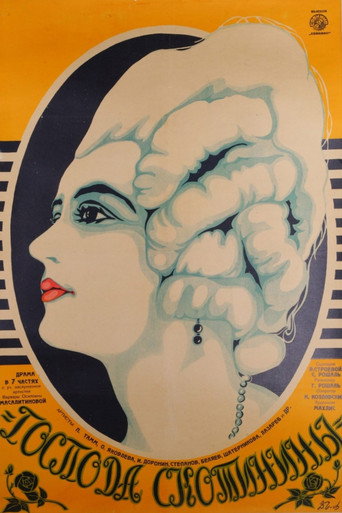 8.0
8.0A comedy starring Nina Shaternikova, The Skotinins is loosely based on the 18th century play The Minor by Denis Fonvizin. In it, the upper class is shown as both depraved and stupid, engaging a variety of absurd, over-the-top follies.
The Gentlefolks of Skotinin
1927
Film credits
1980s · 1 titles
Behind the camera
5.8The history of the gypsy Aleko who couldn't forgive the betrayal of his wife.
Aleko
1953
5.8The history of the gypsy Aleko who couldn't forgive the betrayal of his wife.
Aleko
1953
9.0During the NEP era, the ex-wife of a White officer, now married to a dedicated Soviet worker and lover to several bourgeois “specialists”, is expelled by her husband’s party for her affairs. Meanwhile, the commissar’s wife, once captured by White Cossacks, helps her husband lead a prisoner revolt and later serves as an exchange inspector on the commodity exchange. When she exposes the director’s fraud and her husband is wrongly implicated, both are reassigned to the provinces and depart together. Considered lost.
Two Women
1930
7.5This 1928 film features stylized cinematography and actors from the Moscow Art Theater in a fiction story based on the life of Jewish Labor Bund member Hirsch Lekert who attempted to assassinate the Vilna governor in 1902 to avenge the flogging of workers who participated in a May Day rally.
His Excellency
1928
NRAfter several days of the offensive, the Red Army detachment settles down to rest. At a halt, the warrior Kuregen tells his comrades-in-arms the story of the feat of the legendary Kazakh batyr Tolagai, who sacrificed his life for the people's good a thousand years ago.
Batyr of the Steppes
1942
8.0A comedy starring Nina Shaternikova, The Skotinins is loosely based on the 18th century play The Minor by Denis Fonvizin. In it, the upper class is shown as both depraved and stupid, engaging a variety of absurd, over-the-top follies.
The Gentlefolks of Skotinin
1927
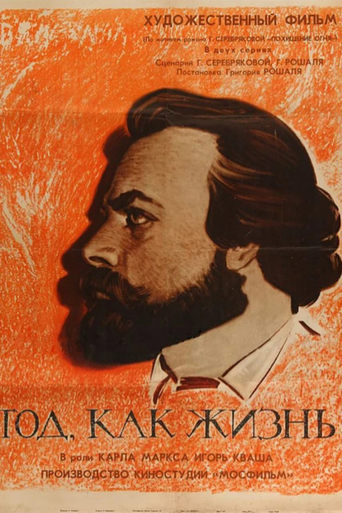 7.0
7.0The film takes place in Europe in the 19th century. The film shows the popular uprisings that took place there, as well as the search for truth and the confrontation of Karl Marx and opponents of the revolution.
Year as Long as Life
1965
7.0The film takes place in Europe in the 19th century. The film shows the popular uprisings that took place there, as well as the search for truth and the confrontation of Karl Marx and opponents of the revolution.
Year as Long as Life
1965
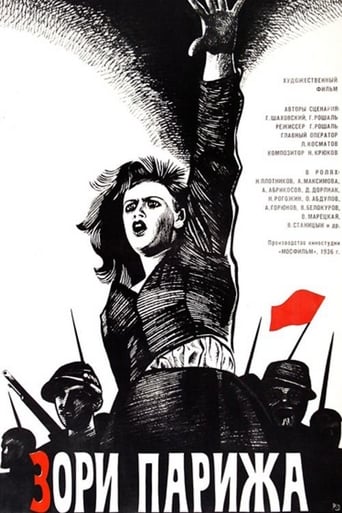 8.0
8.0"Paris Commune," 1870-1871. Poor working class in Paris rises up against their oppressors as France is defeated by Germany in the 1870-71 Franco-Prussian war.
The Paris Commune
1936
8.0"Paris Commune," 1870-1871. Poor working class in Paris rises up against their oppressors as France is defeated by Germany in the 1870-71 Franco-Prussian war.
The Paris Commune
1936
 7.5
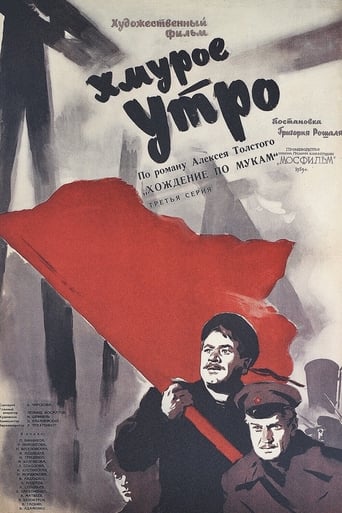
7.5The third film in the trilogy ("The Sisters", "The Eighteenth Year", "The Gloomy Morning") based on the novel by Aleksei Tolstoy "The Road to Calvary". About the fate of the Russian intelligentsia against the background of the collapse of the Russian Empire and the civil war, which turned the lives of all the heroes of the film narration. Defending Tsaritsyn, the red commander Telegin was seriously wounded. At the hospital, he meets Dasha. After his recovery, the young spouses go together to the Red Army.
Gloomy Morning
1959
 8.7
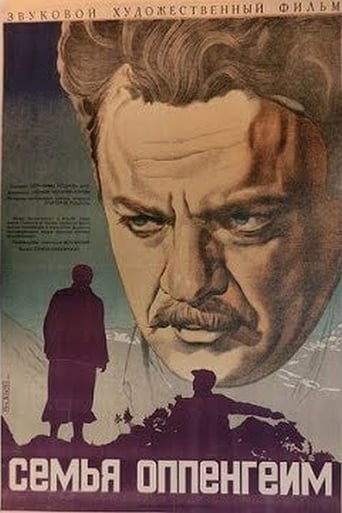
8.7Based on Lyon Feuchtwanger's novel about the tragedy of society, through a look at the tragedy of one single family.
The Oppenheim Family
1939
 7.0
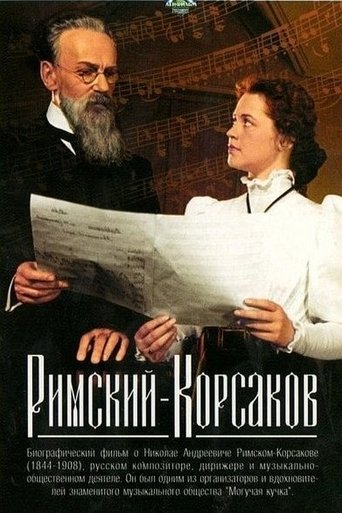
7.0Biographical film about the composer Rimskiy-Korsakov. Belongs to the gallery of costume historical and biographical films of the postwar cinema of the Soviet Union. The film tells about the last two decades in the life of Russian composer.
Rimsky-Korsakov
1953
7.0Biographical film about the composer Rimskiy-Korsakov. Belongs to the gallery of costume historical and biographical films of the postwar cinema of the Soviet Union. The film tells about the last two decades in the life of Russian composer.
Rimsky-Korsakov
1953
 9.0
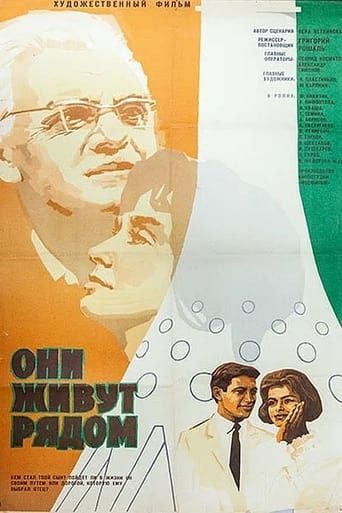
9.0Once upon a time, young scientists Kalitin and Danilov were friends, but a quarrel separated them. The circumstances of the quarrel remained unclear to everyone until the end. But everyone thought they were right. Years have passed. Professor Kalitin’s son, working under his leadership, moves to the institute headed by Danilov. Kalitin learns about this decision of Igor on the day of the arrival of his friend and colleague Vasin. On this occasion, old friends gather at the professor’s house, including Luzgin, Kalitin’s boss. Reflections on his life help the professor understand his son’s choice, oppose the unprincipled careerist Luzgin and make peace with Danilov.
They Live Nearby
1968
 5.7
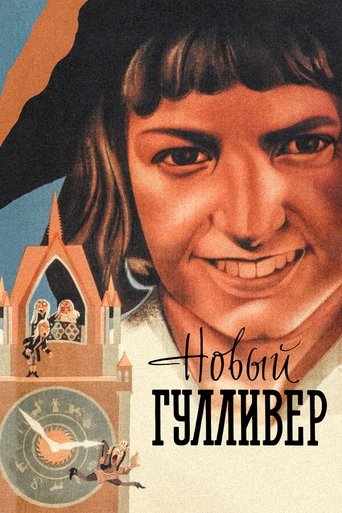
5.7Young boy dreams of himself as a version of Gulliver who has landed in Lilliput suffering under capitalist inequality and exploitation.
The New Gulliver
1935
 5.5
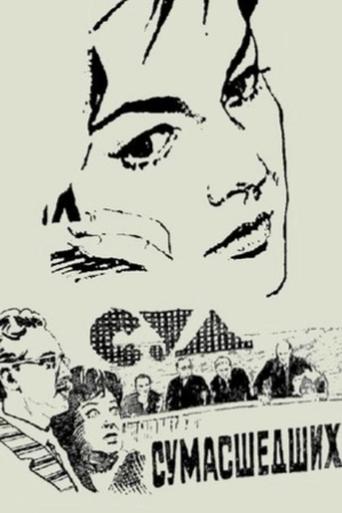
5.5Germany, the 1930s. A young scientist, Professor Johannes Werner discovers rays of life-giving power. The scientist refuses to give up his invention for military use and, breaking the equipment, runs to the USA, where he hides for a long time under the name of Martini. One day, after being invited to a military industrial concern to see a new European invention, Werner meets his former pupil Huber. Huber, a traitor and fascist, has restored the professor's apparatus according to stolen plans and is demonstrating it as his own invention. Werner rejects the proposal for joint cooperation and, at a meeting in the hall of scientific associations, reveals his real name and resolutely reveals the criminal intentions of the revanchists.
Madmen's Trial
1961
5.5Germany, the 1930s. A young scientist, Professor Johannes Werner discovers rays of life-giving power. The scientist refuses to give up his invention for military use and, breaking the equipment, runs to the USA, where he hides for a long time under the name of Martini. One day, after being invited to a military industrial concern to see a new European invention, Werner meets his former pupil Huber. Huber, a traitor and fascist, has restored the professor's apparatus according to stolen plans and is demonstrating it as his own invention. Werner rejects the proposal for joint cooperation and, at a meeting in the hall of scientific associations, reveals his real name and resolutely reveals the criminal intentions of the revanchists.
Madmen's Trial
1961
 7.5
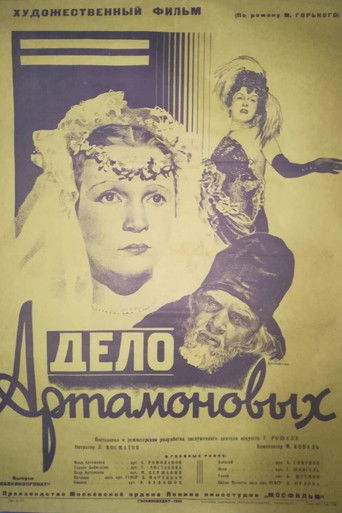
7.5Fabrikant, Ilya Artamonov of the former serfs. His desire to strengthen and develop the business knows no obstacles. He is still associated with the peasants and craftsmen, but with his death, this relationship ends. Between Peter Artamonov, his son, who became the owner of the factory, and the workers grows a wall of enmity. The first political speeches are brewing. On the side of the proletariat becomes the heir artemovskogo case Ilya Artamonov, Jr.
The Artamonov Case
1941
 7.0
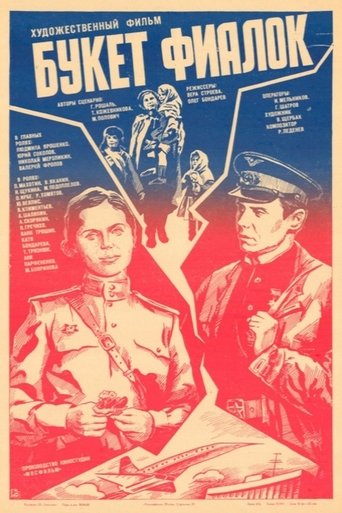
7.0The WWII. Berestova, an air regiment engineer, meets Ardatov, a fighter pilot whose wife has died. Now he must think about how to raise his two children alone. However, Arbatov does not live to see victory. After the war Berestova finds his children and adopts them.
Bouquet of Violets
1983
 7.0
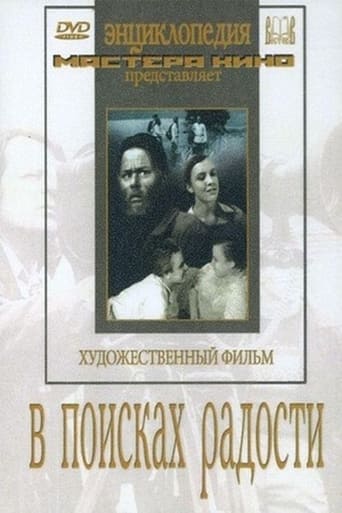
7.0Having tried his hand on the side, the middle peasant chose a collective farm in his native village and achieved a rich harvest, overcoming the resistance of the kulaks.
Looking for Happiness
1940
 5.4
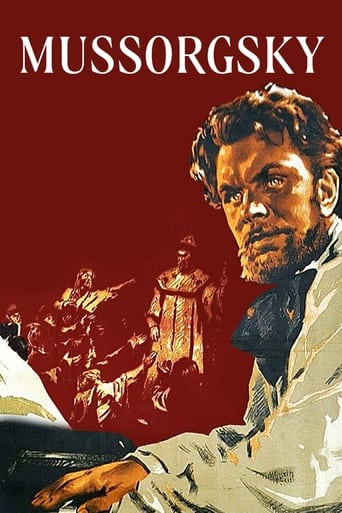
5.4Saint Petersburg, 1858. A group of composers known as The Five meet at Balakirev's. Young Modest Mussorgsky, both a civil servant and a musician, has become a fixture there. He tells about the first opera he plans to compose. Then he goes to the country where he discovers the lowly conditions of the peasants and the bloody conflicts with the rich land owners. He works on Gogol's 'The Marriage', trying to render into music the natural accents of the play's naturalistic dialogue. But his efforts do not pan out. On the other hand, he starts writing his opera on the story of Boris Godunov. The Marinsky Theatre refuses to stage the work. The Five, and Mussorgsky among them, are libeled and the group starts disintegrating. When 'Boris Godunov' is finally performed in 1874, it is a popular success.
Mussorgsky
1950
5.4Saint Petersburg, 1858. A group of composers known as The Five meet at Balakirev's. Young Modest Mussorgsky, both a civil servant and a musician, has become a fixture there. He tells about the first opera he plans to compose. Then he goes to the country where he discovers the lowly conditions of the peasants and the bloody conflicts with the rich land owners. He works on Gogol's 'The Marriage', trying to render into music the natural accents of the play's naturalistic dialogue. But his efforts do not pan out. On the other hand, he starts writing his opera on the story of Boris Godunov. The Marinsky Theatre refuses to stage the work. The Five, and Mussorgsky among them, are libeled and the group starts disintegrating. When 'Boris Godunov' is finally performed in 1874, it is a popular success.
Mussorgsky
1950
 10.0
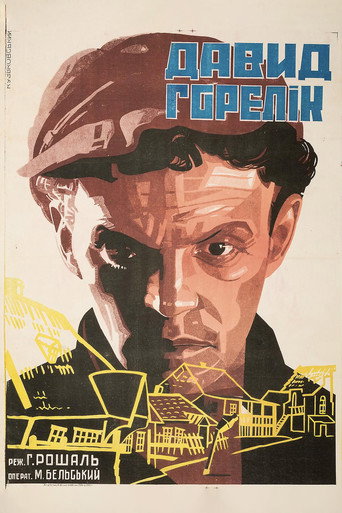
10.0A Jew at War is a 1930 Soviet film directed by Grigori Roshal.
A Jew at War
1930
 6.5
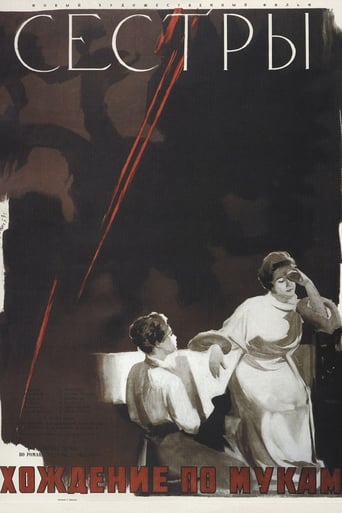
6.5Swept up in political unrest during World War I, two sisters in St. Petersburg cope with turbulent romances as Russian history is made around them.
The Sisters
1957
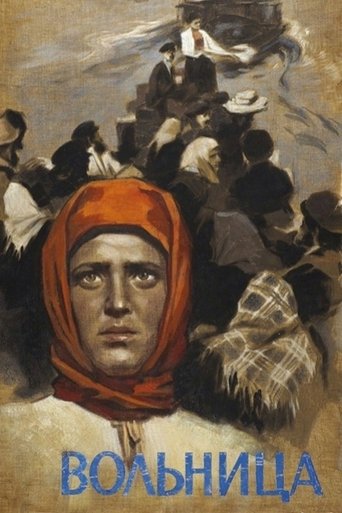 6.7
6.7Drama of the life of a peasant family, who came to work in the fisheries of Astrakhan. The film is set in the late XIX - early XX centuries.
Flames on the Volga
1956
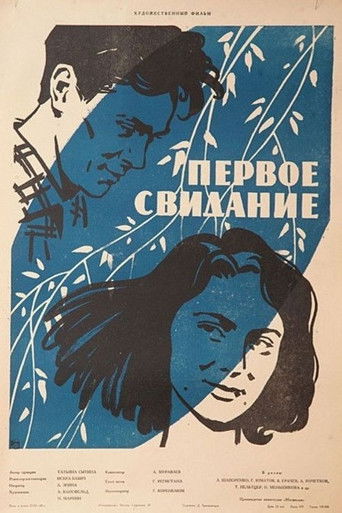 5.6
5.6Alexey and Valentina met in the tourist camp on Seliger, and after two weeks they celebrated their wedding. Returning to the family, the young couple faced the first difficulties. Both parents didn't like the willfulness of the young - and there were problems with housing. They started a constant quarrels. The young soon agreed that their wedding was premature ...
The First Date
1960
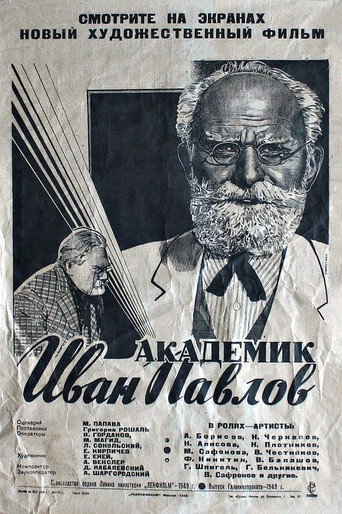 9.0
9.0Russia, 1875: In Riazan’, Dr Pavlov is summoned to a landowner who refuses to accept the inevitability of his death; to Pavlov’s dismay, he orders the destruction of a beautiful apple orchard. 1894: Experimenting on dogs, Pavlov tries to comprehend the interaction between nerves and external signals governing digestion. In 1904, he formulates the principles of conditional reflexes. When Zvantsev, an opponent of Pavlov’s materialist worldview, leaves the laboratory, the scientist hires Varvara Ivanova who becomes his most reliable assistant. 1912: Pavlov receives an honorary doctorate from Cambridge University. 1917: Despite Pavlov’s political scepticism, the Bolshevik administration treats him with great respect.
Ivan Pavlov
1949
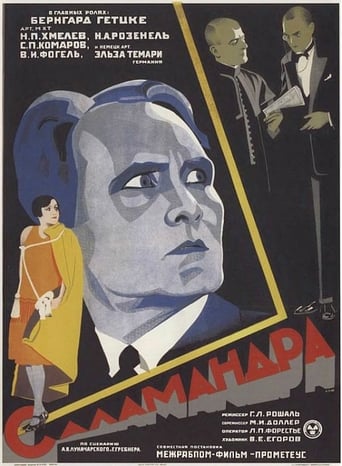 6.3
6.3The film is based on real events and reveals the tragic episodes from the life of the Austrian biologist scientist-materialist Paul Kammerer (1880-1926), hunted by regressive scientists and Catholic reactionaries who committed suicide.
Salamander
1928
 6.5
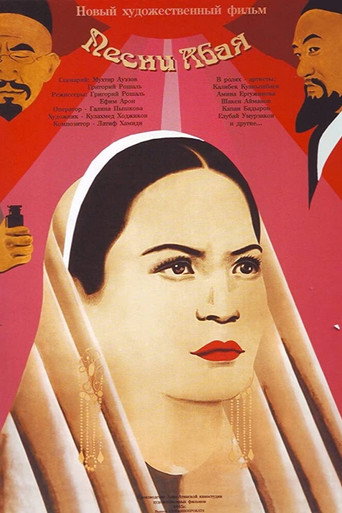
6.5The screen adaptation of the novel "Abai" by Mukhtar Auezov recreates the story of prominent Kazakh poet and philosopher Abay Kunanbayev. The famous Kazakh poet became friends with the Russian exile, scientist Nifont Dolgopolov. Under the influence of their growing friendship, Abai formed some of his academic ideas and principles.
Songs of Abai
1946
6.5The screen adaptation of the novel "Abai" by Mukhtar Auezov recreates the story of prominent Kazakh poet and philosopher Abay Kunanbayev. The famous Kazakh poet became friends with the Russian exile, scientist Nifont Dolgopolov. Under the influence of their growing friendship, Abai formed some of his academic ideas and principles.
Songs of Abai
1946
 5.8
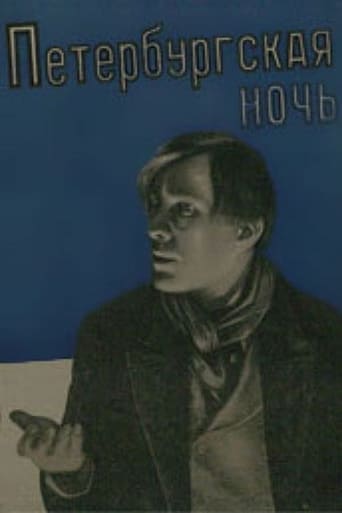
5.8The serf Egor Efimov, a talented violinist, dreams of true art. Released by his landlord, he goes to the capital. But cold, bureaucratic St. Petersburg quickly destroys his illusions.
Petersburg Nights
1934
 6.3
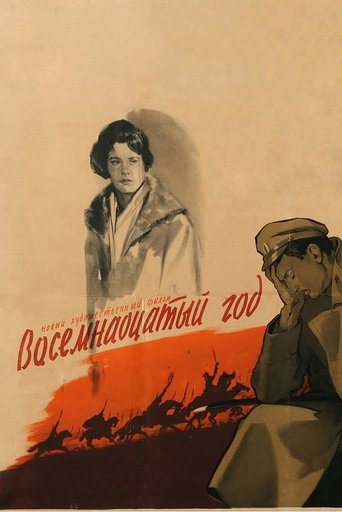
6.3Swept up in political unrest during World War I, two sisters in St. Petersburg cope with turbulent romances as Russian history is made around them.
The Year 18th
1958