

Writing
Romain Gary
Born — Died
1914-05-21 — 1980-12-02
Place of birth
Vilna, Russian Empire [now Vilnius, Lithuania]
Known for
Writing
Credits
15 titles
Romain Gary (21 May [O.S. 8 May] 1914 – 2 December 1980), born Roman Kacew, and also known by the pen name Émile Ajar), was a French novelist, diplomat, film director, and World War II aviator. He is the only author to have won the Prix Goncourt under two names. He is considered a major writer of French literature of the second half of the 20th century. He was married to Lesley Blanch, then Jean Seberg. Gary was born Roman Kacew (Yiddish: רומן קצב Roman Katsev, Russian: Рома́н Ле́йбович Ка́цев, Roman Leibovich Katsev) in Vilnius (at that time in the Russian Empire). In his books and interviews, he presented many different versions of his parents' origins, ancestry, occupation and his own c…
Known for
 8.5
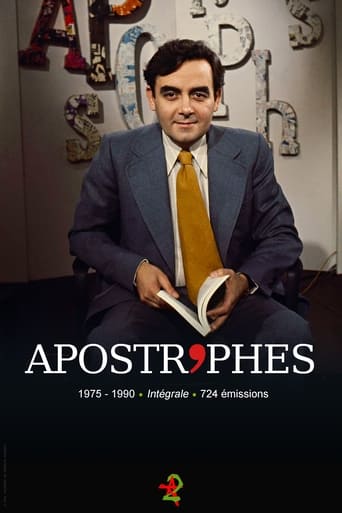
Apostrophes was a live, weekly, literary, prime-time, talk show on French television created and hosted by Bernard Pivot. It ran for fifteen years (724 episodes) from January 10, 1975, to June 22, 1990, and was one of the most watched shows on French television (around 6 million regular viewers). It was broadcast on Friday nights on the channel France 2 (which was called "Antenne 2" from 1975 to 1992). The hourlong show was devoted to books, authors and literature. The format varied between one-on-one interviews with a single author and open discussions between four or five authors.
Apostrophes
1975
 6.0
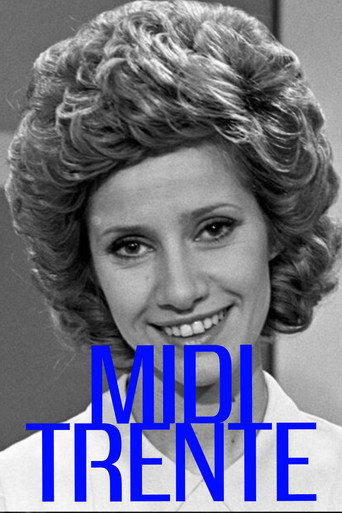
No synopsis available yet.
Midi trente
1972
 7.6
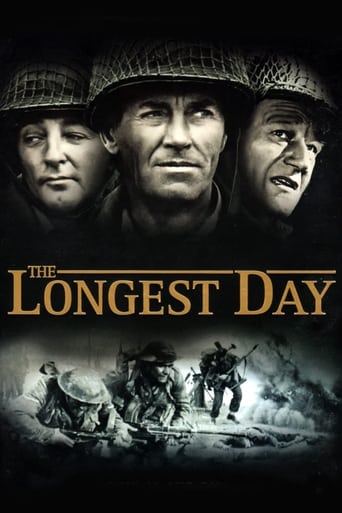
The retelling of June 6, 1944, from the perspectives of the Germans, US, British, Canadians, and the Free French. Marshall Erwin Rommel, touring the defenses being established as part of the Reich's Atlantic Wall, notes to his officers that when the Allied invasion comes they must be stopped on the beach. "For the Allies as well as the Germans, it will be the longest day"
The Longest Day
1962
Presents a filmed, intercontinental conversation that links moderator Edward R. Murrow in New York with three internationally known figures located in different parts of the world. What set this apart from other televised interview/discussion programs was the fact that its participants could not see each other but could hear one another via telephone lines and radio.
Small World
1958
 6.9
A struggling writer finds a shortcut to fame, but a blackmailer threatens to ruin his perfect life.
A Perfect Man
2015
 6.1
In French Equatorial Africa, an idealist campaigns to save the African elephant, gaining support from a nightclub hostess and an ex-soldier. His cause attracts a mix of characters, including a U.S. commentator, a government aide opposed to him, and an ivory hunter with conflicting interests.
The Roots of Heaven
1958
Film credits
2010s · 1 titles
1960s · 2 titles
 6.3
A greedy gold smuggler hires a handsome hero to transport a stolen fortune to a new hideout accompanied by the smuggler's sexy girlfriend.
Backfire
1964
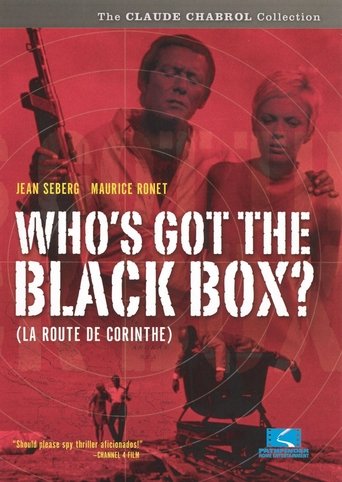 4.4
The widow of a murdered undercover NATO officer in Greece is the prime suspect in his killing. She finds herself embroiled in a bigger conspiracy about the sabotage of U.S. radar installations while trying to prove her innocence.
The Road to Corinth
1967
Series credits
8.5Apostrophes was a live, weekly, literary, prime-time, talk show on French television created and hosted by Bernard Pivot. It ran for fifteen years (724 episodes) from January 10, 1975, to June 22, 1990, and was one of the most watched shows on French television (around 6 million regular viewers). It was broadcast on Friday nights on the channel France 2 (which was called "Antenne 2" from 1975 to 1992). The hourlong show was devoted to books, authors and literature. The format varied between one-on-one interviews with a single author and open discussions between four or five authors.
Apostrophes
1975
6.0No synopsis available yet.
Midi trente
1972
Presents a filmed, intercontinental conversation that links moderator Edward R. Murrow in New York with three internationally known figures located in different parts of the world. What set this apart from other televised interview/discussion programs was the fact that its participants could not see each other but could hear one another via telephone lines and radio.
Small World
1958
Behind the camera
7.6The retelling of June 6, 1944, from the perspectives of the Germans, US, British, Canadians, and the Free French. Marshall Erwin Rommel, touring the defenses being established as part of the Reich's Atlantic Wall, notes to his officers that when the Allied invasion comes they must be stopped on the beach. "For the Allies as well as the Germans, it will be the longest day"
The Longest Day
1962
6.1In French Equatorial Africa, an idealist campaigns to save the African elephant, gaining support from a nightclub hostess and an ex-soldier. His cause attracts a mix of characters, including a U.S. commentator, a government aide opposed to him, and an ivory hunter with conflicting interests.
The Roots of Heaven
1958
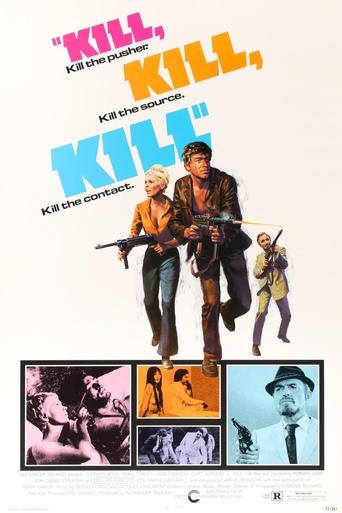 6.0
Interpol investigates the freelance killings of drug and porn peddlers.
Kill!
1971
6.0Interpol investigates the freelance killings of drug and porn peddlers.
Kill!
1971
Hungarian TV Movie based on an idea by Romain Gary.
Nő a barakkban
—
 5.1
A nymphomaniac young woman, unsatisfied by her husband, searches for sex in the brothels of a seaside town while he sets to kill her.
Birds in Peru
1968
5.1A nymphomaniac young woman, unsatisfied by her husband, searches for sex in the brothels of a seaside town while he sets to kill her.
Birds in Peru
1968