
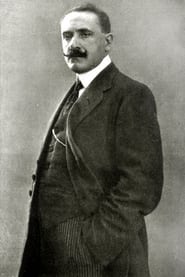
Directing
Giuseppe de Liguoro
Born — Died
1869-01-10 — 1944-03-19
Place of birth
Naples, Campania, Italy
Known for
Directing
Credits
20 titles
Giuseppe de Liguoro (1869–1944) was an Italian actor and film director of the silent era. He came from an aristocratic neapolitan family. De Liguoro was a pioneering figure of early Italian cinema, making a number of historical films in early 1910s such as L'Inferno (1911) and Mary Tudor (1911). Description above from the Wikipedia article Giuseppe de Liguoro, licensed under CC-BY-SA, full list of contributors on Wikipedia.
Known for
 6.7
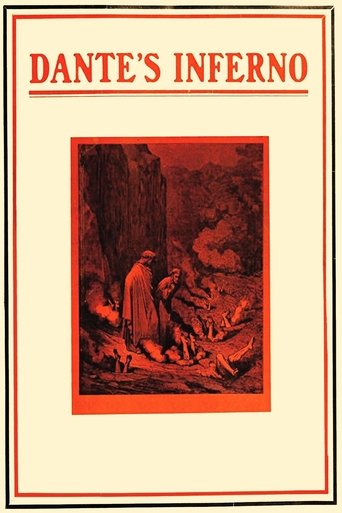
6.7The classic tale of Dante's journey through hell, loosely adapted from the Divine Comedy and inspired by the illustrations of Gustav Doré. This historically important film stands as the first feature from Italy and the oldest fully-surviving feature in the world, and boasts beautiful sets and special effects that stand above other cinema of the era.
Dante's Inferno
1911
A religious drama based on the Acts of the Apostles, depicting key episodes from the life of Saint Paul
St. Paul
1910
Set in antiquity, the drama follows a woman who helps another woman escape from captivity and is condemned to crucifixion, staging themes of coercion, class and female solidarity.
Martire pompeiana
1909
 7.5
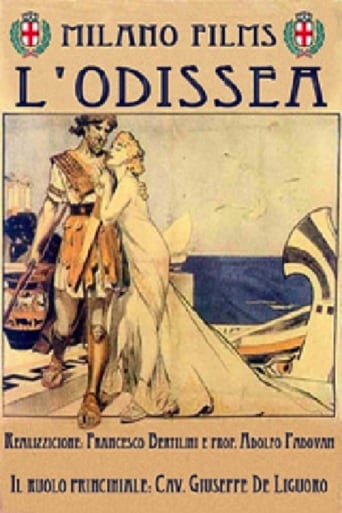
7.5Film adaptation of Homer's 'The Odyssey.'
L'Odissea
1911
 7.0
7.0No synopsis available yet.
Christus
1914
 8.0
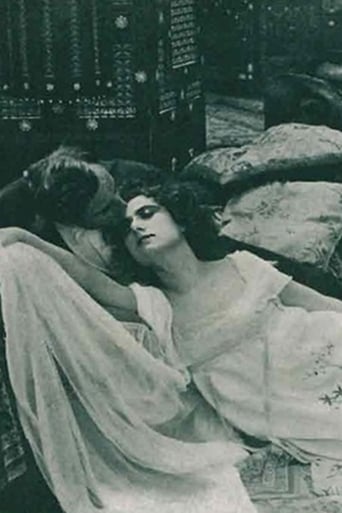
8.0An Italian melodrama. Only the final reel survives.
Fedora
1916
Film credits
1910s · 5 titles
6.7The classic tale of Dante's journey through hell, loosely adapted from the Divine Comedy and inspired by the illustrations of Gustav Doré. This historically important film stands as the first feature from Italy and the oldest fully-surviving feature in the world, and boasts beautiful sets and special effects that stand above other cinema of the era.
Dante's Inferno
1911
A religious drama based on the Acts of the Apostles, depicting key episodes from the life of Saint Paul
St. Paul
1910
7.5Film adaptation of Homer's 'The Odyssey.'
L'Odissea
1911
In January 1277, in Como, Italy, the Torriani and Rusconi families clashed. Guelph leader, Napo della Torre challenged Ottone Visconti who, aided by Simone da Locarno, surprised Napo's army at Desio, capturing him. Simone imprisioned Napo in an iron cage hung outside the Baradello Tower, where he endured weather and mockery for 19 months until his death on August 16, 1278.
Napo Torriano
1910
 5.0
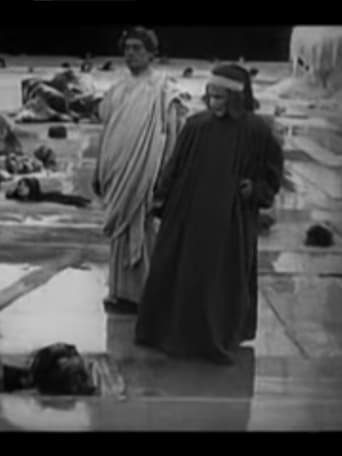
5.0Count Ugolino is sent to hell and Dante tells the story of how he deserves his place.
Count Ugolino
1911
Behind the camera
6.7The classic tale of Dante's journey through hell, loosely adapted from the Divine Comedy and inspired by the illustrations of Gustav Doré. This historically important film stands as the first feature from Italy and the oldest fully-surviving feature in the world, and boasts beautiful sets and special effects that stand above other cinema of the era.
Dante's Inferno
1911
A religious drama based on the Acts of the Apostles, depicting key episodes from the life of Saint Paul
St. Paul
1910
Set in antiquity, the drama follows a woman who helps another woman escape from captivity and is condemned to crucifixion, staging themes of coercion, class and female solidarity.
Martire pompeiana
1909
7.5Film adaptation of Homer's 'The Odyssey.'
L'Odissea
1911
7.0No synopsis available yet.
Christus
1914
8.0An Italian melodrama. Only the final reel survives.
Fedora
1916
Silent film.
Lacrimae Rerum
1916
 6.7
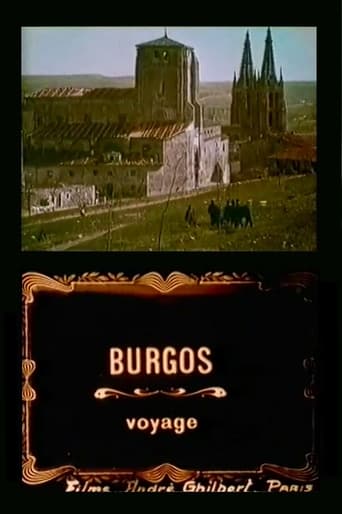
6.7The documentary was entirely filmed in the province of Burgos, containing monuments and architecture considered emblematic of Spanish heritage. Color was added to the film at a later date, by hand. Burgos is a fine example of the timeless beauty of hand-stenciled film, as well as sound actuality filmmaking by two cinematic pioneers.
Burgos
1911
Directed by Giuseppe de Liguoro.
Bruto
1909
No synopsis available yet.
Addio, mia bella Napoli!...
1917
 9.0
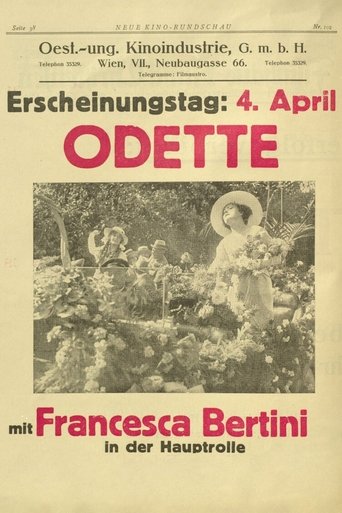
9.0Odette is a 1916 Italian silent drama film based upon the play by Victorien Sardou, directed by Giuseppe de Liguoro, and starring Francesca Bertini, Alfredo De Antoni, and Carlo Benetti. It was remade in 1928 and 1935, with both versions also starring Bertini. Only 25 minutes survives of the 1916 film.
Odette
1916
9.0Odette is a 1916 Italian silent drama film based upon the play by Victorien Sardou, directed by Giuseppe de Liguoro, and starring Francesca Bertini, Alfredo De Antoni, and Carlo Benetti. It was remade in 1928 and 1935, with both versions also starring Bertini. Only 25 minutes survives of the 1916 film.
Odette
1916
In January 1277, in Como, Italy, the Torriani and Rusconi families clashed. Guelph leader, Napo della Torre challenged Ottone Visconti who, aided by Simone da Locarno, surprised Napo's army at Desio, capturing him. Simone imprisioned Napo in an iron cage hung outside the Baradello Tower, where he endured weather and mockery for 19 months until his death on August 16, 1278.
Napo Torriano
1910
5.0Count Ugolino is sent to hell and Dante tells the story of how he deserves his place.
Count Ugolino
1911
Renzo, a nobleman from Padua, is summoned by the Doge of Venice and leaves his beautiful wife, Nella, under the care of the Paduan governor, Ciano della Bella, during his absence. In the peace of the castle, Ciano and Nella fall in love, something that Loredano, the jester, notices immediately, and plans to use this information to get even with Ciano. When the lattest takes Nella to his house in Venice one night, Loredano alerts Renzo and leads him to the house of the secret rendezvous.
Nella de' Loredano
1909