
Acting
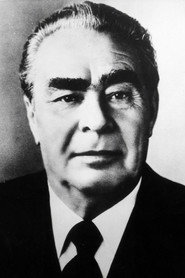
Leonid Brezhnev
Born — Died
1906-12-19 — 1982-11-10
Place of birth
Kamenskoe, Yekaterinoslavskaya guberniya, Russian Empire
Known for
Acting
Credits
40 titles
Leonid Ilyich Brezhnev, born in Kamenskoe, Yekaterinoslav governorate, Russian Empire — Soviet statesman, politician and party figure who held the highest leadership position in the CPSU for 18 years (from 1964 until his death in 1982). First Secretary of the CPSU Central Committee in 1964-1966 and General Secretary of the CPSU Central Committee from 1966 to 1982. Marshal of the Soviet Union (1976). Four times Hero of the Soviet Union (1966, 1976, 1978, 1981), Hero of Socialist Labor (1961). Candidate member of the Presidium of the Central Committee (1952-1953; 1956-1957), Secretary of the Central Committee of the CPSU (1952-1953; 1956-1960, 1963-1964). In 1960-1964 — Chairman of the Presidi…
Known for
 NR
NRNo synopsis available yet.
Legends of Cinema
2016
 8.5
8.5Communism spread to all of the continents of the word, lasting through four generations and over seven decades. Hundreds of millions of men and women were affected by this political system, one of the most unjust and bloodiest in history. Using newly discovered propaganda films and archival photos, these four episodes explore the mysteries of this totalitarian political machine that lured its share of important followers into the fold. Known as the red church, communism seduced its ardent followers like some earthly religion.
Faith of the Century: A History of Communism
1999
 6.3
6.3On January 16, 1979, the then Shah of Iran, left Iran commencing what became a 19-month odyssey to exile in Egypt, Morocco, Bahamas, Mexico, US, Panama, and back to Egypt again where he passed away. His death had profound consequences for the future of the middle east and the world, yet the untold medical story of the late Shah of Iran has to date remained a puzzling mystery. This documentary leads viewers to the main causes of the Iranian revolution, pursuant hostage crisis, and the state of relations between the U.S. and Iran.
A Dying King: The Shah of Iran
2017
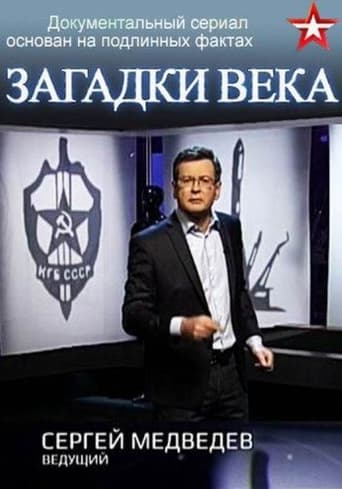 NR
NRNo synopsis available yet.
Загадки века с Сергеем Медведевым
2016
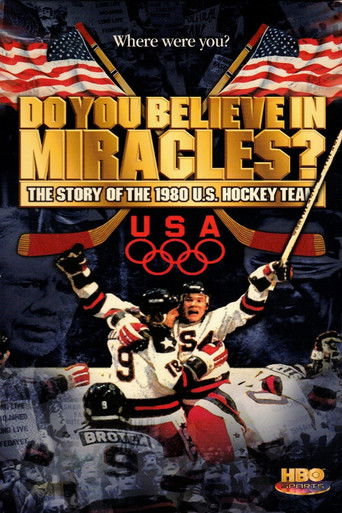 9.0
9.0At the Winter Olympics of 1980, after two tense weeks amidst growing Cold War fears, the U.S. Olympic hockey team found themselves playing improbably against the legendary unbeatable Soviet Army hockey team for Olympic Gold. From the live footage taken at Lake Placid, NY, and through interviews beginning with the team's assembly through the experience of winning the gold medal.
Do You Believe in Miracles? The Story of the 1980 U.S. Hockey Team
2002
 6.0
6.0A documentary film exposing the truth about psychics and fortune-tellers. All the ins and outs of magical TV shows and services of the most famous psychics with evidence, names and prices.
Going to Hell
2019
Film credits
2020s · 3 titles
No synopsis available yet.
Аркадий Райкин. Королю дозволено всё
2020
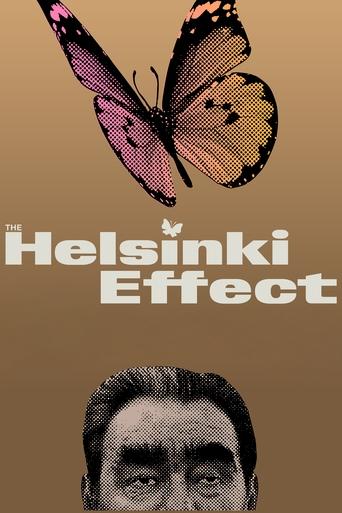 7.5
7.5The Conference on Security and Cooperation in Europe (CSCE) was the starting point for the slow but sure collapse of communist authoritarian rule in Eastern Europe. The Helsinki Effect offers new perspectives on the events of the Cold War. The film tells the story of the CSCE process, which had a major impact on the end of the Cold War, and sheds light on secret top-level discussions behind closed doors, through voice simulations using artificial intelligence.
The Helsinki Effect
2025
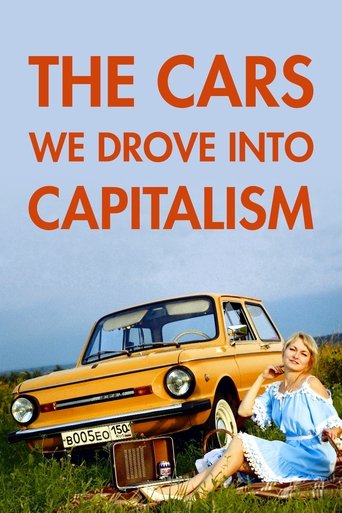 7.7
7.7A cinematic, character-driven insight to what it meant to produce and to own a car in communist times: the Socialist propaganda dreams and the hard reality of living that dream. The freedom that these slow and clumsy vehicles were giving to their owners; the cars as an instrument in the Cold War battle; legends and homemade tune-ups as an attempt to stand at least a little bit off the crowd.
The Cars We Drove into Capitalism
2021
2010s · 9 titles
6.3On January 16, 1979, the then Shah of Iran, left Iran commencing what became a 19-month odyssey to exile in Egypt, Morocco, Bahamas, Mexico, US, Panama, and back to Egypt again where he passed away. His death had profound consequences for the future of the middle east and the world, yet the untold medical story of the late Shah of Iran has to date remained a puzzling mystery. This documentary leads viewers to the main causes of the Iranian revolution, pursuant hostage crisis, and the state of relations between the U.S. and Iran.
A Dying King: The Shah of Iran
2017
6.0A documentary film exposing the truth about psychics and fortune-tellers. All the ins and outs of magical TV shows and services of the most famous psychics with evidence, names and prices.
Going to Hell
2019
 6.0
6.0Deng Xiaoping's economic and political opening in China. Margaret Thatcher's extreme economic measures in the United Kingdom. Ayatollah Khomeini's Islamic Revolution in Iran. Pope John Paul II's visit to Poland. Saddam Hussein's rise to power in Iraq. The Soviet invasion of Afghanistan. The nuclear accident at the Harrisburg power plant and the birth of ecological activism. The year 1979, the beginning of the future.
1979: Big Bang of the Present
2019
 7.7
7.7The three-hour-long documentary covers 25 years in the life of Nicolae Ceaușescu and was made using 1,000 hours of original footage from the National Archives of Romania.
The Autobiography of Nicolae Ceausescu
2010
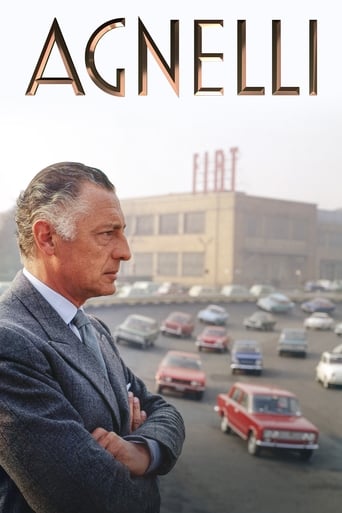 7.3
7.3Documentary about the life of Giovanni "Gianni" Agnelli, an influential Italian industrialist and principal shareholder of Fiat.
Agnelli
2017
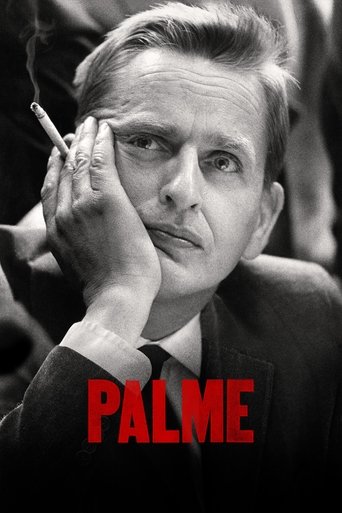 7.6
7.6Swedish Prime Minister Olof Palme was openly shot to death on a February evening 1986 on the streets of Stockholm. In one night, the country of Sweden was transfigured. “Palme” is about his life, his time, and about the Sweden he had created. About a man who altered history.
Palme
2012
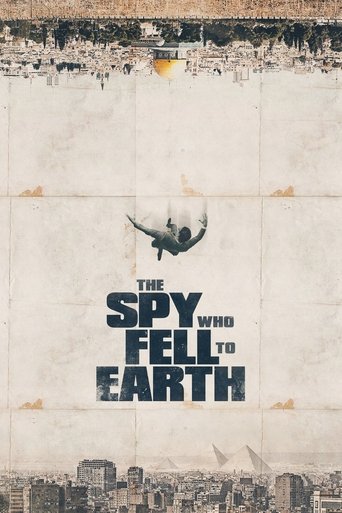 6.7
6.7Based on Dr. Ahron Bregman's book, this documentary examines the life and mysterious death of Ashraf Marwan, an Egyptian billionaire and double agent.
The Spy Who Fell to Earth
2019
 NR
NRThey were heroes of a special kind. They came from the steppes, the sons of farmers, of factory floor women. Salt-of-the-earth, strapping young men, model husbands, who believed in communism with all their hearts. Bright futures lay ahead of them. In the name of the Inter-cosmos Program they were about to conquer space. The second they touched down, they were treated like pop stars and worshiped as heroes. And today? What do the heroes of socialism do without socialism?
Space Sailors
2010
 2.0
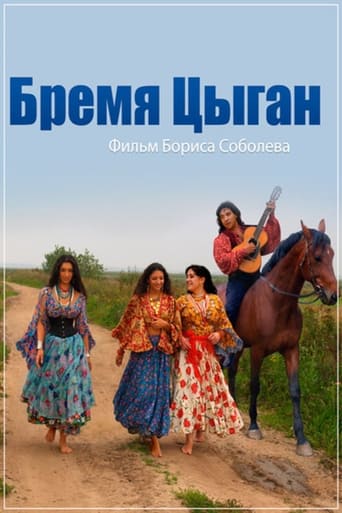
2.0A film about the life of the Roma people, the most closed ethnic group today. Influential thieves' clans, barons and drug lords, early marriages, artists on stage and in life, anti-Roma riots in Europe and Roma riots in Russia - the whole truth about the problems, sorrows and joys of the modern Roma community.
Burden of the Gypsies
2016
2000s · 3 titles
9.0At the Winter Olympics of 1980, after two tense weeks amidst growing Cold War fears, the U.S. Olympic hockey team found themselves playing improbably against the legendary unbeatable Soviet Army hockey team for Olympic Gold. From the live footage taken at Lake Placid, NY, and through interviews beginning with the team's assembly through the experience of winning the gold medal.
Do You Believe in Miracles? The Story of the 1980 U.S. Hockey Team
2002
 5.4
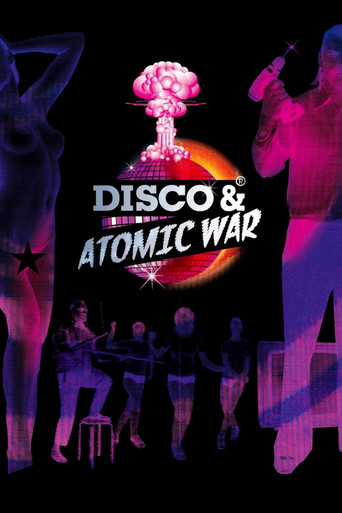
5.4A different history of the Cold War: how Estonians under Soviet tyranny began to feel the breeze of freedom when a group of anonymous dreamers successfully used improbable methods to capture the Finnish television signal, a window into Western popular culture, brave but harmless warriors who helped change the fate of an entire nation.
Disco and Atomic War
2009
 9.0
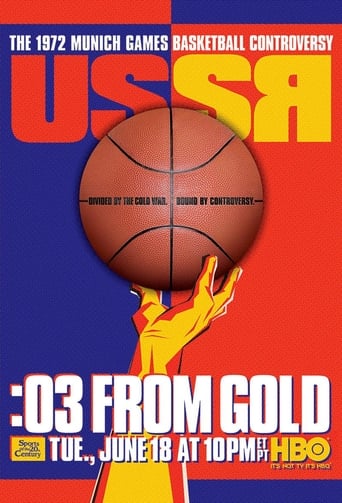
9.0The 1972 Olympic men's basketball final, in which Team USA suffered their first ever loss in Games competition, was one of the most controversial events in the history of both the Olympics and basketball.
:03 from Gold
2002
1990s · 3 titles
 NR
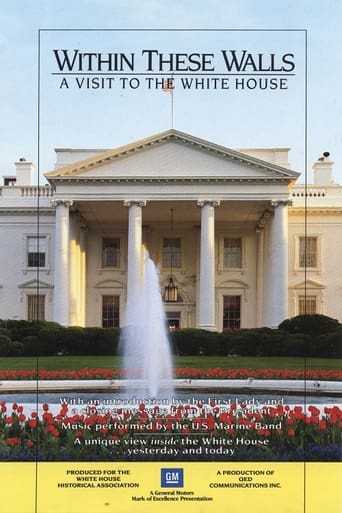
NRA special that takes a look inside the White House.
Within These Walls: A Tour of the White House
1991
 NR
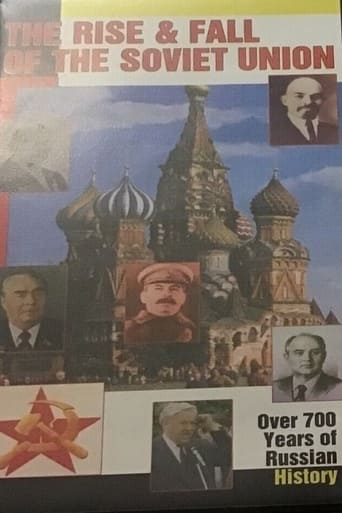
NRHistoric Russian battles to repel invaders serve as prelude to the story of events that redrew the map of Eastern Europe and parts of Asia in the 20th century. Following the turmoil of the Bolshevik Revolution, Communist Russia faces the venom of Nazi aggression. 1940's film footage reveals the harsh reality of total war, as the Red Army and Soviet civilians alike confront a brutal and tenacious enemy. The following decades are darkened by tensions between the USSR and foreign powers, and violent measures taken to silence voices of dissent. Finally, the Soviet people's yearning for a freer society leads to accelerating reforms and the ultimate dissolution of the USSR.
Soviet Union: The Rise and Fall - Part 2
1996
 NR
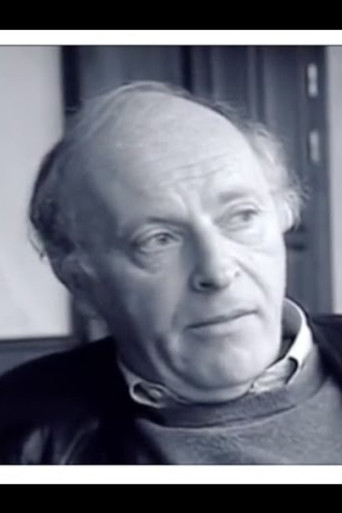
NRA 23-year-old man was tried for choosing poetry as his life's work. His poems and translations were professional. Many people thought so, but not literary officials. It was published sparingly. But in his place could be any talented or simply capable young man who chose the difficult path of serving the muses. Not only then, but now the young have a hard time. Who will take on the role of an arbitrator passing sentence: a poet is not a poet, an artist is not an artist? Maybe the artist has looked into the future, is incomprehensible to contemporaries, is not recognized by them, so what is to judge him?
Case of Joseph Brodsky
1991
1980s · 6 titles
 6.5
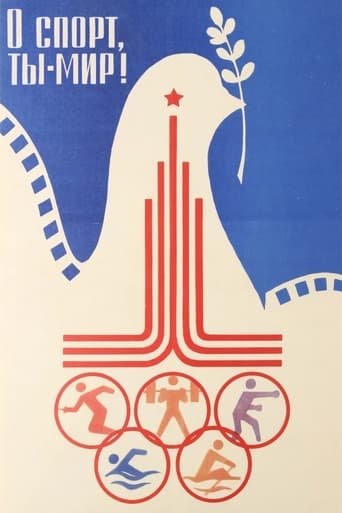
6.5A 1981 documentary film directed by Yuri Ozerov. It showed the opening and closing ceremonies of the 1980 Summer Olympics held in Moscow. The director was awarded the State Prize of the USSR in 1982. The film was selected as the Soviet entry for the Best Foreign Language Film at the 54th Academy Awards, but was not accepted as a nominee.
O Sport, You Are Peace!
1981
 NR
NRCorrespondent Richard Reeves reports on the ongoing struggle of the Afghan Muslim resistance against the Soviet-backed government of Afghanistan. Examines Pakistan's role as a haven for Afghan guerrillas and refugees and as a conduit for arms supplied to the guerrillas by the U.S. and Saudi Arabia.
Red Star Over Khyber
1984
Soviet documentary on the 1980–1981 trial of China's Gang of Four
Trial
1982
 NR
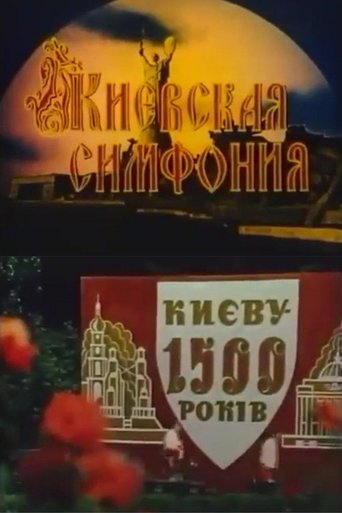
NRThe film is dedicated to the 1500th anniversary of Kyiv.
Kyiv Symphony
1982
The film tells about the social activities of the world chess champion Anatoliy Karpov, his scientific work and hobbies, about the preparation for the 1981 World Cup. A dream of any chess spectator and greetings from 1980 to modern attempts to introduce elements of the show into the organization of super tournaments.
Karpov Plays with Karpov
1980
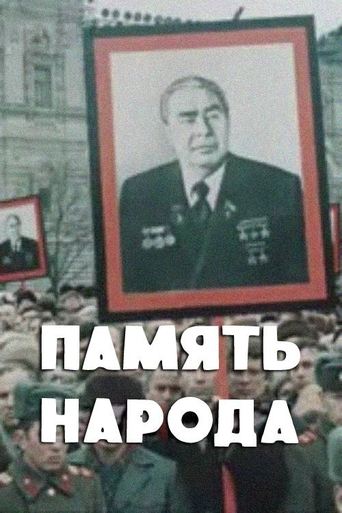 NR
NRDedicated to the memory of L.I. Brezhnev.
Memory of the People
1982
1970s · 9 titles
 6.7
6.7Guy Debord's analysis of a consumer society.
The Society of the Spectacle
1974
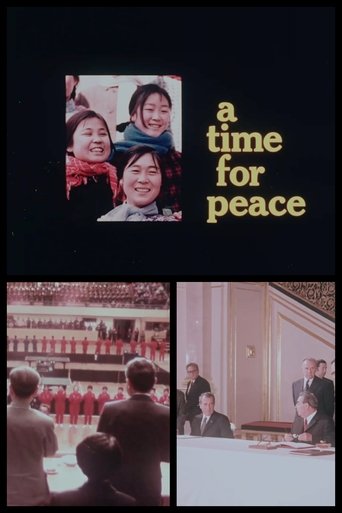 NR
NR"This film documents President Nixon's 1972 trips to the People's Republic of China, the Soviet Union, Iran, Poland, and Austria. Highlights include the exchange of toasts by Mr. Nixon and Chinese Premier Zhou Enlai and the signing of five major agreements by President Nixon and Russian leaders concerning cooperation in environmental protection, medicine, space, science and technology, and the use of the seas and other commercial relations" (US National Archives).
A Time For Peace
1973
About the difficult political situation in the world related to the arms race.
Madness. Reflections on the Cost of Murder
1979
1979 Soviet film criticizing the internal situation and expansionist policies of post-Mao China
Incendiaries from the Celestial Empire
1979
A documentary examining Maoism and its consequences for China
Maoism: A Tragedy for China
1978
 NR
NRAbout the transformations taking place in the People's Republic of Kampuchea after the fall of the dictatorial regime of Pol Pot; about the social, political, and economic challenges facing the young republic, which is now known as Cambodia.
Spring in Phnom Penh
1979
Soviet documentary on Beijing's anti-Vietnam policies before the 1979 border war
Beijing's Cards
1979
A Soviet biographical documentary devoted to Leonid I. Brezhnev, portraying his life “at work and at home” and tracing his path from the son of a metalworker to General Secretary of the CPSU and Marshal of the Soviet Union.
The Story of the Communist
1976
 NR
NRAnonymous short documentary released immediately after the Chilean military coup of 1973. It recapitulates the presidency of Salvador Allende which was terminated by the military coup that assassinated him and installed a dictatorship. The documentary captures the aftermath of the event and the efforts of international protesters and diplomats in their claim for justice.
Venceremos, solidaridad
1973
1960s · 3 titles
On the achievements of Soviet science and technology in the field of space exploration.
People and Space
1968
 6.4
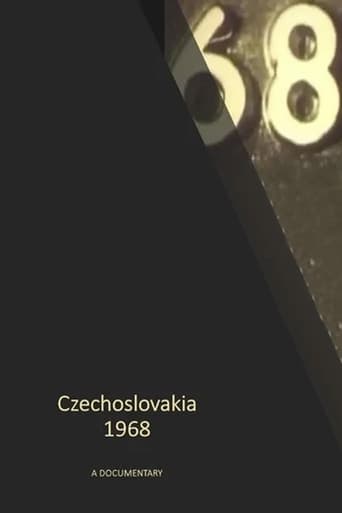
6.4Short documentary about 50 years of history of Czechoslovakia, with archive images.
Czechoslovakia 1968
1969
No synopsis available yet.
Urho Kekkonen - valtiomies, presidentti
1967
Series credits
NRNo synopsis available yet.
Legends of Cinema
2016
8.5Communism spread to all of the continents of the word, lasting through four generations and over seven decades. Hundreds of millions of men and women were affected by this political system, one of the most unjust and bloodiest in history. Using newly discovered propaganda films and archival photos, these four episodes explore the mysteries of this totalitarian political machine that lured its share of important followers into the fold. Known as the red church, communism seduced its ardent followers like some earthly religion.
Faith of the Century: A History of Communism
1999
NRNo synopsis available yet.
Загадки века с Сергеем Медведевым
2016
 NR
NRNo synopsis available yet.
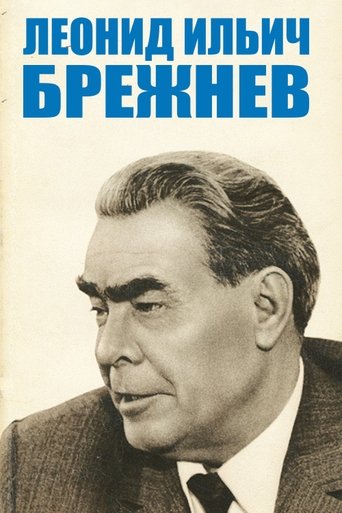
Л.И.Брежнев
1988