Acting
Eigorō Onoe
Born — Died
1905-11-10 — 1983-05-28
Place of birth
Tokyo, Japan
Known for
Acting
Credits
60 titles
Known for
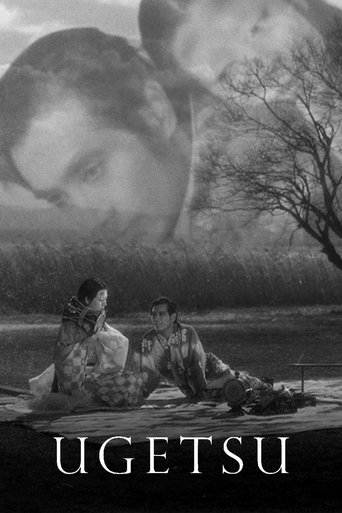 8.0
In 16th century Japan, peasants Genjuro and Tobei sell their earthenware pots to a group of soldiers in a nearby village, in defiance of a local sage's warning against seeking to profit from warfare. Genjuro's pursuit of both riches and the mysterious Lady Wakasa, as well as Tobei's desire to become a samurai, run the risk of destroying both themselves and their wives, Miyagi and Ohama.
Ugetsu
1953
 NR
No synopsis available yet.
Tsuki no kagebōshi: Yama o tobu kitsune hime
1958
 NR
No synopsis available yet.
Tsuki no kagebōshi: Kieyuku nōmen
1958
 NR
No synopsis available yet.
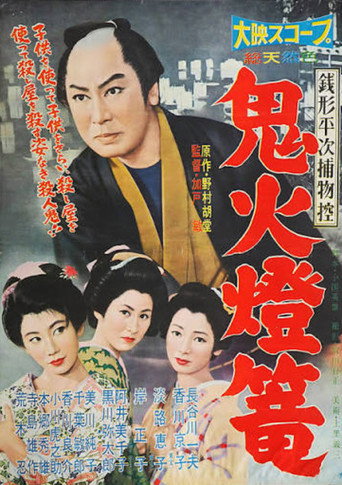
Zenigata Heiji torimono hikae: Onibi tōrō
1958
 NR
No synopsis available yet.
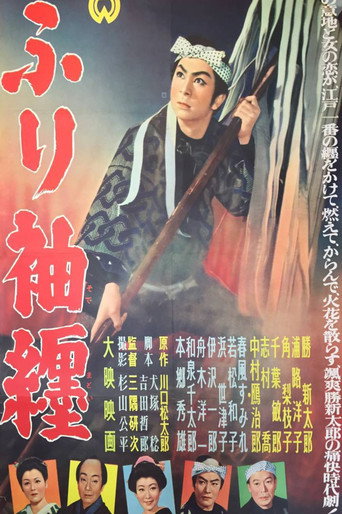
Wearing a Long-Sleeved Kimono
1958
 NR
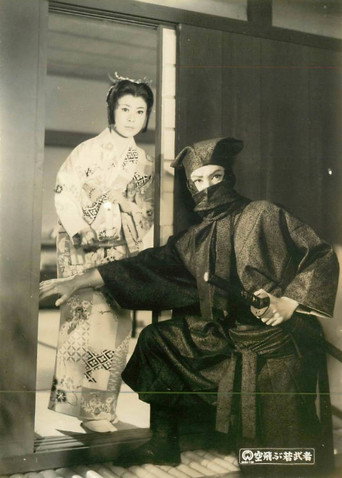
Kotaro Tenma, the young warrior of justice, infiltrates enemy territory and uses his ninjutsu skills with to defeat the villains.
Sora tobu wakamusha
1957
Film credits
1970s · 1 titles
1960s · 18 titles
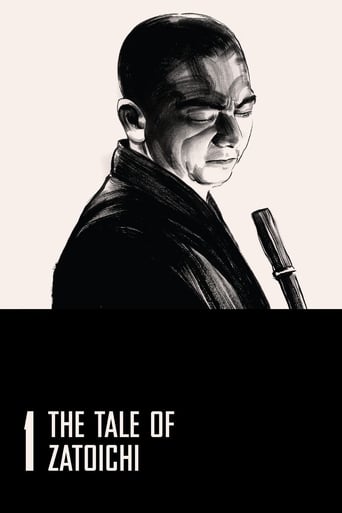 7.3
The adventures of a blind, gambling masseur and master swordsman. Zatoichi targets a yakuza-controlled village, because war with a neighbouring town's smaller gang is brewing.
The Tale of Zatoichi
1962
 7.0
Disguised as a beggar monk, Ryunosuke is harassed along the road by the rowdy members of a country dojo or fencing school malingering outside their fencing hall. The third film in the Satan's Sword trilogy.
Satan's Sword III: The Final Chapter
1961
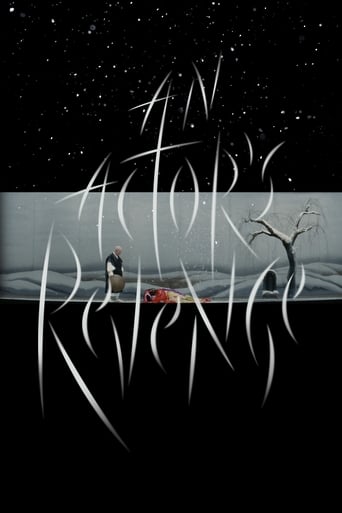 6.6
In Edo Japan, a kabuki actor seeks revenge against the three men who drove his parents to their deaths years ago.
An Actor's Revenge
1963
 NR
Tired of everyday life, the 8th Shogun Yoshimune flees Edo Castle and asks Ooka Echizen to become his personal assistant. In a rice shop, Yoshimune meets a simple ronin Ohashi Kenshiro, and receives permission to stay at his house, but a mysterious corpse awaits him in the house... And then the second, third and fourth murders occur...
The Man Disappears Yesterday
1964
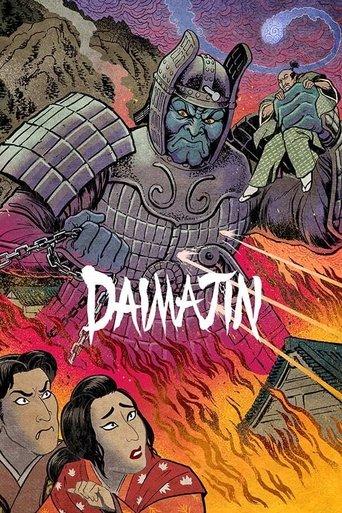 6.5
A giant stone statue comes to life to protect the residents of a small town against the depradations of an evil warlord.
Daimajin
1966
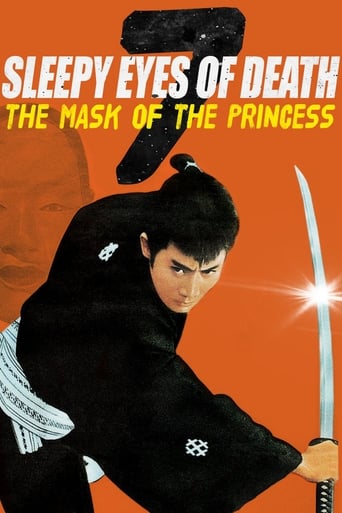 6.6
The masked daughter of the Shogun wants to kill a samurai who has seen her scarred face. She sends waves of ninja warriors to kill the samurai and plots diabolical schemes / ambushes without much success.
Sleepy Eyes of Death 7: The Mask of the Princess
1966
 7.3
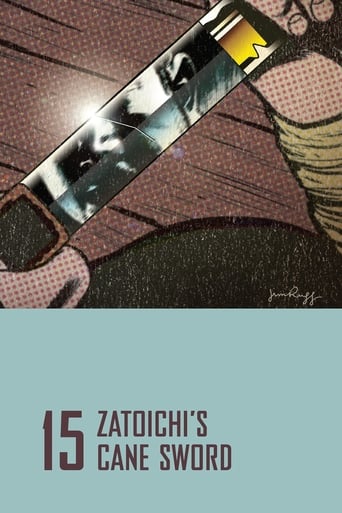
Zatoichi comes upon the town of Tonda, overrun by gangsters. Using one of his favorite techniques, Zatoichi proceeds to win 8 ryo in a rigged gambling game. Of course, the local gangsters attempt to kill him, and the adventure begins. It turns out a blacksmith named Senzo examines Zatoichi's cane sword, and discovers it to be forged by his old mentor. Senzo discovers the sword is at the end of its usefulness and will break when it is used next.
Zatoichi's Cane Sword
1967
 2.0
A sequel to the popular "The School of Spies", this film continues the adventures of one of the graduates who is assigned to crack a powerful spy ring working out of Kobe. Various people are suspected but, finally, it seems that an Army captain and his geisha friend might lead them to the ring.
Assignment Cloud
1966
 7.2
In the mountain regions of Hida, the dreams of a peasant named Kyonosuke, who longed to be a samurai, come true when he becomes one of three doubles, of shadows, of Lord Yasutaka. After months of intense and cruel training, he faces his destiny when the Lord and the other two shadows are killed in battle and he must take on the role of Lord Yasutaka....
The Third Shadow Warrior
1963
 9.5
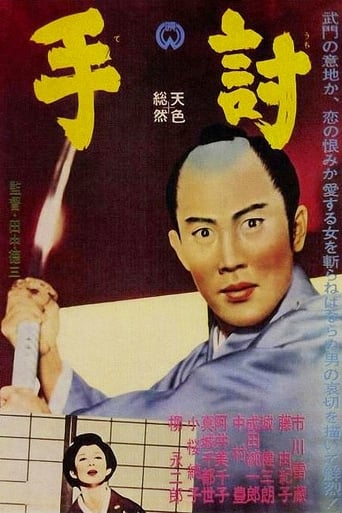
The shogun's vassal Harima Aoyama and a chamber maid are in love with each other, but they cannot be together due to a difference of their status. Soon, an offer of marriage is brought to Harima. Trying to test his love, Okiku breaks one of the plates of the family treasure of the Aoyama family, but Harima doesn't notice. However, someone surrounding her witnesses the moment Okiku breaks the plate on purpose.
A Samurai Never Tells a Lie
1963
 6.2
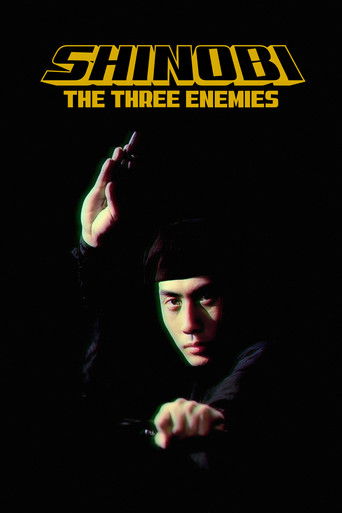
[Period Covered: 1570-1573] Towards the end of the Tenmon Era, Shogun Ashikaga`s powers were weakening by the day and many were there who planned to overthrow him. It was the beginning of the Sengoku (Warring States) period. Three men attack a gunpowder maker in a farmhouse, the first chopping off his arm with his sickle-&-chain weapon, the second blinding him with sword, the third giving the killing blow. His son Kojiro Kosume escapes the attackers as everything he has known up to then explodes into conflagration. He grows up & enters the start of the Tokugawa Era, intent on avenging his father.
Shinobi no mono 8: The Three Enemies
1966
 6.0
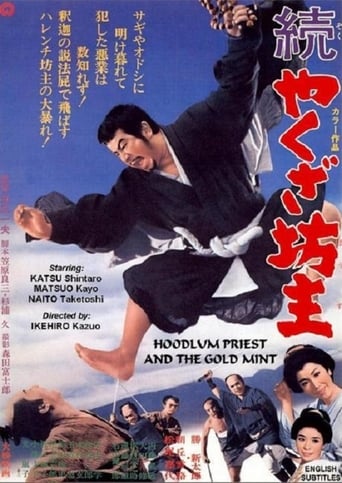
It’s cross and double-cross in these further adventures of Ryuzen, the wayward priest played by Katsu Shintaro as he tries to help a woman who may be the heir to a fortune get what is rightfully hers. Matsuo Kayo, who first rose to international stardom as ‘the supreme ninja’ in “Shogun Assassin” gives an outstanding performance in this clever and exciting caper tale set in the samurai era. Ryuzen agrees to help her, but is he just in it for himself, and is she really who she claims to be? When they come up against Boss Tobei it’s a virtual free-for-all as everyone struggles to walk away with a fortune in gold!
Hoodlum Priest And The Gold Mint
1968
 NR
No synopsis available yet.
The Gambling Samurai
1964
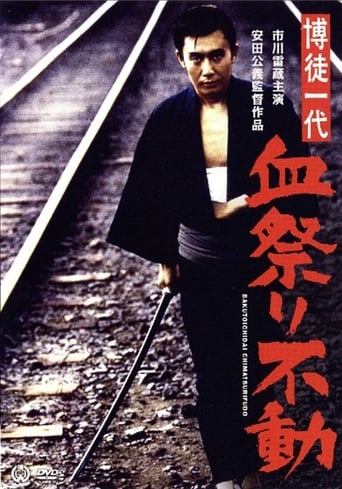 8.3
Ichikawa Raizo’s last film. He plays a Yakuza enforcer who kills a man on his boss's orders. He’s then sent to a provincial town to lie low, only to be caught in another war orchestrated by his original boss who has set him up.
Sworn Brothers
1969
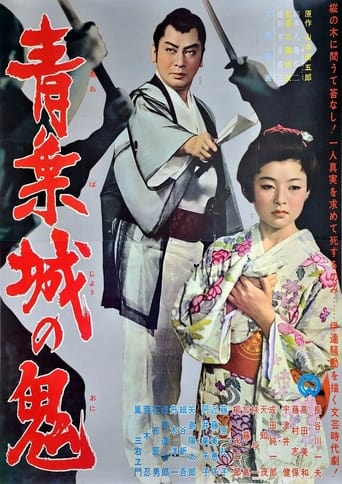 NR
Tsunamune Date, the young lord of Sendai Domain, was ordered by the shogunate to stand down after being spotted in a brothel. Shortly after, four advisors from his entourage were assassinated, calling into question the possessions of the Date family.
The Demon of Sendai's Castle
1962
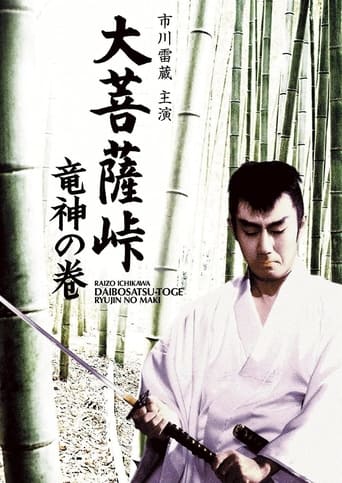 6.5
The sequel to Daibosatsu tôge (1960) and the second of the trilogy follows the adventures of Ryunosuke Tsukue after he is blinded.
Satan's Sword II: The Dragon God
1960
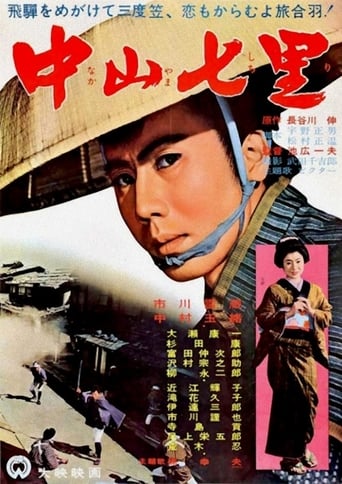 7.0
When a corrupt magistrate rapes Oshima, Masa (Raizō Ichikawa) avenges her by killing the officer, becoming thereby a fugitive, haunted and grief-stricken by the fact that Oshima committed suicide. Going underground in the gambling world, perpetually hiding from the law, Masa eventually meets a young woman named Onaka, who looks exactly like Oshima. Tales having two look-alike heroines are a commonplace in Japanese period films, a plot affectation inherited from the kabuki theater. Based on a novel by Shin Hasegawa, Nakayama shichiri was already twice filmed in 1930, one version directed by Namio Ochiai, and from which less than 40 minutes survive, the other directed by Kyotaro Namiki. Both are silent films, preserved by the Makino film institute.
Seven Miles to Nakayama
1962
 7.0
No synopsis available yet.
Bad Reputation: The Notorious Men and Their Specialty
1968
1950s · 37 titles
8.0In 16th century Japan, peasants Genjuro and Tobei sell their earthenware pots to a group of soldiers in a nearby village, in defiance of a local sage's warning against seeking to profit from warfare. Genjuro's pursuit of both riches and the mysterious Lady Wakasa, as well as Tobei's desire to become a samurai, run the risk of destroying both themselves and their wives, Miyagi and Ohama.
Ugetsu
1953
NRNo synopsis available yet.
Tsuki no kagebōshi: Yama o tobu kitsune hime
1958
NRNo synopsis available yet.
Tsuki no kagebōshi: Kieyuku nōmen
1958
NRNo synopsis available yet.
Zenigata Heiji torimono hikae: Onibi tōrō
1958
NRNo synopsis available yet.
Wearing a Long-Sleeved Kimono
1958
NRKotaro Tenma, the young warrior of justice, infiltrates enemy territory and uses his ninjutsu skills with to defeat the villains.
Sora tobu wakamusha
1957
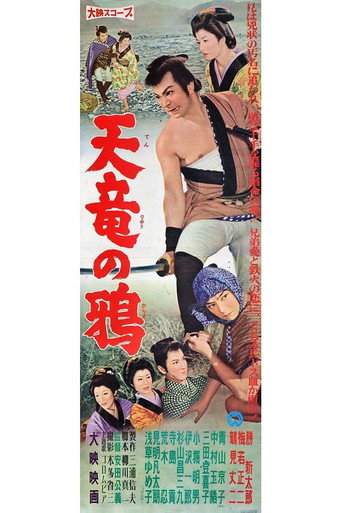 NR
No synopsis available yet.
Tenryū no karasu
1959
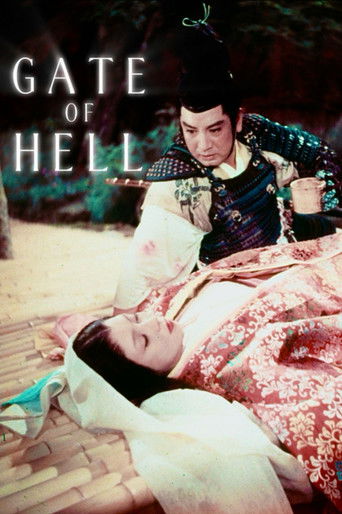 7.1
Japan, 1159. Moritō, a brave samurai, performs a heroic act by rescuing the lovely Kesa during a violent uprising. Moritō falls in love with her, but becomes distraught when he finds out that she is married.
Gate of Hell
1953
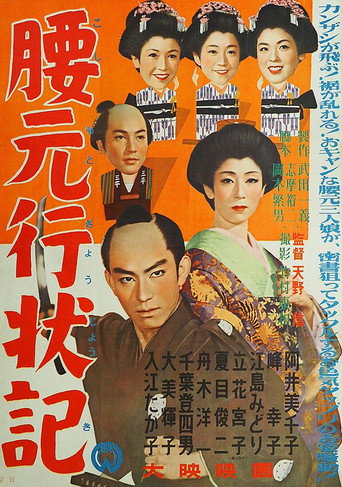 NR
Three young women who dream of a life of luxury find themselves drawn into a family feud within the Date clan as maids. There, they protect the young lord and play a major role in taking on the villains.
Koshimoto gyōjōki
1956
No synopsis available yet.
Okesa karasu
1958
No synopsis available yet.
Ōedo ninki otoko
1957
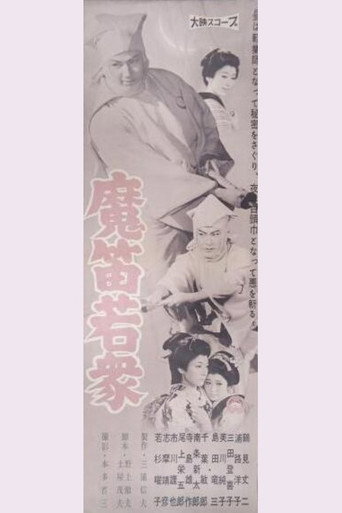 NR
No synopsis available yet.
Mateki wakashu
1959
No synopsis available yet.
Seki no yatappe
1953
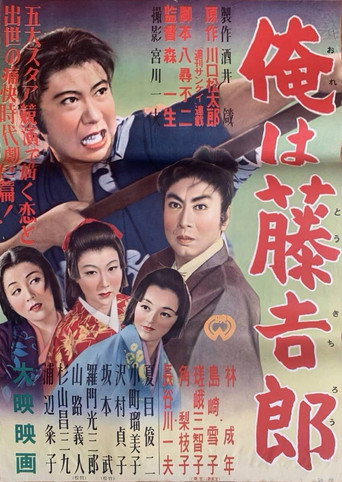 NR
No synopsis available yet.
I Was Tokichiro
1955
 7.4
Legendary yakuza Shimizu Jirocho and his 28 henchmen travel the unruly path from a 'Fire Festival' in Akiba to a decisive battle by the Fujigawa.
Jirocho Fuji
1959
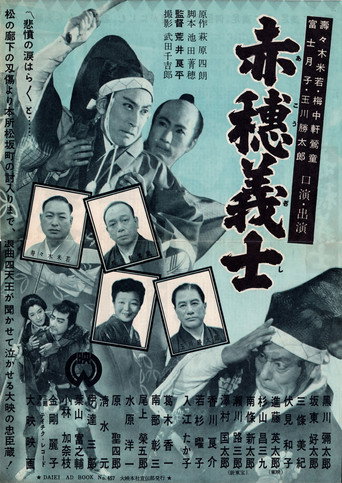 NR
No synopsis available yet.
Akōgishi
1954
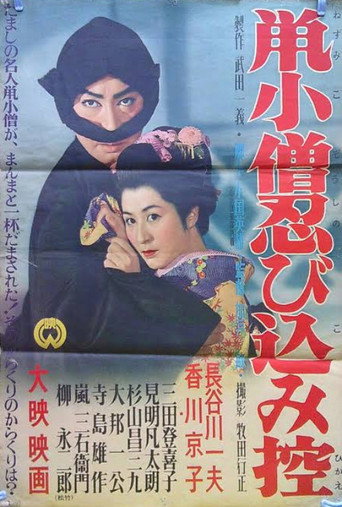 NR
No synopsis available yet.
Nezumi Kozō shinobi komi hikae
1956
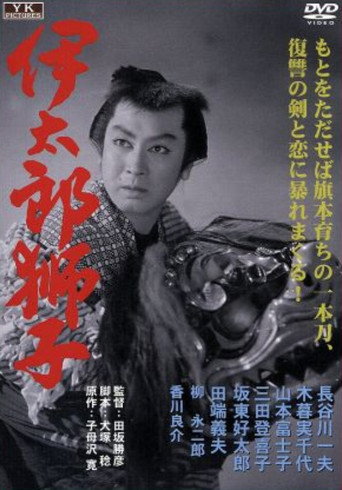 NR
Itarō abandons his life as a hatamoto to become a yakuza.
Itarō jishi
1955
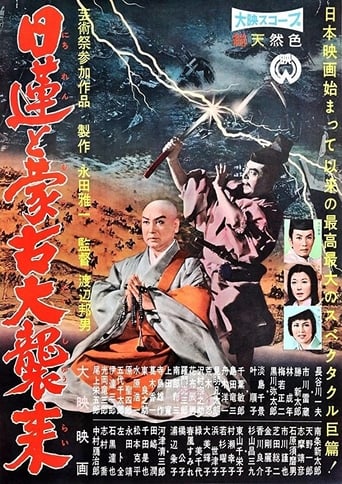 7.0
During the 1200's, legendary Buddhist monk Nichiren returns from his studies to lead Japan out of moral crisis and prepare to fight Mongol invaders by creating a new form of Buddhism. He runs afoul of the existing Buddhist sects and their government supporters and is persecuted. Can Nichiren persevere before the Mongol fleet reaches Japanese shores?
Nichiren and the Great Mongol Invasion
1958
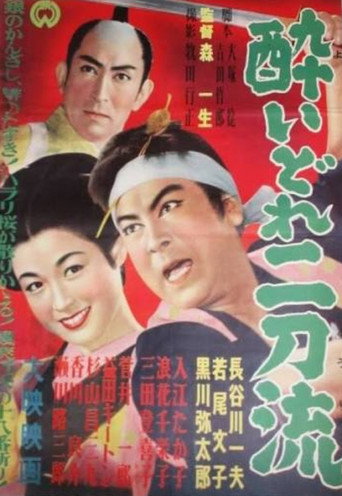 NR
No synopsis available yet.
Yoidore nitōryū
1954
 7.5
Two amiable samurai wind up on opposite sides of the vendetta between Lord Asano's retainers and the family of Lord Kira that led to the famous revenge of the 47 Ronin.
Samurai Vendetta
1959
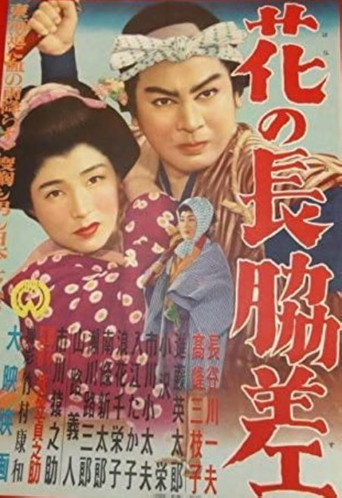 NR
No synopsis available yet.
Hana no nagadosu
1954
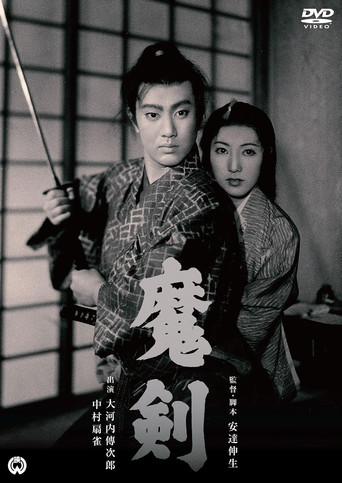 NR
A young swordsman takes on the mysterious, deadly “Demon Sword” wielded by a nihilistic master swordsman who trusts neither human compassion nor a woman’s heart… What is the fate of the undefeated Demon Sword?
Demon Sword
1953
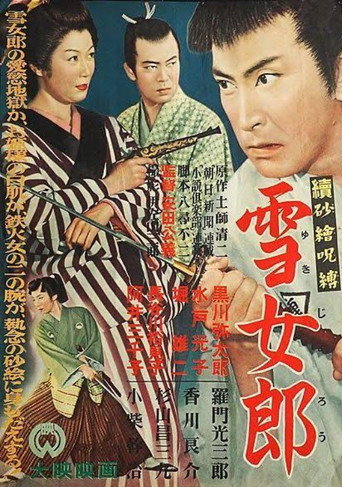 NR
No synopsis available yet.
Zoku suna-e jubaku: Yukijorō
1953
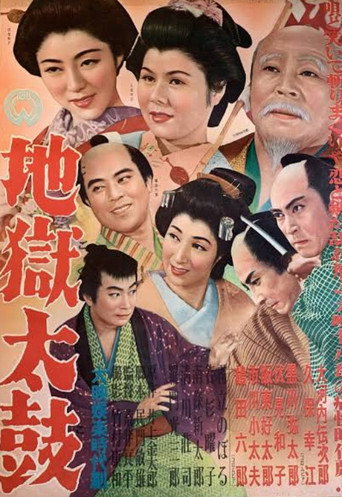 NR
A girl from a tenement house was abducted in broad daylight, right in the heart of Edo.
Jigoku taiko
1953
No synopsis available yet.
Suna-e jubaku
1953
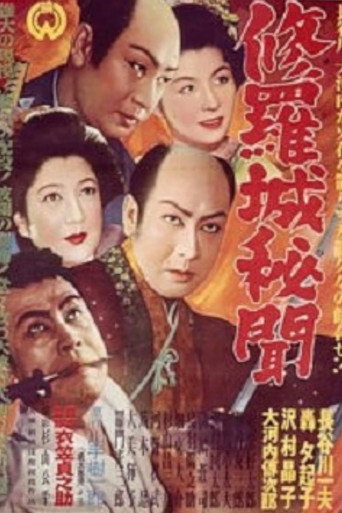 NR
No synopsis available yet.
Castle of Carnage
1952
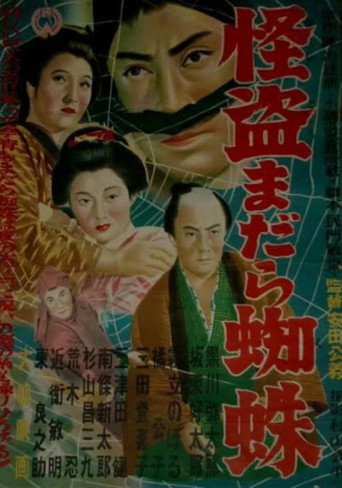 NR
No synopsis available yet.
Kai nusumadara kumo
1954
 7.7
A woman loses her son through an evil conspiracy and commits suicide. Shortly afterwards a ghost cat begins haunting the conspirators. This is Takako Irie's first bakeneko (ghost cat) movie; it started a Daiei cycle which was very popular at the time in Japan.
Ghost of Saga Mansion
1953
No synopsis available yet.
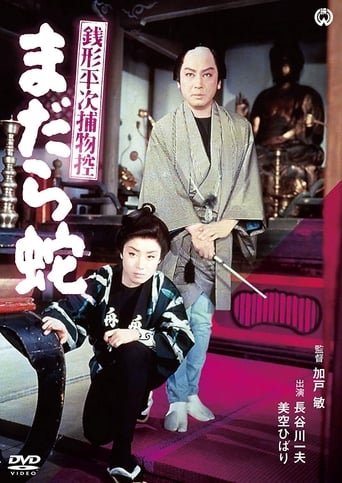
Case Files of Zenigata Heiji: The Human-Skin Spider
1956
 7.0
No synopsis available yet.
Case Files of Zenigata Heiji: The Cursed Coin
1957
 NR
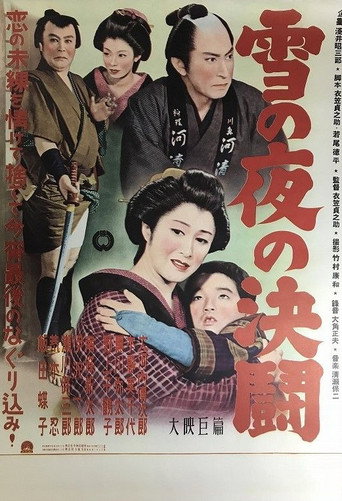
A yakuza returning from an island journey takes a stranger’s young child under his wing as he travels, gives up the woman he loves to his brother-in-arms, kills a corrupt gang boss in the name of justice and turns himself in.
Snowy Night Duel
1954
 NR
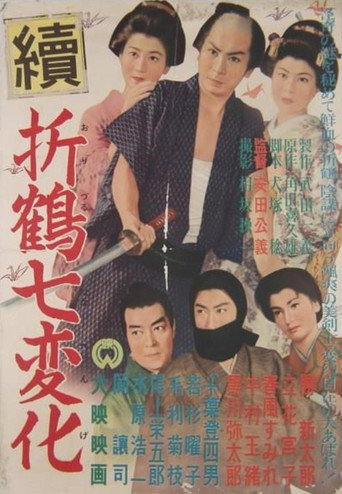
No synopsis available yet.
The Seven Changes of a Paper Crane Continued
1956
 6.5
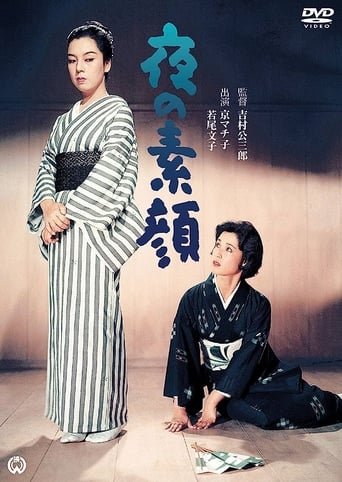
A biting portrait of the world of classical Japanese dance: an ambitious young woman (Wakao Ayako) shoves aside her mentor (Kyo Machiko) on her way to the top.
The Ladder of Success
1958
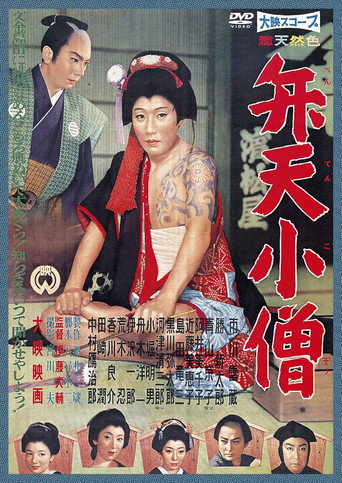 9.7
The film won 1959 Blue Ribbon Awards for best actor Raizo Ichikawa and for best cinematography Kazuo Miyagawa. The film also won 1959 Kinema Junpo Award for best actor Raizo Ichikawa.
The Gay Masquerade
1958
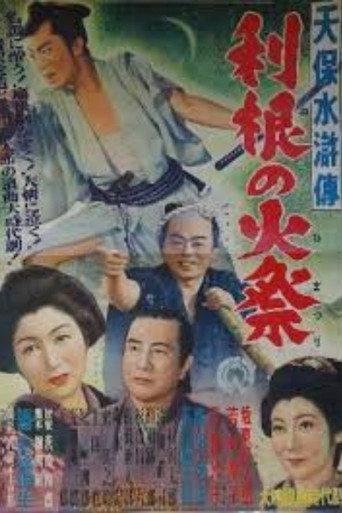 NR
No synopsis available yet.
Tenpō suiko-den: Tone no himatsuri
1952
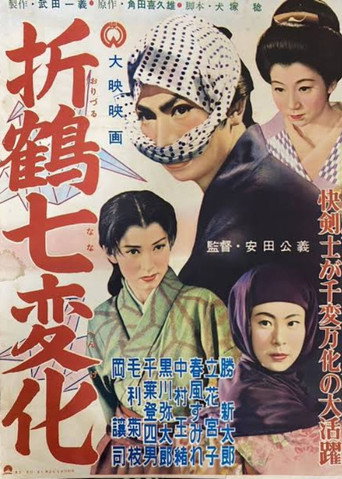 NR
No synopsis available yet.
The Seven Changes of a Paper Crane
1956
1930s · 2 titles
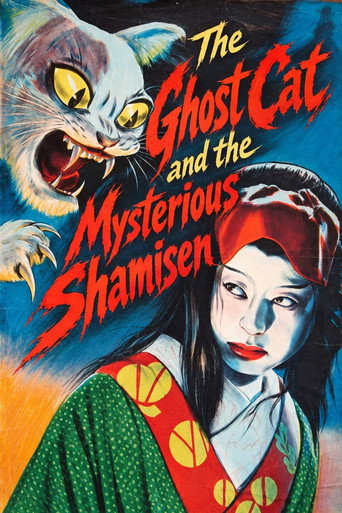 8.0
Mitsue is a popular stage actress and the lover of a shamisen player named Seijuro. She jealously murders two other objects of his affection: Okiyo, a young woman from a samurai family, and Kuro, a cat. The spirits of Okiyo and Kuro then merge into a vengeful ghost.
The Ghost Cat and the Mysterious Shamisen
1938
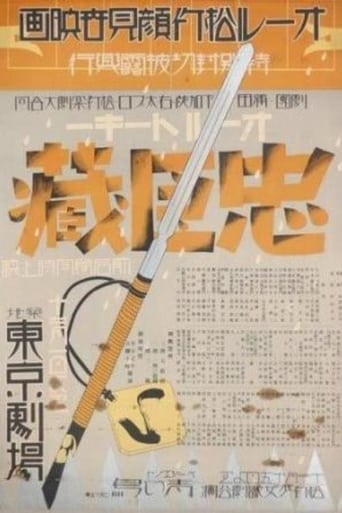 NR
This 1932 adaptation is the earliest sound version of the ever-popular and much-filmed Chushingura story of the loyal 47 retainers who avenged their feudal lord after he was obliged to commit hara-kiri due to the machinations of a villainous courtier. As the first sound version of the classic narrative, the film was something of an event, and employed a stellar cast, who give a roster of memorable performances. Director Teinosuke Kinugasa was primarily a specialist in jidai-geki (period films), such as the internationally celebrated Gate of Hell (Jigokumon, 1953), and although he is now most famous as the maker of the avant-garde silent films A Page of Madness (Kurutta ichipeji, 1926) and Crossroads (Jujiro, 1928), Chushingura is in fact more typical of his output than those experimental works. The film ranked third in that year’s Kinema Junpo critics’ poll, and Joseph Anderson and Donald Richie noted that 'not only the sound but the quick cutting was admired by many critics.
The Loyal 47 Ronin
1932