
Directing
Evgeny Yufit
Born — Died
1961-01-17 — 2016-12-13
Place of birth
Leningrad, USSR
Known for
Directing
Credits
29 titles
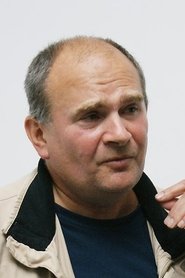
Yevgeny Yufit (also known as Evgenii Iufit, 1961 – 13 December 2016) was a Russian filmmaker, photographer and painter, born in Leningrad. He was a founding member of Russia's Parallel Cinema movement. Yufit first became famous for his macabre short films, which, like the films of Guy Maddin, often looked as though they had been made during the 1920s or 1930s. In the 1990s, Yufit began making features similar in style to his shorts, with plots often centered on genetic experimentation and pseudoscience. He is often described as a necrorealist. He died on 13 December 2016 in Petergof. Description above from the Wikipedia article Yevgeny Yufit, licensed under CC-BY-SA, full list of contribut…
Known for
 4.2
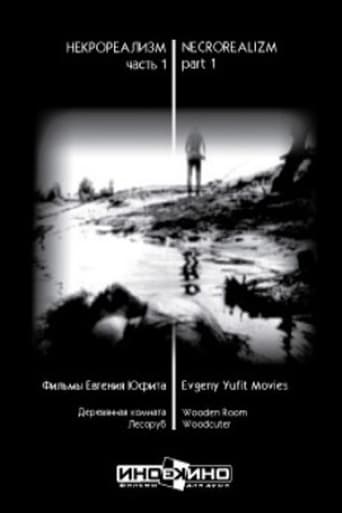
4.2The protagonist of The Wooden Room is a director of documentaries, who lives with his wife - who is as stoic as he - in an isolated hut in the woods. The director is obsessed by filming marginal events in life. The closer he can get to these events with his camera, the more he becomes involved with them. In the end he falls victim to them. The film, with no dialogue and hardly any sound, is an experimental meditation on the complex, continually-changing relationship between a film-maker and his subject.
The Wooden Room
1995
 5.0
5.0Inspired by Flaubert’s Madame Bovary, Sokurov’s Save and Protect recalls the most crucial events of Emma’s decline and fall: affairs with the aristocratic Rodolphe and the student Leon, the humiliation that follows her husband’s botching of the operation on the stable boy’s clubfoot. The universality of the theme of eternal struggle between the soul and the flesh is conveyed through the absence of specific reference to time or place: although the film seems to begin in 1840, its surreal mode effortlessly accommodates an automobile and the strains of “When the Saints Go Marching In” on an off-screen radio. Focusing on passion from a woman’s perspective and downplaying plot, Sokurov explores his subject in exquisite detail, capturing not only the heat of passion but also the quiet moments before and after and the innocent sensuousness of the body.
Save and Protect
1990
 NR
NREarth is undergoing abnormal climate warming. In order to protect it's biosphere, scientists are creating a race of humanoid temperature controllers. Some of them disagree with assigned mission. Scientists find a way out: perform a brain transplantation. Finally, Earth climate has restored but the humanoid race is spiraling out of control.
Yetilion
2021
 10.0
10.0No synopsis available yet.
The Mad Prince: Playing XO
1987
This film was shot in 1988. The main action takes place in a rock group's studio during the visit of a few acolytes from Theatre Theatre. It is all served up in connection with Fassbinder «s notion of Antitheatre. The theme of the “mad prince” in actors» improvisations intertwines with the fate of the director and of directing in general. The adventures of the spirit form the true tale of this film. We use only the single interior, the studio room where nothing happens aside from the pulsations of spirit. It comes to life here, and it rests, as if gaining new strength. The Mad Prince Fassbinder is, indeed, spirit. Only a free camera is capable of capturing this freedom.
The Mad Prince: Fassbinder
1988
 6.4
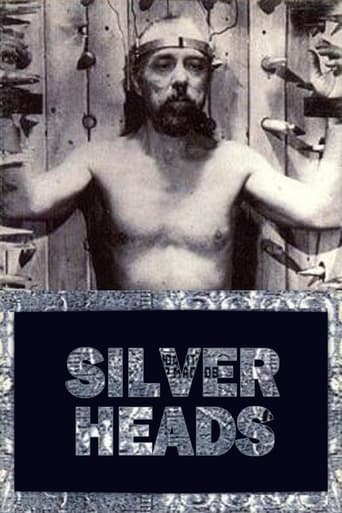
6.4The necrorealist science fiction plot involves a team of scientists attempting to cross a human being with a tree, and a special unit dispatched to hunt down the zombie-like mutants created in a previous, failed experiment
Silver Heads
1999
Film credits
2020s · 2 titles
NREarth is undergoing abnormal climate warming. In order to protect it's biosphere, scientists are creating a race of humanoid temperature controllers. Some of them disagree with assigned mission. Scientists find a way out: perform a brain transplantation. Finally, Earth climate has restored but the humanoid race is spiraling out of control.
Yetilion
2021
 NR
NRIn 2000, Masha Godovannaya curated a programme entitled Avant-Garde Alternatives: An Evolution of American Experimental Film, which went on tour in Russia, making stops in Moscow, St. Petersburg and Yekaterinburg. We visited necro-realist film-maker Yevgeny Yufit at his house beside Lake Seliger, helping him repair the house we stayed in and, in exchange, being lavished with the fresh fish that landed in his nets every day. This film is a tribute to Yufit, who died in St. Petersburg in 2016.
Riba
2020
2010s · 2 titles
 NR
NRIn the Apocalypse of John, there is such a thing as warmth. Being angry with the Laodicean church, the Lord reproaches: “I know your deeds; you are neither cold nor hot. ” Cold, that is, a sinner who denies or arguing with God, is not hopeless, he can come to salvation through repentance, but a warm, spiritually smoldering person who does not believe in ritual following his heart - such a person is against God. Punk is always a choice of two extremes. Or drink till you drop - or become an invete sober person. Hot or cold. But never warm. The heroes of the film are three generations of Russian punks - from “Automatic Satisfiers” to “Pornofilm”.
NATE!
2018
 7.0
7.0No synopsis available yet.
A Belle Epoque
2011
2000s · 2 titles
In an effort to conceal the embezzlement of large sums of money received from the presidential fund, the corrupt and mired in the most low-grade debauchery, the Governor of the City starts a grandiose scam called the "Martian Expedition". The vacancies of voluntary suicides are readily accepted by an artist, director, architect, choreographer and porn star. Meanwhile, the "shadow administration" of the City, consisting of the bosses of the largest gangster groups, is joining the division of the "financial cake"...
The Martian Chronicles
2000
 NR
NRPoetic portrait of a filmmaker. The famous director reflects on creativity and love. His friends and associates take part in the film: artist Vladimir Shinkarev, engineer Vladimir Nikolaev, actress Elena Kramer (Spiridonova), director, film critic Oleg Kovalov, necrorealist directors Yevgeny Yufit, Igor Bezrukov.
Sokurov
2006
1990s · 3 titles
5.0Inspired by Flaubert’s Madame Bovary, Sokurov’s Save and Protect recalls the most crucial events of Emma’s decline and fall: affairs with the aristocratic Rodolphe and the student Leon, the humiliation that follows her husband’s botching of the operation on the stable boy’s clubfoot. The universality of the theme of eternal struggle between the soul and the flesh is conveyed through the absence of specific reference to time or place: although the film seems to begin in 1840, its surreal mode effortlessly accommodates an automobile and the strains of “When the Saints Go Marching In” on an off-screen radio. Focusing on passion from a woman’s perspective and downplaying plot, Sokurov explores his subject in exquisite detail, capturing not only the heat of passion but also the quiet moments before and after and the innocent sensuousness of the body.
Save and Protect
1990
 7.0
7.0St. Petersburg banter on the topic of Mozart’s stay in present-day St. Petersburg. Mozart loved Salieri very much. Together they messed around in a tavern. However, Mozart never drank with Salieri - he offered his glass to one of his friends. Friends were very unhappy...
Mozart in St. Petersburg
1997
 4.4
4.4The remake of the original 1939 "Tractor Drivers"... Same heroes, but totally different times.
Tractor Drivers 2
1992
1980s · 4 titles
10.0No synopsis available yet.
The Mad Prince: Playing XO
1987
This film was shot in 1988. The main action takes place in a rock group's studio during the visit of a few acolytes from Theatre Theatre. It is all served up in connection with Fassbinder «s notion of Antitheatre. The theme of the “mad prince” in actors» improvisations intertwines with the fate of the director and of directing in general. The adventures of the spirit form the true tale of this film. We use only the single interior, the studio room where nothing happens aside from the pulsations of spirit. It comes to life here, and it rests, as if gaining new strength. The Mad Prince Fassbinder is, indeed, spirit. Only a free camera is capable of capturing this freedom.
The Mad Prince: Fassbinder
1988
 2.5
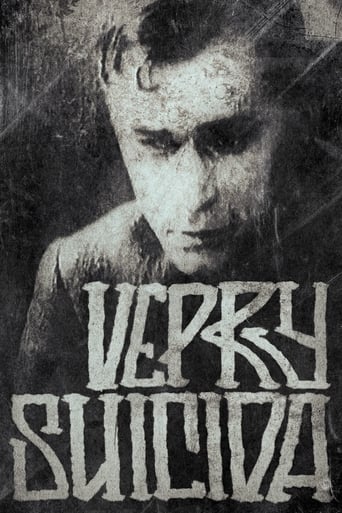
2.5The demobilized Baltic sea sailor met the injustice of the world around him and committed suicide.
The Urine Crazed Corpse Catchers
1988
 NR
NRVasily Ivanovich once met with his killer… Collectivism, freedom, stupidity, fun - the main principles of the St. Petersburg underground are filmed with the help of a new myth about the heroic Chapai.
The Members of the "Che-payevs" Society Talking
1988
Behind the camera
4.2The protagonist of The Wooden Room is a director of documentaries, who lives with his wife - who is as stoic as he - in an isolated hut in the woods. The director is obsessed by filming marginal events in life. The closer he can get to these events with his camera, the more he becomes involved with them. In the end he falls victim to them. The film, with no dialogue and hardly any sound, is an experimental meditation on the complex, continually-changing relationship between a film-maker and his subject.
The Wooden Room
1995
4.2The protagonist of The Wooden Room is a director of documentaries, who lives with his wife - who is as stoic as he - in an isolated hut in the woods. The director is obsessed by filming marginal events in life. The closer he can get to these events with his camera, the more he becomes involved with them. In the end he falls victim to them. The film, with no dialogue and hardly any sound, is an experimental meditation on the complex, continually-changing relationship between a film-maker and his subject.
The Wooden Room
1995
6.4The necrorealist science fiction plot involves a team of scientists attempting to cross a human being with a tree, and a special unit dispatched to hunt down the zombie-like mutants created in a previous, failed experiment
Silver Heads
1999
6.4The necrorealist science fiction plot involves a team of scientists attempting to cross a human being with a tree, and a special unit dispatched to hunt down the zombie-like mutants created in a previous, failed experiment
Silver Heads
1999
An anthropologist investigates the origins of human evolution. She had suffered a mental trauma during her childhood when her father, a submarine captain, died during the war. This trauma periodically destabilizes her condition. The ghosts of a prehistoric past and a violent death collide in the subconsciousness of the scientist to give birth to an unexpected theory of the origins of human beings.
Killed by Lightning
2002
An anthropologist investigates the origins of human evolution. She had suffered a mental trauma during her childhood when her father, a submarine captain, died during the war. This trauma periodically destabilizes her condition. The ghosts of a prehistoric past and a violent death collide in the subconsciousness of the scientist to give birth to an unexpected theory of the origins of human beings.
Killed by Lightning
2002
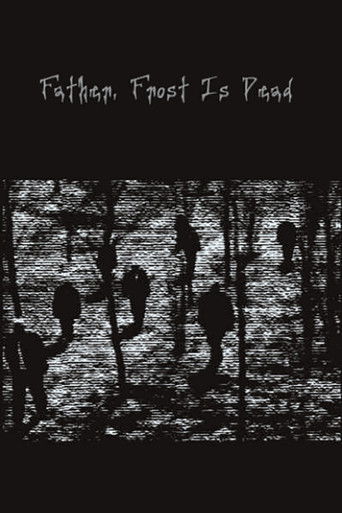 6.2
6.2A biologist, obsessed with the idea of writing a treatise on a new kind of mouse, becomes witness to a number of bizarre and horrific events, from his son's suicide, to the S&M engaged in by respectable middle-aged men, to his own family's psychic morbidity.
Daddy, Father Frost Is Dead
1991
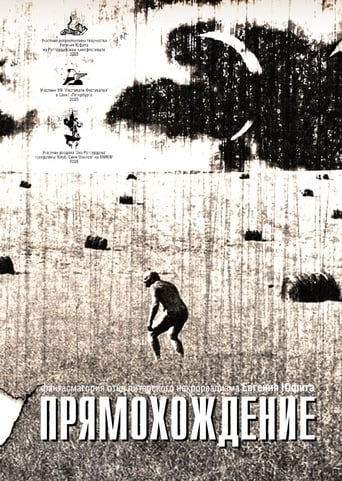 4.0
4.0The main character is crazy about about depicting various anomalies in art. Accidentally he finds a cinematography archive which makes him advance a completely new theory on the reasons why humans became bipedal. Yufit proceeds with the plot by describing a scientist struggling against the epidemic wave of anomalies in the physical and mental world thematically started in his other films. This time the struggle takes place on the background of paleoanthropology, psychoanalysis and modern art. As materials of the Museum of Anthropology and other archives are included in the film, it oversteps the boundary between a feature film and documentary.
Bipedalism
2005
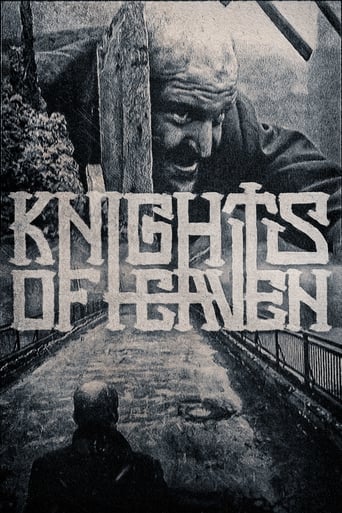 5.0
5.0A military group of alpinists are selected to carry out a secret mission. The fate of humanity depends on their success. The rules of the mission require the death of each participant once his or her task is accomplished. After killing one of their colleagues and splitting into several groups, the alpinists continue their journey. But the human unconscious doesn’t follow military orders. Having once committed murder, the “knights” can’t control their desire to kill. They forgot their mission… and kill each other instead. —University of Pittsburgh
Knights of Heaven
1989
5.0A military group of alpinists are selected to carry out a secret mission. The fate of humanity depends on their success. The rules of the mission require the death of each participant once his or her task is accomplished. After killing one of their colleagues and splitting into several groups, the alpinists continue their journey. But the human unconscious doesn’t follow military orders. Having once committed murder, the “knights” can’t control their desire to kill. They forgot their mission… and kill each other instead. —University of Pittsburgh
Knights of Heaven
1989
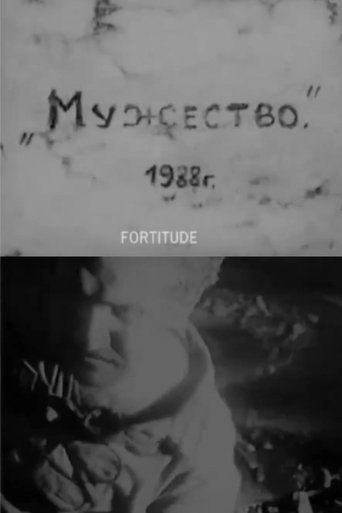 NR
NRA three-minute long insight into the life of completely unusual people – a group of pacifists forced into hiding in the cellar of a ruinous house to escape a war tribunal. The difficulties of war are manly endured by the film’s characters. This film, like most of Yufit’s works, shows his love of 1920’s avant garde cinema, which was considered the highest pinnacle in cinematography. The director believes the art of moving pictures was more heartfelt before sound and colour. “The development of technologies is not a particularly positive thing for human existence,” says Yufit. —Arsenals Film Festival
Fortitude
1988
 NR
NRAbout Sado-masochism, suicide and the irrational nature of the human spirit. The irrationality of the human psyche, sadomasochism and suicide are the leitmotifs of this film. The documentary footage of airplanes and pilots – symbols of courage and honour – become an unexpected counterpoint to the main structure of the film. The combination of documentary footage and poetic storytelling with the inclement northern setting reinforce the ascetic atmosphere of Suicide Monsters and give its self-destructive characters a heroic and noble appearance. —arsenals.lv
Suicide Warthogs
1988
 5.0
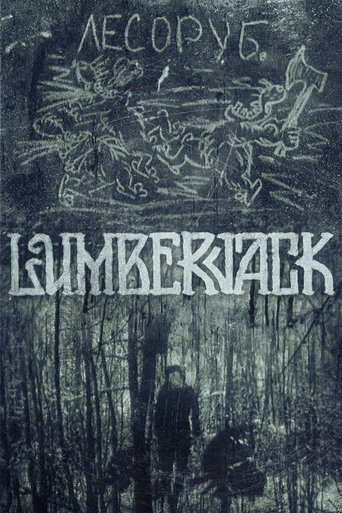
5.0Violence in the snow! One of the most radical shorts ever made behind the iron curtain, a special document of the Necrorealists' art group, in the former USSR. "Lesorub" (Lumberjack) is a reaction full of energy and morbid rage against the rigid rules of socialist realism - Claus Loeser, Gegenbilder
Lumberjack
1985
 NR
NROne of the most structured of Yufit’s reels with an elaborated montage work. This film combines three diverse worlds in an absurd manner to show the author’s passion for black humour: traditions of the avant garde cinematography of 20s, the social motives of contemporary Russia, and forensic medicine. —arsenals.lv
Spring
1987
 4.0
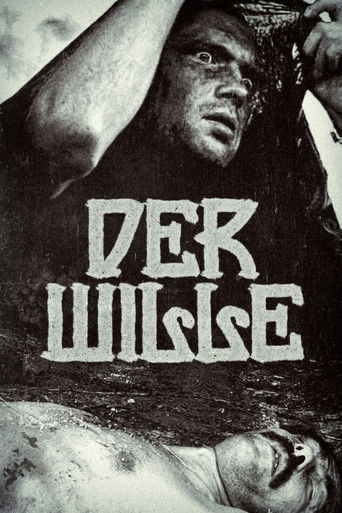
4.0An underground short film from a “necrorealist” Russian filmmaker. The film is about sadomasochism, possessed by the idea of death and self-destruction. Evocative of the silent films from the beginning of the 20th century.
The Will
1994
A young sailor descends from a local train. He goes to a nearby forest, which is full of strange men in medical uniforms behaving in an absurd and eccentric manner. The sailor falls under their influence and masochistically gives himself up to them only to be disemboweled by the werewolf orderlies. The sailor’s last unconscious image is a “white ship sailing towards the horizon”—a Soviet symbol for happiness and joy.
Werewolf Orderlies
1984