
Acting
Kappei Matsumoto
Born — Died
1905-04-25 — 1995-10-03
Place of birth
Azumino, Nagano, Japan
Known for
Acting
Credits
61 titles
Known for
 8.0
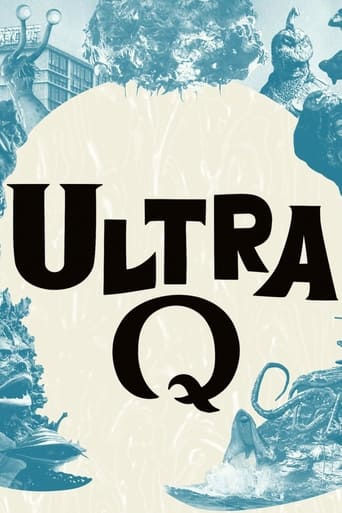
8.0As supernatural events and monster attacks rock Japan, the military and government look to be overwhelmed. Three intrepid young investigators—two pilots and a reporter—take it upon themselves to study these unexplained phenomena in order to inform and protect the public.
Ultra Q
1966
 7.2
7.2An elderly Nagasaki hibakusha spends a summer caring for her four grandchildren, whose curiosity about the 1945 bombing stirs buried memories and moral questions. When an American nephew from Hawaii visits, the family confronts grief, guilt, and the possibility of reconciliation across generations.
Rhapsody in August
1991
 7.7
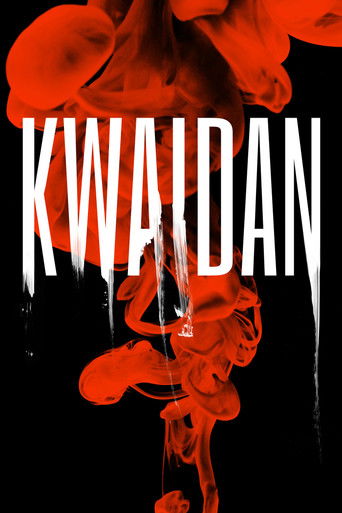
7.7Taking its title from an archaic Japanese word meaning "ghost story," this anthology adapts four folk tales. A penniless samurai marries for money with tragic results. A man stranded in a blizzard is saved by Yuki the Snow Maiden, but his rescue comes at a cost. Blind musician Hoichi is forced to perform for an audience of ghosts. An author relates the story of a samurai who sees another warrior's reflection in his teacup.
Kwaidan
1965
 7.6
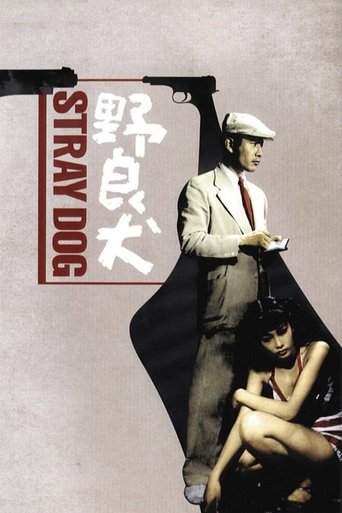
7.6A bad day gets worse for young detective Murakami when a pickpocket steals his gun on a hot, crowded bus. Desperate to right the wrong, he goes undercover, scavenging Tokyo’s sweltering streets for the stray dog whose desperation has led him to a life of crime. With each step, cop and criminal’s lives become more intertwined and the investigation becomes an examination of Murakami’s own dark side.
Stray Dog
1949
 7.3
7.3Two detectives are tasked to investigate the murder of an old man, found bludgeoned to death in a Tokyo rail yard.
The Castle of Sand
1974
 7.7
7.7Gengobe Satsuma, an exiled samurai cast out as an Asano clan retainer, is given a second chance to join his brothers in arms to become the 48th Ronin against the Shogunate. His faithful servant gathers the 100 ryo required for his acceptance. Gengobe is also in love with a greedy geisha named Koman. About to be sold to another man, Gengobe learns that in order to keep her, her debt is exactly 100 ryo.
Demons
1971
Film credits
1990s · 2 titles
7.2An elderly Nagasaki hibakusha spends a summer caring for her four grandchildren, whose curiosity about the 1945 bombing stirs buried memories and moral questions. When an American nephew from Hawaii visits, the family confronts grief, guilt, and the possibility of reconciliation across generations.
Rhapsody in August
1991
 10.0
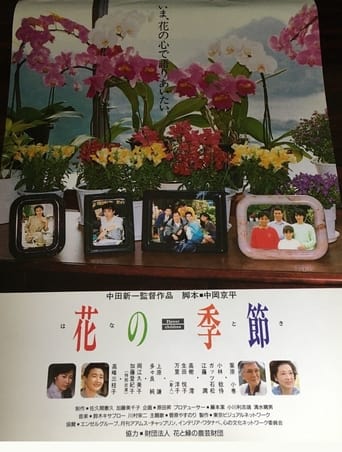
10.0Kitamori Yuki was particular about her promise to her mother-in-law Hana. The promise is that, as the daughter-in-law of Koichi, the eldest son of the Kitamori family, Hana entrusts everything to Yuki, but wants her entire family to come see her on her birthday. At that time, her second son Keisuke's daughter Megumi, who is her private taxi driver, made a mistake, and she was overwhelmed and approached Yuki for advice. Eventually, her mother Kayo of Megumi learned about this, but a period was quietly struck by her women coming to a conclusion that should be the food for Megumi's growth.
Flower Season
1990
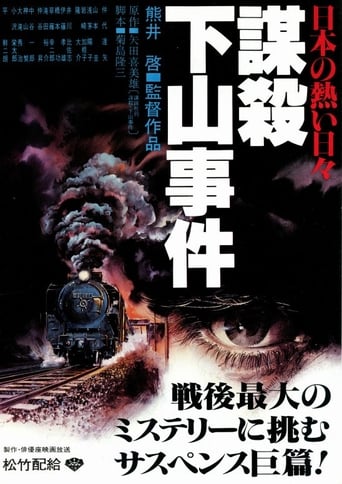
1970s · 9 titles
7.3Two detectives are tasked to investigate the murder of an old man, found bludgeoned to death in a Tokyo rail yard.
The Castle of Sand
1974
7.7Gengobe Satsuma, an exiled samurai cast out as an Asano clan retainer, is given a second chance to join his brothers in arms to become the 48th Ronin against the Shogunate. His faithful servant gathers the 100 ryo required for his acceptance. Gengobe is also in love with a greedy geisha named Koman. About to be sold to another man, Gengobe learns that in order to keep her, her debt is exactly 100 ryo.
Demons
1971
 7.4
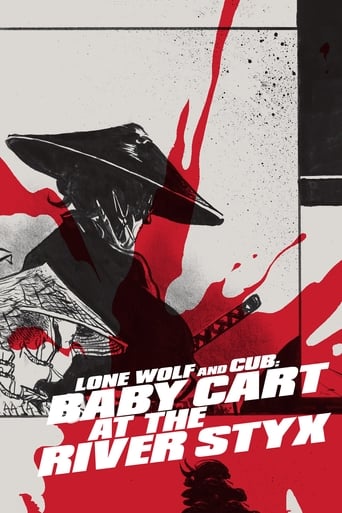
7.4Ogami Itto battles a group of female ninja in the employ of the Yagyu clan and must eliminate a traitor who plans to sell his clan's secrets to the Shogunate.
Lone Wolf and Cub: Baby Cart at the River Styx
1972
 7.2
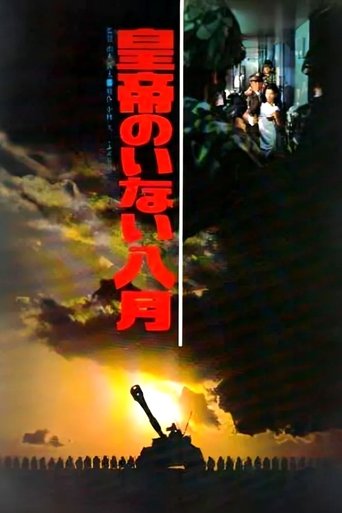
7.2Taking the Chilean coup as an example, a group of young officers plan to overthrow the Japanese government on V-J Day. They aim to abolish the post-war constitution, restore the national army and revive the traditional spirit of Japan. As the conspiracy is exposed, the coup squadrons are wiped out one by one. The remaining squadron takes over a night train bound for Tokyo.
August Without Emperor
1978
 7.2
7.2In 17th-century Japan, two Portuguese Jesuit priests seek their mentor, who is rumoured to have committed apostasy, and to propagate Catholicism.
Silence
1971
 6.1
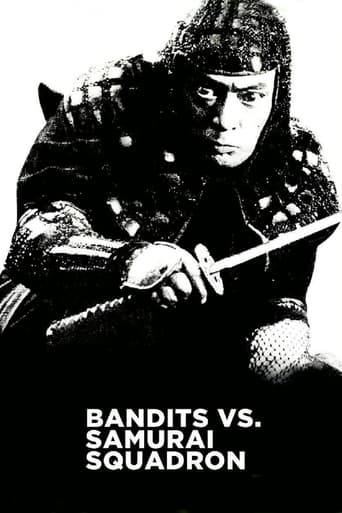
6.1Kumokiri Nizaemon, a former samurai warrior, has abandoned his class to become the leader of a gang of thieves. He leads his outlaws in an attempt to rob the castle of his former clan.
Bandits vs. Samurai Squadron
1978
 6.1
6.1UFOs appear on Earth, and people who actually see them suddenly find that their blood has turned blue. Soon panic and hysteria result in the new "blue-bloods" being persecuted by the rest of mankind, and eventually certain all-too-familiar measures begin to be taken against them.
Blood Type: Blue
1978
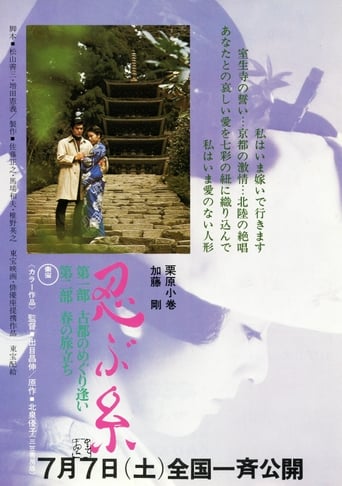 7.0
7.0A beautifully told story of a woman hardened by marriage to a man she doesn't love, after giving herself to another. She dedicates herself to her work, designing and creating plaited cords for kimono.
Long Journey into Love
1973
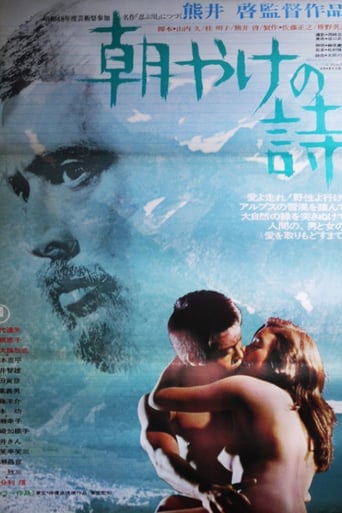 10.0
10.0A pioneer farmer's stubborn dream of building Japan's greatest ranch is put to the test when a leisure resort company sets its sights on his village's land.
Rise, Fair Sun
1973
1960s · 17 titles
7.7Taking its title from an archaic Japanese word meaning "ghost story," this anthology adapts four folk tales. A penniless samurai marries for money with tragic results. A man stranded in a blizzard is saved by Yuki the Snow Maiden, but his rescue comes at a cost. Blind musician Hoichi is forced to perform for an audience of ghosts. An author relates the story of a samurai who sees another warrior's reflection in his teacup.
Kwaidan
1965
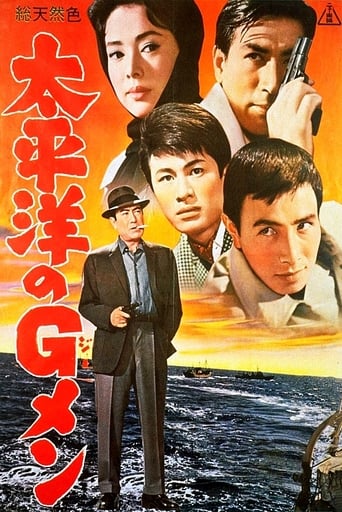 6.3
6.3G-men challenge a jewelry smuggling ring. The chase starts in Kyushu and continues to Kobe to Yokohama.
G-Men in the Pacific
1962
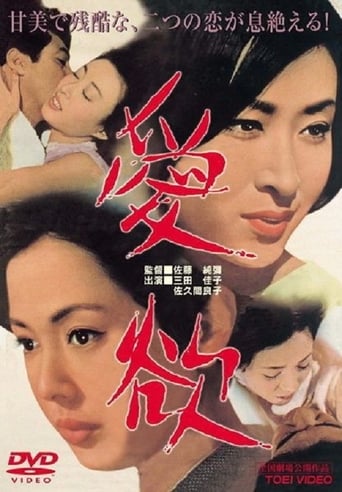 6.0
6.0Natsuko, a Tokyo bar proprietress, and Yuki, a Kyoto Ryokan owner, vie for the affections of an advertising professional.
Thirst for Love
1966
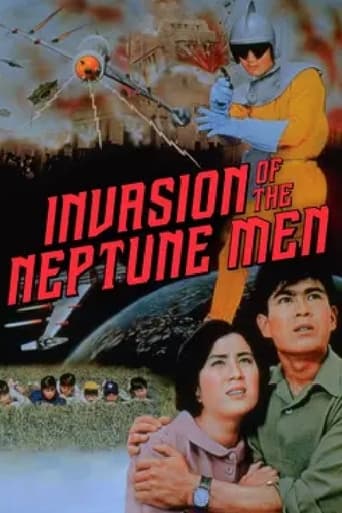 3.1
3.1Astronomer Shinichi Tachibana has a secret identity as the superhero "Iron Sharp" and is well beloved by children. When they are attacked by a group of metallic aliens, Iron Sharp drives the aliens away. The resourceful Tachibana helps develop an electric barrier to block the aliens from coming to the Earth. After several losses by the aliens, they announce that they will invade the Earth, throwing the world into a state of panic.
Invasion of the Neptune Men
1961
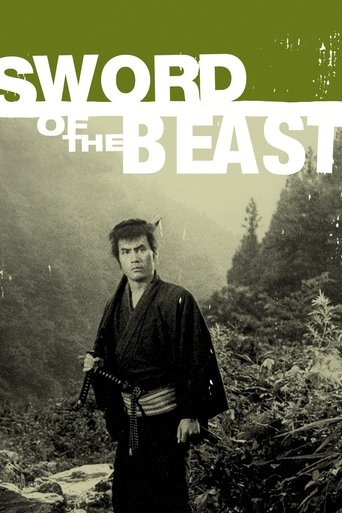 7.5
7.5Legendary swordplay filmmaker Hideo Gosha's Sword of the Beast chronicles the flight of the low-level swordsman Gennosuke, who kills one of his ministers as part of a reform plot. His former comrades then turn on him, and this betrayal so shakes his sense of honor that he decides to live in the wild, like an animal. There he joins up with a motley group who are illegally mining the shogun’s gold, and, with the aid of another swordsman, gets a chance not just at survival but to recover his name and honor.
Sword of the Beast
1965
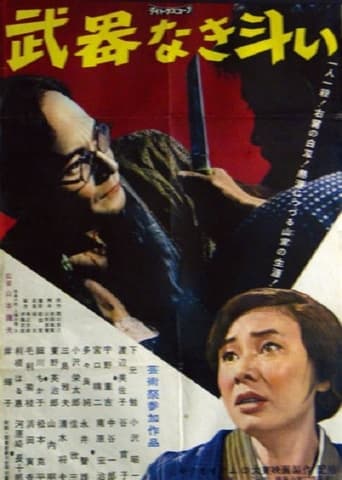 NR
NRIt's a story of the life of a man who advocated the necessity of sex education to children, which was unusual at the time, solely opposed to the amendment of the Peace Preservation Law, and was assassinated by a rightist prior to his opposition speech.
The War Without Weapons
1960
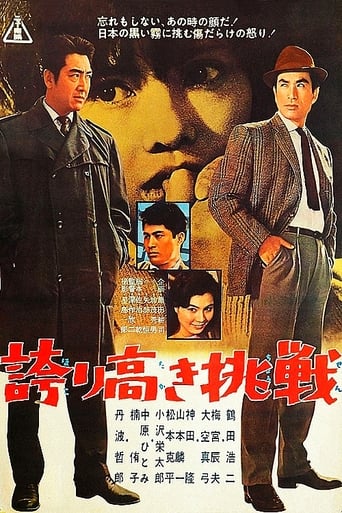 7.4
7.4Journalist Kuroki is investigating clandestine arms sales to Southeast Asia. He discovers that the point man in an arms trade was also involved in the cover-up of a murder on an American base during the Allied Occupation. The film rolls along as a suspenseful thriller while offering a critique of political corruption, hypocrisy, and journalistic cowardice in postwar Japan.
The Challenge
1962
 NR
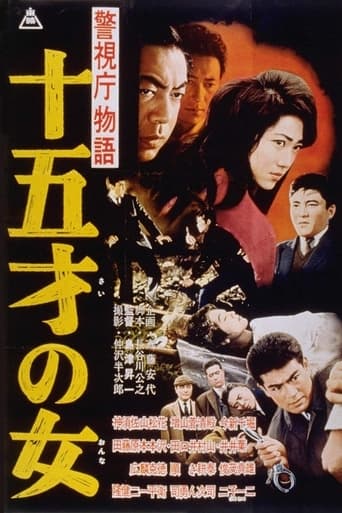
NRDetectives of the First Investigation Division are investigating the murder of a 15-year-old girl, whose strangled corpse was found in the bay of the Tama River. The ugly behavior of adults hidden in the name of social welfare is exposed by the investigation. 16th work from the popular series "Keishicho Monogatari".
Police Precinct: 15 Year Old Woman
1961
 8.4
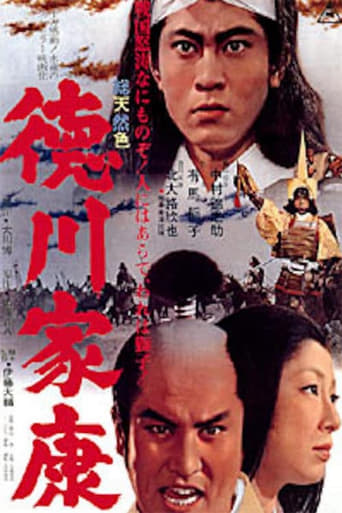
8.4In turbulent 16th-century Japan, the leaders of a minor fief have their child taken from them as a political hostage. His mother and his clan endure years of tribulations until he can return.
Lord Tokugawa Ieyasu
1965
 10.0
10.0Based on true events surrounding a Korean student who had entered Japan unlawfully and escaped illegal alien internment.
The Spy
1965
 NR
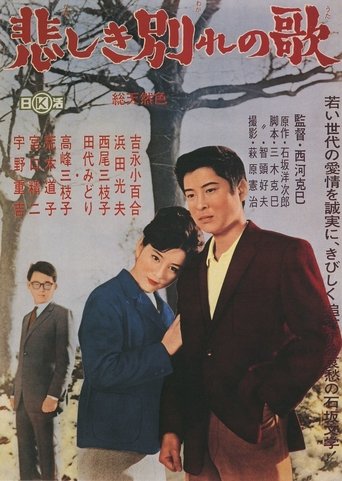
NRAfter her mother's funeral, Yuriko, dressed in mourning clothes, sees off her lover Shintaro as he leaves in the powdery snow, and resolves to part ways with him forever. However, in Yuriko's heart... Pure love duo Yoshinaga and Hamada rigorously pursue a life of sincerity and love of the younger generation, and love but parting, in this lyrical and melancholy touching story of Ishizaka literature.
Song of Farewell
1965
 NR
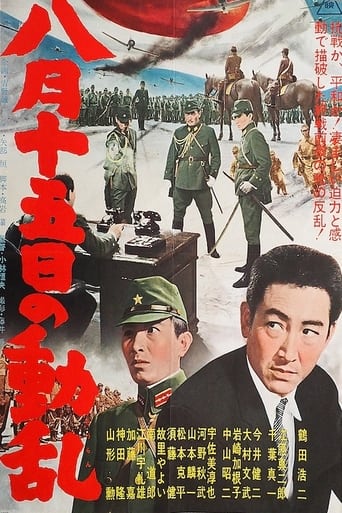
NRA suspense work based on the "Miyagi Incident," an attempted coup d'etat led by some officers working for the Ministry of the Defense and the General Staff of the Konoe Division on the eve of the end of the Pacific War.
Mid-August Commotion
1962
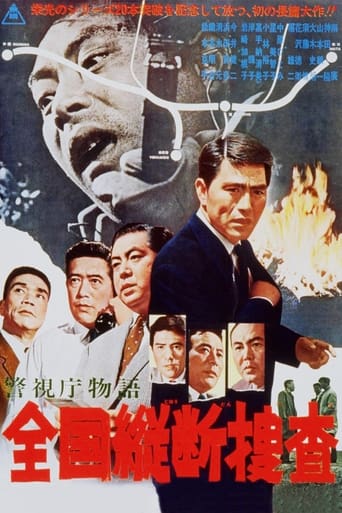 NR
NRA burnt corpse of a man was found in Okutama. As a result of the investigation, it turns out that the criminal strangled the victim with a bandage, smashed his face with an oil canister and burned the body, trying to hide the identity of the victim. But the investigation establishes that the victim is a former criminal named Hisashi Sayama. According to Sayama's daughter-in-law, a man named Kitamura got him a job, so he left home with a copy of the family register. Trying to find the killer, the First Investigation Department is investigating all over the country, including Akita, Yokkaichi and Okinawa.
Police Precinct Part 21
1963
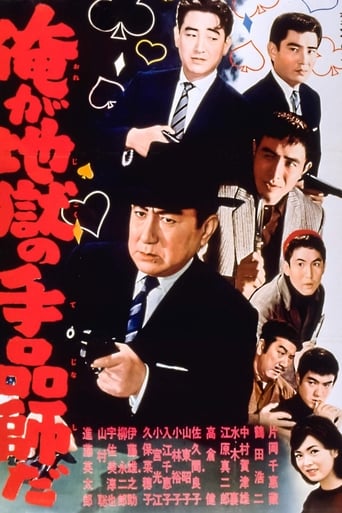 7.0
7.0Chiezo Kataoka grew up as a Magician's apprentice in America and no prison can hold him!
I Am The Magician From Hell
1961
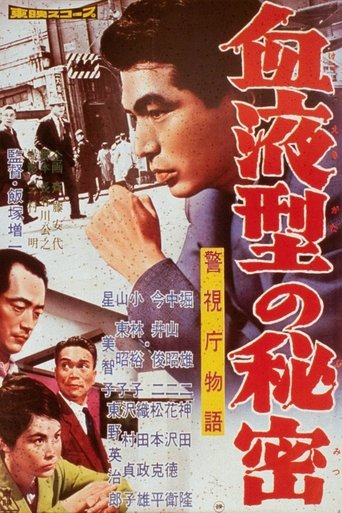 NR
NROn a quiet spring day in the suburbs, a stray dog found the corpse of a baby. Three days after his death, the blood group of the victim was determined. Detectives Hayashi, Kaneko, Nagata and Yamagata begin their investigation, suspecting the parents of the murdered child. They use a towel, baby diapers and bruises on the baby's body as clues in the investigation. Who killed the baby?
Police Precinct Part 13
1960
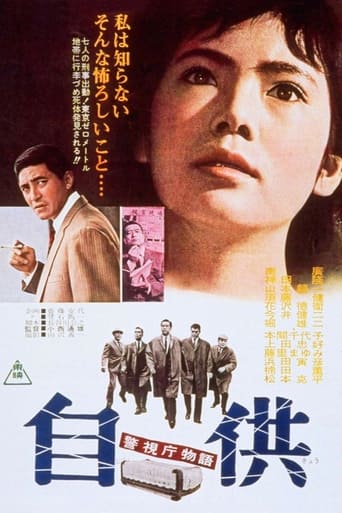 NR
NRThe corpse of a debt collector, Sakai, is found in the Dobu River in Tokyo. Kinoshita, a shoe shiner who was in debt to Sakai, was soon apprehended. During interrogation, Kinoshita said that he was the one who killed Sakai. However, after a while, he admitted that he lied, because he thought that in prison he could eat plenty of rice for free. The investigation established that Sakai was a repatriate from Manchuria, and after returning to Japan, he had a wife, Rie Kawai. The investigation begins the search for Rie... The 23rd work from the popular series "Keishicho Monogatari", which documents the activities of the First Investigation Division of the Capital Police Department.
Police Precinct: Confession
1964
 NR
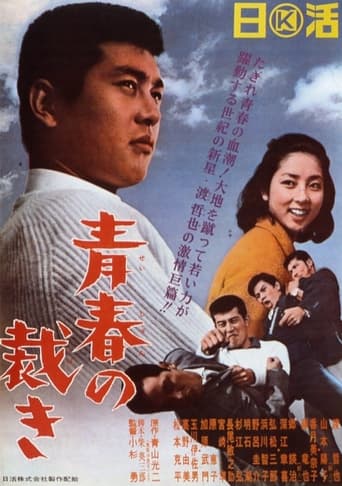
NRUniversity karate club member Kikuo is actually the son of a yakuza boss. However, he disliked his father's business and never spoke about his family at school. One day, his father, Tatsuzo, becomes the guardian of the Yamanaka-gumi.
Seishun no Sabaki
1965
1950s · 27 titles
 NR
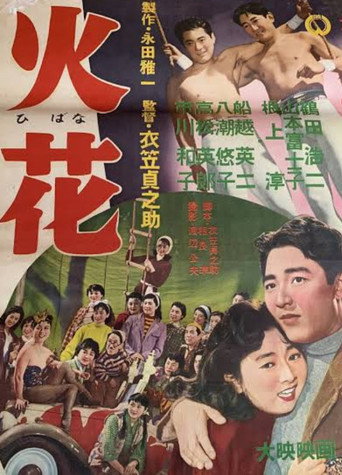
NRA heartbroken beauty has slipped into the ranks of the "Golden Horse" circus troupe. The circus's two star performers, vying for her affection, face off on a perilous trapeze, staking their love and friendship on the outcome.
Spark
1956
 NR
NRChieko Izumi is a reporter for the magazine "Weekly Japanese Women". She had come to Tokyo to stay with her aunt in order to escape her stubborn grandmother in her hometown in Kyushu, who was trying to force her to marry Komori, the local ringleader.
Inhibited Love
1955
 6.8
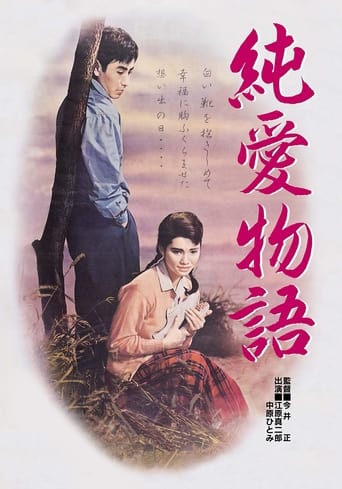
6.8Junai Monogatari AKA Story of Pure Love is about two poor youths, Mitsuko and Kando, rebelling against society in various ways, who are desperately trying to be together despite tortuous circumstances. The film depicts their lives as thieves, menial laborers who can get little pay, society outcasts, and of course, lovers. Junai Monogatari depicts, mostly, their struggles within the Japanese reformatory system and Mitsuko's worsening sickness.
The Story of Pure Love
1957
 NR
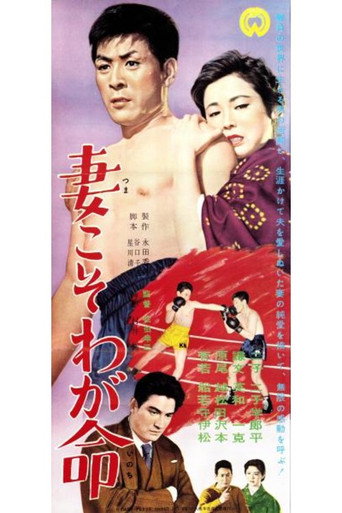
NRThis story depicts the struggles of a man living in the cutthroat world of competition and the pure love of his wife.
Tsuma koso waga inochi
1957
 9.0
9.0While traveling alone through the scenic Izu Peninsula, a lonely Tokyo student named Mizuhara encounters a troupe of itinerant performers and develops a bittersweet first-love attachment to a young dancer named Kaoru.
Dancing Girls of Izu
1954
 NR
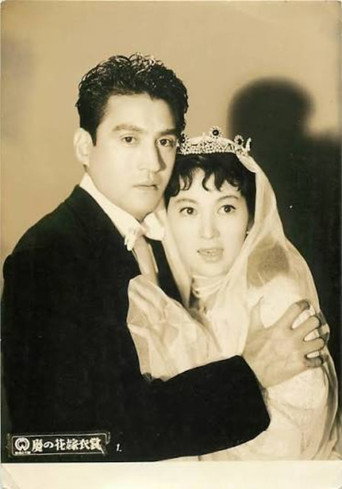
NRAn ominous skull at a wedding venue; a series of chilling, mysterious incidents befalling a wealthy man whose heads of the family have gone missing on their wedding nights; and a mysterious white-haired demon driven mad by revenge!
Ma no hanayome ishō
1956
 7.0
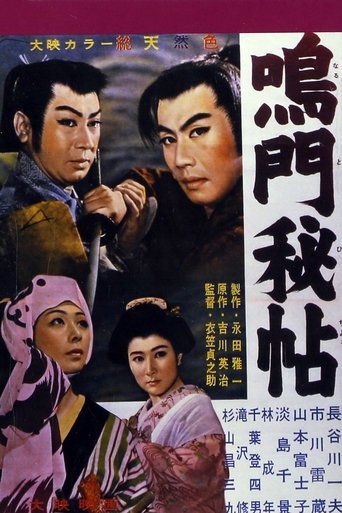
7.0From the pen of Yoshikawa Eiji comes this exciting story. The Naruto Strait separates Tokushima from the islands of Awaji and Honshu. On Tokushima the mad lord dreams of conquest and forges a bloody revolt against the Tokugawa shogunate. A mysterious swordsman named Noriyuki Gennojo has crossed Naruto’s waters to uncover the Awa clan’s secrets. He puts his life on the line after finding a testament of Awa’s secrets, written in blood by a dying man. Joining Noriyuki are a female ninja who loves him, and the beautiful daughter of an enemy who’s sworn to kill him. Awa’s defenders willl stop at nothing to prevent the blood-soaked letter from reaching the shogun.
Secret of Naruto
1957
 NR
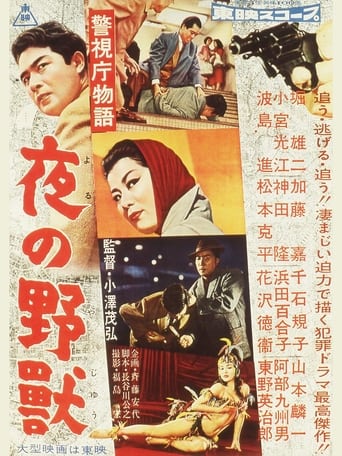
NRAfter discovering a slaughtered corpse, the investigating team of the Tokyo Metropolitan Police Department began canvassing the area around the crime scene. As a result, they found a wallet with bloodstains that seemed to belong to the victim, a woman's wallet that did not fit the field, earrings, and other valuable materials, which led them on a foot search. The woman's purse had been picked up by a male prostitute on the subway, and from the prostitute's testimony, they were able to identify the pickpocket's face, but the next day, the man was found dead in a road accident, apparently murdered.
Police Precinct: The Pickpocket Killer
1957
 7.0
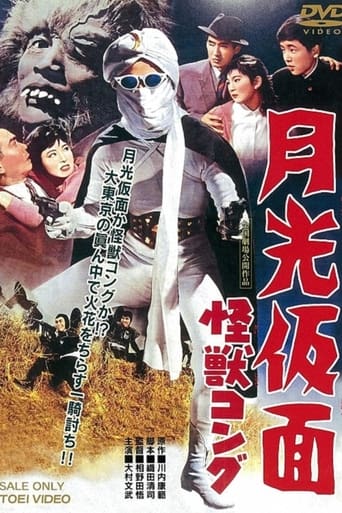
7.0Fourth Moonlight Mask theatrical film.
Moonlight Mask: The Monster Gorilla
1959
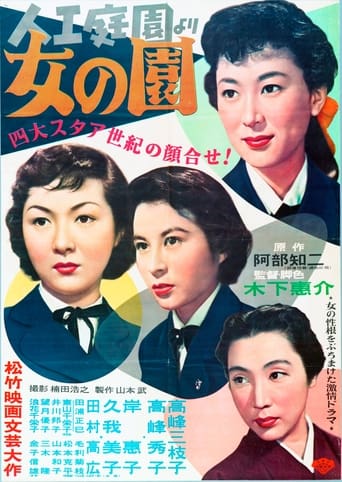 6.6
6.6A student at a woman's university takes a controversial action against the school's old-fashioned doctrines.
The Garden of Women
1954
 NR
NRThe fifth installment of the Metropolitan Police Department story series. This time, detectives from the Tokyo Metropolitan Police Department's First Investigative Division are once again in action, full of thrills and speed, in pursuit of the perpetrator of a mysterious murder that suddenly occurred at an auto race track.
Police Precinct Part 5
1957
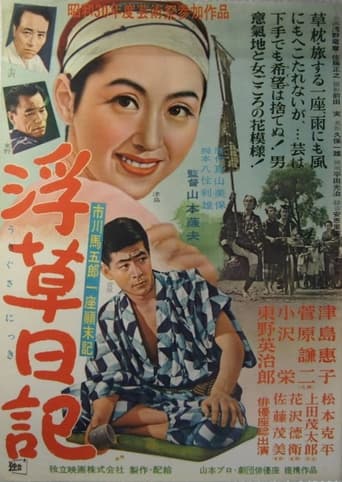 4.3
4.3A travelling theater troupe, led by Umagoro Ichikawa, comes to play in a mining town, and manages to sell every seat. Before the play begins, however, a miners' strike is announced, creating an uproar. In addition, the players find they have been cheated out of their profits by a crooked impresario.
Floating Weeds Diary
1955
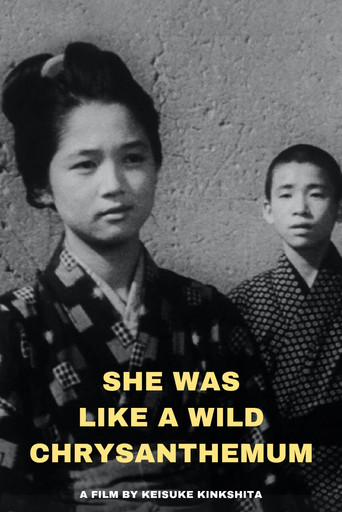 7.0
7.0On the way back to his childhood home, a septuagenarian man recalls his childhood and adolescence, in particular his love for a young woman.
She Was Like a Wild Chrysanthemum
1955
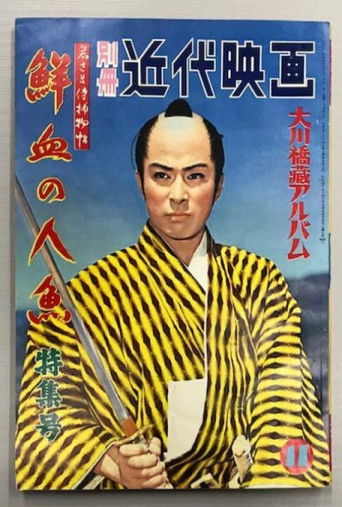 NR
NRThe sixth episode of Hashizo Okawa's "Wakasama Samurai" catch series.
Case of a Young Lord 6: Mermaid Murder Case
1957
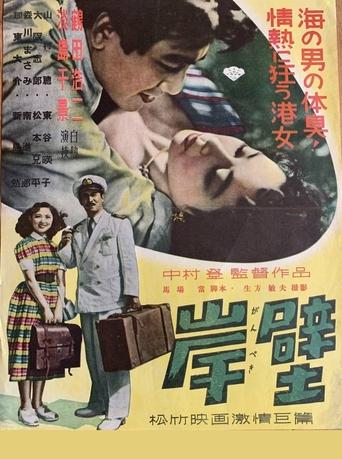 NR
NR1953 Japanese movie
Ganpeki
1953
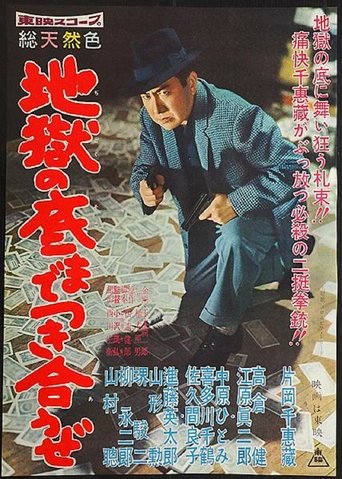 NR
NRDuring the seventh-year memorial service for Katsugoro and Genji, Ikari Genji himself emerged from the coffin brought in by the hearse seeking revenge
Hell's Companion
1959
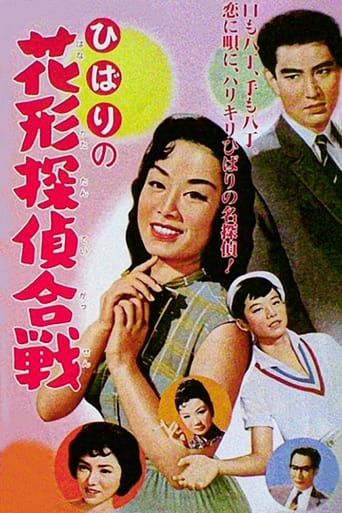 6.0
6.0A friendly rivalry turns into romance for Yukiko, an elite female detective, and a handsome private eye named Mitamura while both are investigating the missing person's case from a wealthy family.
Detective Duel
1958
 6.0
6.0Master swordsman and loyal vassal Saotome Mondonosuke goes on a mission to find a missing princess.
Bored Hatamoto: The Daimonji Conspiracy
1959
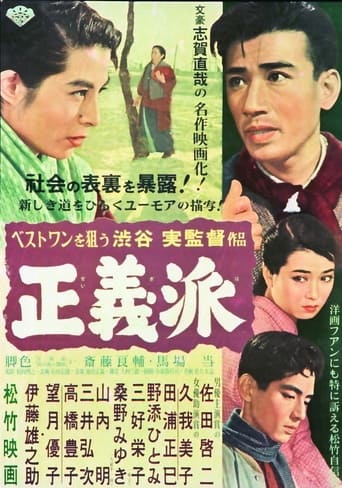 NR
NRThe obstinate black market trader Okyo lives together with her son Seitaro, who works as a mechanic for a bus company. She also looks after her son's colleague, the bus driver Fujita. When he causes an accident one day, Seitaro testifies against him due to his moral scruples, thus getting his company into trouble.
A Case of Honor
1957
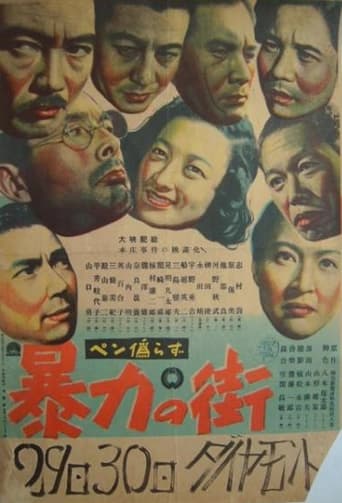 6.5
6.5An attempt is made to suppress a journalist's investigation of collusion between a rural police chief and the local gangster bosses.
Town of Violence
1950
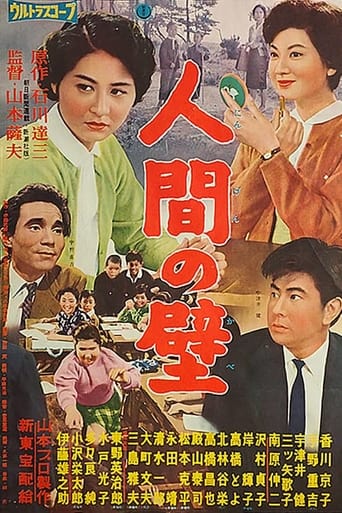 6.2
6.2Drama which shows the struggle of Fumiko, a female teacher, at work and at home.
The Human Wall
1959
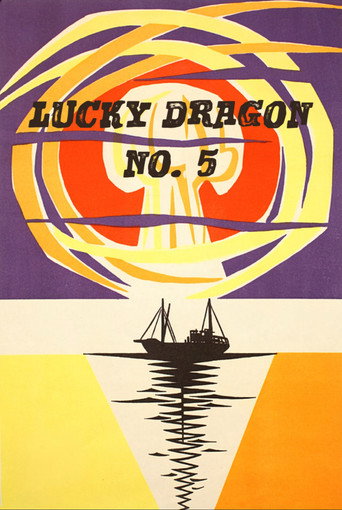 7.5
7.5An ageing fishing boat, Dai-go Fukuryu Maru ("Lucky Dragon No. 5") sets out from the port of Yaizu in Shizuoka Prefecture. It travels around the Pacific line fishing. While the ship is near Bikini Atoll, the ship's navigator sees a flash. All the crew come up to watch. They realize it is an atomic explosion, but take time to clear their fishing gear. A short time later, grey ash starts to fall on the ship. When the ship returns to port the sailors have been burned brown. They unload the fish, which are then transported away. They visit the local doctor and then go to Tokyo for an examination. It turns out they are all highly radioactive. Their symptoms become worse, and the contaminated fish causes a panic.
Lucky Dragon No. 5
1959
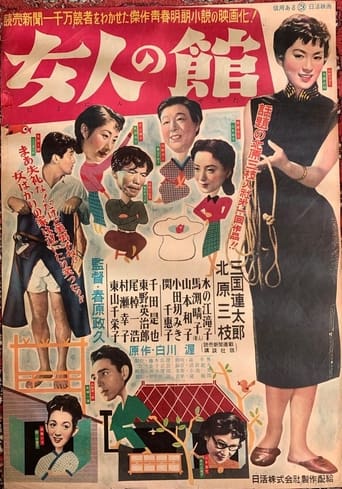 6.0
6.0After Shuichiro moved to Tokyo, the Tanno family became completely female, including Mrs. Tanno, Shuichiro's daughter-in-law Manzuko, painter Takashiro Egi, Shizu Kazemaki, Mitsue Nanbu, an intellectual who works in a university laboratory, and an old woman.
Women's House
1954
 7.0
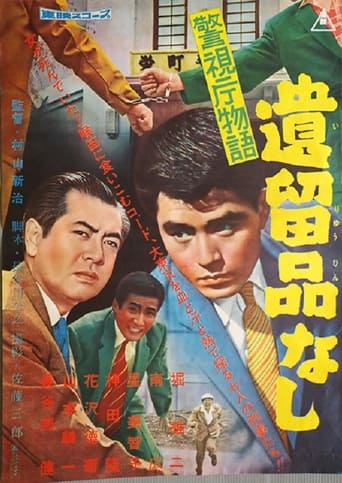
7.0A man who uses marriage as bait goes from woman to woman, and then a horrific murder is committed for money. Seven police man chase the vicious criminal who disappeared into the vortex of the big city.
Police Precinct: Nothing Left at the Scene
1959
 NR
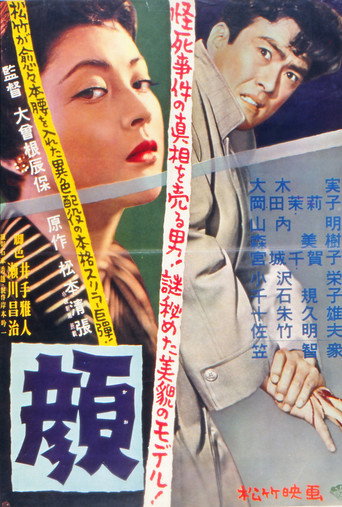
NRA notorious abortion doctor fell down from a night train and he was dead. A man who knows the truth of this accident starts to chase a up-and-coming model.
The Face
1957
 NR
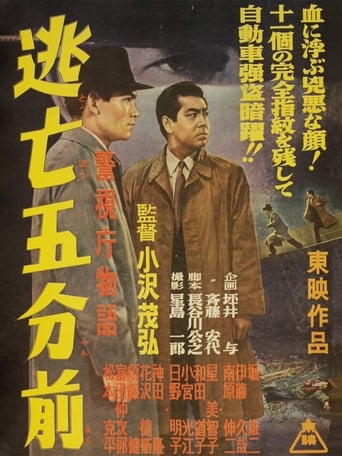
NRA taxi robbery and murder occurred in Fukagawa late at night. Detectives Nagata and Miyagawa of the Metropolitan Police Department's First Investigation Division, who suspect the perpetrator as a habitual offender, flew to Yanagibashi using the remains as clues, and suspect a forester, but before this case was closed, a new incident using the same method occurred in Shinbashi, and this time the driver's corpse was not found.
Police Precinct
1956
One of the earliest Japanese cop films following a mysterious killing on the last train to Mitaka, Tokyo.
Murder on the Last Train
1955
1940s · 4 titles
7.6A bad day gets worse for young detective Murakami when a pickpocket steals his gun on a hot, crowded bus. Desperate to right the wrong, he goes undercover, scavenging Tokyo’s sweltering streets for the stray dog whose desperation has led him to a life of crime. With each step, cop and criminal’s lives become more intertwined and the investigation becomes an examination of Murakami’s own dark side.
Stray Dog
1949
 6.0
6.0In the Meiji period, a schoolteacher tries to hide his lower-class upbringing as he supports a visiting liberal intellectual.
Apostasy
1948
 5.6
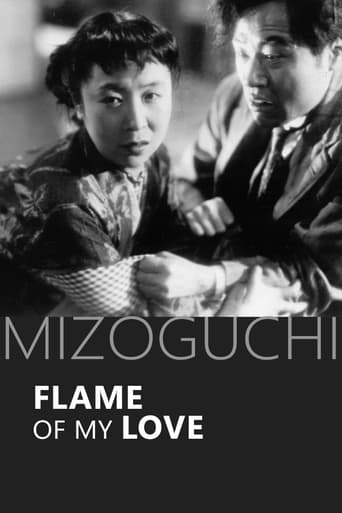
5.6In 1880s Japan, women's struggle for equality rages on. Eiko Hirayama leaves Okayama for Tokyo, where she helps the fledgling Liberal Party and falls in love with its leader Kentaro Omoi, just as the party is being disbanded by the government.
Flame of My Love
1949
This film focuses on Koreans living in Japan. The filmmaker’s humanism comes across in the portrayal of a girl living in a shabby tenement, the warmth of a Korean girl she meets, and the friendliness of this Korean girl’s family.
The Brick Factory Girl
1946