
Acting
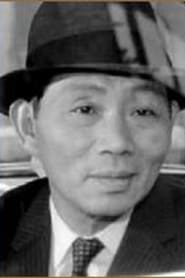
Masao Oda
Born — Died
1908-01-07 — 1973-08-30
Place of birth
Tokyo, Japan
Known for
Acting
Credits
60 titles
Known for
 8.4
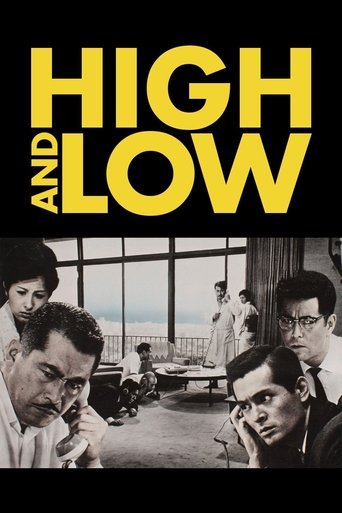
8.4A Yokohama shoe executive faces a wrenching choice when kidnappers mistakenly seize his chauffeur’s son but demand the ransom anyway.
High and Low
1963
 7.9
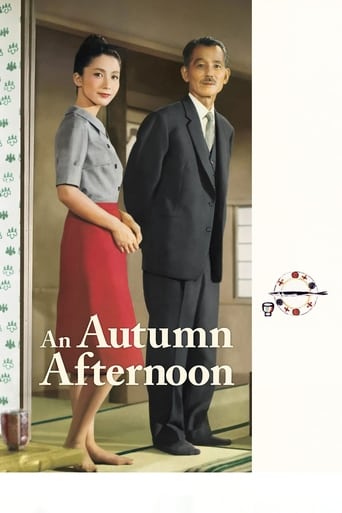
7.9Widower Shuhei Hirayama's caretaker is his 24-year-old daughter, Michiko. Gradually, he comes to realize that Michiko should not be obliged to look after him for the rest of his life, so he arranges a marriage for her.
An Autumn Afternoon
1962
 6.4
6.4With her family suffering from extreme poverty, Yuko, as the eldest daughter, is sold to a successful brothel in Kyoto. There she is assigned to serve Takamatsu, one of the brothel’s top customers. But while Takamatsu falls madly in love with Yuko, she finds herself attracted to a young priest named Kunugida. Torn by jealousy, Takamatsu hatches an evil plan to tear them apart.
A House in the Quarter
1963
 8.0
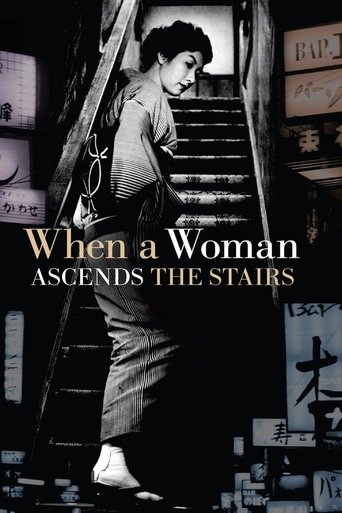
8.0Keiko, whom everyone calls Mama, narrates her story: she's a hostess on the Ginza, 30, a widow. She describes life's vicious cycle: acting cheerful around drunks, dressing and living well to convey confidence, needing money for these expenses and for her demanding mother and brother, and knowing she's growing older.
When a Woman Ascends the Stairs
1960
 7.6
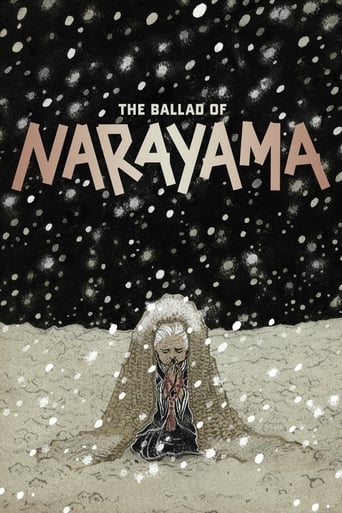
7.6In a remote village where food is scarce, elders who reach the age of 70 are carried by their children to the top of a nearby mountain to die in solitude. Orin, a vibrant 69-year-old grandmother, has accepted her fate — but struggles to prepare the rest of her family for the ritual.
The Ballad of Narayama
1958
 7.7
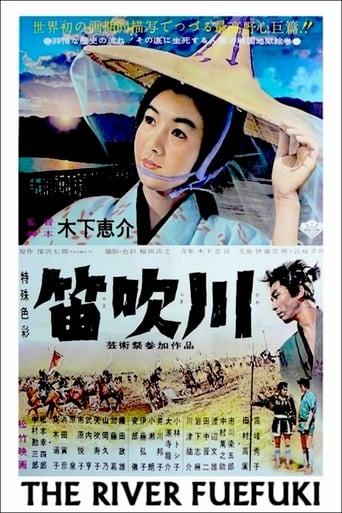
7.7In a time of continuous civil wars ravaging the fields of feudal Japan, the eldest son of a very poor peasant family, living alongside the bridge over the Fuefuki river, decides to serve a warlord to escape his miserable condition, being soon followed by his younger brothers. Although not all the men of the family take this tragic path of death, women of the family will be doomed to endure the pain of loss during the next five generations.
The River Fuefuki
1960
Film credits
1960s · 36 titles
8.4A Yokohama shoe executive faces a wrenching choice when kidnappers mistakenly seize his chauffeur’s son but demand the ransom anyway.
High and Low
1963
7.9Widower Shuhei Hirayama's caretaker is his 24-year-old daughter, Michiko. Gradually, he comes to realize that Michiko should not be obliged to look after him for the rest of his life, so he arranges a marriage for her.
An Autumn Afternoon
1962
6.4With her family suffering from extreme poverty, Yuko, as the eldest daughter, is sold to a successful brothel in Kyoto. There she is assigned to serve Takamatsu, one of the brothel’s top customers. But while Takamatsu falls madly in love with Yuko, she finds herself attracted to a young priest named Kunugida. Torn by jealousy, Takamatsu hatches an evil plan to tear them apart.
A House in the Quarter
1963
8.0Keiko, whom everyone calls Mama, narrates her story: she's a hostess on the Ginza, 30, a widow. She describes life's vicious cycle: acting cheerful around drunks, dressing and living well to convey confidence, needing money for these expenses and for her demanding mother and brother, and knowing she's growing older.
When a Woman Ascends the Stairs
1960
7.7In a time of continuous civil wars ravaging the fields of feudal Japan, the eldest son of a very poor peasant family, living alongside the bridge over the Fuefuki river, decides to serve a warlord to escape his miserable condition, being soon followed by his younger brothers. Although not all the men of the family take this tragic path of death, women of the family will be doomed to endure the pain of loss during the next five generations.
The River Fuefuki
1960
 7.1
7.1In the fourth installment, Musashi's potentially greatest opponent Kojiro jumps in and out of the story at the oddest and most coincidental moments. As his great love Otsu has succumbed to madness. Musashi then sets off to beat the functionaries of a treacherous clan in an arranged duel. 73 against one. Boastful Kojiro watches, secure in the knowledge that only he is a worthy opponent.
Miyamoto Musashi IV: The Duel at Ichijo-ji Temple
1964
 9.0
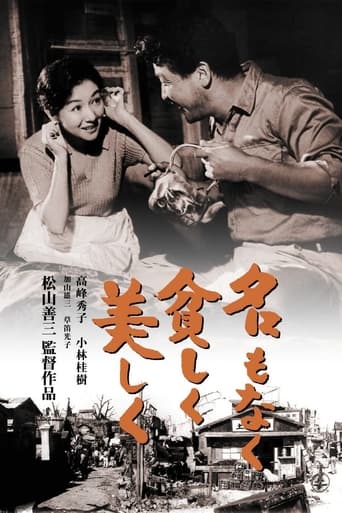
9.0The story is of two people. One is deaf, the other deaf and mute. They marry after meeting at a school reunion, and the film follows their trials and tribulations ... and joys.
Happiness of Us Alone
1961
 7.1
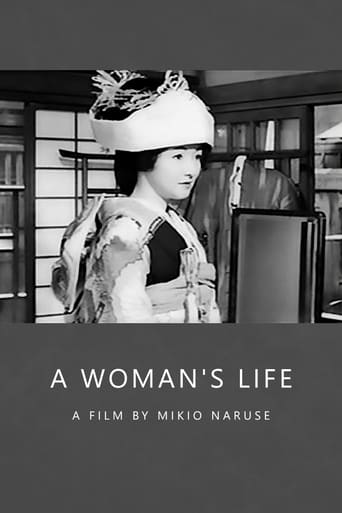
7.1A woman remembers her own marriage when dealing with the love life of her son.
A Woman's Life
1963
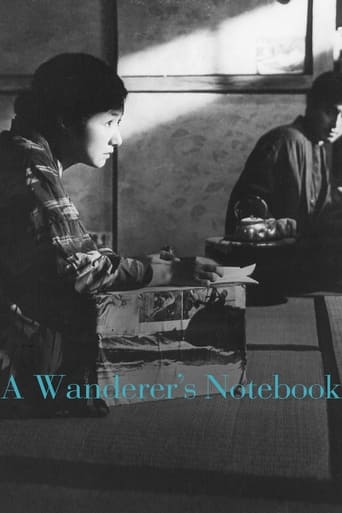 7.2
7.2Based on the life and career of novelist Fumiko Hayashi, she bitterly struggles for literary recognition in the first half of the 20th-century – her affairs with feckless men, the jobs she took to survive (peddler, waitress, bar maid), and her arduous, often humiliating attempts to get published in a male-dominated culture.
A Wanderer's Notebook
1962
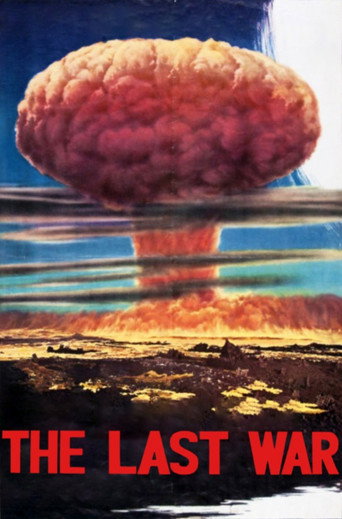 6.8
6.8A Japanese family is torn apart by the tensions of an avoidable nuclear world war between the superpowers.
The Last War
1961
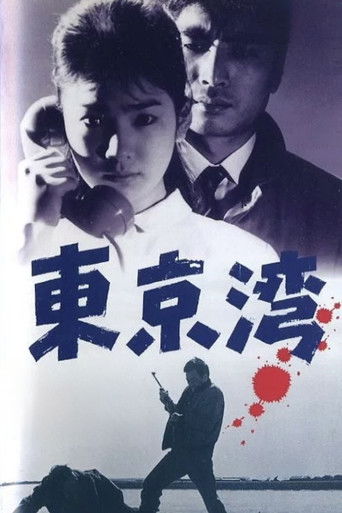 7.0
7.0An investigation into a drug smuggler who is assassinated in front of an insurance building sets two detectives, Sumikawa and Akine, into a sprawling investigation through Tokyo's underworld.
Tokyo Bay
1962
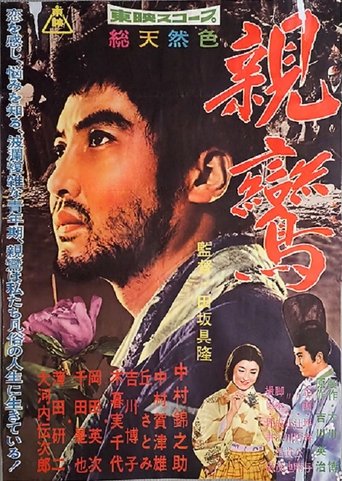 10.0
10.0A biographical movie about Shinran
Shinran
1960
 6.0
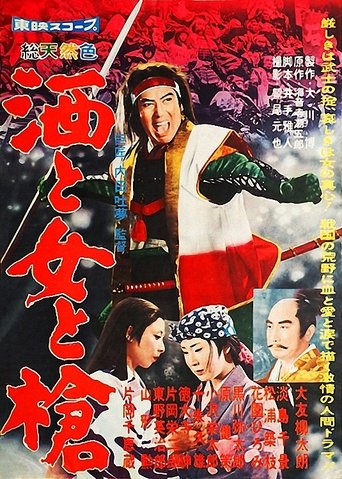
6.0Kurando is a retired samurai. Granted a last-second reprieve from the obligation to commit harakiri, he decides to settle down and marry one of the two kabuki actresses who helped him enjoy what he thought would be his final days.
The Master Spearman
1960
 6.7
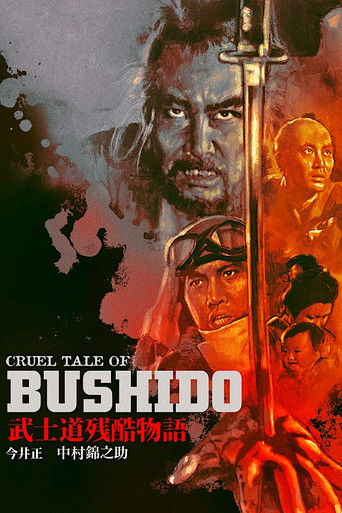
6.7After a salary-man's fiancée attempts suicide, he recounts his gruesome family history which saw generations of his ancestors suffer and sacrifice themselves for the sake of their cruel lords.
Bushido: The Cruel Code of the Samurai
1963
 NR
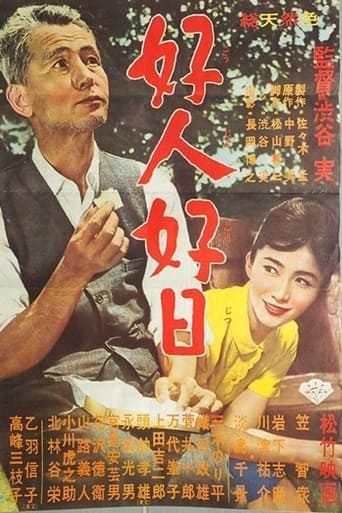
NRThe university professor Ozeki Hitoshi (Ryu Chishu) is regarded as an eccentric by people in his surroundings. When his daughter Tokiko is asked to marry a colleague, she and her mother are overjoyed, but Hitoshi is not satisfied with the situation.
A Good Man, A Good Day
1961
 7.0
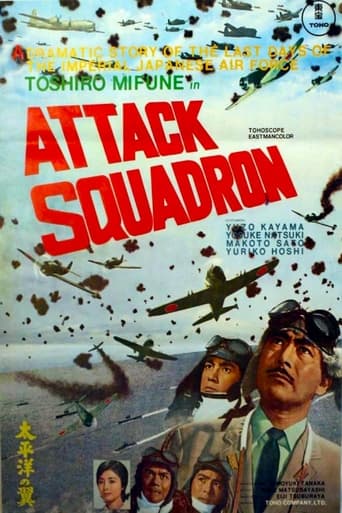
7.0Lt. Col. Senda resists the idea of sending Japanese fighter pilots on suicide missions. He believes that what is really necessary for Japan to regain momentum in the war is for the air force to gather its most brilliant pilots into an elite squadron and use the unit to pinpoint attacks on the Americans. Disrespected by the kamikaze pilots who think the "non-suicidal" pilots are afraid, the unit redeems itself by stunning victories. But success leads the military leaders to expect too much of the unit, and new orders portend disaster.
Attack Squadron
1963
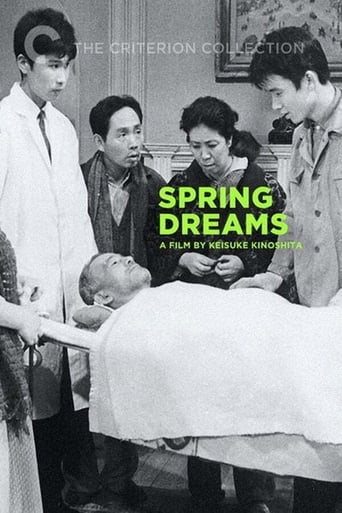 6.0
6.0When a wealthy, selfish family decides to take care of an elderly hobo who collapsed near their home, they are beset by visits from his numerous friends.
Spring Dreams
1960
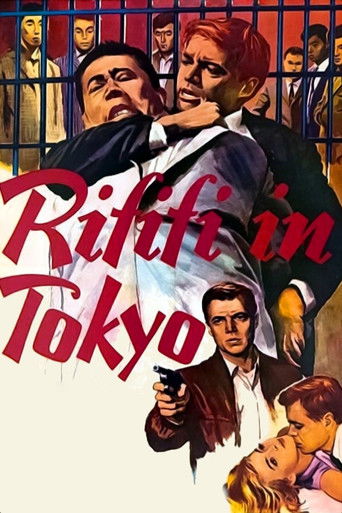 5.9
5.9Van Hekken, an old gangster, arrives in Tokyo to direct a bank hold-up in order to get a very valuable diamond.
Rififi in Tokyo
1963
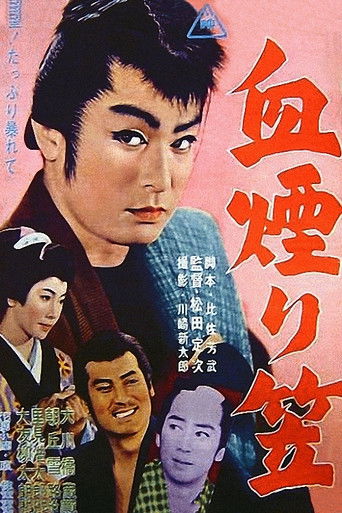 6.0
6.0Three young yakuza, Fujitaro, Matsugoro and Kanjuro, travel the country fighting evil.
Mark of Blood
1962
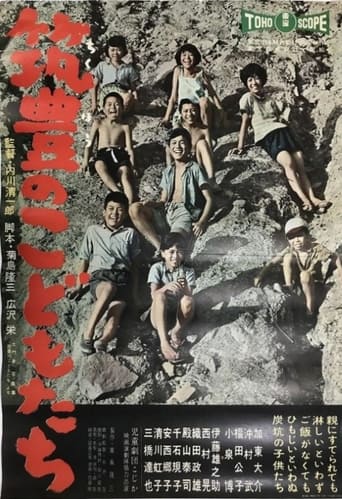 NR
NRA drama film based on Ken Domon's photography of the children around the Chikuho coal mines.
Chikuhō no kodomotachi
1960
 5.0
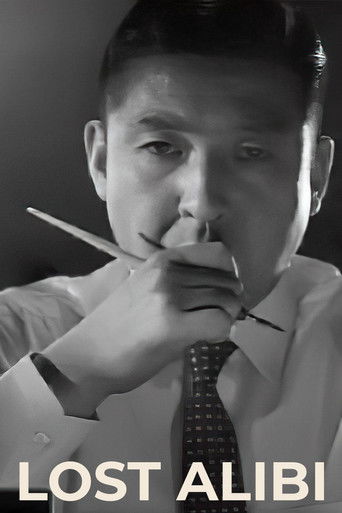
5.0Suspense drama about a married salaryman whose affair with one of his co-workers is compromised when, returning from a clandestine meeting with his lover, he runs into a neighbor who is later accused of murder. Questioned by police about the neighbor, and blackmailed by his lover's neighbor, the salaryman's lies lead him on a path to destruction.
The Lost Alibi
1960
 7.0
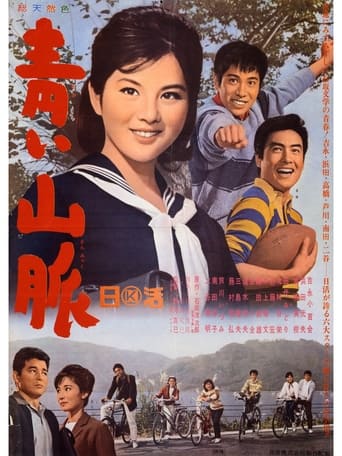
7.0Shinko Terasawa was always considered to be the odd ball of the bunch. At a time when romance was against school regulations, Shinko was the first to take a bite out of the forbidden fruit. Expelled from her former school, she finds herself in an all-girls school in Jokamachi, where rumors fly. One day, Shinko delivers an anonymous love letter addressed to her English teacher, Ms. Shimazaki. Convinced that the students are playing a prank, Ms. Shimazaki is adamant about getting to the bottom of this "problem”.
Beyond the Green Hills
1963
 6.3
6.3One week into newlywed Teiko Uhara's marriage, her husband, Kenichi, leaves on a short business trip and never returns. Teiko travels across Japan to search for him, and along the way discovers some surprising facts about her husband's past. With only a pair of old photographs among his belongings to go off of, Teiko tries to figure out what has happened to him.
Zero Focus
1961
 7.5
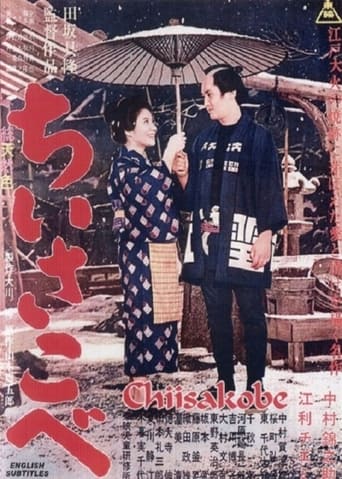
7.5A carpenter, Shigetsugu, learns a lesson of love and humanity from five orphaned children and an affectionate woman named Oritsu. It's a winning combination of drama and humor. The warm friendship that grows between the carpenter, the woman and the children making this into a true masterpiece.
A Carpenter and Children
1962
 6.7
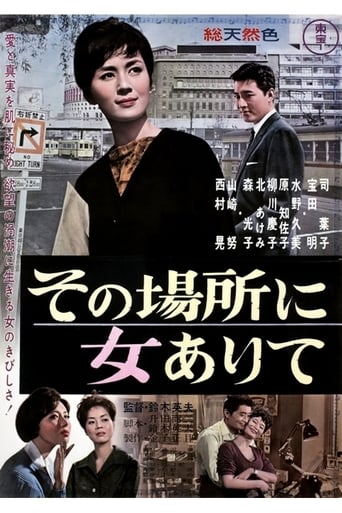
6.7Story of romance and rivalry between two ad agencies vying for the same account with a pharmaceutical firm.
Woman of Design
1962
 8.5
8.5In this Japanese drama, a village girl goes to Tokyo and becomes a sex worker to support her ailing mother. While there she meets a teacher and falls in love.
The Twilight Story
1960
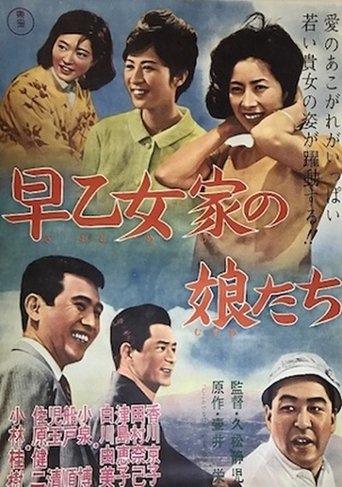 NR
NR1962 Japanese movie
The Daughters of the Saotome Family
1962
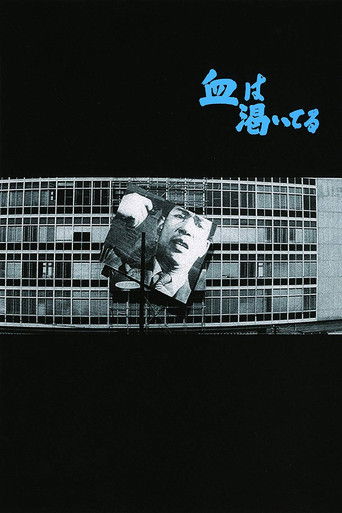 6.3
6.3An employee in an assurance company threatens to commit suicide when management announces a massive layoff, the company uses this threat to its own advantage by turning the incident into an advertising campaign. With the success of the campaign, however, he is no longer a desperate man pointing a gun to his head, but a potential leader who wishes to take advantage of his failed suicide.
Blood Is Dry
1960
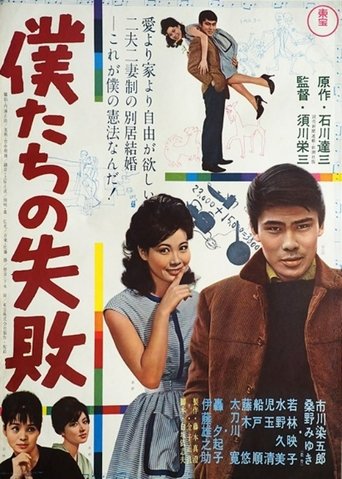 NR
NRTells the story of Shintaro, a lawyer who quits his job to work at a camera factory, and his love adventures.
Our Failures
1962
 NR
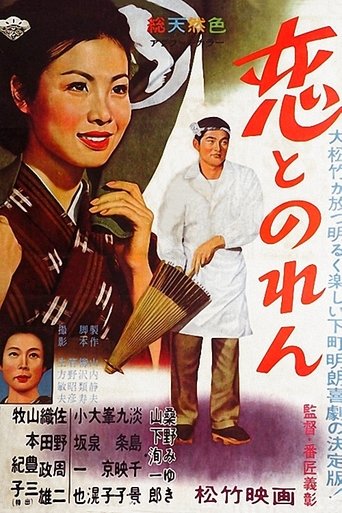
NROtami and daughter Yuri run the Matsuoka, a 150-year-old Japanese-style inn in Tokyo which they plan to renovate into a modern hotel before the ‘64 Tokyo Olympics. Maki, the son of the owner of the Benten Hotel, likes Yuri and wants to get closer to her. So, he asks Milton, an American exchange student, to stay at her inn so he can get closer to her. But Yuri is in love with Shin, a cook at her inn. And although Shin likes her too, the two are constantly bickering. Complicating matters more, is that every other available girl also likes Shin including Chikako, who lives at his boarding house, and Chikoma, who is a geisha. One day when Yuri gets a phone call, she suspects that her mother might be having an affair. But it turns out that Otami reunited with her old flame Tomo, who also used to work as a chef at the inn but left because he feared that their class backgrounds were too different. When Shin learns that Yuri is going to marry...will history repeat itself?
Love and the Shop Curtain
1961
 NR
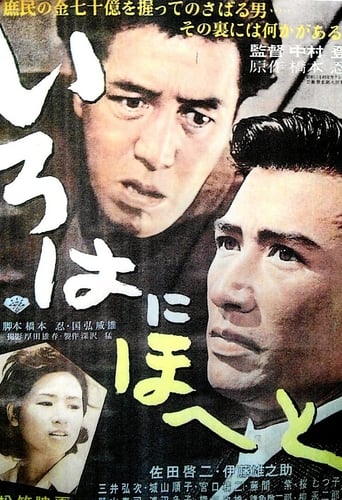
NRThe anonymous partnership Investment Economic Association, led by its president Ryuichi Amano, collected money from many ordinary people and paid out large dividends, making it famous as "Japan's only investment bank for ordinary people." On the other hand, Detective Muneharu Matsumoto of the Metropolitan Police Department's Second Investigative Division has suspicions about this organization, and has been spying on the business association for many years. However, Matsumoto was having a hard time getting any solid proof of the nature of the incident...
Irohanihoheto
1960
 8.3
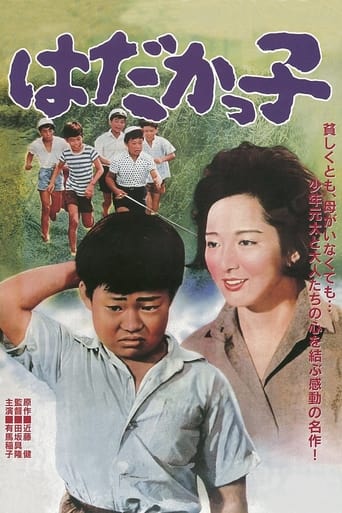
8.3A touching story about a young boy, Genta, who bravely takes on life's challenges in hopes of finding a better life for himself and his sickly mother.
Run, Genta, Run!
1961
 7.3
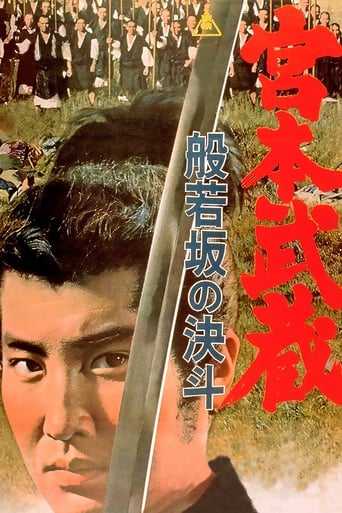
7.3The remake of Yoshikawa's novel continues with the second installment in which Takezo, soon to be Miyamoto Musashi, emerges from the Himeji Castle after three years of intense contemplation and philosophical study and starting on his epic quest to complete his skill in the Way.
Miyamoto Musashi: Showdown at Hannyazaka Heights
1962
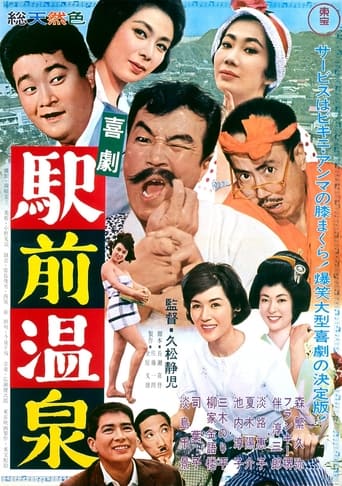 10.0
10.0Fourth entry in the Ekimae series, focusing on the restoration of a Fukushima hot spring inn.
A Comedy in Front of the Station: Onsen
1962
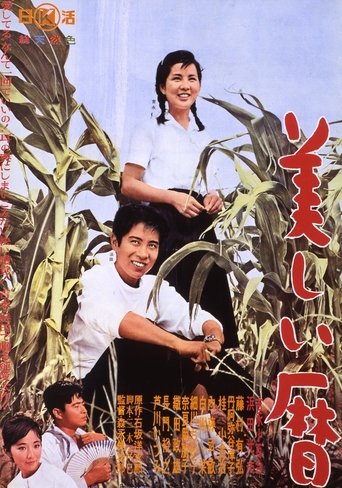 NR
NRYajima Sadako is a bright pawnbroker's daughter in the third year of high school. At school, there is a young and handsome teacher Takei who has just started, and a chemistry teacher Murao who she respects, and is enjoying every day.
Beautiful Calendar
1963
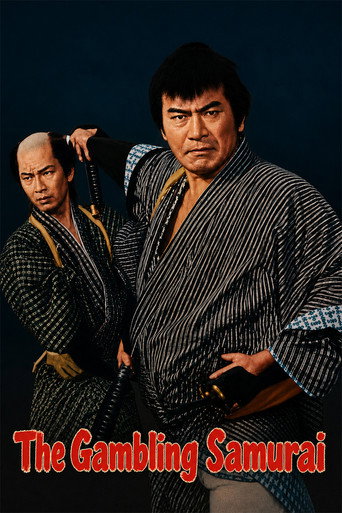 6.9
6.9Chuji Kunisada returns to his home village to find that Jubei Matsui, the corrupt magistrate, has been responsible for virtually destroying Kunisada's family. A final tragedy leads Kunisada to join with a band of rogues living in the forest in robbing from the rich and giving to the poor, always with an eye toward avenging himself on Magistrate Matsui.
The Gambling Samurai
1960
1950s · 24 titles
7.6In a remote village where food is scarce, elders who reach the age of 70 are carried by their children to the top of a nearby mountain to die in solitude. Orin, a vibrant 69-year-old grandmother, has accepted her fate — but struggles to prepare the rest of her family for the ritual.
The Ballad of Narayama
1958
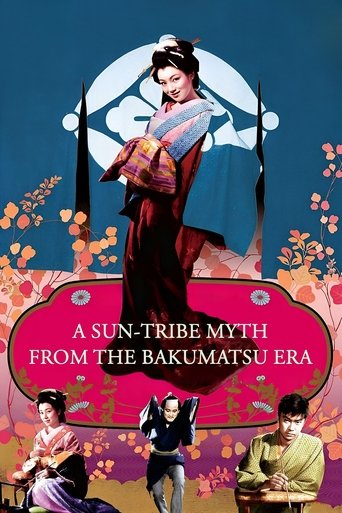 7.0
7.0Saheji, a man-about-town, gets stuck at a high-class brothel when he can’t pay the bill. He makes the best of his situation by performing various tasks amidst the tumult of the end of the shogunate—but always by making sure to get a “commission” for his troubles.
A Sun-Tribe Myth from the Bakumatsu Era
1957
 7.5
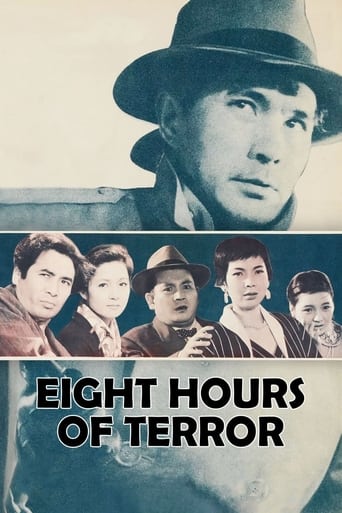
7.5A bus making its precarious way across a winding mountain road picks up some unwelcome passengers.
Eight Hours of Terror
1957
 5.2
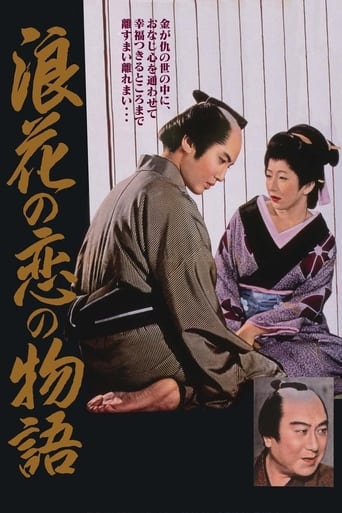
5.2Chubei, the adopted son of an Osaka courier, falls desperately in love with the courtesan Umegawa. To prevent a wealthy client from purchasing her, he steals money from his employer to buy her freedom himself. Now hunted criminals, the lovers flee toward Yamato, pursued by the law.
Chikamatsu's Love in Osaka
1959
 NR
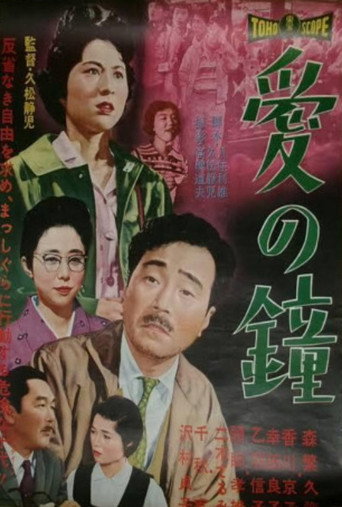
NRNo synopsis available yet.
The Bell of Love
1959
 7.0
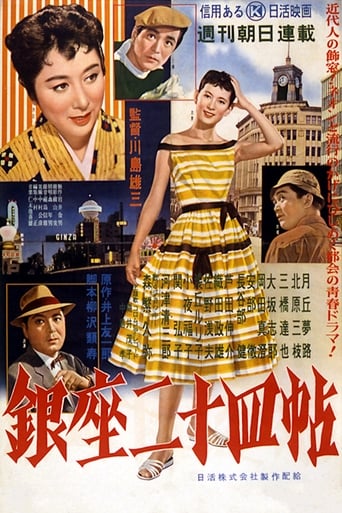
7.0In the thriving Tokyo neighborhood of Ginza, a woman in the process of selling her estranged husband’s art collection attempts to identify the man who painted her own portrait fifteen years prior.
Tales of Ginza
1955
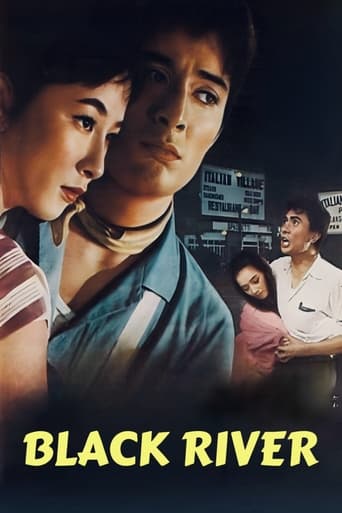 7.0
7.0A love triangle develops between a benevolent student, his innocent girlfriend, and a cruel petty criminal, all as a point of diagnosis of a social disease that had Japan slowly succumbing to lawlessness during the post-War era.
Black River
1957
 8.7
8.7In World War II, the commanding officer of a sub, against his will takes on board two Western diplomats, to take them to the Canaries and arrange an armistice. When they get there, peace has been declared, but the sub's crew don't know as their radio has failed. They send their passengers ashore and go out to face a final battle...
Submarine I-57 Will Not Surrender
1959
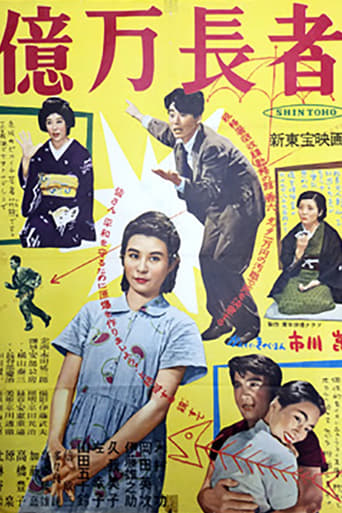 6.8
6.8An ethical, young tax collector new to his area encounters increasingly absurd individuals and groups coping with their post-war woes.
A Billionaire
1954
 7.7
7.7A war widow with a young boy manages a farm with her bossy mother-in-law. When a reporter comes to interview her, the two begin an affair. He turns out to be married and won't leave his wife. Her older brother tries to marry off his children and hang on to/ extend his farm through an advantageous marriage in the face of threatened land confiscation and the desire of his children to get comfortable urban jobs instead of the backbreaking work in the paddy fields under parental control.
Summer Clouds
1958
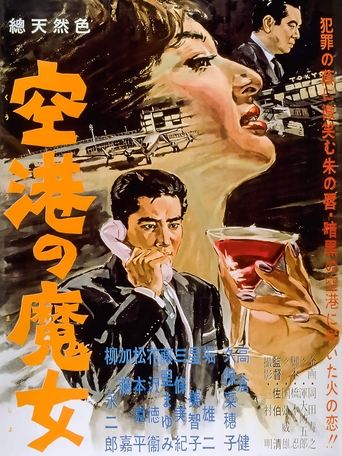 NR
NRNo synopsis available yet.
The Counterfeiters
1959
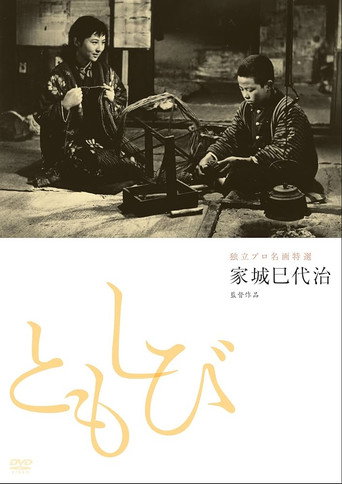 7.0
7.0Students in a small rural school love their poor but unconventional teacher Mr. Matsukuma, although he is misunderstood by most of the villagers and is forced to leave. After his departure there is great depression, but there is a chance to rekindle the lantern of the title and the values Matsukuma represented ...
Tomoshibi
1954
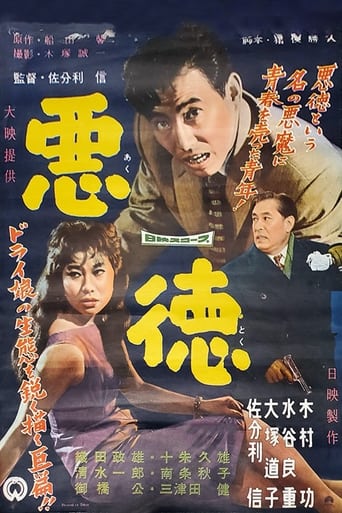 NR
NRA movie adaptation of Funayama Kaoru's novel of the same name, which depicts the story of a modern youth who is attracted to the evil path. Saburi Shin, a well-known actor who also demonstrated his skill as a director in a bold social work, embodies a person with a complicated dilemma in a shadowy manner, and is a dramatic work that plays a part in the lead role.
Vice
1958
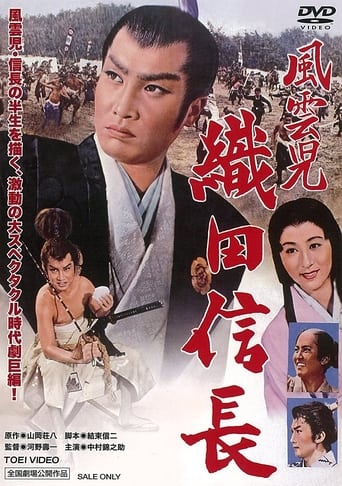 7.5
7.5Oda Nobunaga (1534–1582) was a major daimyo during the Warring State period of Japanese history. He was the second son of Oda Nobuhide, a deputy military governor with land holdings in Owari province. Nobunaga lived a life of continuous military conquest, eventually conquering a third of Japanese daimyo before his death in 1582. Telling the story of his rise to prominence as he leads an army of 4,000 men against the 40,000 troops of Lord Imagawa Yoshimoto to prevent the arrogant daimyo from crushing the Oda clan and taking control of the entire nation. From a newly restored anamorpic widescreen print, this is the ultimate warlord movie.
Lucky Adventurer Nobunaga Oda
1959
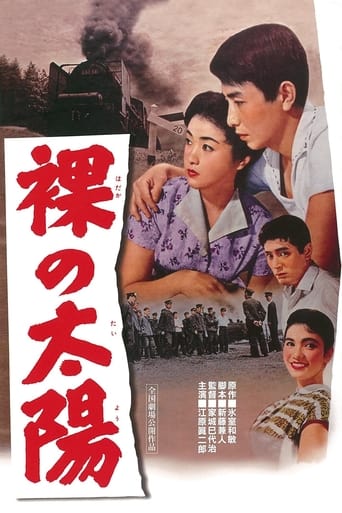 7.0
7.0A young, struggling couple are making every sacrifice so they will one day in the not-too-distant-future, have enough money to get married. As they have agreed on this procedure, it comes as a shock to the young woman to find out from her husband-to-be that he just loaned all the money they had saved to a friend. She is understandably miffed, and a big disagreement results. But after some time goes by, she discovers why the friend needed the money so badly, and the couple are back on solid footing again.
The Naked Sun
1958
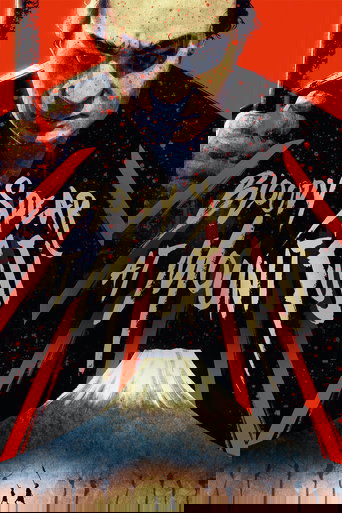 7.4
7.4Tragicomic road movie set during the Edo period. It follows a samurai, his two servants – including spear-carrier Genpachi – and the various people they meet on their journey, including a policeman in pursuit of a thief, a young child and a woman who is to be sold into prostitution.
Bloody Spear at Mount Fuji
1955
 7.0
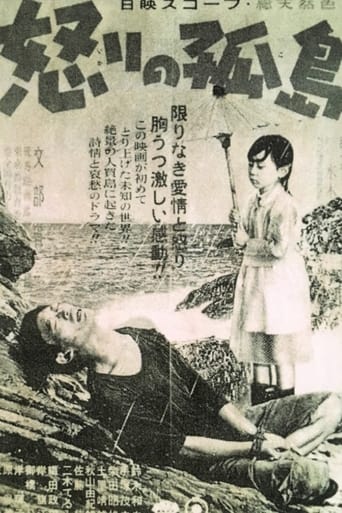
7.0Five boys escape from their life of bondage on an island 10 miles off Hiroshima, and are picked up in the Inland Sea, drifting in an open boat.
Island of Fury
1958
 7.0
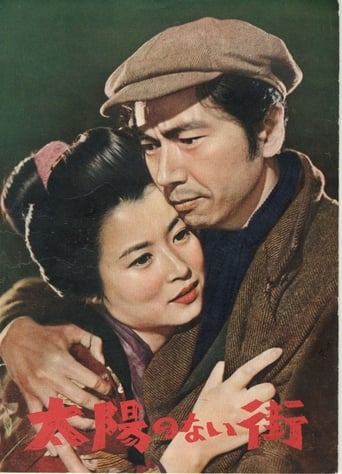
7.0Based on the novel by proletarian writer Sunao Tokunaga. The story is about a long strike by workers at a large printing house and the strikers' steadfastness, which neither hunger nor violence could break. The heroine of this story actively participates in her colleagues' struggle against layoffs, oppression, and police brutality.
The Street Without Sun
1954
 10.0
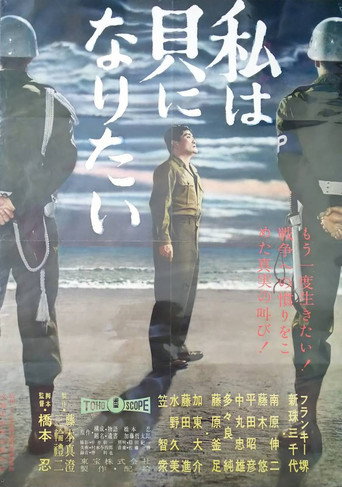
10.0On a post-war peaceful day in Japan, Toyomatsu Shimizu, a barber as well as a good father and husband, is suddenly arrested by the Prefectural Police as a war criminal and sued for murder.
I Want to Be a Shellfish
1959
 6.0
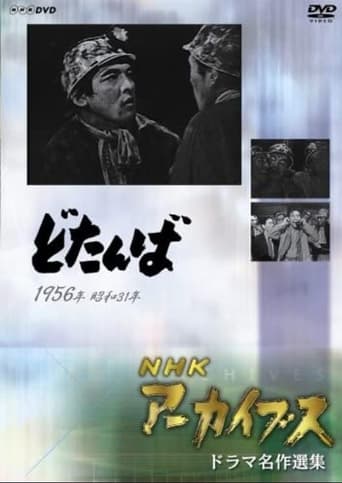
6.0Based on a 1956 television feature on Japan’s national network, NHK, this is one of Uchida’s rarest films. A socially conscious drama with a contemporary backdrop, Dotanba focuses on the attempts to rescue a group of trapped miners. The title is a figure of speech — (essentially “last minute” or “eleventh hour”) — that refers to a situation of peril. The film boasts a script co-written by Uchida and Akira Kurosawa’s frequent screenwriter, Shinobu Hashimoto, and stars Kurosawa’s frequent star Takashi Shimura.
Dotanba
1956
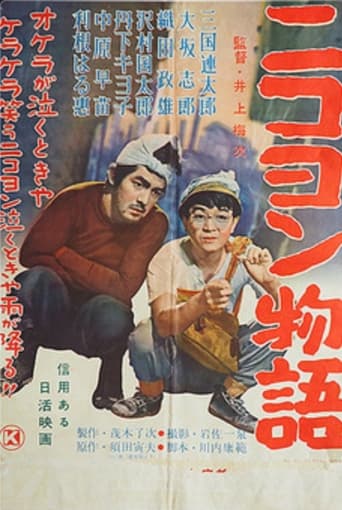 9.0
9.0Japanese drama film.
Nikoyon monogatari
1956
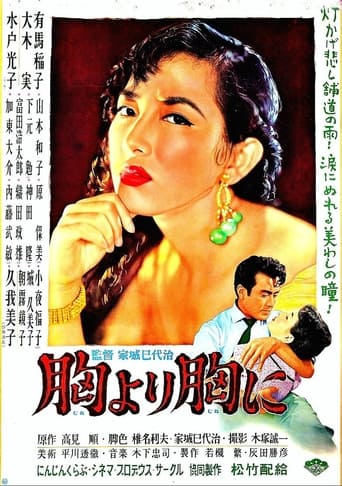 10.0
10.0Japanese drama
Mune yori mune ni
1955
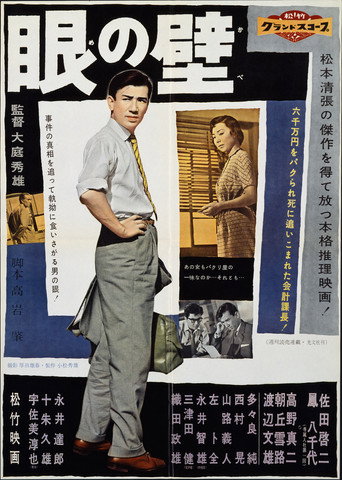 NR
NRBased on the novel of the same name by Seichô Matsumoto.
The Invisible Wall
1958
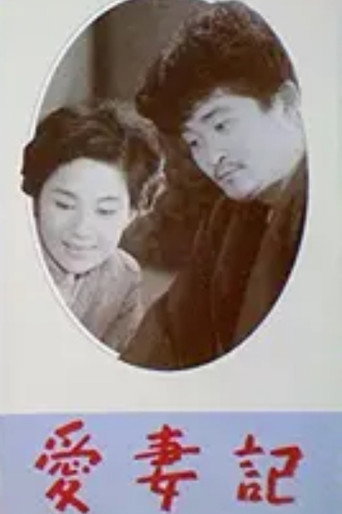 NR
NRNo synopsis available yet.
Record of Loving Your Wife
1959