
Directing
Jens Schanze
Born
1971-01-01 (55)
Place of birth
Bonn, Germany
Known for
Directing
Credits
19 titles
Award-winning documentary filmmaker Jens Schanze was born in Bonn in 1971. In 1987, he spent a year living in the USA. In 1990, he embarked on a degree in Forestry at Ludwig Maximilian University in Munich and, in 1992, began working in television as an assistant director. In 1994, Schanze spent a year in Bolivia working on a project for Conservation International before he began his studies at the University of Television and Film in Munich in 1995. Through the production company Mascha Film, which he co-founded with Judith Malek-Mahdavi in 2002, he has directed numerous prizewinning documentaries including WINTERKINDER (2005) and PLUG & PRAY (2010). In 2014, he became a Professor of Film a…
Known for
Annual awarding of the Grimme Awards.
Grimme Award
1964
No synopsis available yet.
Blauer Panther
1989
No synopsis available yet.
Bavarian Film Awards
1979
 NR
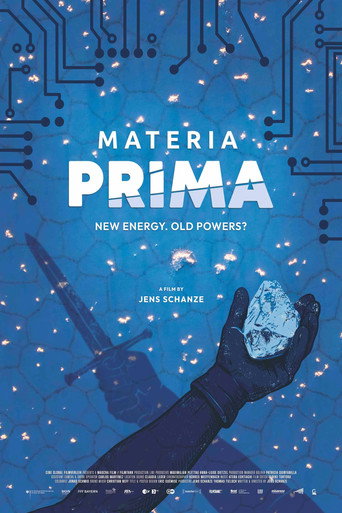
Bolivia has the world's largest deposits of lithium, a metal that is essential for the energy transition. Without lithium, no electricity storage facility, no data centre, no electric car, no smartphone would work. The Europeans want the raw material to save their automotive industry. The Bolivians want it to combat poverty. While the Bolivian government negotiates with corporations from around the world, civil society groups are mobilising in rural areas, organised mainly by women. The film offers a rare insight into the Europeans' strategy to secure the sought-after material and carves out the conflicting interests towards extractivism and industrialisation in Bolivia.
Materia Prima
2026
 7.0
By 2045, twenty localities in Germany will be resettled because of brown coal open pit mining. The film Waste Land follows the inhabitants of three villages in the Rhenish coal-mining district during their last years in their old home and documents how an entire region prepares for its collective relocation.
Waste Land
2001
 7.2
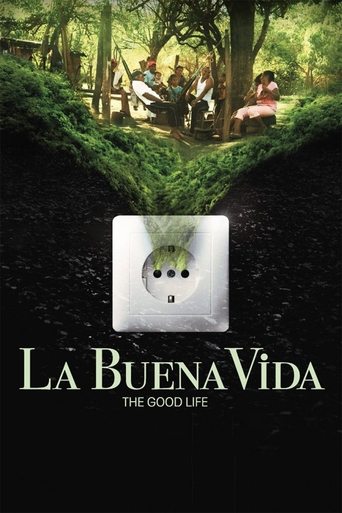
The village of Tamaquito lies deep in the forests of Colombia. Here, nature provides the people with everything they need. But the Wayúu community's way of life is being destroyed by the vast and rapidly growing El Cerrejón coal mine. Determined to save his community from forced resettlement, the leader Jairo Fuentes negotiates with the mine's operators, which soon becomes a fight to survive.
La Buena Vida - The Good Life
2015
Film credits
Series credits
Behind the camera
NRBolivia has the world's largest deposits of lithium, a metal that is essential for the energy transition. Without lithium, no electricity storage facility, no data centre, no electric car, no smartphone would work. The Europeans want the raw material to save their automotive industry. The Bolivians want it to combat poverty. While the Bolivian government negotiates with corporations from around the world, civil society groups are mobilising in rural areas, organised mainly by women. The film offers a rare insight into the Europeans' strategy to secure the sought-after material and carves out the conflicting interests towards extractivism and industrialisation in Bolivia.
Materia Prima
2026
7.0By 2045, twenty localities in Germany will be resettled because of brown coal open pit mining. The film Waste Land follows the inhabitants of three villages in the Rhenish coal-mining district during their last years in their old home and documents how an entire region prepares for its collective relocation.
Waste Land
2001
7.2The village of Tamaquito lies deep in the forests of Colombia. Here, nature provides the people with everything they need. But the Wayúu community's way of life is being destroyed by the vast and rapidly growing El Cerrejón coal mine. Determined to save his community from forced resettlement, the leader Jairo Fuentes negotiates with the mine's operators, which soon becomes a fight to survive.
La Buena Vida - The Good Life
2015
Was grandpa a Nazi? When director Jens Schanze confronts his mother with her father's past, decades of silence have passed. The information that emerges about grandpa does not fit with the loving father that Jens' mother always talked about. Jens and his four older sisters never met their grandfather; he died in 1954. Jens' mother is in her seventies when her son, born in 1971, starts to poke around in the family history. She agrees to a critical examination of her father. Secrets hidden for over 60 years finally come to light. As they uncover the truth, this perfectly normal family goes through a highly emotional journey. Most shaken is the mother; her story of discovery is at the center of the film.
Winterkinder
2005
 6.5
Will man go beyond biology? It's an age-old dream to create intelligent machines that equal their human creators. Computer experts around the world, like Raymond Kurzweil and Hiroshi Ishiguro, strive to fulfill their bold visions. Meanwhile, of all people one of the pioneers of the computer age, Joseph Weizenbaum, battles against the limitless faith of society in the redemptive powers of technology. A fascinating yet uncanny and sometimes grotesque journey into science reality.
Plug & Pray
2010
The camera follows five women. For 25 years, they have been selling women’s clothing in a shop in Munich: the junior manager, the senior manager, and their three saleswomen. Their customers are the women from the neighborhood.
Das kleine Kaufhaus
1999
 NR
The second part of Jens Schanze's cinematic chronicle of the village resettlements in connection with the “Garzweiler II” open-cast lignite mine operated by RWE AG. Using the 700-year-old village of Otzenrath near Düsseldorf as an example, the film tells how the people experienced their forced resettlement.
Strange Homeland
2007
NRThe second part of Jens Schanze's cinematic chronicle of the village resettlements in connection with the “Garzweiler II” open-cast lignite mine operated by RWE AG. Using the 700-year-old village of Otzenrath near Düsseldorf as an example, the film tells how the people experienced their forced resettlement.
Strange Homeland
2007
Asude lives in Lower Bavaria. Her grandparents came to Germany from Turkey in the 1970s. She’s currently studying for her school-leaving examinations and, at the same time, training for her dream of becoming a kickboxing champion. Unreservedly supported by her sisters, Asude competes in the European Championship in Skopje. It is her first fight in the jersey of the German national team.
Proud of You
2020