
Camera
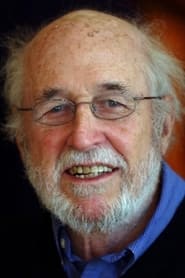
Michel Brault
Born — Died
1928-06-25 — 2013-09-21
Place of birth
Montreal, Quebec, Canada
Known for
Camera
Credits
40 titles
Michel Brault (25 June 1928 – 21 September 2013) was a Canadian cinematographer, cameraman, film director, screenwriter, and film producer. He was a leading figure of Direct Cinema, characteristic of the French branch of the National Film Board of Canada in the 1960s. Brault was a pioneer of the hand-held camera aesthetic.
Known for
A series that features footage shot by amateur Quebec filmmakers from the 1920’s to the 60’s.
Les p'tites vues
2007
 7.3
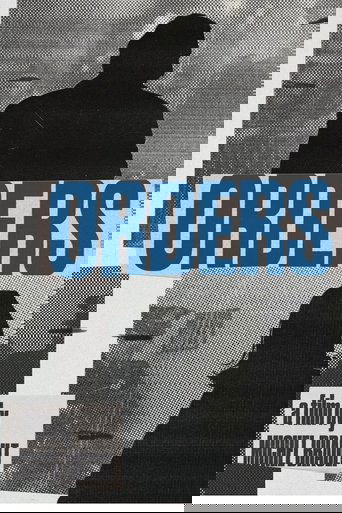
7.3A fact-based account of ordinary citizens who found themselves arrested and imprisoned without charge for weeks during the October Crisis in 1970 Quebec.
Orders
1974
 NR
NRNo synopsis available yet.
From Office to Box-Office
2009
 6.0
6.0A revealing look at the great Quebecois director who gave us such classic films as Mon Oncle Antoine, A toute prendre and Kamouraska: Power of Passion. Amidst the rise of French-Canadian identity and the political struggles of the '60s, Jutra was at the forefront of a group of artists dedicated to social change and attacking taboo.
Claude Jutra: An Unfinished Story
2002
A documentary about the act of filmmaking.
La beauté du geste
2004
 5.7
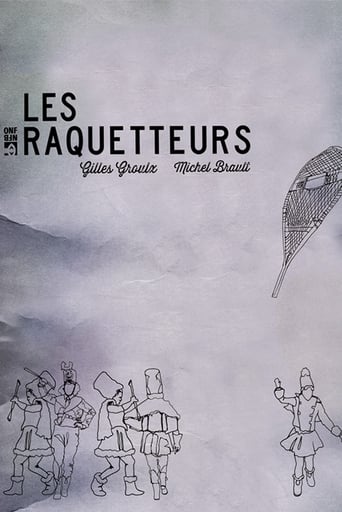
5.7This short documentary records the celebration and ritual surrounding a snowshoe competition in Sherbrooke in the late 1950s. The film marked the beginning of a new approach to reality in documentary and prefigures the trademark style of the NFB's newly formed French Unit. Today, "Les raquetteurs" is considered a precursor to the birth of direct cinema.
The Snowshoers
1958
Film credits
2000s · 5 titles
NRNo synopsis available yet.
From Office to Box-Office
2009
6.0A revealing look at the great Quebecois director who gave us such classic films as Mon Oncle Antoine, A toute prendre and Kamouraska: Power of Passion. Amidst the rise of French-Canadian identity and the political struggles of the '60s, Jutra was at the forefront of a group of artists dedicated to social change and attacking taboo.
Claude Jutra: An Unfinished Story
2002
A documentary about the act of filmmaking.
La beauté du geste
2004
 6.1
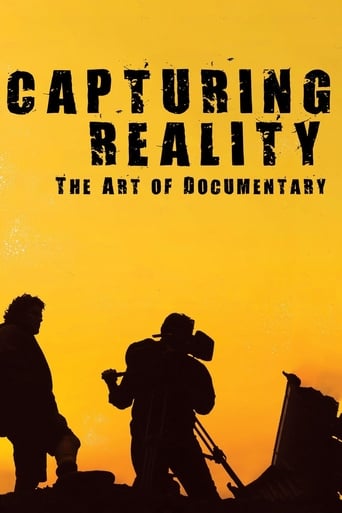
6.1From cinema-verite; pioneers Albert Maysles and Joan Churchill to maverick movie makers like Errol Morris, Werner Herzog and Nick Broomfield, the world's best documentarians reflect upon the unique power of their genre. Capturing Reality explores the complex creative process that goes into making non-fiction films. Deftly charting the documentarian's journey, it poses the question: can film capture reality?
Capturing Reality
2008
 NR
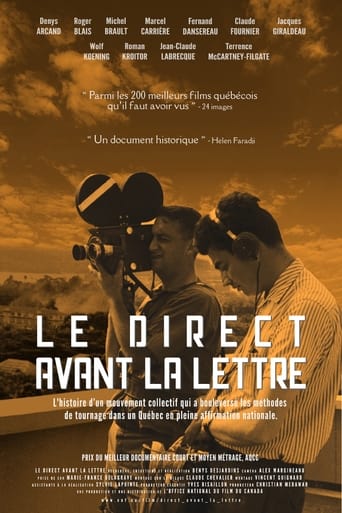
NRThanks to the development of techniques and the adventurous spirit of pioneering filmmakers, among whom Michel Brault occupies a central place, a new way of making cinema was born at the turn of the 1950s and 1960s. This film relevantly retraces the history of a collective movement which revolutionized production and filming methods in Quebec and the world.
Rebels with a Camera
2006
Series credits
Behind the camera
7.3A fact-based account of ordinary citizens who found themselves arrested and imprisoned without charge for weeks during the October Crisis in 1970 Quebec.
Orders
1974
7.3A fact-based account of ordinary citizens who found themselves arrested and imprisoned without charge for weeks during the October Crisis in 1970 Quebec.
Orders
1974
5.7This short documentary records the celebration and ritual surrounding a snowshoe competition in Sherbrooke in the late 1950s. The film marked the beginning of a new approach to reality in documentary and prefigures the trademark style of the NFB's newly formed French Unit. Today, "Les raquetteurs" is considered a precursor to the birth of direct cinema.
The Snowshoers
1958
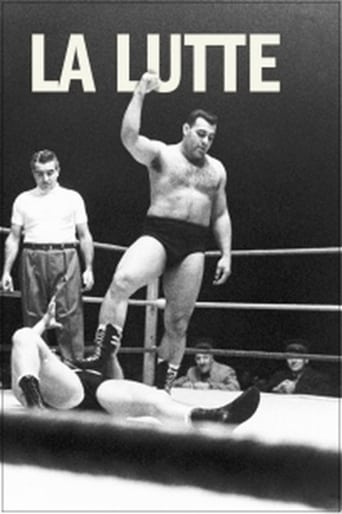 6.8
6.8A candid-camera view of professional wrestling as seen in the Montréal Forum, where some of the biggest bouts are staged, and in back-street wrestling parlours where the warriors practice their art.
Wrestling
1961
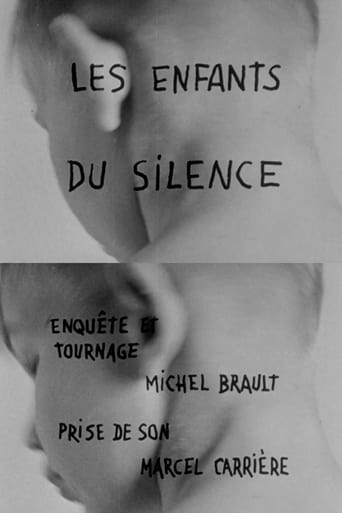 7.0
7.0This film looks at the world of children with hearing loss and the importance of early diagnosis. With its straightforward, rigorous cinematic style and intimate approach to the subject, the film focuses on the human rather than the technical side of the problem of hearing impairment.
Children of Silence
1962
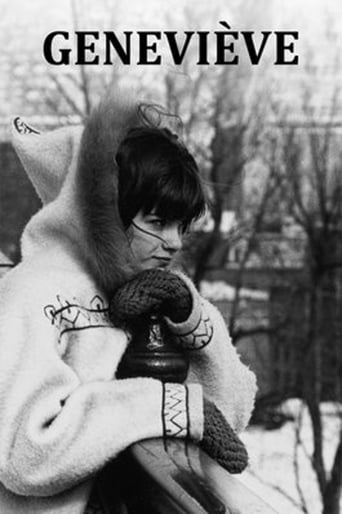 6.6
6.6Two teenage girls go to winter carnival in Quebec City for the first time. Their ambiguous, tentative relation with a young boy brings both of them the sweet intensity and disillusionment of first love. One of four film sketches on the problems of adolescents facing the adult world in the 1960s included in the anthology film That Tender Age (La fleur de l'âge, ou Les adolescentes). The three other sketches were directed by Jean Rouch, Hiroshi Teshigahara, and Gian Vittorio Baldi.
Geneviève
1964
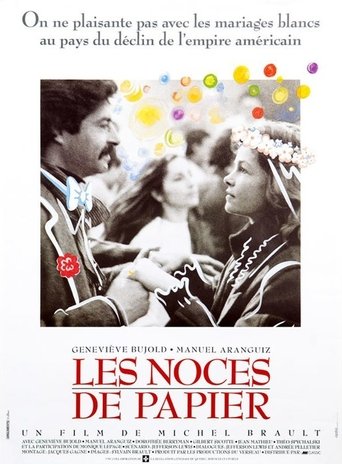 4.5
4.5A woman agrees to a marriage of convenience with a refugee.
A Paper Wedding
1989
 7.4
7.4In 1838, François-Xavier Bouchard fights beside his Québec countrymen and the English minority.
The Long Winter
1999
7.4In 1838, François-Xavier Bouchard fights beside his Québec countrymen and the English minority.
The Long Winter
1999
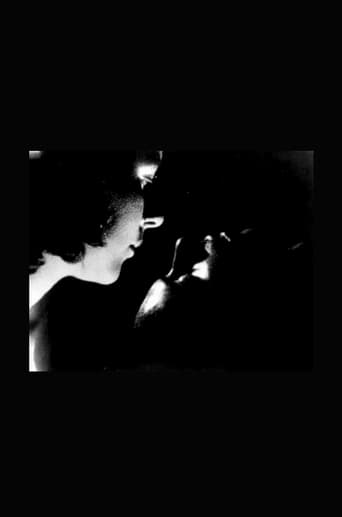 8.0
8.0An experimental short film shot in slow motion and set to Ottokar Nováček's violin composition Perpetuum mobile, the film depicts a love triangle between two men and a woman.
Perpetual Movement
1949
 2.0
2.0Poetry and cinema merge as 11 filmmakers bring to life 21 poems by Québécois poets.
Happiness Bound
2007
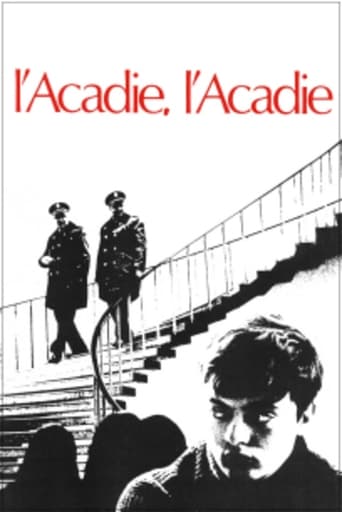 7.2
7.2In the late 1960s, with the triumph of bilingualism and biculturalism, New Brunswick's Université de Moncton became the setting for the awakening of Acadian nationalism after centuries of defeatism and resignation. Although 40% of the province's population spoke French, they had been unable to make their voices heard. The movement started with students-sit-ins, demonstrations against Parliament, run-ins with the police - and soon spread to a majority of Acadians. The film captures the behind-the-scenes action and the students' determination to bring about change. An invaluable document of the rebirth of a people.
Acadia Acadia?!?
1971
 6.2
6.2Morbihan is one of the poorest regions in Brittany. Joseph, a 33-year-old farmer, can no longer live off the land. He is hired at the fancy new plant that has just opened where he enters a world of rote work. Fortunately he can go home to his farm every evening, far from the large urban centers where workers must usually live.
Les enfants de Néant
1968
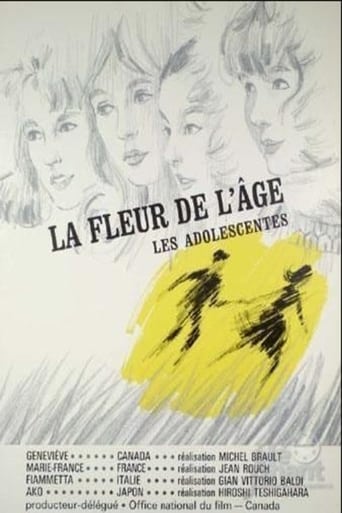 7.0
7.0A film in four episodes presenting teenage girls chosen as representative of their country and our time, in Italy, France, Japan and Canada. In spite of the stylistic peculiarities of the filmmakers, we find in each of them the same desire not to affirm anything, not to judge, but to quite simply show.
That Tender Age
1964
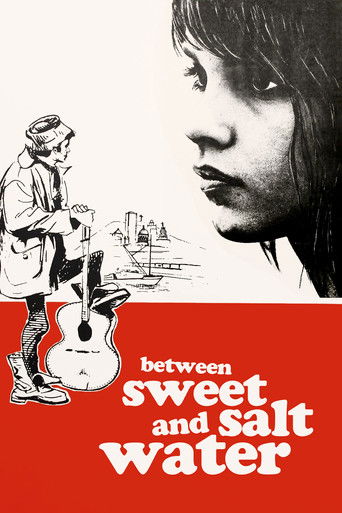 6.0
6.0A young singer-songwriter abandons his life in his hometown and moves to the city to make it big. He achieves fame, but it comes at a price.
Between Sweet and Salt Water
1967
6.0A young singer-songwriter abandons his life in his hometown and moves to the city to make it big. He achieves fame, but it comes at a price.
Between Sweet and Salt Water
1967
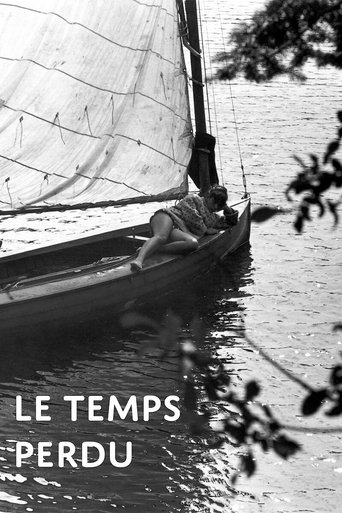 6.4
6.4A 16 year old girl recalls the last moments of her summer vacation, spent with friends in the Laurentians north of Montreal. She reminisces about their talks on life, death, love, and God. Shot in direct cinema style, working from a script that left room for the teenagers to improvise and express their own thoughts, the film sought to capture the immediacy of the youths presence their bodies, their language, their environment.
The End of Summer
1964
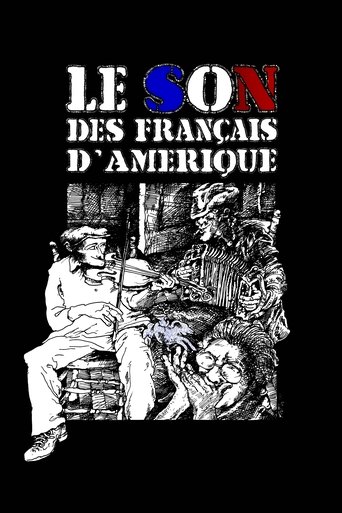 NR
NR27 shorts films about francophone traditional music in America.
Le son des français d'Amérique
1974
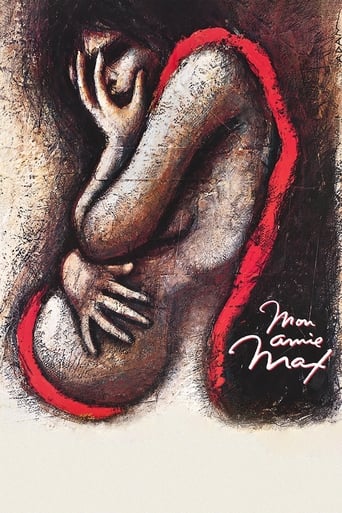 5.7
5.7Catherine, a concert pianist, is surprised one night by the arrival of her best friend from childhood, Marie-Alexandrine (Max), whom she hasn't seen for 25 years. Catherine and Max were Québec's most promising young pianists in the mid-1960's when the adventurous Max gets pregnant. She wants to keep the child, but her mother forces her to give him up for adoption; afterwards, Max leaves Québec and music. Now, years later, she returns, obsessed with finding her son. She locates the adoption records, and social services contacts her son to ask if he wants to see her. He refuses, but she keeps trying. Is a relationship with him possible? And what about her musical talent?
Mon amie Max
1994
No synopsis available yet.
La Révolution du Dansage
1976
 5.0
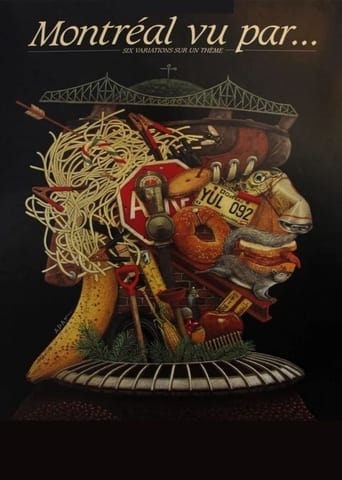
5.0Six stories about Montreal. 1: A young housewife from Toronto samples the nightlife using basic French. 2: The tale of a painting of Montreal's first mayor, Jacques Viger. 3: During a hockey game, Madeleine tries to tell Roger she wants a divorce after forty years of marriage. 4: A visitor to a conference on pictographs arrives at the airport, where the female customs officer steals a momento from each person. 5: As she is being driven to the hospital in an ambulance after an auto accident, Sarah recalls her life. 6: At a diplomatic reception, an older woman reminisces about her grand love in Montreal.
Montreal Stories
1991
5.0Six stories about Montreal. 1: A young housewife from Toronto samples the nightlife using basic French. 2: The tale of a painting of Montreal's first mayor, Jacques Viger. 3: During a hockey game, Madeleine tries to tell Roger she wants a divorce after forty years of marriage. 4: A visitor to a conference on pictographs arrives at the airport, where the female customs officer steals a momento from each person. 5: As she is being driven to the hospital in an ambulance after an auto accident, Sarah recalls her life. 6: At a diplomatic reception, an older woman reminisces about her grand love in Montreal.
Montreal Stories
1991
 7.3
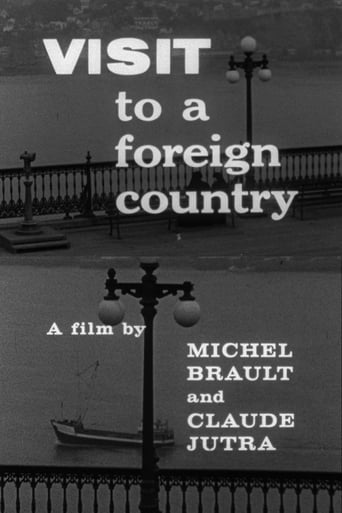
7.3They come in high-powered convertibles, with cameras and curiosity, to look at French Canada and French-Canadians. Their usual objective is Québec City, where they can soak up a bit of French culture without a trip to France. With an eye for humour, VISIT TO A FOREIGN COUNTRY shows the people of Québec taking a look at American tourists who have come to Québec to take a look at them.
Visit to a Foreign Country
1962
 NR
NRIn the film, produced for the series "Young Scientists", for the CBC, a group of young people on vacation share the discovery of the application of the lever in some applications of everyday life.
The Lever and the River
1973
 6.2
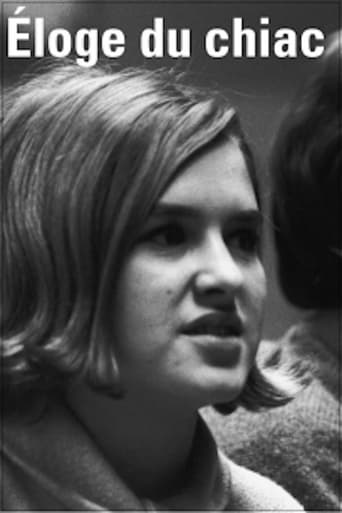
6.2Set in New Brunswick, "Éloge du chiac" takes the form of an open discussion between a young French-language teacher and her students in Moncton. Through their exchanges, Michel Brault examines the challenges of preserving French in a bilingual region where English predominates, and explores the contested status of Chiac, a local French dialect shaped by centuries of linguistic contact.
Éloge du chiac
1969
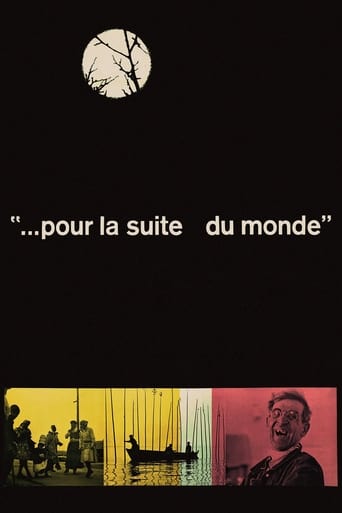 7.5
7.5At the instigation of the filmmakers, the young men of the Ile-aux-Coudres in the middle of the St-Lawrence River try as a memorial to their ancestors to revive the fishing of the belugas interrupted in 1924.
Of Whales, the Moon, and Men
1963
7.5At the instigation of the filmmakers, the young men of the Ile-aux-Coudres in the middle of the St-Lawrence River try as a memorial to their ancestors to revive the fishing of the belugas interrupted in 1924.
Of Whales, the Moon, and Men
1963
No synopsis available yet.
Ozias Leduc, comme l'espace et le temps
1996
 10.0
10.0The mayor of a suburban town must try to deal with cultural clashes with the local hassidic jewish community, while trying to mend his relation to his emotionally-distant son.
Shabbot Shalom!
1992
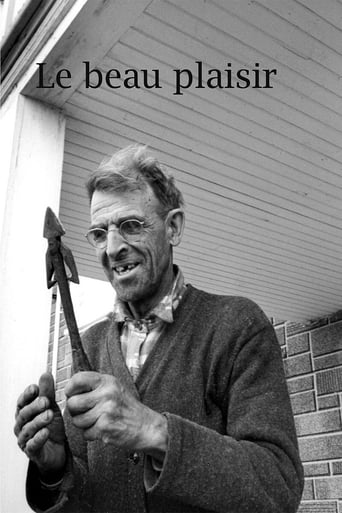 8.0
8.0From the lower St. Lawrence, a picture of whale hunting that looks more like a round-up, with a corral, whale-boys and all. In 1534, when he stopped at the island he named l'Île-aux-Coudres, Jacques Cartier saw how the Indians captured the little white beluga whales by setting a fence of saplings into off-shore mud. In the film, the islanders show that the old method still works, thanks to the trusting 'sea-pigs,' the same old tide, and a little magic.
Beluga Days
1968
A compilation of seven shorts made for the National Film Board of Canada. Features the NFBC shorts, "Nahanni," "Le Merle," "A Chairy Tale," "The Cars in Your Life," "Corral," "Wrestling," and "Neighbors."
Seven Surprizes
1963