
Writing
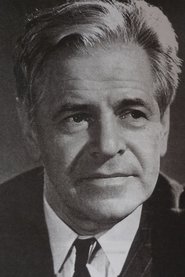
Aleksei Kapler
Born — Died
1904-09-28 — 1979-09-11
Place of birth
Kiev, Russian Empire [now Ukraine]
Known for
Writing
Credits
25 titles
Aleksei (born Lazar) Yakovlevich Kapler (also Alexei, Russian: Алексей (born Лазарь) Яковлевич Каплер) (15 September 1903, Kiev – 11 September 1979) was a prominent Soviet filmmaker, screenwriter, actor and writer. He was known as screenwriter of many Soviet movies, such as Lenin in 1918, Amphibian Man, The Blue Bird and Striped Trip, as well as one of the anchors and directors of TV program Kinopanorama (a cinema overview). In 1941, Kapler was awarded the Stalin Prize.
Known for
 5.5
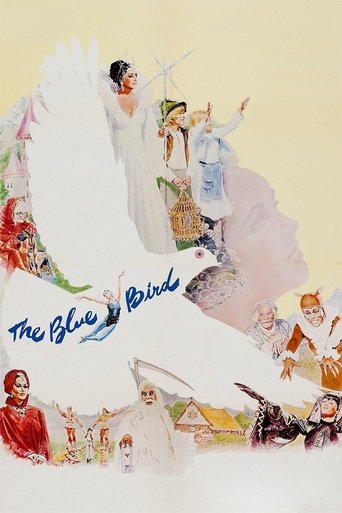
5.5Peasant children Mytyl and Tyltyl are led on a magical quest for the fabulous Blue Bird of Happiness by the fairy Berylune. On their journey, they're accompanied by the anthropomorphized presences of a Dog, a Cat, Light, Fire, and Bread, among other entities.
The Blue Bird
1976
 6.8
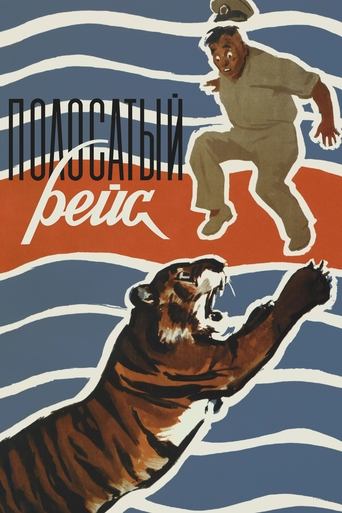
6.8A Soviet cruise ship "Evgeni Onegin" is carrying cages with tigers and lions for a Soviet Circus. One loose monkey unlocks all cages, letting the tigers and lions out. Poor passengers and crew have no place to run. The captain abandons his post out of fear, and the monkey takes over the captain's post. The ship gets under total control by the tigers and lions. Only one lady is standing up to the challenge. Her name is Marianna, she loves animals, and she takes the situation under control.
Striped Trip
1961
 6.8
6.8People living at a seashore town are frightened by reports of an unknown creature called "the sea devil". Nobody knows what it is, but it's really the son of doctor Salvator. The doctor performed surgery on his son and now young Ichtiander can live under water. This gives him certain advantages, but also creates a lot of problems.
Amphibian Man
1962
 6.0
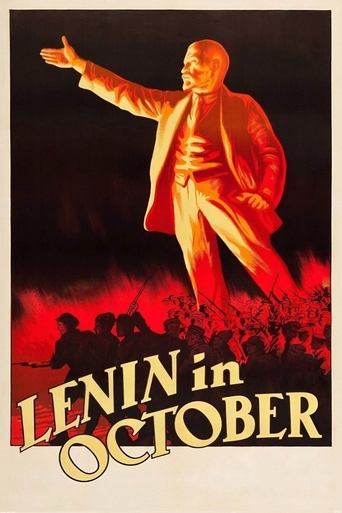
6.0Commissioned by Josef Stalin to commemorate the 20th anniversary of the Soviet Revolution, Lenin in October was the first of Russian director Mikhail Romm's tributes to the Marxist visionary who helped orchestrate the insurrection of October, 1917.
Lenin in October
1937
At the age of thirty-seven, the artist Sasha believes that love is the lot of the young. However, a meeting with test pilot Ivan Nikolaevich turns her measured, settled life upside down, reveals in her the unspent forces of the soul: emotionality, sensitivity, kindness, reverence.
In the Last Days of Summer
1979
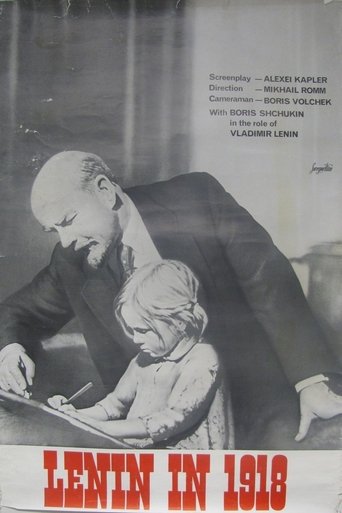 5.2
5.2Historical-revolutionary film about Lenin’s activities in the first years after the Great October Revolution in Russia.
Lenin in 1918
1939
Film credits
1970s · 2 titles
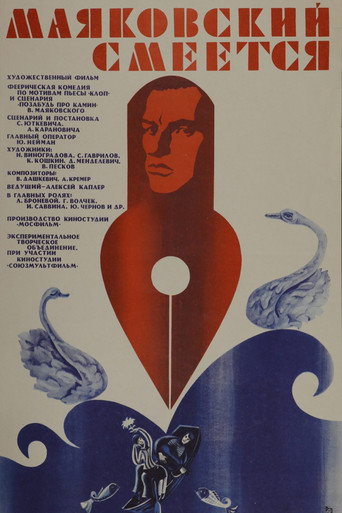 7.5
7.5This little-seen and little-discussed film combines animation with self-reflexive, live action segments to embody the anarchic, satiric spirit of the poet and playwright Vladimir Mayakovsky (1893-1930). The film also showcases Sergei Yuktevich's fondness for formal experimentation. It is nominally adapted from Mayakovsky's play "The Bedbug" and his screenplay "Forget All About the Fireplace."
Mayakovsky Laughs
1976
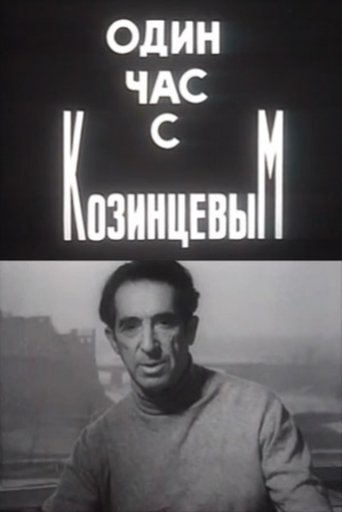 NR
NRNo synopsis available yet.
One Hour With Kozintsev
1970
1920s · 2 titles
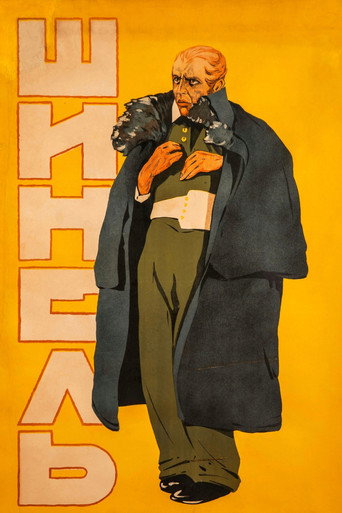 5.1
5.1Bashmachkin, a lowly, impoverished government clerk in St. Petersburg, endures workplace mockery and dedicates his meager savings to buying a new winter coat.
The Overcoat
1926
 5.7
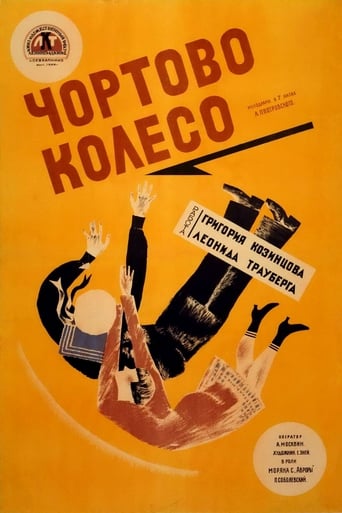
5.7Young Soviet navy sailor Vanya Shorin misses his ship after meeting a girl at a funfair. They ride a carnival attraction called The Devil's Wheel, which triggers a series of events pulling the sailor into a dangerous criminal underworld before he finds the courage to return to his comrades.
The Devil's Wheel
1926
Behind the camera
5.5Peasant children Mytyl and Tyltyl are led on a magical quest for the fabulous Blue Bird of Happiness by the fairy Berylune. On their journey, they're accompanied by the anthropomorphized presences of a Dog, a Cat, Light, Fire, and Bread, among other entities.
The Blue Bird
1976
6.8A Soviet cruise ship "Evgeni Onegin" is carrying cages with tigers and lions for a Soviet Circus. One loose monkey unlocks all cages, letting the tigers and lions out. Poor passengers and crew have no place to run. The captain abandons his post out of fear, and the monkey takes over the captain's post. The ship gets under total control by the tigers and lions. Only one lady is standing up to the challenge. Her name is Marianna, she loves animals, and she takes the situation under control.
Striped Trip
1961
6.8People living at a seashore town are frightened by reports of an unknown creature called "the sea devil". Nobody knows what it is, but it's really the son of doctor Salvator. The doctor performed surgery on his son and now young Ichtiander can live under water. This gives him certain advantages, but also creates a lot of problems.
Amphibian Man
1962
6.0Commissioned by Josef Stalin to commemorate the 20th anniversary of the Soviet Revolution, Lenin in October was the first of Russian director Mikhail Romm's tributes to the Marxist visionary who helped orchestrate the insurrection of October, 1917.
Lenin in October
1937
At the age of thirty-seven, the artist Sasha believes that love is the lot of the young. However, a meeting with test pilot Ivan Nikolaevich turns her measured, settled life upside down, reveals in her the unspent forces of the soul: emotionality, sensitivity, kindness, reverence.
In the Last Days of Summer
1979
5.2Historical-revolutionary film about Lenin’s activities in the first years after the Great October Revolution in Russia.
Lenin in 1918
1939
 6.7
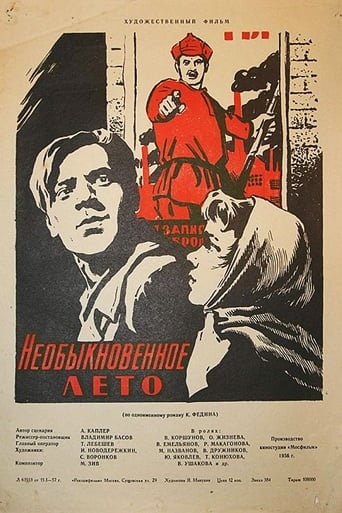
6.7The film takes place in 1919 in Saratov. Student Kirill Izvekov becomes Commissioner of the Red Army and participates in the battle with Wrangel and the capture of the city.
An Unusual Summer
1957
 6.5
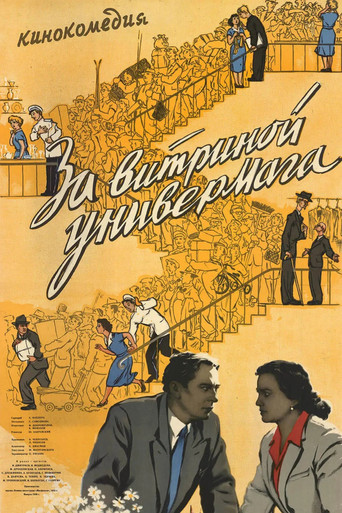
6.5A funny story about a life of a big department store and its employees and customers.
Behind Show Windows
1956
 7.0
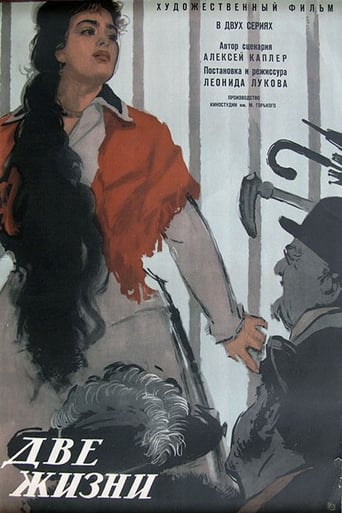
7.0In the center of the film - two lives, two destinies. A simple, illiterate soldier Vostrikov of the Tsar's Army during the years of Soviet power grew into a devoted fighter of the revolution, he became a general of the Soviet Army, respected by all. A guards officer, a brilliant prince Naschyokin, who fought against Soviet power, emigrated from his native country and eventually became a lackey in a port restaurant.
Two Lives
1961
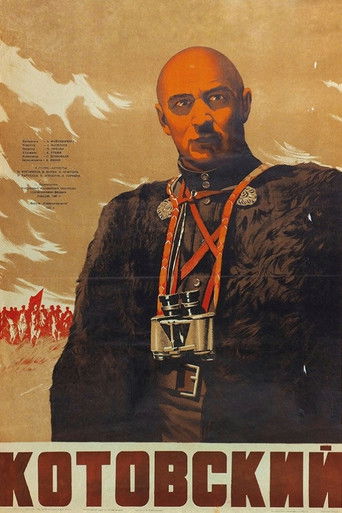 9.7
9.7Kotovsky, who went a long revolutionary way and became the recognized military commander of the cavalry troops: commander, brigade commander, commander. Six times he escaped from prison, was sentenced to death, and again escaped to become one of the most ardent warriors of the revolution. His famous equestrian brigade fought with the enemy near Kiev and the Belaya Tserkov, at Nikolaev and Odessa, and did not know defeat anywhere.
Kotovsky
1943
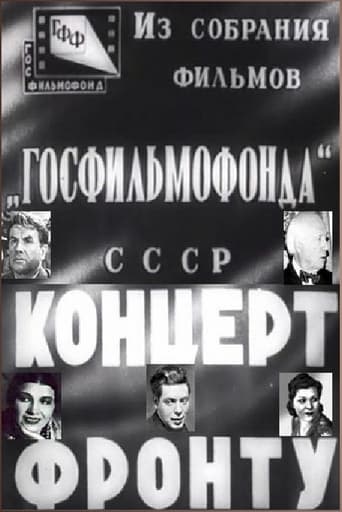 10.0
10.0A musical film dedicated to the soldiers fighting at the front line.
Concert for the Front
1942
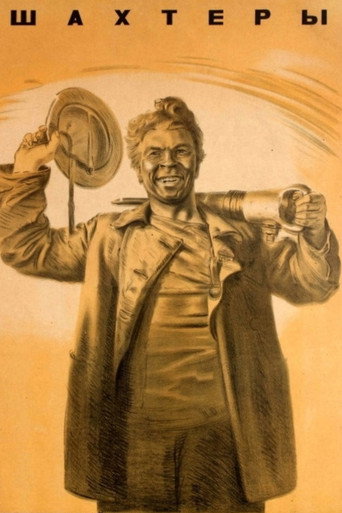 7.5
7.5Semyon Primak, in the direction of the regional committee, arrives in one of the small towns of Donbas and immediately enters into battle with the chief of the mine, Chub, who, in a situation of continuous assault, plays into the hands of the Trotskyites and bandits operating in the mine. Having received moral support from the new secretary, the best 'udarnik', shockworker Matvey Bobylev implements a new method of coal mining and, contrary to the intentions of the enemy group, finds a wide response among the miners of Donbas.
The Miners
1937
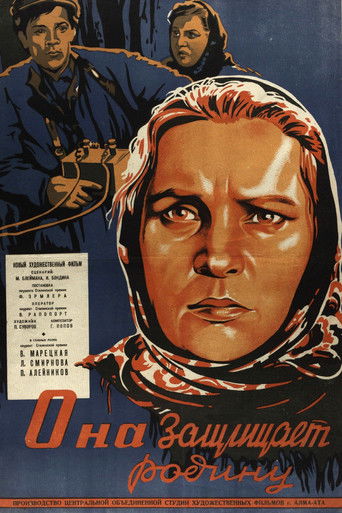 5.8
5.8The first day of the war brings tragedy to a peasant woman, Pasha. Her husband and her toddler son die before her eyes. She and the other villagers leave to go into the woods. Pasha leads the villagers to fight some German troops. Coming out victories, the partisans become a feared opponent of the Germans, with the leadership of Comrade P.
No Greater Love
1943
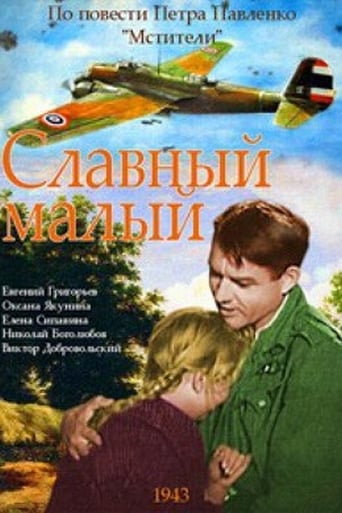 4.4
4.4A group of Russian partisans hiding within a remote forest attempt to destroy a nearby German airfield, all the while assisting a downed French pilot who happens to fall madly in love with a local girl.
A Good Lad
1942
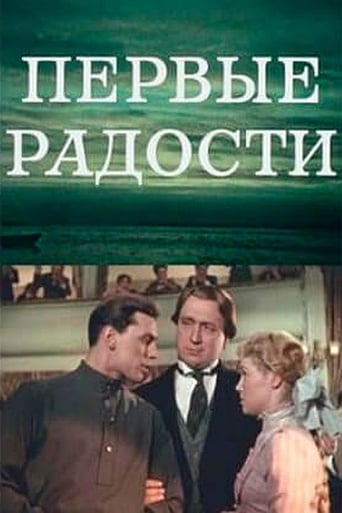 6.2
6.2Based on the novel of the same name by Konstantin Fedin. 1910. A small town in the Volga region. Kirill Izvekov, a student of a technical school, is only looking for his place in life, and revolutionary struggle is unfolding around him.
First Joys
1956
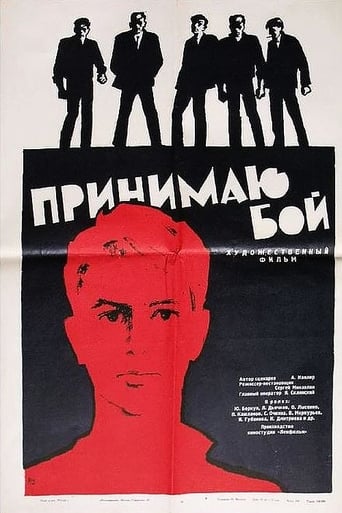 6.0
6.0Having started his working life at one of the large factories, the protagonist finds himself under the influence of criminals. Realizing this in time and receiving support from his colleagues, Alexei breaks ties with the gang and engages in a fierce and uncompromising struggle against them.
I Accept the Fight
1963
 NR
NRThe heroine of the film leaves her husband, who does not allow her to study, takes her child with her and goes to medical school.
Right to a Woman
1930
NRThe heroine of the film leaves her husband, who does not allow her to study, takes her child with her and goes to medical school.
Right to a Woman
1930
 9.0
9.0A Soviet documentary chronicling a single day of the Great Patriotic War—June 13, 1942, the 356th day of the conflict. Filmed simultaneously across all fronts and the home front by 160 newsreel cameramen, and edited by Mikhail Slutsky at the Central Studio of Documentary Films, it offers a sweeping portrait of total war. Released in October 1942, the project captured the Soviet struggle against the German invaders in a single, coordinated day of filming.
One Day of War
1942
 NR
NRAbout a young engineer's struggle for new, scientifically proven methods of working in drilling mines. His main opponent is a drilling foreman who prefers to be guided by his "sixth sense" in his work. In the end, engineer Geydar wins a double victory: he proves the superiority of new drilling methods over traditional ones and wins the heart of the old foreman's daughter. The film is considered banned.
The Sixth Sense
1935
 8.0
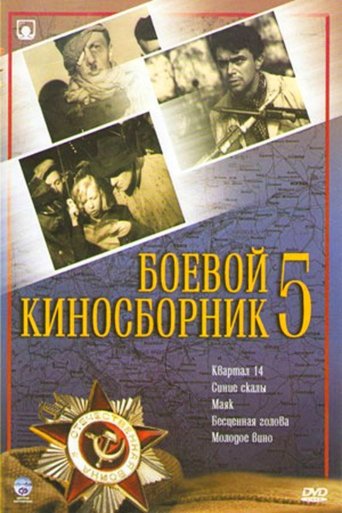
8.0Comprising two segments, "London Will Not Surrender!" and "Our Moscow", the film showcases the air defense systems of London and Moscow.
Collection of Films for the Armed Forces #5
1941