
Known for
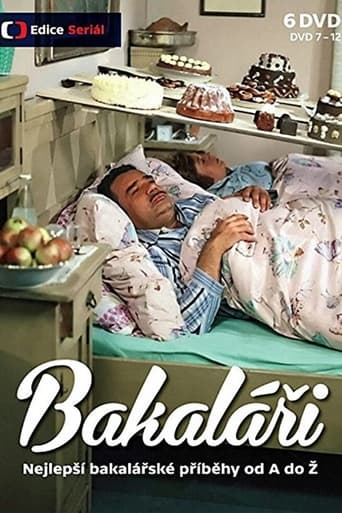 7.0
7.0No synopsis available yet.
Bakaláři
1972
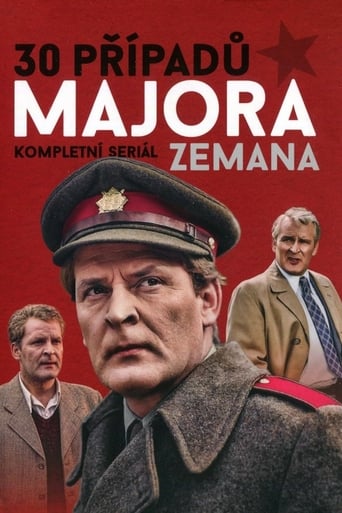 7.3
7.3Thirty Cases of Major Zeman is a Czechoslovak action-drama television show intended as a political propaganda to support the official attitude of the communist party. The series were filmed in the 1970s. Each episode encompasses one year, and investigations are stylized to that year. Most are inspired by real cases. The series follows the life of police investigator Jan Zeman during his career from 1945 to 1975.
Thirty Cases of Major Zema
1976
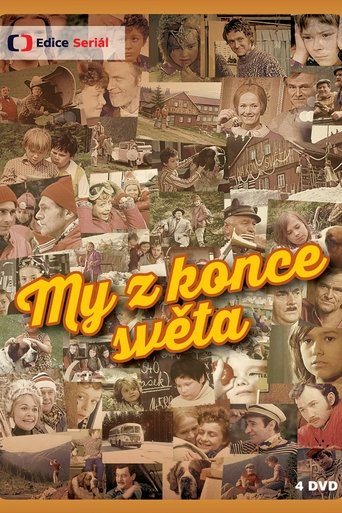 9.0
9.0No synopsis available yet.
My z konce světa
1975
No synopsis available yet.
Poručík Petr
1981
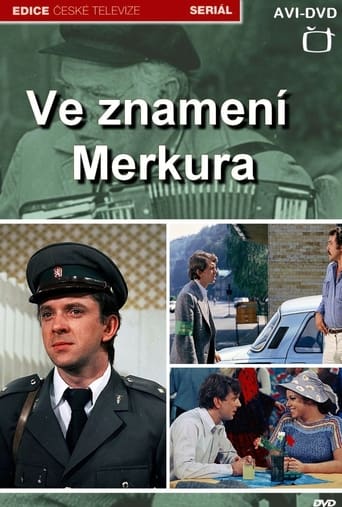 5.2
5.2No synopsis available yet.
Ve znamení Merkura
1979
No synopsis available yet.
Zlá minuta
2005
Film credits
2000s · 1 titles
1990s · 6 titles
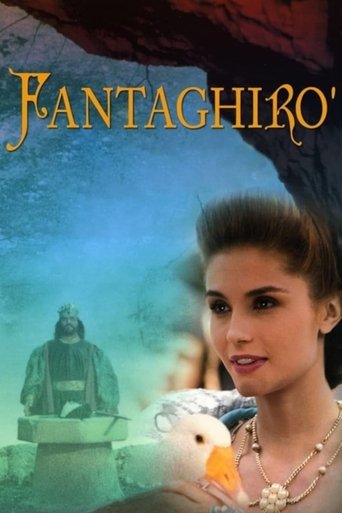 6.4
6.4After a queen's tragic death, the king abandons his newborn daughter in a cave, but a witch saves her. Years later, the tomboy princess must confront and ultimately falls in love with the enemy king.
The Cave of the Golden Rose
1991
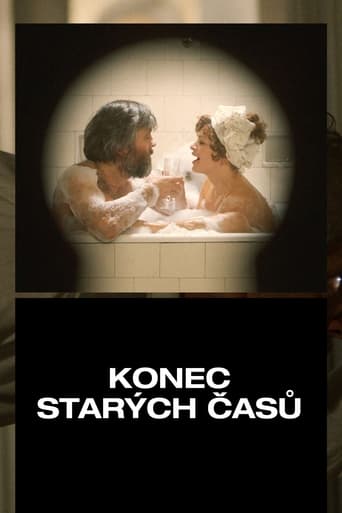 6.3
6.3Czechoslovakia 1918. The newly formed National Assembly has made Stoklasa the administrator of the Kratochvile Castle. Although with no aristocratic background, he is a man of fortune and is trying to buy the castle. To impress his neighbors and the local politicians he invites them to a great hunting party. Uninvited comes a man who claims to be Duke Alexej. Stoklasa believes him to be a hustler. This hustler, however, manages to charm all the women before he leaves.
The End of Old Times
1990
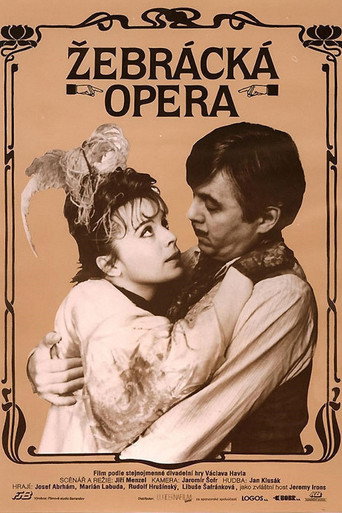 5.2
5.2Unlike any other opera, the so-called Beggar's Opera is not just one composition, but a lineage of adapted compositions, beginning with the original hugely successful 1728 political satire written by Englishman John Gay. Composers and writers have penned variations on it ever since. The most famous of these was A Threepenny Opera by Bertholt Brecht and Kurt Weill. Some things these compositions share in common is their setting among the poor and criminal classes, and the roguish character Macheath. This production is based on an adaptation of Gay's original by Vaclav Havel the freedom-fighter, writer and philosopher who became the first (and only) president of the united post-communist country of Czechoslovakia, and it retains many traces of its theatrical origins. Film reviewers were not too tolerant of what they called "slavish adherence" to the noted Czech writer's stage production, but theater, philosophy and history buffs may feel otherwise.
The Beggar's Opera
1991
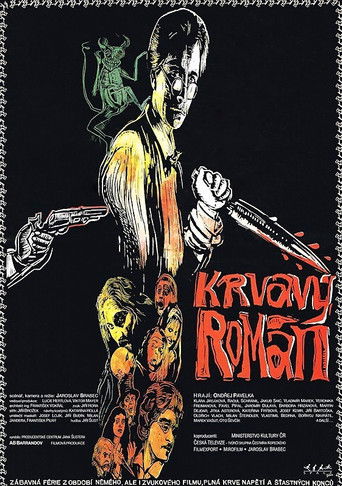 6.2
6.2The distinctive artist, typographer, and writer Josef Váchal is known to the public primarily for his Blood Novel. The surrealistic exuberance of this defense of 19th-century pulp fiction caught the attention of Jaroslav Brabec and his colleagues, who found a corresponding image of 20th-century "trash." The authors' interest focuses primarily on the silent film era, with a journey through the history of cinema continuing through the advent of sound film to the present day (auteur cinema of the 1960s, modern horror), formally employing techniques such as tinted film. The versatile parody intertwines a colorful plot with the story of the author (Váchal/Paseky), who comments on and creates his book, and is further split in the plot into the characters of Fragonard and the Master. As with Váchal, reality increasingly enters the fiction, so that the only "happy ending" turns out to be the artist's finished work.
Horror Story
1993
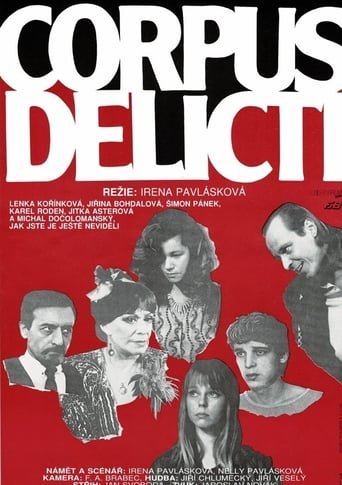 4.5
4.5The subject of this film, which takes an analytical look at the life of all of us with an analytical eye, is the evil microbe that has slowly infiltrated the organism of the Czech nation. Through the intertwining fates of three couples, it evokes domestic life before November 1989, burdened by a suffocating atmosphere of unfreedom, and after November, when relatively nothing has changed because people have not changed. The bleak conclusion suggests that the plague epidemic is still ongoing.
Corpus delicti
1991
No synopsis available yet.
Melánie, Melánie
1993
1980s · 5 titles
No synopsis available yet.
Bezva táta
1984
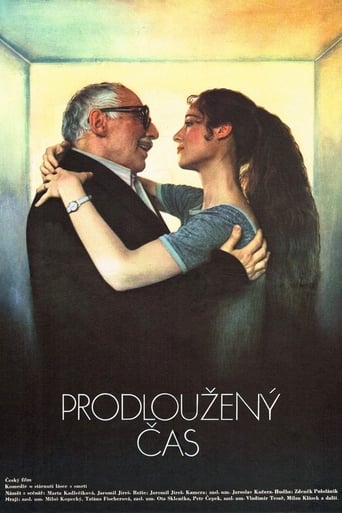 7.3
7.3The dramatic story of Karel Svozil, an aging professor of art history, tells of love and old age, illness, death and the worries of everyday life with a humorous touch. A diagnosis of a cancerous tumour unexpectedly interferes with the life of the wise and sophisticated man and his love affair with the much younger Alena, leading him to contemplate suicide. However, the gloomy thoughts are soon replaced by feverish activity, with which Professor Svozil tries to make the most of his remaining time. He finishes his book, marries his mistress, and openly speaks out against his superior. However, an accident radically changes the whole situation.
Extended Time
1985
The main character of the story is a former biology teacher named Montelík, who ends up in court when he loses his temper and hits his former student, who is the son of a prominent family. The professor finds a kindred spirit during the trial in a young aspiring lawyer who, despite the reluctance of those around her, tries to save the honor and dignity of the old professor.
Prípad Platfus
1985
An interesting look at love destroyed by the demon of drugs, which uses opera singing instead of spoken word. A story about the relationship of two young people and drug addiction.
Rakovina vůle
1989
No synopsis available yet.
Hejtman z Kopníku
1983
1970s · 8 titles
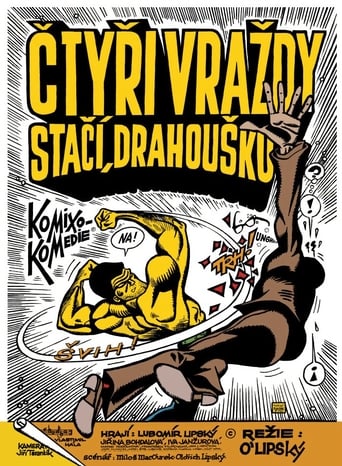 6.4
6.4Two criminal gangs are ruthlessly fighting for a 1-million dollar check that, purely by chance, got into the flat of shy high school teacher George Camel. As the number of victims sharply increases, Camel is mistakenly regarded as a mass murderer and cunningly uses his horrifying reputation to get the respect and heart of his beloved Sabrina, a journalist from a local newspaper. But this game turns out to be risky and in the end, both gangs don't hesitate to seize the check at all costs, including an improvised operation
Four Murders Are Enough, Darling
1971
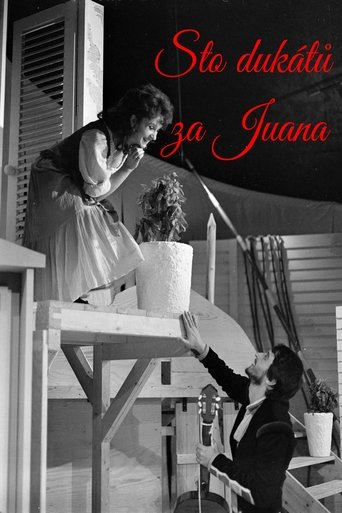 NR
NRNo synopsis available yet.
Sto dukátů za Juana
1971
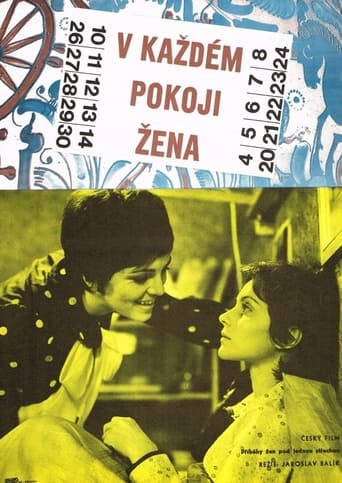 4.5
4.5The plethora of heroines living in the makeshift former Women's Homes share one feature - they mostly feel lonely. Some of them got used to this state and resigned, others still believe in a happier future...
V každém pokoji žena
1974
 5.5
5.5Despite the initial mistrust of others, former glass worker Štěoán Urban becomes the founder and first chairman of the local agricultural cooperative. However, 1968 arrives and with it comes previously unexpected problems.
Tam kde hnízdí čápi
1976
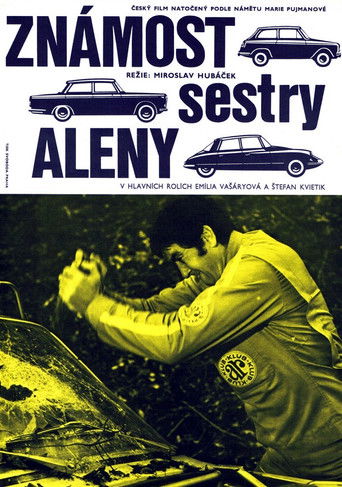 9.0
9.0A psychological drama about a nurse and a seriously ill car racer and factory driver...
Známost sestry Aleny
1973
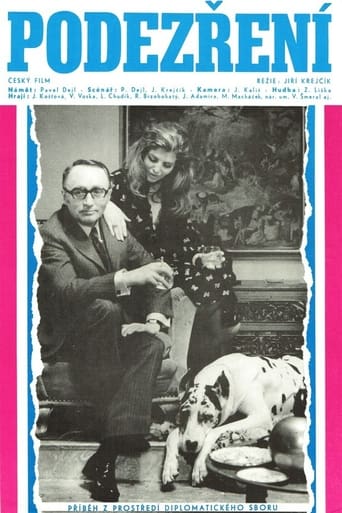 10.0
10.0A crime story about Western diplomats in Prague.
Podezření
1973
No synopsis available yet.
Klient
1974
No synopsis available yet.
Silvestr 71
1971
Series credits
7.0No synopsis available yet.
Bakaláři
1972
7.3Thirty Cases of Major Zeman is a Czechoslovak action-drama television show intended as a political propaganda to support the official attitude of the communist party. The series were filmed in the 1970s. Each episode encompasses one year, and investigations are stylized to that year. Most are inspired by real cases. The series follows the life of police investigator Jan Zeman during his career from 1945 to 1975.
Thirty Cases of Major Zema
1976
9.0No synopsis available yet.
My z konce světa
1975
No synopsis available yet.
Poručík Petr
1981
5.2No synopsis available yet.
Ve znamení Merkura
1979