
Acting
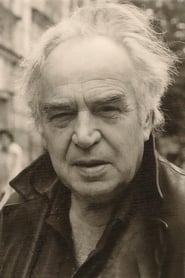
Ota Sklenčka
Born — Died
1919-12-19 — 1993-10-10
Place of birth
Hradec Králové, Československo
Known for
Acting
Credits
88 titles
Ota Sklenčka (19 December 1919 in Hradec Králové – 10 October 1993 in Prague) was a Czech actor. He starred in the film Poslední propadne peklu under director Ludvík Ráža in 1982. He graduated from grammar school in 1939, after less than a semester of medical studies, when the Nazis closed down Czech universities, he took the stage. He started acting with Horror at the Horácký Theater from where he moved to the Tábor theater, later in 1951 he also played in Prague at the Theater in Vinohrady, then under the title Theater of the Czechoslovak Army, respectively. since September 1955 the Central Theater of the Czechoslovak Army. From there he moved to the Municipal Theaters of Prague where he …
Known for
 7.0
7.0No synopsis available yet.
Bakaláři
1972
 8.6
8.6No synopsis available yet.
Dobrodružství kriminalistiky
1989
 7.3
7.3Thirty Cases of Major Zeman is a Czechoslovak action-drama television show intended as a political propaganda to support the official attitude of the communist party. The series were filmed in the 1970s. Each episode encompasses one year, and investigations are stylized to that year. Most are inspired by real cases. The series follows the life of police investigator Jan Zeman during his career from 1945 to 1975.
Thirty Cases of Major Zema
1976
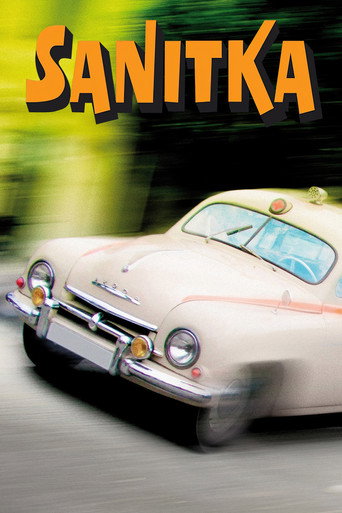 7.5
7.5Sanitka was a Czech television, drama series, first broadcast in 1984 and eleven episodes were made. It starred Jaromír Hanzlík, Tomáš Juricka and Zlata Adamovská among others.
Sanitka
1984
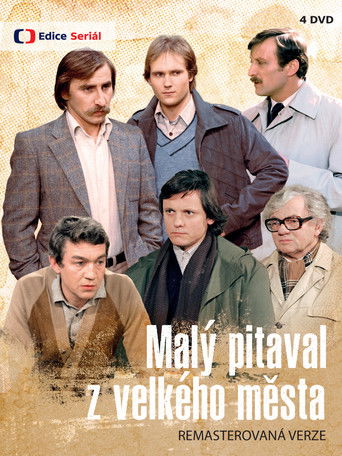 7.3
7.3No synopsis available yet.
Malý pitaval z velkého města
1983
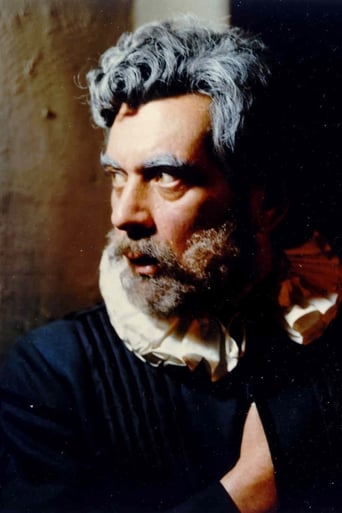 8.0
8.0Series about the life of Renaissance anatomist, scholar and politic Johannes Jessenius. Already legendary series today, was produced by Czechoslovak Television Bratislava, directed by Slovak director Miroslav Luther in the first half of 80's in Barrandov Studios in Prague. The story and screenplay of the series wrote Czech writer Vladimír Körner. Five-episodes epic historical narration is a biographical story of distinguished Renaissance scholar, anatomist and politic of Slovak origin, Johannes Jessenius (Ján Jesenský, 1566–1621). It displays his life from the first studies and successes. In 1594 he became professor of surgery and anatomy on Wittenberg University, which he had attended years before. From that moment, his life went through social and personal wins and losses, to the sad end on the Prague Old Town Square gallows, among 27 noblemen, knights and burgenses, after lose Bohemian Revolt in 1621. His destiny was coupled with key events of Czech history in the break of 16th and 17th century, when Renaissance and European humanism slowly fade out.
The Physician of a Dying Time
1984
Film credits
1990s · 4 titles
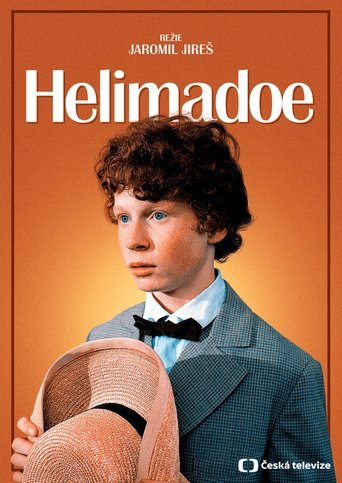 6.0
6.0A lyrical story from the beginning of 20th century, with the atmosphere of a small-town environment, distinctive characters, and a subtle analysis of human nature. It takes place in a small town in southern Bohemia, where a perceptive adolescent boy experiences his first emotional enchantment and a deep crisis. Helimadoe are also the initial letters of the names of the five distinctive daughters of Hanzelín, a rough country doctor who not only treats a seriously ill boy, but also helps him overcome his painful emotional turmoil with his wisdom.
Helimadoe
1993
 9.0
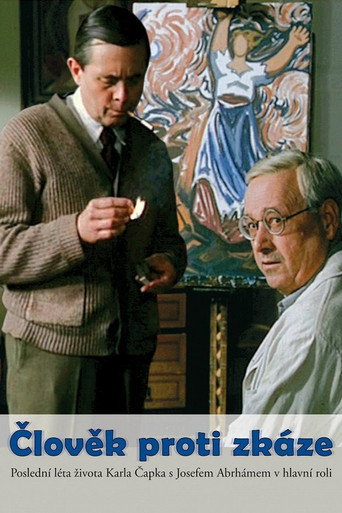
9.0Biography of Karel Čapek.
Člověk proti zkáze
1990
No synopsis available yet.
Pozvání na večeři
1993
 8.0
8.0A tragicomic story from a tragicomic time - this is how one could characterize Jiří Hubac's play, which premiered in May 1991. The drama of two friends who fought in England as Czech airmen during the war and had to live through the well-known martyrdom after returning home is a story about the power of friendship, the courage to transcend oneself in the face of violence and the right to preserve human memory. The television film by director Jaroslav Dudek, who cast Jiří Bartoska and Josef Dvořák in the lead roles, was honoured with the prestigious Prix Europe international award in Reykjavik.
Hřbitov pro cizince
1991
1980s · 23 titles
 6.1
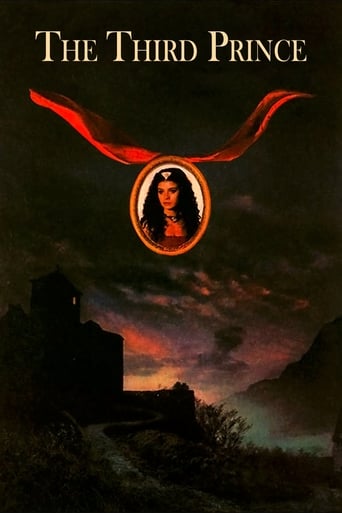
6.1Brave sons of the king, twin brothers Jaroslav and Jaromír love and help each other. It was they and another brother - Jindrich, who once saw the portrait of Princess of Diamond Mountains, fell in love and went on her quest.
The Third Prince
1983
 5.8
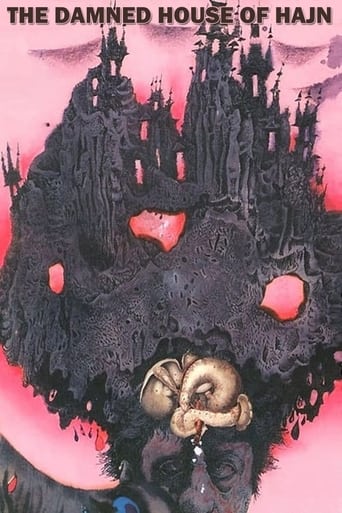
5.8Sonya is the heiress to the riches of a Czech noble family—the Hajns. Petr, a social climber marries her, ignoring some shady goings-on—in particular, an insane uncle who prowls the mansion believing himself invisible, a peccadillo the family indulges. The uncle’s stalking every corner of the house, popping out of cupboards and out from behind curtains slowly takes its toll on the young bride.
The Damned House of Hajn
1989
The film story of an old mountaineer from Zázrivá, takes place on the eve of Christmas Eve. Július Pántik stars in the lead role of the television film based on the short story of the same name by L. Nádaši - Jégé. It is a story about belonging and a deeply rooted sense of responsibility of an ordinary person.
Vianoce Adama Boronču
1988
 NR
NRNo synopsis available yet.
O mrtvých jen dobře
1986
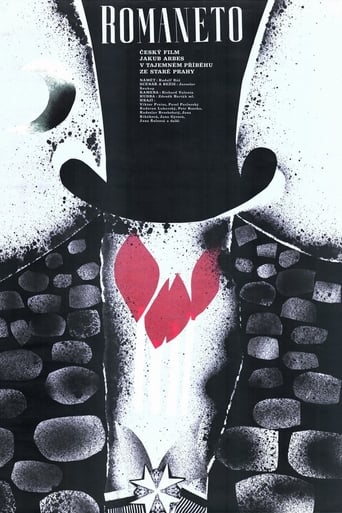 7.0
7.0A frightening atmosphere, full of chilling dampness and darkness, follows the fate of a desperate searcher who tries in vain to unravel the supposed secret of the altarpiece...
Romaneto
1981
The opening image that begins the suspenseful story is marked by a tragic event: an eight-year-old girl is brutally murdered in the forest and the dog that accompanied her is shot. The crime sets in motion an extensive search operation. Time is running out for the murderer, and the detectives have many years of experience and knowledge of local conditions on their side. According to the law of a good detective story, the circle of possible perpetrators is wide. Everyone from the neighborhood of little Stán is a suspect, because the results of the investigation showed that the girl knew her murderer...
Soví hnízdo
1982
At the beginning is a suicide attempt by sculptor Jiří Malek, which is foiled by a thief hidden in his apartment. Malek is thirty-five, divorced, caring for his five-year-old son, and the reason he turned on the gas in his studio is, of course, his wife. Mr. Karas, who takes care of Málka's household, tries to get rid of his gloomy mood by using alcohol. But after Jiří insults the old man and they break up badly, Málka's older brother Oldřich decides to find a woman who would be a good wife to Jiří, a mother to little Martin and a good friend to him. She should be pretty, intelligent, understanding, love children and be able to cook, wash and clean. To avoid any mistake, Oldrich will draw up a test, the results of which should decide. Without suspecting that he is undergoing an important test, a number of potential sisters-in-law find themselves in the studio - Edita, a radio editor, Martina, a nurse, Pavla, a student, and others...
Žena pro tři muže
1980
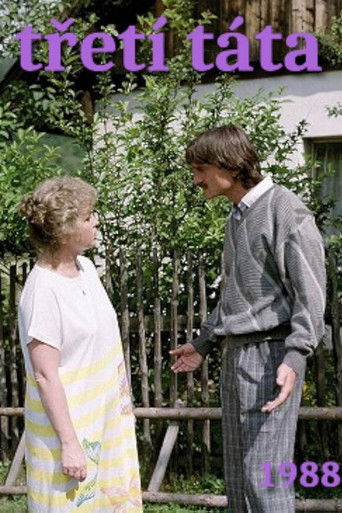 6.0
6.0A holiday story about how little Jakub found the right man for his mother. An advertisement in which Mr. Vlk offers free accommodation at his country cottage in exchange for holiday housekeeping brings together three people, each unhappy in their own way: Vlk, an "almost old bachelor", whose acquaintance with a young girl, Mrs. Jelínková, who is in vain looking for a stronger emotional relationship after the death of her husband, is not working out, and little Jakub, for whom none of his mother's suitors have yet been able to replace his deceased father. The situation becomes complicated when his mother falls ill and Vlk has to take care of the boy alone. Jakub wins a new father, thanks to him the two adults become closer, and he finally has the father he chose and deserved.
The Third Daddy
1988
The story of an unhappy, childless princess, her loving husband and the poor villagers threatened by a terrible disease, who finally received help from above.
V zámku a podzámčí
1981
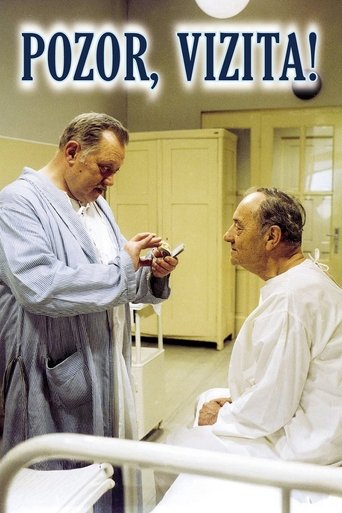 6.8
6.8A story about an everyday life of an inflectional department of Prague hospital.
Attention, Rounds!
1982
 4.0
4.0During the First World War, the crooks Scholef and Krumka sell weapons on the black market. After the collapse of the monarchy they try their hand at speculation on a grand scale.
Šílený kankán
1983
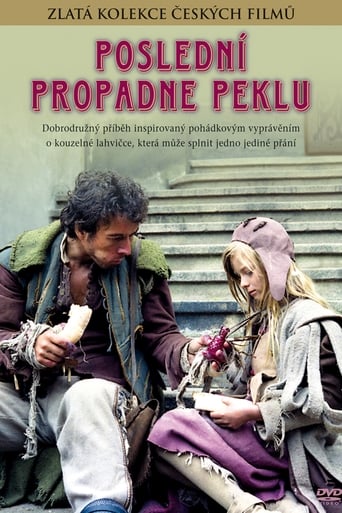 5.4
5.4A historical film that takes place on the eve of the thirty year war combines aspects of fairy-tales with historical dramas, fencing with a child heroes who find themselves in great dangers. We are in the year 1611 and mercenaries that had previously invaded Czech lands now have to withdraw before the Hungarian king's army. In this chaos a magical bottle, that fulfills the owner one single wish, appears among some fugitives - however after the fulfillment it has to be sold for half it's price to a new owner. The director Ludvík Ráža has created an attractive and surprisingly cruel film aimed not only at young viewers.
The Last One Will Go to Hell
1982
 5.3
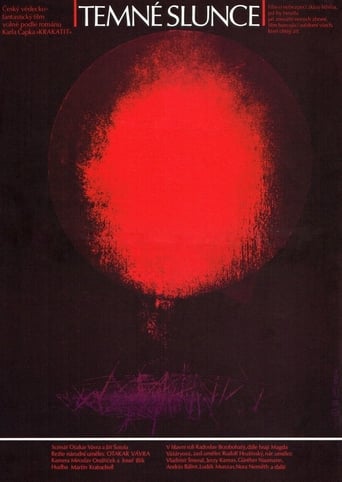
5.3A remake of Vávra's 1948 atomic age thriller Krakatit. Engineer Prokop creates the devastating explosive “Krakatit” and soon confronts manipulative agents and imperialist conspiracies. Realizing his invention’s threat, he fights to prevent its misuse, risking everything to stop those who seek to exploit his epochal discovery.
Dark Sun
1980
 NR
NRNo synopsis available yet.
Děkuju, pane profesore
1983
 8.0
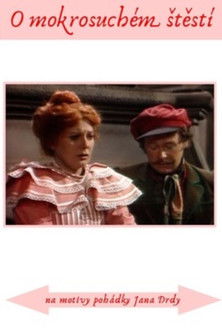
8.0The water sprite Toníček fell in love with the beautiful and hard-working Andulka, but her father did not approve, so he sent her to Prague to work as a servant. Toníček did not give up and went to look for her. All the water sprites from Prague and the surrounding area helped him, but Andulka was nowhere to be found. Of course, she was eventually found, but it was not easy.
Pohádka o mokrosuchém štěstí
1982
 7.0
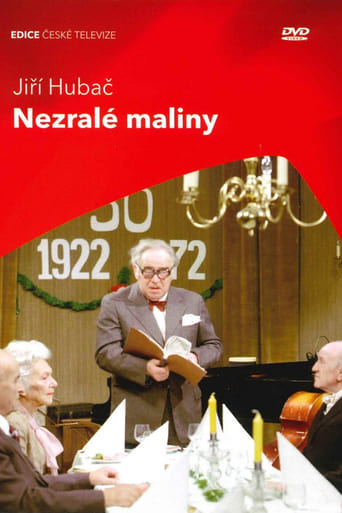
7.0A story about a meeting of high school graduates from Písek, a story about the enduring power of friendship, love, honesty and duty.
Nezralé maliny
1982
The story from a small Czech mountain village takes place over five days in February 1948 and describes the fate of a young couple, Tomáš and Vendula, against the backdrop of events that reflect the atmosphere of the time, with a political crisis brewing and radical changes on the horizon. The preparations for the wedding of the young couple – miner Tomáš and teacher Vendula – are not going according to plan. Food such as sugar, butter, and bread are still rationed. In addition to their personal problems, the escalating political situation further complicates matters. The lives of Tomáš and Vendula are affected by the disputes between their grandfathers – retired miner Václav Kašpar and his childhood friend, grocer Rynda. The youngest descendants of the feuding families thus find themselves in the fateful position of Romeo and Juliet.
Václava Kašpara den pátý
1985
 4.0
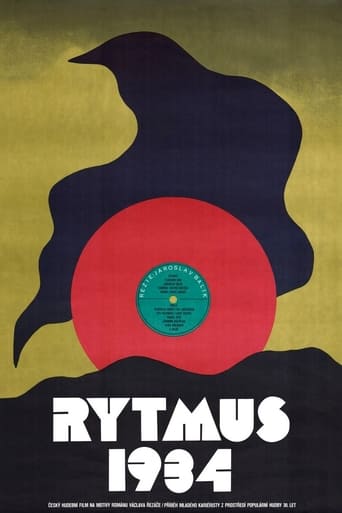
4.0Twenty-year-old Karel is expelled from Bata's school of work and has no choice but to make his way in his uncle Kubát's publishing business at any cost. A very drastic adaptation of the draft has fundamentally changed the whole story, which is also set in a completely different historical context. The result was a schematic and tepidly propagandistic poster.
Rytmus 1934
1980
 6.1
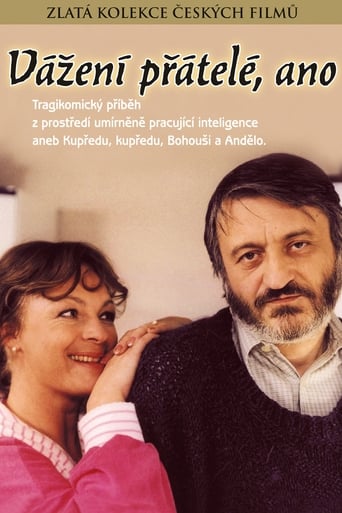
6.1During the change of functions in the Fortuna medical ceramics company, Bohouš Fisher, an independent clerk, became deputy director of the company against his will. As a result, he is forced to make even greater compromises than before. He takes part in unnecessary meetings for which he has to raise money from company funds because of his position, or he jocularly solves a "work" accident of two employees who were engaged in love games instead of work. It's not much better in his private life. He would like to do some meaningful work, like building a stove.
Vážení přátelé, ano
1989
The 50th anniversary of the Barrandov studios was celebrated with a spectacular show: many directors and other important people gathered in the expensive decorations of the Variety Theatre auditorium (built for the Circus Humberto series). They smiled and showed well-deserved relaxation after a job well done in managing socialist cinema. Vladimir Sís interspersed this with excerpts from films, mainly his own and also a little of others who had worked on the "Hill of Dreams".
Barrandovské nokturno aneb Jak film tančil a zpíval
1985
 6.7
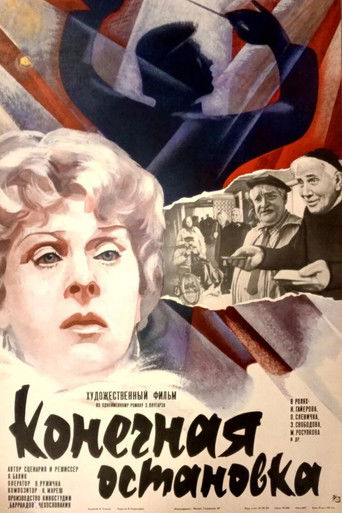
6.7The story takes place in a retirement home and creates a mosaic of the lives of old people who are trying to find a relationship with themselves and with life in these specific conditions. Each of its residents has a distinctive approach to life and its basic values. The most interesting features of the title, which is marked by a visibly cold production approach, are the worthy performances of the actors of the older generation. Some of them appeared in front of the camera after many years and unfortunately for the last time.
Konečná stanice
1982
 7.3
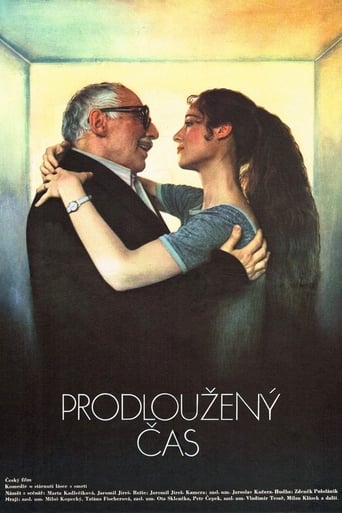
7.3The dramatic story of Karel Svozil, an aging professor of art history, tells of love and old age, illness, death and the worries of everyday life with a humorous touch. A diagnosis of a cancerous tumour unexpectedly interferes with the life of the wise and sophisticated man and his love affair with the much younger Alena, leading him to contemplate suicide. However, the gloomy thoughts are soon replaced by feverish activity, with which Professor Svozil tries to make the most of his remaining time. He finishes his book, marries his mistress, and openly speaks out against his superior. However, an accident radically changes the whole situation.
Extended Time
1985
No synopsis available yet.
Chvíle pro píseň trubky
1980
1970s · 20 titles
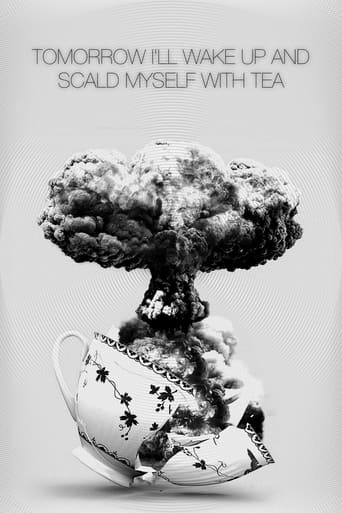 6.2
6.2Former Nazi Klaus Abard survives to the 1990s by taking anti-ageing pills. He plans to use a time travel trip to return to Germany in 1944 and present Hitler with a hydrogen bomb, so that he can win the war. Unfortunately the pilot, woman-chasing Karel Bures, dies on the morning of the trip and his earnest twin brother Jan impersonates him, without knowing about the plot.
Tomorrow I'll Wake Up and Scald Myself with Tea
1977
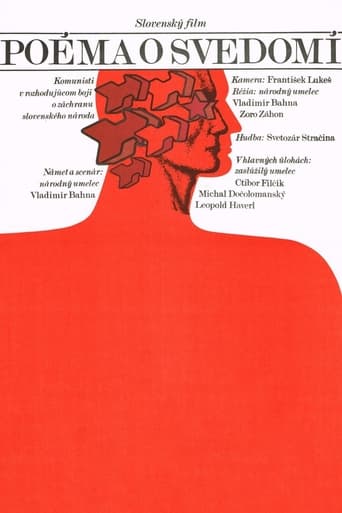 10.0
10.0Historical reconstruction of the events of the anti-fascist struggle in Slovakia in 1943 and 1944.
Poéma o svedomí
1979
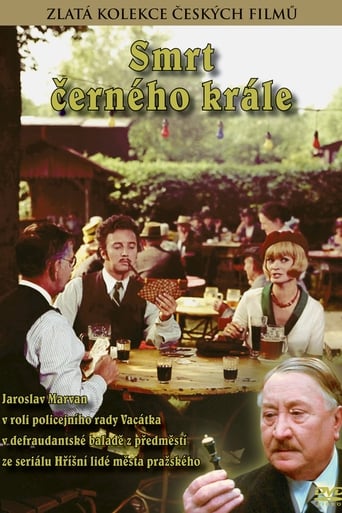 5.2
5.2Prague in the 1930s. A young, pretty girl gets on a crowded tram. She immediately catches the attention of a young man who not only appreciates the girl's charm, but also tries to steal her handbag discreetly. And so we meet one of the main characters of the film, a swindler, pickpocket and generally strange being Josef Kořínek alias Pépi. In addition to him, the story is populated by other characters from the Prague outskirts. Of course, the film also features the shrewd councilman Vacátko and his inseparable investigators Brůžek and Bouše. They have a sad duty - to track down the murderer of the collector Krále, who was found dead and who lost a sum of money on the way from the bank that could interest many people from his surroundings...
The Death of Black King
1972
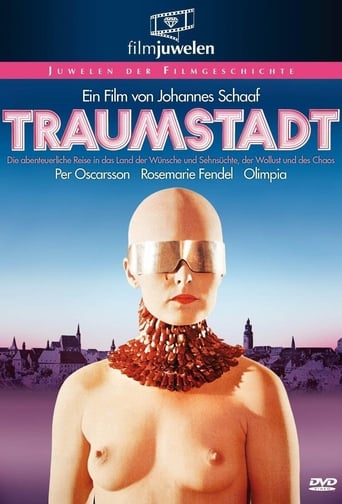 6.1
6.1A married couple of artists move to a utopian town known for its absolute freedom, but behind the surface perversion and violence are spreading.
Dream City
1973
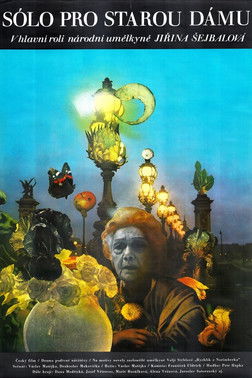 9.0
9.0After many decades in Germany, Marie Hahn will come to Prague to meet her relatives and friends. She learns unflattering information about her husband's behaviour during the German occupation, she suffers health problems, but even her daughter is not interested in helping her mother...
Sólo pro starou dámu
1979
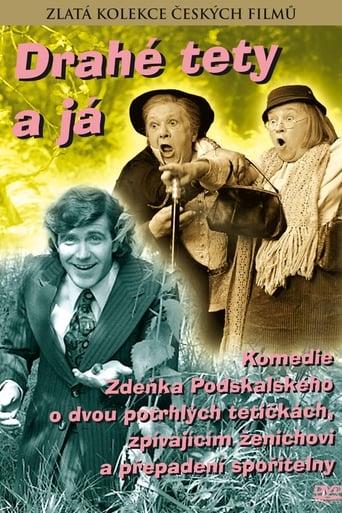 7.3
7.3Two kind but foolish sisters live together in their villa in a small town in South Bohemia. Fany (Natasa Gollová) has never married and Andelka (Eva Svobodová) is a widow. In the morning, the two sisters go into town. They need to buy fuel oil, put money in the bank and give plums to the teller. In the meantime an smallish orange Skoda MB car parks at their house, with Hermínka (Iva Janzurová), the old ladies' niece, and her fiancé Michal (Jirí Hrzán) in it. Michal has forgotten to bring flowers and has to go into town to fetch them. At the bank, Fany wants to deposit money but the minute the teller opens the safe, a thief arrives. He knocks the teller and Fany unconscious and runs away with the money. When Fany comes to her senses again, she sees Michal and accuses him of being the thief.
My Dear Aunt and Me
1975
Three pensioners, three Josephs, living on a housing estate, are bored. They have nothing to do, so they make up all sorts of alliterations and tease each other. When one of them is approached by a neighbour, he asks if he can find out who is borrowing her bicycle from the carriage shop. He finds out it's a little boy who doesn't have a dad, and his mom doesn't have money for a bike. So he borrows the bike and always leaves it somewhere on the estate. The pensioners feel sorry for the boy, so one of them takes the blame and offers to be the boy's mum's surrogate grandparents.
Agentura Pepa
1976
 4.5
4.5In the morning twilight of Prague, the dead body of the safe-breaker Toufar is found floating on the river Vltava with a knife in his back. Police inspectors visit Toufar's lover, the prostitute Anna Kulatá (Jirina Bohdalová), nicknamed Umbrella, and it is apparent that the moment before she opened the door of her flat, someone fled through the window. Umbrella is summoned for examination to the head of the criminal police - Police Councilman Vacátko Jaroslav Marvan, but although shocked by the photograph of the dead man, she does not confess to anything. Before Toufar, Umbrella lived with the safe-breaker Penicka (Radoslav Brzobohatý), who loved her very much and made her quit her street trade. But when he was sentenced to three years' imprisonment, Umbrella began to live with the brute Toufar, who chased her to street again. In the case of the murder, Penicka is therefore the prime suspect.
Burglar and Umbrella
1971
No synopsis available yet.
A od zítřka už budu moudrá
1978
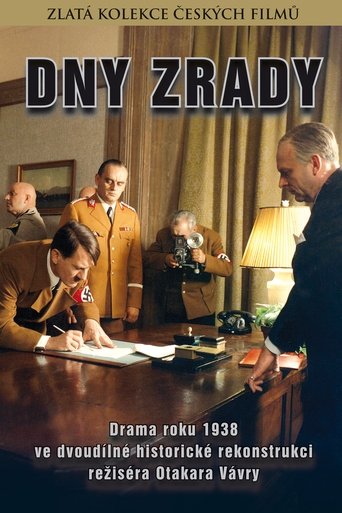 5.6
5.6This feature film based on the events of 1938 is a chronicle of the futile efforts of the Czechoslovak president Edvard Benes (Jirí Pleskot), politicians and ordinary citizens, to save the independence and the territorial integrity of the state from the advance of Hitler's Germany. On the 29th of March 1938 the leader of the Sudeten Germans Henlein (Werner Ehrlicher) has a meeting with Hitler (Gunnar Möller). Hitler orders him to intensify pressure on the Czechoslovak government. On the 24th of April in Carlsbad, the Sudetendeutsche Partei (Sudeten German Party) decides upon eight demands that are unacceptable to the Czechoslovak President, since they would ultimately lead to the break-up of the Republic. Benes still shows a certain willingness to negotiate, and Henlein resents this. The Germans are determined to make further negotiations impossible through incidents and violence.
Days of Betrayal
1973
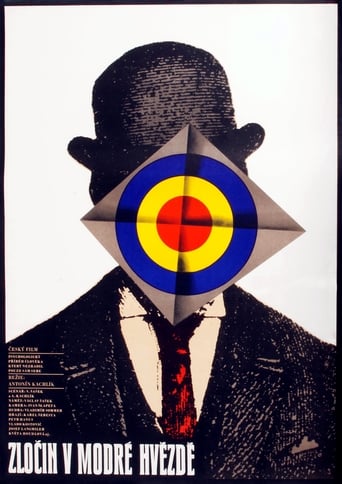 8.5
8.5It is 1920, political unrest is growing in Prague and the Social Democrats are about to betray their historic mission by prioritising their own selfish interests instead of those of the working class. An extortionist scandal falls on the Social Democratic deputy Jandák, forcing him to renounce his convictions. Under these circumstances, the seriously ill Hungarian revolutionary Kerekes, who had to flee his homeland, is hiding in Prague...
Zločin v Modré hvězdě
1974
The merging of reality with legend, the image of reality (Ruthenian Verkhovyna in the 1920s) and its reflection in people's minds - this is what characterizes the story of the modern Transcarpathian bandit Nikola Šuhaj, who "took from the rich and gave to the poor". Ivan Olbracht's novel from the 1930s, one of the artistic peaks of modern Czech prose, is a dramatic story about a war deserter, his love for the beautiful Eržica, a story about revenge for wrongs, persecution, betrayal and death. Šuhaj's fate merged with legends in people's memory. By combining elements of the past and the present, document and myth, the story turned into a ballad about how eternal and strong the human dream of freedom and happiness is.
Nikola Šuhaj loupežník
1978
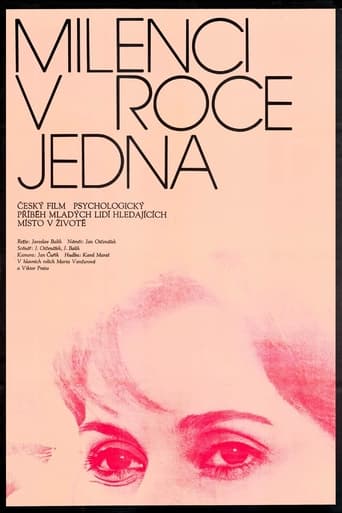 6.7
6.7It is the summer of 1945. A party of young people are enjoying the beginning of a new life to the full. For them this is the year one. One of them, law student Pavel, is more attracted to film than to law. With his eight-millimeter camera, he films everything that catches his attention. One day he captures an interesting face on film, a girl with an air of mystery. Pavel visits the girl, whose name is Helena, and meets hers and her elder energetic sister Olga. From Olga, he learns that the girls have spent the years of German occupation in a concentration camp and cannot forget the horrors they have lived through.
Lovers in the Year One
1974
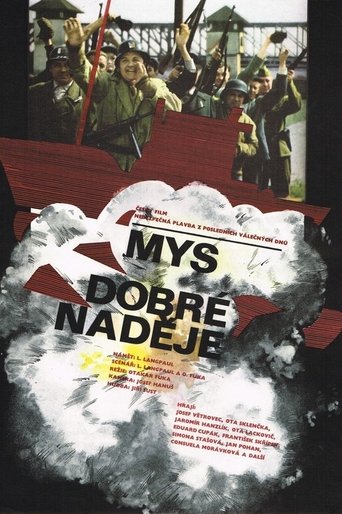 8.0
8.0World War II is slowly coming to an end. On the German side of the border, panic slowly breaks out and the local commander orders the local port to be mined. The Czech boatmen take advantage of the sudden confusion and decide to carry out a crazy plan: steal a German ship full of explosives and sail towards Prague, which according to fascist plans is to become the last German stronghold...
Mys Dobré naděje
1976
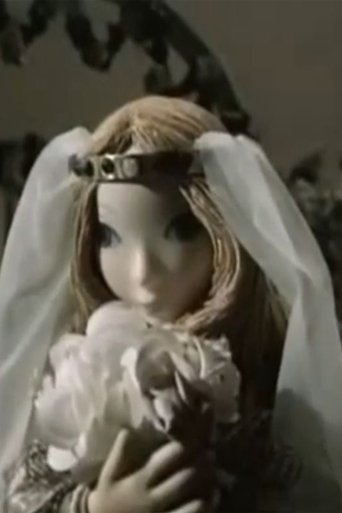 NR
NRA fairy-tale about a brave, self-sacrificial and faithful girl named Maryska who sets free an enchanted princess and her twelve maids from a mysterious castle.
Maryshka and the Wolf's Castle
1979
 4.3
4.3The years of Mánes' studies at art schools and on the period when the mature and distinctive artist was already promoting his concept of a new decoration of the Old Town Clock.
Paleta lásky
1976
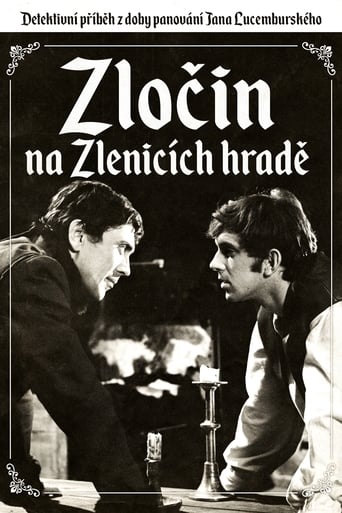 6.5
6.5The thrilling story begins in 1318, during the reign of John of Luxembourg, when the Czech nobility rebelled against the king. However, the lord of Zlenice, Oldřich of Zlenice, did not join the resistance. He summoned the surrounding nobles to his castle for negotiations... and in the morning he was found dead. He had been murdered in his chamber, which was locked from the inside!
Zločin na Zlenicích hradě
1972
 5.3
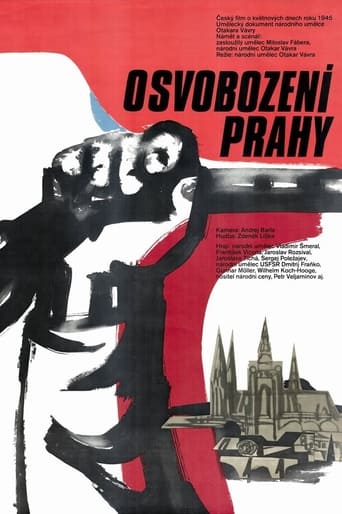
5.3On 20th of April 1945 the Soviet army launches its attack on Berlin. The end has come for Nazi Germany and Hitler decides to commit suicide. In Prague K.H. Frank (Nazi Secretary of State and Chief of police in the Protectorate of Bohemia a Moravia) discusses with his commanders how to transform the city into an impregnable fortress, but the Praguers do not intend to wait any longer. From the early hours of 4th of May people start assembling in the streets and tearing down German signs. On the next day, the 5th of May, the uprising begins.
The Liberation of Prague
1977
 8.0
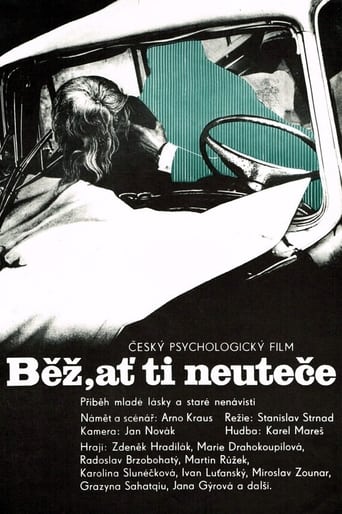
8.0The film from 1976, a film that is exemplary in its devotion to the canons of normalised cinema, is the work of director Stanislav Strnad. He brought to life the script of an unusual author - the secretary of the SČDU, Arno Kraus - in this psychological drama. The protagonist of the story also has his cadre materials in order according to the requirements of the time - he is a worker director Kabát, who besides problems at the workplace also copes successfully with difficulties in his private life - a break-up with his wife.
Běž, ať ti neuteče
1977
No synopsis available yet.
Smrt císaře a krále Karla IV.
1979
1960s · 10 titles
No synopsis available yet.
Úřad
1968
 6.4
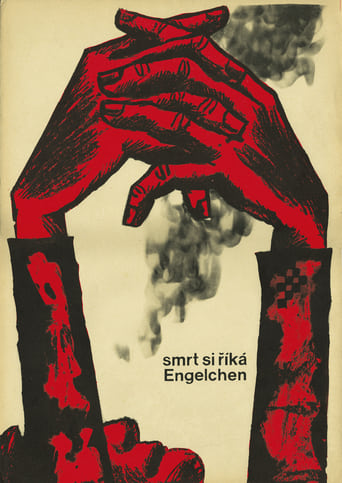
6.4Pavel is a Czech partisan fighter in the waning days of the war. Just as peace is declared, Pavel is shot in the spine and sent to the hospital emergency ward. As he fades in and out of consciousness, he recalls the events that led to his participation in the underground. Holding German occupation commander Engelchen responsible for all the horrors and deprivations heaped upon his comrades, Pavel is kept alive by the possibility of recovering and exacting vengeance upon the Nazi officer - no matter how long it takes.
Death Is Called Engelchen
1963
No synopsis available yet.
Tchýně
1969
No synopsis available yet.
Maryla
1969
The fate of little Oliver, from life among the coffins, through a stay with the thief Fagin, to his fatal participation in a theft, which fortunately turns out well for Oliver. But the short period of a beautiful life with the benefactor Brownlow ends with the boy being kidnapped back to the London underworld, where he is forced to participate in a new robbery. However, thanks to Oliver's gang of thieves, it fails and Brownlow takes charge of the boy's fate again...
Oliver Twist
1965
 6.5
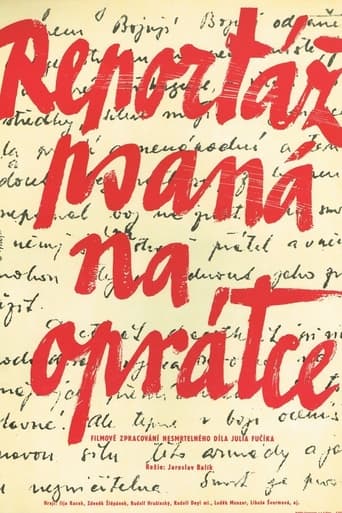
6.5Screen adaptation of Julius Fucik's story about communist fighters.
Reportáž psaná na oprátce
1962
 7.0
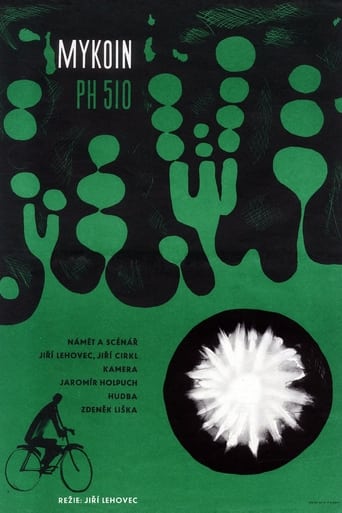
7.0An occupation drama about a group of Czech scientists who, in a remote factory, investigate how to produce the vital penicillin as easily as possible - but for a long time they have been unable to find the only right mould to use as a base.
Mykoin PH 510
1964
 4.8
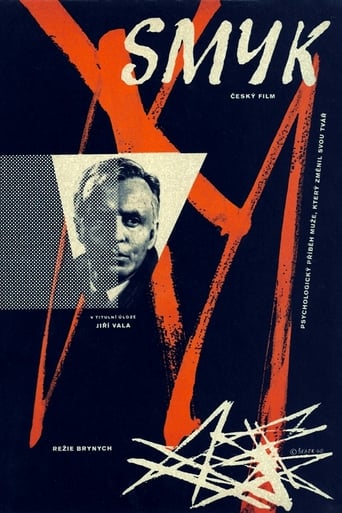
4.8Spy film about a man with a face lift who gets recruited by western organisations.
Skid
1960
 7.4
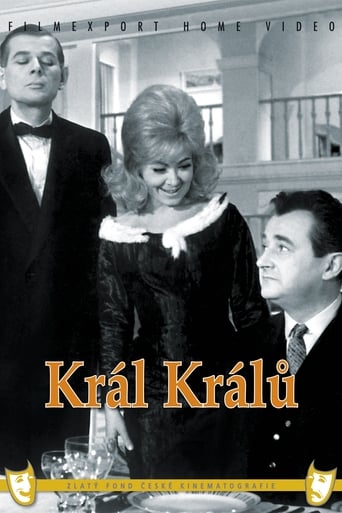
7.4During his work assignment in Tamani Kingdom, Czech worker Lojza saves a local man from dying in the desert. Two years later, it turns out the saved man was also the Taman king; and he has decided to name Lojza, a communist, his royal heir.
The King of Kings
1963
 5.0
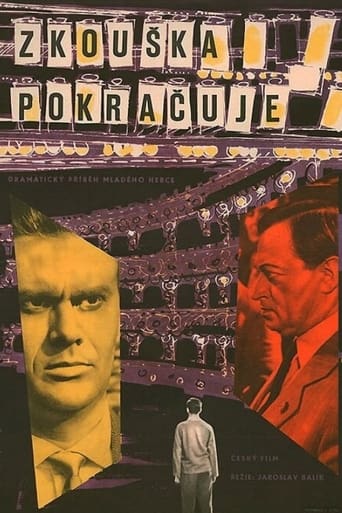
5.0As a young actor František Lukávec and his teacher Vladimir Tuma became enemies. František insisted that Tuma was dismissed from the school as a reactionary and hostile to the new government. Many years passed, and here they met again on the stage of a theater. František is assigned the role of Julius Fucik, Tuma plays the role of a Gestapo man in the same play. In the course of the action, the Gestapo man beats Fucik. Taking advantage of this opportunity, Tuma beats up his old enemy during the dress rehearsal. Frantisek's face is bleeding, but he will still play. The rehearsal continues...
Zkouška pokračuje
1960
1950s · 3 titles
 6.9
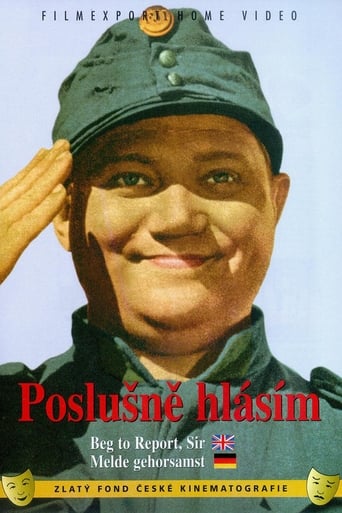
6.9A comedy based on the novel of Jaroslav Hašek's The Good Soldier Svejk happens during the World War I. I Dutifully Report: In the introduction to the second part of the film adaptation of Hašek's novel The Good Soldier Švějk presents his main character Josef Švejk. With the distinctive traditional Czech cartoon character of a soldier Svejk, this time you meet on the way to the front and eventually right in the firing line. You can look at his famous train events, and also probably the most famous episode of the novel, Švejk's Budějovice anabasis. Don't miss the scene with the secretly bought cognac, the episode with Svejk as a fake Russian prisoner of war, including the court scene, and the scene in which lieutenant Dub is caught in a brothel. Despite the criticism, Steklý's adaptation is undoubtedly the most famous and memorable at present.
I Dutifully Report
1958
 6.0
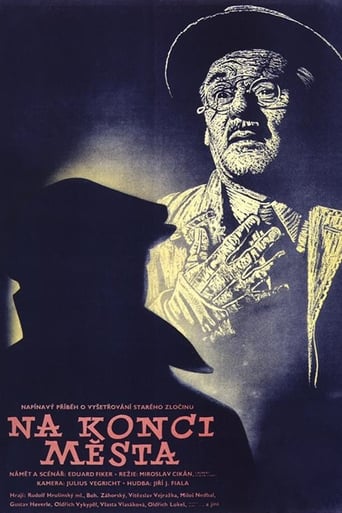
6.0Captain Jirák of the SNB is searching for the perpetrator of the murder of the former owner of an apartment building on the outskirts of town, which took place more than twenty years ago.
Na konci města
1955
 7.0
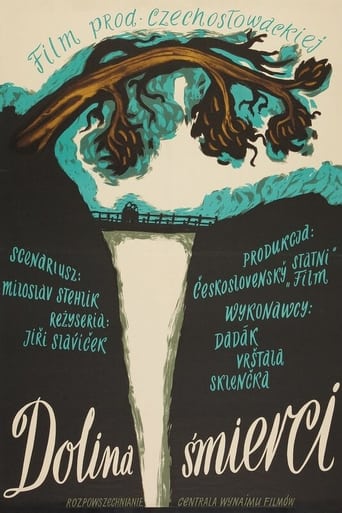
7.0A new owner of the estate, Konrád Ritter von Schiess, arrives in the Czech village of Sluky. On his orders, the inhabitants of the village are to be evicted and only 30 families are allowed to remain, who volunteer to work on the estate. However, the inhabitants refuse to work for the lords, and their solidarity only strengthens when one of them is murdered by the Gestapo based on a report by the estate manager Prokeš...
Mordová rokle
1952
Series credits
7.0No synopsis available yet.
Bakaláři
1972
8.6No synopsis available yet.
Dobrodružství kriminalistiky
1989
7.3Thirty Cases of Major Zeman is a Czechoslovak action-drama television show intended as a political propaganda to support the official attitude of the communist party. The series were filmed in the 1970s. Each episode encompasses one year, and investigations are stylized to that year. Most are inspired by real cases. The series follows the life of police investigator Jan Zeman during his career from 1945 to 1975.
Thirty Cases of Major Zema
1976
7.5Sanitka was a Czech television, drama series, first broadcast in 1984 and eleven episodes were made. It starred Jaromír Hanzlík, Tomáš Juricka and Zlata Adamovská among others.
Sanitka
1984
7.3No synopsis available yet.
Malý pitaval z velkého města
1983
8.0Series about the life of Renaissance anatomist, scholar and politic Johannes Jessenius. Already legendary series today, was produced by Czechoslovak Television Bratislava, directed by Slovak director Miroslav Luther in the first half of 80's in Barrandov Studios in Prague. The story and screenplay of the series wrote Czech writer Vladimír Körner. Five-episodes epic historical narration is a biographical story of distinguished Renaissance scholar, anatomist and politic of Slovak origin, Johannes Jessenius (Ján Jesenský, 1566–1621). It displays his life from the first studies and successes. In 1594 he became professor of surgery and anatomy on Wittenberg University, which he had attended years before. From that moment, his life went through social and personal wins and losses, to the sad end on the Prague Old Town Square gallows, among 27 noblemen, knights and burgenses, after lose Bohemian Revolt in 1621. His destiny was coupled with key events of Czech history in the break of 16th and 17th century, when Renaissance and European humanism slowly fade out.
The Physician of a Dying Time
1984
 7.0
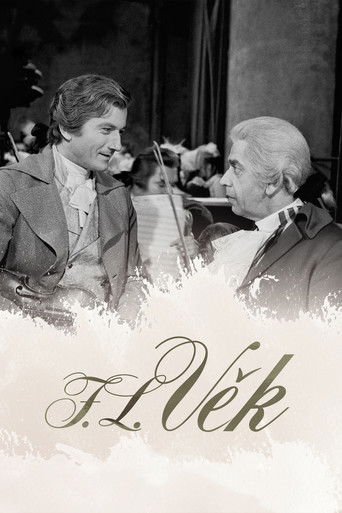
7.0No synopsis available yet.
F. L. Věk
1971
 7.8
7.8No synopsis available yet.
A Prague Underworld
1988
 NR
NRInženýrská odysea is a Czechoslovak/Czech TV series about three young students and their lives.
Inženýrská odysea
1980
 NR
NRMuž na radnici was a Czechoslovak television program which was broadcast in 1976. The program was directed by Evžen Sokolovský. In 2011, it was announced that the program, along with 17 others, would be released on DVD within three years.
Muž na radnici
1976
 7.8
7.8Sňatky z rozumu was a Czechoslovak television programme which was first broadcast in 1968. The programme was directed by František Filip.
Sňatky z rozumu
1968
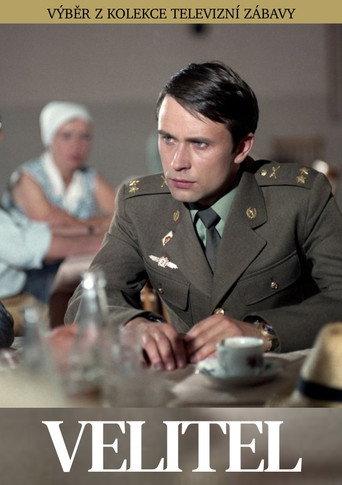 NR
NRNo synopsis available yet.
Velitel
1981
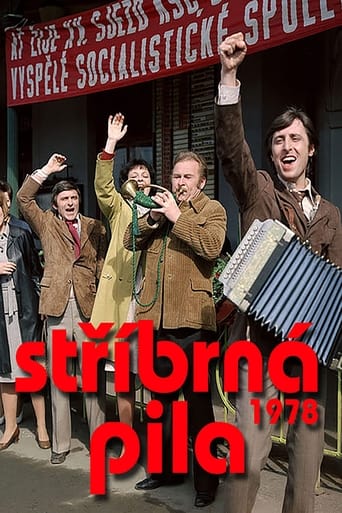 10.0
10.0No synopsis available yet.
Stříbrná pila
1978
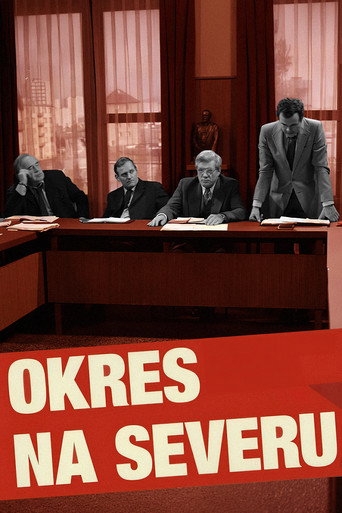 8.0
8.0Okres na severu is a Czechoslovak/Czech TV series filmed by Evžen Sokolovský in 1981.
Okres na severu
1981
No synopsis available yet.
Zákony pohybu
1979
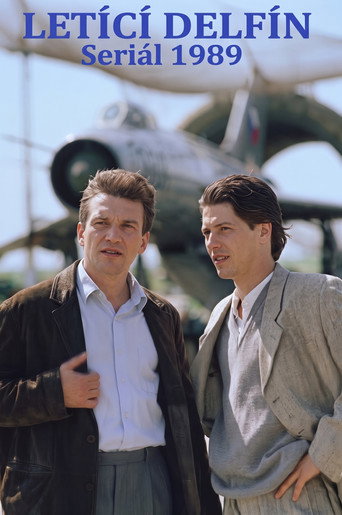 NR
NRNo synopsis available yet.
Letící delfín
2013
 5.2
5.2No synopsis available yet.
Ve znamení Merkura
1979
 6.2
6.2No synopsis available yet.
Bambinot
1984
 8.5
8.5No synopsis available yet.
Dobrá Voda
1983
No synopsis available yet.
Obraz
1984
No synopsis available yet.
Ubohý pan Kufalt
1981
 8.0
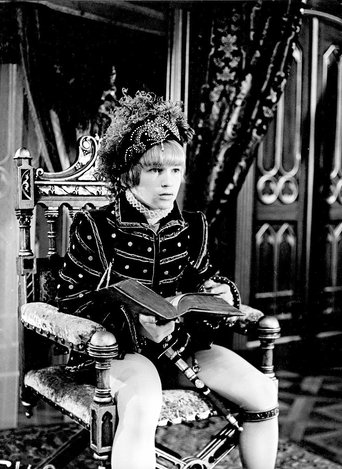
8.0A prince meets a young man to whom he bears a striking resemblance. The two exchange places and learn to be better people in the process.
Princ a chuďas
1971
 NR
NRNo synopsis available yet.
Tři cesty k domovu
1983
No synopsis available yet.
Čas polomů a štěpů
1978
 NR
NRNo synopsis available yet.
Studentská balada
1987
No synopsis available yet.
Cesta za hvězdným prachem
1987
No synopsis available yet.
Pomalé šípy
1993
Amy Dorrit spends her days earning money for the family and looking after her proud father who is a long term inmate of Marshalsea debtors' prison in London. Amy and her family's world is transformed when her employer's son, Arthur Clennam, returns from overseas to solve his family's mysterious legacy and discovers that their lives are interlinked.
Little Dorrit
1967