
Acting
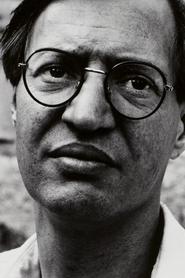
Philippe Clévenot
Born — Died
1942-09-10 — 2001-10-18
Place of birth
Paris, France
Known for
Acting
Credits
38 titles
Philippe Clévenot ranks among the greatest actors of a generation who, in the 1960s and 1970s, embarked on the adventure of collective creations and sought to reach a new, popular audience, following in the footsteps of Jean Vilar or Ariane Mnouchkine. From 1962 to 1965, he studied at the Centre dramatique de l’Est, then directed by Hubert Gignoux, Paul Lefèvre, and Claude Petitpierre. At the same time, he continued studying the organ, harpsichord, and piano. After two years of military service (1965–1967), during which he learned German, he joined the Maison de la Culture in Bourges, directed by Gabriel Monnet. In 1971, he took part in the early days of the Théâtre de l’Espérance with Jean…
Known for
 6.8
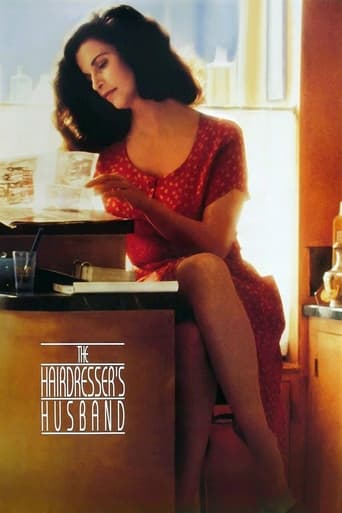
6.8Antoine has always been fascinated by a hairdresser's delicate touch, the beguiling perfume, and the enticing figure of a woman with an opulent bosom. After all, he had always known he would marry one, completing his idealized love fantasy.
The Hairdresser's Husband
1990
 6.8
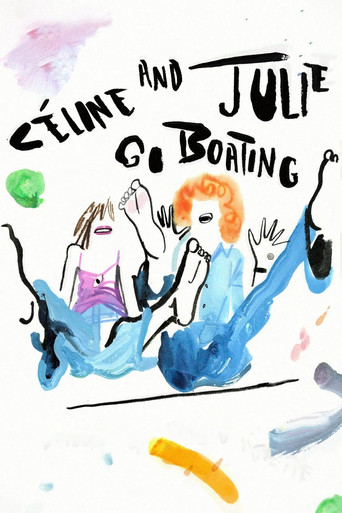
6.8Julie, a daydreaming librarian, meets Céline, an enigmatic magician, and together they become the heroines of a time-warping adventure involving a haunted house, psychotropic candy, and a murder-mystery melodrama.
Céline and Julie Go Boating
1974
 6.2
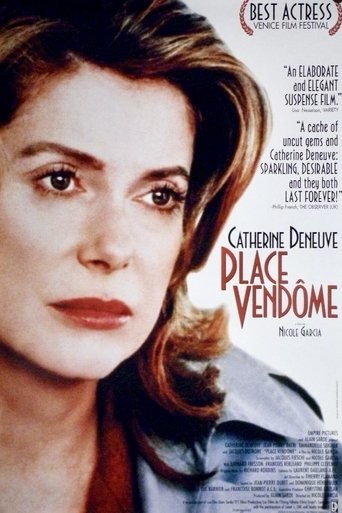
6.2The story of a woman that remained distracted for a long time from her life, from the passions that made her feel alive. The importance of true love is compared with the material value of diamonds. Only one truly lasts forever. She's got to find the thing that values most for her, the thing that gives psychical stability and real happiness again to her life.
Place Vendôme
1998
 6.2
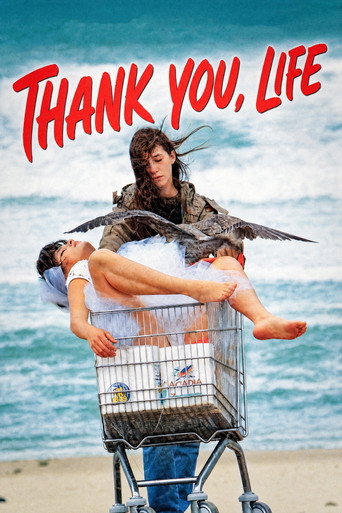
6.2Camille, a naïve schoolgirl, meets an intriguing influence in Joelle, a slightly older and much more experienced spirit. Camille follows her new friend through the discovery of sex and the darker side of life. As the film progresses, Camille discovers AIDS and the fear that she may have picked up the disease in her early encounters.
Thank You, Life
1991
 6.8
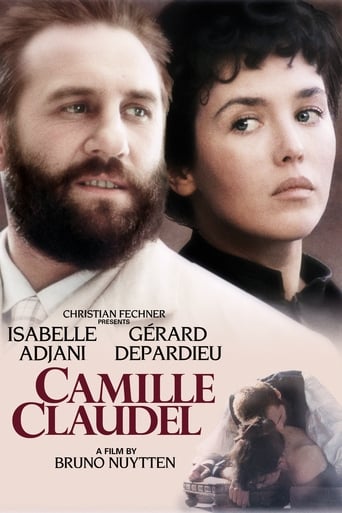
6.8The life of Camille Claudel, a French sculptor who becomes the apprentice of Auguste Rodin and later his lover. Her passion for her art and Rodin drive her further away from reason and rationality.
Camille Claudel
1988
 5.7
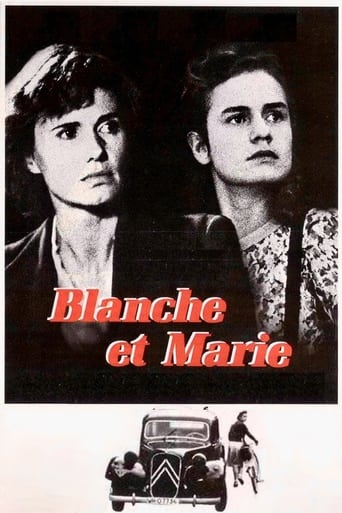
5.7A little town in the north of France, 1941. Blanche has three children. She worries about her husband Victor, who often goes out at night. Actually, Victor belongs to the Resistance. Soon, Blanche will be a resistant too. In the network, there is also Germinal, the hairdresser. His daughter Marie knows everything and asks to be part of it... Chronicle of the occupation and of the resistance through the eyes of the women.
Blanche and Marie
1985
Film credits
1990s · 12 titles
6.8Antoine has always been fascinated by a hairdresser's delicate touch, the beguiling perfume, and the enticing figure of a woman with an opulent bosom. After all, he had always known he would marry one, completing his idealized love fantasy.
The Hairdresser's Husband
1990
6.2The story of a woman that remained distracted for a long time from her life, from the passions that made her feel alive. The importance of true love is compared with the material value of diamonds. Only one truly lasts forever. She's got to find the thing that values most for her, the thing that gives psychical stability and real happiness again to her life.
Place Vendôme
1998
6.2Camille, a naïve schoolgirl, meets an intriguing influence in Joelle, a slightly older and much more experienced spirit. Camille follows her new friend through the discovery of sex and the darker side of life. As the film progresses, Camille discovers AIDS and the fear that she may have picked up the disease in her early encounters.
Thank You, Life
1991
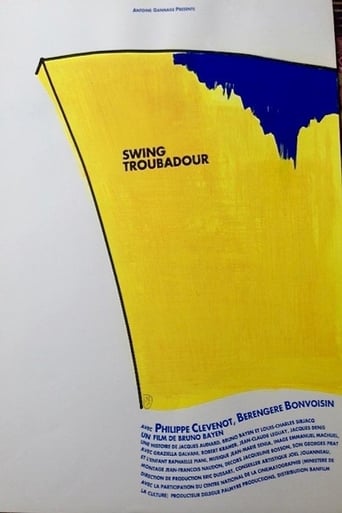 7.0
7.0In Brazzaville, in 1944, Alex Emmerich was sentenced to wander the seas by Hélène Latray, the wife of Félix Beauvois, the man Alex loved. In 1962, exiled on Hatray cruises and feeling the coming death, Alex decides to compose for his love a testament: the photographic report of his agony.
Swing troubadour
1991
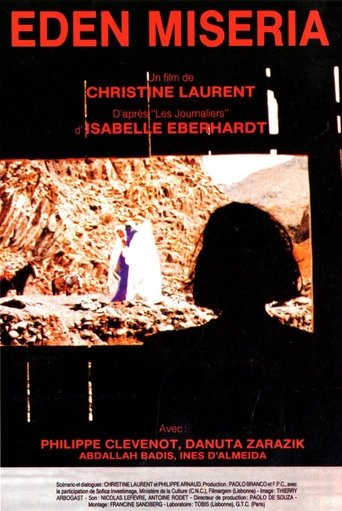 7.0
7.0Danuta Zarasik plays Isabelle Eberhardt in this biographical drama. At the turn of the 20th century, Isabelle fell in love with the African desert, donning men's clothing to travel and record her adventures in writing while her Moslem husband patiently waited at home. This visually stunning feature shows the overwhelming majesty and beauty of the forces of nature. Director Christine Laurent relies upon her expertise as a painter and designer to bring an added dimension of artistic beauty to the film.
Eden miseria
1990
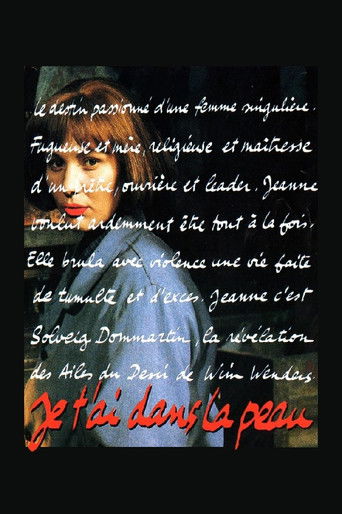 3.0
3.0Jeanne is a woman who is driven by her very active conscience. She attempts to assuage her idealistic bent by trying out life as a nun, but this doesn't work out. After she leaves the convent, she takes a job at a factory, where the callousness of management spurs her to become a labor activist. Her efforts are marked by great persistence and fervor, but she lacks any kind of diplomacy or persuasiveness, and as the years progress, she manages to alienate everyone in her life. By the end of the film, there is only one way that she can see to resolve the horrible situation she finds herself in.
I Have You Under My Skin
1990
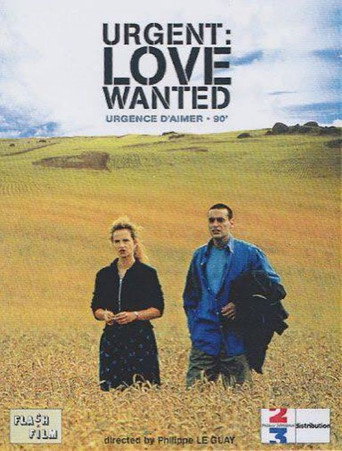 4.4
4.4Joëlle, a simple and energetic young woman, works as a hairdresser for Mrs. Delbarre. When Professor Thibaud, a great bone specialist, asks her to donate her bone marrow for a transplant, on the condition that she does not seek to know the recipient, she accepts without hesitation. But the temptation is too strong and she investigates in order to discover the person who benefited from her generous gesture. It is a handsome young man with whom she immediately falls in love.
Urgence d'aimer
1993
 7.0
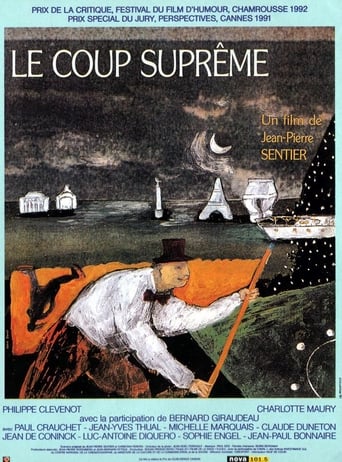
7.0Emile Michel, Lapland, orphan, is obliged to bring back within the tribe the ancestral totem: a gold plumb line "borrowed" formerly by his grandfather Raymond Michel. His quest will take him aboard a floating boat that crosses Baffin Bay in the icy waters of Greenland.
Just a Game
1992
 6.0
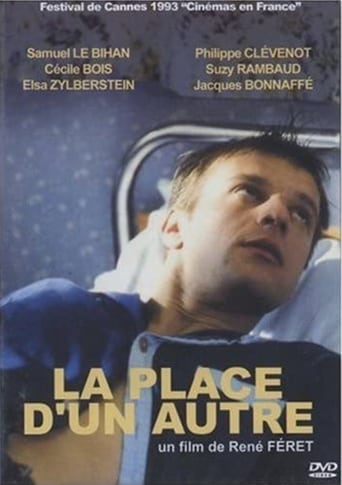
6.0Thomas is an up-and-coming actor. His proud and loving father is watching him in a Shakespeare performance. Not long afterwards, his father dies, Thomas accidentally kills a bicyclist with his car, his girlfriend leaves him, and he develops a disorder of the inner ear. As a consequence of these and other misfortunes, he becomes depressed, attempts suicide, and has a psychotic break which lands him in a mental hospital.
The Place of Another
1993
A group of near-naked women dance and leap about on a beach.
The Bathymetric Muses
1990
 8.0
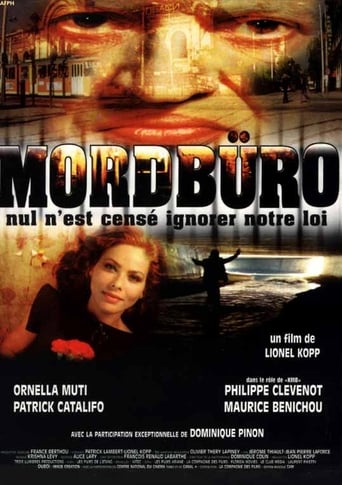
8.0The neologistic title of this film translates as "Death Bureau," a secret vigilante organization used by ordinary working folk to rid the city of criminals through secret executions. Woodworker Leo Stoychev goes to the organization for help because his boss Branco won't repay a loan and may have had something to do with the accident that crippled Leo. The Mordbüro is responsible for the death of a crooked lawyer, and Inspector Raoul becomes suspicious.
Mordbüro
1997
When Professor Thibaud, a great bone specialist, asks Joëlle, a simple young girl, to donate her bone marrow in view of a transplant, she agrees without hesitation. Despite the pain and the risks, she only thinks of saving a human life. Just one condition is imposed : the giver is not allowed to meet the transplanted in any case. However it is more than she can take, so Joëlle sifts through the medical network until she meets Arnaud. The more she advances, the more she becomes attached to her transplanted, to the point where she believes that her marrow influences his dreams and desires. Ambiguity will reign throughout this love comedy.
Rhesus-Romeo
1992
1980s · 15 titles
6.8The life of Camille Claudel, a French sculptor who becomes the apprentice of Auguste Rodin and later his lover. Her passion for her art and Rodin drive her further away from reason and rationality.
Camille Claudel
1988
5.7A little town in the north of France, 1941. Blanche has three children. She worries about her husband Victor, who often goes out at night. Actually, Victor belongs to the Resistance. Soon, Blanche will be a resistant too. In the network, there is also Germinal, the hairdresser. His daughter Marie knows everything and asks to be part of it... Chronicle of the occupation and of the resistance through the eyes of the women.
Blanche and Marie
1985
 6.0
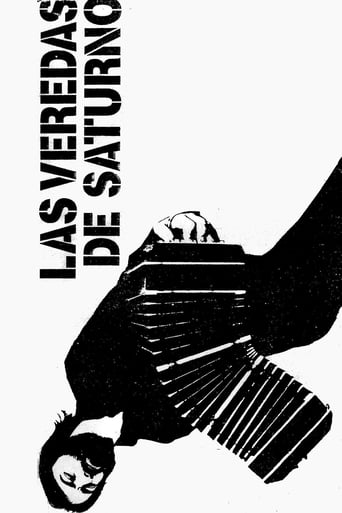
6.0Hugo Santiago and writers Juan José Saer and Jorge Semprún move back and forth between Paris and the city of Aquilea in a shadowy fable about exile. The frontier between one city and the other begins to blur after Bandoneonist Rodolfo Mederos is visited by his sister, a member of a guerrilla organization.
The Sidewalks of Saturn
1986
 5.1
5.1A prostitute, released from prison, tries to change her life, but a murderous slave organization, the Consortium, is determined to bring her back to the fold or kill her, which forces her to seek help from Liberty, an anti-Consortium group.
Diesel
1985
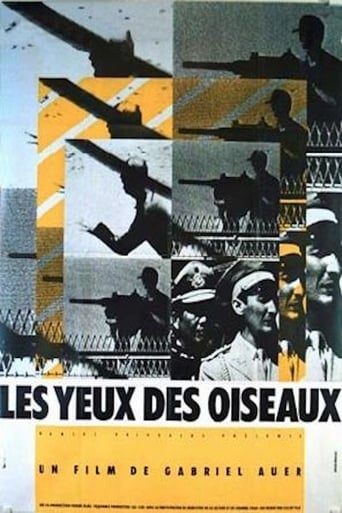 9.0
9.0A Red Cross inspection team visits a prison and holds interviews with a range of inmates.
The Eyes of the Birds
1983
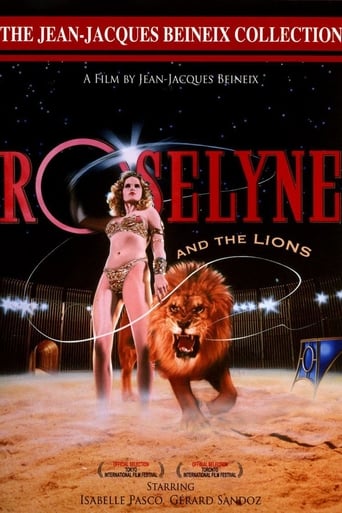 5.5
5.5Thierry drops out of school to apprentice as a lion tamer at the zoo where he meets Roselyne, who shares his passion. They fall in love and when he loses his job, the young lovers journey across France finding odd jobs at several circuses. In Germany, they fall under the tutelage of ageing big cat trainer, Klint, and while they are closer to realising their dreams, they find that their success drivers them part.
Roselyne and the Lions
1988
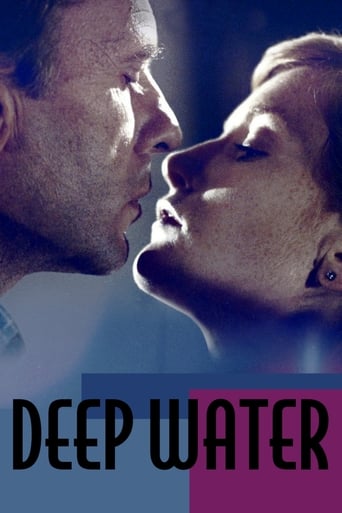 6.1
6.1On the island of Jersey, off the French coast, Mélanie, a beautiful woman gifted with a captivating personality, enjoys having unimportant love affairs that her husband Victor, a perfumer older than her, seems to endure with total indifference.
Deep Water
1981
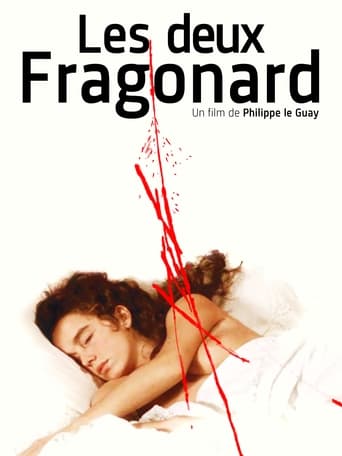 4.8
4.8The name of painter Jean-Honore Fragonard (1732-1806) is synonymous for a kind of painting style which celebrates carefree romantic life, indoors and out. He was a painter during the final decades of the French monarchy. In this story, he and his brother Cyprien (Robin Renucci), who is an early pioneer in medical anatomy (he dissected corpses and made drawings of what he found in them), have fallen in love with the same woman, Marianne (Philippine Leroy-Beaulieu), a laundress. This attraction has not escaped the notice of Salmon d'Anglas (Sami Frey), a conniving nobleman, who has his heart set on getting revenge on Jean-Honore (Joachim de Almeida) for refusing his patronage and becoming the darling of the French court.
Les Deux Fragonard
1989
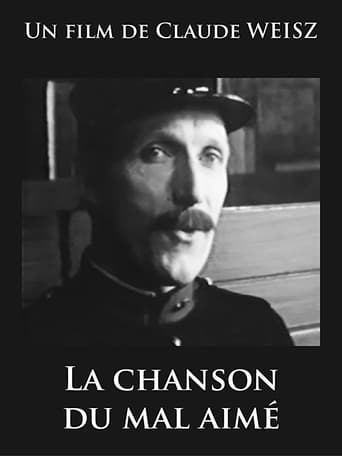 6.2
6.2Biography of the life of Guillaume Apollinaire.
La Chanson du mal-aimé
1982
 8.0
8.0A historical television film directed by Jean‑Dominique de La Rochefoucauld, Richelieu, or The Day of the Dupes recounts the political tensions that came to a head in November 1630, when Marie de’ Medici attempted to remove Cardinal Richelieu from power. Blending court intrigue, the king’s illness, and decisive reversals, the film portrays the struggle for influence that ultimately cemented Louis XIII’s trust in his minister. Led by Didier Sandre, Patrick Raynal, and Dominique Blanchar, the telefilm offers a meticulous reconstruction of the events that shaped the kingdom’s balance of power.
Richelieu ou La journée des dupes
1983
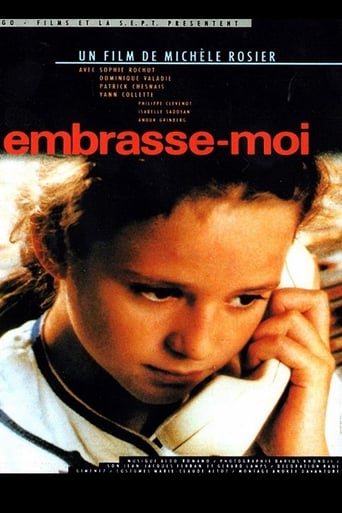 5.0
5.0The life of a twelve-year-old living with her mother is disrupted by the arrival of a very young man at home. While her feelings become confused and the dramas burst, the girl will try to find in his entourage someone able to listen and understand it, before the worst happens.
Kiss Me
1989
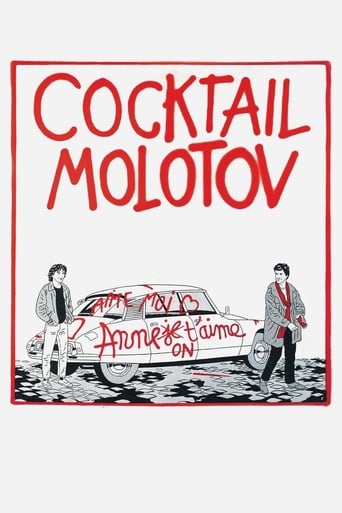 6.0
6.0"Cocktail Molotov" is the story of the adventures of this threesome, who reach Venice only to learn of the outbreak of the May 1968 disturbances at home. Once again, Anne, Frederic and Bruno realize that the important things of their time are happening somewhere where they are not. Swindled out of their car and virtually broke, they hitchhike back to Paris, hoping to arrive in time for some of the excitement.
Cocktail Molotov
1980
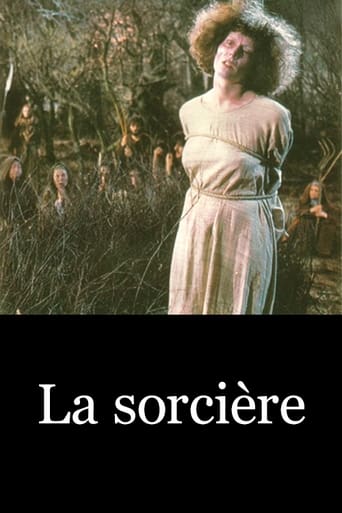 3.7
3.7An adaptation of La Sorcière from Jules Michelet
The Sorceress
1982
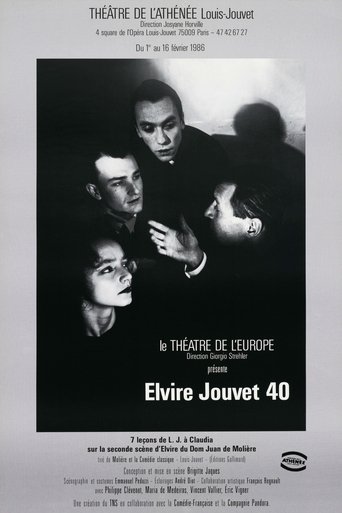 8.7
8.7Between February and September 1940, Louis Jouvet worked with Claudia, ascending to the National Superior Conservatory of Dramatic Art in Paris, the second scene of Elvire by Don Juan de Molière. These theater lessons, re-transcribed in the smallest details, are the opportunity to watch the comedian learn. This one tries to undo what it calls “the covert me who possesses it” and the channel to invest all its role, to play without artifice. In 1986, Brigite Jaques-Wajeman excelled in this course to put on an internationally successful show
Elvire Jouvet 40
1987
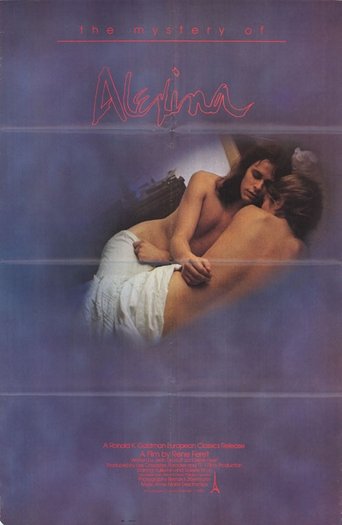 4.5
4.5In 1856, fresh from life with nuns in an orphanage school, Alexina Barbin comes to a coastal village in La Rochelle to teach the village girls. She is deeply religious. She shares the classroom and a bedroom with the young and vivacious Sara, with whom she falls in love. Alexina has another secret: her gender is mysterious. She and Sara begin a scandalous love affair, but Alexina seeks marriage and social acceptance. She discloses her secrets to the village priest, to her mother, to the bishop, and to the bishop's physician. After the church and court rule on her petition, marriage to Sara becomes Alexina's sole purpose and hope.
The Mystery of Alexina
1985
1970s · 10 titles
6.8Julie, a daydreaming librarian, meets Céline, an enigmatic magician, and together they become the heroines of a time-warping adventure involving a haunted house, psychotropic candy, and a murder-mystery melodrama.
Céline and Julie Go Boating
1974
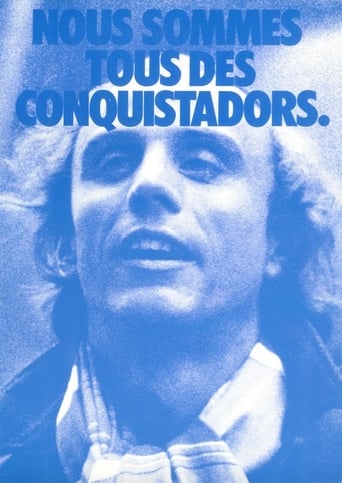 10.0
10.0A young couple: Victor is a musician, Claire is a secretary in a publishing house. Their daily life seems so disappointing, so monotonous, that they begin to spend their time daydreaming, both creating their own imaginary world. At the office, she writes the story of an heroine's imaginary life. He collects material to compose an opera which glorifies the conquistadors.
The Conquistadores
1976
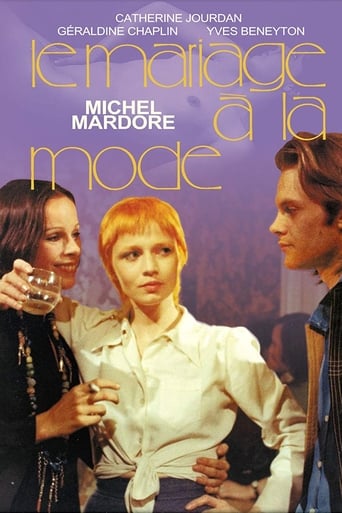 6.3
6.3The main character is a woman trapped in the long stifling marriage in a boring province. She has an affair with a traveling photographer, follows him to Paris, and then has a series of unsatisfactory but interesting relationships, one of which is with a woman.
Marriage a la Mode
1973
 5.8
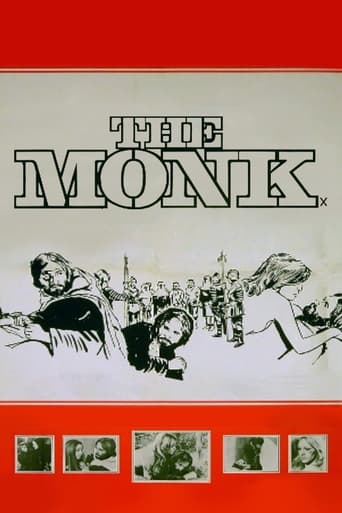
5.8Ambrosio is a monk who is sexually tempted by an emissary of the Devil, a young girl in monk's robes. After he has committed numerous crimes, it appears that he will be caught and punished by the Inquisition. Instead, he signs up on the Devil's team and wins his freedom.. and eventually, the papacy.
The Monk
1972
 6.5
6.5Aboard a giant slave ship in an abandoned Citroën factory, the history of the West Indies is traced through several centuries of French oppression. The ship becomes a stage for the people to tell stories via song and dance—from their enslavement to their displacement in Metropolitan France.
West Indies: The Fugitive Slaves of Liberty
1979
 4.4
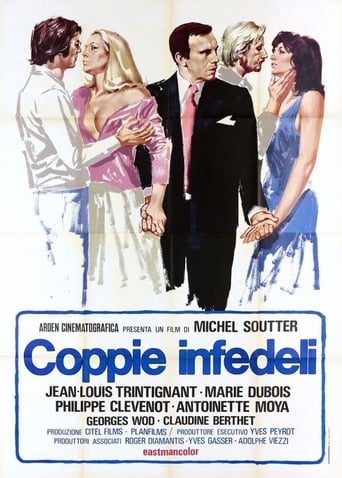
4.4No synopsis available yet.
Escapade
1974
 6.2
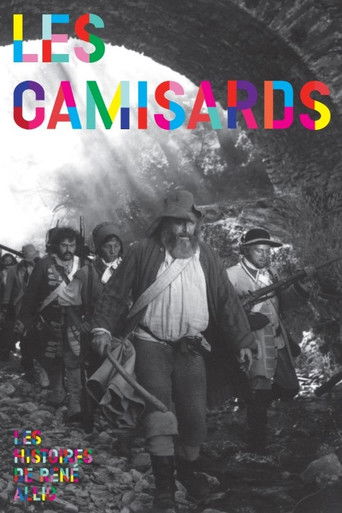
6.2A few years after the revocation of theEdict of Nantes, the Camisards, Protestants from the Cévennes region, mostly peasants and silk workers, formed groups following Gédéon Laporte and fought Louis XIV's dragoons.
The French Calvinists
1972
 4.3
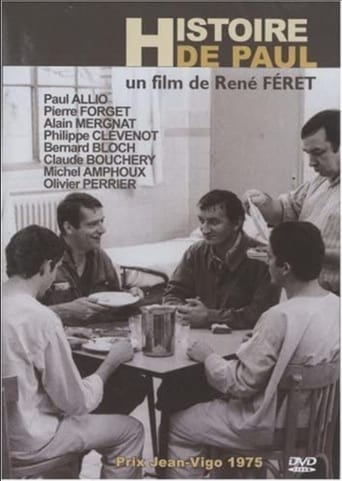
4.3A young man is checked into a mental hospital for unexplained reasons.
The Story of Paul
1975
 4.4
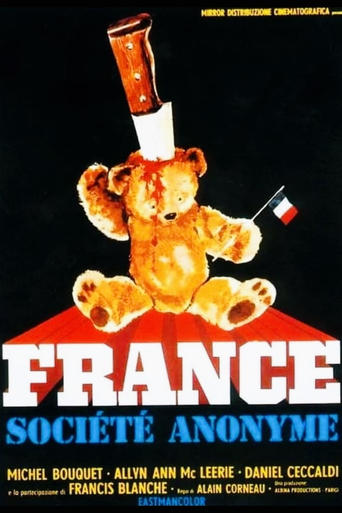
4.4In the year 2222, a former drug dealer is kept in a state of hibernation. Reanimated, he tells his story. Leader in the narcotics market, his situation was prosperous until, during a political change, the government legalized its use.
France, Incorporated
1974
Taken during the filming of "West Indies," this film shows the making of the monumental set in the middle of the former Citroën factory, as well as backstage activity and rehearsals on the set.
The Making of West Indies
1979