

Acting
Luiza Maranhão
Born
1940-09-20 (86)
Place of birth
Porto Alegre, Rio Grande do Sul, Brazil
Known for
Acting
Credits
13 titles
Luíza Maranhão (Porto Alegre, September 20, 1940) is a Brazilian actress.
Known for
 8.0
8.0No synopsis available yet.
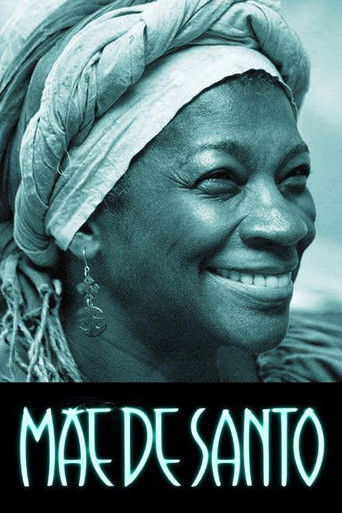
Mãe de Santo
1990
No synopsis available yet.
Escrava Anastácia
1990
 NR
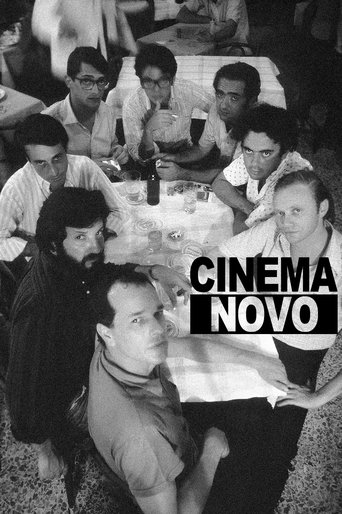
NRThe new Brazilian cinematic movement (Cinema Novo) through films starring actors Antonio Pitanga and Luiza Maranhão.
Colagem
1967
 6.3
6.3Chronicles the life of a 17 year-old girl living in the upper-class Rio de Janeiro neighbourhood of Ipanema. Márcia lives a life of parties and spend her days among bohemians, musicians and intellectuals. While seeming happy in the outside, she's extremely anguished inside. Based on the famous song by Antonio Carlos Jobim and Vinicius de Moraes.
The Girl from Ipanema
1967
 8.0
8.0Based on true events in Rio de Janeiro, in 1960, when a gang having the infamous outlaw Tião Medonho as a leader performed a sensational railroad hold-up on a train carrying a small fortune.
Assault on the Pay Train
1962
 7.5
7.5Originally produced for German TV, Improvised and Purposeful is a firsthand look at the "Cinema Novo" movement (otherwise known as the 'Brazilian New Wave'). Director Joaquim Pedro de Andrade focuses on six Cinema Novo filmmakers working in Rio in 1967.
Improvised and Purposeful: Cinema Novo
1967
Film credits

1960s · 8 titles
NRThe new Brazilian cinematic movement (Cinema Novo) through films starring actors Antonio Pitanga and Luiza Maranhão.
Colagem
1967
6.3Chronicles the life of a 17 year-old girl living in the upper-class Rio de Janeiro neighbourhood of Ipanema. Márcia lives a life of parties and spend her days among bohemians, musicians and intellectuals. While seeming happy in the outside, she's extremely anguished inside. Based on the famous song by Antonio Carlos Jobim and Vinicius de Moraes.
The Girl from Ipanema
1967
8.0Based on true events in Rio de Janeiro, in 1960, when a gang having the infamous outlaw Tião Medonho as a leader performed a sensational railroad hold-up on a train carrying a small fortune.
Assault on the Pay Train
1962
7.5Originally produced for German TV, Improvised and Purposeful is a firsthand look at the "Cinema Novo" movement (otherwise known as the 'Brazilian New Wave'). Director Joaquim Pedro de Andrade focuses on six Cinema Novo filmmakers working in Rio in 1967.
Improvised and Purposeful: Cinema Novo
1967
 6.6
6.6The life of a runaway slave who founded the Quilombo dos Palmares, an outlaw community of Brazilian slaves.
Ganga Zumba
1963
 6.4
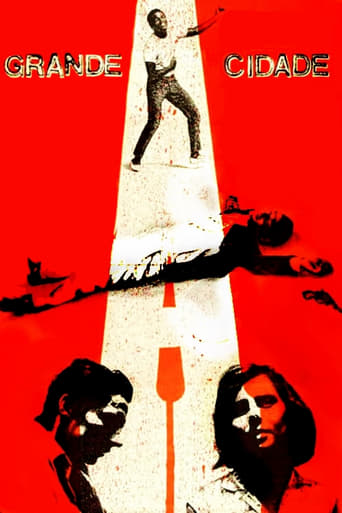
6.4In search of a better life, Luzia leaves the Northeast of Brazil and goes to Rio de Janeiro, looking for her fiance who went first to pave their way. Alone in the Marvelous City, she is forced to accept the friendship and protection of Calunga and, later, the company of Inácio.
The Big City
1966
 6.9
6.9In Bahia, an educated black man returns to his home fishing village to try and free people from mysticism, in particular the Candomblé religion, which he considers a factor of political and social oppression, with tragic outcome.
The Turning Wind
1962
 8.4
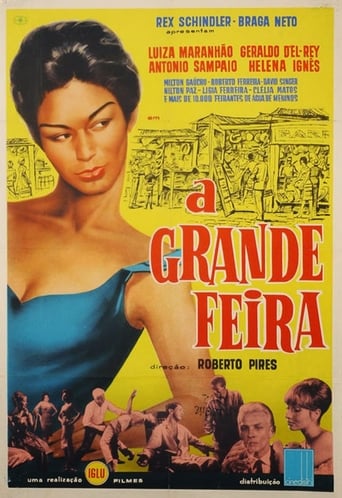
8.4The naive sailor Ron arrives in Bahia to visit the famous Água dos Meninos street market. There, however, he is passed behind by the prostitute Maria, lover of the bandit Chico Diabo, who stabs him. He, however, can't forget her.
A Grande Feira
1961