
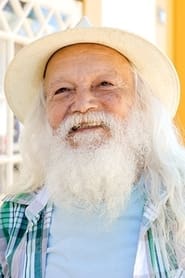
Acting
Luiz Paulino dos Santos
Born — Died
1932-03-19 — 2017-05-02
Place of birth
Bahia, Brazil
Known for
Acting
Credits
21 titles
Luiz Paulino dos Santos (1932-2017) was a Brazilian screenwriter, producer, director of photography, filmmaker, and occasional actor. Born in the state of Bahia, Paulino dos Santos was already involved with local filmmaking by the late 1950s being the cinematographer for Glauber Rocha's 1959 short "O Pátio". In 1961, he got signed up with Rex Schindler's production company Rex Filmes to write and direct a feature-length film,"Barravento". Shortly after shooting had started, however, he left the project and was replaced by Glauber Rocha, who also rewrote parts of the script, with dos Santos being credited as co-screenwriter. In the same year, he was also in Nelson Pereira dos Santos' entour…
Known for
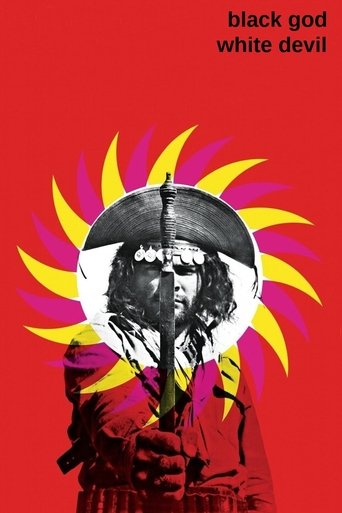 7.1
7.1Wanted for killing his boss, Manuel flees with his wife Rosa to the sertão, the barren landscape of Northern Brazil. Thrust into a primordial violent region, Manuel and Rosa come under the influence and control of a series of frightening figures.
Black God, White Devil
1964
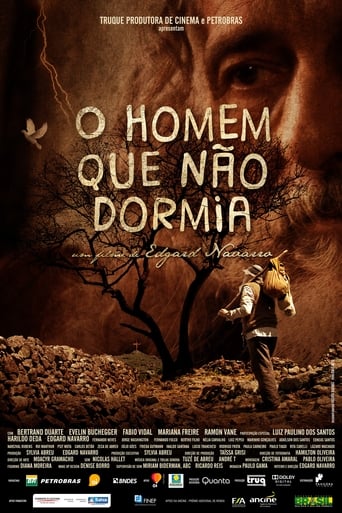 2.0
2.0On a same night, five people from a small country town have the same nightmare. Upon the arrival of a pilgrim, the village is taken off its mediocre routine and the characters are thrown on the vortex of an uncommon situation. Each one’s truth will come to light, releasing them of the wicked hypocrisies, fears and diseases, compelling them to take control of their fate and rewrite their life.
The Man Who Couldn't Sleep
2012
 9.0
9.0A three-episode anthology film based on short stories by Brazilian writer Graciliano Ramos.
Insônia
1982
 NR
NR30 years ago, director Luiz Paulino dos Santos made a poetical register of the Zoró indians. He comes back to show it to them and finds a whole different tribe.
Indios Zoró - Antes, Agora e Depois?
2016
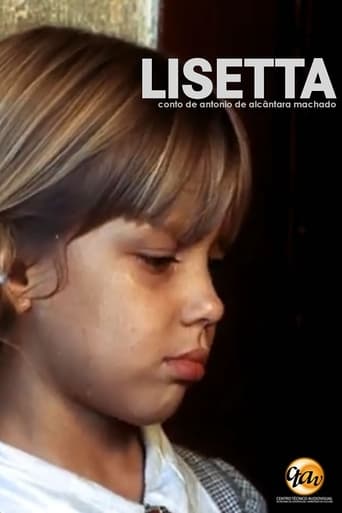 NR
NRNo synopsis available yet.
Lisetta - Conto de Antonio de Alcântara Machado
1974
 NR
NRNo synopsis available yet.
Seu Paulino
2017
Film credits
2010s · 4 titles
2.0On a same night, five people from a small country town have the same nightmare. Upon the arrival of a pilgrim, the village is taken off its mediocre routine and the characters are thrown on the vortex of an uncommon situation. Each one’s truth will come to light, releasing them of the wicked hypocrisies, fears and diseases, compelling them to take control of their fate and rewrite their life.
The Man Who Couldn't Sleep
2012
NRNo synopsis available yet.
Seu Paulino
2017
No synopsis available yet.
Sinais de Cinza, A Peleja de Olney Contra o Dragão da Maldade
2013
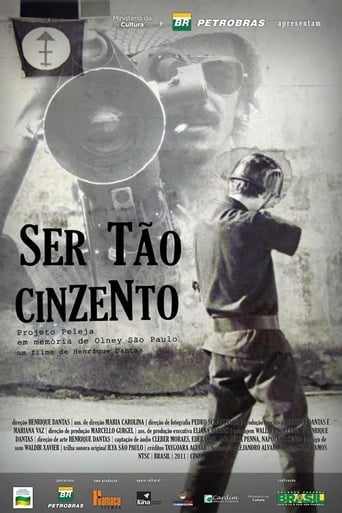 NR
NRNo synopsis available yet.
Ser Tão Cinzento
2011
2000s · 1 titles
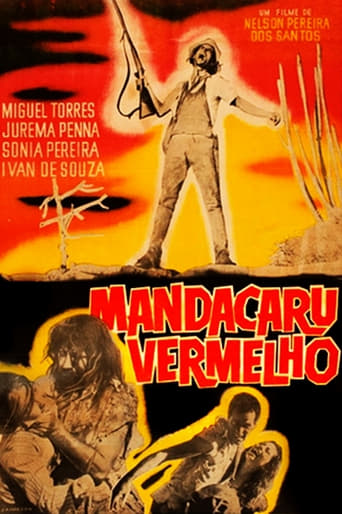
Behind the camera
7.1Wanted for killing his boss, Manuel flees with his wife Rosa to the sertão, the barren landscape of Northern Brazil. Thrust into a primordial violent region, Manuel and Rosa come under the influence and control of a series of frightening figures.
Black God, White Devil
1964
9.0A three-episode anthology film based on short stories by Brazilian writer Graciliano Ramos.
Insônia
1982
9.0A three-episode anthology film based on short stories by Brazilian writer Graciliano Ramos.
Insônia
1982
NR30 years ago, director Luiz Paulino dos Santos made a poetical register of the Zoró indians. He comes back to show it to them and finds a whole different tribe.
Indios Zoró - Antes, Agora e Depois?
2016
NRNo synopsis available yet.
Lisetta - Conto de Antonio de Alcântara Machado
1974
No synopsis available yet.
Ikátena
1983
 6.9
6.9In Bahia, an educated black man returns to his home fishing village to try and free people from mysticism, in particular the Candomblé religion, which he considers a factor of political and social oppression, with tragic outcome.
The Turning Wind
1962
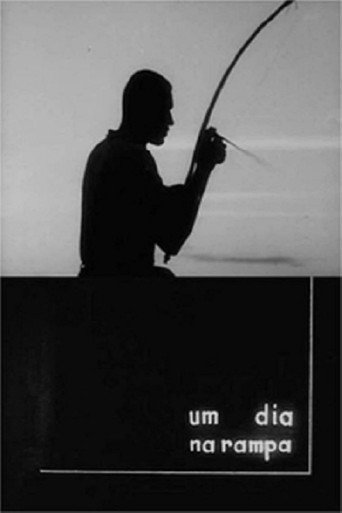 NR
NRUm Dia na Rampa (1960), by Luiz Paulino dos Santos, focuses on a geographic space in the city of Salvador and tries to explain it from the social relations existing in it.
A Day on the Ramp
1960
NRUm Dia na Rampa (1960), by Luiz Paulino dos Santos, focuses on a geographic space in the city of Salvador and tries to explain it from the social relations existing in it.
A Day on the Ramp
1960
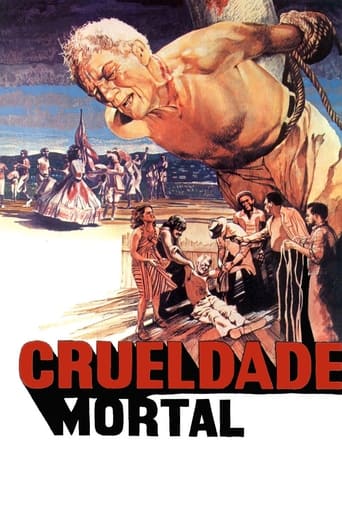 6.0
6.0Man leaves his family behind and moves to Nova Iguaçu, a poor and violent city in the outskirts of Rio de Janeiro. He tries to rebuild his life, but falls in love with a woman who despises him, which drives him mad.
Deadly Cruelty
1976
6.0Man leaves his family behind and moves to Nova Iguaçu, a poor and violent city in the outskirts of Rio de Janeiro. He tries to rebuild his life, but falls in love with a woman who despises him, which drives him mad.
Deadly Cruelty
1976
6.0Man leaves his family behind and moves to Nova Iguaçu, a poor and violent city in the outskirts of Rio de Janeiro. He tries to rebuild his life, but falls in love with a woman who despises him, which drives him mad.
Deadly Cruelty
1976
Helena, married to decorator Bruno, is a woman dissatisfied with the futility of social life. She rekindles her relationship with her former boyfriend, Clóvis, and discovers how difficult the struggle for happiness is by seeing the example of the less fortunate. After saving herself from the rough seas on the beach, Helena finds herself possessed by a mystical fear. On New Year's Eve, while the people celebrate Iemanjá, Helena and Bruno throw a lavish party. Their employee, Luiz, is arrested as a suspect in the death of a woman found on the beach. Having a disagreement with her husband, Helena leaves the party and throws herself into the sea. She is saved by Umbanda followers and welcomed by Bruno, who tries in vain to comfort her.
Mar Corrente
1967
Helena, married to decorator Bruno, is a woman dissatisfied with the futility of social life. She rekindles her relationship with her former boyfriend, Clóvis, and discovers how difficult the struggle for happiness is by seeing the example of the less fortunate. After saving herself from the rough seas on the beach, Helena finds herself possessed by a mystical fear. On New Year's Eve, while the people celebrate Iemanjá, Helena and Bruno throw a lavish party. Their employee, Luiz, is arrested as a suspect in the death of a woman found on the beach. Having a disagreement with her husband, Helena leaves the party and throws herself into the sea. She is saved by Umbanda followers and welcomed by Bruno, who tries in vain to comfort her.
Mar Corrente
1967
 6.8
6.8A man and a woman are laying on a chess-like patio. Both are trying to reach each other in the best way they can. However, for some odd reason they don't get on their feet, they don't talk to each other, and the only sounds heard are voices coming from a radio and strange sounds that seem to indicate something's about to happen.
O Pátio
1959