
Directing
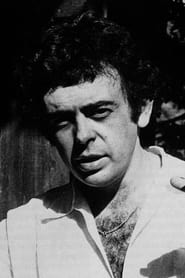
Glauber Rocha
Born — Died
1939-03-14 — 1981-08-22
Place of birth
Vitória da Conquista, Bahia, Brazil
Known for
Directing
Credits
101 titles
Glauber de Andrade Rocha (Vitória da Conquista, March 14, 1939 — Rio de Janeiro, August 22, 1981) was a Brazilian filmmaker, considered by critics, specialized journalists and the public as one of the biggest names in the history of Brazilian cinema. Revered as a revolutionary genius, he was one of the founders of the avant-garde Cinema Novo movement, and many of his works, such as Deus e o Diabo Na Terra do Sol, Terra em Transe and O Dragão da Maldade Contra o Santo Guerreiro, are often listed as some of the best Brazilian films of all time.
Known for
 5.0
5.0No synopsis available yet.
Ciné regards
1978
 7.1
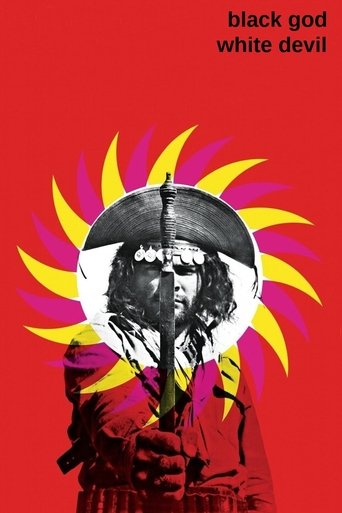
7.1Wanted for killing his boss, Manuel flees with his wife Rosa to the sertão, the barren landscape of Northern Brazil. Thrust into a primordial violent region, Manuel and Rosa come under the influence and control of a series of frightening figures.
Black God, White Devil
1964
 7.2
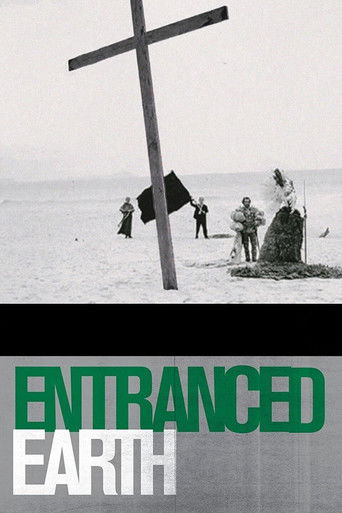
7.2Eldorado, a fictitious country in America, is sparkling with the internal struggle for political power. In the eye of this social convulsion, the jaded journalist Paulo Martins opposes two equally corrupt political candidates: a pseudopopulist and a conservative. In this context, Paulo is torn between the madness of the elite and the blind submission of the masses. But, in this complex tropical reality, nothing really is what it seems to be.
Entranced Earth
1967
 6.8
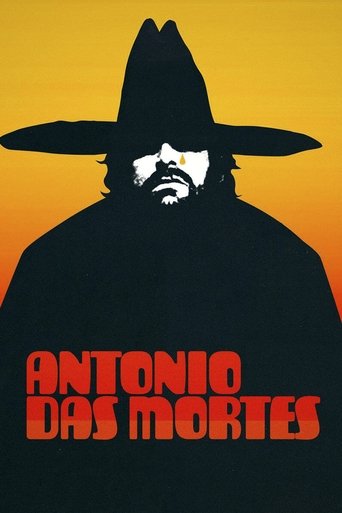
6.8A new incarnation of Cangaceiro bandits, led by Coirana, has risen in the badlands. A blind landowner hires Antônio to wipe out his old nemesis. Yet after besting Coirana and accompanying the dying man to his mountain hideout, Antônio is moved by the plight of the Cangaceiro’s followers. The troubled hitman turns revolutionary, his gun and machete aimed towards his former masters.
Antonio das Mortes
1969
 7.6
7.6Simon, a deeply religious man living in the 4th century, wants to be nearer to God so he climbs a column. The Devil wants him come down to Earth and is trying to seduce him.
Simon of the Desert
1965
 6.7
6.7A politically oriented film in which images suggestive of a mock western are accompanied by an attack on all cinematic conventions to date and a debate on the nature and possibility of revolutionary cinema.
Wind from the East
1970
Film credits
2020s · 8 titles
 5.0
5.0In 1965, a year after the military coup in Brazil, an oasis of freedom opened in the country's capital. The Brasília Film Festival: a landmark of cultural and political resistance. Its story is that of Brazilian cinema itself.
Candango: Memoirs from a Festival
2020
 10.0
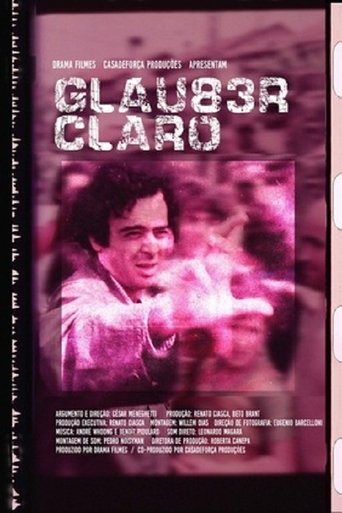
10.0A deep dive into Glauber Rocha's years exiled in Italy in the 70s. Through a collection of interviews and archives, the movie shows the making of his film Claro (1975) and his relation with European auteurs in their filmic and political views.
Glauber, Claro
2020
 10.0
10.0A totally Cardoso-appropriated footage delirium, done as a tribute to US independent cinema's original rebel. In the end, Corman himself blesses Cardoso by saying: "You blended horror, sex and humour very well. And particularly the editing is very good because the film never lagged or slowed down". Which film? This one!
Corman's Eyedrops Got Me Too Crazy
2020
 NR
NRAn authentically marginal cinema created in Catholic university in Brazil. One of the most intriguing and imaginative moments in modern cinema in the voice of some of its select conspirators—with Carlos Reichenbach at the lead—, and through the most razing flow of images that can possibly be conceived.
The Good Cinema
2021
 7.0
7.0The rise of Brazilian directors Anselmo Duarte and Glauber Rocha occurred through different professional trajectories. Rocha working as a young film critic in Bahia and Duarte working his way through the Brazilian studio system as part of the leading actors. However, the two crossed paths amicably on the set of O Pagador de Promessas, Anselmo Duarte's 1962 film that won the Palme d'Or.
Golpe de Vista
2024
 NR
NRA final conversation with departed actor, director and musical producer Julio Calasso Jr., a key character in the Brazilian artistic scene. At his old house in Butantã, São Paulo, Julio talks about his experiences, frustrations, joys and tragedies.
11 and a Half Questions to Julio Calasso
2022
 8.2
8.2In 1979, while Brazil was going through the troubled moment of the Amnesty Law, Glauber Rocha directed the program Abertura for TV Tupi, in which he interrogated a contradictory and boiling Brazil head-on, full of utopias but always under the weight of secular wounds.
Race Antenna
2020
 NR
NRAn experimental, visual poem that registers life and the architecture of Sintra (Portugal), captured by Paula Gaitán and featuring glimpses into her own photography art, rural/urban contrast, and memories with Glauber Rocha and family. Accompanied by the soundwork and music of L. Borgia Rossetti.
Steps
2021
2010s · 11 titles
 NR
NRFollows the story of Opinião, a theatre group created in 1964 during the early Brazilian dictatorship period to oppose the government through artistic performances. Considered the first left-wing response to the dictatorship, the group gathered now famous Brazilian artists such as Nara Leão, Maria Bethânia, João do Vale and Millôr Fernandes.
Memórias do Grupo Opinião
2019
 7.2
7.2Set against the turbulent atmosphere of the 1960s, Tropicália is a feature length documentary exploring the Brazilian artistic movement known as Tropicália, and the struggle its artists endured to protect their right to freely express revolutionary thought against the traditional Brazilian music of that time.
Tropicália
2012
 NR
NRDocumentary on the view, testimonies and times of Darcy Ribeiro, since military dictatorship.
O Brasil de Darcy Ribeiro
2014
 8.0
8.0No synopsis available yet.
Cordilheiras no Mar: A Fúria do Fogo Bárbaro
2015
On April 25, 1974 the iconoclastic Brazilian filmmaker Glauber Rocha was in Portugal. There, he joined the collective collective film "As Armas e o Povo". With his foreign and peculiar look, he broke the rules of conventional filmmaking.
Os Cravos e a Rocha
2015
 NR
NRDocumentary about Der Leone Have Sept Cabeças
A Hora do leão - Os sete leões de Glauber
2010
 NR
NRNo synopsis available yet.
Glauber Rocha em Defesa do Cinema Brasileiro
2011
 8.0
8.0Helena Ignez is one of the main female figures of Brazilian cinema. She developed a new style of acting. Nowadays, she directs independent films. The documentary tells some of the History of Brazilian cinema, its political context and Helena's trajectory.
A Mulher da Luz Própria
2019
 6.7
6.7A deep investigation, in the way of a poetic essay, on one of the main Latin American movements in cinema, analyzed via the thoughts of its main authors, who invented, in the early 1960s, a new way of making movies in Brazil, with a political attitude, always near to people's problems, that combined art and revolution.
Cinema Novo
2016
 NR
NRNo synopsis available yet.
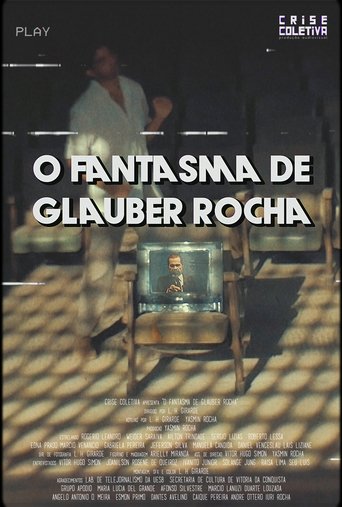
O Fantasma de Glauber Rocha
2019
No synopsis available yet.
El Viaje Glauber
2015
2000s · 14 titles
 6.3
6.3Documentary about Brazilian filmmaker Glauber Rocha, one of the most important names in the Cinema Novo, with interviews with some of his friends and colleagues.
Glauber Rocha - The Movie, Brazil's Labyrinth
2003
 7.3
7.3Contemporary film critics regard the epic film I Am Cuba as a modern masterpiece. The 1964 Cuban/Soviet coproduction marked a watershed moment of cultural collaboration between two nations. Yet the film never found a mass audience, languishing for decades until its reintroduction as a "classic" in the 1990s. Vicente Ferraz explores the strange history of this cinematic tour de force, and the deeper meaning for those who participated in its creation.
I Am Cuba, the Siberian Mammoth
2005
 NR
NRDocumentary on "Antonio das Mortes", Glauber Rocha's 1969 film.
Milagrez
2008
 NR
NRNo synopsis available yet.
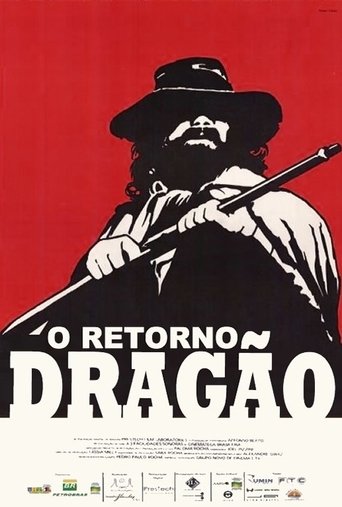
O Retorno do Dragão
2008
 6.5
6.5Documentary about the relationship between filmmaker Glauber Rocha and Cuba.
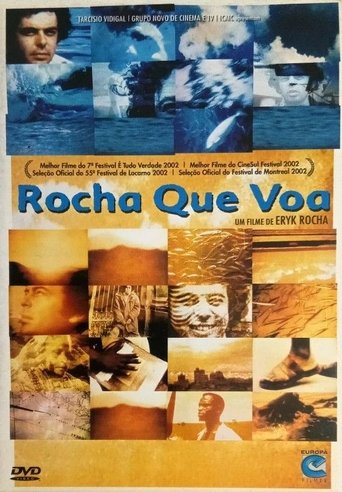
Rocha Que Voa
2002
 NR
NRNo synopsis available yet.
Glauber em Tempo - Redescobrindo o Brasil
2000
 10.0
10.0At 84 years of age, Lúcia Rocha admitted herself to a hospital in São Paulo to undergo heart tests. Upon receiving the news about the risk to her life, Lúcia, laconic, tells the doctor: 'Then open it'. This is the second time she has undergone bypass surgery. From this gesture, the documentary Abry was born (with y, sign of the unconscious, according to the nomenclature invented by his son, Glauber Rocha). To relate her memories, she invites filmmaker Joel Pizzini, who offers his mini camera as an instrument to amplify Lúcia's imagination. Abry is a poetic dive into Lúcia Rocha's fabulous universe, reconstructing her trajectory in Brazilian cinema through sounds, images and characters with whom she lived closely.
Abry
2003
 NR
NRNo synopsis available yet.
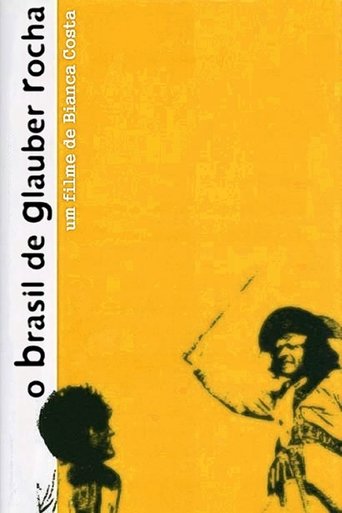
O Brasil de Glauber Rocha
2007
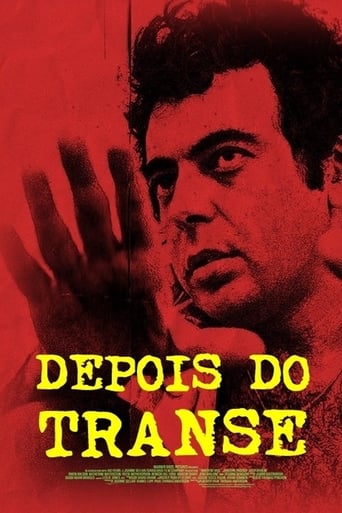 2.0
2.0The documentary "Depois do Transe" covers the entire process of creating the masterpiece "Entranced Earth", which was released and awarded at the Cannes Film Festival in 1967. "Entranced Earth" charmed the world and won great admirers such as filmmaker Martin Scorsese and the writer Marguerite Duras, who at the time considered a "fabulous filmic opera."
Depois do Transe
2006
A behind-the-scenes look at the making of Glauber Rocha's 1980 production "A Idade da Terra" (The Age of Earth), including unedited clips taken from the sixty hours of recovered raw footage.
Anabazys: O Terceiro Testamento de Glauber Rocha
2007
 7.7
7.7The Portuguese Revolution (1974-75) seen through the eyes of some of the most important photographers and filmmakers that witnessed the event. Their dreams and expectations and what came out of the revolution. With outstanding historical footage.
Another Country
2000
 NR
NRNo synopsis available yet.
Retrato da Terra
2004
 NR
NRNo synopsis available yet.
Três cortes para Glauber
2009
 NR
NRNo synopsis available yet.
A Degola Fatal
2005
1990s · 5 titles
A late-1960s interview with Brazilian filmmaker Glauber Rocha, mixed in avant-garde style with scenes from his films and clips from fellow filmmaker José Mojica Marins and visual artist Hélio Oiticica.
At Midnight with Glauber Rocha
1997
 5.8
5.8Documentary that celebrates 100 years of cinema in Latin America and talks about the origins and the development of cinema in this subcontinent. Its structure is based in 12 short films directed by various Latin American directors. These are: 1) "Los inicios", Iván Trujillo 2) "Cuando comenzamos a hablar", María Novaro 3) "Jugando en serio", Jacobo Morales 4) "De cuerpo presente [Las espirales perpetuas del placer y el poder] Cine Mexicano [1931- 1997]", Marcela Fernández Violante 5) "Cuando quisimos ser adultos", Edmundo Aray and David Rodríguez 6) "Cinema Novo", Orlando Senna 7) "Memorias de una isla, Juan Carlos Tabío 8) "Un grito, 24 cuadros por segundo", Julio García-Espinosa 9) "El día de la independencia", Federico García 10) "¿Sólo las formas permanecen?", Fernando Birri and Pablo Rodríguez Gauregui 11) "Todo final es un principio", Andrés Marriquín.
Entangling Shadows
1998
 8.0
8.0Documentary that addresses, through the testimony of directors and actors, the work of Dib Lutfi, considered one of the greatest photographers of Brazilian cinema.
Dib
1997
 NR
NRNo synopsis available yet.
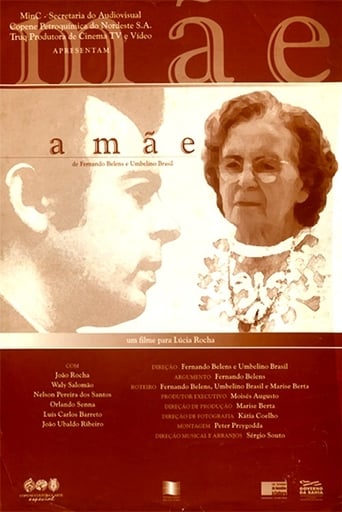
A Mãe
1998
 NR
NRNo synopsis available yet.
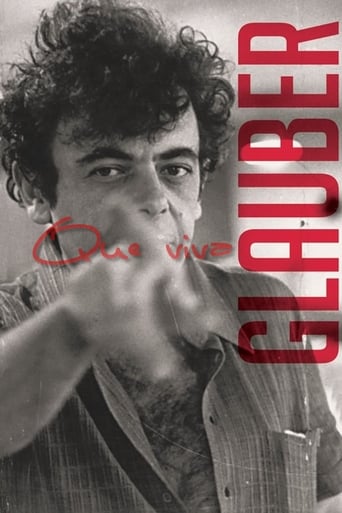
Que Viva Glauber!
1991
1980s · 5 titles
 6.0
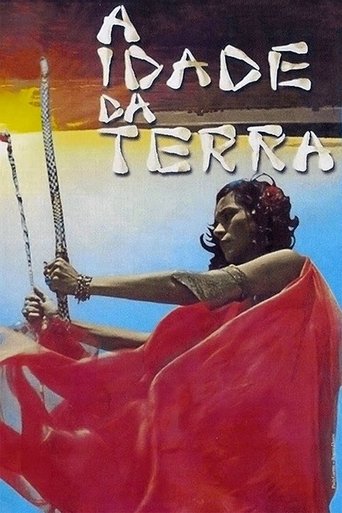
6.0Drawing inspiration from a poem penned by Castro Alves, this film vividly captures the political, cultural, and intellectual climate of Brazil during the late 1970s. At its core, the story revolves around four distinctive embodiments of Christ's image: a black man, a soldier, an Indian, and a guerrilla fighter. These courageous individuals, hailed as the harbingers of doom in the tupiniquim lands, valiantly combat the insatiable avarice and oppressive "civilizing" brutality propagated by the formidable John Brahms—a foreign exploiter devoid of morals.
The Age of the Earth
1980
 NR
NRFrom the first meeting with the critic Louis Marcorelles to his last interview in Cahiers du cinéma, a portrait of Glauber Rocha, a leading figure of Cinema Novo, enriched with testimonies from his close friends such as Juliet Berto and Christiana Tullio Altan.
L'Homme aux cheveux bleus
1989
 NR
NRNo synopsis available yet.
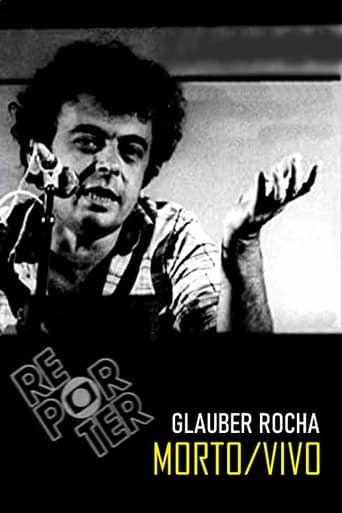
Glauber Rocha: Morto/Vivo
1981
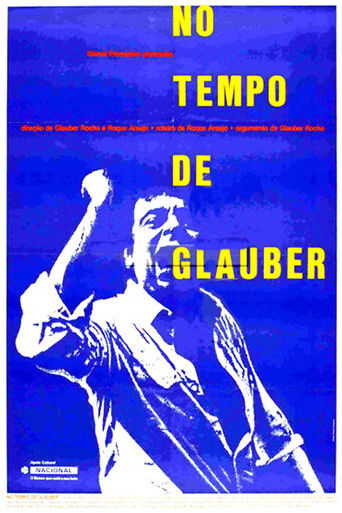 NR
NRNo synopsis available yet.
No Tempo de Glauber
1987
No synopsis available yet.
Loja dos Trapos do Coração
1982
1970s · 12 titles
6.7A politically oriented film in which images suggestive of a mock western are accompanied by an attack on all cinematic conventions to date and a debate on the nature and possibility of revolutionary cinema.
Wind from the East
1970
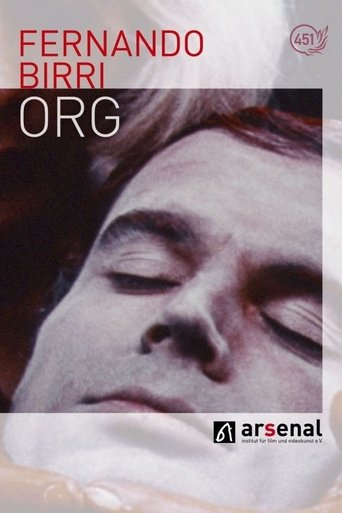 5.1
5.1Explores the complex relationship between the spirit, body, and mind. The film is a nightmare with closed eyes because it counts among the most terrible moments of my life, my second exile, which lasted a very long time. Inspired by an ancient Hindu legend.
ORG
1979
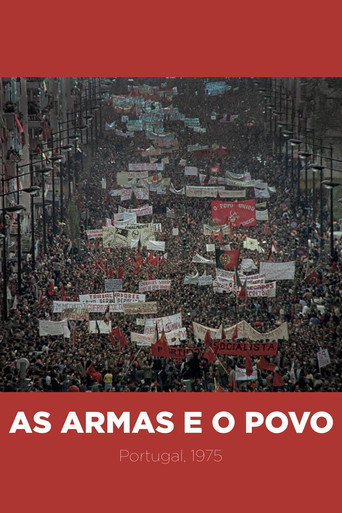 7.4
7.4Film directors with hand-held cameras went to the streets of Lisbon from April 25 to May 1, 1974, registering interviews and political events of the Portuguese "Carnation Revolution", as that period would be later known.
The Guns and the People
1977
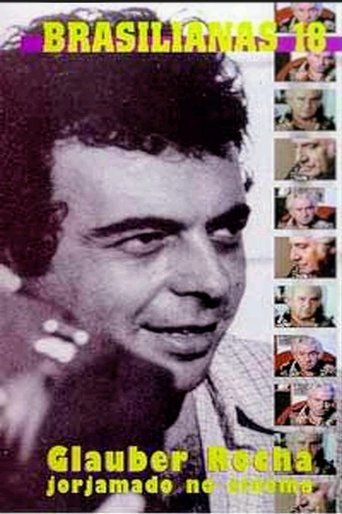 7.3
7.3Jorge Amado no Cinema was made for a television program dedicated to the writer Jorge Amado. In this documentary, Jorge Amado is filmed in his home, surrounded by his large family; in a bookstore, during an autograph session of one of his books, in a cinema in Salvador, at the avant-première of the film Tenda dos Milagres, by Nelson Pereira dos Santos, an adaptation of the book of the same name by Jorge Amado. Glauber films his friend with a lot of humor and affection. The camera evolves slowly, incessantly and quickly over the writer, his family members, actors and actresses from Nelson's film, in addition to passing through objects of candomblé rituals that make up Jorge Amado's museum.
Jorge Amado no Cinema
1979
 6.8
6.8This film shows people with constant psychological and social conflicts: the violence among outlaws, conflicts between man and woman, police and society.
Câncer
1972
 9.0
9.0Expedito, after being abandoned by his parents, became Zefa's adopted son until he became a man and started earning his living as an independent fisherman. As soon as he finds out that Zefa is very ill, Expedito runs back home and finds his adoptive mother in agony. At the edge of the bed, a mysterious woman, who claims to be Death, sits.
Tatu Bola
1971
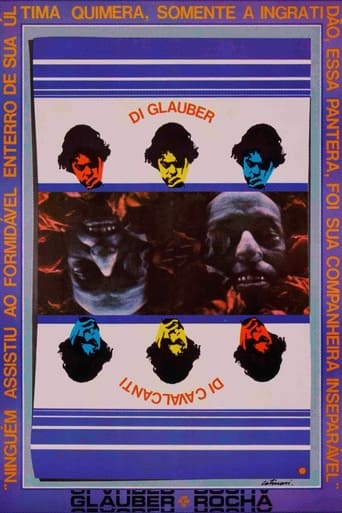 6.2
6.2This controversial film from director Glauber Rocha records the funeral of his friend, major Brazilian painter Emiliano Di Cavalcanti.
Di Cavalcanti Di Glauber
1977
 4.7
4.7In the words of the director, a movie about 'the colonizers in the view of the colonized', the movie presents a series of disconnected happenings throughout Europe and Brazil emphasizing the perception of human life as trance-like experiences and thus offering a view of the human history as a connection of symbolic behavior.
Claro
1975
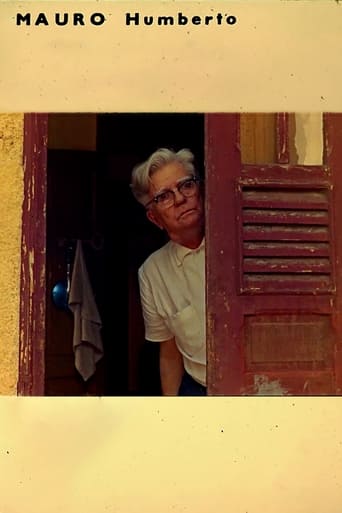 6.5
6.5Documentary about Humberto Mauro, his work and its importance.
Mauro, Humberto
1975
 NR
NRThe making of Cabezas Cortadas.
Diario Spagnolo
1970
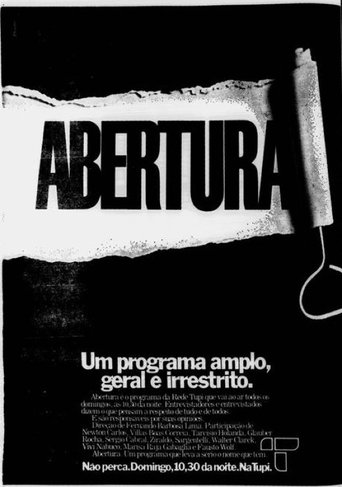 6.0
6.0One of the most daring and radical shows presented in Brazilian television: "Abertura". It was broadcast between February and October, 1979, with weekly editions, presented by Brazilian filmmaker Glauber Rocha. The video is a compilation of characters, statements, and interviews about the political and cultural situation of the country during the final stages of the Military Dictatorship.
Abertura
1979
 NR
NRA diary of a trip filmed by Glauber in Punta del Leste (Uruguay – 1972) that documents the reunion of the Rocha familiy: Dona Lúcia, the mother; Anecy Rocha, the sister; Paloma, the daughter, and Walter Lima Jr., the then brother-in-law, with the director, exiled in Europe.
Paloma, Paloma
1972
1960s · 5 titles
7.6Simon, a deeply religious man living in the 4th century, wants to be nearer to God so he climbs a column. The Devil wants him come down to Earth and is trying to seduce him.
Simon of the Desert
1965
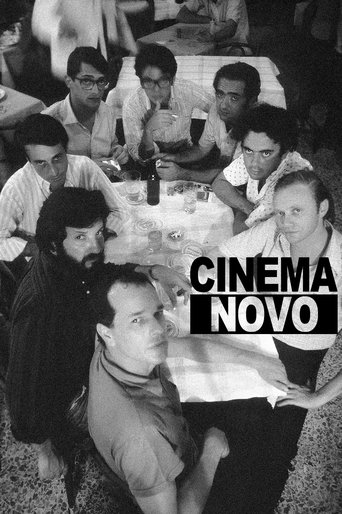 7.5
7.5Originally produced for German TV, Improvised and Purposeful is a firsthand look at the "Cinema Novo" movement (otherwise known as the 'Brazilian New Wave'). Director Joaquim Pedro de Andrade focuses on six Cinema Novo filmmakers working in Rio in 1967.
Improvised and Purposeful: Cinema Novo
1967
 NR
NRThe new Brazilian cinematic movement (Cinema Novo) through films starring actors Antonio Pitanga and Luiza Maranhão.
Colagem
1967
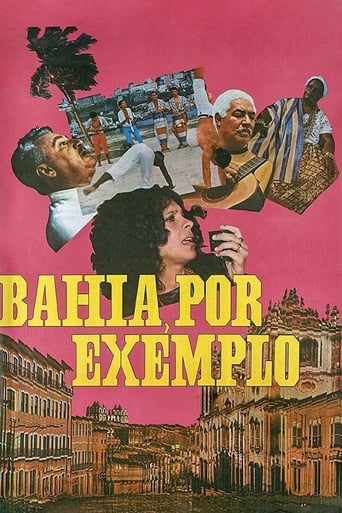 7.5
7.5Through folklore manifestations and diverse artistic expressions, the film is a document that exalts and honors the Bahian culture.
Bahia, For Example
1969
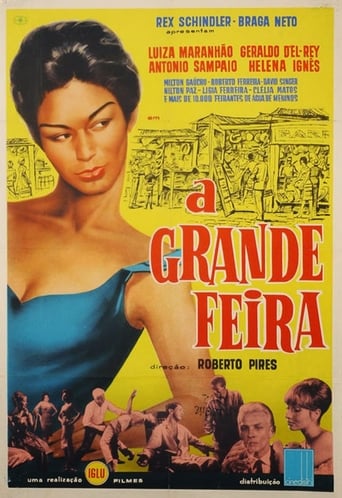 8.4
8.4The naive sailor Ron arrives in Bahia to visit the famous Água dos Meninos street market. There, however, he is passed behind by the prostitute Maria, lover of the bandit Chico Diabo, who stabs him. He, however, can't forget her.
A Grande Feira
1961
Series credits
Behind the camera
7.1Wanted for killing his boss, Manuel flees with his wife Rosa to the sertão, the barren landscape of Northern Brazil. Thrust into a primordial violent region, Manuel and Rosa come under the influence and control of a series of frightening figures.
Black God, White Devil
1964
7.1Wanted for killing his boss, Manuel flees with his wife Rosa to the sertão, the barren landscape of Northern Brazil. Thrust into a primordial violent region, Manuel and Rosa come under the influence and control of a series of frightening figures.
Black God, White Devil
1964
7.2Eldorado, a fictitious country in America, is sparkling with the internal struggle for political power. In the eye of this social convulsion, the jaded journalist Paulo Martins opposes two equally corrupt political candidates: a pseudopopulist and a conservative. In this context, Paulo is torn between the madness of the elite and the blind submission of the masses. But, in this complex tropical reality, nothing really is what it seems to be.
Entranced Earth
1967
7.2Eldorado, a fictitious country in America, is sparkling with the internal struggle for political power. In the eye of this social convulsion, the jaded journalist Paulo Martins opposes two equally corrupt political candidates: a pseudopopulist and a conservative. In this context, Paulo is torn between the madness of the elite and the blind submission of the masses. But, in this complex tropical reality, nothing really is what it seems to be.
Entranced Earth
1967
7.2Eldorado, a fictitious country in America, is sparkling with the internal struggle for political power. In the eye of this social convulsion, the jaded journalist Paulo Martins opposes two equally corrupt political candidates: a pseudopopulist and a conservative. In this context, Paulo is torn between the madness of the elite and the blind submission of the masses. But, in this complex tropical reality, nothing really is what it seems to be.
Entranced Earth
1967
6.8A new incarnation of Cangaceiro bandits, led by Coirana, has risen in the badlands. A blind landowner hires Antônio to wipe out his old nemesis. Yet after besting Coirana and accompanying the dying man to his mountain hideout, Antônio is moved by the plight of the Cangaceiro’s followers. The troubled hitman turns revolutionary, his gun and machete aimed towards his former masters.
Antonio das Mortes
1969
6.8A new incarnation of Cangaceiro bandits, led by Coirana, has risen in the badlands. A blind landowner hires Antônio to wipe out his old nemesis. Yet after besting Coirana and accompanying the dying man to his mountain hideout, Antônio is moved by the plight of the Cangaceiro’s followers. The troubled hitman turns revolutionary, his gun and machete aimed towards his former masters.
Antonio das Mortes
1969
6.8A new incarnation of Cangaceiro bandits, led by Coirana, has risen in the badlands. A blind landowner hires Antônio to wipe out his old nemesis. Yet after besting Coirana and accompanying the dying man to his mountain hideout, Antônio is moved by the plight of the Cangaceiro’s followers. The troubled hitman turns revolutionary, his gun and machete aimed towards his former masters.
Antonio das Mortes
1969
 6.0
6.0A white-robed preacher wanders and sermonizes across African lands; European communists and CIA spies conspire out of mutual self-interest to engineer the appointment of an African bourgeois to a puppet government presidency; and a revolutionary group marches in exile.
The Lion Has Seven Heads
1971
6.0A white-robed preacher wanders and sermonizes across African lands; European communists and CIA spies conspire out of mutual self-interest to engineer the appointment of an African bourgeois to a puppet government presidency; and a revolutionary group marches in exile.
The Lion Has Seven Heads
1971
6.0Drawing inspiration from a poem penned by Castro Alves, this film vividly captures the political, cultural, and intellectual climate of Brazil during the late 1970s. At its core, the story revolves around four distinctive embodiments of Christ's image: a black man, a soldier, an Indian, and a guerrilla fighter. These courageous individuals, hailed as the harbingers of doom in the tupiniquim lands, valiantly combat the insatiable avarice and oppressive "civilizing" brutality propagated by the formidable John Brahms—a foreign exploiter devoid of morals.
The Age of the Earth
1980
6.0Drawing inspiration from a poem penned by Castro Alves, this film vividly captures the political, cultural, and intellectual climate of Brazil during the late 1970s. At its core, the story revolves around four distinctive embodiments of Christ's image: a black man, a soldier, an Indian, and a guerrilla fighter. These courageous individuals, hailed as the harbingers of doom in the tupiniquim lands, valiantly combat the insatiable avarice and oppressive "civilizing" brutality propagated by the formidable John Brahms—a foreign exploiter devoid of morals.
The Age of the Earth
1980
6.0Drawing inspiration from a poem penned by Castro Alves, this film vividly captures the political, cultural, and intellectual climate of Brazil during the late 1970s. At its core, the story revolves around four distinctive embodiments of Christ's image: a black man, a soldier, an Indian, and a guerrilla fighter. These courageous individuals, hailed as the harbingers of doom in the tupiniquim lands, valiantly combat the insatiable avarice and oppressive "civilizing" brutality propagated by the formidable John Brahms—a foreign exploiter devoid of morals.
The Age of the Earth
1980
7.4Film directors with hand-held cameras went to the streets of Lisbon from April 25 to May 1, 1974, registering interviews and political events of the Portuguese "Carnation Revolution", as that period would be later known.
The Guns and the People
1977
7.3Jorge Amado no Cinema was made for a television program dedicated to the writer Jorge Amado. In this documentary, Jorge Amado is filmed in his home, surrounded by his large family; in a bookstore, during an autograph session of one of his books, in a cinema in Salvador, at the avant-première of the film Tenda dos Milagres, by Nelson Pereira dos Santos, an adaptation of the book of the same name by Jorge Amado. Glauber films his friend with a lot of humor and affection. The camera evolves slowly, incessantly and quickly over the writer, his family members, actors and actresses from Nelson's film, in addition to passing through objects of candomblé rituals that make up Jorge Amado's museum.
Jorge Amado no Cinema
1979
6.8This film shows people with constant psychological and social conflicts: the violence among outlaws, conflicts between man and woman, police and society.
Câncer
1972
6.8This film shows people with constant psychological and social conflicts: the violence among outlaws, conflicts between man and woman, police and society.
Câncer
1972
6.8This film shows people with constant psychological and social conflicts: the violence among outlaws, conflicts between man and woman, police and society.
Câncer
1972
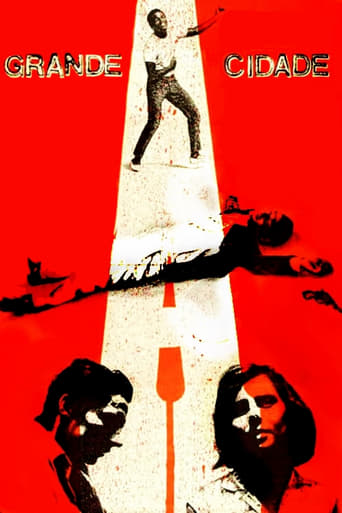 6.4
6.4In search of a better life, Luzia leaves the Northeast of Brazil and goes to Rio de Janeiro, looking for her fiance who went first to pave their way. Alone in the Marvelous City, she is forced to accept the friendship and protection of Calunga and, later, the company of Inácio.
The Big City
1966
 4.8
4.8In a castle, somewhere in the Thirld World, Diaz is delirious, dreaming of the power he had in Eldorado, while oppressing the indians, workers and peasants. He is well aware of the menace his old victims represent, while a miracle-making shepherd fascinates and frightens him. Diaz finds a countrywoman, symbol of purity, and prepares a ceremony in his castle resembling his own funeral.
Cutting Heads
1970
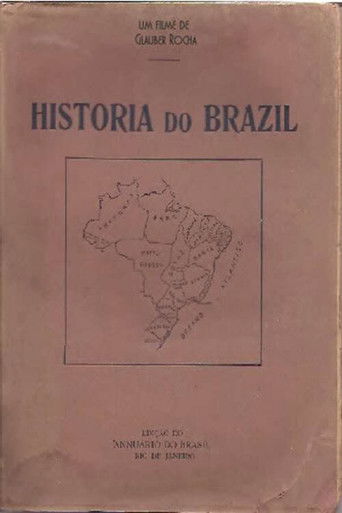 7.2
7.2The film, created in exile from 1971 to 1973 between Cuba and Rome, is considered a "semi-finished" work by Glauber Rocha. It has a certain pedagogical character and seeks, through dialectical editing, to conduct a critical review of colonization, class struggle, messianism, and the establishment of populist governments in the Third World. There is a chronology in the events presented, which, supported by extensive iconography (films, engravings, photos, etc.), create "free" associations that allow the viewer a "polyphonic" view of the "History of Brazil."
History of Brazil
1974
7.2The film, created in exile from 1971 to 1973 between Cuba and Rome, is considered a "semi-finished" work by Glauber Rocha. It has a certain pedagogical character and seeks, through dialectical editing, to conduct a critical review of colonization, class struggle, messianism, and the establishment of populist governments in the Third World. There is a chronology in the events presented, which, supported by extensive iconography (films, engravings, photos, etc.), create "free" associations that allow the viewer a "polyphonic" view of the "History of Brazil."
History of Brazil
1974
6.2This controversial film from director Glauber Rocha records the funeral of his friend, major Brazilian painter Emiliano Di Cavalcanti.
Di Cavalcanti Di Glauber
1977
 6.6
6.6Year 2000. Brazil was partially devastated by the Third World War. An immigrant family arrives in a small town, which they call "I Forgot." The trio is recruited by an indigenist to pretend to be indigenous during the visit of a general. In the dilemma of integrating into the system or preserving individual freedom, the family moves toward disintegration as the city prepares to launch a space rocket.
Brazil Year 2000
1969
 6.8
6.8A report on Sarney's inauguration as the governor of the Maranhão state. His promises are heard alongside images of the grim reality.
Maranhão 66
1966
4.7In the words of the director, a movie about 'the colonizers in the view of the colonized', the movie presents a series of disconnected happenings throughout Europe and Brazil emphasizing the perception of human life as trance-like experiences and thus offering a view of the human history as a connection of symbolic behavior.
Claro
1975
4.7In the words of the director, a movie about 'the colonizers in the view of the colonized', the movie presents a series of disconnected happenings throughout Europe and Brazil emphasizing the perception of human life as trance-like experiences and thus offering a view of the human history as a connection of symbolic behavior.
Claro
1975
4.7In the words of the director, a movie about 'the colonizers in the view of the colonized', the movie presents a series of disconnected happenings throughout Europe and Brazil emphasizing the perception of human life as trance-like experiences and thus offering a view of the human history as a connection of symbolic behavior.
Claro
1975
 NR
NRUnfinished documentary about the "March of the 100,000", driven by the student movement against brazilian dictatorship in 1968. Glauber directed with "Antonio das Mortes'" cinematographer, Affonso Beatto. A mysterious film.
1968
1968
 6.9
6.9In Bahia, an educated black man returns to his home fishing village to try and free people from mysticism, in particular the Candomblé religion, which he considers a factor of political and social oppression, with tragic outcome.
The Turning Wind
1962
6.9In Bahia, an educated black man returns to his home fishing village to try and free people from mysticism, in particular the Candomblé religion, which he considers a factor of political and social oppression, with tragic outcome.
The Turning Wind
1962
 7.2
7.2After being orphaned, a boy is raised by his grandfather and uncles, rich rural landowners, on a sugarcane plantation where he grows up, studies, learns about politics, love and disillusionment.
Plantation Boy
1966
6.0One of the most daring and radical shows presented in Brazilian television: "Abertura". It was broadcast between February and October, 1979, with weekly editions, presented by Brazilian filmmaker Glauber Rocha. The video is a compilation of characters, statements, and interviews about the political and cultural situation of the country during the final stages of the Military Dictatorship.
Abertura
1979
 6.8
6.8A man and a woman are laying on a chess-like patio. Both are trying to reach each other in the best way they can. However, for some odd reason they don't get on their feet, they don't talk to each other, and the only sounds heard are voices coming from a radio and strange sounds that seem to indicate something's about to happen.
O Pátio
1959
6.8A man and a woman are laying on a chess-like patio. Both are trying to reach each other in the best way they can. However, for some odd reason they don't get on their feet, they don't talk to each other, and the only sounds heard are voices coming from a radio and strange sounds that seem to indicate something's about to happen.
O Pátio
1959
6.8A man and a woman are laying on a chess-like patio. Both are trying to reach each other in the best way they can. However, for some odd reason they don't get on their feet, they don't talk to each other, and the only sounds heard are voices coming from a radio and strange sounds that seem to indicate something's about to happen.
O Pátio
1959
NRA diary of a trip filmed by Glauber in Punta del Leste (Uruguay – 1972) that documents the reunion of the Rocha familiy: Dona Lúcia, the mother; Anecy Rocha, the sister; Paloma, the daughter, and Walter Lima Jr., the then brother-in-law, with the director, exiled in Europe.
Paloma, Paloma
1972
 6.9
6.9A brief look at Amazonas, its population, their costumes, the rich nature and its importance to Brazil and the world.
Amazonas, Amazonas
1966
6.9A brief look at Amazonas, its population, their costumes, the rich nature and its importance to Brazil and the world.
Amazonas, Amazonas
1966
 NR
NRShort film. Lost.
Cruz na Praça
—