

Directing
Kazuhiro Soda
Born
1970-06-12 (56)
Place of birth
Tochigi Prefecture, Japan
Known for
Directing
Credits
32 titles
Kazuhiro Soda (想田 和弘 Sōda, born 1970 in Tochigi Prefecture) is a Peabody Award winning filmmaker. He practices an observational method of documentary filmmaking based on his own "Ten Commandments" which prohibits him from doing pre-shoot research or writing a synopsis before filming. He imposes these rules on himself in order to minimize preconceptions and to be able to make unexpected discoveries while filming and editing.
Known for
 6.3
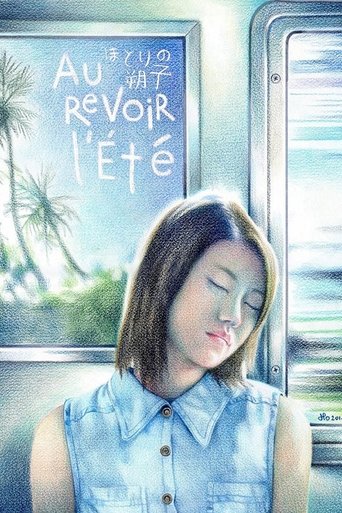
6.3After failing her university entrance exam, Sakuko is invited by her aunt Mikie to spend summer vacation in a beautiful seaside town. Sakuko gets to know the people of the town, including Takashi, a shy relative of her childhood friend.
Au revoir l'été
2014
 7.1
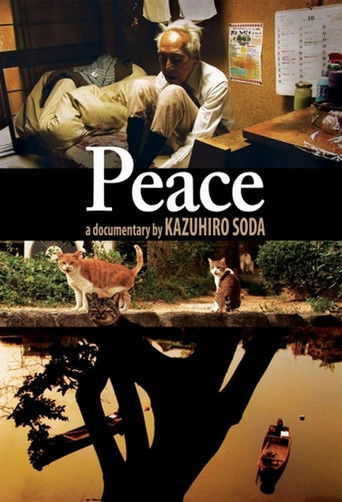
7.1What is peace? What is coexistence? And what are the basis for them? PEACE is a visual-essay-like observational documentary, which contemplates these questions by observing the daily lives of people and cats in Okayama city, Japan, where life and death, acceptance and rejection are intermingled.
Peace
2010
 6.5
6.5In memory of the Japanese earthquake on 3.11, each director presents a 3 minute and 11 second short film in tribute to those who were lost that day.
3.11 A Sense of Home Films
2011
 6.0
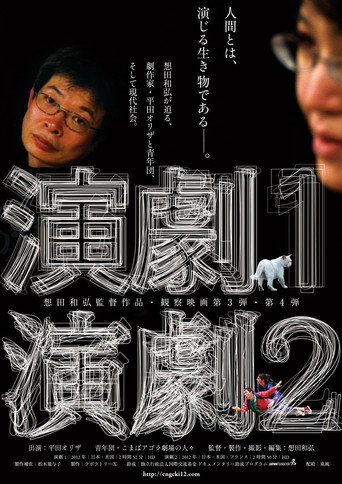
6.0Oriza Hirata is Japan's leading playwright and director, who runs his own theatrical company, Seinendan. Theatre 2 (Observational Film Series #4) examines the dynamic relationship between theatre and the society through depicting Hirata's activities. In order for his art and his not-so-commercial company to survive this highly capitalistic modern society, what kind of strategy does Hirata have and practice?
Theatre 2
2012
Jon and Jelena, a young couple, have recently begun co-habiting in a small apartment, deep in the heart of East Village. When Jon's distant cousin James visits New York City and moves into the couple's tiny apartment for a week, his habits conflict with Jon and Jelena's structured life, and James is left feeling like an unwelcome stranger. He leaves their apartment to face the jaded city, floating from block to block, street to street, not quite knowing if he will survive the cruel Manhattan twilight.
Freezing Sunlight
1996
 6.8
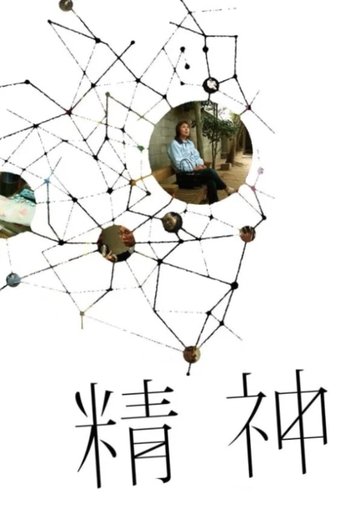
6.8MENTAL is a feature-length documentary that observes the complex world of an outpatient mental health clinic in Japan, interwoven with patients, doctors, staff, volunteers, and home-helpers, in cinema- verite style. The film breaks a major taboo against discussing mental illness prevalent in Japanese society, and captures the candid lives of people coping with suicidal tendencies, poverty, a sense of shame, apprehension, and fear of society.
Mental
2008
Film credits
Behind the camera
7.1What is peace? What is coexistence? And what are the basis for them? PEACE is a visual-essay-like observational documentary, which contemplates these questions by observing the daily lives of people and cats in Okayama city, Japan, where life and death, acceptance and rejection are intermingled.
Peace
2010
7.1What is peace? What is coexistence? And what are the basis for them? PEACE is a visual-essay-like observational documentary, which contemplates these questions by observing the daily lives of people and cats in Okayama city, Japan, where life and death, acceptance and rejection are intermingled.
Peace
2010
7.1What is peace? What is coexistence? And what are the basis for them? PEACE is a visual-essay-like observational documentary, which contemplates these questions by observing the daily lives of people and cats in Okayama city, Japan, where life and death, acceptance and rejection are intermingled.
Peace
2010
6.5In memory of the Japanese earthquake on 3.11, each director presents a 3 minute and 11 second short film in tribute to those who were lost that day.
3.11 A Sense of Home Films
2011
6.0Oriza Hirata is Japan's leading playwright and director, who runs his own theatrical company, Seinendan. Theatre 2 (Observational Film Series #4) examines the dynamic relationship between theatre and the society through depicting Hirata's activities. In order for his art and his not-so-commercial company to survive this highly capitalistic modern society, what kind of strategy does Hirata have and practice?
Theatre 2
2012
6.0Oriza Hirata is Japan's leading playwright and director, who runs his own theatrical company, Seinendan. Theatre 2 (Observational Film Series #4) examines the dynamic relationship between theatre and the society through depicting Hirata's activities. In order for his art and his not-so-commercial company to survive this highly capitalistic modern society, what kind of strategy does Hirata have and practice?
Theatre 2
2012
Jon and Jelena, a young couple, have recently begun co-habiting in a small apartment, deep in the heart of East Village. When Jon's distant cousin James visits New York City and moves into the couple's tiny apartment for a week, his habits conflict with Jon and Jelena's structured life, and James is left feeling like an unwelcome stranger. He leaves their apartment to face the jaded city, floating from block to block, street to street, not quite knowing if he will survive the cruel Manhattan twilight.
Freezing Sunlight
1996
Jon and Jelena, a young couple, have recently begun co-habiting in a small apartment, deep in the heart of East Village. When Jon's distant cousin James visits New York City and moves into the couple's tiny apartment for a week, his habits conflict with Jon and Jelena's structured life, and James is left feeling like an unwelcome stranger. He leaves their apartment to face the jaded city, floating from block to block, street to street, not quite knowing if he will survive the cruel Manhattan twilight.
Freezing Sunlight
1996
6.8MENTAL is a feature-length documentary that observes the complex world of an outpatient mental health clinic in Japan, interwoven with patients, doctors, staff, volunteers, and home-helpers, in cinema- verite style. The film breaks a major taboo against discussing mental illness prevalent in Japanese society, and captures the candid lives of people coping with suicidal tendencies, poverty, a sense of shame, apprehension, and fear of society.
Mental
2008
6.8MENTAL is a feature-length documentary that observes the complex world of an outpatient mental health clinic in Japan, interwoven with patients, doctors, staff, volunteers, and home-helpers, in cinema- verite style. The film breaks a major taboo against discussing mental illness prevalent in Japanese society, and captures the candid lives of people coping with suicidal tendencies, poverty, a sense of shame, apprehension, and fear of society.
Mental
2008
 5.8
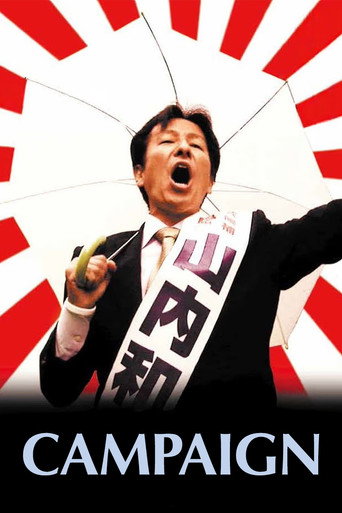
5.8Can a candidate with no political experience and no charisma win an election if he is backed by the political giant Prime Minister Koizumi and his Liberal Democratic Party? This cinema-verite documentary closely follows a heated election campaign in Kawasaki, Japan, revealing the true nature of "democracy."
Campaign
2007
5.8Can a candidate with no political experience and no charisma win an election if he is backed by the political giant Prime Minister Koizumi and his Liberal Democratic Party? This cinema-verite documentary closely follows a heated election campaign in Kawasaki, Japan, revealing the true nature of "democracy."
Campaign
2007
5.8Can a candidate with no political experience and no charisma win an election if he is backed by the political giant Prime Minister Koizumi and his Liberal Democratic Party? This cinema-verite documentary closely follows a heated election campaign in Kawasaki, Japan, revealing the true nature of "democracy."
Campaign
2007
 NR
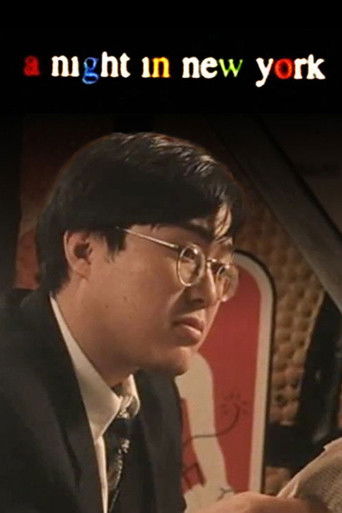
NRLate at night, a Japanese businessman enters a pizza shop and observes strange but typical New Yorkers, eating their pizza in their own queer ways. The businessman makes fun of them, believing he is the only one who is a normal person there. However, it soon becomes apparent that he is no less strange than them.
A Night in New York
1995
NRLate at night, a Japanese businessman enters a pizza shop and observes strange but typical New Yorkers, eating their pizza in their own queer ways. The businessman makes fun of them, believing he is the only one who is a normal person there. However, it soon becomes apparent that he is no less strange than them.
A Night in New York
1995
In response to the Fukushima disaster, Yama-san is running an election campaign with an anti-nuclear message. But unlike last time, he has no money, no machine, no nothing. Does he even stand a chance? On March 11, 2011, Japan experienced one of the most calamitous nuclear disasters in history. But in two national elections following the accident, the pro-nuclear Liberal Democratic Party (LDP) achieved landslide victories, gaining control of the two parliaments. Why? 'Campaign 2' by Kazuhiro Soda observes a small local election right after the disaster and gives insight into this difficult question, presenting a microcosm of Japan's political-psychological landscape.
Campaign 2
2013
In response to the Fukushima disaster, Yama-san is running an election campaign with an anti-nuclear message. But unlike last time, he has no money, no machine, no nothing. Does he even stand a chance? On March 11, 2011, Japan experienced one of the most calamitous nuclear disasters in history. But in two national elections following the accident, the pro-nuclear Liberal Democratic Party (LDP) achieved landslide victories, gaining control of the two parliaments. Why? 'Campaign 2' by Kazuhiro Soda observes a small local election right after the disaster and gives insight into this difficult question, presenting a microcosm of Japan's political-psychological landscape.
Campaign 2
2013
James is a photographer and who takes pictures on the streets of New York City. One day, he encounters a blind man standing on a lonely street. James feels drawn to the man's mysterious aura and snaps several photographs of his alluring face. However, later, while reviewing the pictures, he discovers that he missed the most crucial moment. One that will never return.
The Flicker
1997
James is a photographer and who takes pictures on the streets of New York City. One day, he encounters a blind man standing on a lonely street. James feels drawn to the man's mysterious aura and snaps several photographs of his alluring face. However, later, while reviewing the pictures, he discovers that he missed the most crucial moment. One that will never return.
The Flicker
1997
5.0Theatre 1 (Observational Film Series #3) is a feature length documentary, which closely depicts the world of Oriza Hirata, Japan's leading playwright and director, and his theatrical company, Seinendan. By depicting them, the film leads the audience to revisit fundamental but timely questions: What is theatre? Why do human beings act?
Theatre 1
2012
5.0Theatre 1 (Observational Film Series #3) is a feature length documentary, which closely depicts the world of Oriza Hirata, Japan's leading playwright and director, and his theatrical company, Seinendan. By depicting them, the film leads the audience to revisit fundamental but timely questions: What is theatre? Why do human beings act?
Theatre 1
2012
 8.0
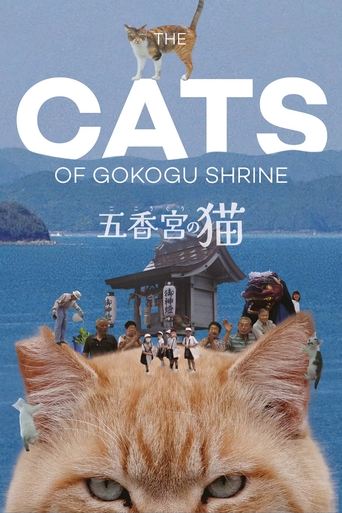
8.0An ample community of cats has set up home around the Shinto shrine in Ushimado. Some local residents take care of them, others are disturbed by their mess. Kazuhiro Soda observes their co-existence with kindness, precision and occasional involvement.
The Cats of Gokogu Shrine
2024
8.0An ample community of cats has set up home around the Shinto shrine in Ushimado. Some local residents take care of them, others are disturbed by their mess. Kazuhiro Soda observes their co-existence with kindness, precision and occasional involvement.
The Cats of Gokogu Shrine
2024
A woman cares for a red rose in her studio apartment. Over time, we see how it grows alongside her rapidly changing life.
A Flower and a Woman
1995
 4.0
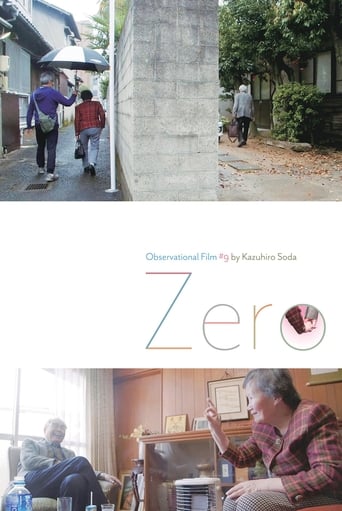
4.0Follows the retirement of the head physician at a mental health facility in Japan
Zero
2023
4.0Follows the retirement of the head physician at a mental health facility in Japan
Zero
2023
 7.4
7.4Wai-chan is one of the last remaining fishermen in Ushimado, a small village in Seto Inland Sea, Japan. At the age of 86, he still fishes alone on a small boat to make a living, dreaming about his retirement. Kumi-san is an 84 year old villager who wanders around the shore everyday. She believes a social welfare facility “stole” her disabled son to receive subsidy from the government. A “late - stage elderly” Koso-san runs a small seafood store left by her deceased husband. She sells fish to local villagers and provides leftovers to stray cats. Foresaken by the modernization of post-war Japan, the town Ushimado's rich, ancient culture and tight-knit community are on on the verge of disappearing.
Inland Sea
2018
7.4Wai-chan is one of the last remaining fishermen in Ushimado, a small village in Seto Inland Sea, Japan. At the age of 86, he still fishes alone on a small boat to make a living, dreaming about his retirement. Kumi-san is an 84 year old villager who wanders around the shore everyday. She believes a social welfare facility “stole” her disabled son to receive subsidy from the government. A “late - stage elderly” Koso-san runs a small seafood store left by her deceased husband. She sells fish to local villagers and provides leftovers to stray cats. Foresaken by the modernization of post-war Japan, the town Ushimado's rich, ancient culture and tight-knit community are on on the verge of disappearing.
Inland Sea
2018
 5.0
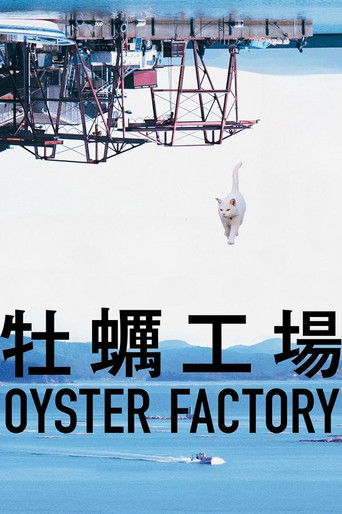
5.0In the Japanese town of Ushimado, the shortage of labor is a serious problem due to its population’s rapid decline. Traditionally, oyster shucking has been a job for local men and women, but for a few years now, some of the factories have had to use foreigners in order to keep functioning. Hirano oyster factory has never employed any outsiders but finally decides to bring in two workers from China. Will all the employees get along?
Oyster Factory
2015
5.0In the Japanese town of Ushimado, the shortage of labor is a serious problem due to its population’s rapid decline. Traditionally, oyster shucking has been a job for local men and women, but for a few years now, some of the factories have had to use foreigners in order to keep functioning. Hirano oyster factory has never employed any outsiders but finally decides to bring in two workers from China. Will all the employees get along?
Oyster Factory
2015
 NR
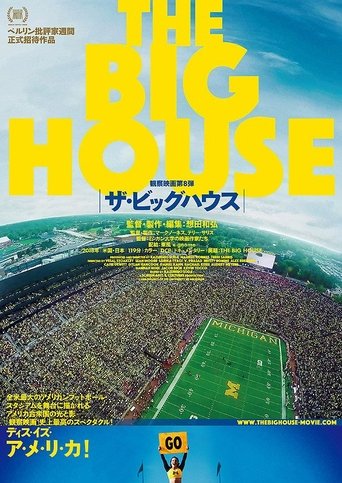
NRAnn Arbor, Michigan is the prototypical college town—a small city with a massive research university, a tradition of political radicalism and Michigan Stadium, the largest in the United States and the home of University of Michigan football. With a capacity of 107, 601 the entire population of Ann Arbor fits in the stadium, which fans affectionately call “The Big House.” Michigan football goes back to 1879, and is known for its distinctive winged helmet and its fight song “The Victors.” But this direct cinema documentary eschews gridiron grandeur to look closely at all the labor—from the cooks to the cops to the cleaners—that goes into hosting 100,000 people. Shot against the backdrop of the 2016 election and the rise of Donald Trump, it presents a microcosm of America by showing everything but the game.
The Big House
2018