
Writing
E.M. Forster
Born — Died
1879-01-01 — 1970-06-07
Place of birth
Coventry, Warwickshire, England, UK
Known for
Writing
Credits
5 titles
Edward Morgan Forster OM CH (1 January 1879 – 7 June 1970) was an English author. He is best known for his novels, particularly A Room with a View (1908), Howards End (1910) and A Passage to India (1924). He also wrote numerous short stories, essays, speeches and broadcasts, as well as biographies and pageant plays. His short story "The Machine Stops" (1909) is often viewed as the beginning of technological dystopian fiction. He also co-authored the libretto to Benjamin Britten's opera Billy Budd (1951). Many of his novels examine class differences and hypocrisy. His views as a humanist are at the heart of his work. Considered one of the most successful of the Edwardian era English novelist…
Known for
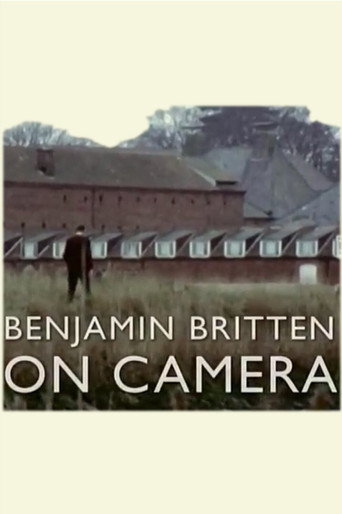 NR
NRBBC documentary exploring the dynamic relationship that developed between British composer Benjamin Britten and the BBC as they worked together to broadcast modern classical music further and wider. Through this collaboration, Britten's music reached television audiences, from elaborately staged studio operas to intimate duets featuring his partner Peter Pears to the massive Proms performance of his War Requiem. The programme features interviews with Britten's collaborators and singers as well as those working behind the scenes including Michael Crawford, David Attenborough, Humphrey Burton and soprano April Cantelo. James Naughtie narrates.
Benjamin Britten on Camera
2013
 6.8
6.8A narrator recounts the state of Great Britain near the end of WWII via a visual diary for the titular baby boy born in September 1944.
A Diary for Timothy
1945
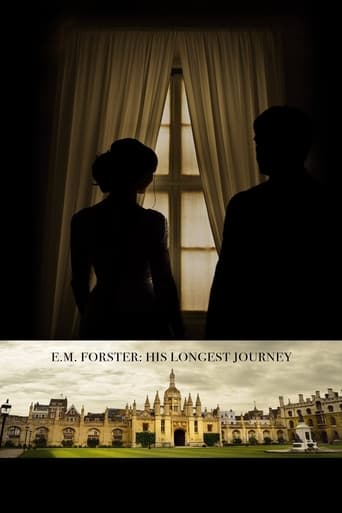 7.0
7.0A film about the life of A Passage to India author E M Forster, following his huge growth as a writer and the twists and turns of his personal life.
E. M. Forster: His Longest Journey
2019
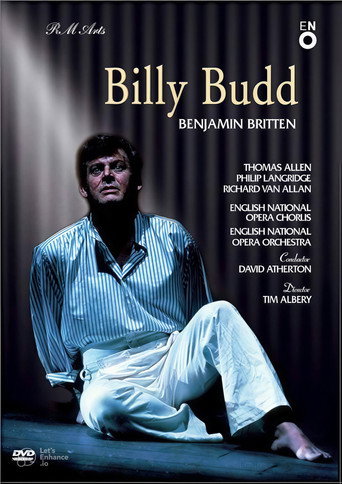 NR
NRAn opera by Benjamin Britten, on a libretto by E.M. Forster and Eric Crozier, adapted from the story by Herman Melville. Billy Budd is a young sailor aboard a British man-o'-war, persecuted by his master-at-arms, Claggart. Accused of mutiny, Budd accidently strikes Claggart dead, leaving Captain Vere with no choice but to hang him.
Billy Budd
1988
 NR
NRJohn Dexter’s brilliant production of Britten’s searing opera stars Dwayne Croft in the title role of the handsome young sailor whose kindness and innocence cause his downfall. The great James Morris is Claggart, master-at-arms on the 18th-century warship Indomitable, who falsely accuses Billy of inciting a mutiny. Philip Langridge sings Captain Vere, the honest commander who knows that Billy is innocent but finds himself unable to save him. Steuart Bedford, Britten’s close collaborator during the last years of the composer’s life, is on the podium.
Billy Budd
1997
Film credits
2010s · 2 titles
NRBBC documentary exploring the dynamic relationship that developed between British composer Benjamin Britten and the BBC as they worked together to broadcast modern classical music further and wider. Through this collaboration, Britten's music reached television audiences, from elaborately staged studio operas to intimate duets featuring his partner Peter Pears to the massive Proms performance of his War Requiem. The programme features interviews with Britten's collaborators and singers as well as those working behind the scenes including Michael Crawford, David Attenborough, Humphrey Burton and soprano April Cantelo. James Naughtie narrates.
Benjamin Britten on Camera
2013
7.0A film about the life of A Passage to India author E M Forster, following his huge growth as a writer and the twists and turns of his personal life.
E. M. Forster: His Longest Journey
2019
Behind the camera
6.8A narrator recounts the state of Great Britain near the end of WWII via a visual diary for the titular baby boy born in September 1944.
A Diary for Timothy
1945
NRAn opera by Benjamin Britten, on a libretto by E.M. Forster and Eric Crozier, adapted from the story by Herman Melville. Billy Budd is a young sailor aboard a British man-o'-war, persecuted by his master-at-arms, Claggart. Accused of mutiny, Budd accidently strikes Claggart dead, leaving Captain Vere with no choice but to hang him.
Billy Budd
1988
NRJohn Dexter’s brilliant production of Britten’s searing opera stars Dwayne Croft in the title role of the handsome young sailor whose kindness and innocence cause his downfall. The great James Morris is Claggart, master-at-arms on the 18th-century warship Indomitable, who falsely accuses Billy of inciting a mutiny. Philip Langridge sings Captain Vere, the honest commander who knows that Billy is innocent but finds himself unable to save him. Steuart Bedford, Britten’s close collaborator during the last years of the composer’s life, is on the podium.
Billy Budd
1997