
Known for
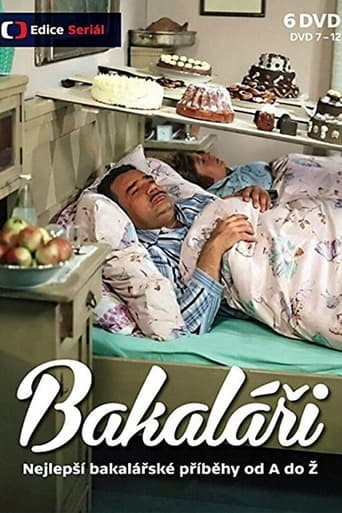 7.0
No synopsis available yet.
Bakaláři
1972
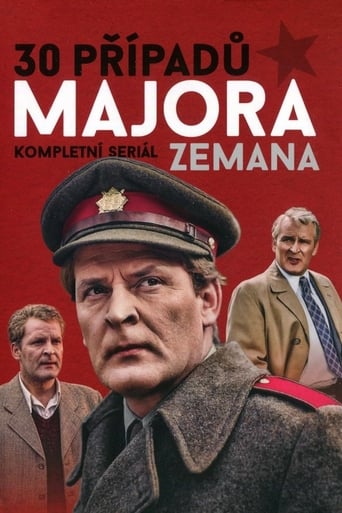 7.3
Thirty Cases of Major Zeman is a Czechoslovak action-drama television show intended as a political propaganda to support the official attitude of the communist party. The series were filmed in the 1970s. Each episode encompasses one year, and investigations are stylized to that year. Most are inspired by real cases. The series follows the life of police investigator Jan Zeman during his career from 1945 to 1975.
Thirty Cases of Major Zema
1976
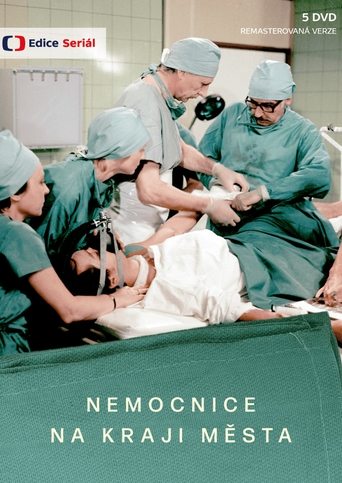 6.7
Hospital at the End of the City is a popular television series first released in Czechoslovakia in 1977, it featured an ensemble cast and received much viewer praise in central Europe. The series ran from 1977 to 1981 for a total of twenty episodes. The success of the series inspired the German television series The Black Forest Clinic.
Nemocnice na kraji města
1978
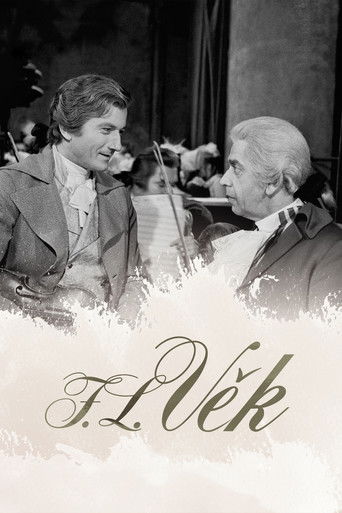 7.0
No synopsis available yet.
F. L. Věk
1971
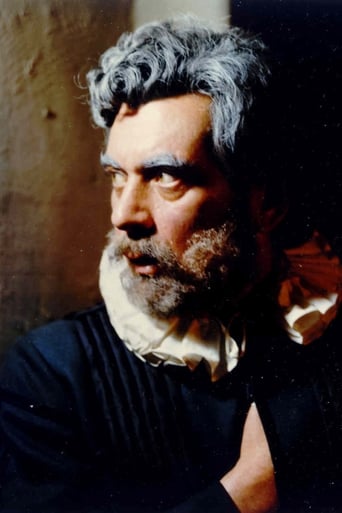 8.0
Series about the life of Renaissance anatomist, scholar and politic Johannes Jessenius. Already legendary series today, was produced by Czechoslovak Television Bratislava, directed by Slovak director Miroslav Luther in the first half of 80's in Barrandov Studios in Prague. The story and screenplay of the series wrote Czech writer Vladimír Körner. Five-episodes epic historical narration is a biographical story of distinguished Renaissance scholar, anatomist and politic of Slovak origin, Johannes Jessenius (Ján Jesenský, 1566–1621). It displays his life from the first studies and successes. In 1594 he became professor of surgery and anatomy on Wittenberg University, which he had attended years before. From that moment, his life went through social and personal wins and losses, to the sad end on the Prague Old Town Square gallows, among 27 noblemen, knights and burgenses, after lose Bohemian Revolt in 1621. His destiny was coupled with key events of Czech history in the break of 16th and 17th century, when Renaissance and European humanism slowly fade out.
The Physician of a Dying Time
1984
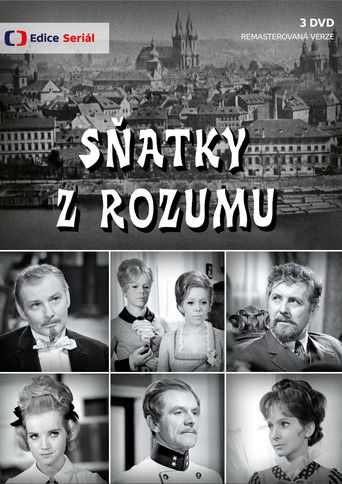 7.8
Sňatky z rozumu was a Czechoslovak television programme which was first broadcast in 1968. The programme was directed by František Filip.
Sňatky z rozumu
1968
Film credits
1990s · 1 titles
1980s · 3 titles
No synopsis available yet.
Každý má svůj stín
1980
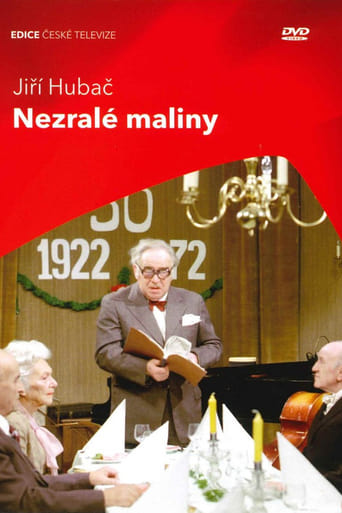 7.0
A story about a meeting of high school graduates from Písek, a story about the enduring power of friendship, love, honesty and duty.
Nezralé maliny
1982
 7.0
Several of the works of writer Bohumil Říha have been filmed. This novel by the pro-regime writer also inspired a children’s film, which was directed in 1981 by the experienced family filmmaker Václav Gajer. The story takes place in 1947 and it is based on the popular model of the relationship between a human hero and an indomitable animal protagonist. The tale of the freedom necessary for life, is, of course, beholden to the standards of the time: the Hucul horse that heals an old villager, has remained in the small village in Šumava after the Soviet soldiers have left. This is a pleasing movie that engages with the acting performance of Zdeněk Řehoř and the depiction of the indisputable beauty of the Šumava landscape as shot by cameraman Jan Němeček.
Divoký koník Ryn
1982
1970s · 9 titles
 6.1
An historical depiction of the events preceding the political murder of Archduke Franz Ferdinand, would-be emperor of the Austro-Hungarian throne, in Sarajevo on June 28th, 1914.
The Day That Shook the World
1975
No synopsis available yet.
O statečné princezně Janě
1979
A love story in which two brothers - naive officer Yuri and demonic lover Alexander - compete for the young married princess Vera.
Two Brothers
1974
 NR
The mischievous princess Anka annoys her father and her surroundings with her original tricks. So as punishment, the devil Haramáš takes her to the robbers and she makes their pleasant life of robbery literally hell on earth. How the devils would like to return her to her royal parents now! But Anka decides that she must be properly freed from captivity. She gets a dragon and a prince and organizes a big liberation performance...
O chudém královstvíčku
1979
 NR
No synopsis available yet.
Paličova dcera
1977
 NR
No synopsis available yet.
Odměna
1979
No synopsis available yet.
Údržbáři
1975
No synopsis available yet.
Příběh se starou lenoškou
1972
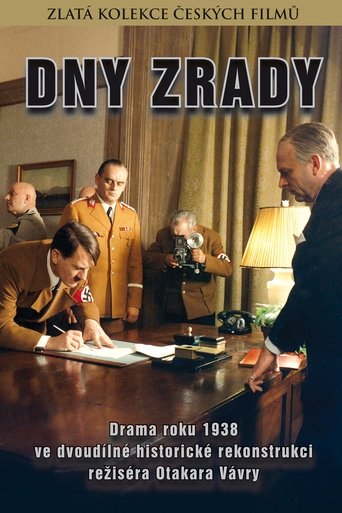 5.6
This feature film based on the events of 1938 is a chronicle of the futile efforts of the Czechoslovak president Edvard Benes (Jirí Pleskot), politicians and ordinary citizens, to save the independence and the territorial integrity of the state from the advance of Hitler's Germany. On the 29th of March 1938 the leader of the Sudeten Germans Henlein (Werner Ehrlicher) has a meeting with Hitler (Gunnar Möller). Hitler orders him to intensify pressure on the Czechoslovak government. On the 24th of April in Carlsbad, the Sudetendeutsche Partei (Sudeten German Party) decides upon eight demands that are unacceptable to the Czechoslovak President, since they would ultimately lead to the break-up of the Republic. Benes still shows a certain willingness to negotiate, and Henlein resents this. The Germans are determined to make further negotiations impossible through incidents and violence.
Days of Betrayal
1973
1960s · 15 titles
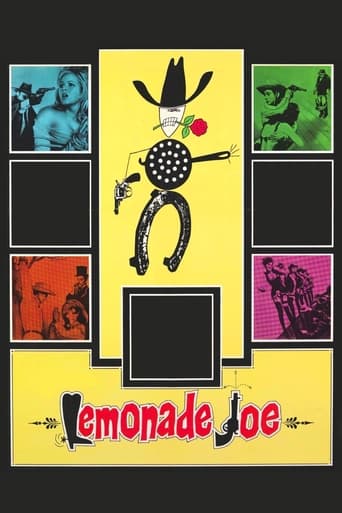 7.1
A satire of the Great American Way, with Lemonade Joe a "clean living" gunfighter who drinks only Kola-Loca Lemonade and convinces everyone else in town (with his gun skills) that all "real men" drink ONLY lemonade!
Lemonade Joe
1964
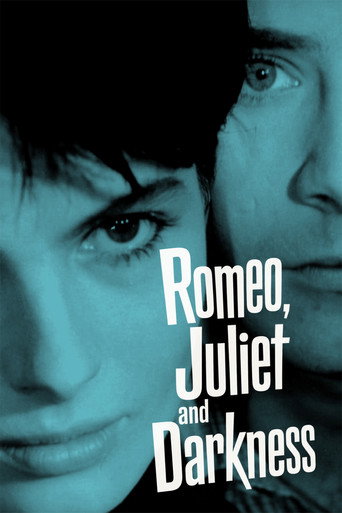 6.2
Pavel, a young student living in Prague in 1942, hides a Jewish girl in his apartment building's attic. Amidst the brutality of the occupying German army, love blossoms between the two. He is her only link to the outside world. Then the two are discovered by Pavel's mother, who forces the residents of the apartment building to decide whether Hana can remain.
Romeo, Juliet and Darkness
1960
 6.0
The Ronov castle has been changed into a hotel, offering stylish facilities to its guests: weddings in the torture chamber, a Black Lancer kidnapping brides, a night's lodging in a family tomb etc. The reformed petty swindler Felix Pacínek (Bohumil Smída) runs the hotel. The business is far from thriving; the place is half-empty, and the jazz band Skeleton, together with their singer Zuzanka (Jaroslava Obermaierová), decide to leave. Nobody in the hotel has any idea that the band is in fact a gang of thieves who have just robbed the Prague State Bank, taking two million crowns from its vaults.
„Rakev ve snu viděti...“
1968
The fate of little Oliver, from life among the coffins, through a stay with the thief Fagin, to his fatal participation in a theft, which fortunately turns out well for Oliver. But the short period of a beautiful life with the benefactor Brownlow ends with the boy being kidnapped back to the London underworld, where he is forced to participate in a new robbery. However, thanks to Oliver's gang of thieves, it fails and Brownlow takes charge of the boy's fate again...
Oliver Twist
1965
The story of a Czech national revivalist, writer and author of a famous cookbook... The story takes us to Litomyšl in 1836. The local bourgeois society, which does not fail to interject a German word into their conversation as proof of good upbringing and better origin, slanders Mrs. Rettigová. "Rettička" not only fights for standard Czech, is a patriot, but also attracts young girls and students to her and lends them Czech books. She simply disrupts the good old order. Another sensation in the town is caused by the announcement of a planned wedding. Maiden Lenka will marry old doctor Plavec. When Mrs. Rettigová finds out about it, she invites both fiancés to her, each separately. The hunter Valenta, Lenka's former admirer, who had been abroad with his master for a long time, asked her to help him get Lenka back...
Magdalena Dobromila Rettigová
1961
Instead of ruling, the king devotes himself to fishing and long conversations with the gardener, the princess, instead of pretending, like any proper princess, spends whole days in the kitchen, and the care of the kingdom thus falls to the queen. The queen decides to start the correction by marrying the princess; however, the groom must be noble and, above all, rich. The princess's cooking costs something, and the small wars that sometimes take place because of the queen's quarrelsomeness are also not completely free. The only problem is that the princess does not want to get married, and the king does not want to give his daughter to just anyone, but wants to entrust her to someone who will be kind and will truly love her.
O princezně, která pořád vařila
1967
No synopsis available yet.
Záhady aneb S Karlem Čapkem v soudní síni
1960
TV adaptation of Jules Verne's posthumously published novel.
The Secret of Wilhelm Storitz
1967
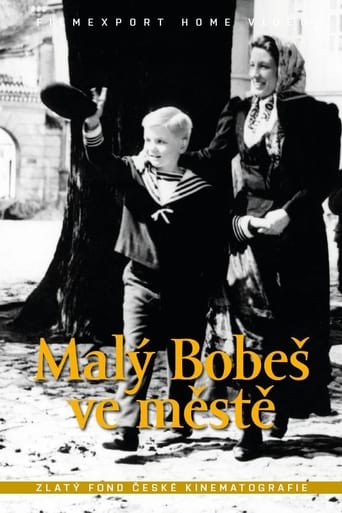 7.0
A loose sequel to the film Little Bobes, it catches up with the title child hero in the town where he and his parents have moved. However, the expectations of a better existence are disrupted by the ever worsening social conditions in the 1930s, and living on the periphery of the big city allows even the little boy to see how evil the exploiters of the workers are. This is a graphic demonstration of how ideological features have also very insensitively crept into children's films. When Bobsha's father couldn't find work after an accident, he decided to sell the cottage and move to the city with his family. He lives in a small house on the periphery and the surrounding environment contrasts strongly with his former home. It takes Bobš a long time to get used to it. A loose sequel to the film "Little Bobesh".
Malý Bobeš ve městě
1962
 10.0
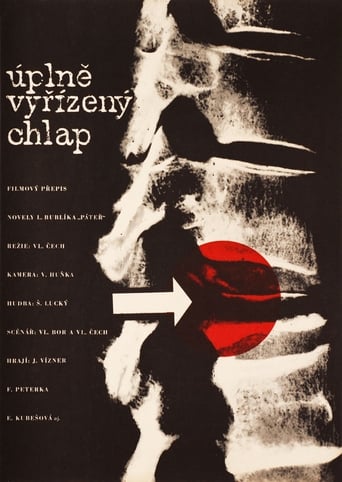
Ostrava - Kunčice , 1953: on the same day as the manifestation funeral for J. V. Stalin, the funeral of Brigadier Bédi Nevěřil, a tragic victim of the bureaucratic cadre machine... The story unfolds in the memoirs of another brigadier, former journalist Karel Kratochvil.
Úplně vyřízený chlap
1965
No synopsis available yet.
Jejich den
1962
A group of wealthy American Jewish businessmen have been captured by the SS and are told that they are to be traded to the American army for several SS officers. However, these hostages are being required to pay bribes for their "transportation costs." In order to ensure that the businessmen will be more cooperative in paying up, a beautiful female singer is placed in their midst as a bargaining chip. The group of hostages are then placed on a train which is supposed to take them to the ship that will deliver them to freedom, but a series of "mishaps" delays their escape.
A Prayer for Katerina Horovitzova
1965
 7.0
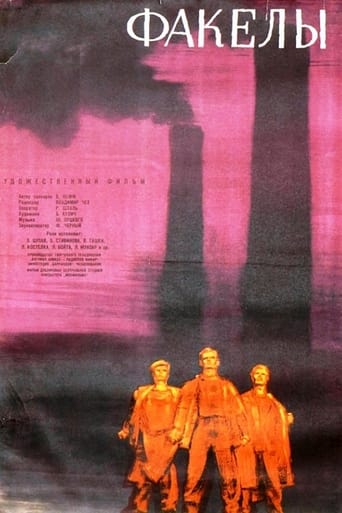
Prague in the 1870s. Work in Smolík's sulphur factory is hard and dangerous to health. The poorly paid workers resemble torches because their clothes are soaked with poisonous phosphorus. Young Josef Rezler also works in the sulphur factory and uses his earnings to feed his mother and little sisters. He throws his perpetually drunken father out of the house. The older worker Brož forces Josef to learn to read and write. A cholera epidemic breaks out in Prague and Josef is the only one of his family to survive the disease...
Pochodně
1961
 8.0
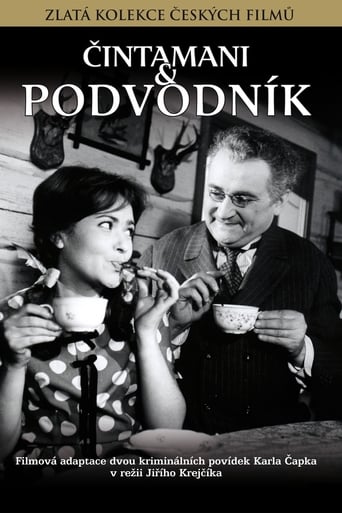
Two short stories by Karel Čintamani a ptáci An avid collector of carpets, MUDr. Vitásek discovers a unique piece in Mrs. Severýnová's junk shop - a Persian carpet with a pattern of birds. As a connoisseur, he knows that there are only three of these carpets in existence and they are all owned by different monarchs. Severyn has no idea how rare it is, but the carpet is not for sale. It was saved by the wealthy widow Zanelli, who travels all over the world and rarely visits Prague. Vitásek confides in his lawyer friend Bimbal and with his help tries to retrieve the rare piece. Tales of a marriage fraudster The police headquarters is on high alert as marriage frauds proliferate. The hallmark of the culprit is violin playing and gold teeth. Inspector Pigeon of the train service eventually apprehends the fraudster, Vincent Plichta. The serious criminal doesn't resist arrest, he just bills the costs and goes to serve his sentence. After a while, marriage fraud is reported again.
Čintamani & podvodník
1965
No synopsis available yet.
Sedm koní a vavříny
1966
1950s · 20 titles
 7.5
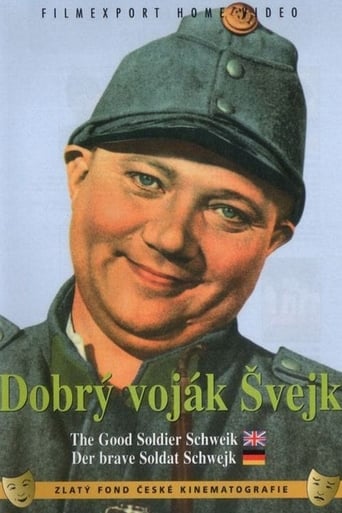
Good-natured and garrulous, Schweik becomes the Austrian army's most loyal Czech soldier when he is called up on the outbreak of World War I -- although his bumbling attempts to get to the front serve only to prevent him from reaching it. Playing cards and getting drunk, he uses all his cunning and genial subterfuge to deal with the police, clergy, and officers who chivy him toward battle.
The Good Soldier Švejk
1957
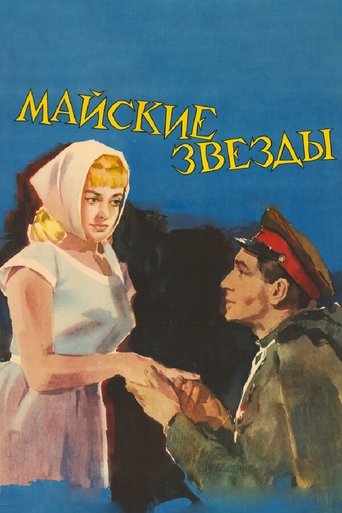 3.8
May 1945. On the outskirts of Prague, ordinary people meet Soviet soldiers-liberators with tears of joy in their eyes. In the early days of the lull, someone sadly recalls a pre-war life; someone unexpectedly meets his love; someone is returning from enemy dungeons looking hopefully into the future; and someone, having moved from a tank into a Czech tram, warmly recalls his craft as a car driver... These days, all those who survived the Great War fire swear an oath to keep peace on Earth forever, honoring the memory of those who gave their lives for simple human happiness.
May Stars
1959
 7.0
The Emperor's mismanagement of his country is provoking some in his court to plot to overthrow him. He feels successful, at least, when he discovers the legendary Golem, which he believes can protect him and even cure his imaginary illnesses but, when he disappears while on a bender, his kindly baker, who looks just like him, is mistaken for him, and begins to put things in order. However, the conspirators, not to be outdone, determine to bring the Golem back to life to do their bidding.
The Emperor and the Golem
1951
No synopsis available yet.
Veselý večer Leonida Lenče
1954
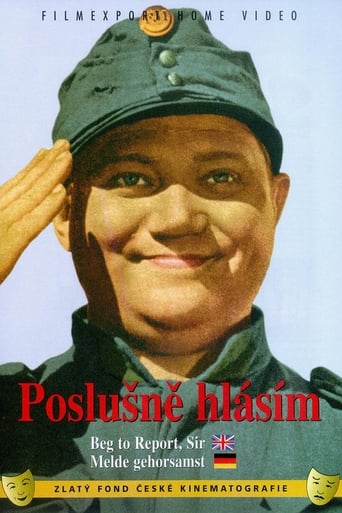 6.9
A comedy based on the novel of Jaroslav Hašek's The Good Soldier Svejk happens during the World War I. I Dutifully Report: In the introduction to the second part of the film adaptation of Hašek's novel The Good Soldier Švějk presents his main character Josef Švejk. With the distinctive traditional Czech cartoon character of a soldier Svejk, this time you meet on the way to the front and eventually right in the firing line. You can look at his famous train events, and also probably the most famous episode of the novel, Švejk's Budějovice anabasis. Don't miss the scene with the secretly bought cognac, the episode with Svejk as a fake Russian prisoner of war, including the court scene, and the scene in which lieutenant Dub is caught in a brothel. Despite the criticism, Steklý's adaptation is undoubtedly the most famous and memorable at present.
I Dutifully Report
1958
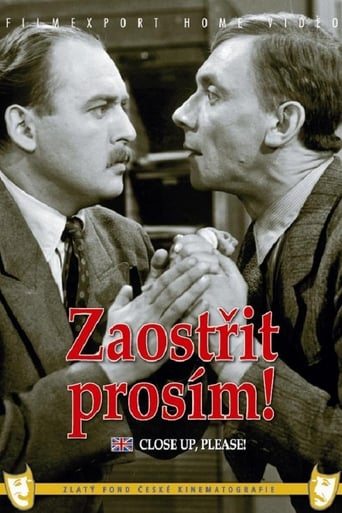 7.3
A Czech satirical comedy, filmed according to a script by the State Prize laureate Jiří Marek based on several of his satirical short stories. The film contains three stories, the first of which mocks careerism, the second takes aim at the inadequate attitude of some of our literary critics, and the final story is a satirical picture of how irresponsible construction work is still done in some parts of our country.
Zaostřit prosím!
1956
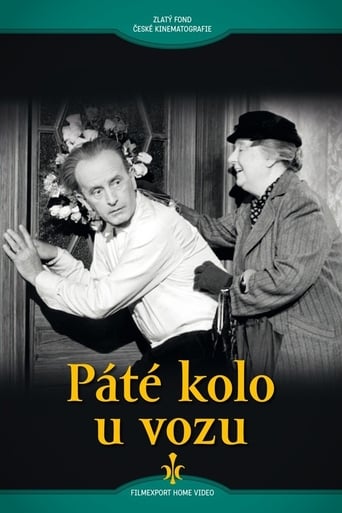 7.5
Although the emancipated editor of a women's magazine proclaims that grandparents in particular should not be abused by their adult children, she accepts without scruple the fact that her mother, still a sprightly pensioner, works in her household as a jack-of-all-trades without receiving not only any pay but also no recognition. However, the grandmother learns from an article written by her daughter - and rebels.
Páté kolo u vozu
1958
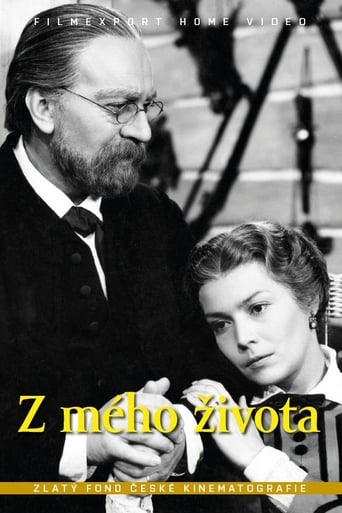 7.5
The film, in individual episodes, captures the fate of Bedřich Smetana from 1856 until the end of his life, from his young years until the moment when, exhausted by human and artistic hardship, he sees the fulfillment of his great dream, the opening of the National Theatre.
From My Life
1955
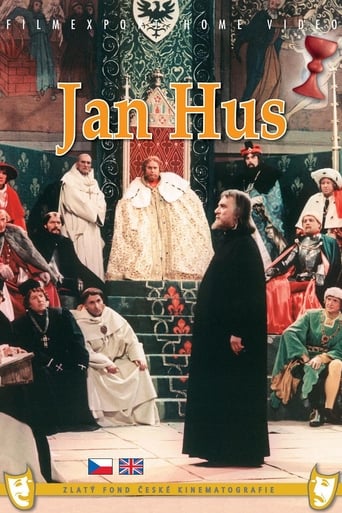 6.3
The first part of the "Hussite Revolutionary Trilogy", completed with Jan Žižka (1955) and Proti všem (Against All Odds, 1957). The film captures the period from May 1412 to the summer of 1415, a turbulent time in the Czech Kingdom, during which there were protests in Prague against the sale of "omnipotent indulgences" whose sale throughout the kingdom was announced by Pope John XXIII. The ideological leader of this movement is the preacher Master Jan Hus, whose words, calling for the elimination of church abuses, are listened to in the Bethlehem Chapel by thousands of ordinary Praguers, Czech lords and Queen Sophie, wife of the Czech King Wenceslas IV.
Jan Hus
1955
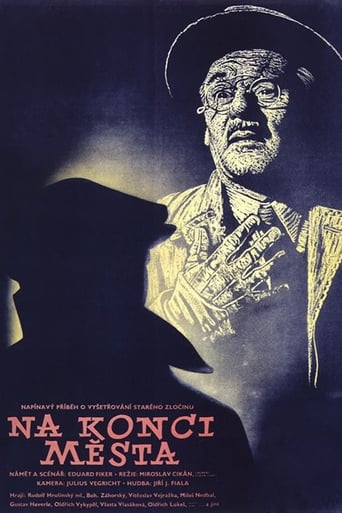 6.0
Captain Jirák of the SNB is searching for the perpetrator of the murder of the former owner of an apartment building on the outskirts of town, which took place more than twenty years ago.
Na konci města
1955
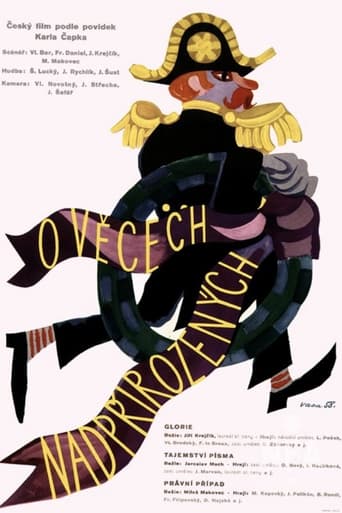 5.5
An anthology of three absurd, ironic tales inspired by Čapek’s “Tales from One Pocket” and “Fables and Side Stories,” each showing uncanny forces disrupting ordinary lives: in Krejčík’s “Glorie,” a gentle clerk is haunted by a sudden halo; the other two segments by Mach and Makovec similarly blend everyday routines with ironic, supernatural twists.
Of Things Supernatural
1959
No synopsis available yet.
Lenin v Praze
1951
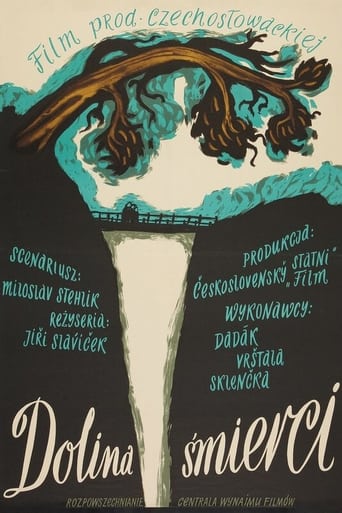 7.0
A new owner of the estate, Konrád Ritter von Schiess, arrives in the Czech village of Sluky. On his orders, the inhabitants of the village are to be evicted and only 30 families are allowed to remain, who volunteer to work on the estate. However, the inhabitants refuse to work for the lords, and their solidarity only strengthens when one of them is murdered by the Gestapo based on a report by the estate manager Prokeš...
Mordová rokle
1952
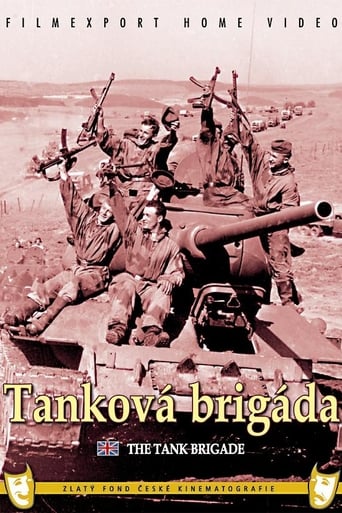 6.2
The fate of a tank crew on the most difficult part of the First Czechoslovak Independent Brigade's combat path during World War II. We also follow the fate of its commander, Sergeant Juraj Klimka. During the bloody battles for the Dukel Pass, he falls in love and it turns out that behind the mask of a sovereign, he is actually a shy and sensitive person.
Tank Brigade
1955
No synopsis available yet.
Ženitba
1955
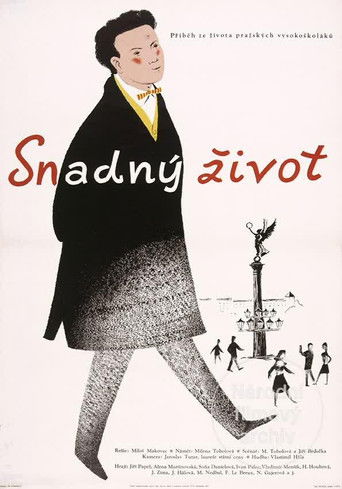 5.0
Depiction of Czech students in the 1950s. The kids are less interested in communism than in rock n’ roll. Czech authorities deemed the work decadent and subversive, which led to the director being kicked out of film school.
An Easy Life
1957
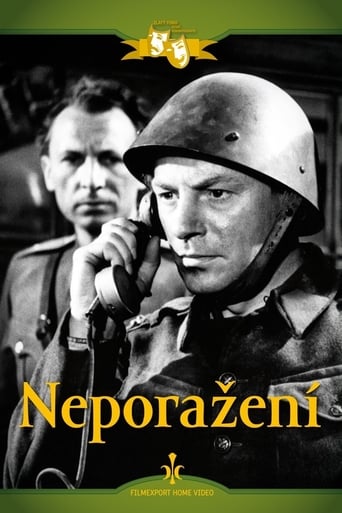 8.0
As Nazi troops prepare to occupy the already truncated Czechoslovak Republic, a small military garrison made up of communists defies orders to abandon their post.
Neporažení
1956
 7.3
The second part of the revolutionary Hussite trilogy takes place in the years 1419-1420.
Jan Žižka
1956
 6.7
Princess Blanka (Aglaia Morávková) is secretly meeting her beloved, huntsman Ondrej (Jirí Papez). Only the chamber-maid Anezka (Jirina Bohdalová) is in favour of their love but Blanka’s father, the King (Jaroslav Marvan), mustn’t find out anything about it. Blanka is refusing all the bridegrooms the King has invited to the castle. The King has enough of his daughter’s moodiness and shuts her up in the tower. The suitors must search for her and she is to marry the one who finds her first.
The Bear and the Ghosts
1959
 7.0
The suffocating conditions in a bourgeois family were depicted in several films in the second half of the 1950s - this one is one of the lesser known, although it achieves great emotional impact, free from the first ideological pressures. The title character, the owner of the tenement house Mrs. Dulská, controls her relatives and tenants with a firm and despotic hand. To achieve her goals, she masterfully combines tears, blackmail and insidious intrigues, or does not hesitate to abuse the trusting and handsome maid Hanka when she wants her son not to fool around. Everything suddenly turns around when Hank gets pregnant... But the appearance of a good reputation is more important to her than anything.
Morálka paní Dulské
1958
1940s · 9 titles
 7.0
A fiction piece centered around the Czech resistance to the Nazis.
Silent Barricade
1949
 7.0
Young civil servant Marta Urbanová wins a two-week stay at a luxury hotel. While looking for a typing room, she accidentally finds herself in the suite of the Minister of Finance, who mistakes her for a typist. Marta complies with the request of the Minister's secretary Diviš and stays to take dictation...
Dva týdny štěstí
1940
 7.0
A sometimes humorous, sometimes more serious look at the hustle and bustle of a house in Lesser Town with a diverse array of tenants living there, and often petty quarrels that break out between them. Behind the facade of the house in Lesser Town "U dvou slunců" (Two Suns) there is life. The Bavors live here, eternal slaves to the grocery store. The Ebros, who need to marry their daughter off at a good price. The bachelor Dr. Loukota and other interesting Nerudov characters.
A Week in the Quiet House
1947
 5.0
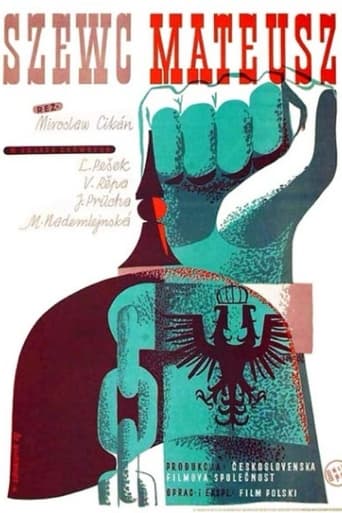
The revolutionary year of 1848 brought great hopes among the hitherto silent classes, awakening social and national hopes. The response also penetrated the remote countryside, even as far as the Podkrkonoše Mountains. The young shoemaker there began to take an interest in social and political events, and he also experienced disappointment in later developments.
O ševci Matoušovi
1948
 7.5
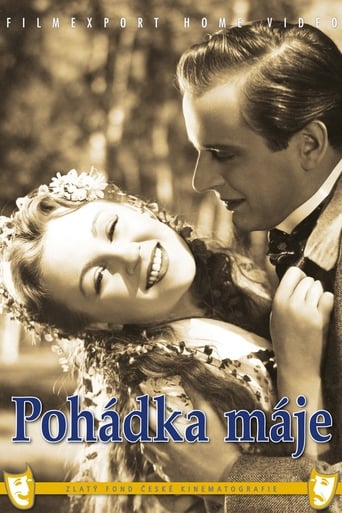
Ríša, a student of law, neglects his studies in favour of parties and pranks. His angry father refuses to continue helping him out of his debts. Ríša, however, is not entirely beyond hope. He decides to go and stay for a while with his uncle, a priest, who lives in Moravia, in order to prepare for his exams. He meets Helenka, the timid daughter of the local gamekeeper, at a village ball and is enchanted by her. The days pass and their idyllic relationship begins to tire Ríša. He begins to tell Helenka about his former debauched life the about the broken hearts of beautiful women. Helenka is hurt and refuses to see Ríša anymore. His uncle, the priest, is incensed at his behaviour and orders his nephew out of the house. Ríša tries desperately to find Helenka so he can make it up to her.
May Fairy Tale
1940
 5.7
An ambitious and selfish lawyer confesses to the murder of his first wife. Some of the scenes were filmed in the last weeks of the war.
The Avalanche
1946
 7.8
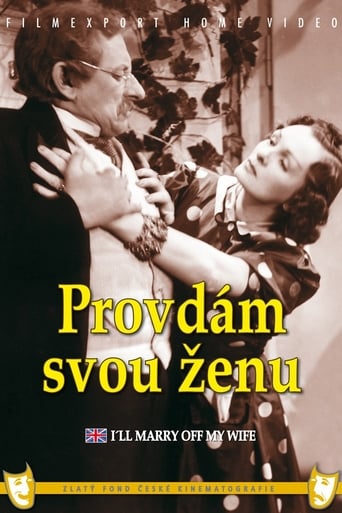
The film is about a slightly crazy botany professor Ducánek, who is so busy with his scientific experiments that he has completely forgotten that he is married. Neither his housekeeper Veronika nor his friend Potužník knew about the existence of his capricious wife, the operetta diva Lucy. However, when his wife returns home after seven years in remorse, Ducánek takes a complicated action to elegantly get rid of his wife...
I‘ll Marry Off My Wife
1941
Karel Kubat, the successful director of the Globus printing house, learns on his fiftieth birthday that he has a serious heart condition. The bad news forces him to take stock of his life. In his mind, he returns to key situations that gradually changed his character and outlook on life...
Kariéra
1948
 6.0
In the garden of Hojtaš's estate, local dignitaries gather to watch a theatrical performance starring the author of the play, Dr. Pavel Chvojka, the landowner's granddaughter Olga, and Lenka, her ward. Lenka is intoxicated by the theater and Pavel, but he prefers the more experienced Olga. Lenka runs away to Prague to become a real actress. However, the beginnings are difficult and the girl is forced to work in a fashion salon. Here she meets the warm-hearted Milada, with whom she also shares a sublet. In the salon, Lenka meets Pavel again after some time...
Okouzlená
1942
1930s · 3 titles
 8.0
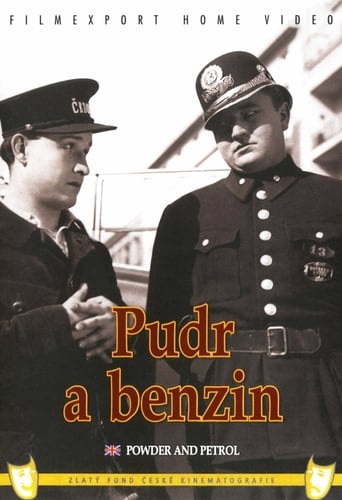
The Voskovec and Werich duo play a peculiar pair - a clumsy coach driver and an equally clumsy traffic policeman, who both fall in love with a young actress. Although their ludicrous courtship does not work out, both buddies become successful revue comedians.
Powder and Petrol
1932
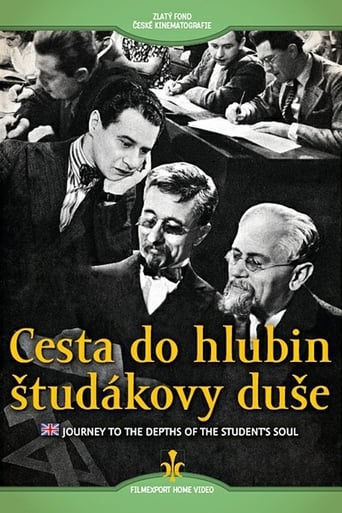 7.6
Small stories from a grammar school.
Journey Into the Depth of the Student's Soul
1939
 4.0
The original painting of the White Lady has gone missing from the castle hall. A group of village boys decide to track down the real perpetrator of the theft.
Ztratila se Bílá paní
1938
Series credits
7.0No synopsis available yet.
Bakaláři
1972
7.3Thirty Cases of Major Zeman is a Czechoslovak action-drama television show intended as a political propaganda to support the official attitude of the communist party. The series were filmed in the 1970s. Each episode encompasses one year, and investigations are stylized to that year. Most are inspired by real cases. The series follows the life of police investigator Jan Zeman during his career from 1945 to 1975.
Thirty Cases of Major Zema
1976
6.7Hospital at the End of the City is a popular television series first released in Czechoslovakia in 1977, it featured an ensemble cast and received much viewer praise in central Europe. The series ran from 1977 to 1981 for a total of twenty episodes. The success of the series inspired the German television series The Black Forest Clinic.
Nemocnice na kraji města
1978
7.0No synopsis available yet.
F. L. Věk
1971
8.0Series about the life of Renaissance anatomist, scholar and politic Johannes Jessenius. Already legendary series today, was produced by Czechoslovak Television Bratislava, directed by Slovak director Miroslav Luther in the first half of 80's in Barrandov Studios in Prague. The story and screenplay of the series wrote Czech writer Vladimír Körner. Five-episodes epic historical narration is a biographical story of distinguished Renaissance scholar, anatomist and politic of Slovak origin, Johannes Jessenius (Ján Jesenský, 1566–1621). It displays his life from the first studies and successes. In 1594 he became professor of surgery and anatomy on Wittenberg University, which he had attended years before. From that moment, his life went through social and personal wins and losses, to the sad end on the Prague Old Town Square gallows, among 27 noblemen, knights and burgenses, after lose Bohemian Revolt in 1621. His destiny was coupled with key events of Czech history in the break of 16th and 17th century, when Renaissance and European humanism slowly fade out.
The Physician of a Dying Time
1984
7.8Sňatky z rozumu was a Czechoslovak television programme which was first broadcast in 1968. The programme was directed by František Filip.
Sňatky z rozumu
1968
 8.0
No synopsis available yet.
Byl jednou jeden dům
1975
No synopsis available yet.
Vůně domova
1982
No synopsis available yet.
Německé pohádky
1973
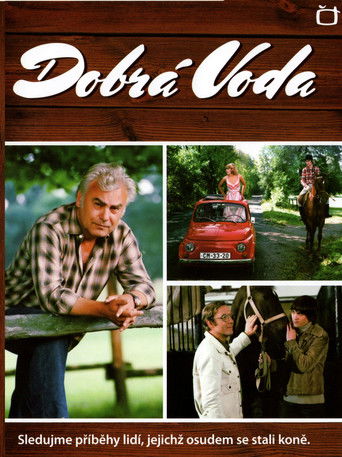 8.5
No synopsis available yet.
Dobrá Voda
1983
No synopsis available yet.
Nebezpečí smyku
1976
No synopsis available yet.
„Start“
1980
Amy Dorrit spends her days earning money for the family and looking after her proud father who is a long term inmate of Marshalsea debtors' prison in London. Amy and her family's world is transformed when her employer's son, Arthur Clennam, returns from overseas to solve his family's mysterious legacy and discovers that their lives are interlinked.
Little Dorrit
1967