
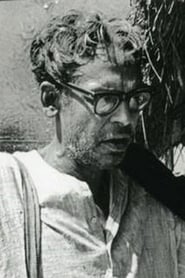
Directing
Ritwik Ghatak
Born — Died
1925-11-04 — 1976-02-06
Place of birth
Dacca, East Bengal, British India
Known for
Directing
Credits
41 titles
Ritwik Kumar Ghatak was a Bengali filmmaker and script writer. Along with prominent contemporary Bengali filmmakers Satyajit Ray and Mrinal Sen, his cinema is primarily remembered for its meticulous depiction of social reality. Although their roles were often adversarial, they were ardent admirers of each other's work and, in doing so, the three directors charted the independent trajectory of parallel cinema, as a counterpoint to the mainstream fare of Hindi cinema in India. Ghatak received many awards in his career, including National Film Award's Rajat Kamal Award for Best Story in 1974 for his Jukti Takko Aar Gappo and Best Director's Award from Bangladesh Cine Journalist's Association fo…
Known for
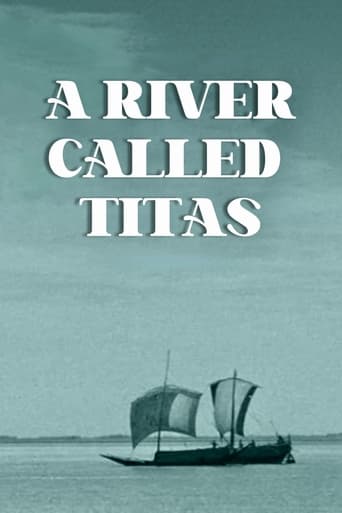 6.8
6.8An in-depth look at the lives and struggles of a fishing community living by the River Titas in Bangladesh after the Partition of India in 1947.
A River Called Titas
1973
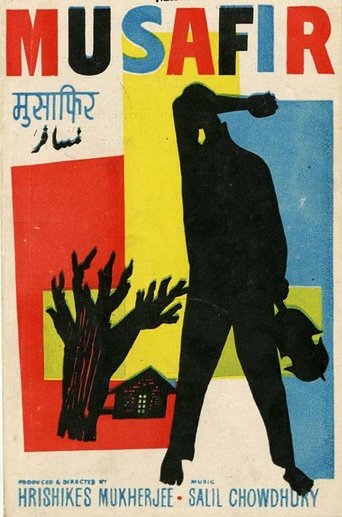 7.0
7.0The stories of three sets of people, linked by their connection to an old suburban house in Calcutta- An orphaned young woman who desperately wants her husband to make up with his estranged parents so that she may belong to a family once more, a wayward young man desperate to find a job to support his aged father and his widowed sister-in-law, and a shadowy neighbourhood ‘madman’
Musafir
1957
 9.0
9.0The film brings to the screen the determination of the common man of Bangladesh to stand up to tyranny and win his priceless liberty back.
Where the River Padma Flows
1971
 7.2
7.2A selfless young woman, the daughter of a middle-class refugee family from East Pakistan, sacrifices her own happiness for her unappreciative family.
The Cloud-Capped Star
1960
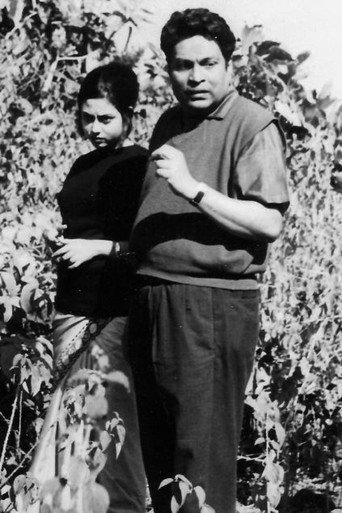 8.0
8.0the story of a lost butterfly-shaped diamond brooch that belongs to an elderly woman, and its passage through unexpected hands
Heerer Prajapati
1968
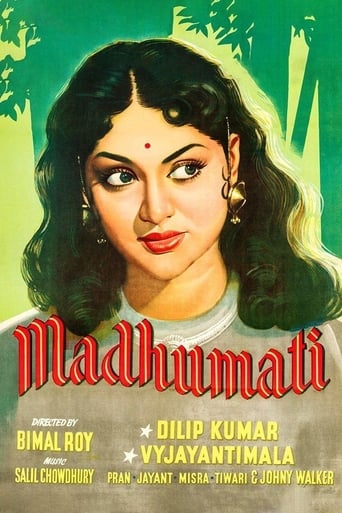 6.9
6.9Two men take shelter in a derelict mansion situated in the countryside during a storm. One of the men suddenly becomes aware that he once visited this mansion in a past life; he recounts a story about when he was Anand, a painter, who fell in love with a tribal girl named Madhumati.
Madhumati
1958
Film credits
1970s · 3 titles
6.8An in-depth look at the lives and struggles of a fishing community living by the River Titas in Bangladesh after the Partition of India in 1947.
A River Called Titas
1973
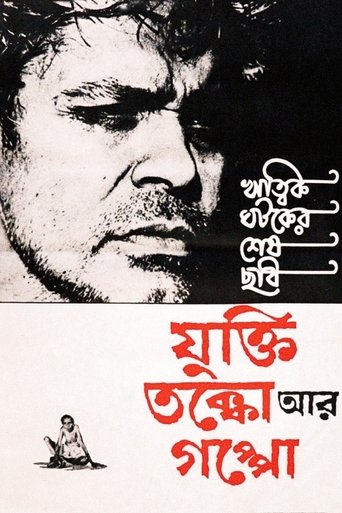 6.5
6.5Four men, each peculiar in his own way, embark on a quest to reason with the estranged wife of the protagonist. This is considered to be Ghatak's autobiographical film.
Reason, Debate and a Story
1974
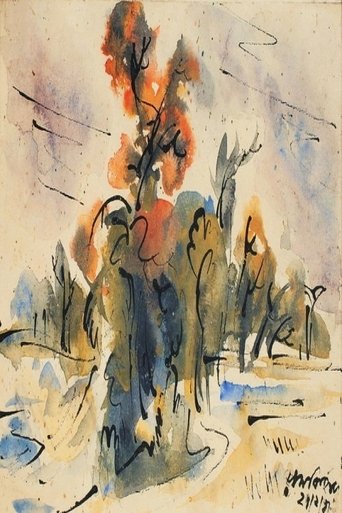 9.0
9.0Ramkinkar Baij is an incomplete personality study or documentary on sculptor Ramkinkar Baij created by legendary filmmaker Ritwik Ghatak. He started creating the film in 1975. The film was almost complete but it still remained unfinished for the death of Ritwik Ghatak.
Ramkinkar Baij
1975
Behind the camera
6.8An in-depth look at the lives and struggles of a fishing community living by the River Titas in Bangladesh after the Partition of India in 1947.
A River Called Titas
1973
6.8An in-depth look at the lives and struggles of a fishing community living by the River Titas in Bangladesh after the Partition of India in 1947.
A River Called Titas
1973
7.0The stories of three sets of people, linked by their connection to an old suburban house in Calcutta- An orphaned young woman who desperately wants her husband to make up with his estranged parents so that she may belong to a family once more, a wayward young man desperate to find a job to support his aged father and his widowed sister-in-law, and a shadowy neighbourhood ‘madman’
Musafir
1957
9.0The film brings to the screen the determination of the common man of Bangladesh to stand up to tyranny and win his priceless liberty back.
Where the River Padma Flows
1971
7.2A selfless young woman, the daughter of a middle-class refugee family from East Pakistan, sacrifices her own happiness for her unappreciative family.
The Cloud-Capped Star
1960
7.2A selfless young woman, the daughter of a middle-class refugee family from East Pakistan, sacrifices her own happiness for her unappreciative family.
The Cloud-Capped Star
1960
8.0the story of a lost butterfly-shaped diamond brooch that belongs to an elderly woman, and its passage through unexpected hands
Heerer Prajapati
1968
6.9Two men take shelter in a derelict mansion situated in the countryside during a storm. One of the men suddenly becomes aware that he once visited this mansion in a past life; he recounts a story about when he was Anand, a painter, who fell in love with a tribal girl named Madhumati.
Madhumati
1958
 6.5
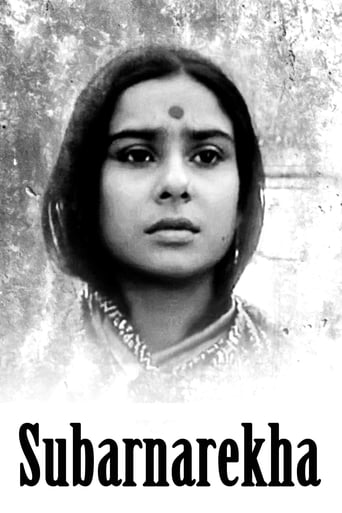
6.5After an old college friend offers him a job at an iron foundry, the upright and honest Ishwar leaves a shanty town on the outskirts of Calcutta where he lives with a group of refugees from East Bengal. With plans to forge a solid living for himself, sister Sita and Abhiram, an orphaned boy he offers a home to, Ishwar is accused of selling out and deserting his people.
The Golden Thread
1965
6.5After an old college friend offers him a job at an iron foundry, the upright and honest Ishwar leaves a shanty town on the outskirts of Calcutta where he lives with a group of refugees from East Bengal. With plans to forge a solid living for himself, sister Sita and Abhiram, an orphaned boy he offers a home to, Ishwar is accused of selling out and deserting his people.
The Golden Thread
1965
 7.0
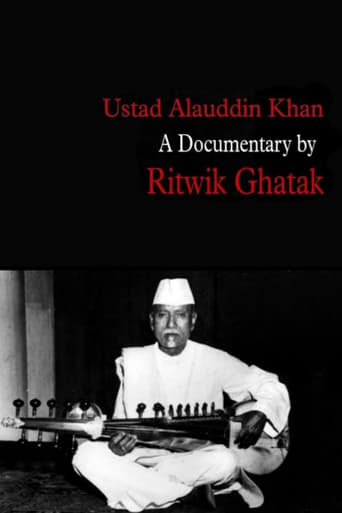
7.0Life and disciples of legendary Indian classical musician and teacher, 'Guru' of Pandit Ravishankar, 'Baba' Ustad Alauddin Khan.
Ustad Alauddin Khan
1963
7.0Life and disciples of legendary Indian classical musician and teacher, 'Guru' of Pandit Ravishankar, 'Baba' Ustad Alauddin Khan.
Ustad Alauddin Khan
1963
 NR
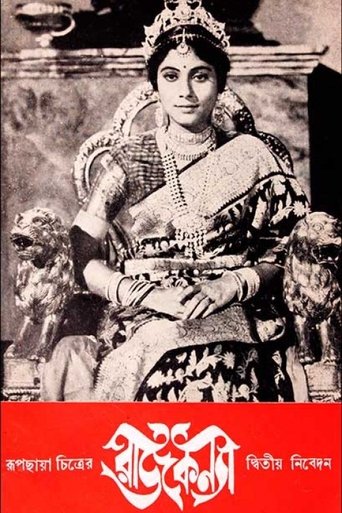
NRDarpa, a cunning man, asks Rajkumari to pretend to be Princess Rajkanya Chandralekha so that he can keep all her riches for himself. However, when she realises the truth, she ensures all his plans fail.
Portrait of a Princess
1965
 6.4
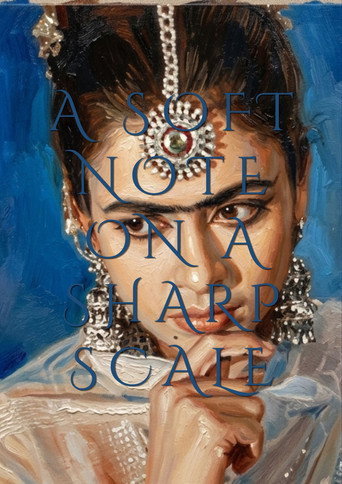
6.4Set in 1950s Calcutta against the partition of India, the plot follows two rival factions born out of the divided leadership of the radical IPTA theater movement. Amidst their intense creative differences, a romance develops between two uprooted refugees, Bhrigu and Anusuya.
A Soft Note on a Sharp Scale
1961
6.4Set in 1950s Calcutta against the partition of India, the plot follows two rival factions born out of the divided leadership of the radical IPTA theater movement. Amidst their intense creative differences, a romance develops between two uprooted refugees, Bhrigu and Anusuya.
A Soft Note on a Sharp Scale
1961
6.4Set in 1950s Calcutta against the partition of India, the plot follows two rival factions born out of the divided leadership of the radical IPTA theater movement. Amidst their intense creative differences, a romance develops between two uprooted refugees, Bhrigu and Anusuya.
A Soft Note on a Sharp Scale
1961
 7.0
7.0Bimal is a taxi-driver in a small provincial town. He lives alone, his taxi (an old 1920 Chevrolet jalopy which he named Jagaddal) is his only companion and, although very battered, it is the apple of Bimal's eye.
Ajantrik
1958
7.0Bimal is a taxi-driver in a small provincial town. He lives alone, his taxi (an old 1920 Chevrolet jalopy which he named Jagaddal) is his only companion and, although very battered, it is the apple of Bimal's eye.
Ajantrik
1958
6.5Four men, each peculiar in his own way, embark on a quest to reason with the estranged wife of the protagonist. This is considered to be Ghatak's autobiographical film.
Reason, Debate and a Story
1974
6.5Four men, each peculiar in his own way, embark on a quest to reason with the estranged wife of the protagonist. This is considered to be Ghatak's autobiographical film.
Reason, Debate and a Story
1974
 9.0
9.0Alarm has been sounded that the hydrogen bomb is about to be dropped. In this atmosphere of panic and fear a cross-section of humanity has been huddled together for safety in an experimental shelter. But even in this crisis the old attitudes and behaviour patterns do not change. FTII Diploma film for acting students of 1964-65 by Ritwik Ghatak.
Fear
1965
 7.5
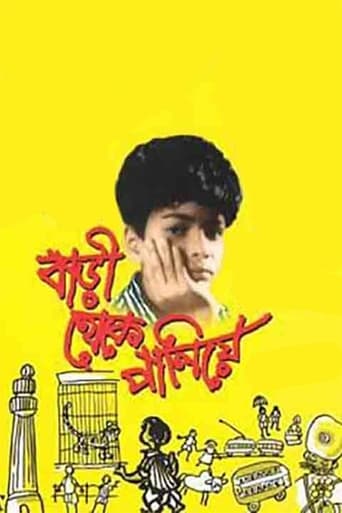
7.5Kanchan, all of eight years old, is always up to pranks and mischief in his village home. He finds his father a cruel demon who keeps his mother oppressed and imprisoned. In his dreams, the big city is El Dorado, until he reaches there.
Runaway
1958
7.5Kanchan, all of eight years old, is always up to pranks and mischief in his village home. He finds his father a cruel demon who keeps his mother oppressed and imprisoned. In his dreams, the big city is El Dorado, until he reaches there.
Runaway
1958
 8.0
8.0The sole dream of Ramu, eldest son a family of migrants, and Uma to build a happy life together is burdened by a pile of obstacles on their way due to economic upheaval in post-partition Calcutta.
The Citizen
1977
8.0The sole dream of Ramu, eldest son a family of migrants, and Uma to build a happy life together is burdened by a pile of obstacles on their way due to economic upheaval in post-partition Calcutta.
The Citizen
1977
 NR
NRA documentary made by Ghatak for the Government of Bihar observing the life of the Adivasis.
The Life of the Adivasis
1955
 5.5
5.5Amar Lenin is a 1970 black and white documentary film directed by film director Ritwik Ghatak made for Government of West Bengal in the centenary year (1970) of the birth of Vladimir Lenin.
My Lenin
1970
5.5Amar Lenin is a 1970 black and white documentary film directed by film director Ritwik Ghatak made for Government of West Bengal in the centenary year (1970) of the birth of Vladimir Lenin.
My Lenin
1970
9.0Ramkinkar Baij is an incomplete personality study or documentary on sculptor Ramkinkar Baij created by legendary filmmaker Ritwik Ghatak. He started creating the film in 1975. The film was almost complete but it still remained unfinished for the death of Ritwik Ghatak.
Ramkinkar Baij
1975
9.0Ramkinkar Baij is an incomplete personality study or documentary on sculptor Ramkinkar Baij created by legendary filmmaker Ritwik Ghatak. He started creating the film in 1975. The film was almost complete but it still remained unfinished for the death of Ritwik Ghatak.
Ramkinkar Baij
1975
Directed in the same year as The Life of the Adivasis, Places of Historic Interest in Bihar was more of a tourism documentary for the Bihar government.
Places of Historic Interest in Bihar
1955
An uncompleted portrait of the trials and tribulations of women in society.
The Knave of Trumps
1968
In 1957, Ghatak premiered Oraon. This is often regarded as a preparatory work for Ajantrik and is based on the Oraon tribes. It was shot in 1955 in Chhota Nagpur. Incidentally, some footage from Oraon was also used in Ajantrik.
Oraon
1957
Released in 1970, this lesser-known work is a powerful cinematic essay that speaks out against religious fundamentalism and the violence of communalism.
The Question
1970
 7.0
7.0The film explains the details of the research scheme instituted by the Government of India for the benefit of young talented scientists. Under the Scheme, Government encourages students with a scientific bent of mind by awarding scholarships from the B.Sc. to Ph.D. degrees.
Scientists of Tomorrow
1967
In 1970, Ghatak explored the traditional heritage of Chhau in the documentary titled Puruliar Chhau. He explores the life of the performers, including close shots of eminent dancers like Madhu Ray, Gokul Roy, Gambhir Singh and Lal Mahato. His use of flambeau (a rural life lighting to avoid technical lights) and the dramatic way of the narration in which the narrator becomes an integral part of Chhau are highpoints of this documentary. Ritwik went to showcase how tribals use this artform to articulate their struggle against oppression and exploitation in this documentary as well as in Jukti Takko Aar Gappo.
Puruliar Chhau
1970