

Acting
Wang Wufu
Born
1948-01-01 (78)
Place of birth
Tianjin, China
Known for
Acting
Credits
45 titles
Known for
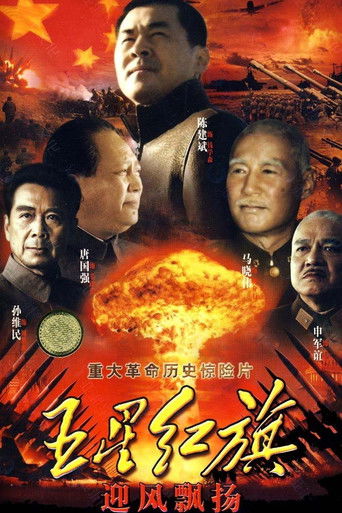 8.0
8.0No synopsis available yet.
五星红旗迎风飘扬
2011
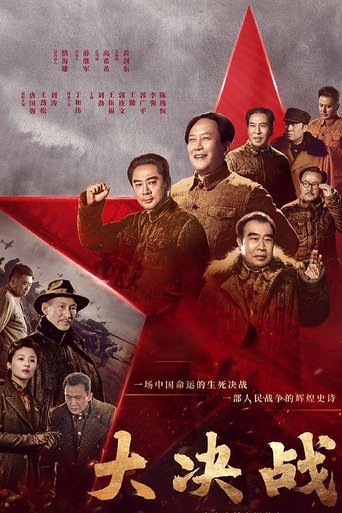 7.3
7.3For the first time, the drama "Decisive Victory" presents a panoramic view of the three major battles of Liaoshen, Huaihai and Pingjin in the form of a TV series, presenting a dramatic battle of China's destiny. It presents the three battles in three dimensions by telling the stories of strategy, tactics and battles and presents a vivid individual in the grand war through colorful characters.
Decisive Victory
2021
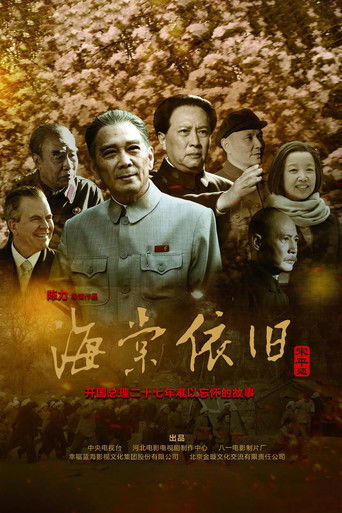 9.6
9.6This drama describes the life of Zhou Enlai, who serves as Premier of the People's Republic of China, from the founding of the Communist State in 1949 to 1976 until his death.
My Uncle Zhou Enlai
2016
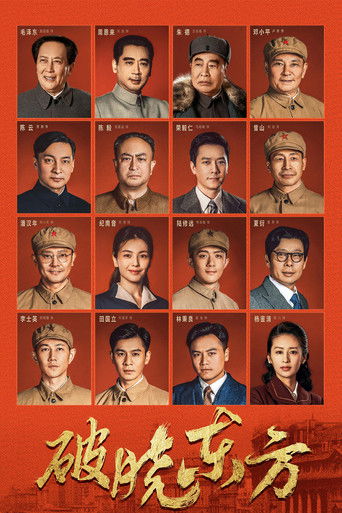 10.0
10.0The series provides a comprehensive look at Communist Party of China members' attempts to reconstruct the city and resurrect its economy after Shanghai was liberated in May 1949. It depicts how the Party liberates the city and uses its wisdom, faith and unity to tackle a number of political, economic and social issues. They were successful in guiding Shanghai into a new era of peace, stability and development. Based on true historical events, the drama focuses on the challenges faced by the city leaders in the first year after liberation. Party members had to fight bandits and enemy agents to stabilize social and political order and restore the city's production and trade.
Liberation of Shanghai
2022
 7.0
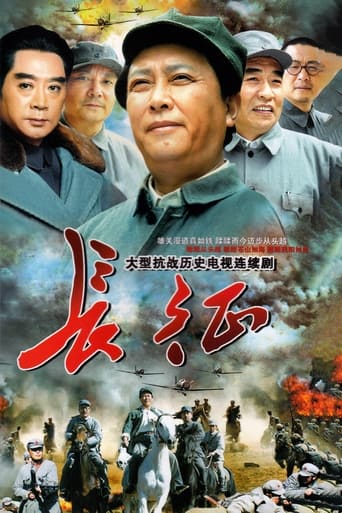
7.0No synopsis available yet.
The Long March
2001
 8.7
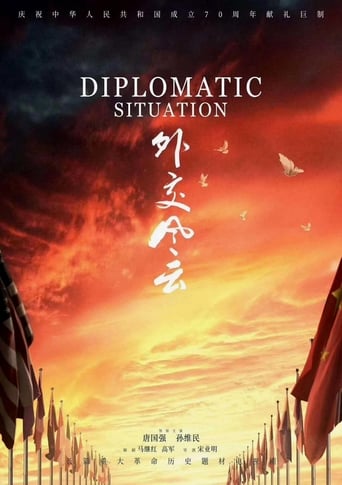
8.7No synopsis available yet.
Diplomatic Situation
2019
Film credits
2020s · 3 titles
 6.4
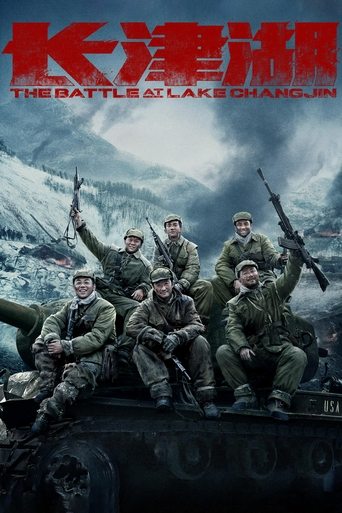
6.4Korean War, winter 1950. In the frozen and snowy area of Changjin Lake, a bloody battle is about to begin between the elite troops of the United States and China.
The Battle at Lake Changjin
2021
 6.2
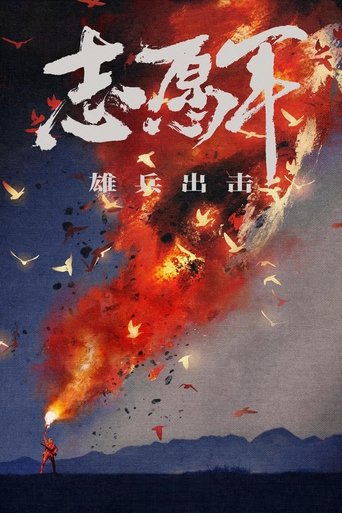
6.2In the early days of the founding of the People's Republic of China in 1949, New China was faced with "internal and external troubles". Since the outbreak of the Korean Civil War, the U.S. military has repeatedly provoked the border between China and North Korea, and civilians have been brutally bombed. In order to maintain the hard-won peace and long-term stability for generations, in October 1950, the Chinese People's Volunteers entered North Korea, and the "Resist US Aid Korea" war kicked off.
The Volunteers: To the War
2023
 10.0
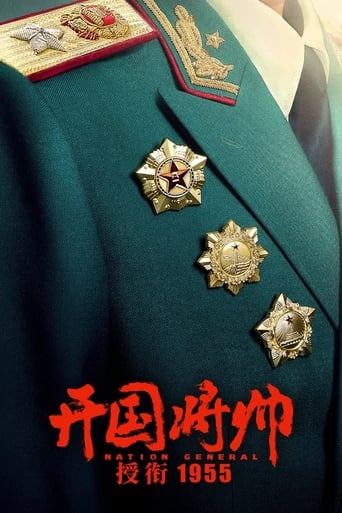
10.0The film tells the story of the first award ceremony of 1,052 meritorious generals of the Chinese People's Liberation Army On September 23, 1955, the 22nd Meeting of the Standing Committee of the First National People's Congress decided to award Zhu De and other 10 senior generals of the Chinese People's Liberation Army with the rank of Marshal of the People's Republic of China, and they were awarded by order of the then President Mao Zedong. On September 27, 1955, the Central Military Commission issued a special telegram and announced the order to award Su Yu and other 1,038 senior officers of the Chinese People's Liberation Army with the rank of general through the general ceremony ceremony held by the State Council. These include 10 generals, 55 generals, 175 lieutenant generals, and 798 major generals
The Award of the Founding General in 1955
2023
2010s · 6 titles
 4.7
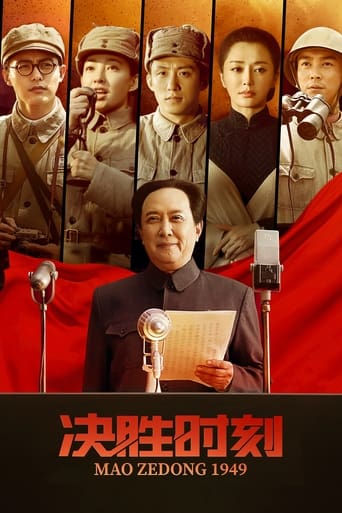
4.7The film is set in 1949, as the members of the Central Committee of the Communist Party of China prepare to establish a new Chinese state, the People's Republic of China.
Mao Zedong 1949
2019
 NR
NRNo synopsis available yet.
城南庄1948
2014
 5.2
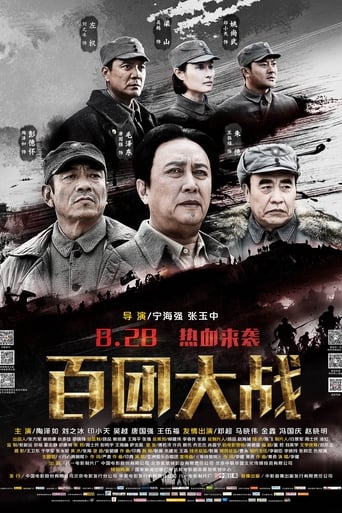
5.2The Japanese has invaded far into china, defeating the Kuomintang (KMT) soldiers many times and pushing them back into Central China. There was a general sentiment among anti-Japanese resistance forces that the Communist Party of China (CCP) was not contributing enough to the war, and that they were only interested in expanding their power. As a result, the CCP planned a major offensive against the Japanese, consisting of 105 regiments, called the Hundred Regiments Offensive.
The Hundred Regiments Offensive
2015
 NR
NRNo synopsis available yet.
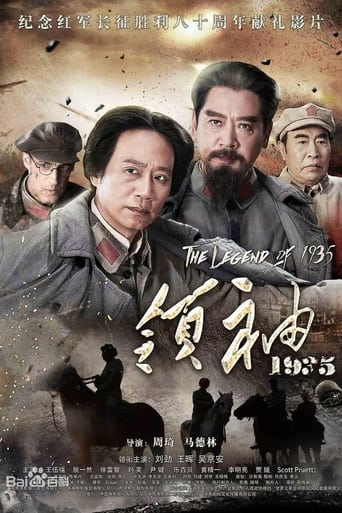
The Legend of 1935
2017
 NR
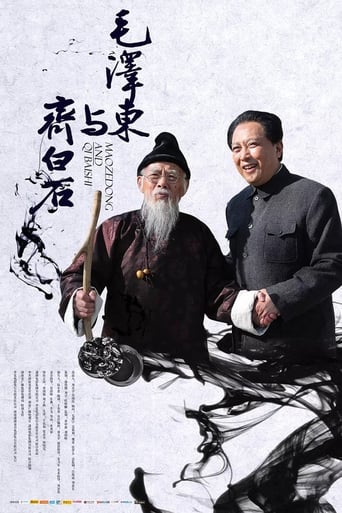
NRAfter the end of the three major campaigns, the situation in China has undergone fundamental changes. Before the Kuomintang forces withdrew from Peiping, they adopted a series of psychological policies for the literary and art circles, hoping that they would also leave Beiping together. The leaders of the Communist Party of China, such as Mao Zedong, who was far away from Xibaipo, also paid great attention to the people of the literary and art circles in Beijing. They sent Tian Han and other comrades to appease and sympathize. The Kuomintang and the Communist Party launched a silent war against the literary and art circles.
Mao Zedong and Qi Baishi
2013
 NR
NRNo synopsis available yet.
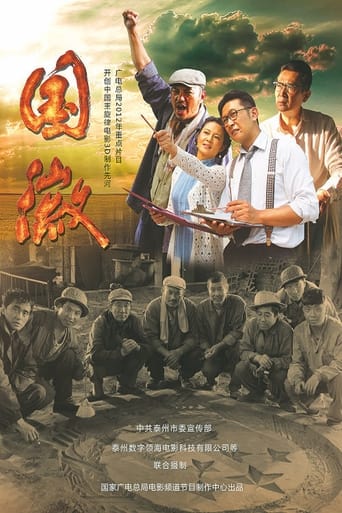
National Emblem
2013
2000s · 3 titles
 5.3
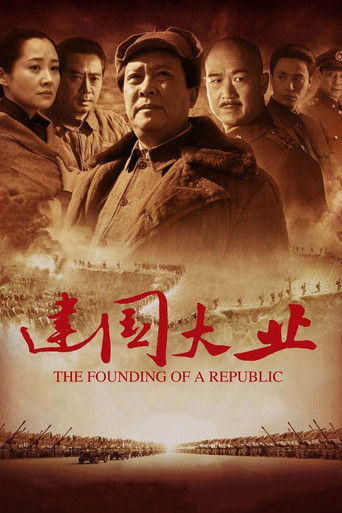
5.3The tale of one man who fought against the tyranny of a ruler and led his people in battle in the ultimate sacrifice for his country.
The Founding of a Republic
2009
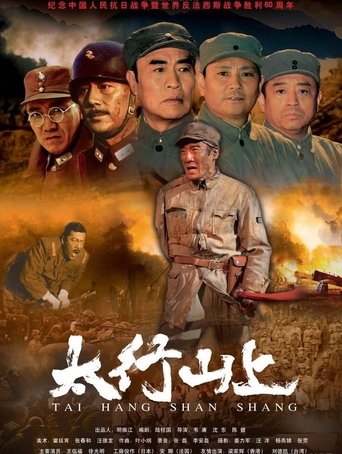 4.8
4.8During the Sino-Japanese War, Commander-in-Chief Zhu De leads the Eighth Route Army in pivotal battles against the Japanese invaders.
On the Mountain of Tai Hang
2005
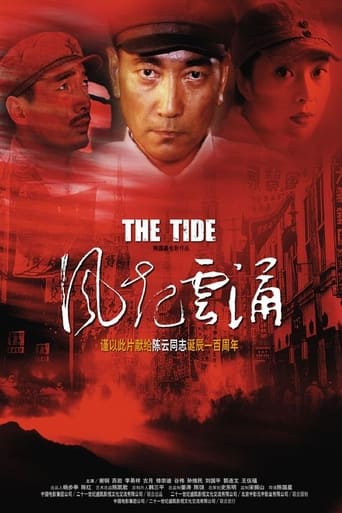 8.0
8.0No synopsis available yet.
风起云涌
2005
Series credits
8.0No synopsis available yet.
五星红旗迎风飘扬
2011
7.3For the first time, the drama "Decisive Victory" presents a panoramic view of the three major battles of Liaoshen, Huaihai and Pingjin in the form of a TV series, presenting a dramatic battle of China's destiny. It presents the three battles in three dimensions by telling the stories of strategy, tactics and battles and presents a vivid individual in the grand war through colorful characters.
Decisive Victory
2021
9.6This drama describes the life of Zhou Enlai, who serves as Premier of the People's Republic of China, from the founding of the Communist State in 1949 to 1976 until his death.
My Uncle Zhou Enlai
2016
10.0The series provides a comprehensive look at Communist Party of China members' attempts to reconstruct the city and resurrect its economy after Shanghai was liberated in May 1949. It depicts how the Party liberates the city and uses its wisdom, faith and unity to tackle a number of political, economic and social issues. They were successful in guiding Shanghai into a new era of peace, stability and development. Based on true historical events, the drama focuses on the challenges faced by the city leaders in the first year after liberation. Party members had to fight bandits and enemy agents to stabilize social and political order and restore the city's production and trade.
Liberation of Shanghai
2022
7.0No synopsis available yet.
The Long March
2001
8.7No synopsis available yet.
Diplomatic Situation
2019
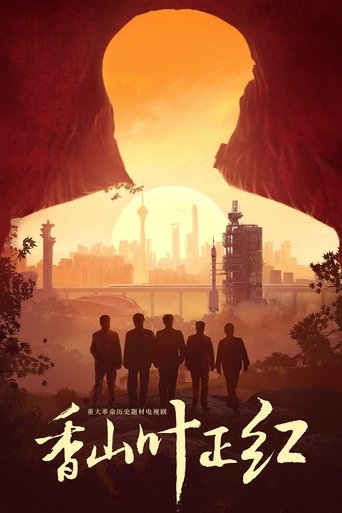 NR
NRThe film mainly focuses on events such as entering Beijing, peace talks, crossing the river, economic construction, preparing for the CPPCC, and convening the CPPCC. After the peaceful liberation of Peiping in 1949, Chairman Mao led the Central Committee of the Communist Party of China to settle in Xiangshan from Xibaipo to "go to Beijing to take the test".
香山叶正红
2021
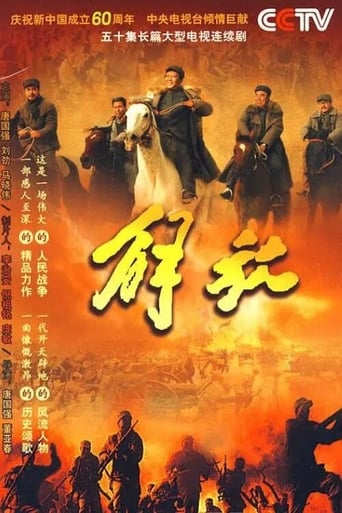 NR
NRNo synopsis available yet.
解放
2009
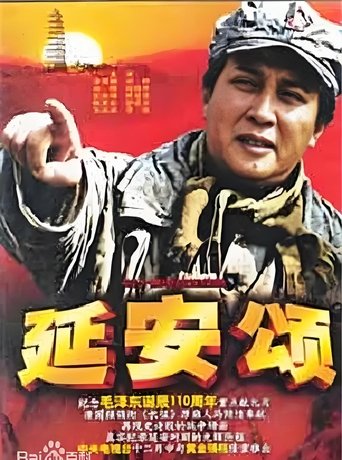 NR
NRNo synopsis available yet.
延安颂
2003
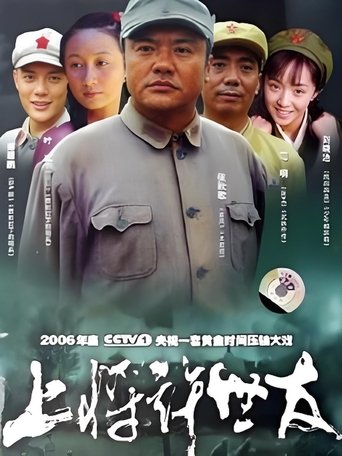 NR
NRNo synopsis available yet.
上将许世友
2006
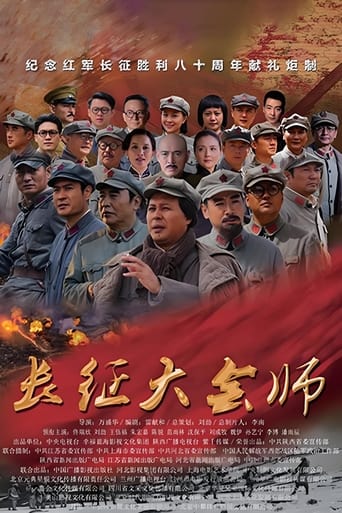 NR
NRNo synopsis available yet.
The Grand Join Forces
2016
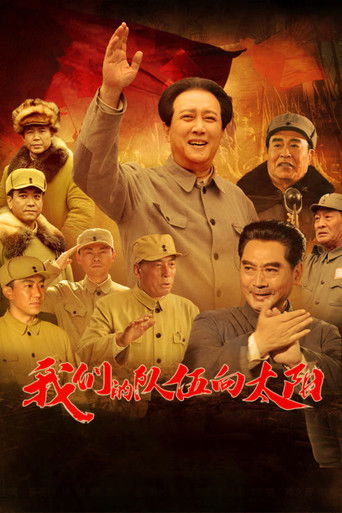 9.0
9.0No synopsis available yet.
Our Troops March Toward the Sun
2024
 NR
NRNo synopsis available yet.
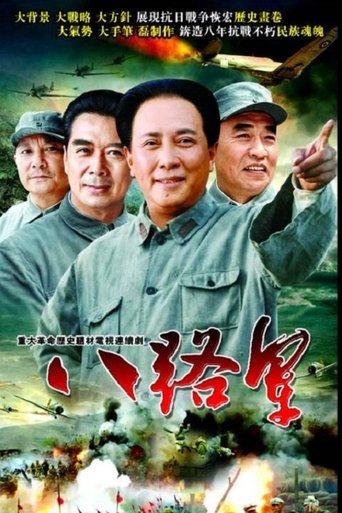
八路军
2005
 8.0
8.0No synopsis available yet.
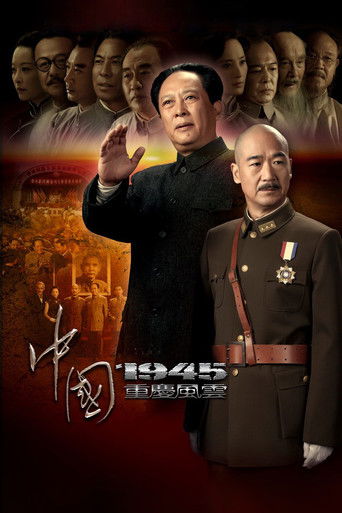
Zhong Guo 1945 Zhi Chong Qing Feng Yun
2011
 NR
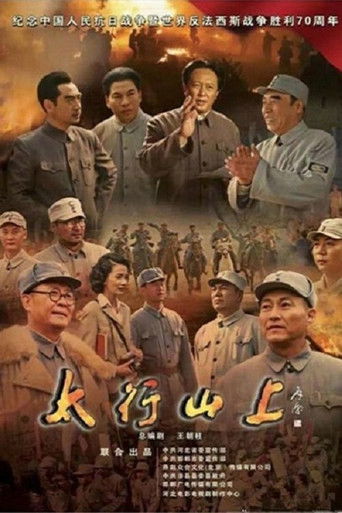
NRAmid the brutal War of Resistance Against Japan, commanders Liu Bocheng and Deng Xiaoping lead the 129th Division into the Taihang Mountains, uniting civilians and fighters in a daring guerrilla campaign to repel the Japanese invasion and protect China’s liberated territories.
On the Mountain of Tai Hang
2015
 NR
NRNo synopsis available yet.
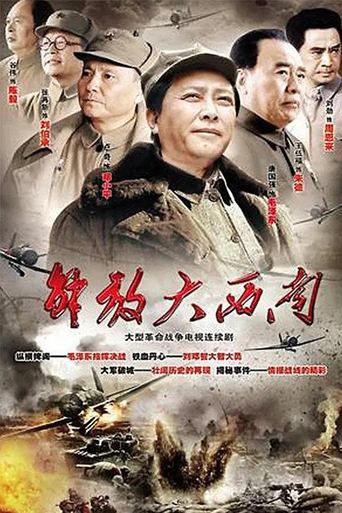
解放大西南
2010
 NR
NRNo synopsis available yet.
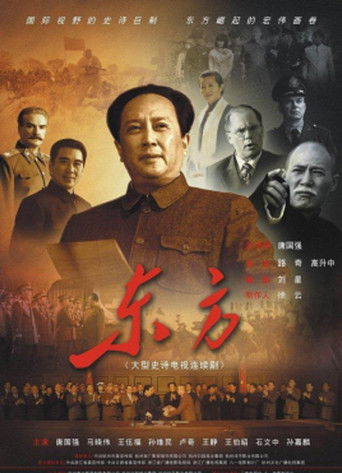
The East
2011
 NR
NRNo synopsis available yet.
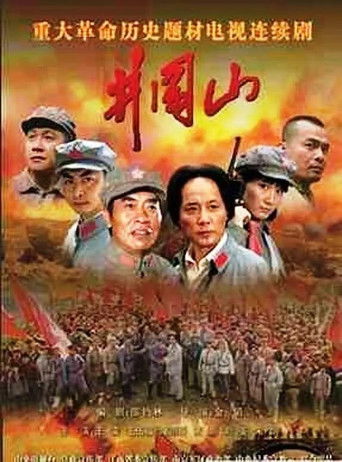
Jinggang Mountain
2007
 NR
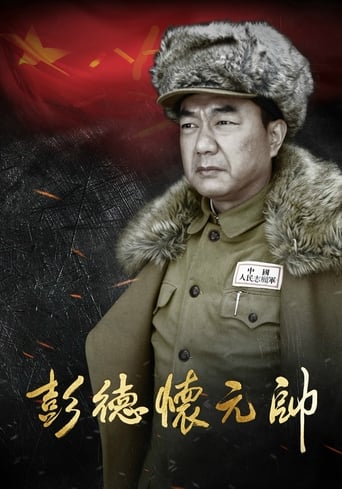
NRThis drama describes the life of Peng Dehuai (1898-1974), one of the Ten Marshals of the People's Republic of China.
Marshal Peng Dehuai
2016
 NR
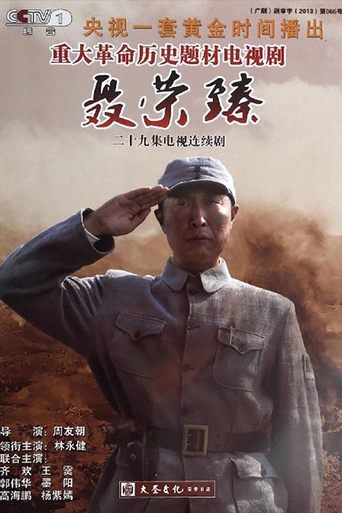
NRThe whole drama starts from Comrade Nie Rong Zhen's youthful years studying in France and tells the story of his role in the Agrarian Revolution and the Anti-Japanese War, the most influential historical events and personal experiences in various periods such as the war, the War of Liberation, and the construction of New China. While respecting and restoring history, the drama presents a flesh-and-blood and emotional Nie Rong Zhen to the audience.
Nie Rong Zhen
2013
 8.0
8.0No synopsis available yet.
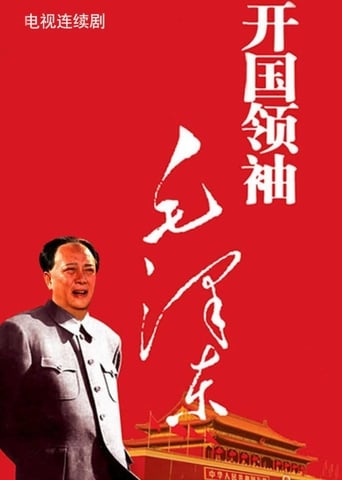
开国领袖毛泽东
1999
 NR
NRNo synopsis available yet.
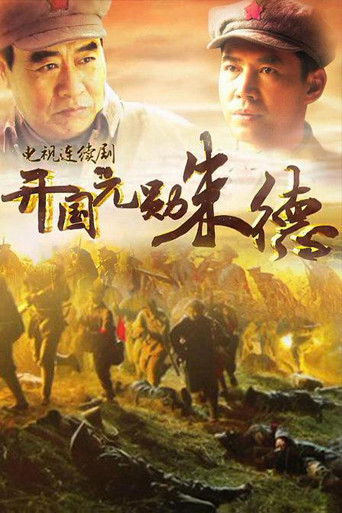
开国元勋朱德
2014
 7.0
7.0No synopsis available yet.
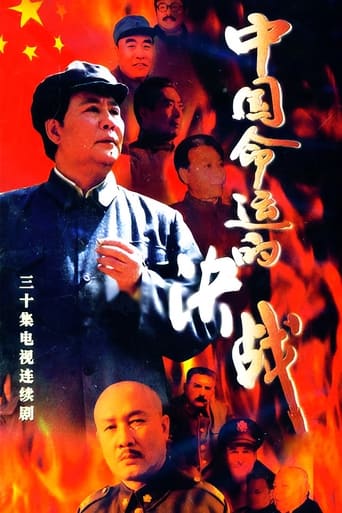
中国命运的决战
1999
No synopsis available yet.
朱德元帅
2001
 NR
NRNo synopsis available yet.
东方红1949
2009
 NR
NRNo synopsis available yet.
历史永远铭记
2015
 NR
NRNo synopsis available yet.
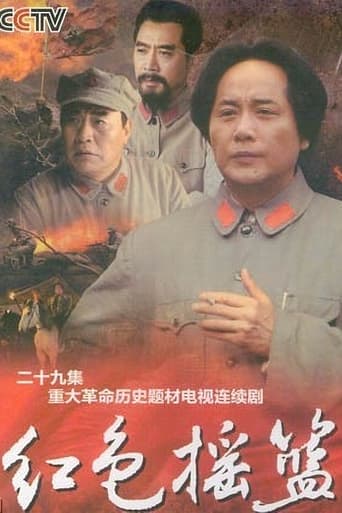
红色摇篮
2010
 NR
NRNo synopsis available yet.
肖劲光大将
2003
 NR
NRNo synopsis available yet.
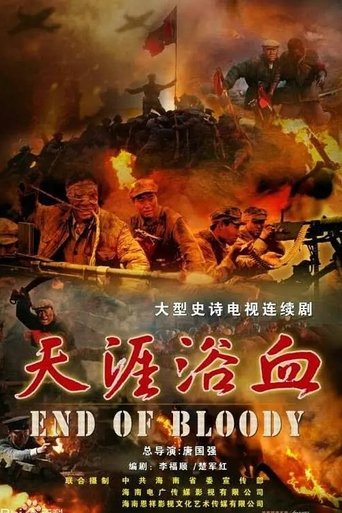
天涯浴血
2016
 NR
NRNo synopsis available yet.
七战七捷
1995
No synopsis available yet.
北平和谈
1998