
Directing
Walidah Imarisha
Known for
Directing
Credits
4 titles
Known for
 6.0
Space to Breathe is an Afrofuturist science fiction hybrid documentary, framed with a future where there are no prisons or police. The year is 2070 and Sojourner is a young genderqueer filmmaker who sets out to understand how abolition came to through history's archives on the movements of the early 21st Century.
Space to Breathe
2025
 NR
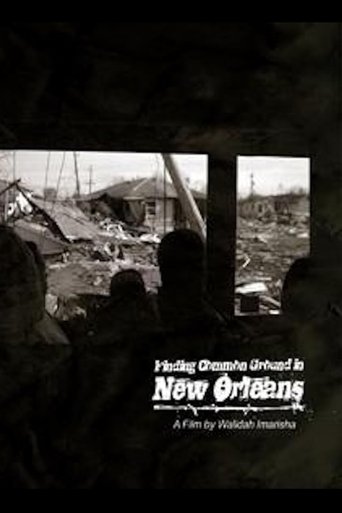
In this short documentary, activist and poet Walidah Imarisha travels to New Orleans and other neighboring towns shortly after Hurricane Katrina devastated the area. In her path she encounters grassroots organizations like Common Ground and Soul Patrol that were formed in response to the government's failure to manage evacuation and relief efforts before, during and after the hurricane. She also finds Camp Amtrak, a makeshift jail and court room at an old bus station where inmates are sentenced to community service. Finally, she meets people in neighboring towns that are still waiting for FEMA to pays them a visit. Through interviews with residents, activists and city officials, Imarisha succinctly captures the pain, loss and hope of the people of New Orleans.
Finding Common Ground in New Orleans
—
Film credits
Behind the camera
6.0Space to Breathe is an Afrofuturist science fiction hybrid documentary, framed with a future where there are no prisons or police. The year is 2070 and Sojourner is a young genderqueer filmmaker who sets out to understand how abolition came to through history's archives on the movements of the early 21st Century.
Space to Breathe
2025
NRIn this short documentary, activist and poet Walidah Imarisha travels to New Orleans and other neighboring towns shortly after Hurricane Katrina devastated the area. In her path she encounters grassroots organizations like Common Ground and Soul Patrol that were formed in response to the government's failure to manage evacuation and relief efforts before, during and after the hurricane. She also finds Camp Amtrak, a makeshift jail and court room at an old bus station where inmates are sentenced to community service. Finally, she meets people in neighboring towns that are still waiting for FEMA to pays them a visit. Through interviews with residents, activists and city officials, Imarisha succinctly captures the pain, loss and hope of the people of New Orleans.
Finding Common Ground in New Orleans
—