
Acting
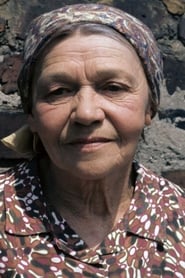
Halina Buyno-Łoza
Born — Died
1907-12-12 — 1991-09-13
Place of birth
Łódź, Rosja, (obecnie Polska)
Known for
Acting
Credits
58 titles
Known for
 8.0
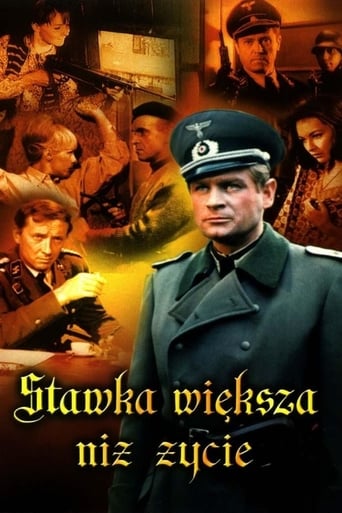
8.0A series about the adventures of a Polish secret agent, Hans Kloss, who acts as a double agent in the Abwehr during Second World War in occupied Poland.
More Than Life At Stake
1968
 7.0
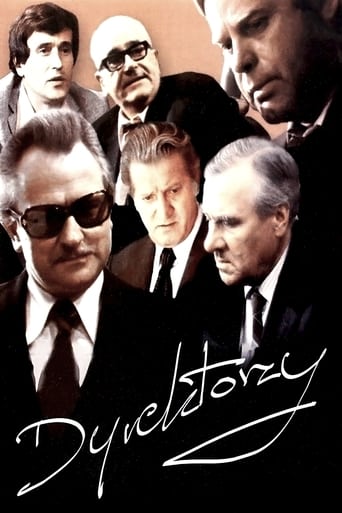
7.01957. Excessively high production standards imposed by the authorities result in the plan not being fulfilled, and the workers cannot imagine living normally without rewards and bonuses. A rebellion breaks out. Worker democracy wins – the working class elects a director from among its own ranks. He is an old locksmith with no managerial experience. Although he believes in the socialist spirit and has a communist past, he does not hold the position for long, as he makes promises too easily that he is unable to keep.
Dyrektorzy
1975
 8.0
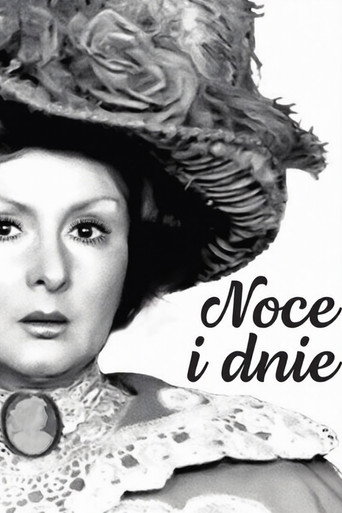
8.0Set in the Kalisz Region in the second half of the 19th century after the failure of the January Uprising in 1863, the miniseries presents a unique portrait of an oppressed society as told through the life of the Niechcic family.
Nights and Days
1978
 7.4
7.4Marianek is an unlucky man and not successful in his affairs. At the same time, he is a dove-hearted man, sensitive to other people’s misfortunes and harm, willing to help, even at his own expense. He is always ready to solve the problems of others, although he is usually not very good at it. His favorite saying is “absolutely”.
Droga
1975
 8.0
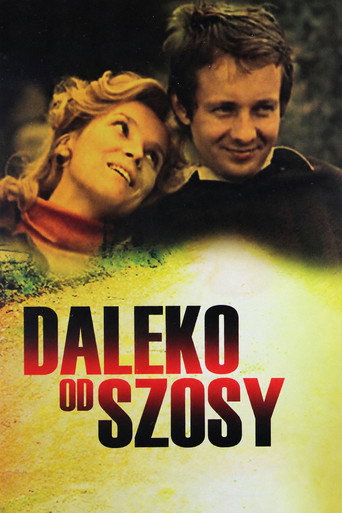
8.0Village boy falls in love with a city girl and decides to change his life. Living in the countryside is the end of dreams? Leszek Gorecki, boy, living in a small village, decides to break this stereotype. Since the child is interested in technology, mechanics, cars. He dreams to become a driver. Meets Bronka, the prettiest girl in the village. Despite feeling Leszek says that the country "no reflection" and has to do something with your life. He decides to go to Silesia. She works hard and puts the money to finally start the desired driving course. One day, during the holidays, the boy meets Anne. The girl is the daughter of a dentist, lives in Lodz, studying biology. Anka gets Leszek in the eye, as it turns out - of reciprocity. A few, however, a huge gap divides the intellectual and cultural
Far from the highway
1976
 7.0
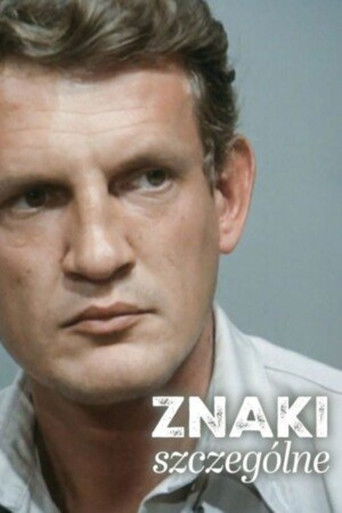
7.0Engineer Bogdan Zawada moves to the construction of a port on the Baltic Sea. The man tries to arrange his personal and professional life in a new environment.
Znaki szczególne
1977
Film credits
1980s · 10 titles
 6.7
6.7When a delivery of coffins foreshadows a harsh winter, residents of a retirement home escape their confines and rediscover the world outside.
The Weather Forecast
1983
 4.0
4.0Maria is consumed by sadness over her inability to have a child. She and her husband had chosen not to have children when they were younger, and now she fears it may be too late. Maria travels to her childhood home, where she discovers that she is pregnant. The news restores her zest for life and renews her faith in people. More cheerful and hopeful, she decides to return home to her waiting husband.
The Taste of Water
1980
 4.5
4.5A young engineer notices that bad luck is haunting him. The man comes to the conclusion that the source of the misfortune is his wife, Christine. He decides to take decisive steps to remedy this.
Jak się pozbyć czarnego kota?
1986
 NR
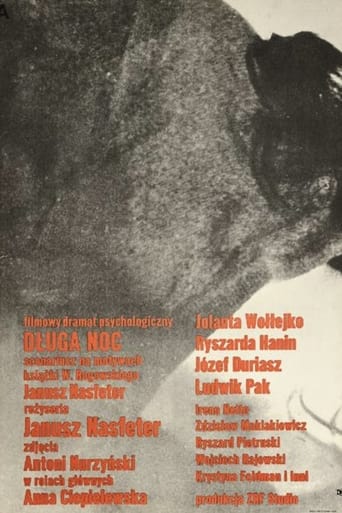
NRThe residents of an apartment complex in World War 2 Poland face a moral dilemma when they discover one of their neighbours is hiding a Jew.
Long Night
1989
 5.5
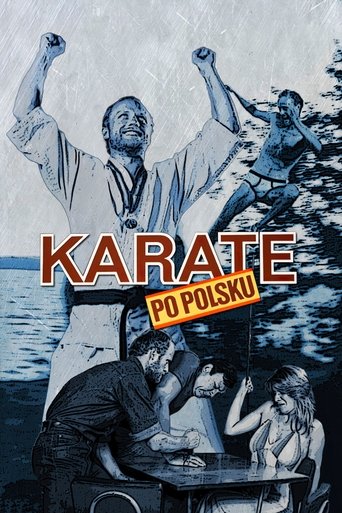
5.5The story takes place in a small, provincial town in Masuria. Beginner artist painter Piotr comes here from Warsaw to paint frescoes in the local church. Piotr is a great karate and treats everyone as potential rivals. His antagonist is Roman, the head of local hooligans. Soon there is a conflict between them and the situation becomes very dramatic.
Karate Polish Style
1982
 9.0
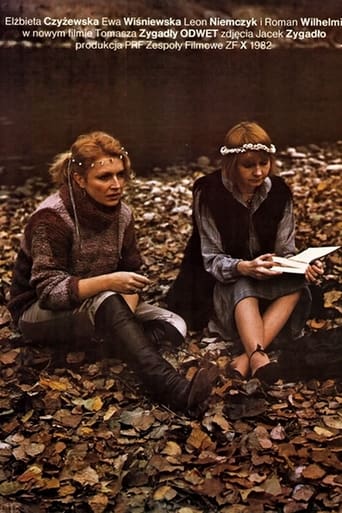
9.0Two old friends meet at a mountain shelter and recall their university years. Midroń and Świdrycki are mature, intelligent men, experiencing a crisis of faith in the meaning of life, in their abilities, as well as fear of death. The next day, their wives join them. Although they have not had the opportunity to get to know each other so far, they become friends very quickly.
Revenge
1983
 10.0
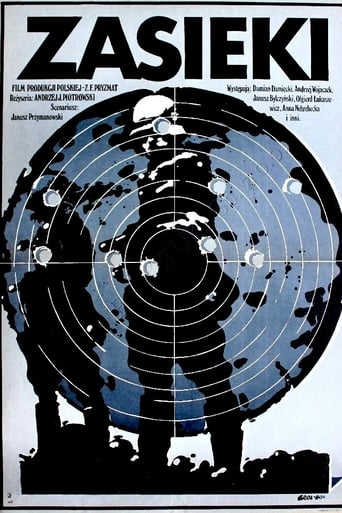
10.0Three Kościuszko Division soldiers, each of a different background, volunteer to take up the task of cutting German barbed wire before an offensive.
Barbed Wire
1983
 7.0
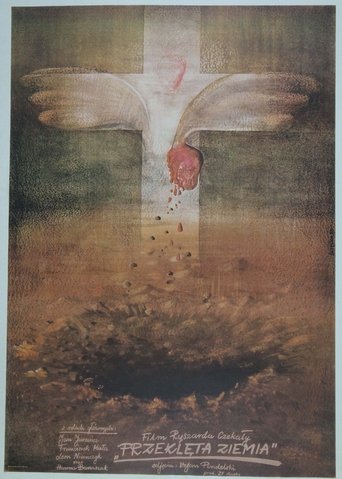
7.0Jan, the café pianist, comes from the countryside. The talented boy was taken care of by an old organist. Jan then studied at the conservatory, where he made friends with Paweł, an undisciplined but very talented composer. Paweł's works gain publicity abroad, but he himself, unable to bear human envy and accept the loss of his beloved girl, commits suicide ... Jan's father dies, and soon his mother ...
Przeklęta ziemia
1983
Teresa, a revue dancer dreaming of stardom and love with actor Modecki, endures fleeting affairs, her friend’s suicide and a struggling provincial theatre before returning to Warsaw. After winning a leading role and finding success, she learns she’s pregnant and must choose between her career and motherhood.
Szkoda twoich łez
1985
No synopsis available yet.
Biała Gorączka
1981
1970s · 22 titles
Zofia is an elderly woman living in an retirement home. Separate from the rest, she talks seldom and then only about visiting her daughter's family for Christmas. When she comes to her daughter's home unannounced, her stay is spoiled by the damage to her son-in-law doctorate bookmarks which she removed unknowingly during dusting. She then spends Christmas in an empty restaurant, surrounded by waiters and musicians waiting to be tipped.
Zofia
1976
 5.8
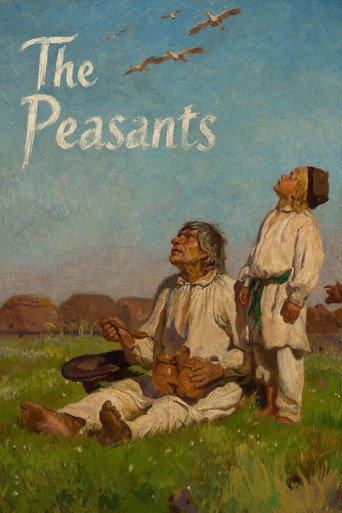
5.8In a bucolic Polish hamlet, the tense relationship between a father and son reaches a boiling point when the men lose their hearts to the same woman and vie for her affections. Based on Wladyslaw Reymont's Nobel Prize-winning book and helmed by Jan Rybkowski, this theatrical release (starring Krzystof Chamiec, Wladyslaw Hancza and Emilia Krakowska) was culled from a 13-episode miniseries that aired on Polish television in 1972.
The Peasants
1973
 6.9
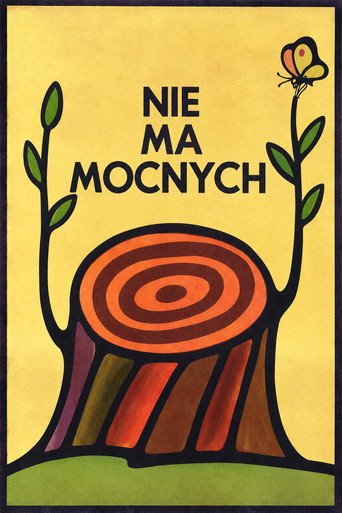
6.9The main characters are the same two quarreling peasant families introduced in "Sami swoi" (Our Folks). The action of the film starts 18 years later. The old quarrels have been forgotten, but new problems keep popping up. They have no successors to inherit the farms. They invent a tricky and clever plan. The young granddaughter is to take over both of the farms after her marriage. Both Kargul and Pawlak have no rest until they carry out the plan. In the end, after numerous adventures and obstacles their cunning intrigue is fulfilled - the young marry and the land remains in the family's hands.
Take It Easy
1974
 9.0
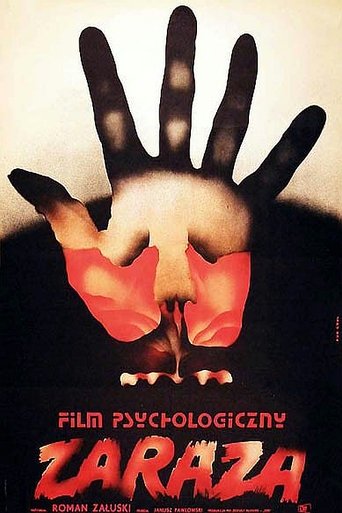
9.0Based on a true outbreak of smallpox in Wroclaw. A young doctor picks up a girl and they go to bed, but the night is ruined by the doctor being called to the epidemic. The doctor has to leave, and when it is all over, runs into her with another man.
The Epidemic
1972
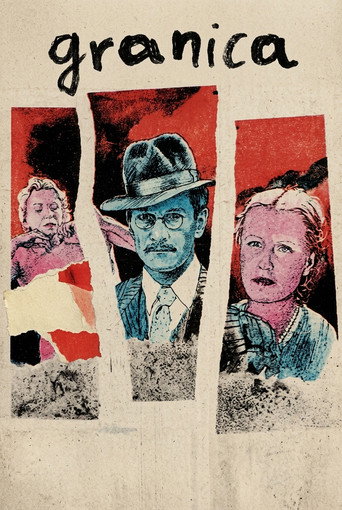 5.4
5.4Zenon Ziembiewicz, a young, budding journalist, comes to his parents' manor house for a vacation. Here he enters into an affair with the lovely Justyna Bogutówna, the daughter of a cook. When the canicule comes to an end, Zenon packs his bags and leaves for Paris to study. Returning after a year with a doctorate in political science, he makes a fast and glamorous career. He becomes the editor-in-chief of the local newspaper and, soon after, mayor of the city. He also marries Elzbieta Biecka, but still does not break up with Justyna.
The Border
1978
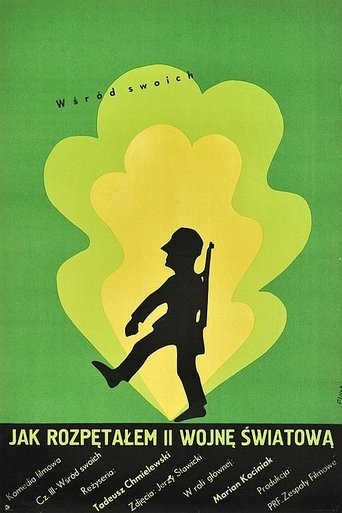 7.6
7.6Disguised as an Italian medic, Dolas finds himself on a ship evacuating wounded Axis soldiers to Italy. He leaves the ship disguised as a Nazi soldier, but is found out, declared a deserter and sent to the Eastern Front. However, on the flight to Russia, he is able to escape with a parachute, and finds himself back in Poland, now occupied by Nazis.
How I Unleashed World War II, Part III: Among Friends
1970
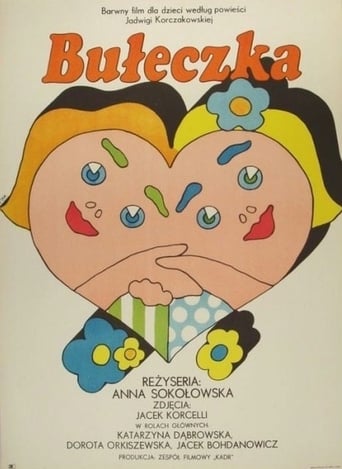 5.2
5.2A story of an eight year old girl nicknamed "Muffin" who is trying to adapt to life in a big city.
Muffin
1973
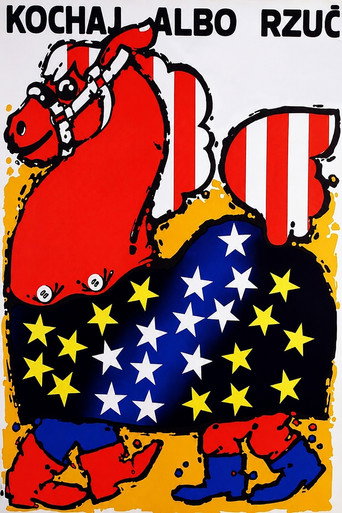 6.8
6.8Pawlak and Kargul - neighbors, frenemies, and grandfathers to Ania- both receive invitation to America from Pawlak's brother- John. All three of them travel to Chicago, where they discover John has passed away, and they arrived just in time for his funeral. But first- they need to find his illegitimate daughter. Set in late 70's story of two, charming, Polish villagers' adventures in Chicago is a third installment of Pawlak and Kargul adventures.
Big Deal
1977
 4.6
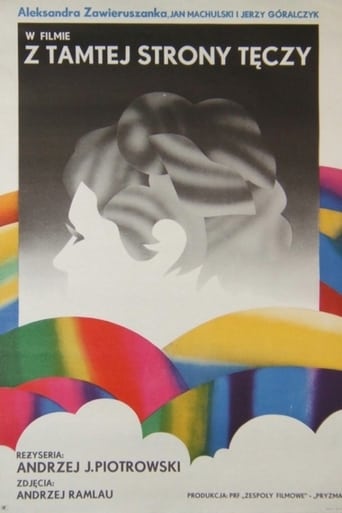
4.6Teresa is an attractive 30-year-old doctor. She divides her stable life between work, caring for her younger sister Ania, a high school student, and her romance with Jan, a well-off lawyer who wants to marry her. However, Teresa postpones her decision to marry until Ania becomes independent. One day, she unexpectedly meets Tomek, a young photographer, who soon confesses his love to her, making her question her loyalty to Jan.
Z tamtej strony tęczy
1973
 7.0
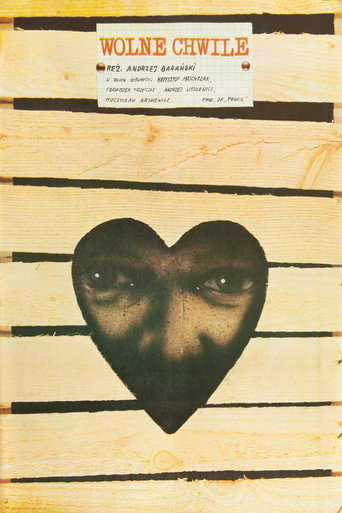
7.0Poland in the mid-1970s. In a small town, the student theater is preparing its premiere.
Leisure Time
1979
 4.0
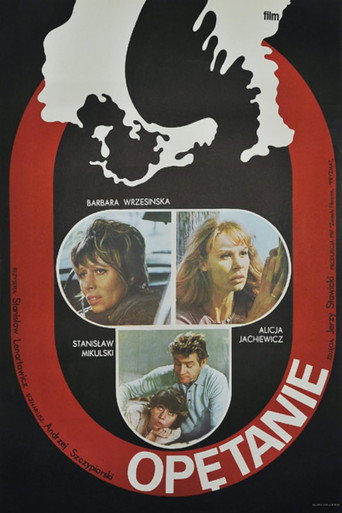
4.0A married couple is unsuccessfully trying to have a child. The woman decides to bring her husband closer to another woman.
Possession
1973
 NR
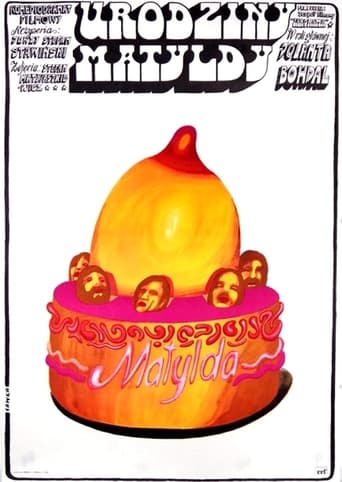
NRMatylda reflects on her life on her 30th birthday.
Matylda's Birthday
1975
A psychological drama about a mother and daughter. The first was once a journalist and a brave soldier, the second interrupted her studies in philosophy
Śnić we śnie
1979
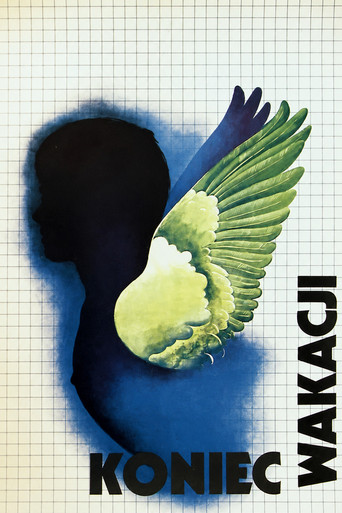 7.4
7.4A coming of age story about fourteen years old Yurek, his adventures during the vacations and his first love.
The End of the Holiday
1975
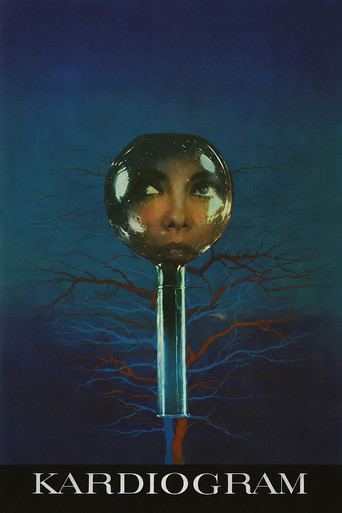 8.2
8.2A young doctor arrives in a sleepy village and becomes involved with secret tragedies plaguing the inhabitants.
Kardiogram
1971
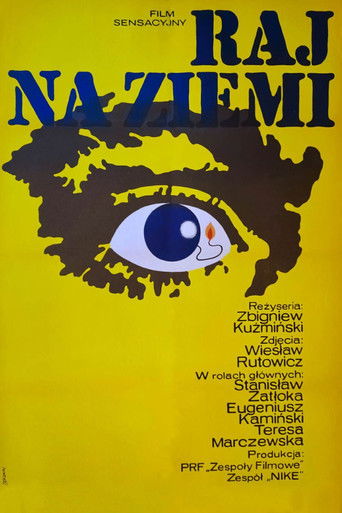 6.0
6.0Polish sappers try to prevent Wehrwolf soldiers from blowing up a chemical factory.
Heaven on Earth
1970
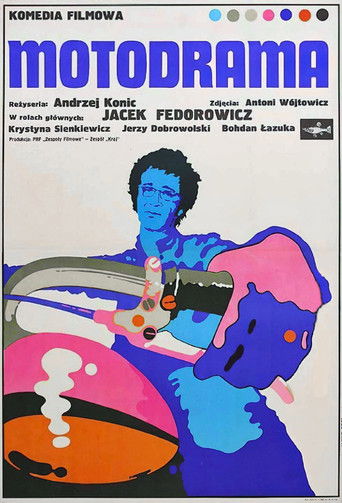 7.6
7.6An unassuming post office clerk finds fame and success as a motorcycle racer.
Motodrama
1971
A boy escapes from a reformatory, but comes again into conflict with the law. During a robbery he hits a woman with a bottle on the head. He is convinced he killed her and because of his past thinks that nothing matters anymore. Only when he finds out that the victim did not die, he reveals the truth about what happened.
Before the Day Breaks
1977
 7.5
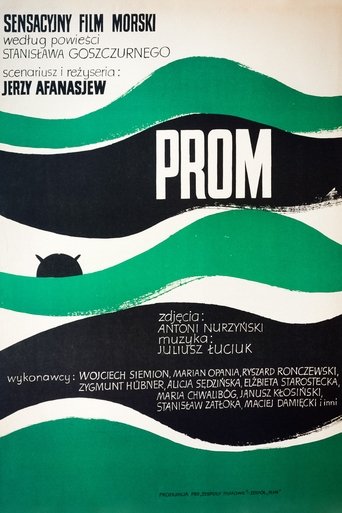
7.51945. A packed ferry drifts down the Vistula after its tow rope snaps. Only a single militiaman sees notices the ferry and organizes a rescue before the it drifts into the Gdańsk Bay, which is still full of mines.
Ferry
1970
 7.0
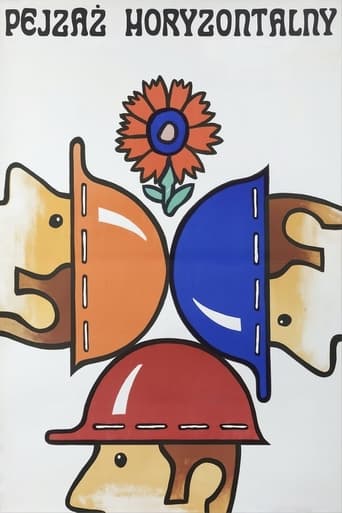
7.0Three construction workers live together in a tiny apartment while building a new factory. When their foreman, Kolecki, is fired for neglecting his professional duties, the trio bands together to keep the production on course.
Horizontal Landscape
1978
 9.0
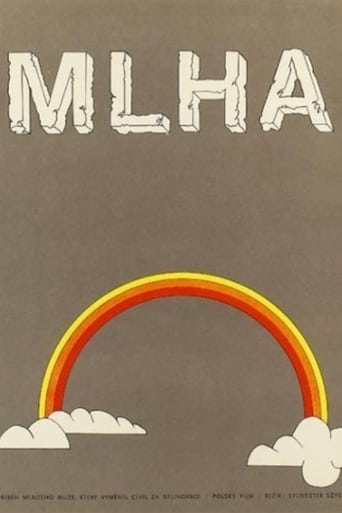
9.0In the first months after the war, a period of confusion and fratricidal fighting, a Warsaw whack-job drafted into the ranks of the KBW gains the first life experiences that make him an informed citizen. Marian, a boy from Targówek, is serving in the KBW. His unit is sent to a village plagued by a band of NSZ. Marian becomes involved with a young teacher, Anka, whose brother is a member of the NSZ. During the final trial, Stefan is killed and Marian is seriously wounded and taken to the hospital. An investigation is carried out in the village. Marian does not admit that he knew about Stefan and his contacts with his sister. When he leaves the hospital, he does not find the girl, but their son, who is being cared for by Anka's parents. He takes the boy and returns to Targowek.
The Fog
1976
 10.0
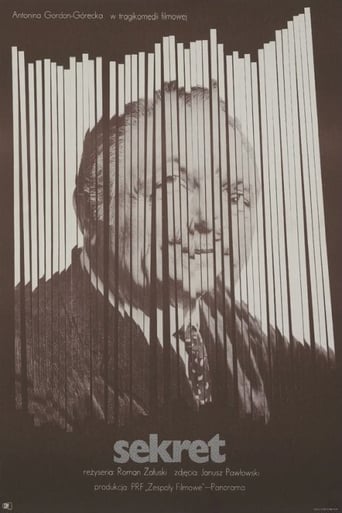
10.0After her husband's death Stefania learns that her respected spouse, who was a university professor, had a flat of his own where he lead a second life.
Sekret
1973
1960s · 13 titles
 6.9
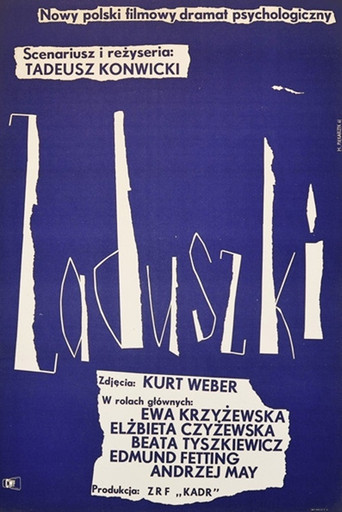
6.9A pair of lovers go off to a small hotel in a little town. The memories of war, however, intrude on their idyll. The girl and boy relive certain wartime experiences in flashback. She was a communist who drove a boy loving her to give himself up.
All Souls' Day
1961
 6.3
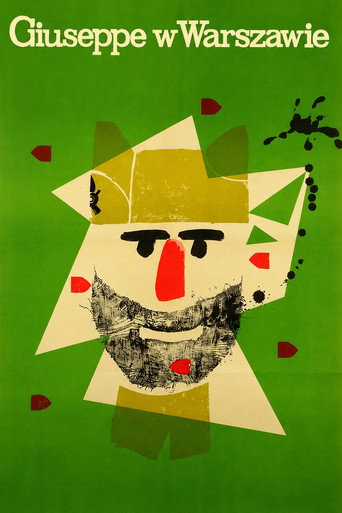
6.3The Italian soldier Giuseppe Santucci, on his way home from the Russian front has his machine gun stolen in Warsaw. Afraid of consequences, he stays in Warsaw and occupies a flat of the Polish girl Maria, whom he suspects of stealing weapon. Maria indeed is an active member of the Polish resistance, contrary to her brother, Staszek, a painter, who only wants a calm living. In a course of events Giuseppe falls in love and, along with Staszek, becomes a hero of the Polish resistance.
Giuseppe in Warsaw
1964
 6.5
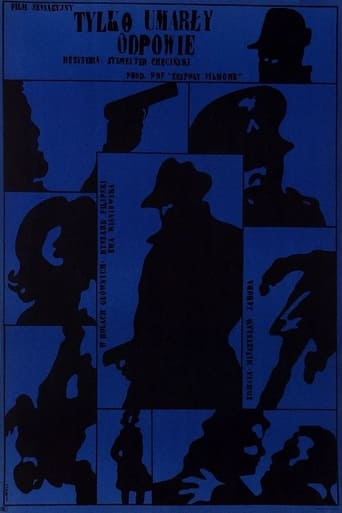
6.5Police captain Wójcik conducts an investigation into the murder of a cashier from a state-owned enterprise. Despite seemingly numerous leads, the investigation gets stuck in a dead end – the victim had no enemies and nothing was stolen. Despite closing the case Wójcik feels that the key to solving the mystery is the murdered cashier and his past. Exploring this plot, he discovers a full-fledged spy affair, however, trying to catch the real murderer, he’ll have to risk his life, health and career.
Only the Dead Can Answer
1969
A young nurse only has one ampule of medicine. She is faced with the dilemma of which of the two patients to save.
Decyzja
1960
 8.0
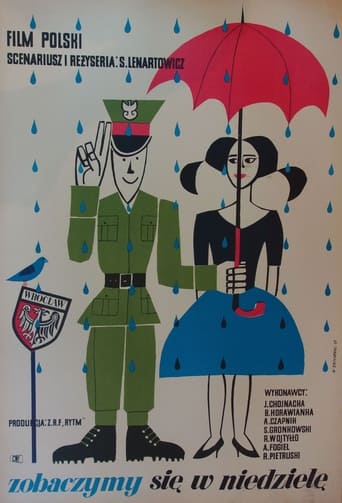
8.0Two soldiers spend their free Sunday in Wrocław.
Zobaczymy się w niedzielę
1960
 7.7
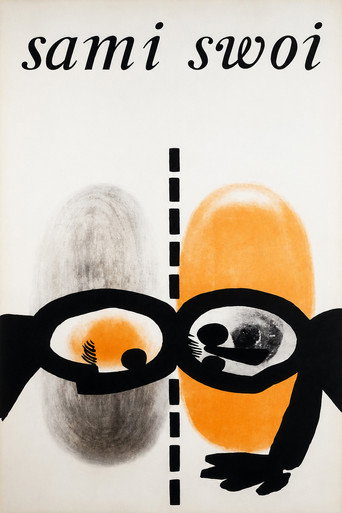
7.7Two quarreling peasant families, who were forced to leave their lands after the war, are settled by accident on two neighboring farms.
Our Folks
1967
 6.1
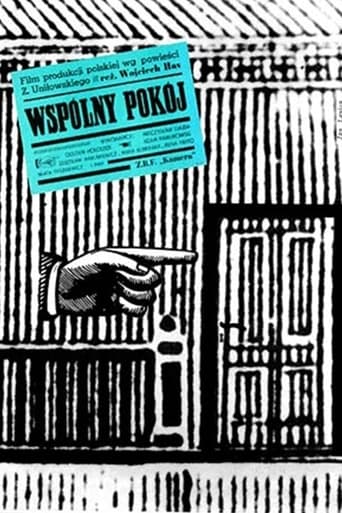
6.1A subjective adaptation of a well-known autobiographical novel by Zbigniew Unilowski (screenplay by Wojciech Jerzy Has with dialogues by Stanislaw Dygat). The adventures of the tenants of a sublet room in a Warsaw townhouse inhabited mostly by students and novice writers, presented against the social context of the 1930s.
One Room Tenants
1960
 8.0
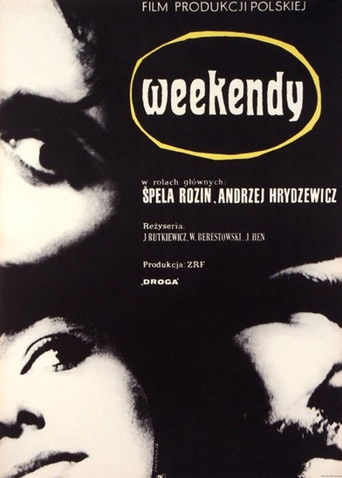
8.0An intimate psychological drama consisting of two separate stories, the heroes of which represent the attitudes of young people, which were rarely manifested in the early 1960s.
Weekendy
1963
 8.0
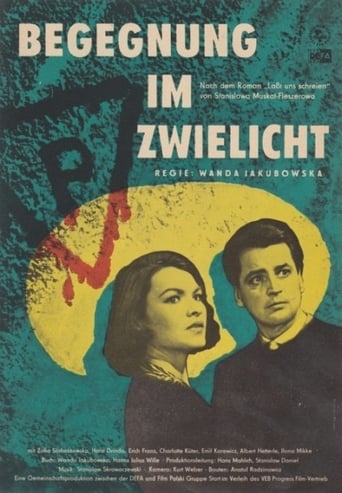
8.0A pianist from Poland visits a town in West Germany and starts to remember details about her life during the war.
Meetings In The Dark
1960
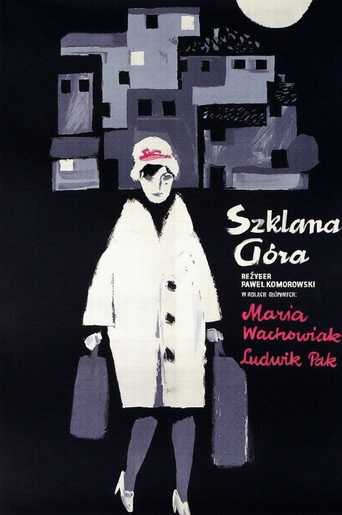 7.0
7.0A quarry worker falls in love with a practicing doctor.
Glass Mountain
1960
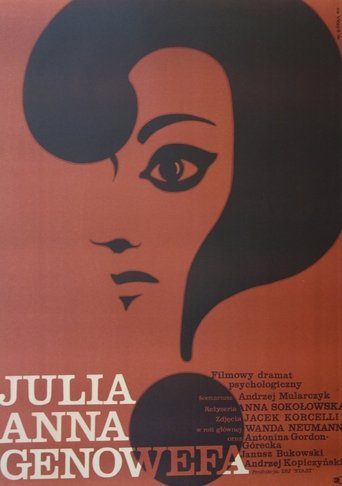 10.0
10.025-year-old Anna works in the laboratory of the Lodz textile factory. She lives with her mother and recently married husband. Her life collapses when a stranger appears, looking for a daughter who has disappeared during the war.
Julia, Anna, Genowefa...
1968
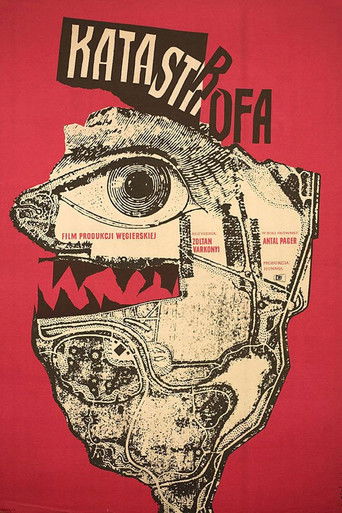 8.0
8.0A young designer is tormented by remorse after a viaduct of his design collapses.
The Catastrophe
1966
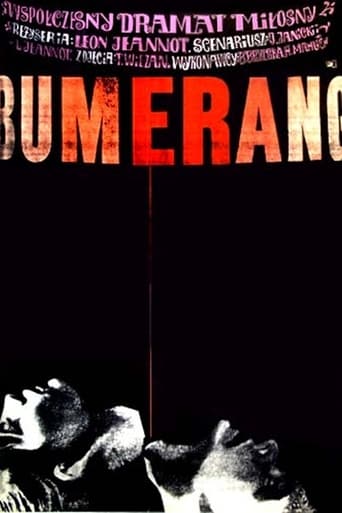 6.5
6.5A German man and a Polish woman fall in love in the days preceding World War II.
Bumerang
1966
1950s · 7 titles
 5.6
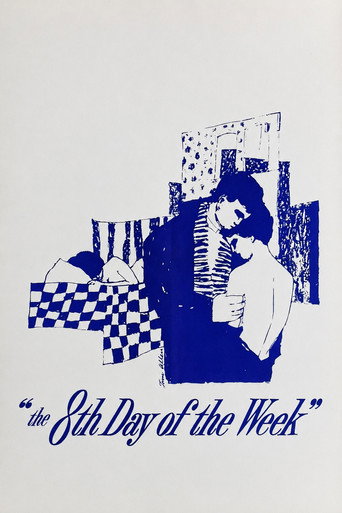
5.6Zbigniew Cybulski and Sonja Ziemann play lovers struggling to find happiness and privacy in overcrowded Warsaw. The movie shows an honest picture of life in a war-damaged city, contrasting the characters' difficulties with their dreams of a better life. It was banned in Poland in 1958 and would not be seen anywhere until its European release one year later.
The Eighth Day of the Week
1958
 7.0
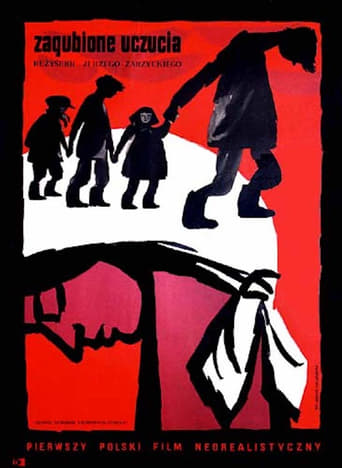
7.0One day in the miserable life of a female factory worker and single mother of four children. One of her sons - ridiculed by his peers - leaves home and gets into trouble.
Lost Feelings
1957
 5.8
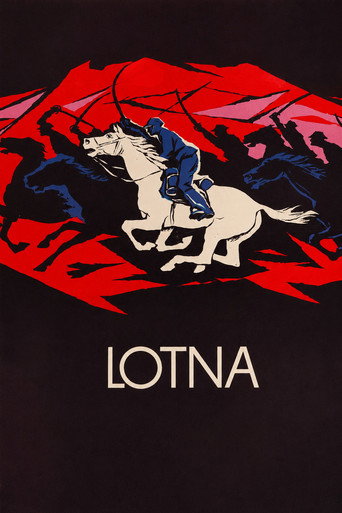
5.8Set in the beginning of World War II, when the Polish cavalry still fought with lances against German troops, the movie is about a white thoroughbred horse that passed through various hands in a military outfit.
Lotna
1959
 6.8
6.8Ewa Bonecka, a young student about to start school in a new place finds herself without a place to sleep after she is declined a room in a women-only hotel. Helped by a pleasant policeman, Piotr, she tries to find a lodging in the strange town full of thieves and petty troublemakers.
Ewa Wants to Sleep
1958
 6.5
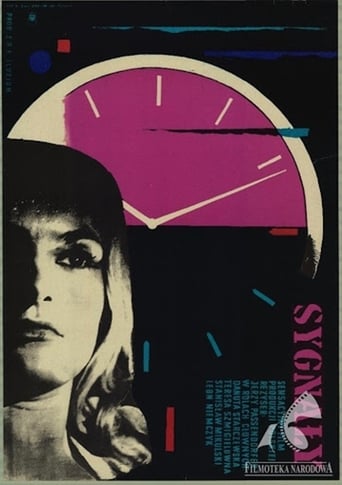
6.5A taxi driver decides to take part in a robbery to earn money for the treatment of his sick wife.
Signals
1959
 6.0
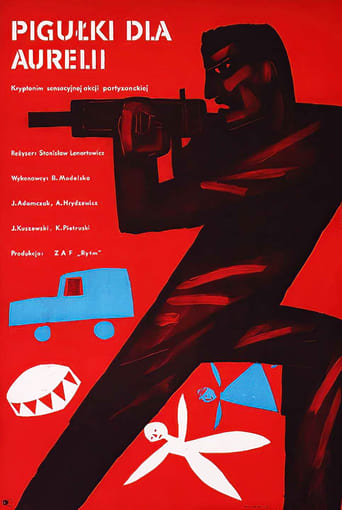
6.0Soldiers of the Polish underground resistance army prepare to break into a prison to release their friend imprisoned by Gestapo.
Pills for Aurelia
1958
 6.8
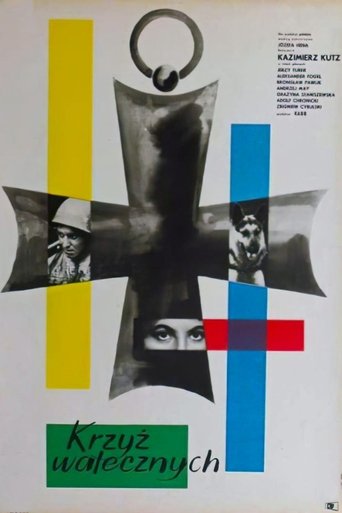
6.8Three episodes showing the repercussions of war. A soldier is awarded with the Cross of Valor and vacation to home. But instead of his village, he finds only the charred ruins. A stray dog turns out to be the former guard at Auschwitz. A young widow is hailed as the wife of the hero but dreams of something else.
Cross of Valor
1959
Series credits
8.0A series about the adventures of a Polish secret agent, Hans Kloss, who acts as a double agent in the Abwehr during Second World War in occupied Poland.
More Than Life At Stake
1968
7.01957. Excessively high production standards imposed by the authorities result in the plan not being fulfilled, and the workers cannot imagine living normally without rewards and bonuses. A rebellion breaks out. Worker democracy wins – the working class elects a director from among its own ranks. He is an old locksmith with no managerial experience. Although he believes in the socialist spirit and has a communist past, he does not hold the position for long, as he makes promises too easily that he is unable to keep.
Dyrektorzy
1975
8.0Set in the Kalisz Region in the second half of the 19th century after the failure of the January Uprising in 1863, the miniseries presents a unique portrait of an oppressed society as told through the life of the Niechcic family.
Nights and Days
1978
7.4Marianek is an unlucky man and not successful in his affairs. At the same time, he is a dove-hearted man, sensitive to other people’s misfortunes and harm, willing to help, even at his own expense. He is always ready to solve the problems of others, although he is usually not very good at it. His favorite saying is “absolutely”.
Droga
1975
8.0Village boy falls in love with a city girl and decides to change his life. Living in the countryside is the end of dreams? Leszek Gorecki, boy, living in a small village, decides to break this stereotype. Since the child is interested in technology, mechanics, cars. He dreams to become a driver. Meets Bronka, the prettiest girl in the village. Despite feeling Leszek says that the country "no reflection" and has to do something with your life. He decides to go to Silesia. She works hard and puts the money to finally start the desired driving course. One day, during the holidays, the boy meets Anne. The girl is the daughter of a dentist, lives in Lodz, studying biology. Anka gets Leszek in the eye, as it turns out - of reciprocity. A few, however, a huge gap divides the intellectual and cultural
Far from the highway
1976
7.0Engineer Bogdan Zawada moves to the construction of a port on the Baltic Sea. The man tries to arrange his personal and professional life in a new environment.
Znaki szczególne
1977