
Directing
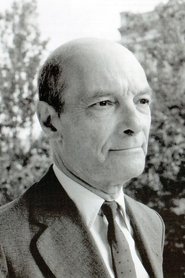
António Lopes Ribeiro
Born — Died
1908-04-16 — 1995-04-14
Place of birth
Lisbon, Portugal
Known for
Directing
Credits
36 titles
Director, journalist, and producer, António Lopes Ribeiro (1908-1995) was a central name in the history of Portuguese cinema in the first half of the 20th century. Movie critic since the late 1920s, he supported the European cinematographic avant-gardes and the aesthetical and technical renewal of Portuguese cinema. He directed his first film, Bailando ao sol, in 1928 and took part in the shooting of J. Leitão de Barros film’s Nazaré, praia de pescadores (1929), Lisboa, Crónica Anedótica and Maria do Mar (1930). Shortly before that, he undertook a long journey to the great movie studios of Paris, Berlin and Moscow, where he became up to speed with the most recent techniques and tendencies, a…
Known for
 6.4
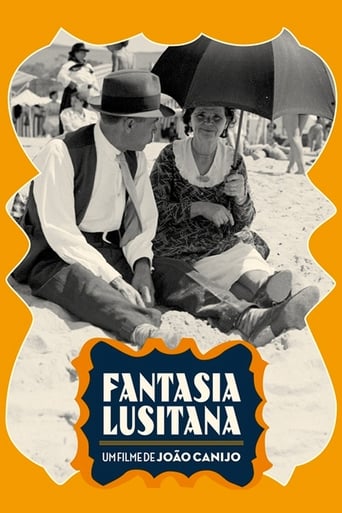
6.4Images and sounds expose the duality of Portugal during the days of WW2: a peaceful, god-loving, rural country, providing an escape route for over one hundred thousand European refugees to the Americas; and a political and cultural elite that disguised their Nazi inclinations just enough to play its neutral role in international politics.
Lusitanian Illusion
2010
 6.8
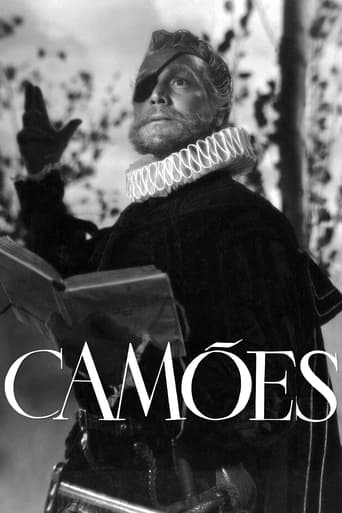
6.8The adventurous life of Portugal's epic poet, Luis de Camões.
Camões
1946
 NR
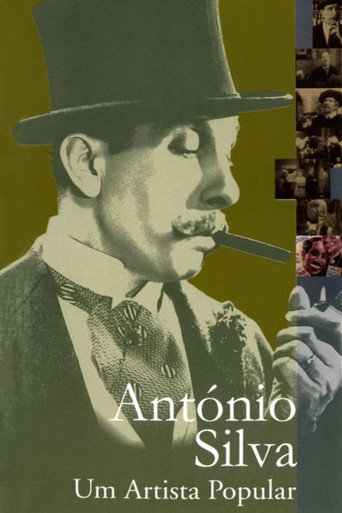
NRNo synopsis available yet.
António Silva - Um Artista Popular
1998
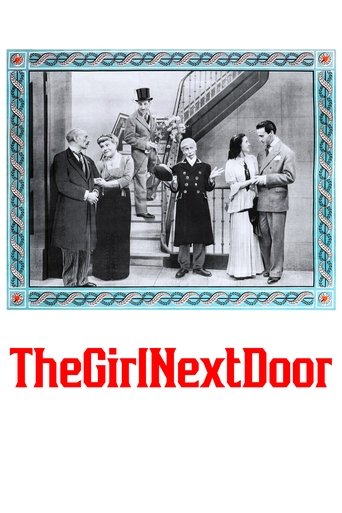 8.0
8.0The story of how the conflicting relationship of Eduardo and vaudeville actress Isabel is affected by the passion he feels for their neighbor, Mariana, a young overprotected, and the unexpected visit of his uncle Plácido, a moral teacher.
The Girl Next Door
1945
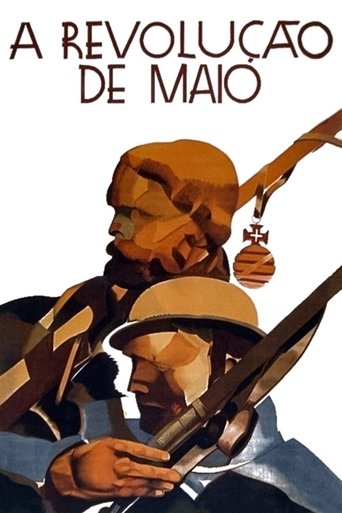 7.0
7.0The most well-known fascist propaganda film in Portugal. A communist man falls in love with a woman of Salazarian beliefs and changes his way of looking at things.
The May Revolution
1937
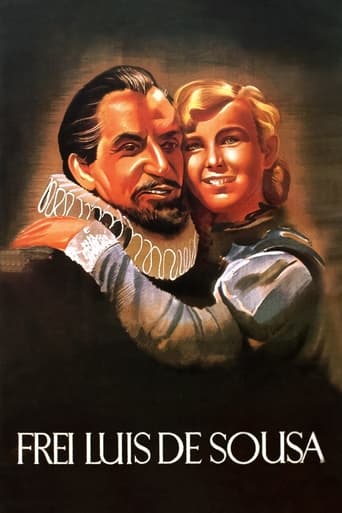 6.4
6.4Seven years after the disastrous Battle of Alcácer Quibir, where King Sebastian and the nobleman Dom João disappeared, the latter's wife Dona Madalena de Vilhena finally gives up hope that he'll return and marries the knight Dom Manuel de Sousa Coutinho, with whom she has a daughter, who is afflicted by a fatal illness. Now only the tutor Telmo Pais retains the hope that the lost husband is alive, a premonition that may be confirmed after two decades, with the arrival of a mysterious pilgrim...
Frei Luís de Sousa
1950
Film credits
1980s · 1 titles
Series credits
Behind the camera
6.8The adventurous life of Portugal's epic poet, Luis de Camões.
Camões
1946
6.8The adventurous life of Portugal's epic poet, Luis de Camões.
Camões
1946
8.0The story of how the conflicting relationship of Eduardo and vaudeville actress Isabel is affected by the passion he feels for their neighbor, Mariana, a young overprotected, and the unexpected visit of his uncle Plácido, a moral teacher.
The Girl Next Door
1945
8.0The story of how the conflicting relationship of Eduardo and vaudeville actress Isabel is affected by the passion he feels for their neighbor, Mariana, a young overprotected, and the unexpected visit of his uncle Plácido, a moral teacher.
The Girl Next Door
1945
7.0The most well-known fascist propaganda film in Portugal. A communist man falls in love with a woman of Salazarian beliefs and changes his way of looking at things.
The May Revolution
1937
7.0The most well-known fascist propaganda film in Portugal. A communist man falls in love with a woman of Salazarian beliefs and changes his way of looking at things.
The May Revolution
1937
6.4Seven years after the disastrous Battle of Alcácer Quibir, where King Sebastian and the nobleman Dom João disappeared, the latter's wife Dona Madalena de Vilhena finally gives up hope that he'll return and marries the knight Dom Manuel de Sousa Coutinho, with whom she has a daughter, who is afflicted by a fatal illness. Now only the tutor Telmo Pais retains the hope that the lost husband is alive, a premonition that may be confirmed after two decades, with the arrival of a mysterious pilgrim...
Frei Luís de Sousa
1950
6.4Seven years after the disastrous Battle of Alcácer Quibir, where King Sebastian and the nobleman Dom João disappeared, the latter's wife Dona Madalena de Vilhena finally gives up hope that he'll return and marries the knight Dom Manuel de Sousa Coutinho, with whom she has a daughter, who is afflicted by a fatal illness. Now only the tutor Telmo Pais retains the hope that the lost husband is alive, a premonition that may be confirmed after two decades, with the arrival of a mysterious pilgrim...
Frei Luís de Sousa
1950
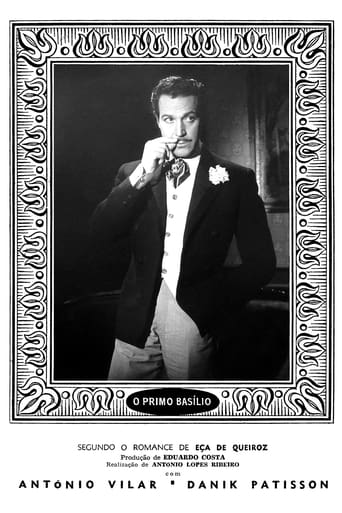 6.8
6.8Jorge, a successful engineer and employee of a ministry and Luísa, a romantic and dreamy girl, star as the typical bourgeois couple of the Lisbon society of the 19th century.
O Primo Basílio
1959
6.8Jorge, a successful engineer and employee of a ministry and Luísa, a romantic and dreamy girl, star as the typical bourgeois couple of the Lisbon society of the 19th century.
O Primo Basílio
1959
Commemorative procession celebrating the eighth centenary of the inbreak of Lisbon from the Moors in 1147 by the forces of D. Afonso Henriques with the help of the Crusaders en route to the Holy Land.
O Cortejo Histórico de Lisboa
1947
 7.5
7.5Luís immigrated to the USA and intends to become an American. But after his father invites him on a journey to the Portuguese territories in Africa, he will find true love, and also learn to value his country and its colonial grandeur.
The Spell of the Empire
1940
7.5Luís immigrated to the USA and intends to become an American. But after his father invites him on a journey to the Portuguese territories in Africa, he will find true love, and also learn to value his country and its colonial grandeur.
The Spell of the Empire
1940
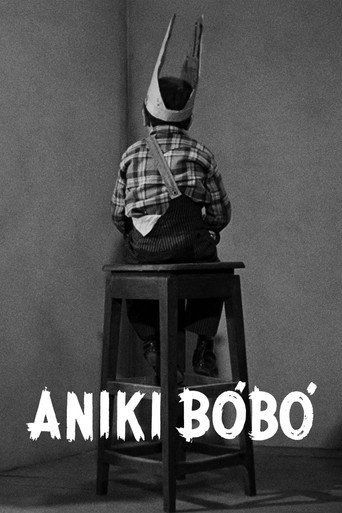 7.6
7.6Two schoolboys, Carlitos and Eduardo, fight for the affection of a girl, Teresinha.
Aniki-Bóbó
1942
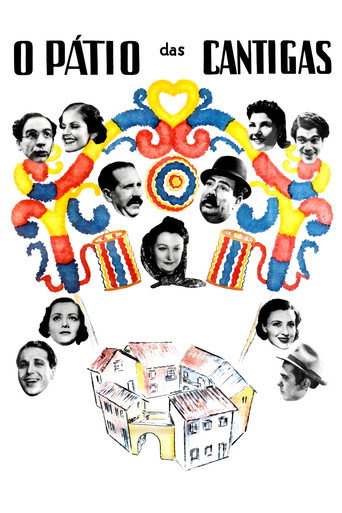 8.7
8.7A portrait of the relations between neighbours in a Lisbon courtyard. A story made of small episodes of humour, friendship, rivalry, love.
The Courtyard of the Ballads
1942
8.7A portrait of the relations between neighbours in a Lisbon courtyard. A story made of small episodes of humour, friendship, rivalry, love.
The Courtyard of the Ballads
1942
The film documents the official visit of the President of the Portuguese Republic, Craveiro Lopes, to Brazil, and his meeting with the President of the Republic of Brazil, Juscelino Kubitschek, in June 20, 1957.
The Presidential Journey to Brazil
1957
The Jamor National Stadium was inaugurated on June 10, 1944—a date then celebrated as the "Day of the Race." The ceremony marked the opening of Portugal's most iconic sports venue, located in the Jamor Valley in Oeiras.
Inauguração do Estádio Nacional
1944
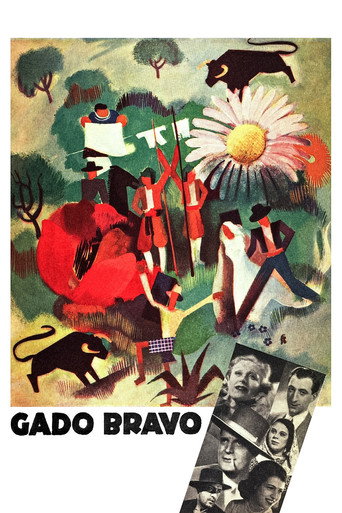 8.5
8.5A love triangle set in Lisbon between German singer Nina, bullfighter Garrido and local girl Branca.
Gado Bravo
1934
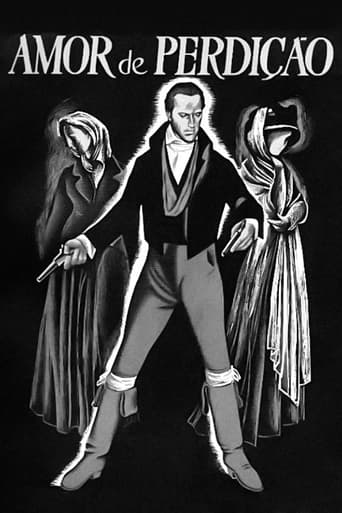 6.3
6.3The fatalism caught up and the amorous tragedy between Teresa de Albuquerque and Simão Botelho, who survives the intolerant litigation of her noble families.
Doomed Love
1943
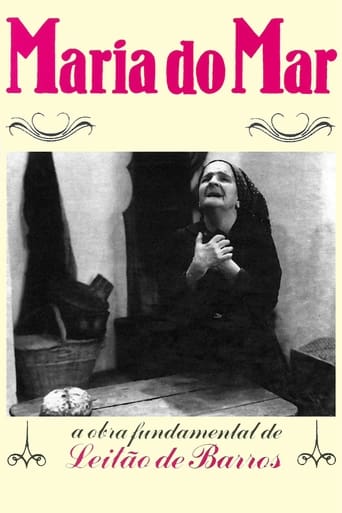 6.4
6.4Falacha is the captain of a fishing boat, who loses his men in a shipwreck. Among them was the husband of Aurélia, who holds Falacha responsible for the tragedy. Maria, Falacha's daughter, falls in love with Manuel, Aurélia's son, a situation that their mothers refuse to accept.
Maria of the Sea
1930
 10.0
10.0Evocation of Salazar's birth, his passage through Coimbra and salient facts of his political life.
30 years with Salazar
1957
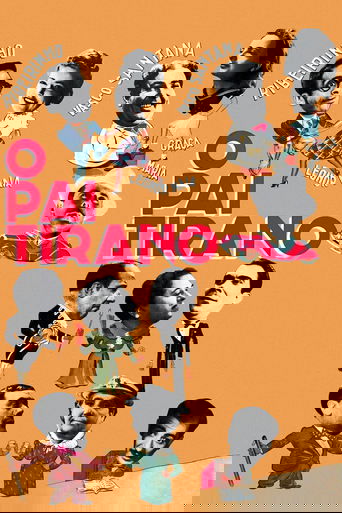 7.9
7.9While rehearsing the annual play, a clerk tries to regain the attention of his beloved, in a comedy of equivoques.
The Tyrannical Father
1941
7.9While rehearsing the annual play, a clerk tries to regain the attention of his beloved, in a comedy of equivoques.
The Tyrannical Father
1941
7.9While rehearsing the annual play, a clerk tries to regain the attention of his beloved, in a comedy of equivoques.
The Tyrannical Father
1941
 9.0
9.0Recent population growth in the capital leads to an ambitious development plan, involving public and private initiative as documented here, pinpointing over 60 locations (streets, roads, parks, schools) being modernized or built anew. The narrative and soundtrack are grandiloquent, in the propaganda style required by the Producer (the Municipal Council of Lisbon, then directly dependent of the national government), but the images and data are now of historical relevance.
Lisboa de Hoje e de Amanhã
1948
9.0Recent population growth in the capital leads to an ambitious development plan, involving public and private initiative as documented here, pinpointing over 60 locations (streets, roads, parks, schools) being modernized or built anew. The narrative and soundtrack are grandiloquent, in the propaganda style required by the Producer (the Municipal Council of Lisbon, then directly dependent of the national government), but the images and data are now of historical relevance.
Lisboa de Hoje e de Amanhã
1948
Aspects of river and sea activities: fishing, salt unloading, seaweed collection, and others. Pateira de Fermentelos; Ria de Aveiro; Mira beach; fishing in Vieira de Leiria; fishing in Sesimbra; morning on the Tagus River.
Faina do Rio e do Mar
1959
This documentary, produced in 1946 on the occasion of the half-century of Portuguese presence in Guinea-Bissau, reveals interesting contradictions. The activities and customs of the Guineans are filmed with a lot of attention and sometimes of proximity. Their resistance to colonization is even evoked, cleverly recovered by the comment which claims that they are all Portuguese. But the colonists are very few present: some dressed in a sparkling white costume and two very poor. The Africans, proud, talented, imposing, occupy the whole film.
Guinea-Bissau, Cradle of the Empire
1946
 7.0
7.0No synopsis available yet.
As Rodas de Lisboa
1951
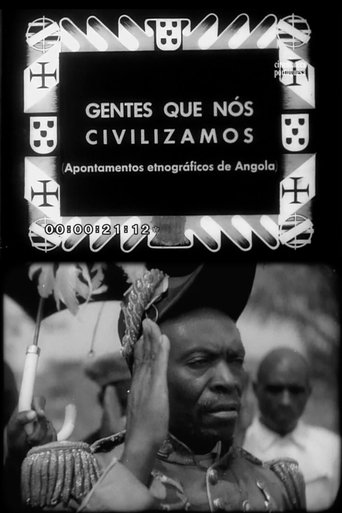 NR
NRInteresting, almost ethnographic, sequences on peoples of southern and central Angola, show the diversity of their customs and the richness of their cultures. The images often of quality are not devoid of a dominant look that frames them as exotic. The Euro-centric commentary on the exaltation of “lusitanity” is rather paternalistic and even contemptuous: “All these peoples are Portuguese and love Portugal, what a wonderful destiny it is for this country that came to civilize them and lead them on the paths of spirituality after having opened the roads of the world.”
The People We Civilized
1944