

Acting
Baby Garroux
Born
1944-01-04 (82)
Place of birth
Santos, São Paulo, Brazil
Known for
Acting
Credits
6 titles
Known for
 8.0
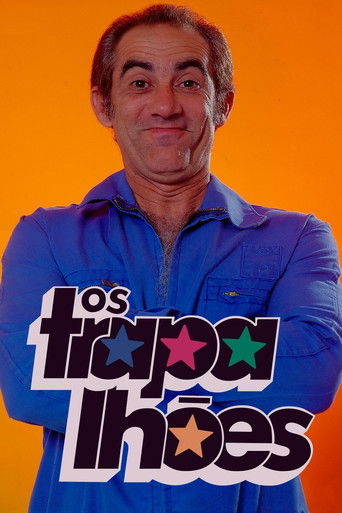
Os Trapalhões was a Brazilian comedy group and also a Brazilian television series created by Wilton Franco. Its members were Dedé Santana, Zacarias, Mussum and their leader Didi Mocó, that was played by Renato Aragão. The name Trapalhões is derived from the Portuguese verb atrapalhar, which means the opposite of helping, to do something the wrong way or to Those that confuse. The name is translated "Tramps" in English DVD subtitles. It was aired by Rede Globo from 1977 to 1999. On March 18, 1990, Zacarias died due to respiratory failure, but the group and the series didn't come to an end until July 29, 1994, when Mussum died due to an unsuccessful heart transplant.
The Trapalhões
1977
 7.0
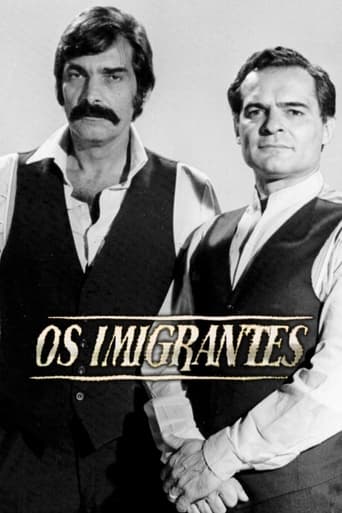
In Europe, at the end of the 19th century, social policies sent thousands of immigrants out of their countries. A Spaniard, a Portuguese, and an Italian seek new opportunities in the new country, without imagining the difficulties along the way.
Os Imigrantes
1981
 7.0
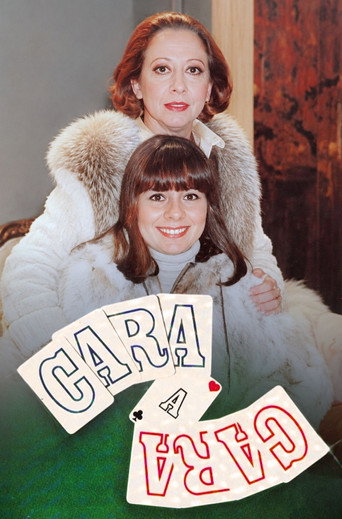
Millionaire Ingrid Von Herbert comes to Brazil to search for her missing son, who was taken from her in Italy by the child's father during World War II. Here, she meets and falls in love with mechanic Fran, but resists this love because she suspects he might be her son. There are other suspicions, but this mystery persists throughout the plot. An unusual event changes the course of the story: Fran's father, Sandro, has his car sabotaged and dies in an accident.
Cara a Cara
1979
 7.5
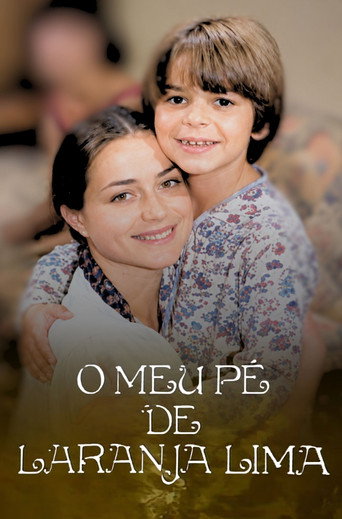
Zezé is a poor, intelligent, sensitive, and needy six-year-old boy. He lacks affection, which he doesn't find in his family – nobody has much patience with him. The mischievous little boy roams the streets getting into all sorts of trouble. He learns everything on his own; he's a "discoverer of things." He realizes that life has joys, like having a friend, and also sorrows, like when a friend leaves forever. One of his greatest surprises is realizing he can sing without opening his mouth – that is, he can think of a song and let it play in his head.
O Meu Pé de Laranja Lima
1980
 9.0
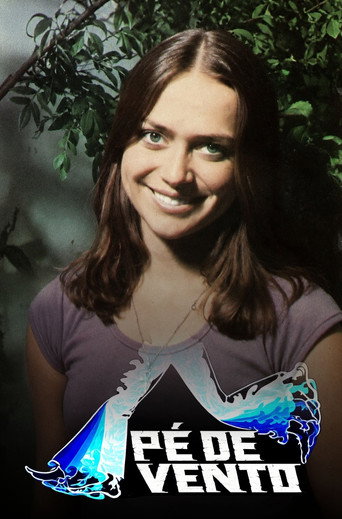
Edmar, nicknamed "Pé de Vento" (Wind Foot), comes with his family from Muzambinho, Minas Gerais, to São Paulo to try his luck professionally. Interested in running, he starts training at a club under the guidance of Alfredo, a veteran disillusioned with the sport, who only has hopes for the athlete. Their shared dream is to win the São Silvestre Race. At the club, Edmar meets Cristiane, a wealthy young woman who falls in love with him and despises the spoiled Itamar. However, Pé falls in love with the humble nurse Terezinha, granddaughter of the wise Mrs. Noca.
Pé de Vento
1980
 9.0
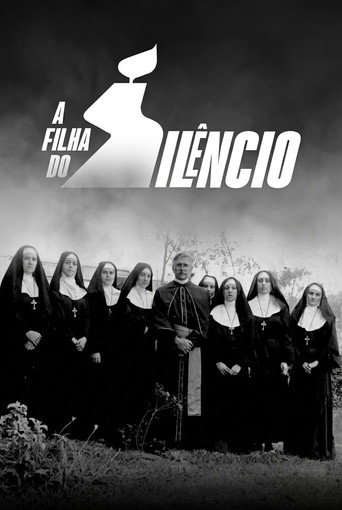
Late 19th century, shortly before the Abolition of Slavery. On the Santa Júlia Farm, located in the municipality of Rio Verde, in the interior of São Paulo state, lives Colonel Agenor Dias de Souza with his wife Cândida and their two daughters, Leonor and Luíza, in a mysterious environment haunted by ghosts of the past. A tragedy hides a great mystery, because of which the only witness, Cândida, became paralyzed and mute. Always doubting his wife, Agenor doesn't believe that Luíza is, in fact, his daughter. Therefore, he maintains a morbid relationship with Cândida, without caring about increasing her suffering. The colonel's doubt will be clarified when the secret, contained in the diary hidden in the clock case, is revealed. In this whole plot, a third person is fundamental: Laura, who pretends to be Cândida's friend, but is not.
A Filha do Silêncio
1982
Series credits
8.0Os Trapalhões was a Brazilian comedy group and also a Brazilian television series created by Wilton Franco. Its members were Dedé Santana, Zacarias, Mussum and their leader Didi Mocó, that was played by Renato Aragão. The name Trapalhões is derived from the Portuguese verb atrapalhar, which means the opposite of helping, to do something the wrong way or to Those that confuse. The name is translated "Tramps" in English DVD subtitles. It was aired by Rede Globo from 1977 to 1999. On March 18, 1990, Zacarias died due to respiratory failure, but the group and the series didn't come to an end until July 29, 1994, when Mussum died due to an unsuccessful heart transplant.
The Trapalhões
1977
7.0In Europe, at the end of the 19th century, social policies sent thousands of immigrants out of their countries. A Spaniard, a Portuguese, and an Italian seek new opportunities in the new country, without imagining the difficulties along the way.
Os Imigrantes
1981
7.0Millionaire Ingrid Von Herbert comes to Brazil to search for her missing son, who was taken from her in Italy by the child's father during World War II. Here, she meets and falls in love with mechanic Fran, but resists this love because she suspects he might be her son. There are other suspicions, but this mystery persists throughout the plot. An unusual event changes the course of the story: Fran's father, Sandro, has his car sabotaged and dies in an accident.
Cara a Cara
1979
7.5Zezé is a poor, intelligent, sensitive, and needy six-year-old boy. He lacks affection, which he doesn't find in his family – nobody has much patience with him. The mischievous little boy roams the streets getting into all sorts of trouble. He learns everything on his own; he's a "discoverer of things." He realizes that life has joys, like having a friend, and also sorrows, like when a friend leaves forever. One of his greatest surprises is realizing he can sing without opening his mouth – that is, he can think of a song and let it play in his head.
O Meu Pé de Laranja Lima
1980
9.0Edmar, nicknamed "Pé de Vento" (Wind Foot), comes with his family from Muzambinho, Minas Gerais, to São Paulo to try his luck professionally. Interested in running, he starts training at a club under the guidance of Alfredo, a veteran disillusioned with the sport, who only has hopes for the athlete. Their shared dream is to win the São Silvestre Race. At the club, Edmar meets Cristiane, a wealthy young woman who falls in love with him and despises the spoiled Itamar. However, Pé falls in love with the humble nurse Terezinha, granddaughter of the wise Mrs. Noca.
Pé de Vento
1980
9.0Late 19th century, shortly before the Abolition of Slavery. On the Santa Júlia Farm, located in the municipality of Rio Verde, in the interior of São Paulo state, lives Colonel Agenor Dias de Souza with his wife Cândida and their two daughters, Leonor and Luíza, in a mysterious environment haunted by ghosts of the past. A tragedy hides a great mystery, because of which the only witness, Cândida, became paralyzed and mute. Always doubting his wife, Agenor doesn't believe that Luíza is, in fact, his daughter. Therefore, he maintains a morbid relationship with Cândida, without caring about increasing her suffering. The colonel's doubt will be clarified when the secret, contained in the diary hidden in the clock case, is revealed. In this whole plot, a third person is fundamental: Laura, who pretends to be Cândida's friend, but is not.
A Filha do Silêncio
1982