
Production
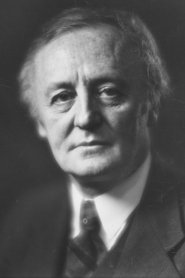
Marius Barbeau
Born 1883-03-05 · Sainte-Marie, Québec, Canada
Charles Marius Barbeau, CC FRSC (March 5, 1883 – February 27, 1969), also known as C. Marius Barbeau, or more commonly simply Marius Barbeau, was a Canadian ethnographer and folklorist who is today considered a founder of Canadian anthropology. A Rhodes Scholar, he is best known for an early championing of Québecois folk culture, and for his exhaustive cataloguing of the social organization, narrative and musical traditions, and plastic arts of the Tsimshianic-speaking peoples in British Columbia (Tsimshian, Gitxsan, and Nisga'a), and other Northwest Coast peoples. He developed unconventional theories about the peopling of the Americas.
Acting credits
Ethnologist Marius Barbeau introduces us to indigenous mythology. Masks, dances, songs, and totems are used to give the audience a highly suggestive representation of the "biblical" history (Mr. Barbeau's word) of Indigenous tribes.
Marius Barbeau et l'art totémique
1959
This film, reconstructed by the staff of Library and Archives Canada from film shot by James Sibley Watson Jr., documents the activities of Marius Barbeau and Ernest MacMillan among the Nisga’a of the Nass River region of British Columbia. Barbeau, an ethnologist at the National Museum of Canada, and MacMillan, then principal of the Toronto Conservatory of Music, are depicted in their efforts to record ‘with camera and phonograph’ what the film’s first intertitle describes as ‘the vanishing culture, the rites and songs and dances of the Indians along the Canadian Pacific Coast, north of Vancouver.
Nass River Indians
—