
Directing
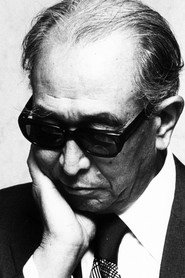
Akira Kurosawa
Born — Died
1910-03-23 — 1998-09-06
Place of birth
Shinagawa, Tokyo Prefecture, Japan
Known for
Directing
Credits
71 titles
Akira Kurosawa (黒澤 明) was a Japanese filmmaker and painter who directed thirty films in a career spanning over five decades. He is widely regarded as one of the greatest and most influential filmmakers in the history of cinema. He displayed a bold, dynamic style, strongly influenced by Western cinema yet distinct from it; he was involved with all aspects of film production. Kurosawa entered the Japanese film industry in 1936, following a brief stint as a painter. After years of working on numerous films as an assistant director and scriptwriter, he made his debut as a director during World War II with the popular action film Sanshiro Sugata (1943). After the war, the critically acclaimed Dru…
Known for
 9.5
9.5Marcello Mastroianni, Isabelle Adjani, Alain Delon, Martin Scorsese, Woody Allen... the biggest stars in cinema were welcomed by Christian Defaye on his show Spécial cinéma. Between intimate confessions from actors and immersion in the world of the greatest filmmakers, Christian Defaye took viewers on a journey into the fascinating world of cinema for nearly thirty years.
Spécial cinéma
1974
 5.6
5.6The South Bank Show is a television arts magazine show produced by ITV between 1978 and 2010. A new series began on Sky Arts from 27 May 2012. Presented by Melvyn Bragg, the show aims to bring both high art and popular culture to a mass audience.
The South Bank Show
1978
 8.5
8.5A samurai answers a village's request for protection after he falls on hard times. The town needs protection from bandits, so the samurai gathers six others to help him teach the people how to defend themselves, and the villagers provide the soldiers with food.
Seven Samurai
1954
 8.0
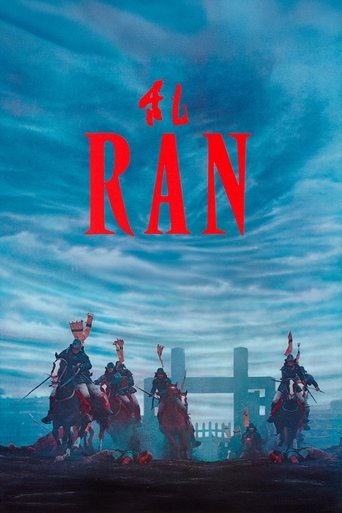
8.0Shakespeare's King Lear is reimagined as a singular historical epic set in sixteenth-century Japan where an aging warlord divides his kingdom between his three sons.
Ran
1985
 8.4
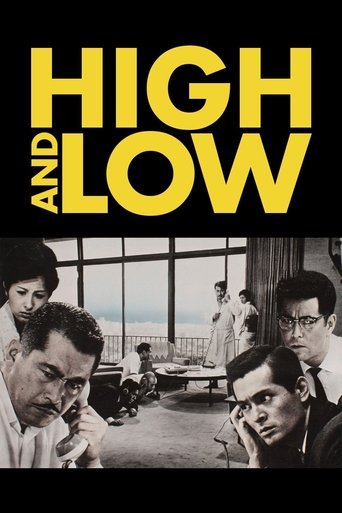
8.4A Yokohama shoe executive faces a wrenching choice when kidnappers mistakenly seize his chauffeur’s son but demand the ransom anyway.
High and Low
1963
 8.3
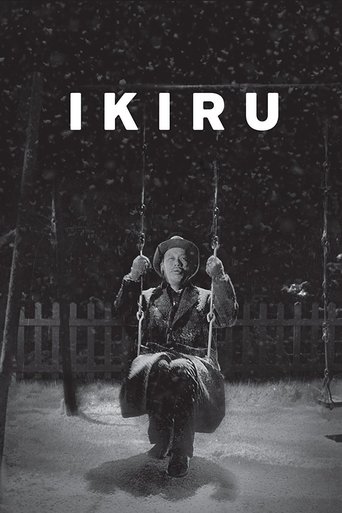
8.3Kanji Watanabe is a middle-aged man who has worked in the same monotonous bureaucratic position for decades. Learning he has cancer, he starts to look for the meaning of his life.
Ikiru
1952
Film credits
2020s · 3 titles
 2.0
2.0We thought we'd seen, read, and heard everything there was to see about the Cannes Film Festival, from the glitz and gossip to the scandals and censorship. And yet, Emmanuel Barnault's "Morceaux de Cannes" (Pieces of Cannes), by this leading expert on Italian and French cinema, convinces us otherwise. The third largest event in the world (after the Olympic Games and the FIFA World Cup) reveals its secrets only sparingly, as this film attests. The result of passionate research in the INA archives, these 52 minutes, without interviews or voice-over narration, string together rare and sometimes previously unseen footage. Taken together, they tell a surprising, original, and heartwarming story of the Festival. On the beach, on a street corner, in a restaurant, or in the privacy of a hotel room, these forgotten archives summon the greatest filmmakers, actors, and actresses of the last seventy years, from Jean Cocteau to David Lynch, for an anthology of the Festival's history.
Morceaux de Cannes
2021
 7.1
7.1Besieged by cancer and nearing the end, the genius Argentine-Brazilian filmmaker Héctor Babenco (1946-2016) asks Bárbara Paz, his wife, for one last wish: to be the protagonist of his own death.
Babenco: Tell Me When I Die
2020
 NR
NRSearching for Kurosawa chronicles Kawamura Mitsuhiko’s journey from the set of Kurosawa’s Ran in 1985 to its final release three decades later. Now, with the rediscovered clips and Mitsuhiko’s own recollections, the film pieces together an intimate portrait of cinema’s “Emperor,” revealing how a young cinephile’s passion helped preserve invaluable fragments of film history. In the course of unearthing lost footage, Kawamura’s life takes an ironic course; he loved movies so much that his life became a movie.
Searching For Kurosawa
2025
2010s · 3 titles
 5.8
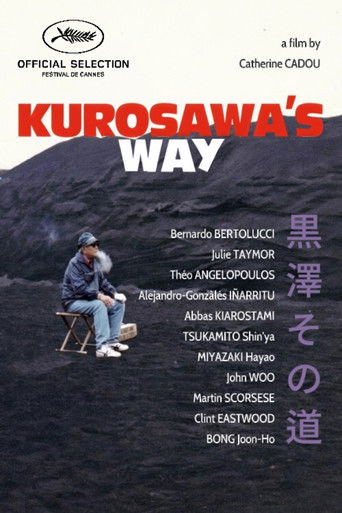
5.8Eleven major film makers from Europe, America and Asia talk about Akira Kurosawa and discover surprising influences on their own work.
Kurosawa's Way
2011
 6.4
6.4Using the words and ideas of great filmmakers, from archival interviews with Alfred Hitchcock and Robert Bresson to new interviews with Mike Leigh, David Lynch, and Jonas Mekas, Oscar-winning filmmaker Chuck Workman shows what these filmmakers and others do that can't be expressed in words - but only in cinema.
What Is Cinema?
2013
Renowned cinematographer Kazuo Miyagawa collaborated with a number of great Japanese filmmakers, including Akira Kurosawa, Kenji Mizoguchi, Kon Ichikawa, and Yasujiro Ozu. The following excerpts from the Japanese television documentary THE WORLD OF KAZUO MIYAGAWA explore Miyagawa and Kurosawa’s working relationship on RASHOMON.
The World of Kazuo Miyagawa
2012
2000s · 17 titles
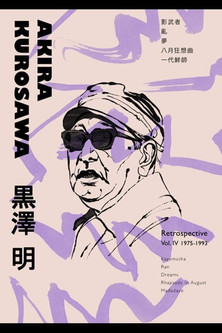 7.0
7.0Documentary on film maker Akira Kurosawa
Kurosawa
2000
 NR
NRDocumentary made by Toho for the Masterworks reissue of all of its Kurosawa films. This one focuses on "High and Low" (1963).
Akira Kurosawa: It Is Wonderful to Create: 'High and Low'
2002
 8.0
8.0Documentary made by Toho for the Masterworks reissue of all of its Kurosawa films. This one focuses on "The Hidden Fortress" (1958).
Akira Kurosawa: It Is Wonderful to Create: 'The Hidden Fortress'
2002
 NR
NRDocumentary made by Toho for the Masterworks reissue of all of its Kurosawa films. This one focuses on "The Bad Sleep Well" (1960).
Akira Kurosawa: It Is Wonderful to Create: 'The Bad Sleep Well'
2002
 NR
NRDocumentary made by Toho for the Masterworks reissue of all of its Kurosawa films. This one focuses on "Ikiru" (1952).
Akira Kurosawa: It Is Wonderful to Create: 'Ikiru'
2002
 NR
NRDocumentary made by Toho for the Masterworks reissue of all of its Kurosawa films. This one focuses on "Stray Dog" (1949).
Akira Kurosawa: It Is Wonderful to Create: 'Stray Dog'
2002
 NR
NRDocumentary made by Toho for the Masterworks reissue of all of its Kurosawa films. This one focuses on "Sanjuro" (1962).
Akira Kurosawa: It Is Wonderful to Create: 'Sanjuro'
2002
 NR
NRDocumentary made by Toho for the Masterworks reissue of all of its Kurosawa films. This one focuses on "Yojimbo" (1961).
Akira Kurosawa: It Is Wonderful to Create: 'Yojimbo'
2002
 NR
NRDocumentary made by Toho for the Masterworks reissue of all of its Kurosawa films. This one focuses on "The Lower Depths" (1957).
Akira Kurosawa: It Is Wonderful to Create: 'The Lower Depths'
2002
 NR
NRDocumentary made by Toho for the Masterworks reissue of all of its Kurosawa films. This one focuses on "Dodes'ka-den" (1970).
Akira Kurosawa: It Is Wonderful to Create: 'Dodes'ka-den'
2002
 7.0
7.0Documentary made by Toho for the Masterworks reissue of all of its Kurosawa films. This one focuses on "Kagemusha" (1980).
Akira Kurosawa: It Is Wonderful to Create: 'Kagemusha'
2002
 NR
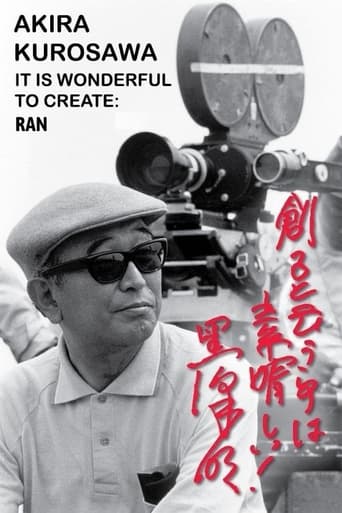
NRDocumentary made by Toho for the Masterworks reissue of all of its Kurosawa films. This one focuses on “Ran” (1985).
Akira Kurosawa: It Is Wonderful to Create: 'Ran'
2002
 NR
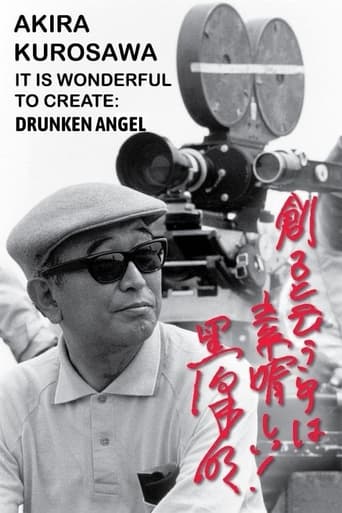
NRDocumentary made by Toho for the Masterworks reissue of all of its Kurosawa films. This one focuses on "Drunken Angel" (1948).
Akira Kurosawa: It Is Wonderful to Create: 'Drunken Angel'
2002
 10.0
10.0Documentary made by Toho for the Masterworks reissue of all of its Kurosawa films. This one focuses on "Seven Samurai" (1954).
Akira Kurosawa: It Is Wonderful to Create: 'Seven Samurai'
2002
 NR
NRDocumentary made by Toho for the Masterworks reissue of all of its Kurosawa films. This one focuses on "Throne of Blood" (1957).
Akira Kurosawa: It Is Wonderful to Create: 'Throne of Blood'
2002
 7.0
7.0A Documentary in 10 parts covering the film making of Kurosawa around the theme of making the perfect movie or as he says: A Beautiful Movie.
A Message from Akira Kurosawa: For Beautiful Movies
2000
 NR
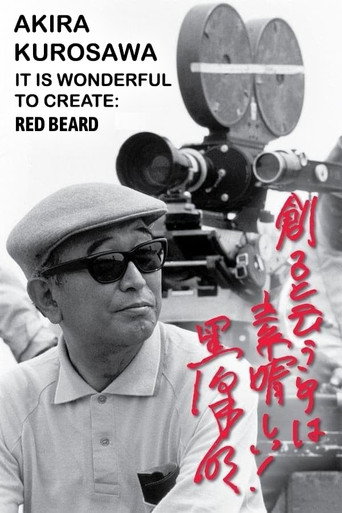
NRDocumentary made by Toho for the Masterworks reissue of all of its Kurosawa films. This one focuses on "Red Beard" (1965).
Akira Kurosawa: It Is Wonderful to Create: 'Red Beard'
2002
1990s · 4 titles
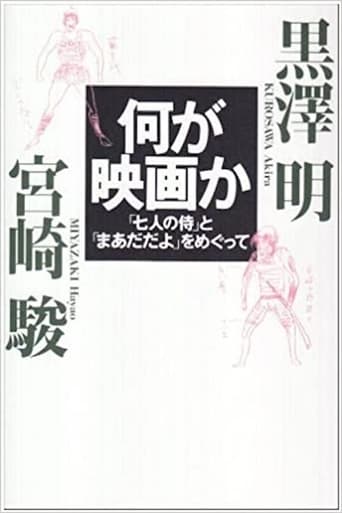 10.0
10.0An hour-long conversation between Akira Kurosawa and Hayao Miyazaki which took place in Kurosawa's home near Mt. Fuji.
In Love With and Living Within Movies - Akira Kurosawa and Hayao Miyazaki
1993
 6.2
6.2A profile and history of film director Akira Kurosawa.
Kurosawa: The Last Emperor
1999
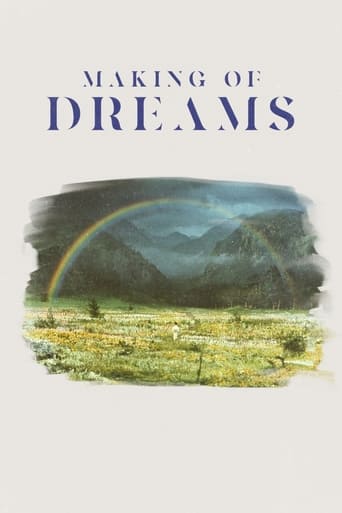 8.0
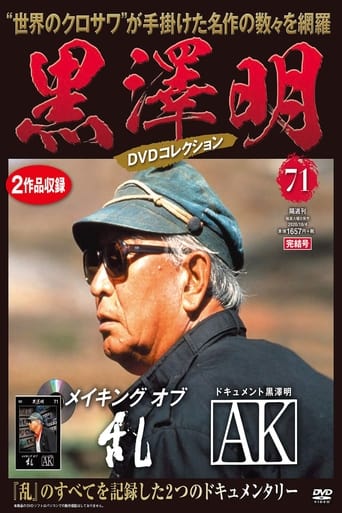
8.0This 150-minute documentary, directed by Nobuhiko Ôbayashi on the set of Akira Kurosawa's Dreams, features behind-the-scenes footage and interviews with cast and crew.
Making of 'Dreams'
1990
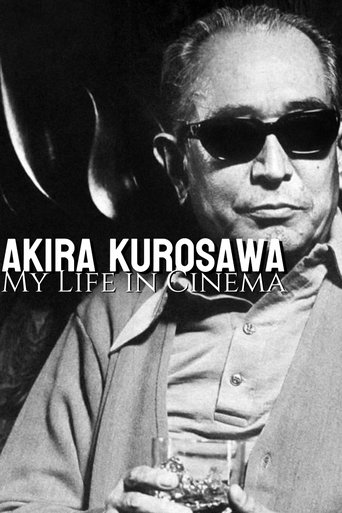 7.7
7.7Nagisa Oshima interviews Akira Kurosawa, leading him to share his thoughts about filmmaking, his life and works, and numerous anecdotes relating to his films and his various film activities.
Akira Kurosawa: My Life in Cinema
1993
Series credits
9.5Marcello Mastroianni, Isabelle Adjani, Alain Delon, Martin Scorsese, Woody Allen... the biggest stars in cinema were welcomed by Christian Defaye on his show Spécial cinéma. Between intimate confessions from actors and immersion in the world of the greatest filmmakers, Christian Defaye took viewers on a journey into the fascinating world of cinema for nearly thirty years.
Spécial cinéma
1974
5.6The South Bank Show is a television arts magazine show produced by ITV between 1978 and 2010. A new series began on Sky Arts from 27 May 2012. Presented by Melvyn Bragg, the show aims to bring both high art and popular culture to a mass audience.
The South Bank Show
1978
Behind the camera
8.5A samurai answers a village's request for protection after he falls on hard times. The town needs protection from bandits, so the samurai gathers six others to help him teach the people how to defend themselves, and the villagers provide the soldiers with food.
Seven Samurai
1954
8.5A samurai answers a village's request for protection after he falls on hard times. The town needs protection from bandits, so the samurai gathers six others to help him teach the people how to defend themselves, and the villagers provide the soldiers with food.
Seven Samurai
1954
8.0Shakespeare's King Lear is reimagined as a singular historical epic set in sixteenth-century Japan where an aging warlord divides his kingdom between his three sons.
Ran
1985
8.0Shakespeare's King Lear is reimagined as a singular historical epic set in sixteenth-century Japan where an aging warlord divides his kingdom between his three sons.
Ran
1985
8.4A Yokohama shoe executive faces a wrenching choice when kidnappers mistakenly seize his chauffeur’s son but demand the ransom anyway.
High and Low
1963
8.4A Yokohama shoe executive faces a wrenching choice when kidnappers mistakenly seize his chauffeur’s son but demand the ransom anyway.
High and Low
1963
8.3Kanji Watanabe is a middle-aged man who has worked in the same monotonous bureaucratic position for decades. Learning he has cancer, he starts to look for the meaning of his life.
Ikiru
1952
8.3Kanji Watanabe is a middle-aged man who has worked in the same monotonous bureaucratic position for decades. Learning he has cancer, he starts to look for the meaning of his life.
Ikiru
1952
 8.2
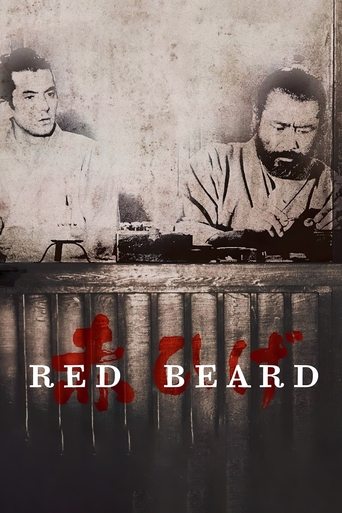
8.2Aspiring to an easy job as personal physician to a wealthy family, Noboru Yasumoto is disappointed when his first post after medical school takes him to a small country clinic under the gruff doctor Red Beard. Yasumoto rebels in numerous ways, but Red Beard proves a wise and patient teacher. He gradually introduces his student to the unglamorous side of the profession, ultimately assigning him to care for a prostitute rescued from a local brothel.
Red Beard
1965
8.2Aspiring to an easy job as personal physician to a wealthy family, Noboru Yasumoto is disappointed when his first post after medical school takes him to a small country clinic under the gruff doctor Red Beard. Yasumoto rebels in numerous ways, but Red Beard proves a wise and patient teacher. He gradually introduces his student to the unglamorous side of the profession, ultimately assigning him to care for a prostitute rescued from a local brothel.
Red Beard
1965
 7.8
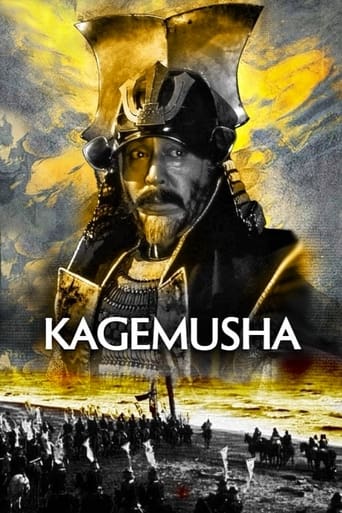
7.8A feudal epic presenting the tale of a petty thief who is recruited to impersonate Shingen, an aging warlord, in order to avoid attacks by competing clans. The impostor becomes comfortable living his life among nobility, but his responsibilities to his station grow more demanding the longer he occupies it.
Kagemusha
1980
7.8A feudal epic presenting the tale of a petty thief who is recruited to impersonate Shingen, an aging warlord, in order to avoid attacks by competing clans. The impostor becomes comfortable living his life among nobility, but his responsibilities to his station grow more demanding the longer he occupies it.
Kagemusha
1980
7.8A feudal epic presenting the tale of a petty thief who is recruited to impersonate Shingen, an aging warlord, in order to avoid attacks by competing clans. The impostor becomes comfortable living his life among nobility, but his responsibilities to his station grow more demanding the longer he occupies it.
Kagemusha
1980
 7.7
7.7Eight visually rich vignettes drawn from Kurosawa’s own dreams—fox weddings and vanished orchards, a soldier’s ghosts, a walk through Van Gogh’s canvases, nuclear nightmares, and a water-mill utopia—meditate on childhood, art, mortality, and humanity’s uneasy bond with nature.
Dreams
1990
7.7Eight visually rich vignettes drawn from Kurosawa’s own dreams—fox weddings and vanished orchards, a soldier’s ghosts, a walk through Van Gogh’s canvases, nuclear nightmares, and a water-mill utopia—meditate on childhood, art, mortality, and humanity’s uneasy bond with nature.
Dreams
1990
 7.6
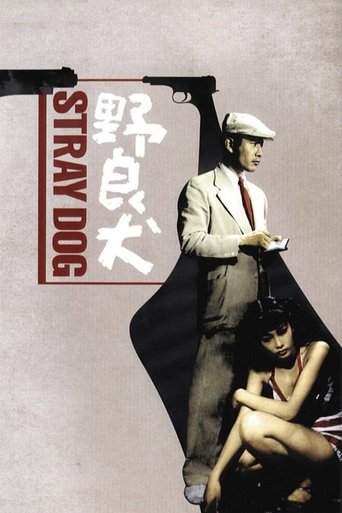
7.6A bad day gets worse for young detective Murakami when a pickpocket steals his gun on a hot, crowded bus. Desperate to right the wrong, he goes undercover, scavenging Tokyo’s sweltering streets for the stray dog whose desperation has led him to a life of crime. With each step, cop and criminal’s lives become more intertwined and the investigation becomes an examination of Murakami’s own dark side.
Stray Dog
1949
7.6A bad day gets worse for young detective Murakami when a pickpocket steals his gun on a hot, crowded bus. Desperate to right the wrong, he goes undercover, scavenging Tokyo’s sweltering streets for the stray dog whose desperation has led him to a life of crime. With each step, cop and criminal’s lives become more intertwined and the investigation becomes an examination of Murakami’s own dark side.
Stray Dog
1949
 7.2
7.2An elderly Nagasaki hibakusha spends a summer caring for her four grandchildren, whose curiosity about the 1945 bombing stirs buried memories and moral questions. When an American nephew from Hawaii visits, the family confronts grief, guilt, and the possibility of reconciliation across generations.
Rhapsody in August
1991
7.2An elderly Nagasaki hibakusha spends a summer caring for her four grandchildren, whose curiosity about the 1945 bombing stirs buried memories and moral questions. When an American nephew from Hawaii visits, the family confronts grief, guilt, and the possibility of reconciliation across generations.
Rhapsody in August
1991
 8.1
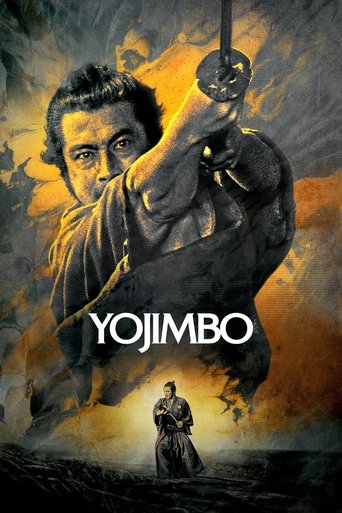
8.1A nameless ronin, or samurai with no master, enters a small village in feudal Japan where two rival businessmen are struggling for control of the local gambling trade. Taking the name Sanjuro Kuwabatake, the ronin convinces both silk merchant Tazaemon and sake merchant Tokuemon to hire him as a personal bodyguard, then artfully sets in motion a full-scale gang war between the two ambitious and unscrupulous men.
Yojimbo
1961
8.1A nameless ronin, or samurai with no master, enters a small village in feudal Japan where two rival businessmen are struggling for control of the local gambling trade. Taking the name Sanjuro Kuwabatake, the ronin convinces both silk merchant Tazaemon and sake merchant Tokuemon to hire him as a personal bodyguard, then artfully sets in motion a full-scale gang war between the two ambitious and unscrupulous men.
Yojimbo
1961
8.1A nameless ronin, or samurai with no master, enters a small village in feudal Japan where two rival businessmen are struggling for control of the local gambling trade. Taking the name Sanjuro Kuwabatake, the ronin convinces both silk merchant Tazaemon and sake merchant Tokuemon to hire him as a personal bodyguard, then artfully sets in motion a full-scale gang war between the two ambitious and unscrupulous men.
Yojimbo
1961
 8.0
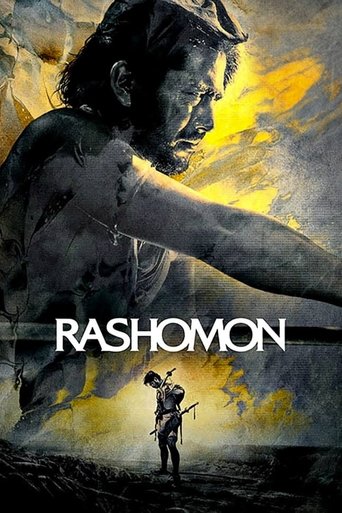
8.0Four people recount different versions of the story of a man's murder and the rape of his wife.
Rashomon
1950
8.0Four people recount different versions of the story of a man's murder and the rape of his wife.
Rashomon
1950
 8.0
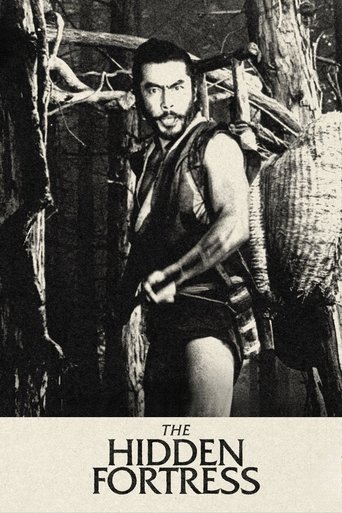
8.0In feudal Japan, during a bloody war between clans, two cowardly and greedy peasants, soldiers of a defeated army, stumble upon a mysterious man who guides them to a fortress hidden in the mountains.
The Hidden Fortress
1958
8.0In feudal Japan, during a bloody war between clans, two cowardly and greedy peasants, soldiers of a defeated army, stumble upon a mysterious man who guides them to a fortress hidden in the mountains.
The Hidden Fortress
1958
8.0In feudal Japan, during a bloody war between clans, two cowardly and greedy peasants, soldiers of a defeated army, stumble upon a mysterious man who guides them to a fortress hidden in the mountains.
The Hidden Fortress
1958
 7.9
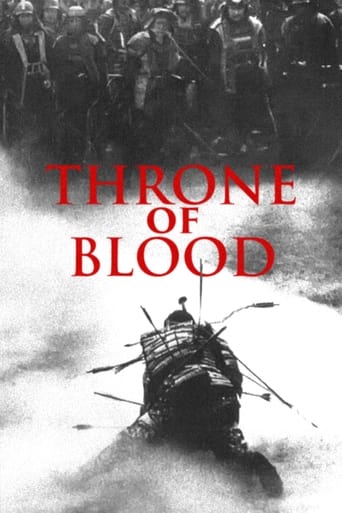
7.9Returning to their lord's castle, samurai warriors Washizu and Miki are waylaid by a spirit who predicts their futures. When the first part of the spirit's prophecy comes true, Washizu's scheming wife, Asaji, presses him to speed up the rest of the spirit's prophecy by murdering his lord and usurping his place. Director Akira Kurosawa's resetting of William Shakespeare's "Macbeth" in feudal Japan is one of his most acclaimed films.
Throne of Blood
1957
7.9Returning to their lord's castle, samurai warriors Washizu and Miki are waylaid by a spirit who predicts their futures. When the first part of the spirit's prophecy comes true, Washizu's scheming wife, Asaji, presses him to speed up the rest of the spirit's prophecy by murdering his lord and usurping his place. Director Akira Kurosawa's resetting of William Shakespeare's "Macbeth" in feudal Japan is one of his most acclaimed films.
Throne of Blood
1957
7.9Returning to their lord's castle, samurai warriors Washizu and Miki are waylaid by a spirit who predicts their futures. When the first part of the spirit's prophecy comes true, Washizu's scheming wife, Asaji, presses him to speed up the rest of the spirit's prophecy by murdering his lord and usurping his place. Director Akira Kurosawa's resetting of William Shakespeare's "Macbeth" in feudal Japan is one of his most acclaimed films.
Throne of Blood
1957
 7.6
7.6In postwar Tokyo, a blunt, alcohol-soaked doctor diagnoses a swaggering young yakuza with tuberculosis, forging an uneasy bond that’s tested when the gangster’s ruthless former boss returns and drags him back toward the swampy underworld he can’t escape.
Drunken Angel
1948
7.6In postwar Tokyo, a blunt, alcohol-soaked doctor diagnoses a swaggering young yakuza with tuberculosis, forging an uneasy bond that’s tested when the gangster’s ruthless former boss returns and drags him back toward the swampy underworld he can’t escape.
Drunken Angel
1948
 7.9
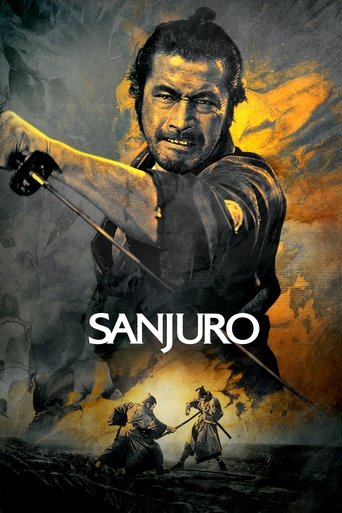
7.9In this companion piece and sequel to "Yojimbo," jaded samurai Sanjuro helps an idealistic group of young warriors weed out their clan's evil influences, and in the process turns their image of a proper samurai on its ear.
Sanjuro
1962
7.9In this companion piece and sequel to "Yojimbo," jaded samurai Sanjuro helps an idealistic group of young warriors weed out their clan's evil influences, and in the process turns their image of a proper samurai on its ear.
Sanjuro
1962
 7.9
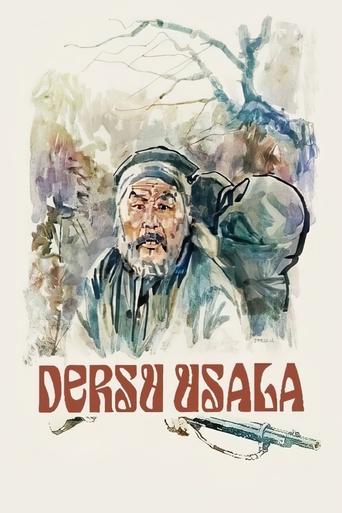
7.9A military explorer meets and befriends a Goldi man in Russia’s unmapped forests. A deep and abiding bond evolves between the two men, one civilized in the usual sense, the other at home in the glacial Siberian woods.
Dersu Uzala
1975
7.9A military explorer meets and befriends a Goldi man in Russia’s unmapped forests. A deep and abiding bond evolves between the two men, one civilized in the usual sense, the other at home in the glacial Siberian woods.
Dersu Uzala
1975
 7.0
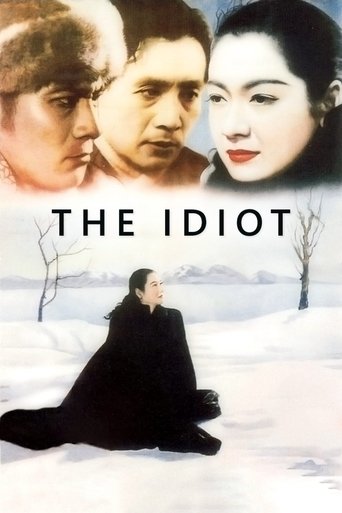
7.0A gentle, war-shattered ex-soldier, Kinji Kameda, arrives in wintry Hokkaidō and is pulled into a volatile tangle of love and pity between the disgraced Taeko Nasu, the proud Ayako, and his possessive friend Akama. Kameda’s saintly compassion exposes everyone’s wounds, steering the quartet toward jealousy, violence, and inexorable tragedy. Adapted from Dostoevsky’s novel.
The Idiot
1951
7.0A gentle, war-shattered ex-soldier, Kinji Kameda, arrives in wintry Hokkaidō and is pulled into a volatile tangle of love and pity between the disgraced Taeko Nasu, the proud Ayako, and his possessive friend Akama. Kameda’s saintly compassion exposes everyone’s wounds, steering the quartet toward jealousy, violence, and inexorable tragedy. Adapted from Dostoevsky’s novel.
The Idiot
1951
 7.3
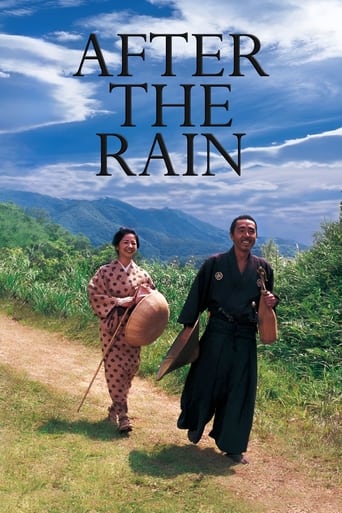
7.3A group of travelers is stranded in a small country inn when the river floods during heavy rains. As the bad weather continues, tensions rise amongst the trapped travelers.
After the Rain
2000
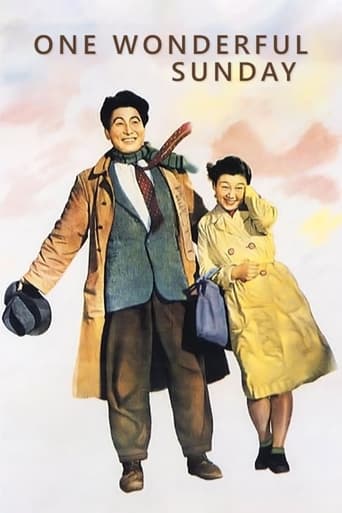 7.2
7.2Two broke sweethearts wander war-scarred Tokyo on a single Sunday, stretching 35 yen as they chase housing, small pleasures, and a little hope.
One Wonderful Sunday
1947