
Directing
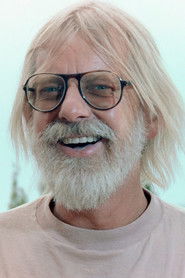
Hal Ashby
Born — Died
1929-09-02 — 1988-12-27
Place of birth
Ogden, Utah, USA
Known for
Directing
Credits
25 titles
Hal Ashby (September 2, 1929 – December 27, 1988) was an American film director and editor associated with the New Hollywood wave of filmmaking. Before his career as a director, Ashby edited films for Norman Jewison, notably The Russians Are Coming, the Russians Are Coming (1966), which earned him an Oscar nomination for Best Editing, and In the Heat of the Night (1967), which earned him an Oscar for the same category. Ashby received a third Oscar nomination, this time for Best Director, for Coming Home (1978). Other films directed by Ashby include The Landlord (1970), Harold and Maude (1971), The Last Detail (1973), Shampoo (1975), Bound for Glory (1976) and Being There (1979). Born Willi…
Known for
 5.8
5.8The Mike Douglas Show is an American daytime television talk show hosted by Mike Douglas that originally aired only in the Cleveland area during much of its first two years on the air. It then went into syndication in 1963 and remained on television until 1982. It was distributed by Westinghouse Broadcasting and for much of its run, originated from studios of two of the company's TV stations in Cleveland and Philadelphia.
The Mike Douglas Show
1961
 6.0
6.0A talk show presented by Michel Drucker
Les Rendez-vous du dimanche
1975
 7.1
7.1An annual American awards ceremony honoring cinematic achievements in the film industry. The various category winners are awarded a copy of a statuette, officially the Academy Award of Merit, that is better known by its nickname Oscar.
The Oscars
1953
 7.6
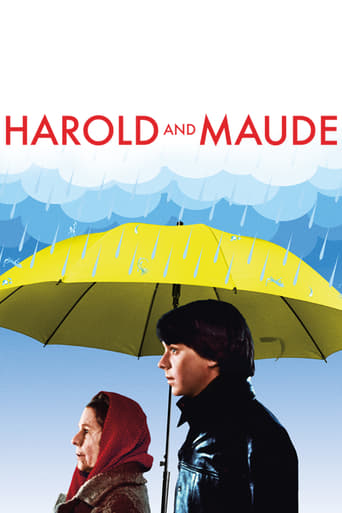
7.6A deadpan young man obsessed with death meets an eccentric septuagenarian who teaches him to live life to the fullest.
Harold and Maude
1971
 6.8
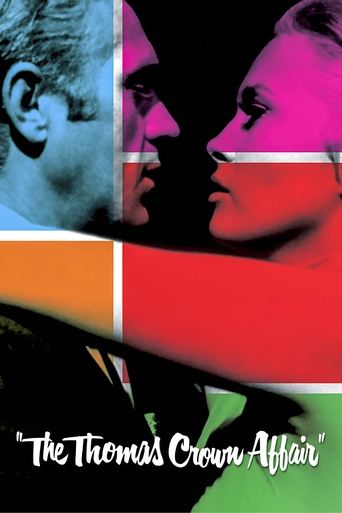
6.8A debonair, adventuresome bank executive believes that he has pulled off the perfect multi-million dollar heist--until he must match wits with an insurance investigator who will do anything to get her man.
The Thomas Crown Affair
1968
 5.5
5.5Scudder is a detective with the Sheriff's Department who is forced to shoot a violent suspect during a narcotics raid. The ensuing psychological aftermath of this shooting worsens his drinking problem and this alcoholism causes him to lose his job, as well as his marriage.
8 Million Ways to Die
1986
Film credits
1970s · 3 titles
7.6A deadpan young man obsessed with death meets an eccentric septuagenarian who teaches him to live life to the fullest.
Harold and Maude
1971
 7.6
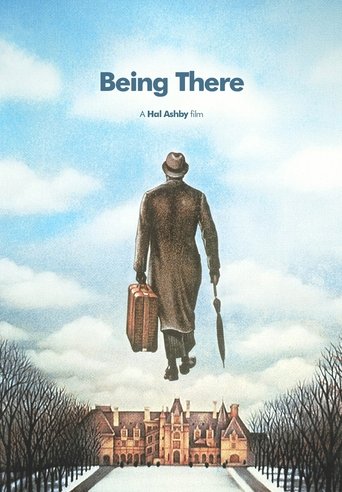
7.6A simple-minded gardener named Chance has spent all his life in the Washington D.C. house of an old man. When the man dies, Chance is put out on the street with no knowledge of the world except what he has learned from television.
Being There
1979
 6.0
6.0At the age of twenty-nine, Elgar Enders "runs away" from home. This running away consists of buying a building in a black ghetto in the Park Slope section of Brooklyn. Initially, his intention is to evict the black tenants and convert the building into a posh flat. But Elgar is not one to be bound by yesterday's urges, and soon he has other thoughts on his mind.
The Landlord
1970
Series credits
5.8The Mike Douglas Show is an American daytime television talk show hosted by Mike Douglas that originally aired only in the Cleveland area during much of its first two years on the air. It then went into syndication in 1963 and remained on television until 1982. It was distributed by Westinghouse Broadcasting and for much of its run, originated from studios of two of the company's TV stations in Cleveland and Philadelphia.
The Mike Douglas Show
1961
6.0A talk show presented by Michel Drucker
Les Rendez-vous du dimanche
1975
7.1An annual American awards ceremony honoring cinematic achievements in the film industry. The various category winners are awarded a copy of a statuette, officially the Academy Award of Merit, that is better known by its nickname Oscar.
The Oscars
1953
Behind the camera
7.6A deadpan young man obsessed with death meets an eccentric septuagenarian who teaches him to live life to the fullest.
Harold and Maude
1971
6.8A debonair, adventuresome bank executive believes that he has pulled off the perfect multi-million dollar heist--until he must match wits with an insurance investigator who will do anything to get her man.
The Thomas Crown Affair
1968
5.5Scudder is a detective with the Sheriff's Department who is forced to shoot a violent suspect during a narcotics raid. The ensuing psychological aftermath of this shooting worsens his drinking problem and this alcoholism causes him to lose his job, as well as his marriage.
8 Million Ways to Die
1986
 6.0
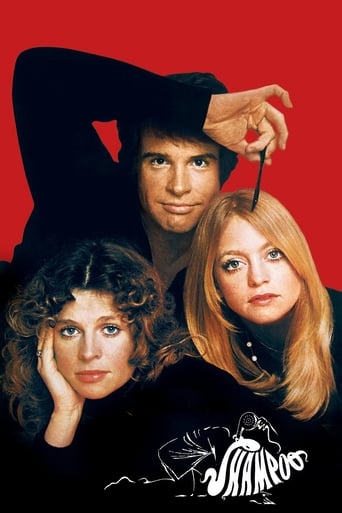
6.0On Election Day, 1968, irresponsible hairdresser and ladies' man George Roundy is too busy cutting hair and dealing with his girlfriends and mistress Felicia Karpf, whose husband Lester is having an affair with his ex-girlfriend Jackie.
Shampoo
1975
7.6A simple-minded gardener named Chance has spent all his life in the Washington D.C. house of an old man. When the man dies, Chance is put out on the street with no knowledge of the world except what he has learned from television.
Being There
1979
 7.0
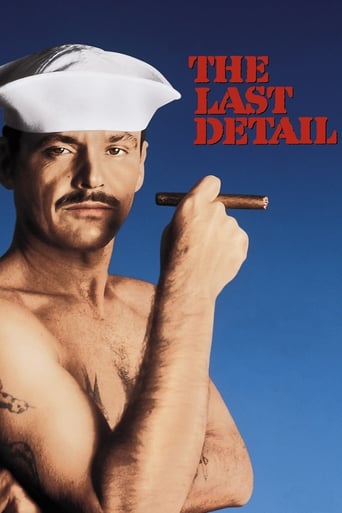
7.0Two Navy men are ordered to bring a young offender to prison, but decide to show him one last good time along the way.
The Last Detail
1973
 7.0
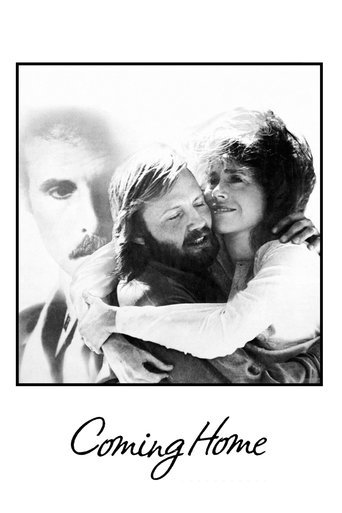
7.0In 1968 California, a Marine officer's wife falls in love with a former high school classmate who suffered a paralyzing combat injury in the war.
Coming Home
1978
6.0At the age of twenty-nine, Elgar Enders "runs away" from home. This running away consists of buying a building in a black ghetto in the Park Slope section of Brooklyn. Initially, his intention is to evict the black tenants and convert the building into a posh flat. But Elgar is not one to be bound by yesterday's urges, and soon he has other thoughts on his mind.
The Landlord
1970
 3.7
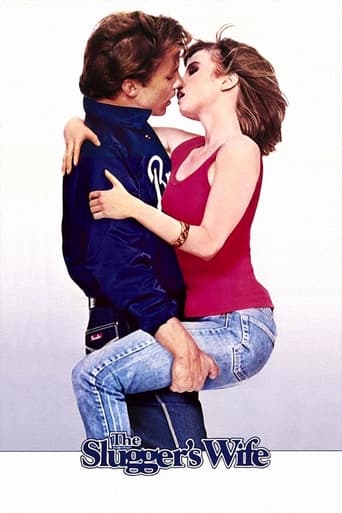
3.7Darryl Palmer is a major league baseball player who meets and pursues an attractive singer. After some setbacks, the two are married and sent on an emotional journey that sees his career take off, while hers doesn't. She can't escape unhappiness when she gives up her dreams to support her husband. With a separation on the horizon, Darryl must choose between his big-league life and his one true love.
The Slugger's Wife
1985
 6.9
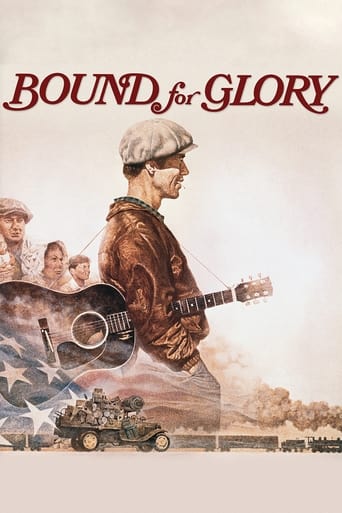
6.9A biography of Woody Guthrie, one of America's greatest folk singers. He left his dust-devastated Texas home in the 1930s to find work, discovering the suffering and strength of America's working class.
Bound for Glory
1976
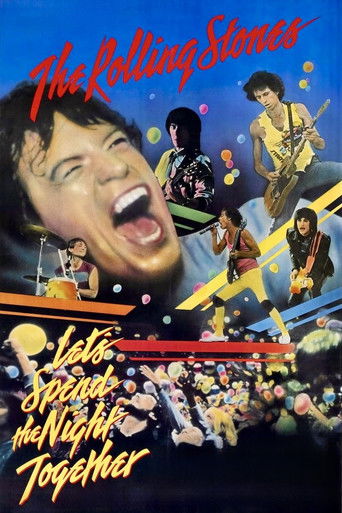 6.2
6.2The Rolling Stones' record-breaking 1981 North American arena tour documented by director Hal Ashby. Featuring the biggest Rolling Stones songs from the first 20 years - in the words of Mick Jagger, "a feel of what it's like to be there", as 20 cameras take you onstage with the band in this groundbreaking, dynamic tour.
Let's Spend the Night Together
1982
 5.1
5.1Two gamblers must leave New York City after one loses a lot of money. Doing what all gamblers in trouble would do, they hurry to the gambling capital Las Vegas to turn their luck around.
Lookin' to Get Out
1982
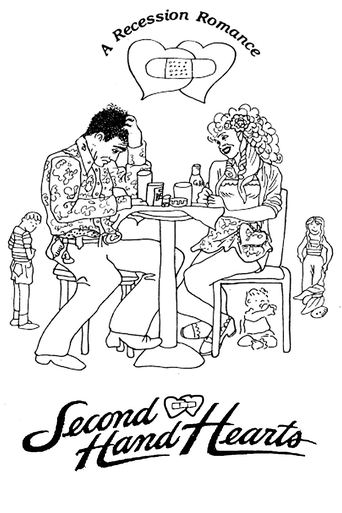 6.0
6.0A boozy drifter tries to get to know the widow he married while on a bender.
Second-Hand Hearts
1981
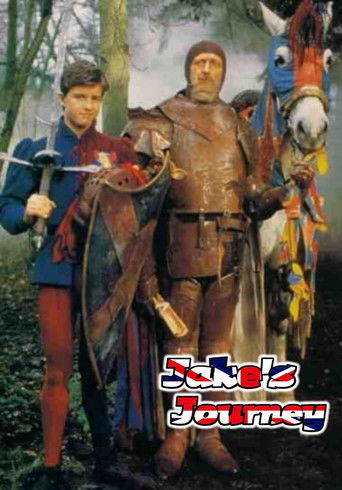 7.0
7.0A normal teenager is transported to a Monty Pythonesque medieval fantasy land where an odd, adamant knight takes him on a quest.
Jake's Journey
1988
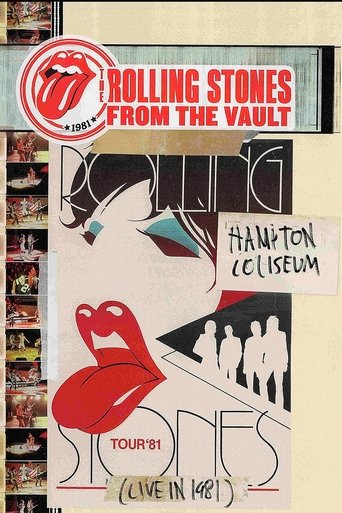 NR
NRIt was recorded at the Hampton Coliseum in Hampton, Virginia on 18 December 1981, for what was the penultimate show of the band's U.S. tour that year. The show was the first-ever live pay-per-view broadcast of a music concert.
The Rolling Stones: Hampton Coliseum (Live 1981)
1981
 NR
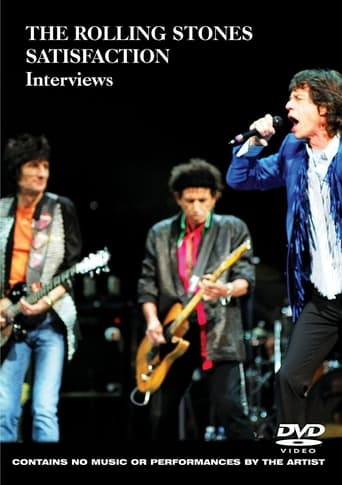
NRThis film contains interview material and archival footage presented all on one film. It begins with very rare black and white Australian documentary from the 60s with Jagger looking like the rebel, and Keith, looking somewhat wasted, talking about Brian Jones in some depth. Also featured are press conferences, a classic interview with Mick, Ronnie and a hung over Charlie Watts, the Life Time Achievements awards, Bill Wyman interview, Keith on why he loves the Stones, Charlie speaking about touring etc, and a long Australian interview to finish.
The Rolling Stones: Satisfaction Interviews
2007
 6.5
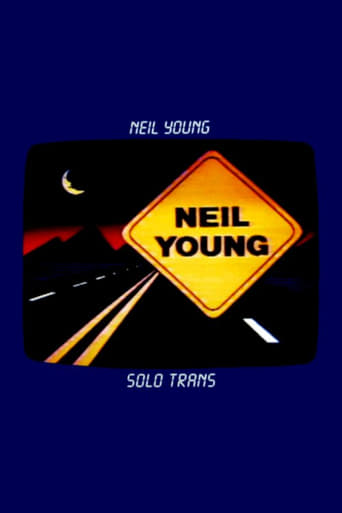
6.5Solo Trans is a concert film by Neil Young, released in 1984. It was recorded at the Hara Arena in Dayton, Ohio on September 18, 1983 during Young's Solo Trans tour.
Neil Young: Solo Trans
1984