
Acting
Lazara Rosell Albear
Known for
Acting
Credits
3 titles
Known for
 NR
hold on to her traces a lived social infrastructure of care, solidarity, and struggle that addresses a recent case of police and state violence in the context of migration border control in Belgium.
hold on to her
2024
This triptych film installation dives into the world of Santeria, or Regla de Osha, an Afro Cuban religion forcibly brought from West Africa through the transatlantic slave trade and adapted to survival under the guise of syncreticism. Its initiation rites and rules are interweaved with the artist's personal experiences, performance and poetry. This multi-layered work interrogates the forms and functions of the sacred, exposing our universal quest for meaning and the importance of creating narratives that helps us to endure and find significance in our daily afflictions.
Yoko Osha Trilogy
2021
 NR
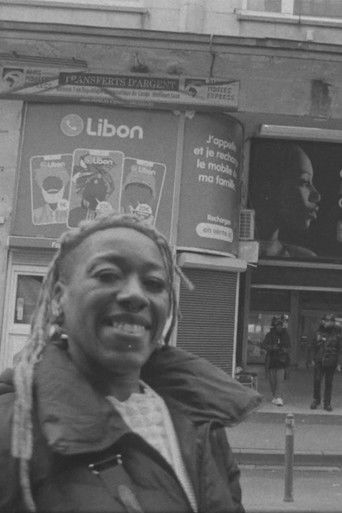
In the streets of Matongé in Brussels, residents participate in the collective poetry of living together. Guided by Maéva, the neighborhood unfolds between everyday life and colonial memory. Individual experiences interact with history, blending reality and fantasy. Gestures, voices, and rhythms bring to life the masks that parade in the footsteps of colonization. Images, sounds, and percussion animate a call for the decolonization of public spaces.
En attendant Maéva
2026
Film credits
Behind the camera
This triptych film installation dives into the world of Santeria, or Regla de Osha, an Afro Cuban religion forcibly brought from West Africa through the transatlantic slave trade and adapted to survival under the guise of syncreticism. Its initiation rites and rules are interweaved with the artist's personal experiences, performance and poetry. This multi-layered work interrogates the forms and functions of the sacred, exposing our universal quest for meaning and the importance of creating narratives that helps us to endure and find significance in our daily afflictions.
Yoko Osha Trilogy
2021
NRIn the streets of Matongé in Brussels, residents participate in the collective poetry of living together. Guided by Maéva, the neighborhood unfolds between everyday life and colonial memory. Individual experiences interact with history, blending reality and fantasy. Gestures, voices, and rhythms bring to life the masks that parade in the footsteps of colonization. Images, sounds, and percussion animate a call for the decolonization of public spaces.
En attendant Maéva
2026