
Directing
Hans Steinhoff
Born — Died
1882-03-10 — 1945-04-20
Place of birth
Marienberg, Saxony, Germany
Known for
Directing
Credits
40 titles
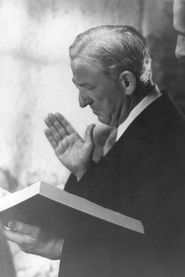
Hans Steinhoff (10 March 1882, Marienberg – 20 April 1945) was a German film director, best known for the propaganda films he made in the Nazi era. Steinhoff started his career as a stage actor in the 1900s and later worked as a stage director. He directed his first silent film Clothes Make the Man, the adaption of a novel by Gottfried Keller, in 1921. Steinhoff was a convinced Nazi and directed many propaganda films, he sometimes even wore his Nazi party membership button on the film set. His most notable films were perhaps Hitlerjunge Quex (1933), an influential propaganda film for the Hitler Youth, and Ohm Krüger (1940), for which he won the Mussolini Cup at the 1941 Venice Film Festival.…
Known for
 6.0
6.0Nazi propaganda film based on the life and death of Hitler Youth Herbert "Quex" Norkus – in the film, renamed Heini Völker – who was killed while distributing flyers in a Communist neighborhood.
Hitler Youth Quex
1933
 6.0
6.0No synopsis available yet.
Madame Wants No Children
1933
 7.5
7.5Rather coarse, pre-War comedy about a Markgraf -- Heinrich XXVI -- who bathes in the springs of the Ammendorf to strengthen his potency. The town and its springs are especially well known for the many couples with lots of children, who, for tax reasons, live there unmarried. The town smithy and bully provides his vitality to ensure the countess has an heir for the throne.
The Valley of Love
1935
 10.0
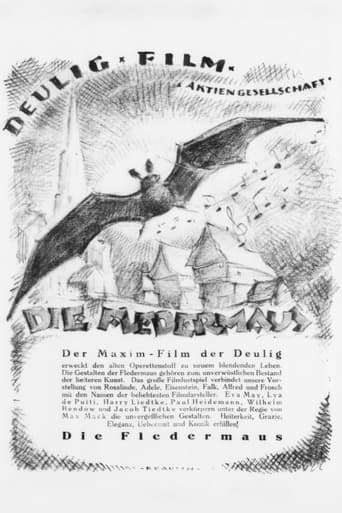
10.0No synopsis available yet.
Die Fledermaus
1923
 6.0
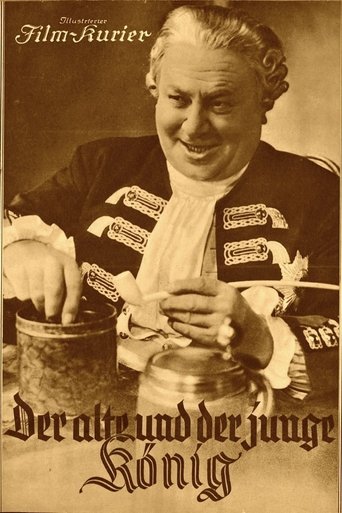
6.0The story of the stormy relationship between King Friedrich Wilhelm and his son, who later became known as King Frederick the Great of Prussia.
The Old and The Young King
1935
 4.8
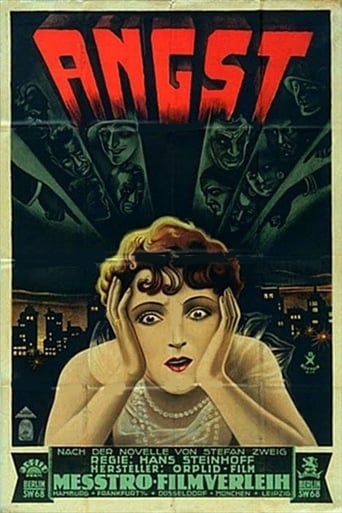
4.8"The Fear of an Unfaithful Woman" - Inge Duhan lives with her husband, the lawyer Erich Duhan, and her little daughter Susi in Berlin. Inge is a very attractive woman. She loves her husband and has always been faithful to him. On a holiday trip to the French Riviera Inge meet the charming painter Francard. A brief affair begins that turns into blackmail.
Fear
1928
Behind the camera
6.0Nazi propaganda film based on the life and death of Hitler Youth Herbert "Quex" Norkus – in the film, renamed Heini Völker – who was killed while distributing flyers in a Communist neighborhood.
Hitler Youth Quex
1933
6.0No synopsis available yet.
Madame Wants No Children
1933
7.5Rather coarse, pre-War comedy about a Markgraf -- Heinrich XXVI -- who bathes in the springs of the Ammendorf to strengthen his potency. The town and its springs are especially well known for the many couples with lots of children, who, for tax reasons, live there unmarried. The town smithy and bully provides his vitality to ensure the countess has an heir for the throne.
The Valley of Love
1935
10.0No synopsis available yet.
Die Fledermaus
1923
6.0The story of the stormy relationship between King Friedrich Wilhelm and his son, who later became known as King Frederick the Great of Prussia.
The Old and The Young King
1935
4.8"The Fear of an Unfaithful Woman" - Inge Duhan lives with her husband, the lawyer Erich Duhan, and her little daughter Susi in Berlin. Inge is a very attractive woman. She loves her husband and has always been faithful to him. On a holiday trip to the French Riviera Inge meet the charming painter Francard. A brief affair begins that turns into blackmail.
Fear
1928
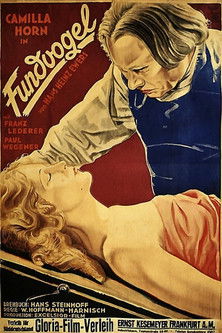 10.0
10.0Young Jan Bergwall visits his grandmother, the so-called centenary, at Woyland Castle. There he meets his cousin Andrea, who everyone calls "Fundvogel". Jan is fascinated by the young girl's beauty, and soon there is an erotic tension in the air between the two. Although they both have strong feelings for each other, they are afraid to make a commitment, even though their domineering grandmother is determined that they marry. Panicked that he might feel obliged to marry Andrea, Jan escapes from this place. Andrea is deeply disappointed and seeks revenge. Out of spite, she becomes involved with the falconer Bartel and is later raped in a wooden hut. The centigress, concerned about morals and customs, then sends Fundvogel to a convent. She escapes from there and flees into the arms of Jan. When he learns from a letter from the countess what has happened to Andrea, he leaves her a second time. In her despair, Fundvogel then throws herself off a bridge into the floods with suicidal intent.
Fundvogel
1930
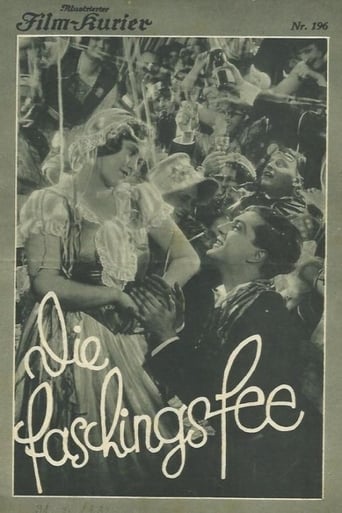 6.7
6.7Film version of the operetta by Emmerich Kalman. Victor has won 10 000 Mark with his ceiling painting. In the local pub, he celebrates his triumph. Countess Alexandra happens to drop into the pub too, and is thought to be a model by the sponsor of the prize, Count Meredith. Victor soon has to save her from an embarassing misunderstanding. The two men insult each other and Victor loses his prize.
The Carnival Fairy
1931
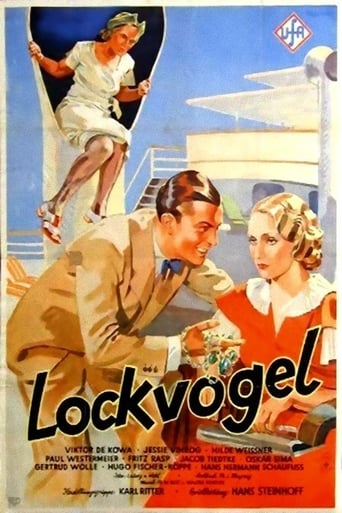 6.5
6.5Viktor Schott, daredevil and womanizer, is charged by his father, a jeweler, to go to Istanbul and purchase a valuable emerald necklace from a rich Persian and to bring it back by ship to Marseille. A pair of criminals are watching him and attractive Delia, with whom Viktor is in love, is used as bait. His boyhood friend Sibyl, who is in love with Viktor, warns him of the criminal ship owner and the captain, who intend to steal the jewel during a masked ball on board. Shortly before reaching the coast of France, an explosion causes the ship to capsize.
Decoy
1934
No synopsis available yet.
Die Tragödie eines Verlorenen
1927
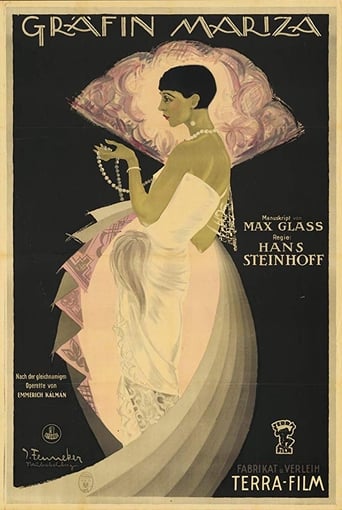 6.5
6.5A Hungarian countess, wanting to dissuade unwanted suitors, announces her engagement to a fictional count Zsupán. Things go awry when a count Zsupán shows up, having heard of his engagement in the papers.
Gräfin Mariza
1925
 7.3
7.3No synopsis available yet.
My Leopold
1931
 7.5
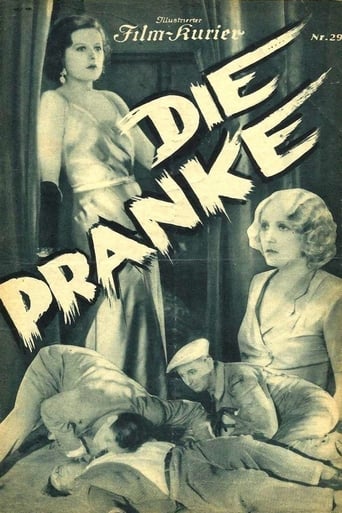
7.5German-Italian crime drama with a racing milieu: The International criminal, "The Paw", who kills his victims with a prosthesis, has struck again! An engineer, who has designed a new racing car for the Italian firm Alberti has been found beaten to death. The plans for the car have been stolen. Rappis, the firm's director, takes part in the race and hits the finish line at the same time as the German racer, Peter Kruger. Then Rappis is found beaten to death, too.
The Pranks
1931
 5.5
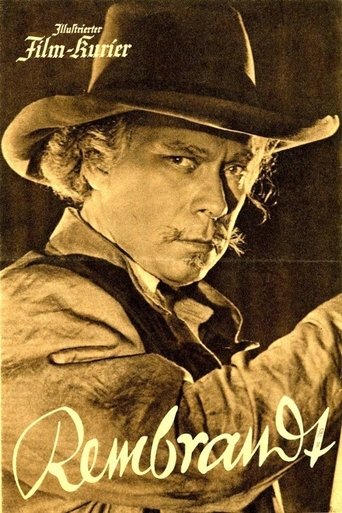
5.5Already a famous painter, Rembrandt van Rijn is commissioned to paint the Amsterdam Archers' Guild. But upon completion of the picture, the men of the guild feel duped, because they don't consider themselves flatteringly depicted in the painting. They therefore decline to pay for the work. During this dispute, the painter finds out his wife is close to death. He finds himself terribly lonely after her passing and suffers from depression until he decides once more to marry.
Rembrandt
1942
5.5Already a famous painter, Rembrandt van Rijn is commissioned to paint the Amsterdam Archers' Guild. But upon completion of the picture, the men of the guild feel duped, because they don't consider themselves flatteringly depicted in the painting. They therefore decline to pay for the work. During this dispute, the painter finds out his wife is close to death. He finds himself terribly lonely after her passing and suffers from depression until he decides once more to marry.
Rembrandt
1942
 7.5
7.5A feature-length jewish joke: The heavily indebted Sami Bambus fakes his death, so that his debts are taken over by the greedy heirs, led by the scrounger Prellstein. The putative heir also brings speculators to the scene, and the general confusion can ultimately only be reconciled by the summoned uncle Salomon and by Samis' return from the dead.
Family Gathering in the House of Prellstein
1927
 6.6
6.6Country Dr. Robert Koch is desperate: a tuberculosis epidemic is decimating the children in his district and no one is able to do anything about it. Every fourth child is already sick and the parents must helplessly watch as their young ones die. Now Koch is undertaking to find the cause of the tuberculosis --- something he has already been working on for years --- which has been causing this plague of illness. His work is made more difficult by envy; for example, that of his teacher, who was wounded defending his honor. But his greatest obstacle is the famous Berliner scientist and Reichstag deputy, Privy Councilor Rudolf Virchow: He is extraordinarily skeptical of Koch's theory, that the cause for tuberculosis is a bacteria.
Robert Koch, der Bekämpfer des Todes
1939
 5.0
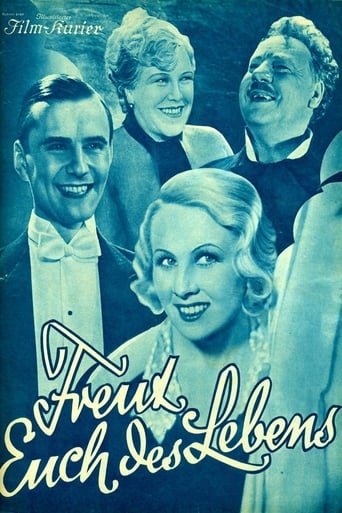
5.0A Bavarian comedy centered around Gusti, the lovely waitress of the restaurant „Bratwurstglockl“, who is adored by all the men. When the spoiled snob Carl Maria complains to the manager about the restaurant, Gusti is summarily dismissed and accepts the invitation of the poor chamber singer Gottlieb Bumm to accompany him on a three-day trip to the Zugspitze he won in a contests. While there, they both live well above their means and Gusti runs into Carl Maria again.
Freut Euch des Lebens
1934
No synopsis available yet.
Die Sandgräfin
1928
 7.0
7.0No synopsis available yet.
Schwiegersöhne
1926
7.0No synopsis available yet.
Schwiegersöhne
1926
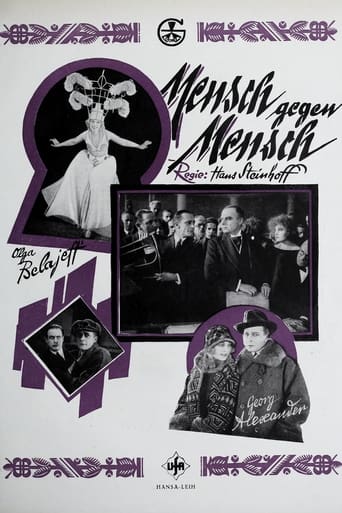 7.0
7.0No synopsis available yet.
Mensch gegen Mensch
1924
 6.5
6.5The street urchin Scampolo (which means, "A Nothing"), who sleeps at night in a telephone booth and earns a little money running errands for a laundry, falls in love with a despondent, out-of-work bank manager in Depression-torn Germany, and thereby becomes a woman in the eyes of other men.
Scampolo, ein Kind der Straße
1932
 6.3
6.3Paris, 1830: Jean-Gaspard Debureau performs on the stage and delights his audience with song, wit and charm. He is, however, very unpopular with King Charles X, who is the target of much of Debureau's scornful jests. That would be a somewhat tolerable situation if it weren't for the fact that Debureau has fallen for a countess, who happens to be the King's mistress.
Tanz auf dem Vulkan
1938
6.3Paris, 1830: Jean-Gaspard Debureau performs on the stage and delights his audience with song, wit and charm. He is, however, very unpopular with King Charles X, who is the target of much of Debureau's scornful jests. That would be a somewhat tolerable situation if it weren't for the fact that Debureau has fallen for a countess, who happens to be the King's mistress.
Tanz auf dem Vulkan
1938
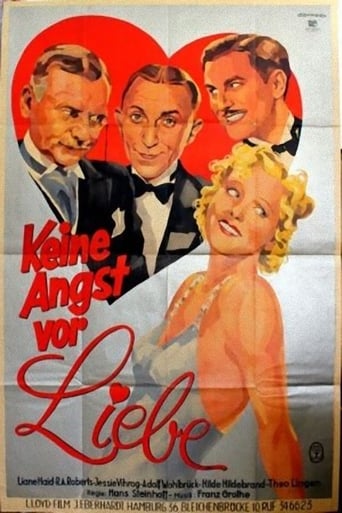 7.5
7.5The unemployed secretary Käte applies a job by mistake in the piano factory of the entrepreneur Helmut Hofert. He does not really have any need for an additional secretary at the moment, but Käte is very attractive.
Don't Be Afraid of Love
1933
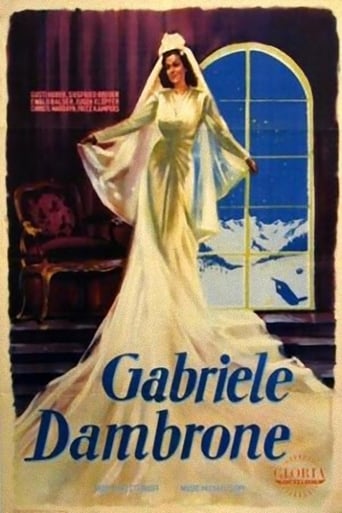 6.0
6.0The Viennese seamstress Gabi Berghofer wants to marry an innkeeper. But he marries someone else. Gabi then becomes a model for a painter, who falls in love with her. She spends some wonderful time with him, but he, too, leaves Gabi to return to his family. Desperate and deserted, Gabi stands before the gravestone of the young artist Gabriele Dambrone, who took her life due to heartache. Then she decides to once more take her life in her own hands and to make her old dream of becoming an actress come true.
Gabriele Dambrone
1943
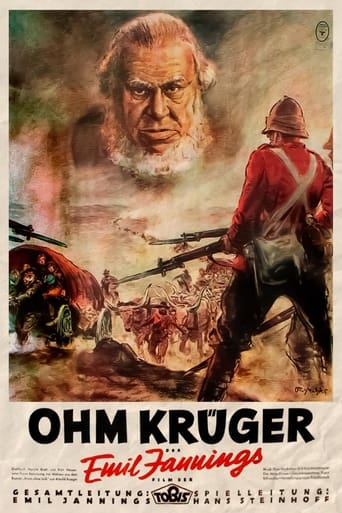 7.4
7.4An anti-British propaganda film from Nazi Germany which depicts the life of the South African politician Paul Kruger and his eventual defeat by the British during the Boer War.
Uncle Krüger
1941
No synopsis available yet.
Inge Larsen
1924
No synopsis available yet.
Inge Larsen
1924
 7.2
7.2When the baroness surprises the baron with his mistress at the music hall, he passes off young Marcel, a clothing salesman, as an important customer.
Everyone Has Their Chance
1930
A aristocratic lieutenant is forced to resign his commission and give up his career in the cavalry after having defended himself against deliberate provocations by a superior officer who is competing with him for the love of the daughter of a respected privy councillor. His family bans him to New York, where he falls on hard times until a former circus performer helps him to become a world-renowned trapeze and aerial artiste.
The Master of Death
1926
No synopsis available yet.
Der Mann, der sich verkauft
1925
Drama set around a circus at Blackpool. A clown loves a young housekeeper and saves her from a fire caused by a jealous lion tamer.
The Three Kings
1928
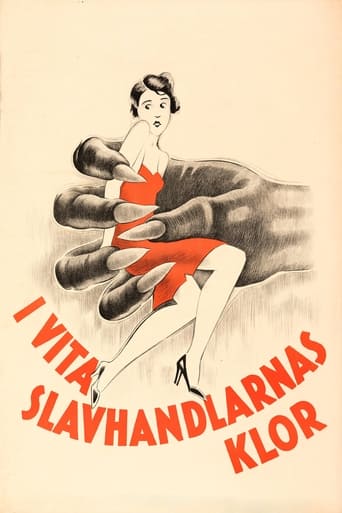 7.0
7.0White slavers lure young girls to Rio de Janeiro by promising them jobs as showgirls and nightclub singers, then force them into prostitution.
Girls for Sale!
1927
 6.3
6.3The stenotypist Margit is supposed to take 3,000 Marks to the bank for her boss, Mr. Plaumann, but she lazes away the time window-shopping, and eventually stands before a closed door. She follows Plaumann to Dresden, where he, believing the money is deposited in a bank as a down payment, wants to purchase a newfangled remote control from the inventor Lambach. Since Plaumann’s car breaks down on the road, Margit arrives before him and rests in the seemingly empty hotel room which later turns out to be Lambach’s. Meanwhile, Lambach himself is being spied on by the jealous cousin of his fiancée, who can’t wait to catch him in the act…
Love Must Be Understood
1933
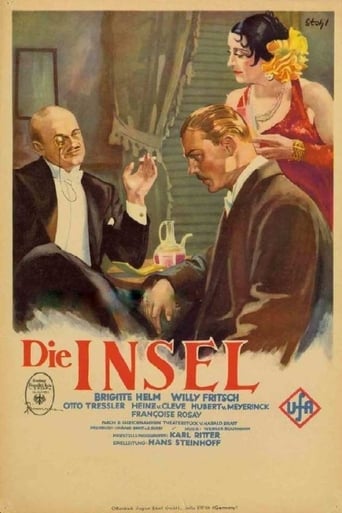 6.7
6.7A case of espionage in high society: To save the reputation of his county, a diplomat voluntarily takes his own life.
The Island
1934
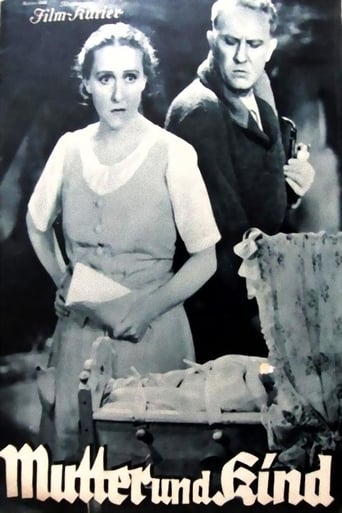 5.6
5.6Consul Petersen and his wife are desperate, because they lost their only child and can’t have another. At the same time, the maid Anna is expecting a child, whose father, Jurgen, works in a sawmill. When both of them lose their jobs, they fear they won’t be able to feed the newborn. Thus, they strike a deal with the Petersens, which works for both couples: Anna and Jurgen will receive a farm from the Petersens, free and clear; and the two will allow the Petersens to adopt the child. Anna and Jurgen marry and are quite happy; but when the child is finally born, Anna doesn’t wish to surrender him and flees with the child into the Wattenmeer.
Mother and Child
1934
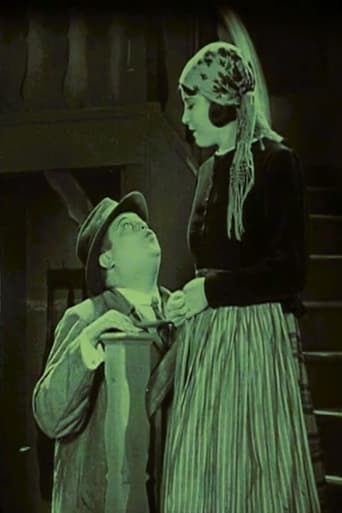 8.0
8.0Rural comedy about a farmer's fiancée who becomes distracted by a handsome young officer staying with them in 1910s Germany.
The Girl from Spree Woods
1928
Early film adaptation of Gottfried Keller's well-known novella as a silent film. The plot revolves around a journeyman tailor who is thrown out by his master and, without his intervention, is forced into a lying role in which he takes on the role of a wealthy person.
Kleider machen Leute
1921