
Directing
Manuel Chambi
Known for
Directing
Credits
31 titles
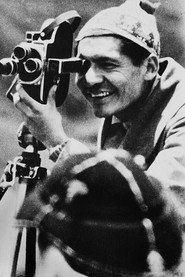
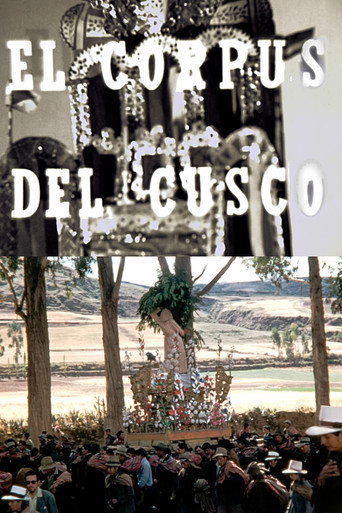
He was born in Cusco in 1924. Together with his brother Víctor Chambi and other important Peruvian filmmakers, he founded the Cine Club del Cusco. His works reflected the social reality of the people, the peasantry, and indigenous communities, showcasing the Andean universe and its inhabitants. He filmed El Corpus del Cusco (1955), a record of the Catholic celebration of Corpus Christi. The documentary is considered the foundational piece of the so-called Cusco School. His subsequent works, Lucero de Nieve (1957) and Carnaval de Kanas (1956), also achieved international recognition, winning awards at the Reseña de Cine Latinoamericano de Santa Margarita in Italy.
Known for
Together with Luis Figueroa, Chambi filmed the constructions of the pre-Inca, Inca and colonial periods coexisting in the architecture of the city of Cusco.
Las Piedras
1956
 10.0
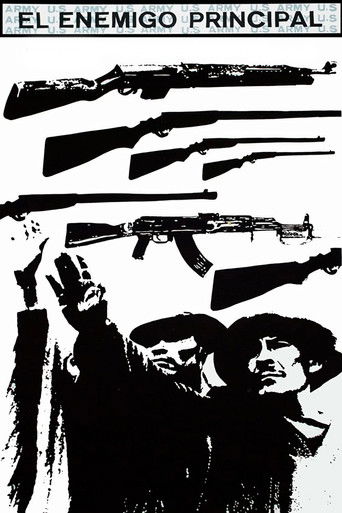
10.0In the remote Andean highlands of Peru, a tight-knit indigenous peasant community has endured generations of brutal exploitation by local landowners. When a shocking act of violence exposes the complete failure of the official justice system to protect them, the villagers’ simmering anger pushes them toward a crossroads.
The Principal Enemy
1974
Cusco film school.
Estampas Cusqueñas
1959
Short film.
Ukuku
1965
Short film.
La Chueca
1975
Short film.
Dos Familias
1970
Film credits
Behind the camera
Together with Luis Figueroa, Chambi filmed the constructions of the pre-Inca, Inca and colonial periods coexisting in the architecture of the city of Cusco.
Las Piedras
1956
Cusco film school.
Estampas Cusqueñas
1959
Short film.
Ukuku
1965
Short film.
La Chueca
1975
Short film.
Dos Familias
1970
With students from the University of Lima, 1970.
Realidad I
1970
Short film.
Chumbivilcas
1957
Short film.
Los Universitarios
1974
Short film.
Machu Picchu
1962
Short film.
Ayaviri
1961
 NR
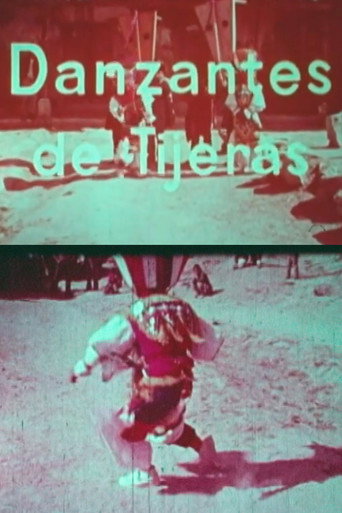
NRThe danzaq, or scissor dancer, from Ayacucho, Huancavelica, or Apurimac, is the only dancer in the Americas into whose body, according to legend, a magical spirit enters: the Wamani, god of the mountains, water, or air. In the counterpoint dances performed at major festivals, it is not two men who confront each other, but rather two earth gods, accompanied by the music of the harp and violin, which represent all the sounds of nature. Its origins date back to the pre-Columbian era, when certain privileged men were chosen by their fellow men to represent them.
Danzante de Tijeras
1977
The only and unfinished feature film made by Manuel Chambi with his students from the University of Lima.
El Abigeo
1972
Short film.
La Basura
1974
Short film.
Puno
1966
Short film.
Estampas del Carnaval de Kuntirichanki
1964
Short film.
Santuranticuy
1956
Short film.
Navidad en Cuzco
1961
 NR
NRFamous bullfight with condor, Yawar Fiesta of our Peruvian Andes.
Corrida de Toros y Cóndores
1956
Short film.
Mantaro, Fenómeno Imprevisible
1974
 NR
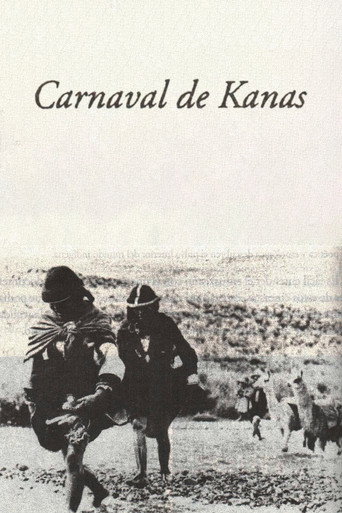
NRDocumentary about the Kanas community in Cusco during carnival time, narrating the customs and experiences of the beginning of a Kanas couple's relationship.
El Carnaval de Kanas
1956
Short film.
La Fiesta de las Nieves
1960
Documentary that records the Kanas Carnival for four days. This was the second or third version about the festival in the town of Kanas (after “Carnival of Kanas” and “The Invincible Kanas”), with voice-over by César Villanueva.
Estampas del Carnaval de Kanas
1963
Short film.
De la Recolección a la Agricultura
1974
Short film.
Vida de los campesinos de Chincheros
1961
 NR
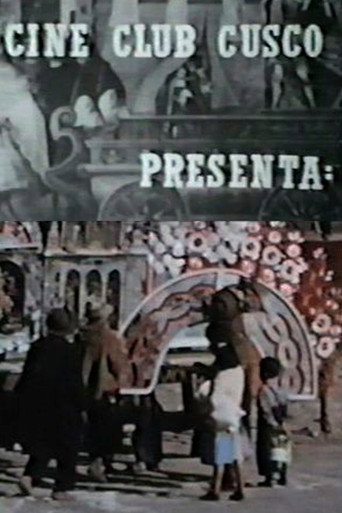
NRThis short-film is the first production of Cine Club Cusco, directed by Manuel Chambi and filmed in 16 mm on reversible film. It is a visual tour of the religious festival in Cusco of Corpus Christi.
El Corpus del Cusco
1955
First social and scientific short film. It depicts a surgical intervention on a real blind patient to encourage reflection on the problems of this disease. The producer and main character was Dr. Glicero Dávila Negrón.
Noche y Alba
1959
Short film.
La Fiesta de la Candelaria en Puno
1965
Cusco film school.
La Fiesta de Santo Tomás
1960
Cusco film school.
Los invencibles Kanas
1959
This documentary about Quyllurrit'i, the grandest and most important festival in the Andean world in Cusco, shows how various communities come together to celebrate this festival. It is the first time this festival has been filmed.
Lucero de Nieve
1957