

Writing
Abd El Rahman El Sharqawy
Born — Died
1920-11-10 — 1987-02-24
Place of birth
Egypt
Known for
Writing
Credits
5 titles
Known for
 8.3
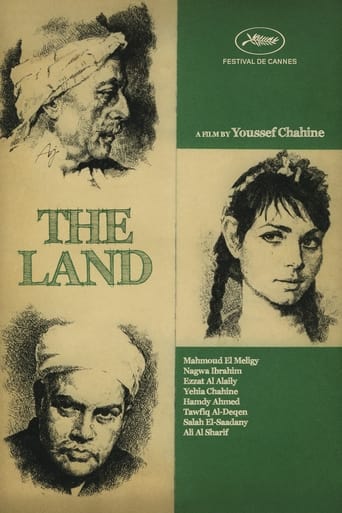
Set in 1933, the mayor informs the peasants that the share of irrigation of their land will be split equally between them and feudal lord Mahmoud Bey. The peasants send Mohamed Effendi to submit a petition to the government. Mahmoud Bey then proposes a project that would require taking part of the peasants' lands.
The Land
1970
 7.2
Djamila, a young Algerian woman living with her brother Hadi and her uncle Mustafa in the Casbah district of Algiers under the French occupation of Algeria, sees the full extent of injustice, tyranny and cruelty on his compatriots by French soldiers. Jamila's nationalist spirit will be strengthened when French forces invade her university to arrest her classmate Amina who commits suicide by ingesting poison. Shortly after the prominent Algerian guerrilla leader Youssef takes refuge with her, she realizes that her uncle Mustafa is part of this network of anti-colonial rebel fighters. Her uncle linked her to the National Liberation Front (FLN). A series of events illustrate Jamila's participation in resistance operations against the occupier before she was finally captured and tortured. Finally, despite the efforts of her French lawyer, Jamila is sentenced to death...
Jamila, the Algerian
1958
 NR
Several models of Egyptian citizens are introduced during the British occupation, from Shukry the army officer who refuses to shoot at student demonstrations, Saad who engages in political activity against the British occupation, to Abdel Azis who loves Raja, the dancer.
Back Streets
1974
 8.0
As Hamdy fights with a fisherman and kills him in front of his daughter, he goes to prison as the fisherman's daughter goes blind. After his release, he tries to atone for his sin by approaching her. They fall in love and get married, but when he finds out that she can regain her sight, he panics.
A Man in My Life
1961
 5.5
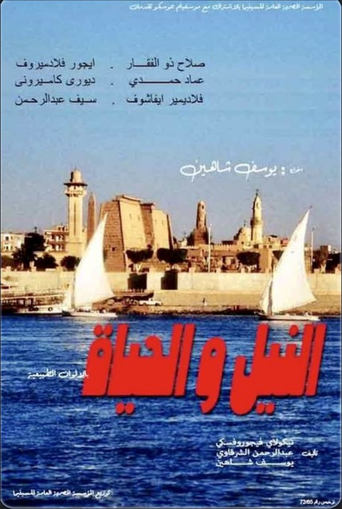
Renegotiating the representational paradigm of nationhood the film draws a heterogeneous picture of Egyptian society as well as Soviet workers as they embarked on the momentous dam enterprise. The films presents a vision of a nation deep rooted in unity as well as diversity. The films projection of a renewed imagining of the nation inadvertently acknowledges a new and nuanced understanding of its goals, political objectives, and how these impact the personal within it. (KHOURI)
The Nile and the Life
1968
Behind the camera
8.3Set in 1933, the mayor informs the peasants that the share of irrigation of their land will be split equally between them and feudal lord Mahmoud Bey. The peasants send Mohamed Effendi to submit a petition to the government. Mahmoud Bey then proposes a project that would require taking part of the peasants' lands.
The Land
1970
7.2Djamila, a young Algerian woman living with her brother Hadi and her uncle Mustafa in the Casbah district of Algiers under the French occupation of Algeria, sees the full extent of injustice, tyranny and cruelty on his compatriots by French soldiers. Jamila's nationalist spirit will be strengthened when French forces invade her university to arrest her classmate Amina who commits suicide by ingesting poison. Shortly after the prominent Algerian guerrilla leader Youssef takes refuge with her, she realizes that her uncle Mustafa is part of this network of anti-colonial rebel fighters. Her uncle linked her to the National Liberation Front (FLN). A series of events illustrate Jamila's participation in resistance operations against the occupier before she was finally captured and tortured. Finally, despite the efforts of her French lawyer, Jamila is sentenced to death...
Jamila, the Algerian
1958
NRSeveral models of Egyptian citizens are introduced during the British occupation, from Shukry the army officer who refuses to shoot at student demonstrations, Saad who engages in political activity against the British occupation, to Abdel Azis who loves Raja, the dancer.
Back Streets
1974
8.0As Hamdy fights with a fisherman and kills him in front of his daughter, he goes to prison as the fisherman's daughter goes blind. After his release, he tries to atone for his sin by approaching her. They fall in love and get married, but when he finds out that she can regain her sight, he panics.
A Man in My Life
1961
5.5Renegotiating the representational paradigm of nationhood the film draws a heterogeneous picture of Egyptian society as well as Soviet workers as they embarked on the momentous dam enterprise. The films presents a vision of a nation deep rooted in unity as well as diversity. The films projection of a renewed imagining of the nation inadvertently acknowledges a new and nuanced understanding of its goals, political objectives, and how these impact the personal within it. (KHOURI)
The Nile and the Life
1968