

Directing
Nivaldo Lopes
Place of birth
Brazil
Known for
Directing
Credits
11 titles
Known for
No synopsis available yet.
A Rua da Minha Janela
1983
 NR
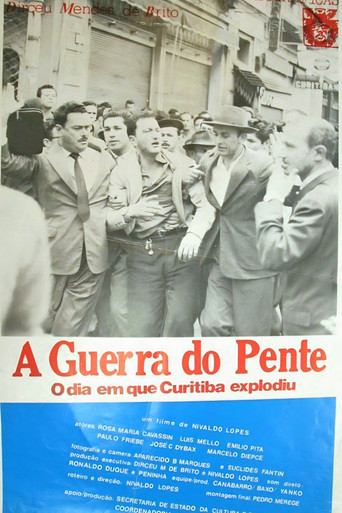
Curitiba, PR, December 8, 1959; at around five o'clock in the afternoon, Military Police sub-lieutenant Haroldo Tavares enters the Bazar Centenário, Praça Tiradentes, to buy a comb. He chooses one, finds it expensive and demands an invoice. The store owner, Amhad Najar, argues and they end up fighting. The warrant officer leaves the fight with a fractured leg. Outside the store, the people who were watching the fight and the fight rebel, destroy the merchant's store and go to other stores in the square. The police cannot control the situation. Late at night, a truce: the population goes to sleep, gathering strength for the following days, when the situation becomes unsustainable. The police withdraw from the streets, the Army begins to act and, on the tenth, puts the tanks on the streets.
A Guerra do Pente
1986
A music documentary about the composer from Paraná, Palminor Rodrigues Ferreira, known as Lápis.
Lápis de Cor e Salteado
1990
An adaptation of the short story of the same name by Roberto Drummond, Pela Porta Verde (“Through the Green Door”) presents a Kafkaesque dialogue between a political prisoner and a police officer—a glimpse into the dark years of the dictatorship.
Pela Porta Verde
1980
A poetic text foretelling a death. An elderly Paraguayan woman—a fortune-teller and prostitute living in the seaside town of Guaratuba—recounts her life’s journey and her Guaraní heritage. It is a blend of testimony, confession, and a negotiation with the impending death of her long-time companion in solitude.
Mar Paraguayo
2004
 NR
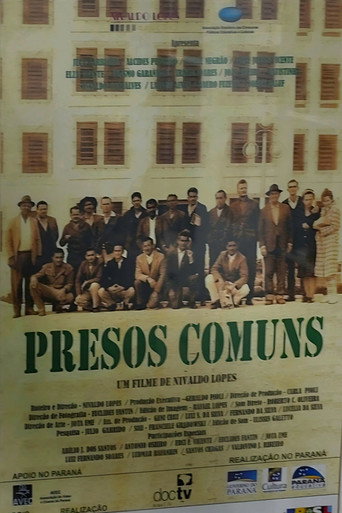
The dispute over the possession of a soccer field between impoverished rural workers and local merchants in a small, inland town serves as a microcosm of the country’s social situation. In a population of 10,000, a barber, a popcorn vendor, a tailor, and 90 others are arrested, detained, or persecuted—labeled as dangerous militants opposed to the aims of the revolution of March 31, 1964.
Presos Comuns
2009
Behind the camera
No synopsis available yet.
A Rua da Minha Janela
1983
NRCuritiba, PR, December 8, 1959; at around five o'clock in the afternoon, Military Police sub-lieutenant Haroldo Tavares enters the Bazar Centenário, Praça Tiradentes, to buy a comb. He chooses one, finds it expensive and demands an invoice. The store owner, Amhad Najar, argues and they end up fighting. The warrant officer leaves the fight with a fractured leg. Outside the store, the people who were watching the fight and the fight rebel, destroy the merchant's store and go to other stores in the square. The police cannot control the situation. Late at night, a truce: the population goes to sleep, gathering strength for the following days, when the situation becomes unsustainable. The police withdraw from the streets, the Army begins to act and, on the tenth, puts the tanks on the streets.
A Guerra do Pente
1986
A music documentary about the composer from Paraná, Palminor Rodrigues Ferreira, known as Lápis.
Lápis de Cor e Salteado
1990
An adaptation of the short story of the same name by Roberto Drummond, Pela Porta Verde (“Through the Green Door”) presents a Kafkaesque dialogue between a political prisoner and a police officer—a glimpse into the dark years of the dictatorship.
Pela Porta Verde
1980
An adaptation of the short story of the same name by Roberto Drummond, Pela Porta Verde (“Through the Green Door”) presents a Kafkaesque dialogue between a political prisoner and a police officer—a glimpse into the dark years of the dictatorship.
Pela Porta Verde
1980
A poetic text foretelling a death. An elderly Paraguayan woman—a fortune-teller and prostitute living in the seaside town of Guaratuba—recounts her life’s journey and her Guaraní heritage. It is a blend of testimony, confession, and a negotiation with the impending death of her long-time companion in solitude.
Mar Paraguayo
2004
NRThe dispute over the possession of a soccer field between impoverished rural workers and local merchants in a small, inland town serves as a microcosm of the country’s social situation. In a population of 10,000, a barber, a popcorn vendor, a tailor, and 90 others are arrested, detained, or persecuted—labeled as dangerous militants opposed to the aims of the revolution of March 31, 1964.
Presos Comuns
2009