
Acting
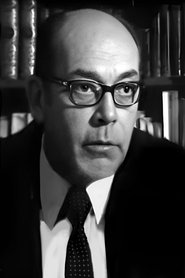
Paul Teitgen
Born — Died
1919-02-06 — 1991-10-13
Place of birth
Colombe-lès-Vesoul, France
Known for
Acting
Credits
5 titles
Paul Teitgen, born on February 6, 1919 in Colombe-lès-Vesoul and died on October 13, 1991 in Saint-Cloud, a member of the Resistance since 1940 and deported first to the Struthof camp in Alsace then to Dachau, during the Second World War, was Secretary General of the Algiers Prefecture, in charge of general policing during the Algerian War, between August 1956 and September 1957. He is known for having opposed the use of torture during the Battle of Algiers. Paul Teitgen, grew up in Nancy in a family of Christian Democrats. His father Henri Teitgen and his brother Pierre-Henri Teitgen, minister of the Fourth Republic, joined the Resistance like him. A member of the Resistance since 1940, Pa…
Known for
 8.0
No synopsis available yet.
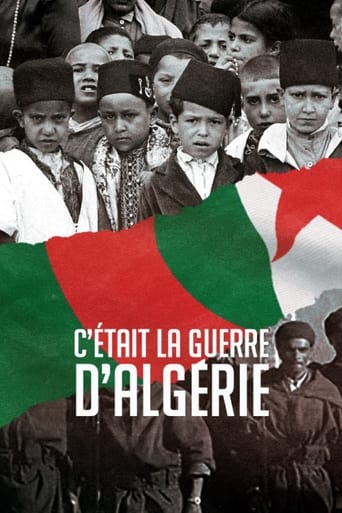
It Was the War of Algeria
2022
 9.5
This almost 8 hour humongous 1973 documentary by two of the filmmakers who made The Sorrow and the Pity recounts fifty years of the history of France from the 1920s to 1972. It is particularly thorough in documenting the significance and rise to power of Charles De Gaulle. The film's most valuable contributions are its interviews with all sorts of people who lived through this period of history, from Marshall Petain's lawyer (Petain headed the Vichy government of occupied France) to resistance figures, and Frenchmen who fought on the side of the Nazis in Russia.
Français, si vous saviez
1973
 10.0
The exceptional portrait of a pacifist general, the only senior officer to have spoken out against torture. This precious testimony still remains censored in France, since no national channel has to date decided to program this documentary. Son and brother of a soldier, General Pâris de Bollardière was destined for a career in arms. He was, for many years, one of the most brilliant representatives of this adventurer career in France, from Narvik to the Algerian War. After fighting in the French maquis, he reached Indochina, where he suddenly found himself in the aggressor's camps. His beliefs are strongly shaken. But it is in Algeria, where the French army practices torture and summary executions, that he takes the big turn. He expresses his contempt to Massu, and is relieved of his command. Until his death in 1986, Jacques de Bollardière fought for world peace, from the Larzac plateaus to the Mururoa atolls.
Destins: Général De Bollardière
1975
 8.3
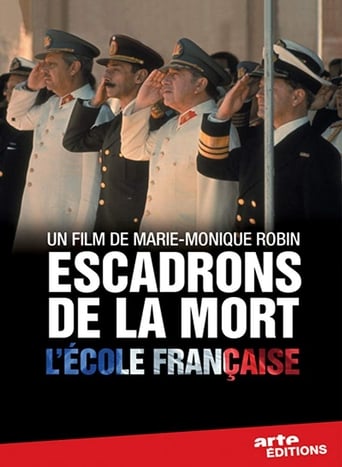
After the Battle of Algiers, France and its army exported, as true experts, anti-subversive methods to Latin America and the United States in the 1960s. After more than a year of investigation in Argentina , in Chile, Brazil, the United States and France, the director collected, sometimes under the cover of a hidden camera, recorded conversations, the exclusive testimonies of the main protagonists. From General Aussaresses to former Minister of the Armed Forces Pierre Messmer, including General Reynaldo Bignone (head of the military junta in Argentina from 1982 to 1984), General Albano Harguindéguy, General Manuel Contreras, and Generals John Johns and Carl Bernard, this investigation gives us a hidden reality of the country of Human Rights.
Death Squadrons: The French School
2003
 9.0
Documentary edited from testimonies on the torture of people who experienced the war. Some witnesses were tortured by Jean-Marie Le Pen. These testimonies will help defend the newspaper Le Canard Enchaîné in court against Jean-Marie Le Pen for defamation. The film was shown in 1985 during the trial and some witnesses also came to support the newspaper. But the 1963 amnesty law protects the politician, prohibiting the use of images that could harm people who served during the Algerian war.
À Propos De... L'autre Détail
1985
Film credits
1970s · 2 titles
9.5This almost 8 hour humongous 1973 documentary by two of the filmmakers who made The Sorrow and the Pity recounts fifty years of the history of France from the 1920s to 1972. It is particularly thorough in documenting the significance and rise to power of Charles De Gaulle. The film's most valuable contributions are its interviews with all sorts of people who lived through this period of history, from Marshall Petain's lawyer (Petain headed the Vichy government of occupied France) to resistance figures, and Frenchmen who fought on the side of the Nazis in Russia.
Français, si vous saviez
1973
10.0The exceptional portrait of a pacifist general, the only senior officer to have spoken out against torture. This precious testimony still remains censored in France, since no national channel has to date decided to program this documentary. Son and brother of a soldier, General Pâris de Bollardière was destined for a career in arms. He was, for many years, one of the most brilliant representatives of this adventurer career in France, from Narvik to the Algerian War. After fighting in the French maquis, he reached Indochina, where he suddenly found himself in the aggressor's camps. His beliefs are strongly shaken. But it is in Algeria, where the French army practices torture and summary executions, that he takes the big turn. He expresses his contempt to Massu, and is relieved of his command. Until his death in 1986, Jacques de Bollardière fought for world peace, from the Larzac plateaus to the Mururoa atolls.
Destins: Général De Bollardière
1975