
Directing
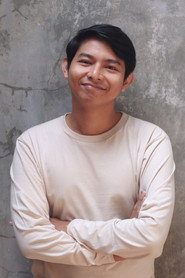
Dhuha Ramadhani
Known for
Directing
Credits
2 titles
Dhuha Ramadhani (b.1995) is an artist based in Yogyakarta, Indonesia. His previous work often explores themes of human rights violations and state crimes, as reflected in his films Jakarta Unfair (2016) and Into The Dark (2018). His recent film, Rangsot Ita (Our Rangsot), was released in 2025.
Known for
 NR
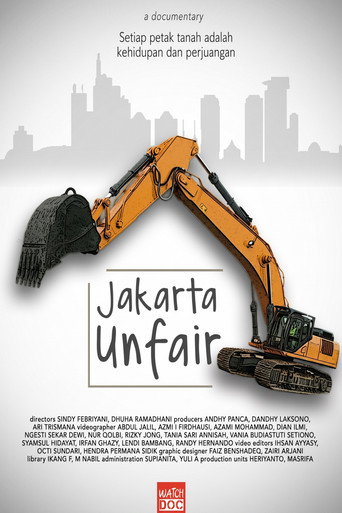
According to Jakarta Legal Aid Institute report, Jakarta Provincial Government had conducted 113 evictions in 2015 and 325 more places are threatened by eviction in 2016. At least 70% of evictions were carried out unilaterally and without any proportionate solutions. Now, some evicted area had been flattened. The rationale is still the same: public order and environmental protection (green open space, normalization of reservoir or river) for the sake of a better life. Jakarta Unfair tries to challenge the government thesis of "a better life after eviction."
Jakarta Unfair
2016
 NR
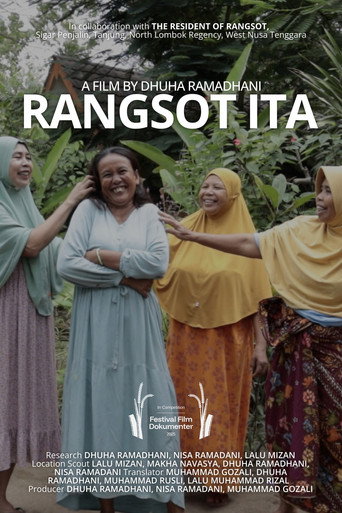
Set in Rangsot, this film unravels how memory, play, and storytelling endure through voice, gesture, and communal presence. Songs once sung to lull children, tales whispered by parents, and games played with sticks, stones, or dragonflies re-emerge as elders recount them—sometimes laughing, sometimes grieving. The film reflects on how the apparatus mediates these transmissions. Between oral history and the camera’s framing, it explores how memory is shaped, reenacted, and perhaps even transformed through the production and consumption of technical images.
Our Rangsot
2025
Behind the camera
NRAccording to Jakarta Legal Aid Institute report, Jakarta Provincial Government had conducted 113 evictions in 2015 and 325 more places are threatened by eviction in 2016. At least 70% of evictions were carried out unilaterally and without any proportionate solutions. Now, some evicted area had been flattened. The rationale is still the same: public order and environmental protection (green open space, normalization of reservoir or river) for the sake of a better life. Jakarta Unfair tries to challenge the government thesis of "a better life after eviction."
Jakarta Unfair
2016
NRSet in Rangsot, this film unravels how memory, play, and storytelling endure through voice, gesture, and communal presence. Songs once sung to lull children, tales whispered by parents, and games played with sticks, stones, or dragonflies re-emerge as elders recount them—sometimes laughing, sometimes grieving. The film reflects on how the apparatus mediates these transmissions. Between oral history and the camera’s framing, it explores how memory is shaped, reenacted, and perhaps even transformed through the production and consumption of technical images.
Our Rangsot
2025