

Acting
Malek Alloula
Born — Died
1937-11-13 — 2015-02-17
Place of birth
Oran, Algeria
Known for
Acting
Credits
2 titles
Malek Alloula (مالك علولة), born November 13, 1937 in Oran and died February 17, 2015 in Berlin, is a Franco-Algerian writer in French who pursued editorial activities in Paris from 1967. In December 1953, Father Alloula, auxiliary mounted gendarme, retired after 27 years of service. He leaves the village of Oranie where he spent 11 years of his last assignment and takes his family to Oran. The Alloula family settled in the large western city in July 1954 in a two-room apartment. The father's retirement pension was not enough, he needed a job to supplement the family's income. The father ends up finding “something”. He had, in fact, rented a shop on a popular street in the city to set up a …
Known for
 10.0
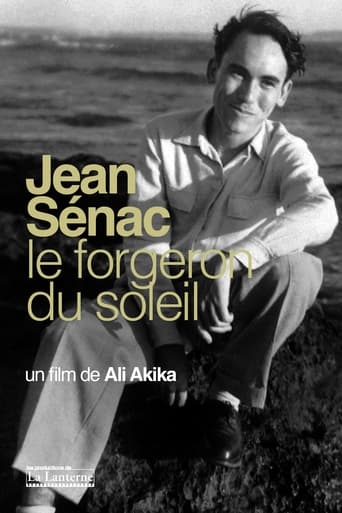
By ending the life of Jean Senac on August 30, 1973 in Algiers, his assassins believed they would silence him forever. They were wrong since his voice is a little louder every day. Witnesses to these craze: the publication of the complete works of this great poet, the countless conferences and radio broadcasts devoted to him and finally the production of films such as "Jean Sénac, the blacksmith of the sun". The moving and overwhelming testimonies of those who knew him, the unpublished film archives, the generous voice of the poet on the radio, the discovery of his travels in the territories of poetry and politics make this film a precious document on the life of Jean Senac.
Jean Sénac, The Blacksmith of the Sun
2003
 8.1
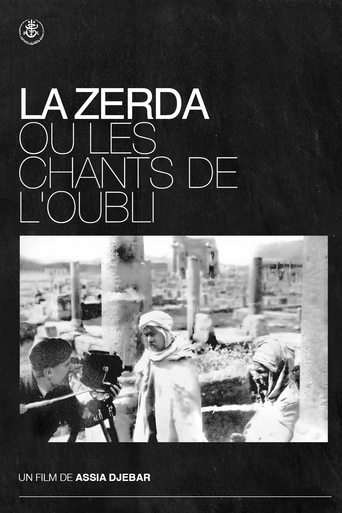
“La Zerda and the songs of oblivion” (1982) is one of only two films made by the Algerian novelist Assia Djebar, with “La Nouba des femmes du mont Chenoua” (1977). Powerful poetic essay based on archives, in which Assia Djebar – in collaboration with the poet Malek Alloula and the composer Ahmed Essyad – deconstructs the French colonial propaganda of the Pathé-Gaumont newsreels from 1912 to 1942, to reveal the signs of revolt among the subjugated North African population. Through the reassembly of these propaganda images, Djebar recovers the history of the Zerda ceremonies, suggesting that the power and mysticism of this tradition were obliterated and erased by the predatory voyeurism of the colonial gaze. This very gaze is thus subverted and a hidden tradition of resistance and struggle is revealed, against any exoticizing and orientalist temptation.
The Zerda or the Songs of Forgetting
1983