
Acting
Max Ernst
Born — Died
1891-04-02 — 1976-04-01
Place of birth
Brühl, Germany
Known for
Acting
Credits
17 titles
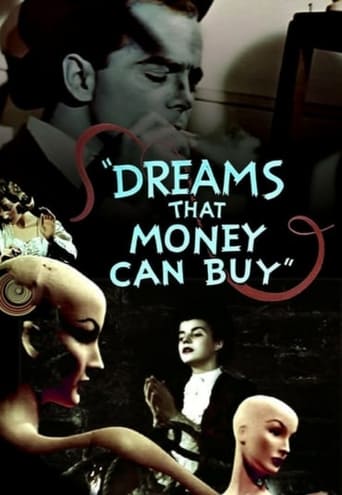
Max Ernst was born on April 2, 1891 in Brühl, Germany. He was an actor and writer, known for The Golden Age (1930), Maximiliana oder die widerrechtliche Ausübung der Astronomie (1966) and Dreams That Money Can Buy (1947). He was married to Dorothea Tanning, Peggy Guggenheim, Marie-Berthe Aurenche and Luise Straus. He died on April 1, 1976 in Paris, France.
Known for
 6.8
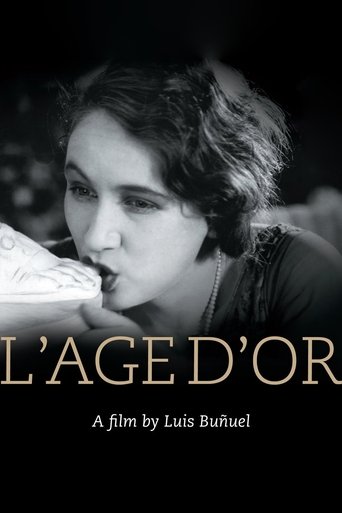
6.8The film consists of a series of tightly interlinked vignettes, the most sustained of which details the story of a man and a woman who are passionately in love. Their attempts to consummate their passion are constantly thwarted, by their families, by the Church and bourgeois society in general.
L'Âge d'or
1930
 7.0
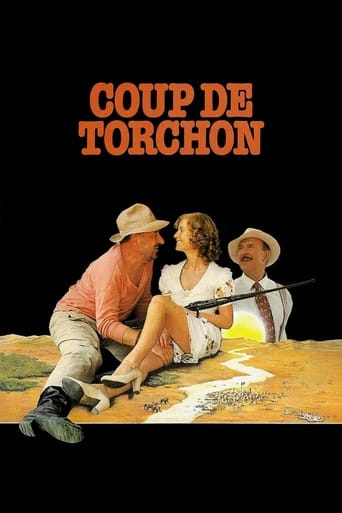
7.0A pathetic police chief, humiliated by everyone around him, suddenly wants a clean slate in life, and resorts to drastic means to achieve it.
Coup de Torchon
1981
 4.2
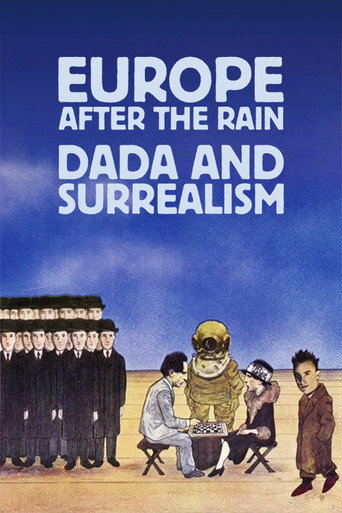
4.2Dada came out of the madness of World War One. "The birth of Dada was not the beginning of art but of disgust." Surrealism tried to systematize Dada's anarchy into an artistic blend of Freudian psychoanalysis and Marxist provocation. In the interests of conquering the irrational, Salvador Dali opened exhibitions dressed in a diving suit, Marcel Duchamp turned himself into woman, Benjamin Peret assaulted priests, and Yves Tanguy ate spiders. Andre Breton, nicknamed "the Pope of Surrealism", led an inspired gang of artists, lunatics and writers. By the 1950s they were denouncing each other for betraying the movement, but their ideas had infected every art form.
Europe After the Rain: Dada and Surrealism
1978
 6.2
6.28 x 8: A Chess-Sonata in 8 Movements is an American experimental film directed by Hans Richter, Marcel Duchamp, and Jean Cocteau. Described by Richter as "part Freud, part Lewis Carroll" and filmed partially on the lawn of Duchamp's summer house in Southbury, Connecticut.
8 x 8: A Chess-Sonata in 8 Movements
1957
 7.2
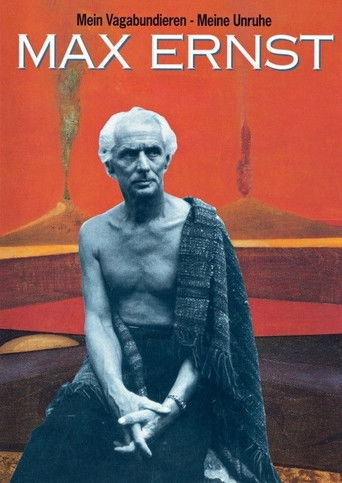
7.2This documentary celebrates Max Ernst, one of the most influential and visionary artists of the past century. The film covers the highlights of Ernst's fascinating career via a format that mirrors the restless reality of his life. An inveterate traveler and always on the move, Ernst lived and worked in Germany, France and America. His nomadic way of life kept him searching: "A painter is lost if he finds himself."
Max Ernst: My Vagabonds - My Restlessness
1991
 6.0
6.0The inner world of the great painter Max Ernst is the subject of this film. One of the principal founders of Surrealism, Max Ernst explores the nature of materials and the emotional significance of shapes to combine with his collages and netherworld canvases. The director and Ernst together use the film creatively as a medium to explain the artist's own development.
Max Ernst: Journey into the Subconscious
1964
Film credits
1970s · 3 titles
4.2Dada came out of the madness of World War One. "The birth of Dada was not the beginning of art but of disgust." Surrealism tried to systematize Dada's anarchy into an artistic blend of Freudian psychoanalysis and Marxist provocation. In the interests of conquering the irrational, Salvador Dali opened exhibitions dressed in a diving suit, Marcel Duchamp turned himself into woman, Benjamin Peret assaulted priests, and Yves Tanguy ate spiders. Andre Breton, nicknamed "the Pope of Surrealism", led an inspired gang of artists, lunatics and writers. By the 1950s they were denouncing each other for betraying the movement, but their ideas had infected every art form.
Europe After the Rain: Dada and Surrealism
1978
A film about and with Max Ernst.
How Many Colours Has a Hand?
1971
 6.4
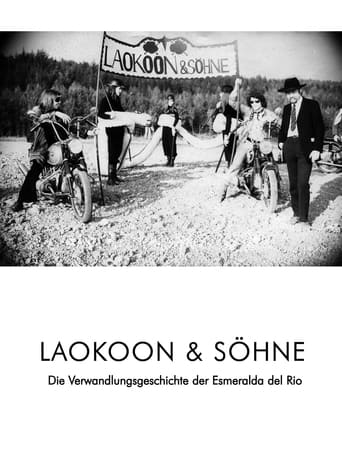
6.4Once upon a time there was a country known by the name of Laura Molloy. Laura Molloy was the name of this country. Only women lived in Laura MolloyEsmeralda del Rio was a woman. One day Esmeralda del Rio had the idea to undergo a series of transformations, which were to take her very far. So far did she go that she had no way of knowing how far she had gone. Two things were certain: Esmeralda del Rio was blond and in her own way she practiced a kind of magic which I would like to call 'blond magic'.
Laocoon & Sons: The Story of the Transformation of Esmeralda del Rio
1975
1960s · 4 titles
6.0The inner world of the great painter Max Ernst is the subject of this film. One of the principal founders of Surrealism, Max Ernst explores the nature of materials and the emotional significance of shapes to combine with his collages and netherworld canvases. The director and Ernst together use the film creatively as a medium to explain the artist's own development.
Max Ernst: Journey into the Subconscious
1964
 7.9
7.9An overview of Luis Buñuel's career. Includes an interview with the filmmaker.
Luis Buñuel : Un cinéaste de notre temps
1964
 7.0
7.0Max Ernst on amateur astronomer Ernst Wilhelm Leberecht Tempel.
Die widerrechtliche Ausübung der Astronomie
1967
 NR
NR"This film was presented as part of my 1969 thesis on Max Ernst. It was a personal tribute where I filmed his collages, then intercut live footage I shot with other reference material into a surreal visual collage." - Penny Slinger
Max Ernst, Une Semaine de Bonte
1969
1930s · 4 titles
6.8The film consists of a series of tightly interlinked vignettes, the most sustained of which details the story of a man and a woman who are passionately in love. Their attempts to consummate their passion are constantly thwarted, by their families, by the Church and bourgeois society in general.
L'Âge d'or
1930
 9.0
9.0Miss Annemarie Tessmer is a clerk in the house of the manufacturer Herman Schilling and she is indispensable. She is exploited by all the family members and her own life is completely in the background. Herman Schilling wants his daughter Thea merry with the representative for foreign affairs Dr. Richard Rauch. However, after a number of dramatic complications, Richard chooses for the good, selfless and hardworking Annemarie.
Fräulein
1939
Curt serenades his wife Charlott from the garden without her recognizing him. When she later doesn't refer to the incident he assumes that she is falling for the 'unknown' suitor and deliberately puts a notorious womanizer on her trail.
When Women Keep Silent
1937
The great Franz Liszt helps a struggling, unworldly piano tutor advance to a position in Munich, and ward off a villainous foreign competitor for his lady love.
If It Were Not for Music
1935