
Acting
Adolf Peter Hoffmann
Born — Died
1906-01-29 — 1982-07-23
Place of birth
Köln, Germany
Known for
Acting
Credits
45 titles
Known for
 6.2
6.2Polizeiruf 110 is a long-running German language detective television series. The first episode was broadcast 27 June 1971 in the German Democratic Republic, and after the dissolution of Fernsehen der DDR the series was picked up by ARD. It was originally created as a counterpart to the West German series Tatort, and quickly became a public favorite.
Polizeiruf 110
1971
 3.8
3.8Der Staatsanwalt hat das Wort was an East German television series.
Der Staatsanwalt hat das Wort
1965
 7.0
7.0No synopsis available yet.
Märkische Chronik
1983
 NR
NRBerlin in the 60s. The construction of the Berlin Wall not only divides the city, but also separates the Rechlin family. While mother Ingelore lives with husband Hannes and the youngest son in the eastern part of the city, the young, married daughter Beate lives in West Berlin. Even when she gives birth to the first grandson, the newly baked grandma Ingelore cannot visit her. Travel permits are only issued one year later. But the formerly so tight family bond is burdened by the long separation. Son Bernd also avoids the rest of the family, as his new girlfriend has just been released from prison because of attempted "republic escape". And so Mother Ingelore almost has to watch her family shatter.
Familie Rechlin
1982
 5.1
5.1As American settlers encroach on the lands of the Lakota people, Tokei-ihto witnesses the murder of his father at the hands of Red Fox, who wanted information on where the tribe finds its gold. Two years later, at the height of the Great Sioux War, Tokei-ihto and Red Fox meet again.
The Sons of Great Bear
1966
 NR
NRFour-part miniseries about the theologian Thomas Müntzer, who became a revolutionary and opponent of Luther during the Peasant War in 1525.
Denn ich sah eine neue Erde
1970
Film credits
1980s · 4 titles
 6.5
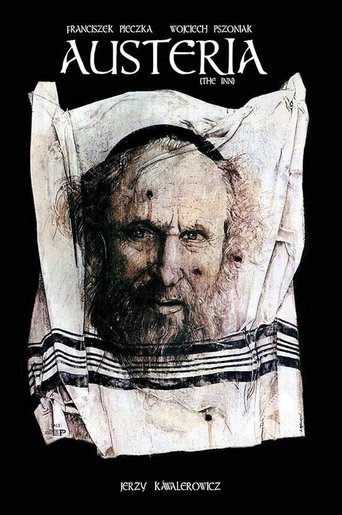
6.5During a pogrom in Poland on the eve of World War I, a group of Jews seek refuge from the Cossacks. The fugitives hide out in a rural inn, terrified that they may be given away at any moment.
Austeria
1983
 7.0
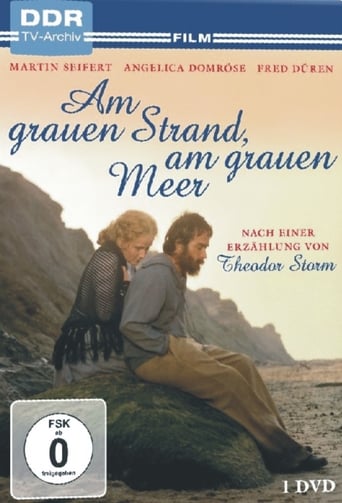
7.0An adaptation of Theodor Storm's novella "Hans and Heinz Kirch".
Am grauen Strand, am grauen Meer
1980
 10.0
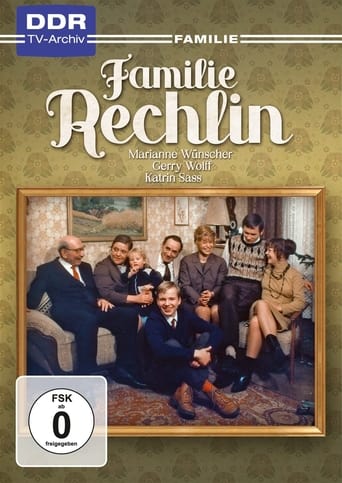
10.0Berlin in the 60s. The construction of the Berlin Wall not only divides the city, but also separates the Rechlin family. While mother Ingelore lives with husband Hannes and the youngest son in the eastern part of the city, the young, married daughter Beate lives in West Berlin. Even when she gives birth to the first grandson, the newly baked grandma Ingelore cannot visit her. Travel permits are only issued one year later. But the formerly so tight family bond is burdened by the long separation. Son Bernd also avoids the rest of the family, as his new girlfriend has just been released from prison because of attempted "republic escape". And so Mother Ingelore almost has to watch her family shatter.
Familie Rechlin
1982
 7.0
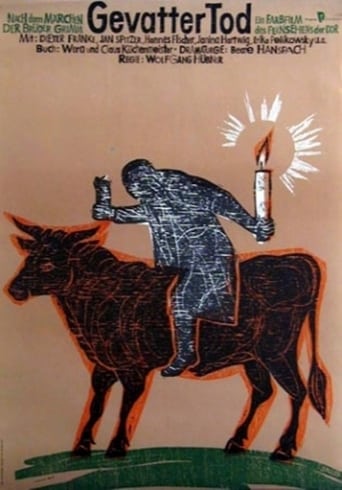
7.0Once upon a time, there was a poor farmer who had thirteen children. Since the farmer was so poor, there was never anything left for the youngest of the family. Therefore, the farmer chose Death as the godfather of his son, Jörg, because all people are equal in the eyes of Death. The Grim Reaper is happy to look after the boy and turns Jörg into a skilled doctor who earns wealth and fame.
Godfather Death
1980
1970s · 7 titles
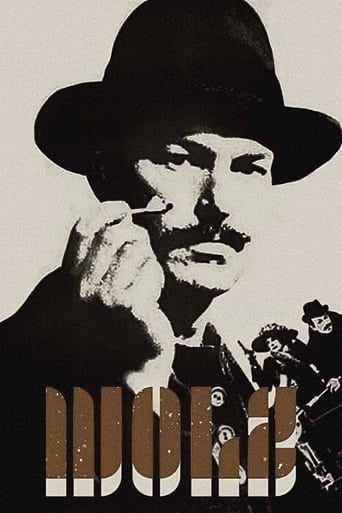 6.6
6.6Soldier Ignaz Wolz returns from WWI with an immeasurable hatred of capitalist war profiteers. He decides to start his own revolution, but tries to stay away from the organized class struggle. He steals from the rich men and divides the wealth among the poor. One day, Wolz is arrested and sentenced to life in prison; seven years later he is released due to mass protests. More than ever, it is hard for him to fit in. He severs ties with his former companions, who reject his ideas, and leaves Germany.
Wolz – Life and Transfiguration of a German Anarchist
1973
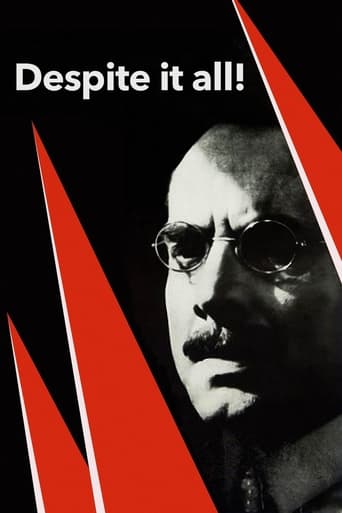 7.2
7.2October 1918: Karl Liebknecht is released from prison and Berlin workers celebrate his release. Although WWI is almost over, the German Kaiserreich in vain sends its last reserves to the slaughter. The working class is in a rebellious mood; the uprising of Kiel’s sailors against war and militarism sets off a call for revolution led by Liebknecht. On November 9, Liebknecht declares the Free Socialist Republic of Germany. But pro-Kaiser military and right wing Social Democrats oppose him.
Despite It All!
1972
 7.0
7.0Maria is a record saleswoman by profession. She is lucky to have a job, because the year is 1930 and a major economic crisis has hit the world, accompanied by an army of unemployed people, especially in Germany. Maria is aware of her good fortune; in order to secure it, she has to do without many things. What business owner would employ an unmarried woman with a child in times like these? When Maria became pregnant, she, like many other women, had to become "active" and do something about this "misfortune". So she seeks "help" from a female doctor, trusting in her youth and hoping for better times when family happiness could come true for her.
Maria und der Paragraph
1974
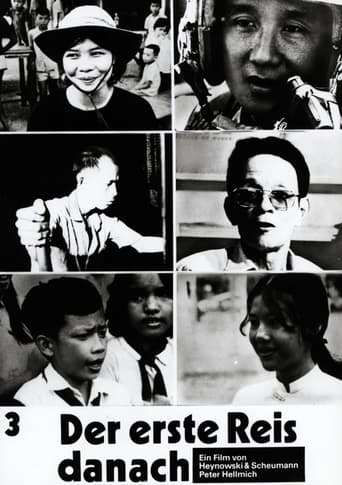 NR
NRStories from the first summer after the end of the war in Vietnam
And Then the First Rice
1977
 10.0
10.0A detailed reconstruction of the censorship case against the landmark Weimar-era communist film, Kuhle Wampe, or Who Owns the World? (1932). Directed by Slatan Dudow, the crew and cast included left-wing luminaries, such as playwright Bertolt Brecht, composer Hanns Eisler and balladeer Ernst Busch. The film was the subject of vehement disputes and was banned twice for revolutionary and communist tendencies that were perceived to threaten the state. About 230 meters of the original film fell victim to the censor’s shears. This historic censorship case was argued over the course of three sessions. Censored: Kuhle Wampe re-enacts the censorship hearings, based on original minutes and documents, as well as personal records of the case. In addition to footage from the original film, this docudrama includes original clips of Berlin in the 1920s and '30s and short testimonies, filmed in the 1970s, with some of the actors involved in the original Kuhle Wampe film production.
Censored: Kuhle Wampe
1975
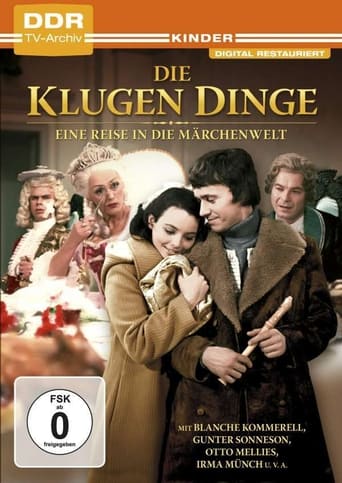 10.0
10.0A young couple from the present day is transported by magic to a distant fairy-tale world. There they encounter clever objects such as the table that sets itself, the flying carpet, and the invisibility cloak. All of these objects can be used for useful purposes. However, since they can also be used to play pranks and cause a lot of mischief, Vera and Peter and their allies are urged to be brave and cautious...
Die klugen Dinge
1973
 5.5
5.5In the nineteenth century, seventeen year old Effi Briest is married to the older Baron von Instetten and moves into a house that she believes has a ghost.
Effi Briest
1970
1960s · 17 titles
5.1As American settlers encroach on the lands of the Lakota people, Tokei-ihto witnesses the murder of his father at the hands of Red Fox, who wanted information on where the tribe finds its gold. Two years later, at the height of the Great Sioux War, Tokei-ihto and Red Fox meet again.
The Sons of Great Bear
1966
 6.1
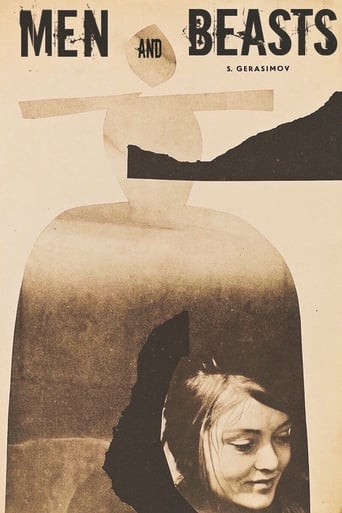
6.1The plot is based on the dramatic fate of the Red Army commander Aleksei Ivanovich Pavlov. Having been captured in January 1942 and being among the displaced persons, he didn't immediately decide to return to the USSR. Having rolled around the foreign country for 17 years, Aleksei nevertheless returned to his homeland. He goes to his brother in the south of the country to Sevastopol. Aleksei accidentally meets the doctor Anna Andreyevna, who was saved from death in besieged Leningrad. She travels by car from Moscow and also to the south, with her daughter Tanya; she suggests he join them. Aleksei tells about his life on the road.
Men and Beasts
1962
 7.9
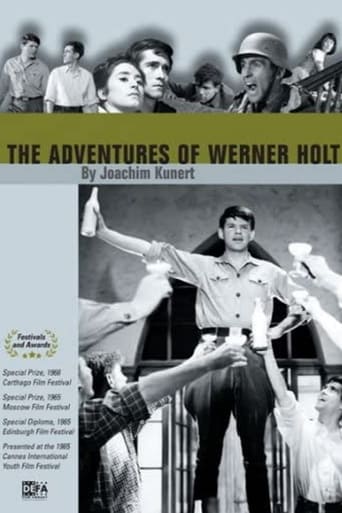
7.9Two 17-year-olds, Werner Holt and Gilbert Wolzow, are pulled out of school and into Hitler's army. Gilbert becomes a fanatical soldier; but at the front, Werner begins to understand the senselessness of war.
The Adventures of Werner Holt
1965
 7.6
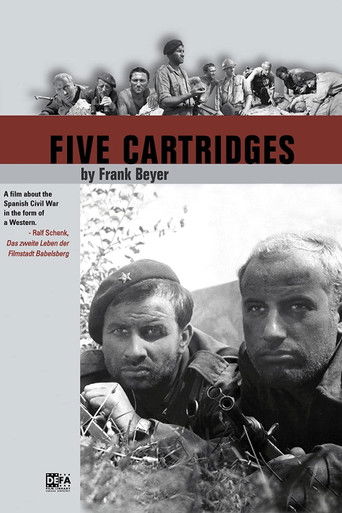
7.6During the Spanish Civil War (1936-1939), five International Brigade soldiers of different nationalities are given a crucial assignment as their commander lies dying: they are to smuggle top-secret information across enemy lines.
Five Cartridges
1960
 10.0
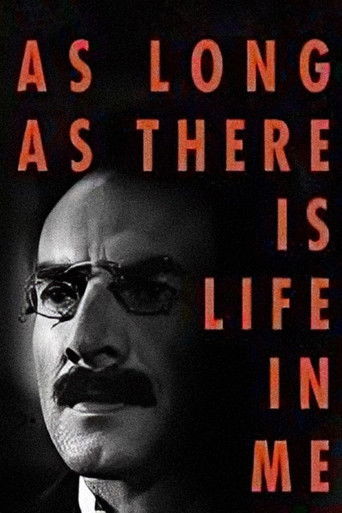
10.0This is part one of a two-part biopic about Karl Liebknecht. In 1914, Germany is arming itself for war. Karl Liebknecht, left-wing revolutionary Social Democrat, workers’ leader and a virulent antimilitarist, is one among 110 SPD members of Parliament who vote against approving war loans. From then on, he is considered un-German and a traitor to the fatherland, and his own party’s leadership turns against him. Despite threats, Liebknecht speaks up against the war and writes the manifesto “The Main Enemy Is at Home.” Even when he is arrested and charged with treason, he does not surrender.
As Long as There’s Life in Me
1965
 5.9
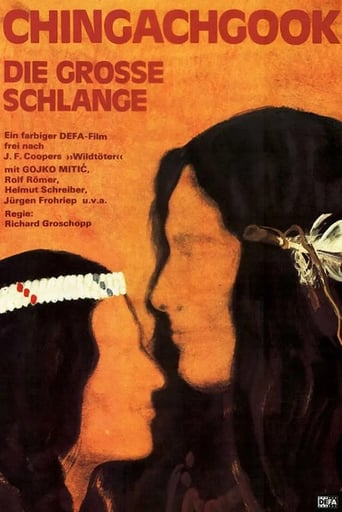
5.9Chingachgook, a Mohawk-born Delaware warrior, strives to rescue his wife Wahtawah from the clutches of an enemy camp of Huron. Joined by his trusted huntsman Deerslayer, the two confront racist pioneers and brutal British soldiers in their quest. Deerslayer catches the desire of Judith and thus the jealousy of her suitor, Harry. The action of the story functions like a seesaw, characters continuously traveling back and forth between a house on the lake and the Huron camp until the violent climax.
Chingachgook: The Great Snake
1967
 10.0
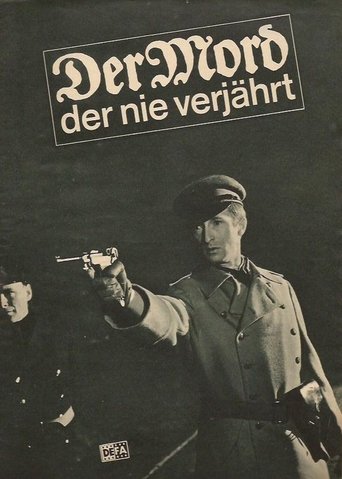
10.0In 1929 Berlin, the progressive editor-in-chief Bornstein is on trial for libel. An article in his magazine attempted to uncover the role that Reichsanwalt Jörns had played ten years earlier in the "clarification" of the murders of Rosa Luxemburg and Karl Liebknecht. The article explained that the then court martial judge knowingly covered up for the murderers and delayed the trial. At the trial, the testimony of witnesses succeeded in proving the truth of the publication and exposing those behind the murders as those who were preparing fascism.
Der Mord, der nie verjährt
1968
 7.0
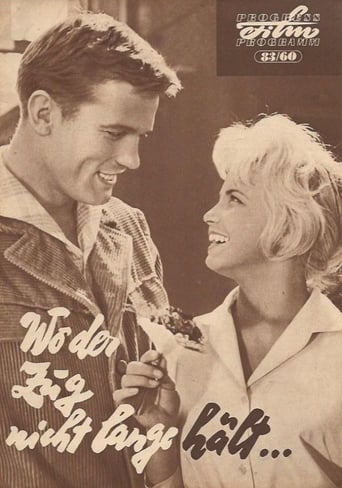
7.0In a small town, a brigade is working on the construction of a new cultural center. Gerhard loves Karin, the daughter of brigadier Franz, who is not thrilled with the prospective son-in-law. Under the influence of his colleague "Boxer", who wants to go to a big city with him, Gerhard neglects his crane operator course, his work and ultimately Karin too. The failed crane test infuriates him and turns him into a rioter. After quarrels on the construction site, Franz is found unconscious on the crane at night. Gerhard comes under suspicion, but the accident was the fault of "Boxer". When he tries to escape, Gerhard, who has come to his senses, is able to hold him back. Remorseful, they go to the police together. Karin is also reconciled and the wedding is to take place in the finished Kulturhaus.
Wo der Zug nicht lange hält
1960
 9.0
9.0Russian soldier Grisha escapes from a German prisoner-of-war camp in the spring of 1917. He is caught and is to be shot as a spy. This decision is controversial. The dispute continues. Grisha is executed on the orders of the army high command.
Der Streit um den Sergeanten Grischa
1968
 6.2
6.2A day before the beginning of the Second World War, a young resident of Bydgoszcz falls in love with a German teenager.
The Neighbours
1969
 8.0
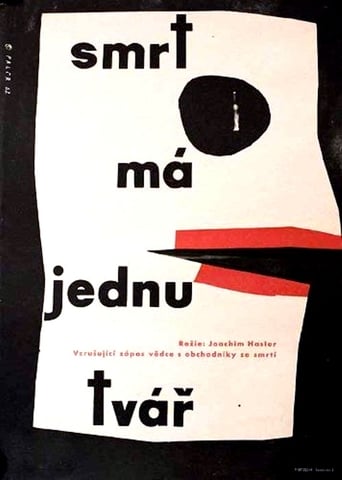
8.0Three chemists unveil “Substance L,” a pesticide capable of eradicating all life without harming material assets. When Dr. Zichy, haunted by his work on Zyklon B, dies in a car crash and the lethal vial vanishes, colleague Dr. Cramm uncovers a child’s poisoning. To suppress the scandal, the corporation and justice system commit him to an asylum, until his assistant Barbara risks everything to expose the truth.
Der Tod hat ein Gesicht
1961
 NR
NRThe scissors cut out a little man with huge boxing gloves from black paper. The boy comes to life and is immediately convinced of his punching power. So he grabs the scissors himself and cuts out a huge opponent to demonstrate his strength. He makes a complete fool of himself in the process. It doesn't help that he cuts his opponent smaller and smaller and finally even sticks him down with glue. Although he adorns himself with the laurels of victory at the end, it is clear that he is just a ridiculous paper hero.
Gegner nach Maß
1964
 6.8
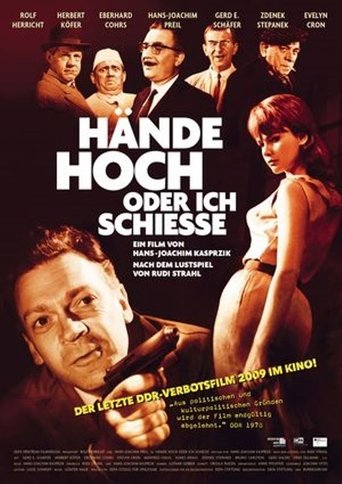
6.8Small town policeman Holms suffers from a rather unusual problem: Because of the low crime rate, there is simply not enough to do for him. Deadly bored, he sinks into the depths of depression and requests the help of a psychiatrist. But his imagination is far more effective: In his dreams, he chases gangsters in London. Finally, some small-time crooks find a way to help "their" policeman out of his emotional misery: They steal a memorial from the market square and thus help Holms to a spectacular case.
Hände hoch oder ich schieße
1966
 6.7
6.7The machinations of an ex-officer and a servant who want to get their hands on a fortune.
The Opportunists
1960
 9.0
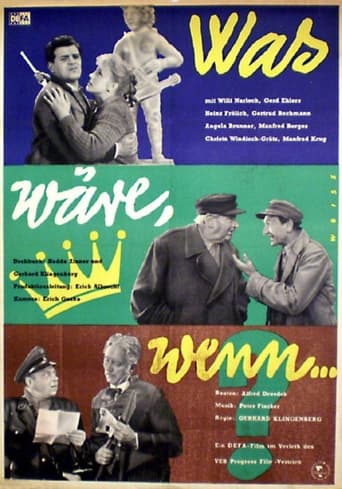
9.0In the late 1950s, the collectivization of agriculture is in full swing in the East German village of Willshagen on the German-German border. Those in charge have to face many obstacles, especially from a large-scale farmer who is unwilling to join the co-op. All of a sudden, mysterious men in a fancy car appear in the village and show an interest in the rundown manor house. Gossip spreads quickly, and some villagers think there will be a re-parceling of properties and a land swap with West Germany. They assume everything will go back to how it used to be and even expect the count to return to his manor. In preparation, the situation in the village escalates at a fevered pitch.
What Would Happen If...?
1960
 8.0
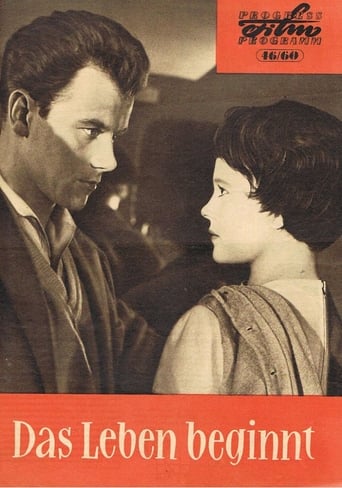
8.0A new world full of excitement and temptation opens up for 18-year-old Erika when her father flees from Krüselin, a small village in Brandenburg, to West Berlin, taking his daughter with him. Her uncle's luxurious house, the turbulence of life in the big city, and her cousin's progressive thinking and quick wit all turn her head at first. But behind all this glitter and tinsel lurks the cold, hard world of money and Erika begins to feel homesick for the town where she grew up and for Rolf, her first real boyfriend.
Life Begins
1960
In the late summer of 1958, party secretary Ernst Wollni is sent from Berlin to the village of Schwarzwalde to help set up an agricultural cooperative. In the village he meets his childhood friend Fritz Grimmberger again. Their friendship is put to the test as Grimmberger opposes collectivization. Nevertheless, Wollni manages to motivate the villagers and get the LPG going. Grimmberger, however, ruins himself by going it alone. When his daughter Helga also wants to leave him and study in the city, he realizes his mistake. Grimmberger and Wollni reconcile at the village festival.
Sommerwege
1960
1950s · 8 titles
 6.2
6.2A film about the historical uprising of the seamen in Kiel: During the Russian October Revolution of 1917, German and Russian soldiers start to solidarize with each other. By disarming the officers, machinist Henne Lonke and stoker Jens Kasten prevent the attack on a Russian freighter. When German admiralty gives out orders for operation "Nibelungen", which would lead the German fleet into a suicidal attack against England and quell the revolutionary spirit, seamen and soldiers from different political backgrounds unite in protest.
The Sailor's Song
1958
 5.7
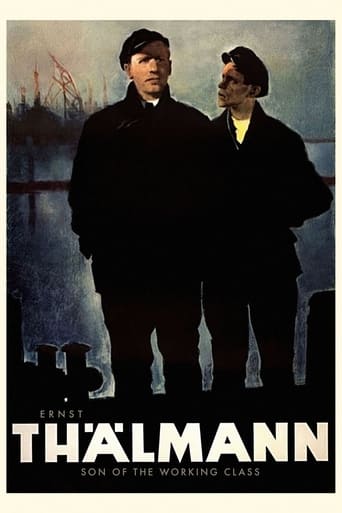
5.7This film is the first of a two-part historical and biographical portrait of the communist politician and anti-fascist Ernst Thälmann. In early November 1918, Ernst Thälmann is an unwilling soldier serving on the western front. As the revolutionary movement at home is threatened by the betrayal of the Social Democrats and fissures in the working class, Thälmann calls on his fellow soldiers to put down their weapons and unite with the workers in the communist struggle at home. Thälmann’s qualms about which side he is fighting on continue, but when the local police attempt to prevent a shipment of provisions and supplies from reaching the people in Petrograd, he intervenes and the ship is unloaded. With this moment of clarity, Thälmann continues to follow his political convictions and joins the workers at the Hamburg uprising in October 1923.
Ernst Thälmann – Son of the Working Class
1954
 8.0
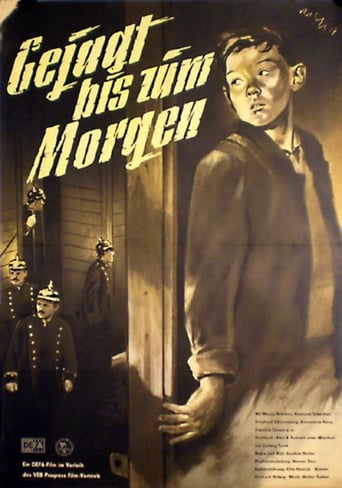
8.0Drama about an impoverished family, a widowed mother and her two sons, trying to get by.
Gejagt bis zum Morgen
1957
 8.0
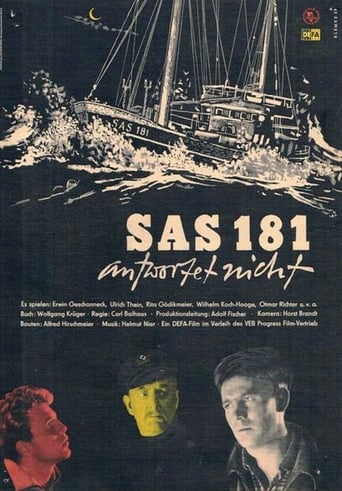
8.0Kurt, an apprentice in a fish combine, is an ambitious loner. He wants to show what a good sailor he is at a regatta, but fails because of his recklessness and the storm. Disappointed, he seeks affection from the girl Anke, but she loves the apprentice Hannes. During a trip together with Captain Laue, who presents himself as a fatherly friend to Kurt, the boys get into an argument. However, when Laue makes an unscheduled call at Bornholm and Kurt discovers that Laue wants to sell the cutter's catch and equipment and flee, he buries his differences with Hannes. Together and with the help of the old fisherman Jens, the boys rescue the cutter.
SAS 181 antwortet nicht
1959
 7.1
7.1Albert Hauptmann is an out of work waiter in Cologne who is often confused with a former Captain of the Nazi Army. Albert uses this to his advantage and becomes the Director of the Montan Corporation, and a member of the West German Parliament. Herr Karjanke, the real Captain, learns of Albert’s ruse, and wants to claim his "rightful" position in Parliament. But Karjanke cannot come forward until his politicking "Doppelganger" succeeds in passing an amnesty law for war criminals. When Albert is finally brought before a judge on charges of fraud, he learns that this own amnesty law does not apply to him.
The Captain from Cologne
1956
 10.0
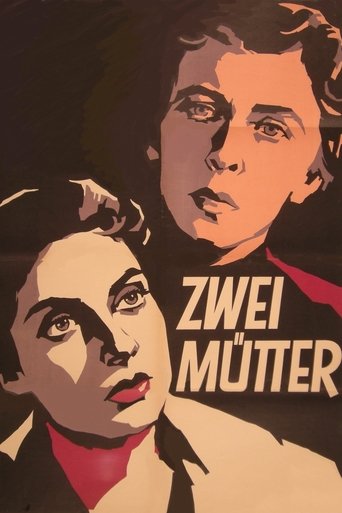
10.0The story of two women, one French and the other German, who fight for a child who has been mistakenly taken by the Germans after a bomb raid.
Two Mothers
1957
 8.0
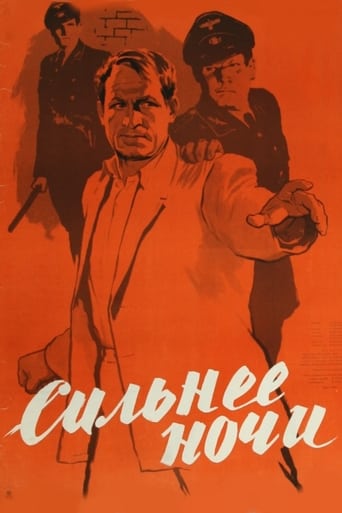
8.0The story of a resistance fighter in the Nazi era: Communist Hans Löning was arrested in 1933, imprisoned in a concentration camp and tortured. The Gestapo plans to smash the resistance group around Löning. Despite the imminent threat to his life, Löning, together with his wife, organized the passive resistance of the Hamburg workers against the Hitler regime. In 1944, Löning was again taken and killed.
Stronger Than the Night
1954
 5.5
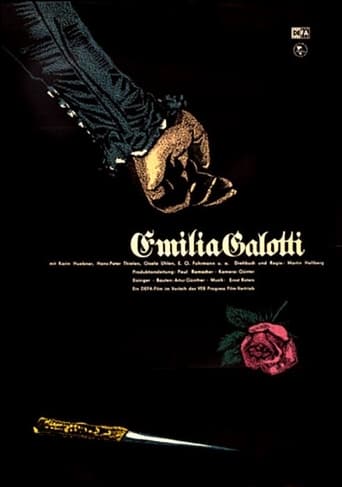
5.5The Prince of Guastalla falls in love with the young citizen Emilia Galotti, who is soon to marry Count Appiani. In order to win Emilia, the prince tries to send the count on an "honorable" journey on his behalf with the help of his chamberlain Marinelli. However, after the Count refuses this offer, Marinelli decides to have the wedding carriage robbed on his own initiative in order to have Emilia abducted to the Prince's nearby pleasure palace. But he has not thought of the prince's mistress, Countess Orsina, and Emilia's shaken father Odoardo, both of whom soon arrive at the castle, one to meet the prince, the other to look after his daughter...
Emilia Galotti
1958
Series credits
6.2Polizeiruf 110 is a long-running German language detective television series. The first episode was broadcast 27 June 1971 in the German Democratic Republic, and after the dissolution of Fernsehen der DDR the series was picked up by ARD. It was originally created as a counterpart to the West German series Tatort, and quickly became a public favorite.
Polizeiruf 110
1971
3.8Der Staatsanwalt hat das Wort was an East German television series.
Der Staatsanwalt hat das Wort
1965
3.8Der Staatsanwalt hat das Wort was an East German television series.
Der Staatsanwalt hat das Wort
1965
7.0No synopsis available yet.
Märkische Chronik
1983
NRBerlin in the 60s. The construction of the Berlin Wall not only divides the city, but also separates the Rechlin family. While mother Ingelore lives with husband Hannes and the youngest son in the eastern part of the city, the young, married daughter Beate lives in West Berlin. Even when she gives birth to the first grandson, the newly baked grandma Ingelore cannot visit her. Travel permits are only issued one year later. But the formerly so tight family bond is burdened by the long separation. Son Bernd also avoids the rest of the family, as his new girlfriend has just been released from prison because of attempted "republic escape". And so Mother Ingelore almost has to watch her family shatter.
Familie Rechlin
1982
NRFour-part miniseries about the theologian Thomas Müntzer, who became a revolutionary and opponent of Luther during the Peasant War in 1525.
Denn ich sah eine neue Erde
1970
 NR
NRRussian soldier Grisha escapes from a German prisoner-of-war camp in the spring of 1917. He is caught and is to be shot as a spy. This decision is controversial. The dispute continues. Grisha is executed on the orders of the army high command.
Der Streit um den Sergeanten Grischa
1968