
Acting
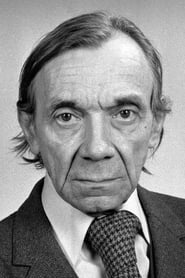
Josef Kemr
Born — Died
1922-06-20 — 1995-01-15
Place of birth
Praha - Československo
Known for
Acting
Credits
84 titles
Josef Kemr se narodil 20. června 1922 v Praze do rodiny švadleny a ševce. Mladého Josefa vedl otec k umění a po něm zdědil nadání hraní na strunné nástroje. S bratrem vystupoval už v roce 1932 ve Vinohradském divadle a později i ve filmu. Vystudoval Obchodní školu v Praze v roce 1942 a ihned odešel k divadelní kočovné společnosti A. Budínské – Červíčkové (1942 – 1945). Poté prošel divadlem na Kladně (1945 – 1947), divadlem Akropolis (1947 – 1948), Divadlem S. K. Neumanna (1948 – 1950), Městskými divadly pražskými (1950 – 1965) a činoherním souborem pražského Národního divadla (1965 – 1995), kterého byl členem až do své smrti. Dnes je ve foyeru Národního divadla umístěna jeho busta.
Known for
 7.0
7.0No synopsis available yet.
Bakaláři
1972
 7.3
7.3Thirty Cases of Major Zeman is a Czechoslovak action-drama television show intended as a political propaganda to support the official attitude of the communist party. The series were filmed in the 1970s. Each episode encompasses one year, and investigations are stylized to that year. Most are inspired by real cases. The series follows the life of police investigator Jan Zeman during his career from 1945 to 1975.
Thirty Cases of Major Zema
1976
 7.8
7.8In 1930s Prague, a Czech cremator who firmly believes cremation relieves one from earthly suffering is drawn inexorably to Nazism.
The Cremator
1969
 7.1
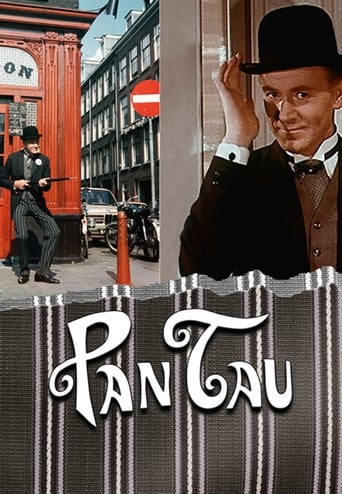
7.1Pan Tau always had a gentle expression and a friendly smile, he was elegantly dressed in a stroller, with an umbrella and a white carnation in the lapel. Foremost, he was famous for his magic bowler hat. By tapping on his hat, Pan Tau was able to change his appearance into a puppet, to conjure up miscellaneous objects or to do other magic. His most characteristically behavior is that he would help children who were experiencing some sort of difficulties in-between their dreams and reality, like finding a place for skiing, settling family problems on Christmas, and even give a boy a good time at a fair when he is supposed to have piano lessons. To adults, he usually remained invisible.
Pan Tau
1970
 7.7
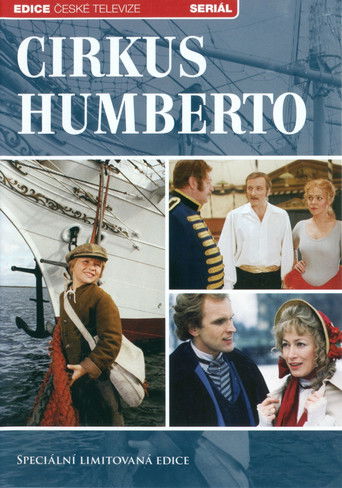
7.7No synopsis available yet.
Zirkus Humberto
1988
No synopsis available yet.
Úsměvy světa
1969
Film credits
2010s · 1 titles
1990s · 4 titles
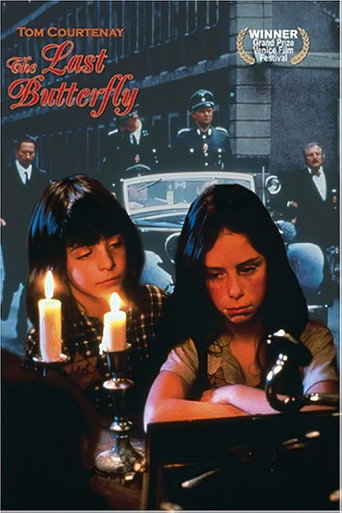 5.8
5.8Stage mime Antoine Moreau is compelled by the Gestapo to put on a performance for the children of Terezin, a "model" concentration camp, to convince the Red Cross observers that the camp is truly what it seems. Reluctant at first, Moreau slowly learns the true nature of the camp, including the meaning of the "transports" on which people leave. With a world-class orchestra (made up of people interned in the camp) and a cast of children, Moreau stages a show to end all shows.
The Last Butterfly
1991
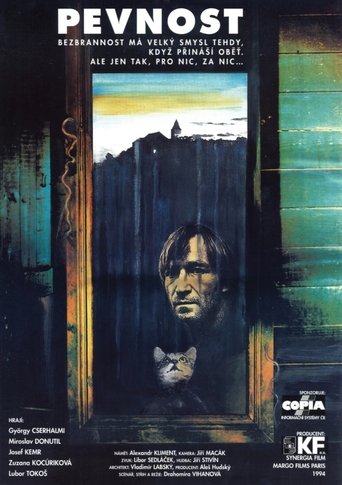 7.5
7.5Set in the late 80s in a quiet, rural village headed by a suspicious, conspiring group of nasty leaders. Ewald has arrived there to measure water levels. Surrounding the fortress near the village are soldiers.
The Fortress
1994
 6.2
6.2Munich, World War II: The young Kati Zeiler runs a small barbershop. Her husband Felix is fighting on the Eastern Front. So Kati draws her daughter Marie alone. A bomb attack destroys the shop and the apartment.
Rama Dama
1991
 7.3
7.3The life story of Blessed Zdislava of Lemberk, about whom legends rather than sparse historical references tell us that she was a deeply religious woman with healing powers who devoted herself entirely to the humble service of her sick and suffering neighbors.
V erbu lvice
1995
1980s · 6 titles
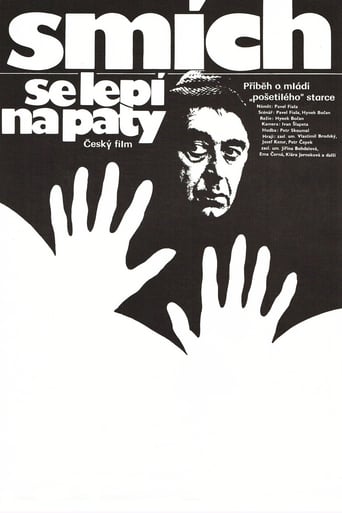 6.7
6.7Sixty-year-old Joska Platejz, a peculiar jack of all trades, lives in a cottage in the Giant Mountains. He cooks wonderfully for a group of woodcutters. He has brought a mountain stream to his cottage and set up a set of tanks (one of which he keeps trout in). He also has a wind turbine, a wood-burning cable car, air-conditioning in the cottage and a mannequin of a man called Albert, who scares away unknown visitors. Joska is a man who claims that it is best to be alone, yet he constantly tries not to be alone. He is friends with a gamekeeper, a teacher, he tries to get his children to visit him regularly and therefore easily succumbs to a middle-aged lady. She doesn't take long to persuade him and soon comes to his cottage. A great love seems to be born...
Smích se lepí na paty
1987
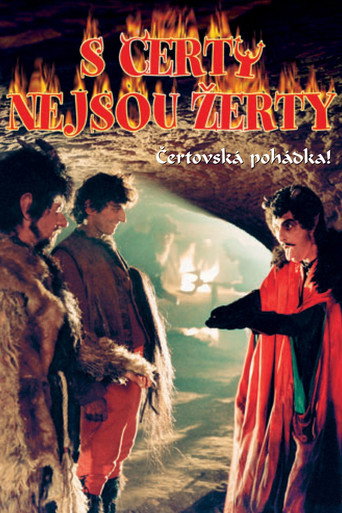 7.7
7.7Dorota, a bad woman married the miller, out of sheer greed drives him to death. She then took the mill away from his son Peter and threw him out of the home. Lucifer, who is known to rule in hell, sends out the devil Janek. He is supposed to fetch Dorota because the measure of her earthly sins is overflowing. But the devil himself can not handle this evil woman and flees to the military. There he meets Peter. By joining forces, they finally succeed in transporting the wicked Dorota to hell. Since then hell is hell. But for Peter, who is suddenly in possession of a magic mantle, begins a nice time, because strangely, the prince shows great interest in him.
Give the Devil His Due
1985
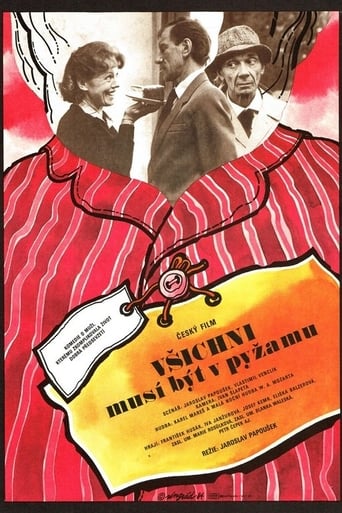 8.0
8.0The hero, rushing from one misfortune to another, is former accountant Řehoř Maršíček, who after a heart attack, out of fear of death, decides to live a calm, moderate life and follow the principles of a healthy lifestyle. Not to smoke, not to drink, to exercise and eat healthily. He takes up the position of an auditor of patients and hopes that he will have peace in his new job. Instead, he experiences one nervous breakdown after another. He gradually makes one good resolution after another. Řehoř falls into unhealthy food, alcohol and women. In addition, he gradually loses most of his life's certainties, including a roof over his head. The result is a second heart attack, after which the hero promises himself again that he will fix everything and live a healthy life.
Všichni musí být v pyžamu
1985
No synopsis available yet.
Gobseck
1985
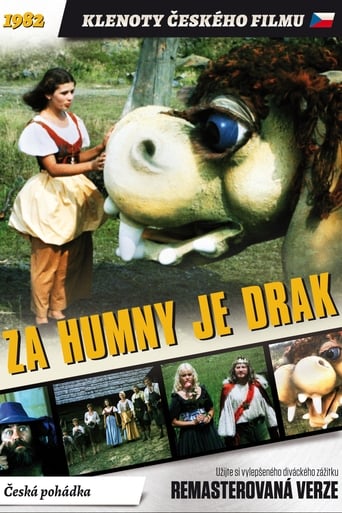 6.8
6.8In one royal forest, where coal miner Patočka lives and works, the friendly dragon Mrak settles down. The king's lackeys come across him while hunting and, terrified, go to sell the news to the king. He is currently organizing his daughter Viola's birthday party. The hunters describe the dragon in terrifying colors, and so the king concludes that the dragon will, according to tradition, want the king's daughter. So he announces a reward for killing the dragon, but no one wants to fight him. The only one who applies is the princess's favorite, the lutenist Marian, but the king does not like him, so he throws him out. Her brother Jan wants to save the princess, but the king doesn't want to allow it...
There is a Dragon Behind Humny
1983
No synopsis available yet.
O rybáři a rybce
1986
1970s · 17 titles
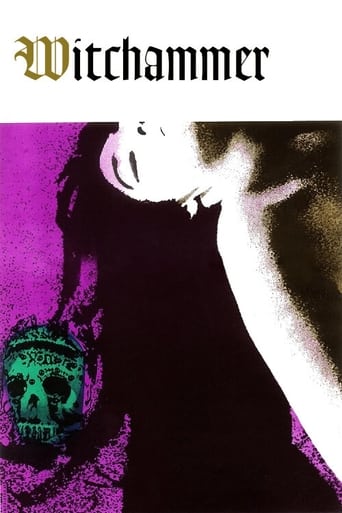 7.6
7.6In the 1600s, an overzealous clergy hauls innocent women in front of tribunals, forces them to confess to imaginary witchery, and engages in brutal torture and persecution of their subjects.
Witchhammer
1970
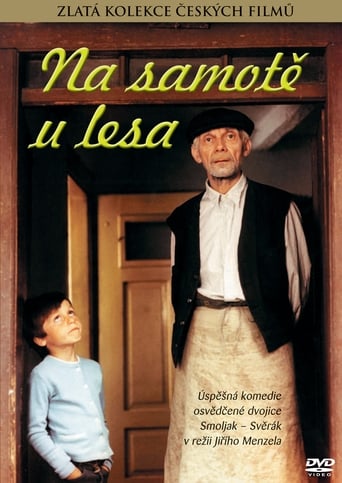 7.4
7.4The Lavicka's, a Czech family from the city, rents a house in the country with the option to buy. However, old Mr Komarek seems reluctant to sell the house as they agreed.
Secluded, Near Woods
1976
 5.9
5.9This futuristic science fiction comedy features an atomic bomb blast that causes women to grow beards and lose the ability to have children. A summit meeting is held at the United Nations, with the proposed solution of building a time machine. The decision is made to travel back in time and murder Einstein, with the hopeful result being that without the noted mathematician's research there will be no atomic bombs.
I Killed Einstein, Gentlemen
1970
 6.4
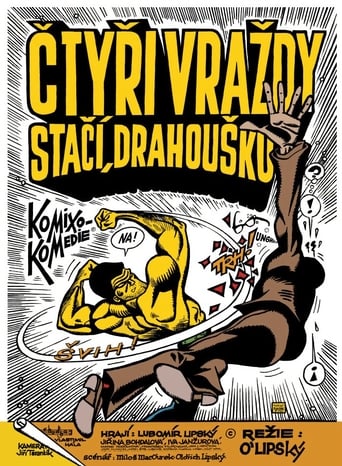
6.4Two criminal gangs are ruthlessly fighting for a 1-million dollar check that, purely by chance, got into the flat of shy high school teacher George Camel. As the number of victims sharply increases, Camel is mistakenly regarded as a mass murderer and cunningly uses his horrifying reputation to get the respect and heart of his beloved Sabrina, a journalist from a local newspaper. But this game turns out to be risky and in the end, both gangs don't hesitate to seize the check at all costs, including an improvised operation
Four Murders Are Enough, Darling
1971
No synopsis available yet.
Nová metoda malíře Smithe
1974
 6.5
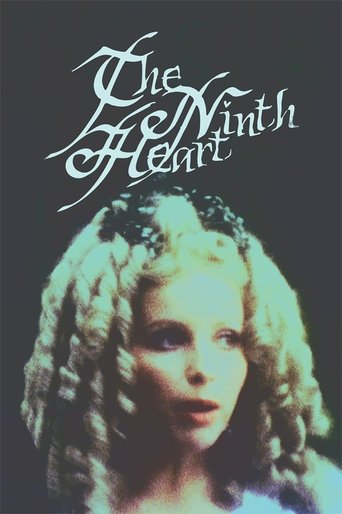
6.5Martin, a poor student, volunteers to go on a quest to find a cure for the princess Adriana, who is stricken with a strange illness. Unknown to Martin or anyone else, the princess is actually under the spell of the powerful magician Andlobrandini, who is preparing a rejuvenating elixir made from the blood of nine men's hearts.
The Ninth Heart
1979
No synopsis available yet.
Měsíční kámen
1975
 6.5
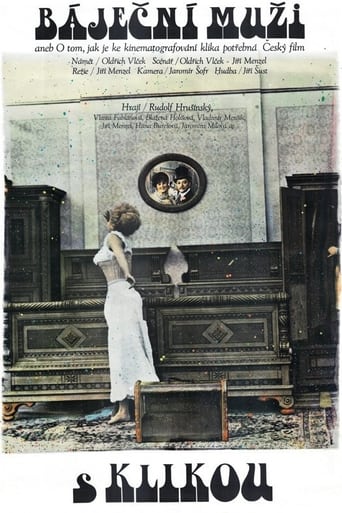
6.5Returning home to Prague, the magician Pasparte, an owner of a circus caravan, meets his dying colleague who entrusts his beautiful daughter Aloisie to his care. In Prague they all take up their lodgings at the house At Blue Fish in which they intend to arrange the programs. The firm is owned by widow Evzenie with whom Pasparte shares flat and bed. Evzenie is jealous of Aloisie therefore Pasparte sends Aloisie as a housewife to the single man Jakub Kolenatý who earns his living by photographing and wants to record the revived pictures of Prague. Pasparte wants to found in Prague the first permanent Czech movie theatre in which there would be projected also the original Czech films.
Those Wonderful Movie Cranks
1979
 5.2
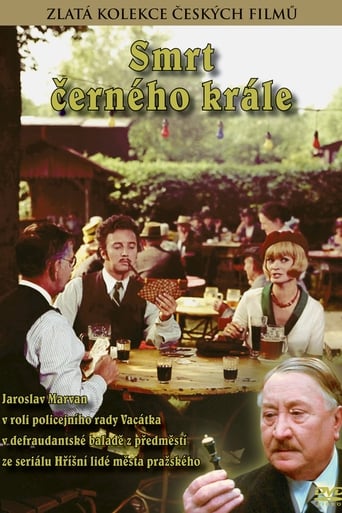
5.2Prague in the 1930s. A young, pretty girl gets on a crowded tram. She immediately catches the attention of a young man who not only appreciates the girl's charm, but also tries to steal her handbag discreetly. And so we meet one of the main characters of the film, a swindler, pickpocket and generally strange being Josef Kořínek alias Pépi. In addition to him, the story is populated by other characters from the Prague outskirts. Of course, the film also features the shrewd councilman Vacátko and his inseparable investigators Brůžek and Bouše. They have a sad duty - to track down the murderer of the collector Krále, who was found dead and who lost a sum of money on the way from the bank that could interest many people from his surroundings...
The Death of Black King
1972
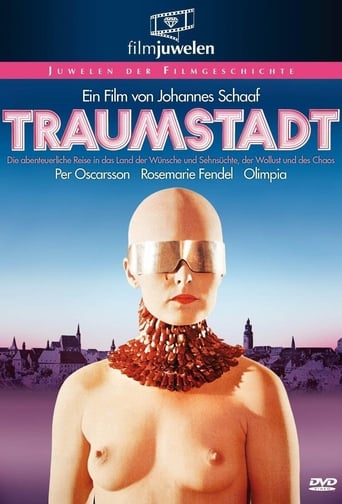 6.1
6.1A married couple of artists move to a utopian town known for its absolute freedom, but behind the surface perversion and violence are spreading.
Dream City
1973
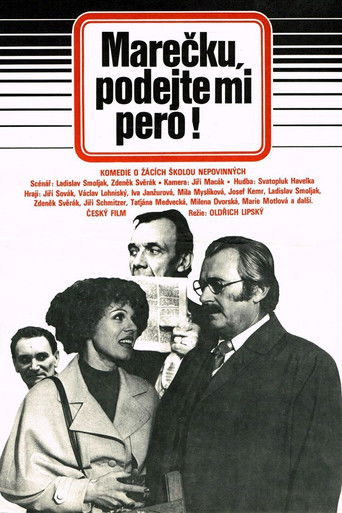 7.8
7.8This comedy is about one average family. The father works as master in the factory and his son is studying on high school. One day father must start to visit the evening school. It's the same school as his son visiting. The lives both students are connecting together. The son must teach the math and physics his own father. The father getting to know, that the life of the students is not simple as he supposed.
Marecek, Pass Me the Pen!
1976
It's a weekend morning and the grandfather is preparing a fried dish from freshly picked mushrooms. His grandson Ondra is looking forward to it, but his daughter-in-law Olinka declares that the mushrooms are poisonous and that the grandfather wants to poison them. The offended grandfather gives the fried dish to the dog and goes to the pub. In the meantime, the father returns with the shopping and unpleasant news, and in the afternoon, relatives come to visit. They confirm that the mushrooms are not poisonous at all, so the wife fries them for lunch. The relatives enjoy themselves, but then Ondra returns from the pub with tragic news: the dog Pardál is dead. Panic breaks out...
Jezevec
1976
No synopsis available yet.
Zdravá vdova 29/169
1972
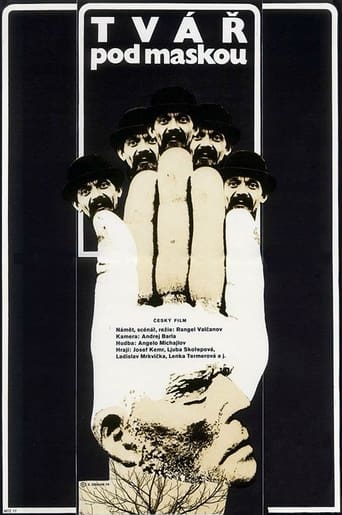 8.0
8.0The photographer and his wife, a former beauty queen, make a living casting death masks. But their obsession goes so far that they decide to cast the face of a living person.
Tvář pod maskou
1971
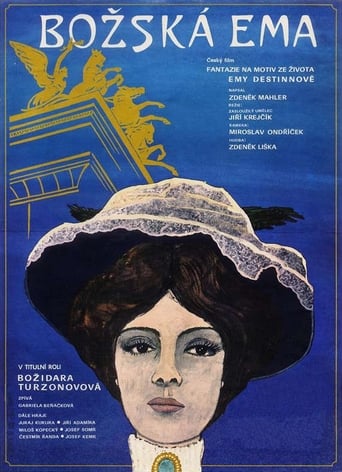 6.2
6.2The opera lady singer Ema Destinnová is in all her splendor at the American stages. But in Europe there rages war and she decides to return home to Bohemia.
The Divine Emma
1979
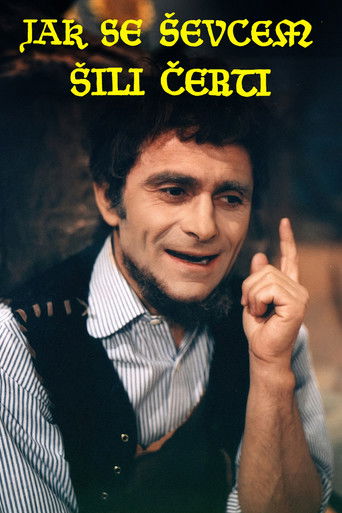 9.0
9.0Shoemaker Číč is a skilled craftsman, but a great mischievous and riddle-teller. Such that he tricks not only the king, but also Lucifer himself. He earns fame and wealth by doing so, but he hurts his poor neighbor Karafiátek. But still, a bad conscience begins to gnaw at him. He returns to hell and this time his own fate is at stake. Whether he lost to the devil or won over him, you will only find out from the cheerful fairy tale.
Jak se ševcem šili čerti
1976
No synopsis available yet.
Venca
1972
1960s · 11 titles
7.8In 1930s Prague, a Czech cremator who firmly believes cremation relieves one from earthly suffering is drawn inexorably to Nazism.
The Cremator
1969
 7.8
7.8Mikolás and his brother Adam end up with a young German hostage of noble blood during a robbery. While their clan prepares for the wrath of the German king, Mikolás is sent to pressure his neighbor Lazar into a defense pact. Persuasion fails and he abducts Lazar's daughter Marketa on the eve of her initiation as a nun in an act of vengeance.
Marketa Lazarová
1967
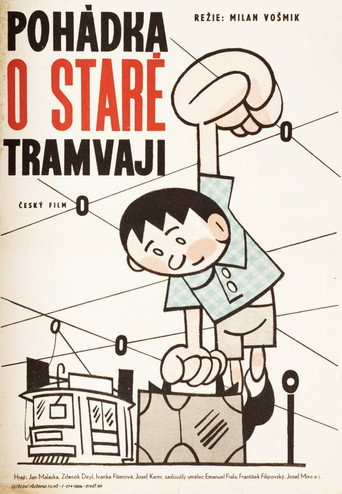 7.0
7.0Frantík arrives in Prague for the holidays and discovers an abandoned tram named Terezka. With local children, he secretly paints and hides it to prevent scrapping, then organizes a scrap-metal collection to raise funds for its restoration.
Pohádka o staré tramvaji
1962
 6.0
6.0Working on the hops fields gathering hops for beer, Filip catches a glimpse of fellow worker/comrade Hanka and falls for her. Trying to keep their love secret from the field owners,fellow worker Honza becomes jealous of Filip having a romance with Hanka, which leads to Honza deciding that he will feed the hop field owners Hanka and Filip's secret romantic hops.
The Hop-Pickers
1964
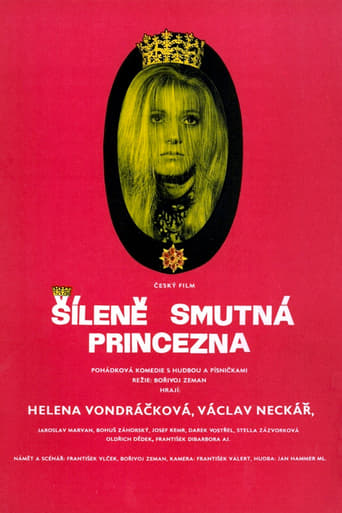 7.5
7.5Like a fairy tale, King Henry and King Good-thought decided long ago that their only children should marry and so prevent war arising between their kingdoms ever again. But the young prince is wary of marrying anyone he doesn’t know.
The Terribly Sad Princess
1968
No synopsis available yet.
Tvrdohlavá žena a zamilovaný školní mládenec
1962
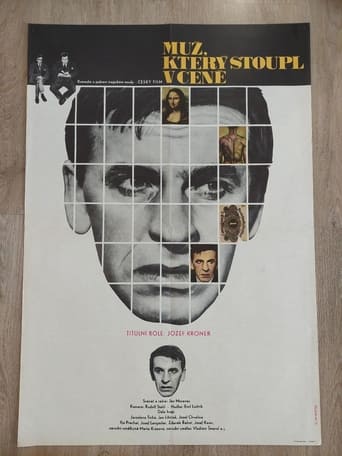 9.0
9.0Mr. Benda, a married father of two children, works for a company that liquidates old banknotes. After one drunken party, he is visited by a painter who tattooed his back in drunkenness the previous night. The image tattooed on Benda’s back is considered the painter’s best work by the professionals.
A Man Who Rose in Price
1968
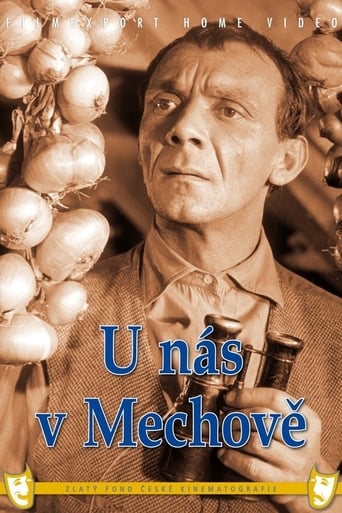 5.8
5.8A rumour that a large holiday resort is supposedly being built on the banks of the local pond causes confusion among the villagers.
U nás v Mechově
1960
No synopsis available yet.
Zločin lorda Savila
1968
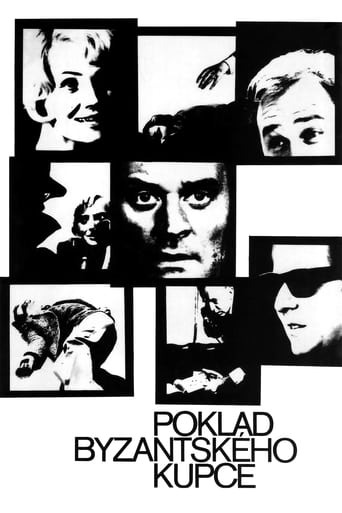 6.6
6.6A detective story revolving around an ancient treasure from the ninth century, believed to have been destroyed during World War II, takes place in an archaeological environment. Its main character is, alongside Captain Exner, who is investigating a strange murder committed on the premises of a scientific institute, a young student at the Academy of Sciences and Arts of the Slovak Republic, Kamila Housková, who discovers that the treasure was not destroyed, but most likely stolen. The bright girl continues her search for the treasure against Captain Exner's will and leads the investigators to a trail that proves the connection between the lost treasure and the murdered woman...
Poklad byzantského kupce
1967
No synopsis available yet.
Lysistrata
1965
1950s · 12 titles
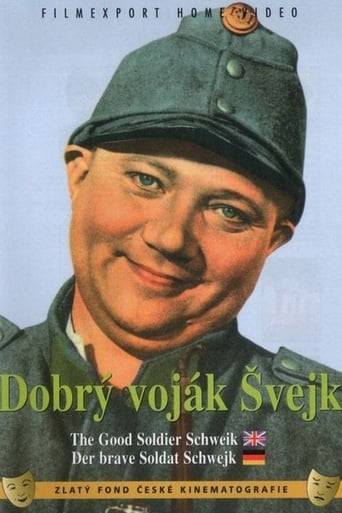 7.5
7.5Good-natured and garrulous, Schweik becomes the Austrian army's most loyal Czech soldier when he is called up on the outbreak of World War I -- although his bumbling attempts to get to the front serve only to prevent him from reaching it. Playing cards and getting drunk, he uses all his cunning and genial subterfuge to deal with the police, clergy, and officers who chivy him toward battle.
The Good Soldier Švejk
1957
 7.0
7.0The Emperor's mismanagement of his country is provoking some in his court to plot to overthrow him. He feels successful, at least, when he discovers the legendary Golem, which he believes can protect him and even cure his imaginary illnesses but, when he disappears while on a bender, his kindly baker, who looks just like him, is mistaken for him, and begins to put things in order. However, the conspirators, not to be outdone, determine to bring the Golem back to life to do their bidding.
The Emperor and the Golem
1951
No synopsis available yet.
Co si kdo uvaří...
1954
No synopsis available yet.
Sen
1956
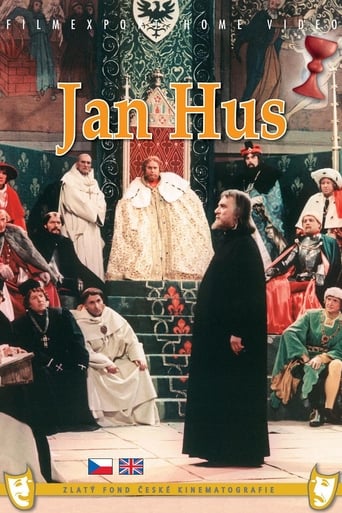 6.3
6.3The first part of the "Hussite Revolutionary Trilogy", completed with Jan Žižka (1955) and Proti všem (Against All Odds, 1957). The film captures the period from May 1412 to the summer of 1415, a turbulent time in the Czech Kingdom, during which there were protests in Prague against the sale of "omnipotent indulgences" whose sale throughout the kingdom was announced by Pope John XXIII. The ideological leader of this movement is the preacher Master Jan Hus, whose words, calling for the elimination of church abuses, are listened to in the Bethlehem Chapel by thousands of ordinary Praguers, Czech lords and Queen Sophie, wife of the Czech King Wenceslas IV.
Jan Hus
1955
 5.9
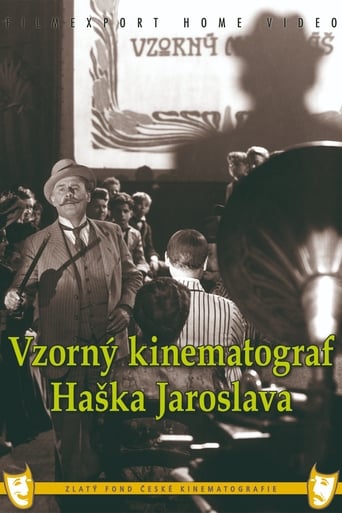
5.9Jaroslav Hašek screens four film stories in the fairground shed around 1900. After period advertising slides and a "newspaper", we see "the first part of a sensational, exemplary, parfuss, salon program - a film from the life of school-age children, shot under very difficult circumstances". The plot of this film takes place partly in a school classroom and partly in a gymnasium toilet, where the primate Chocholka took refuge from a Latin composition. "Exemplary Family Happiness" is the second film that takes the viewer into the family of the municipal official Honzátek, in which many stormy scenes occurred when the hamster, provided by Honzátek Jr., moved into the sofa - a wedding gift from Sister Ema. Equally surprising are two other stories, one of which tells about the "father of the poor", the owner of a company with unrecoverable cash flow and a famous patron, and the other about the fateful consequences of a joint trip between the old bachelor Mr. Hanzlíček and his neighbors.
Jaroslav Hasek's Exemplary Cinematograph
1956
 7.3
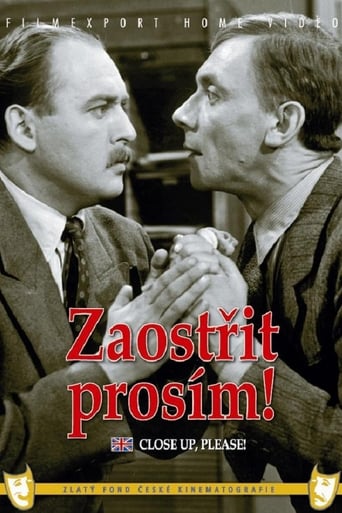
7.3A Czech satirical comedy, filmed according to a script by the State Prize laureate Jiří Marek based on several of his satirical short stories. The film contains three stories, the first of which mocks careerism, the second takes aim at the inadequate attitude of some of our literary critics, and the final story is a satirical picture of how irresponsible construction work is still done in some parts of our country.
Zaostřit prosím!
1956
 7.5
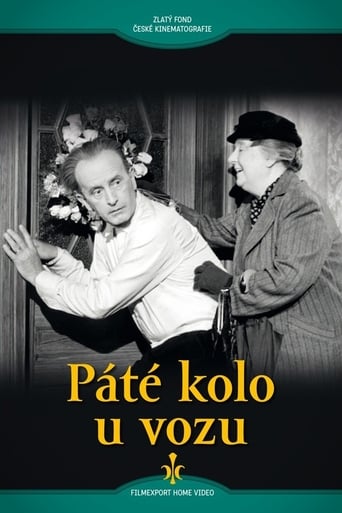
7.5Although the emancipated editor of a women's magazine proclaims that grandparents in particular should not be abused by their adult children, she accepts without scruple the fact that her mother, still a sprightly pensioner, works in her household as a jack-of-all-trades without receiving not only any pay but also no recognition. However, the grandmother learns from an article written by her daughter - and rebels.
Páté kolo u vozu
1958
A woman wearing hair rollers shuffles around a messy flat listening to the radio. The host advises women to try to maintain their loving relationships with their husbands. She advises them to be kind since their spouses are tired from work, and to always look their best. The woman decides to take action...
Instruction
1957
A socialist drama from the time of the February coup. The owner of the brickyard will use several workers before February in order to subvert worker solidarity and continue to do his black business. However, the vigilance of a young, aware worker prevents him from doing so.
Dva ohně
1950
 5.0
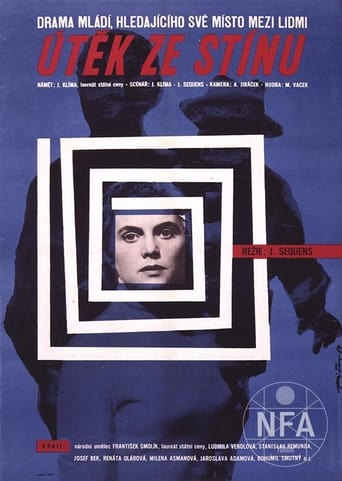
5.0This exemplary "psychological drama" depicts the difficulties with which a new socialist mindset is born. Director Jiří Sequens warns against ill-advised marriages into the families of the defeated bourgeoisie, because the former royalty refuses to accept a man from a different social class. The heroes of this film will find out. The former owner of a pharmacy refuses to accept that his daughter has married a mere technical draughtsman. However, her father's hateful schemes cause the sensitive woman to attempt suicide.
Escape from the Shadows
1959
No synopsis available yet.
Number 93 will not return
1958
1940s · 8 titles
 5.6
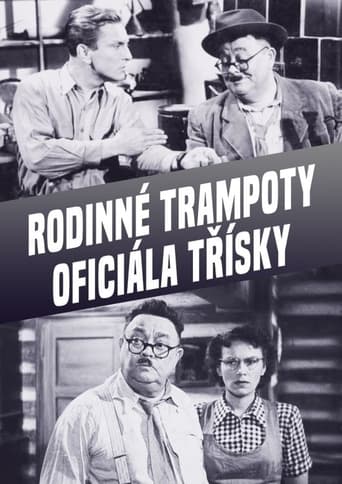
5.6The plump, punctual and slightly despotic Mr. Tříška worked as a housing officer, which completely damaged his psychological resilience, he is short-tempered and easily angered. The intended rest in the countryside, where he went with his whole family, however, turns out completely differently than he expected - because all the hardworking hands join together to ensure the fastest possible completion of the agricultural work, and there is also time left for his singing interests. And the main character is finally so carried away by the new environment that he eagerly joins in.
Rodinné trampoty oficiála Tříšky
1949
 7.5
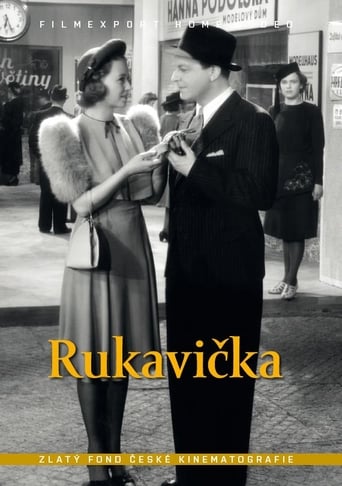
7.5A lost lady's glove that connects several human destinies. The focus here is not on the lost part of the wardrobe, but on piano virtuoso Arne Brant, a man armed with a charming smile and surrounded by women, two of whom have particularly influenced his life. The first is the daughter of a famous can-can star, dancer Pavlína Doré-Zejdová, the second is Mařenka Berková, the main character of the film and a kind of Kristián in skirts. An orderly and well-bred daughter from an honorable family who lives her second life as a lady of high society. The lost glove complicates the situation for all of them considerably, but in the end she finds her rightful place, just like the heroes of the film...
Rukavička
1941
 8.5
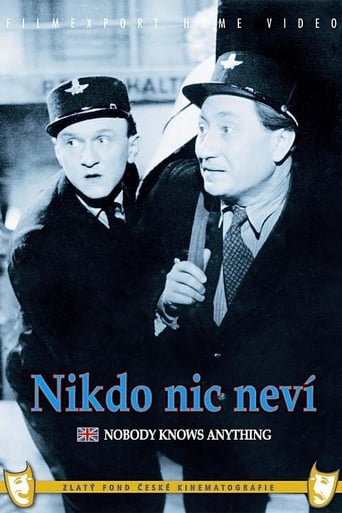
8.5Martin Plechatý and Petr Nový roam occupied Prague with their trams. Times are hard and sometimes survival is not easy - especially when, in an attempt to help a threatened (and charming) neighbor, you get involved with an SS man, hit him on the head and kill him. At least that's how the two friends explained the situation to each other when their opponent collapsed to the ground. What to do with the body now? An endless anabasis begins, in which even a baby stroller comes into play...
Nobody Knows Anything
1947
 8.0
8.0No synopsis available yet.
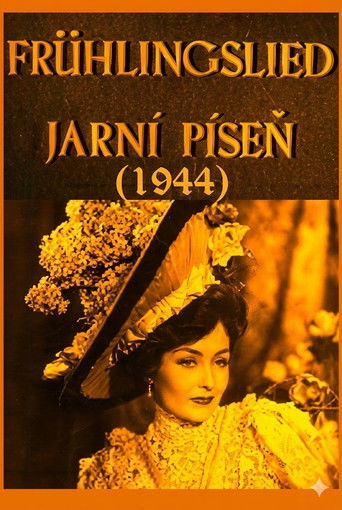
Jarní píseň
1944
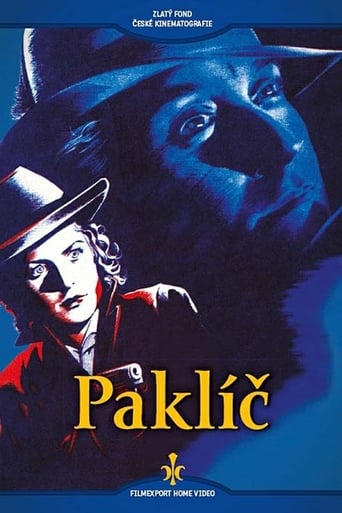 6.0
6.0Successful writer Gabriel Anděl still loves his wife Lola very much, but he can't stand the way she is always getting involved in his work, so he decides to divorce her. Just as he is about to move into his country villa, a police inspector appears on the scene with a warning that some crooks are planning to sell the house in question to a rich Czech-American. Anděl and the inspector immediately drive there and indeed find a gang of criminals disguised as servants. However, these are far from the only crooks involved in this complicated case. Before the crazy night is over, Gabriel and Lola will have many more surprises and complicated situations...
Paklíc
1944
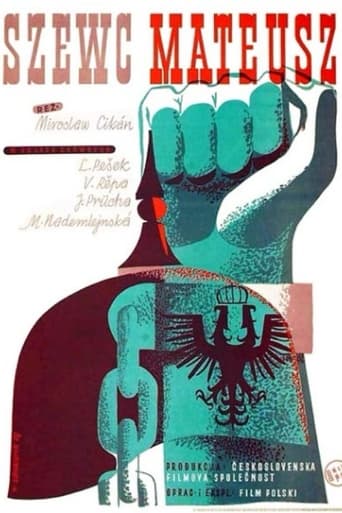 5.0
5.0The revolutionary year of 1848 brought great hopes among the hitherto silent classes, awakening social and national hopes. The response also penetrated the remote countryside, even as far as the Podkrkonoše Mountains. The young shoemaker there began to take an interest in social and political events, and he also experienced disappointment in later developments.
O ševci Matoušovi
1948
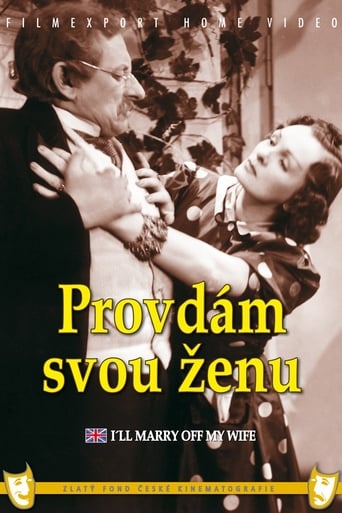 7.8
7.8The film is about a slightly crazy botany professor Ducánek, who is so busy with his scientific experiments that he has completely forgotten that he is married. Neither his housekeeper Veronika nor his friend Potužník knew about the existence of his capricious wife, the operetta diva Lucy. However, when his wife returns home after seven years in remorse, Ducánek takes a complicated action to elegantly get rid of his wife...
I‘ll Marry Off My Wife
1941
No synopsis available yet.
The Musician
1948
Series credits
7.0No synopsis available yet.
Bakaláři
1972
7.3Thirty Cases of Major Zeman is a Czechoslovak action-drama television show intended as a political propaganda to support the official attitude of the communist party. The series were filmed in the 1970s. Each episode encompasses one year, and investigations are stylized to that year. Most are inspired by real cases. The series follows the life of police investigator Jan Zeman during his career from 1945 to 1975.
Thirty Cases of Major Zema
1976
7.1Pan Tau always had a gentle expression and a friendly smile, he was elegantly dressed in a stroller, with an umbrella and a white carnation in the lapel. Foremost, he was famous for his magic bowler hat. By tapping on his hat, Pan Tau was able to change his appearance into a puppet, to conjure up miscellaneous objects or to do other magic. His most characteristically behavior is that he would help children who were experiencing some sort of difficulties in-between their dreams and reality, like finding a place for skiing, settling family problems on Christmas, and even give a boy a good time at a fair when he is supposed to have piano lessons. To adults, he usually remained invisible.
Pan Tau
1970
7.7No synopsis available yet.
Zirkus Humberto
1988
No synopsis available yet.
Úsměvy světa
1969
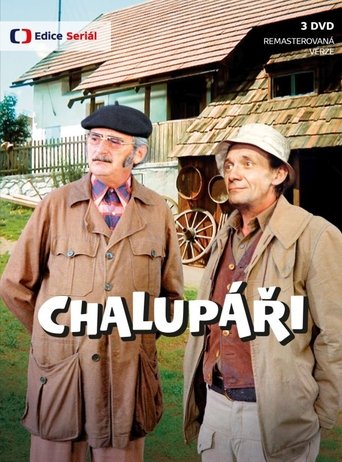 8.0
8.0Chalupáři is a Czechoslovak comedy TV series filmed in 1974 and 1975 by František Filip.
Chalupáři
1975
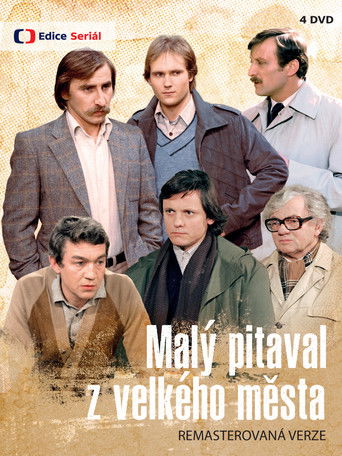 7.3
7.3No synopsis available yet.
Malý pitaval z velkého města
1983
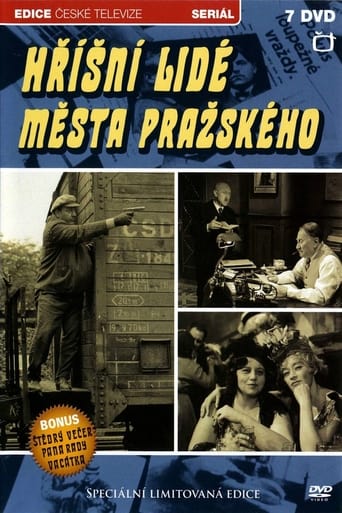 8.0
8.0No synopsis available yet.
Hříšní lidé města pražského
1969
No synopsis available yet.
Bližní na tapetě
1970
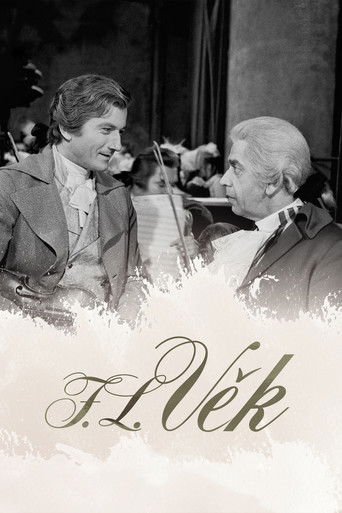 7.0
7.0No synopsis available yet.
F. L. Věk
1971
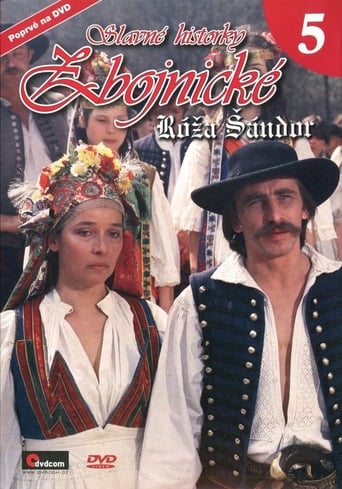 7.8
7.8No synopsis available yet.
Slavné historky zbojnické
1986
 8.8
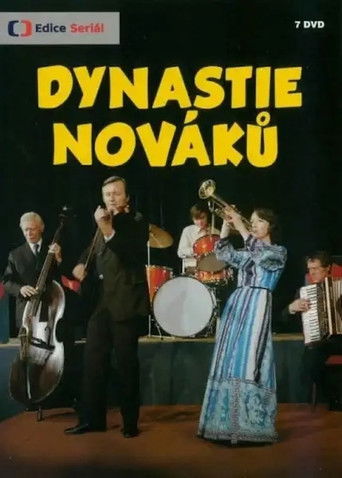
8.8No synopsis available yet.
Dynastie Nováků
1982
 7.0
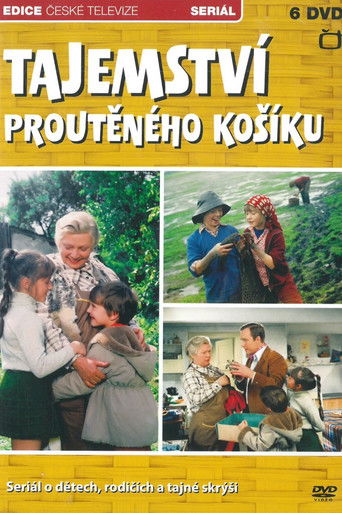
7.0Klárka lives with her younger brother and her grandmother in a village. She keeps a special diary of everything she and her friends experience...
The Secret of the Wicker Basket
1978
 NR
NRNo synopsis available yet.
Povídky malostranské
1984
 8.1
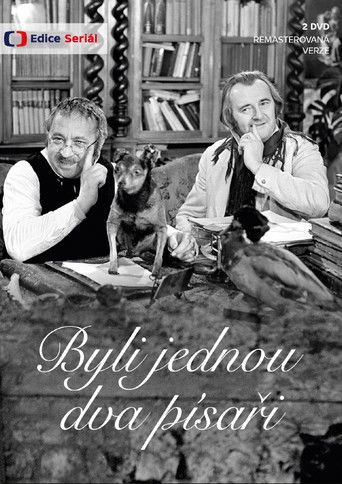
8.1No synopsis available yet.
Byli jednou dva písaři...
1973
No synopsis available yet.
Rodina Bláhova
1959
 NR
NRNo synopsis available yet.
Eliška a její rod
1966
 8.5
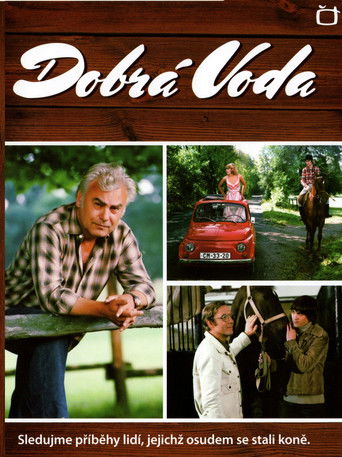
8.5No synopsis available yet.
Dobrá Voda
1983
No synopsis available yet.
Duhový luk
1973
 NR
NRNo synopsis available yet.
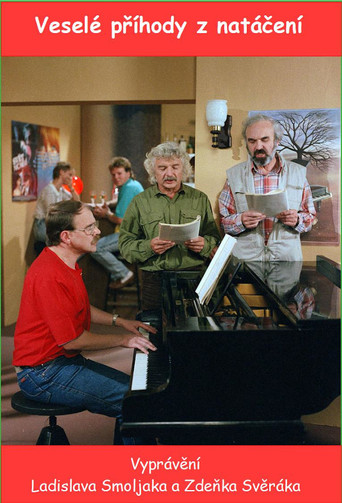
Veselé příhody z natáčení
1988
No synopsis available yet.
Pinocchiova dobrodružství
1967
 8.5
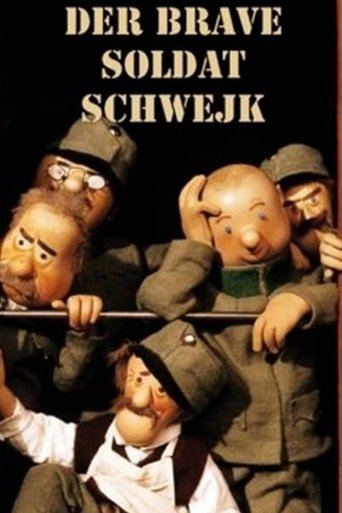
8.5Látal's nine-part puppet series completes Trnka's thirty-year-old work on Švejk. He thus completed the adaptation of Jaroslav Hašek's most famous literary work, a tragicomic satire about the wartime adventures of the eccentric Josef Švejk, in a puppet version based on Lada's artistic style.
The Good Soldier Schweik
1986
No synopsis available yet.
Pomalé šípy
1993
No synopsis available yet.
Cesta do hlubin kočičí duše
1989