
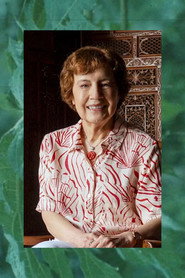
Directing
Mónica Vásquez
Born
1949-03-30 (77)
Place of birth
Quito, Ecuador
Known for
Directing
Credits
14 titles
Known for
 NR
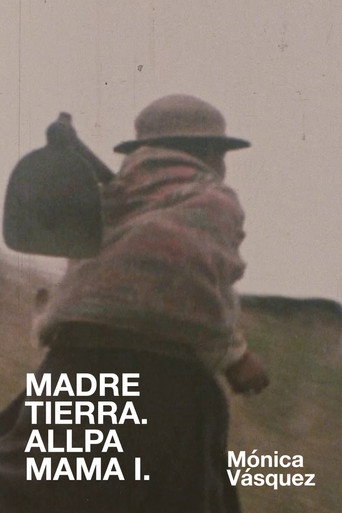
Mónica Vásquez’s debut film focuses on the Indigenous communities of the Ecuadorian páramo and their struggle against the erosion threatening their lands. The film documents efforts to revive traditional agricultural practices, such as Inca farming terraces, alongside the adoption of new conservation techniques, in a defense of both a territory and a way of life against the human and environmental threats surrounding them.
Madre Tierra. Allpa Mama I
1984
 NR
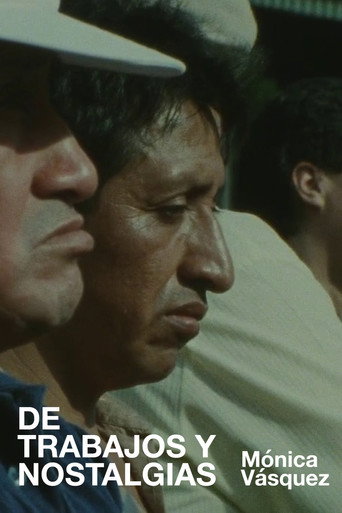
Shot in New York, home at the time for over 400.000 ecuadorians, most of rural origin. Amidst a forced exodus that for the majority offered no return, the notion of "being ecuadorian" is reproduced as an attempt to avoid getting lost in anonymity.
On Jobs and Nostalgia
1991
 NR
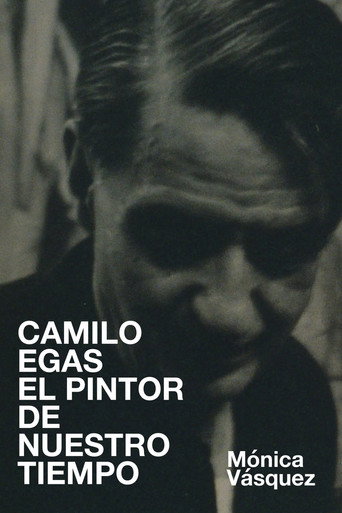
Through multiple artistic phases of the tireless creative, Camilo Egas, the documentary pays tribute to the painter and his time.
Camilo Egas, A Painter of Our Time
1983
 NR
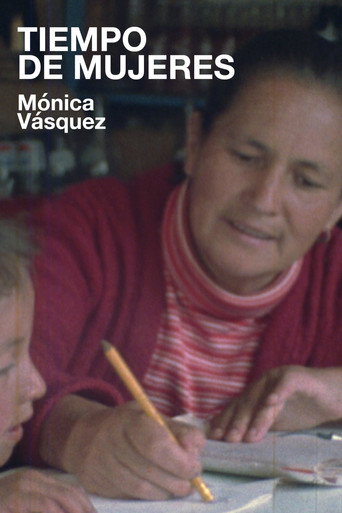
Santa Rosa, a small town in Cuenca, is inhabited almost exclusively by women and children. The men have emigrated to the United States. The nostalgia for the absent is permanent. However, under the leadership of the women, the community group survives by asserting its social sense, despite the poverty.
Tiempo de Mujeres
1987
 NR
Farmers of the Sierra region remain as settlers in the East, a new home, where they face the need to farm while preserving the delicate ecological system of the Amazon rainforest.
Green Dream
1988
 NR
The story of autonomous and independent lives of a group of blind individuals who weave rugs in a workshop.
La otra luz
1986
Behind the camera
NRMónica Vásquez’s debut film focuses on the Indigenous communities of the Ecuadorian páramo and their struggle against the erosion threatening their lands. The film documents efforts to revive traditional agricultural practices, such as Inca farming terraces, alongside the adoption of new conservation techniques, in a defense of both a territory and a way of life against the human and environmental threats surrounding them.
Madre Tierra. Allpa Mama I
1984
NRShot in New York, home at the time for over 400.000 ecuadorians, most of rural origin. Amidst a forced exodus that for the majority offered no return, the notion of "being ecuadorian" is reproduced as an attempt to avoid getting lost in anonymity.
On Jobs and Nostalgia
1991
NRShot in New York, home at the time for over 400.000 ecuadorians, most of rural origin. Amidst a forced exodus that for the majority offered no return, the notion of "being ecuadorian" is reproduced as an attempt to avoid getting lost in anonymity.
On Jobs and Nostalgia
1991
NRThrough multiple artistic phases of the tireless creative, Camilo Egas, the documentary pays tribute to the painter and his time.
Camilo Egas, A Painter of Our Time
1983
NRThrough multiple artistic phases of the tireless creative, Camilo Egas, the documentary pays tribute to the painter and his time.
Camilo Egas, A Painter of Our Time
1983
NRSanta Rosa, a small town in Cuenca, is inhabited almost exclusively by women and children. The men have emigrated to the United States. The nostalgia for the absent is permanent. However, under the leadership of the women, the community group survives by asserting its social sense, despite the poverty.
Tiempo de Mujeres
1987
NRFarmers of the Sierra region remain as settlers in the East, a new home, where they face the need to farm while preserving the delicate ecological system of the Amazon rainforest.
Green Dream
1988
NRFarmers of the Sierra region remain as settlers in the East, a new home, where they face the need to farm while preserving the delicate ecological system of the Amazon rainforest.
Green Dream
1988
NRThe story of autonomous and independent lives of a group of blind individuals who weave rugs in a workshop.
La otra luz
1986
NRThe story of autonomous and independent lives of a group of blind individuals who weave rugs in a workshop.
La otra luz
1986
 10.0
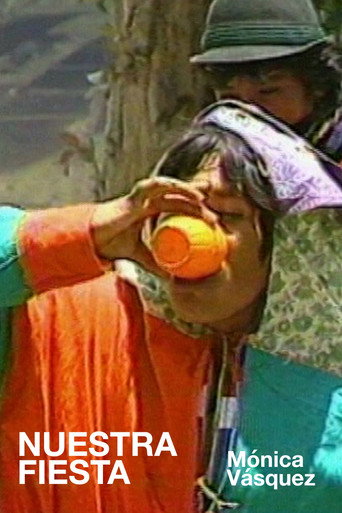
The indigenous community of Puesetus celebrates the reunion of the town with family members who migrated to Quito.
Our Party
1988
10.0The indigenous community of Puesetus celebrates the reunion of the town with family members who migrated to Quito.
Our Party
1988
 NR
Other than the fragmentation of familial and communal ties, rural-to-urban migration leads into the assimilation of the urban lifestyle. However, for those with strong indigenous cultural traditions, this only happens in the surface.
Exodus Without Absence
1985
NROther than the fragmentation of familial and communal ties, rural-to-urban migration leads into the assimilation of the urban lifestyle. However, for those with strong indigenous cultural traditions, this only happens in the surface.
Exodus Without Absence
1985