
Acting
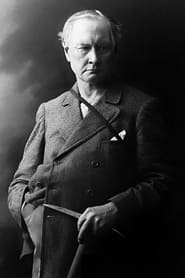
Edward Whymper
Born — Died
1840-04-27 — 1911-09-16
Place of birth
City of London, London, England, UK
Known for
Acting
Credits
5 titles
Edward Whymper was a British mountaineer and illustrator, born April 27, 1840 in London and died September 16, 1911 in Chamonix where he is buried. He is best known for being part of the tragic expedition that first conquered the Matterhorn on July 14, 1865, and for the peaks and routes to which his name is attributed. He received training as a draftsman and engraver. He discovers the Alps on the occasion of a commitment to make illustrations. Among his most remarkable first ascents were the Barre des Écrins in the Écrins massif in 1864, and in 1865 the Aiguille Verte in the Mont-Blanc massif and especially the Matterhorn in the Valais Alps, a summit which had repelled many attempts . He al…
Known for
 10.0
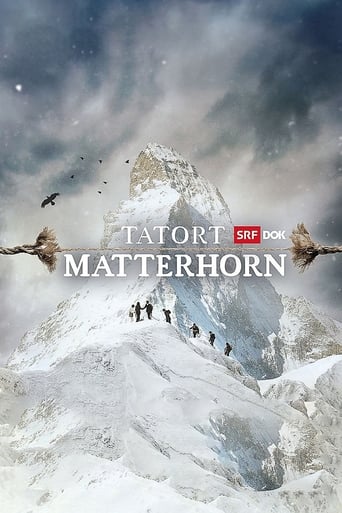
10.0The first ascent of the Matterhorn was made on July 14, 1865 by Edward Whymper, Francis Douglas, Charles Hudson, Douglas Hadow, Michel Croz and two guides from Zermatt, Peter Taugwalder father and son. Douglas, Hudson, Hadow and Croz are killed on the descent after Hadow slips and drags the other three men down the north face. Whymper and the two Taugwalders, who survive, are later accused of having cut the rope that connected them to the rest of the group so as not to be dragged into the fall, but the ensuing investigation finds no evidence of their guilt and they are acquitted. The Matterhorn is the last great peak in the Alps to be conquered and its ascent marks the end of the golden age of mountaineering. One hundred and fifty years later, a team undertakes the same expedition in order to unravel the mystery.
Cervin 1865, une première tragique
2015
 8.2
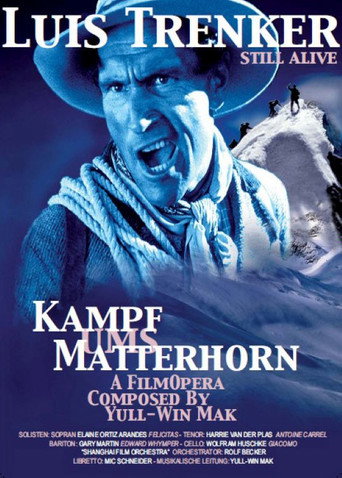
8.2Struggle for the Matterhorn (German: Der Kampf ums Matterhorn) is a 1928 German-Swiss silent drama film co-directed by Mario Bonnard and Nunzio Malasomma and starring Luis Trenker, Marcella Albani, and Alexandra Schmitt. The film is part of the popular cycle of mountain films of the 1920s and 1930s. Art direction was by Heinrich Richter. Based on a novel by Carl Haensel, the film depicts the battle between British and Italian climbers to be the first to climb the Matterhorn. Trenker later remade the film as The Challenge in 1938.
The Fight for the Matterhorn
1928
 8.7
8.7No synopsis available yet.
Cervino - La montagna del mondo
2015
 10.0
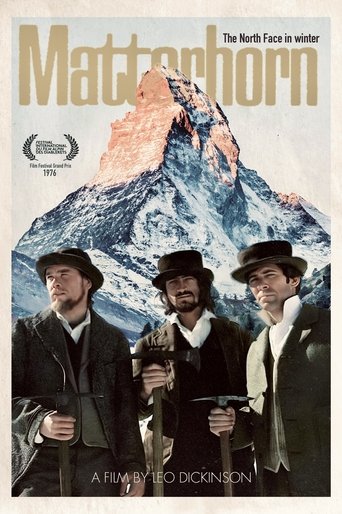
10.0The first filmed winter ascent of the north face of the Matterhorn. To set the scene, the tragic story of Edward Whymper's first ascent is skillfully pieced together. The modern expedition, a team of three British climbers, is also plagued with epics: Eric Jones is hit by an avalanche and can only come to a dangerous stop at the edge of a 1000 foot drop. Then the worst storm ever recorded in Zermatt hits the Matterhorn. With time and weather against them, the team is forced to climb in the dark as thunderstorms rumble around them. This adventure captures the skill and courage of the climbers, their agony and tension, and the beauty of the assault on this spectacular mountain. Grand Prize at the Les Diablerets festival (Switzerland) in 1976.
Matterhorn - The North Face In Winter
1976
 10.0
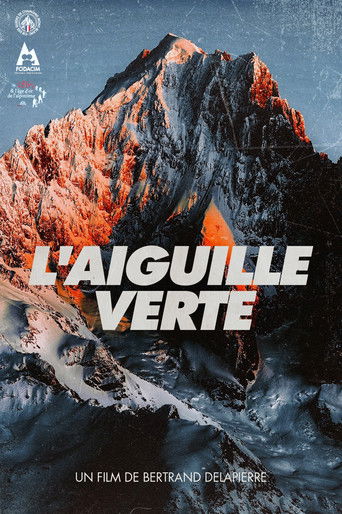
10.0On the occasion of the 150th anniversary of the first ascent of the Aiguille Verte, the Compagnie des Guides de Chamonix is producing a film retracing the major dates of this summit which is so dear to it. 'La Verte' has been the object of desire for many mountaineers for a century and a half. Big names have paraded in search of this 4122 meter summit: Edward Whymper, Michel Croz, Albert Mummery, Armand Charlet, Marco Siffredi... La Verte has had a strong impact on the history of mountaineering, inspiring Gaston Rébuffat who warned the future contenders for this summit: "Before the Verte you are a climber, in the Verte you become a mountaineer".
The Aiguille Verte
2015
Film credits
2010s · 3 titles
10.0The first ascent of the Matterhorn was made on July 14, 1865 by Edward Whymper, Francis Douglas, Charles Hudson, Douglas Hadow, Michel Croz and two guides from Zermatt, Peter Taugwalder father and son. Douglas, Hudson, Hadow and Croz are killed on the descent after Hadow slips and drags the other three men down the north face. Whymper and the two Taugwalders, who survive, are later accused of having cut the rope that connected them to the rest of the group so as not to be dragged into the fall, but the ensuing investigation finds no evidence of their guilt and they are acquitted. The Matterhorn is the last great peak in the Alps to be conquered and its ascent marks the end of the golden age of mountaineering. One hundred and fifty years later, a team undertakes the same expedition in order to unravel the mystery.
Cervin 1865, une première tragique
2015
8.7No synopsis available yet.
Cervino - La montagna del mondo
2015
10.0On the occasion of the 150th anniversary of the first ascent of the Aiguille Verte, the Compagnie des Guides de Chamonix is producing a film retracing the major dates of this summit which is so dear to it. 'La Verte' has been the object of desire for many mountaineers for a century and a half. Big names have paraded in search of this 4122 meter summit: Edward Whymper, Michel Croz, Albert Mummery, Armand Charlet, Marco Siffredi... La Verte has had a strong impact on the history of mountaineering, inspiring Gaston Rébuffat who warned the future contenders for this summit: "Before the Verte you are a climber, in the Verte you become a mountaineer".
The Aiguille Verte
2015