Acting
Helmut Dantine
Born — Died
1918-10-07 — 1982-05-02
Place of birth
Vienna, Austria-Hungary [now Austria]
Known for
Acting
Credits
52 titles
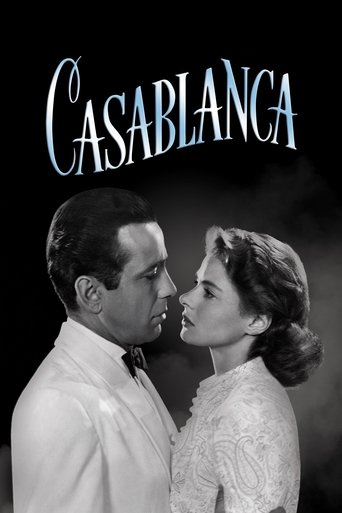
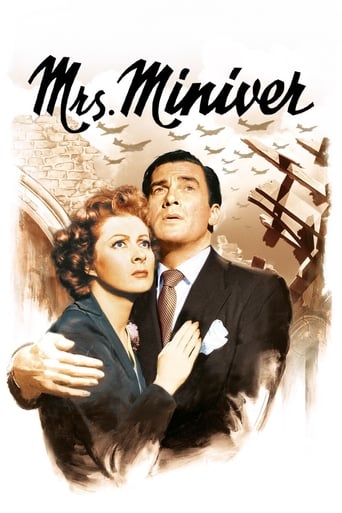
Helmut Dantine was an Austrian-American actor who often played Nazis in thriller films of the 1940s. His best-known performances are perhaps the German pilot in Mrs. Miniver, and the desperate refugee in Casablanca, who tries gambling to obtain travel visa money for himself and his wife. As his acting career waned, he turned to producing. Dantine enrolled at the University of California, Los Angeles. His relatives thought he would go into business, but he became interested in theater. He began his U.S. acting career at the Pasadena Playhouse, while running two gas stations in order to pay his expenses. Dantine was spotted by a talent scout from Warner Bros, who signed him to a contract. Da…
Known for
 5.4
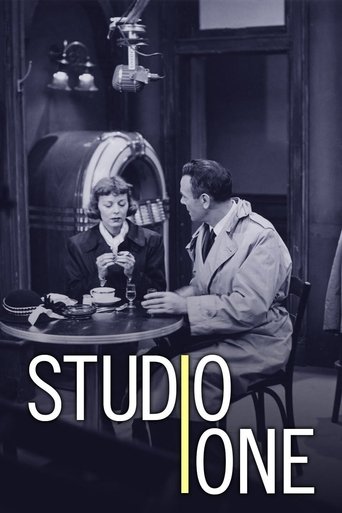
An American radio–television anthology series, created in 1947 by Canadian director Fletcher Markle, who came to CBS from the CBC. Studio One, presented by Westinghouse, was one of the first of the anthology TV programs. The episodes were often abridged remakes of movies from years gone by and many future well-known television and movie actors appeared in the productions.
Studio One
1948
 3.8
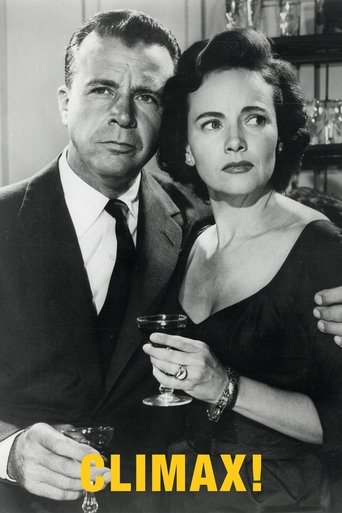
Climax! is an American anthology series that aired on CBS from 1954 to 1958. The series was hosted by William Lundigan and later co-hosted by Mary Costa. It was one of the few CBS programs of that era to be broadcast in color. Many of the episodes were performed and broadcast live.
Climax!
1954
 7.1
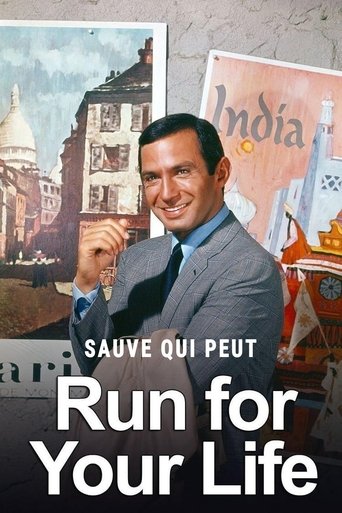
Run for Your Life is an American television drama series starring Ben Gazzara as a man with only a short time to live. It ran on NBC from 1965 to 1968. The series was created by Roy Huggins, who had previously explored the "man on the move" concept with The Fugitive.
Run for Your Life
1965
 7.8
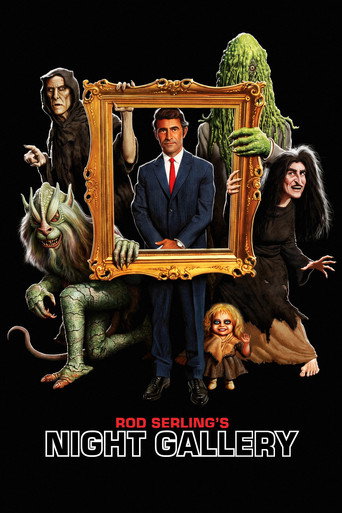
Rod Serling narrates an anthology of fantasy, horror and sci-fi stories from a set resembling a macabre museum. A chilling work of art serves as the connective link between the stories.
Night Gallery
1970
 5.1
An anthology series adapted from the radio program of the same name. Like the radio program, many scripts were adaptations of literary classics by well-known authors. Classic authors such as Edgar Allan Poe, Agatha Christie, and Charles Dickens all had stories adapted for the series, while contemporary authors such as Roald Dahl and Gore Vidal also contributed.
Suspense
1949
 6.0
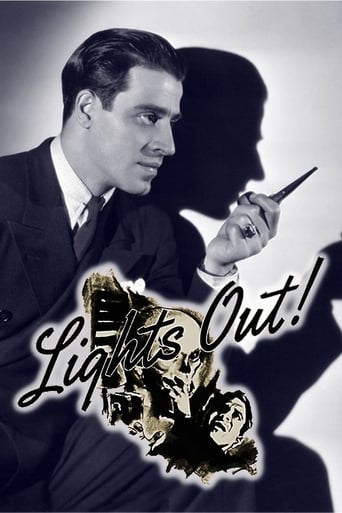
Lights Out was an extremely popular American old-time radio program, an early example of a network series devoted mostly to horror and the supernatural, predating Suspense and Inner Sanctum. Versions of Lights Out aired on different networks, at various times, from January 1934 to the summer of 1947 and the series eventually made the transition to television. In 1946, NBC Television brought Lights Out to TV in a series of four specials, broadcast live and produced by Fred Coe, who also contributed three of the scripts. NBC asked Cooper to write the script for the premiere, "First Person Singular", which is told entirely from the point of view of an unseen murderer who kills his obnoxious wife and winds up being executed. Variety gave this first episode a rave review ("undoubtedly one of the best dramatic shows yet seen on a television screen"), but Lights Out did not become a regular NBC-TV series until 1949.
Lights Out
1949
Film credits
1970s · 4 titles
 7.1
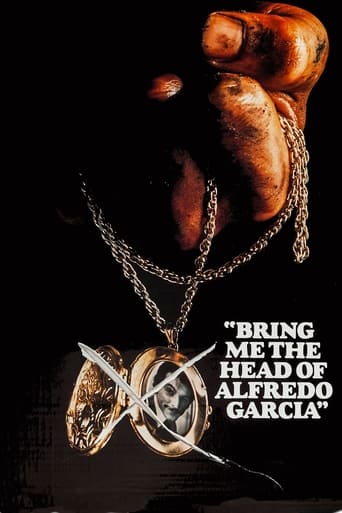
An American bartender and his prostitute girlfriend go on a road trip through the Mexican underworld to collect a $1 million bounty on the head of a dead gigolo.
Bring Me the Head of Alfredo Garcia
1974
 5.8
Mike Locken is one of the principal members of a group of freelance spies. A significant portion of their work is for the CIA, and while on a case for them one of his friends turns on him and shoots him in the elbow and knee. His assignment, to protect someone, goes down in flames. He is nearly crippled, but with braces is able to again become mobile. For revenge as much as anything else, Mike goes after his ex-friend.
The Killer Elite
1975
 6.3
Having spent 10 years in prison for nationalist activities, Shack Twala is finally ordered released by the South African Supreme Court but he finds himself almost immediately on the run after a run-in with the police. Assisted by his lawyer Rina Van Niekirk and visiting British engineer Jim Keogh, he heads for Capetown where he hopes to recover a stash of diamonds, meant to finance revolutionary activities, that he had entrusted to a dentist before his incarceration. Along the way, they are followed by Major Horn of the South African State security bureau and it becomes apparent that he has no intention of arresting them until they reach their final destination
The Wilby Conspiracy
1975
 4.9
King Louis XIV has without his knowledge a twin brother, Philippe, but when he is told, he immediately locks up his brother in the Bastille. The king wants to increase his popularity and stages an assassination against himself where Philippe is dressed as king Louis. But Philippe manages to escape the assassination and everybody believes him to be the real king...
The Fifth Musketeer
1979
1960s · 3 titles
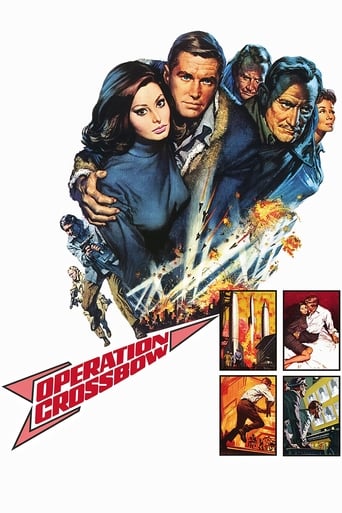 6.7
Allied agents infiltrate the Nazi rocket complex at Peenemunde in order to obtain their secrets and sabotage the plant. The film alternates between German developments of the V-1 missile and V-2 rocket (with a German cast speaking their own language) and discovery by British Intelligence of the weapon.
Operation Crossbow
1965
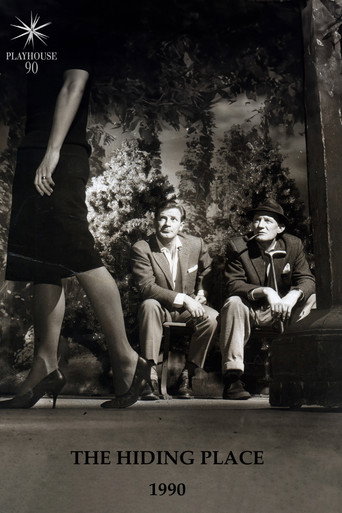 NR
In the last days of World War II, two English airmen are captured by an ordinary German citizen, who, instead of handing them over to the authorities, keeps them prisoner in his cellar, neglecting to tell them when the war ends.
Playhouse 90: The Hiding Place
1960
 8.0
A young woman finds herself engulfed in Cold War intrigue when her father, a Nobel Prize-winning author, vanishes while travelling near the Russian border. Entrusted by her father with an unfinished book he was working on before his trip, the young woman becomes engaged in a power struggle over the material with her estranged stepmother. Suspiciously befriended by a journalist in the midst of the crisis, the young woman ultimately learns that no one is to be trusted - as her father's work is of interest to the intelligence departments of several countries.
The File on Devlin
1969
1950s · 11 titles
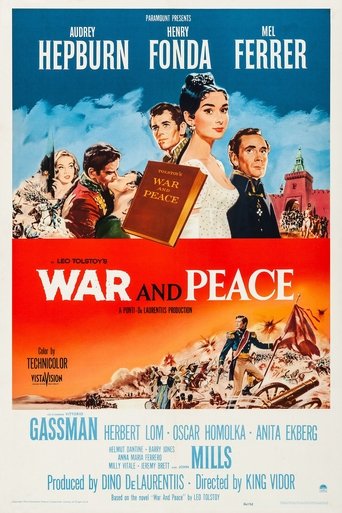 6.6
The love story of young Countess Natasha Rostova and Count Pierre Bezukhov is interwoven with the Great Patriotic War of 1812 against Napoleon's invading army.
War and Peace
1956
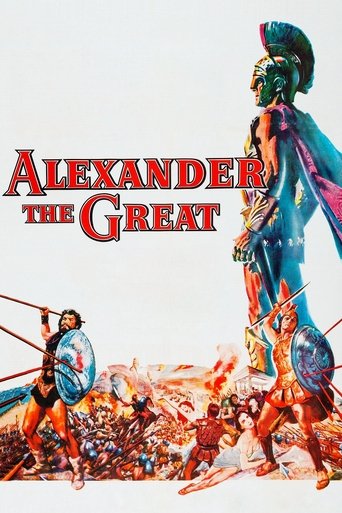 6.1
An engrossing spectacle set in the 4th-century BC, in which Alexander of Greece leads his troops forth, conquering all of the known world, in the belief that the Greek way of thinking will bring enlightenment to people. The son of the barbaric and ruthless King Philip of Macedonia, Alexander achieved glory in his short but remarkable life.
Alexander the Great
1956
 6.5
A young officer in the army of Empress Catherine of Russia is on his way to his new duty station at a remote outpost. During a blinding snowstorm he comes upon a stranger who was caught in the storm and is near death from freezing. He rescues the man and eventually brings him back to health. When the man is well enough to travel, the two part company and the man vows to repay the officer for saving his life. Soon after he arrives at his new post, a revolt by the local Cossacks breaks out and the fort is besieged by the rebels. The young officer is astonished to find out that the leader of the rebellious Cossacks is none other than the stranger whose life he had saved during the storm.
Tempest
1958
 4.4
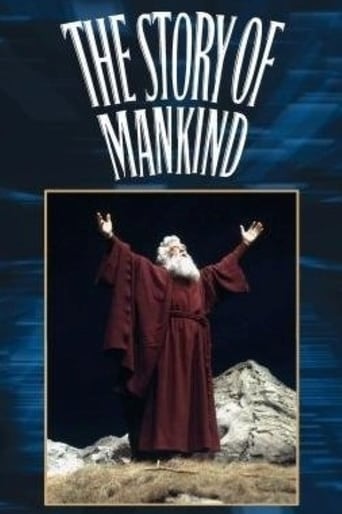
The devil and the spirit of mankind argue as to whether or not humanity is ultimately good or evil.
The Story of Mankind
1957
 6.2
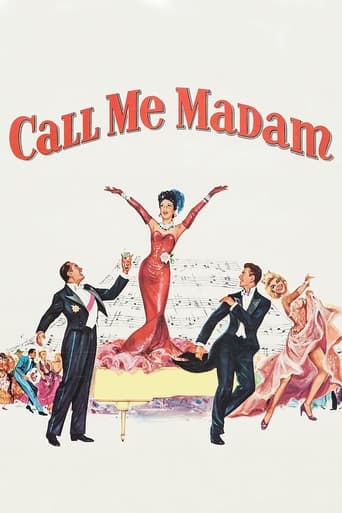
Washington hostess Sally Adams becomes a Truman-era US ambassador to a European grand duchy.
Call Me Madam
1953
 7.5
An ex-con from Devil's Island enlists the support of the governor's daughter in exposing a prison mining operation.
Hell on Devil's Island
1957
 7.5
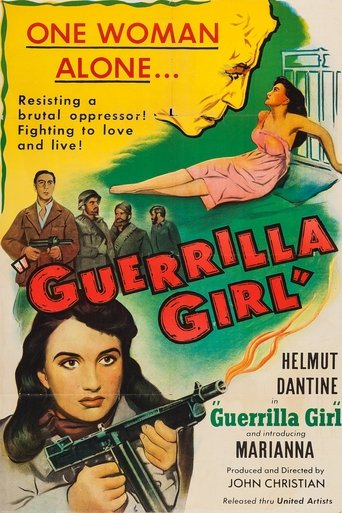
During World War II, Helmut Dantine specialized in playing villainous Nazis in Hollywood melodramas. He offers a compelling performance in a variation of these earlier roles in this suspense filled and politically loaded tale of intrigue. The story opens in German-occupied Athens during the darkest hours of the war. Civilians are not allowed on the streets after dark.
Guerrilla Girl
1953
 5.2
Stranger from Venus (a.k.a. Immediate Disaster and The Venusian) is the story of a woman who meets a stranger with no pulse who has the power of life and death at his touch. He is here from Venus to warn Earth about the atom.
Stranger from Venus
1954
 8.0
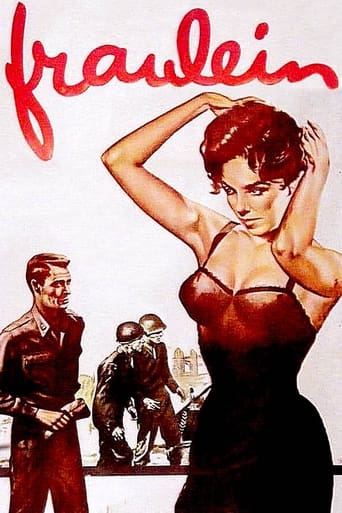
A Nazi's fiancee helps an escaped U.S. soldier, then meets him in postwar Berlin.
Fraulein
1958
 7.3
England, first half of the 19th century. Edmund Kean is a celebrated theatre actor, notorious for his tumultuous private life. He is in love with the beautiful countess Koefeld, wife of the Danish ambassador, to the consternation of his friend, the Prince of Wales. He is also hounded by Anna Damby, who wants to become an actress to escape a marriage to Lord Mewill.
Kean: Genius or Scoundrel
1957
 NR
A romance on the high seas revolving around the comely widow of a shipping magnate, and her growing love for a handsome young political prisoner who is scheduled to be put to death when the vessel reaches its destination.
Clipper Ship
1957
1940s · 16 titles
 8.1
In Casablanca, Morocco in December 1941, a cynical American expatriate meets a former lover, with unforeseen complications.
Casablanca
1943
 7.8
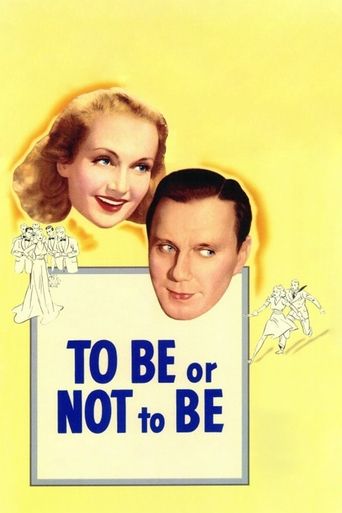
During the Nazi occupation of Poland, an acting troupe becomes embroiled in a Polish soldier's efforts to track down a German spy.
To Be or Not to Be
1942
 7.1
Middle-class housewife Kay Miniver deals with petty problems. She and her husband Clem watch her Oxford-educated son Vin court Carol Beldon, the charming granddaughter of the local nobility as represented by Lady Beldon. Then the war comes and Vin joins the RAF.
Mrs. Miniver
1942
 6.9
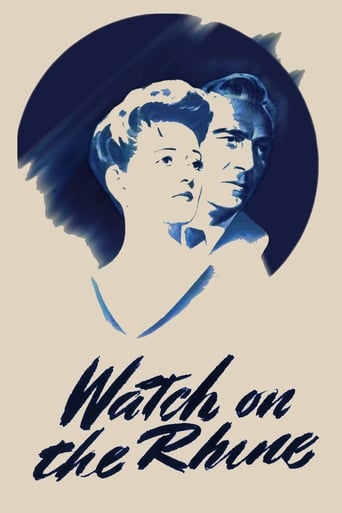
On the eve of World War II, the German Kurt Müller, his American-born wife Sara, and their three children, having lived in Europe for years, visit Sara's wealthy mother near Washington, DC. Kurt secretly works for the anti-Nazi resistance. A visiting Romanian count, becoming aware of this, seeks to blackmail him.
Watch on the Rhine
1943
 6.3
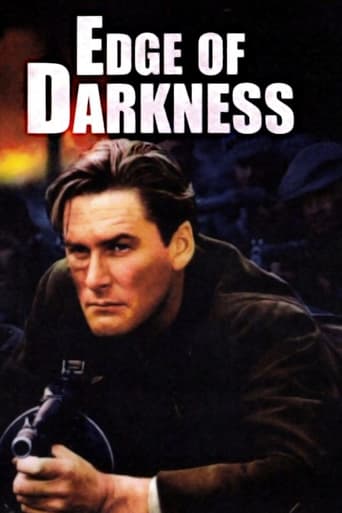
The film pivots around the local Norwegian doctor and his family. The doctor's wife (Ruth Gordon) wants to hold on to the pretence of gracious living and ignore their German occupiers. The doctor, Martin Stensgard (Walter Huston), would also prefer to stay neutral, but is torn. His brother-in-law, the wealthy owner of the local fish cannery, collaborates with the Nazis. The doctor's daughter, Karen (Ann Sheridan), is involved with the resistance and with its leader Gunnar Brogge (Errol Flynn). The doctor's son has just returned to town, having been sent down from the university, and is soon influenced by his Nazi-sympathizer uncle. Captain Koenig (Helmut Dantine), the young German commandant of the occupying garrison, whose fanatic determination to do everything by the book and spoutings about the invincibility of the Reich hides a growing fear of a local uprising.
Edge of Darkness
1943
 6.2
Canadian Mountie Steve Wagner captures a German Luftwaffe officer on a spy mission, who later escapes from the prison camp. To catch the spy ring, the Mounties employ a ruse so that the spies, believing Steve to be sympathetic, enlist him in their plans.
Northern Pursuit
1943
 6.7
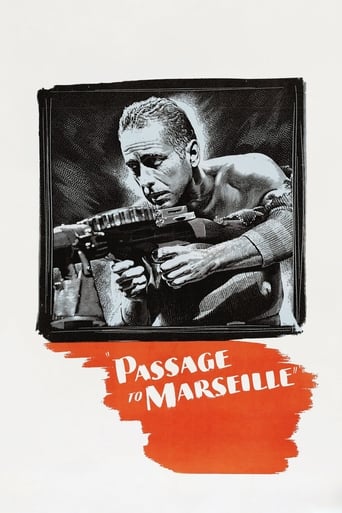
A freedom-loving French journalist sacrifices his happiness and security to battle Nazi tyranny.
Passage to Marseille
1944
 4.5
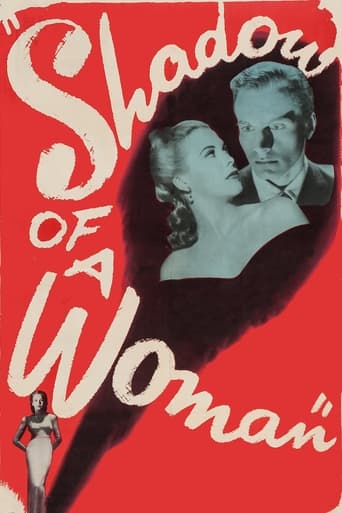
Brooke's brief marital life with Eric takes a downturn when she starts suspecting that he is starving his son from a prior marriage to death in order to claim his inheritance.
Shadow of a Woman
1946
 7.3
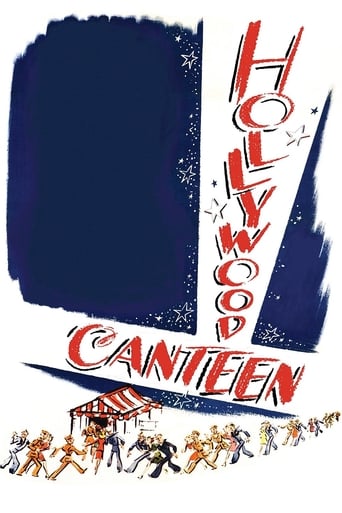
Two soldiers on leave spend three nights at a club offering free of charge food, dancing, and entertainment for servicemen on their way overseas. Club founders Bette Davis and John Garfield give talks on the history of the place.
Hollywood Canteen
1944
 6.1
A British bomber crew, including Australian and American, is shot down over Germany during a bombing run. The five make their way across a perilous Germany, intent on reaching the UK with the war secrets they have learned, battling Nazis along the way.
Desperate Journey
1942
 7.5
An American goes to pre-war Germany to find his mother and discovers her in a concentration camp. With the help of an American-born widowed countess he seeks to engineer her escape.
Escape
1940
 5.7
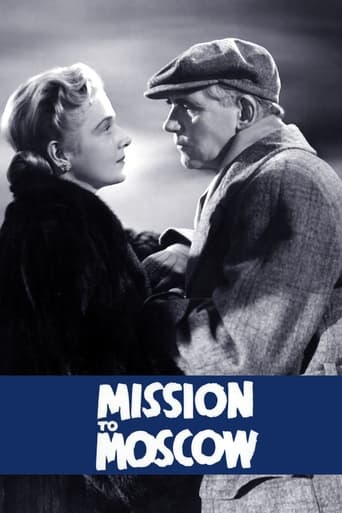
Ambassador Joseph Davies is sent by FDR to Russia to learn about the Soviet system and returns to the US as an advocate of socialism.
Mission to Moscow
1943
 9.0
Escaped Nazi POWs hold the denizens of a California resort hostage.
Escape in the Desert
1945
 4.8
After hearing that a famous actress is dying in a hospital after being hit by a car, a reporter goes to the hospital to interview the actress. She then tells the reporter that her wealthy fiance, who was killed in an accident several years before, was actually murdered. Before long the reporter finds herself in a web of corruption, mental illness and murder.
Whispering City
1947
 6.9
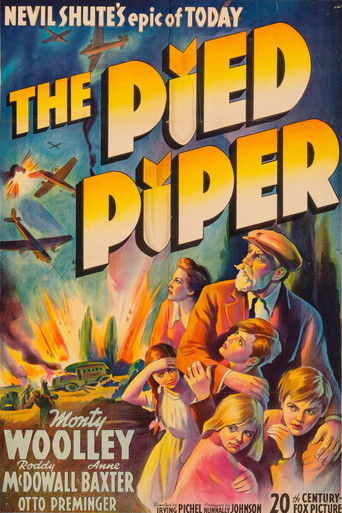
Englishman Mr. Howard is on a fishing holiday in eastern France when the Germans invade in 1940. Setting off to try and get back home he is persuaded to take along the two Cavanaugh children, and as his journey progresses his family keeps growing in size. Once in German-occupied northern France a new problem arises — the risk of being heard speaking English.
The Pied Piper
1942
 6.2
An assortment of diverse characters gather at the Hotel Berlin in World War II Germany as the Third Reich falls.
Hotel Berlin
1945
Series credits
5.4An American radio–television anthology series, created in 1947 by Canadian director Fletcher Markle, who came to CBS from the CBC. Studio One, presented by Westinghouse, was one of the first of the anthology TV programs. The episodes were often abridged remakes of movies from years gone by and many future well-known television and movie actors appeared in the productions.
Studio One
1948
3.8Climax! is an American anthology series that aired on CBS from 1954 to 1958. The series was hosted by William Lundigan and later co-hosted by Mary Costa. It was one of the few CBS programs of that era to be broadcast in color. Many of the episodes were performed and broadcast live.
Climax!
1954
7.1Run for Your Life is an American television drama series starring Ben Gazzara as a man with only a short time to live. It ran on NBC from 1965 to 1968. The series was created by Roy Huggins, who had previously explored the "man on the move" concept with The Fugitive.
Run for Your Life
1965
7.8Rod Serling narrates an anthology of fantasy, horror and sci-fi stories from a set resembling a macabre museum. A chilling work of art serves as the connective link between the stories.
Night Gallery
1970
5.1An anthology series adapted from the radio program of the same name. Like the radio program, many scripts were adaptations of literary classics by well-known authors. Classic authors such as Edgar Allan Poe, Agatha Christie, and Charles Dickens all had stories adapted for the series, while contemporary authors such as Roald Dahl and Gore Vidal also contributed.
Suspense
1949
6.0Lights Out was an extremely popular American old-time radio program, an early example of a network series devoted mostly to horror and the supernatural, predating Suspense and Inner Sanctum. Versions of Lights Out aired on different networks, at various times, from January 1934 to the summer of 1947 and the series eventually made the transition to television. In 1946, NBC Television brought Lights Out to TV in a series of four specials, broadcast live and produced by Fred Coe, who also contributed three of the scripts. NBC asked Cooper to write the script for the premiere, "First Person Singular", which is told entirely from the point of view of an unseen murderer who kills his obnoxious wife and winds up being executed. Variety gave this first episode a rave review ("undoubtedly one of the best dramatic shows yet seen on a television screen"), but Lights Out did not become a regular NBC-TV series until 1949.
Lights Out
1949
 7.5
Studio 57 is an American anthology series that was broadcast on the now-defunct DuMont Television Network from September 1954 to September 1955, and in syndication from 1955 to 1956.
Studio 57
1954
 5.1
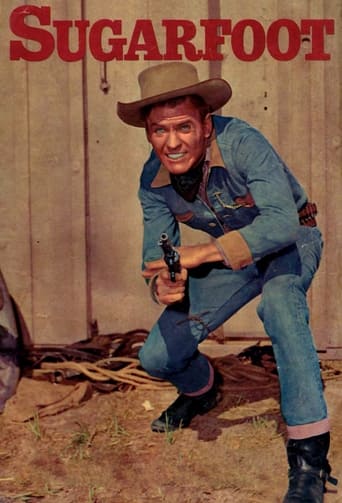
Sugarfoot is an American western television series that aired on ABC from 1957 to 1961. The series stars Will Hutchins as Tom Brewster, an Easterner who comes to the Oklahoma Territory to become a lawyer. Jack Elam is cast in occasional episodes as sidekick Toothy Thompson. Brewster was a correspondence-school student whose apparent lack of cowboy skills earned him the nickname "Sugarfoot", a designation even below that of a tenderfoot.
Sugarfoot
1957
 5.8
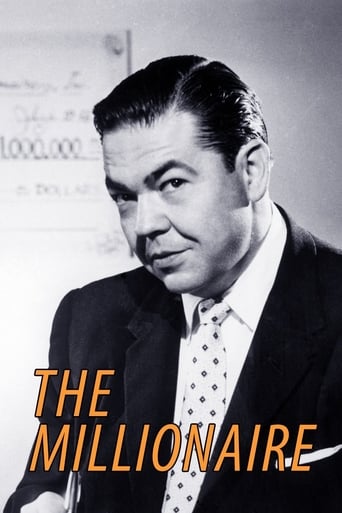
An anthology series that explored the ways sudden and unexpected wealth changed life for better or for worse. It told the stories of people who were given one million dollars from a benefactor who insisted they never know him, with one exception.
The Millionaire
1955
 7.6
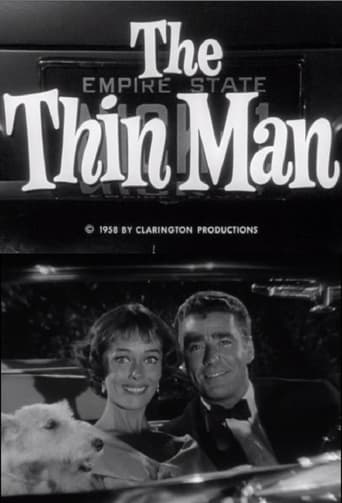
Nick Charles was a private detective who married the wealthy Nora and decided to settle down and leave the good life. Unfortunately for the couple, Nick's past frequently caught up with him and got the couple involved in mystery after mystery. The series was based on the popular MGM series of movies of the 1930's starring William Powell and Myrna Loy. Peter Lawford and Phyllis Kirk starred as the televison versions of Nick and Nora which ran on NBC for two seasons from 1957-59.
The Thin Man
1957
 8.0
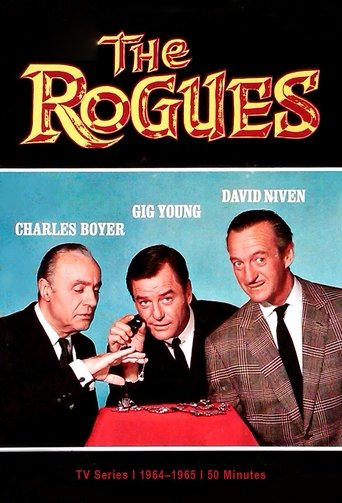
The Rogues is an American television series that appeared on NBC from September 13, 1964, to April 18, 1965, starring David Niven, Charles Boyer, and Gig Young as a related trio of former conmen who could, for the right price, be persuaded to trick a very wealthy and heinously unscrupulous mark. Although it won the 1964 Golden Globe award for Best Television Series, the show was cancelled after one season consisting of thirty episodes.
The Rogues
1964
 5.0
Medical Story is an American anthology series that aired on NBC from September 4, 1975, until January 8, 1976. Police Story's producers probe the medical world! Result: strong medicine!
Medical Story
1975
 8.8
Long-running anthology program sponsored by Hallmark Cards. Beginning in 1951 and continuing into 2019, the series received 80 Emmy Awards, 24 Christopher Awards, 11 Peabody Awards, 9 Golden Globes, and 4 Humanitas Prizes. Early seasons were a weekly live drama, eventually transitioning to videotaped and then filmed productions broadcast as occasional specials.
Hallmark Hall of Fame
1951
 7.2
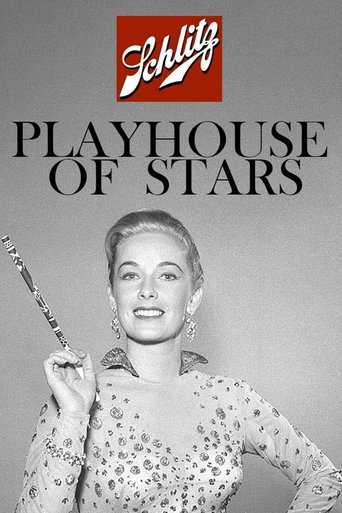
Schlitz Playhouse of Stars is an anthology series that was telecast from 1951 until 1959 on CBS. Offering both comedies and drama, the series was sponsored by the Joseph Schlitz Brewing Company. The title was shortened to Schlitz Playhouse, beginning with the fall 1957 season.
Schlitz Playhouse of Stars
1951
7.2Schlitz Playhouse of Stars is an anthology series that was telecast from 1951 until 1959 on CBS. Offering both comedies and drama, the series was sponsored by the Joseph Schlitz Brewing Company. The title was shortened to Schlitz Playhouse, beginning with the fall 1957 season.
Schlitz Playhouse of Stars
1951
 6.8
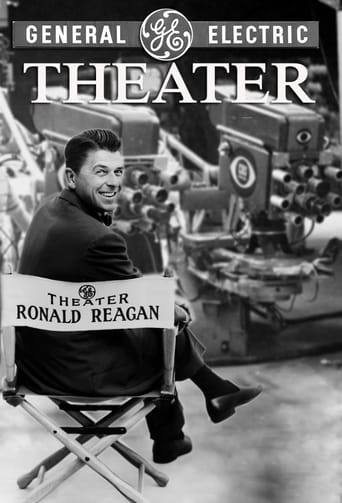
General Electric Theater is an American anthology series hosted by Ronald Reagan that was broadcast on CBS radio and television. The series was sponsored by General Electric's Department of Public Relations.
General Electric Theater
1953
 NR
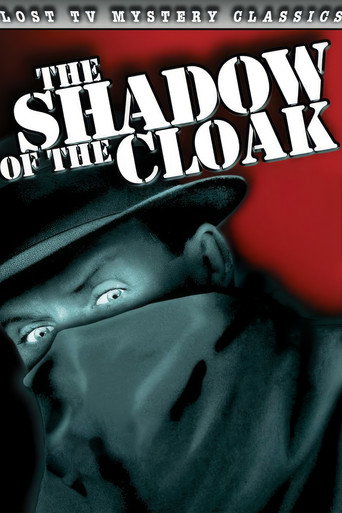
Shadow of the Cloak was a spy drama live television series broadcast on the now-defunct DuMont Television Network. Helmut Dantine played secret agent Peter House. John Gay wrote some of the 36 episodes. The first episode aired June 6, 1951 and the last episode March 20, 1952. The 30-minute show aired Wednesdays at 9:30pm ET through November 1951 and then Thursdays at at 9pm ET from December until March 20, 1952. From January 1952 until the end of the run, Shadow of the Cloak alternated with Gruen Playhouse.
Shadow of the Cloak
1951