
Acting
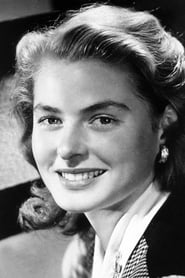
Ingrid Bergman
Born — Died
1915-08-29 — 1982-08-29
Place of birth
Stockholm, Sweden
Known for
Acting
Credits
81 titles
Ingrid Bergman (August 29, 1915 – August 29, 1982) was a Swedish actress who starred in a variety of European and American films, television movies, and plays. With a career spanning five decades, she is often regarded as one of the most influential screen figures in cinematic history. According to the St. James Encyclopedia of Popular Culture, upon her arrival in the U.S. Bergman quickly became "the ideal of American womanhood" and a contender for Hollywood's greatest leading actress. David O. Selznick once called her "the most completely conscientious actress" he had ever worked with. In 1999, the American Film Institute recognised Bergman as the fourth greatest female screen legend of Cl…
Known for
 9.5
9.5Marcello Mastroianni, Isabelle Adjani, Alain Delon, Martin Scorsese, Woody Allen... the biggest stars in cinema were welcomed by Christian Defaye on his show Spécial cinéma. Between intimate confessions from actors and immersion in the world of the greatest filmmakers, Christian Defaye took viewers on a journey into the fascinating world of cinema for nearly thirty years.
Spécial cinéma
1974
 NR
NRThe Antoinette Perry Award for Excellence in Theatre, more commonly known as a Tony Award, recognizes achievement in live Broadway theatre. The awards are presented by the American Theatre Wing and The Broadway League at an annual ceremony in New York City. The awards are given for Broadway productions and performances, and an award is given for regional theatre.
Tony Awards
1956
 8.5
8.5Apostrophes was a live, weekly, literary, prime-time, talk show on French television created and hosted by Bernard Pivot. It ran for fifteen years (724 episodes) from January 10, 1975, to June 22, 1990, and was one of the most watched shows on French television (around 6 million regular viewers). It was broadcast on Friday nights on the channel France 2 (which was called "Antenne 2" from 1975 to 1992). The hourlong show was devoted to books, authors and literature. The format varied between one-on-one interviews with a single author and open discussions between four or five authors.
Apostrophes
1975
 4.5
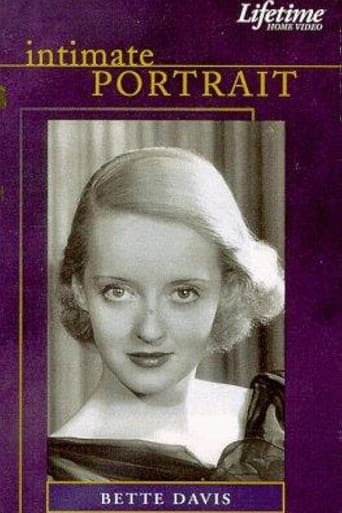
4.5Intimate Portrait is a biographical television series on the Lifetime Television cable network focusing on different celebrities, which includes interviews with each subject. Among the people profiled were Grace Kelly, Natalie Wood, Carly Simon, Jackie Kennedy, Katharine Hepburn, Carol Burnett, Tanya Tucker, and Marla Maples.
Intimate Portrait
1993
 9.0
9.0The Bambi, often called the Bambi Award and stylised as BAMBI, is a German award presented annually by Hubert Burda Media to recognize excellence in international media and television to personalities in the media, arts, culture, sports, and other fields "with vision and creativity who affected and inspired the German public that year", both domestic and foreign. First held in 1948, it is the oldest media award in Germany. The trophy is named after Felix Salten's book Bambi, A Life in the Woods and its statuettes are in the shape of the novel's titular fawn character. They were originally made of porcelain until 1958, when the organizers switched to using gold, with the casting done by the art casting workshop of Ernst Strassacker in Süßen.
Bambi
1948
 7.2
7.2Omnibus was an arts-based BBC television documentary series, broadcast mainly on BBC1 in the United Kingdom. The programme was the successor to the long-running arts-based series 'Monitor'. It ran from 1967 until 2003, usually being transmitted on Sunday evenings. During its 35-year history, the programme won 12 Bafta awards. Among the series' best remembered documentaries are Cracked Actor, a profile of David Bowie, and Rene Magritte, a graduate film by David Wheatley, 'Madonna: Behind the American dream', a film produced by Nadia Hagger, and a profile of the British film director Ridley Scott. For a season in 1982, the series was in a magazine format presented by Barry Norman. The series was replaced by 'Imagine' hosted by Alan Yentob.
Omnibus
1967
Film credits
2020s · 5 titles
 7.5
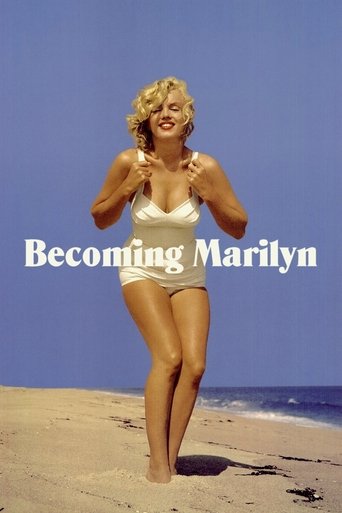
7.5The story of how Norma Jeane Mortenson became Marilyn Monroe (1926-62), a lucid path of self-discovery, from anonymity to stardom: the painful birth of a myth.
Becoming Marilyn
2022
 6.9
6.9The film focuses on the icon of Hollywood’s golden age, Humphrey Bogart, and is framed around his relationships with the five formidable women in his life – his mother and his four wives, including Lauren Bacall. Featuring unprecedented access to rare footage from the estate, and narrated exclusively in his own words, ‘Bogart: Life Comes in Flashes’ explores his journey to become the of star of timeless classics ‘Casablanca,’ ‘Maltese Falcon’’ and ‘The Big Sleep.’ Each relationship offers a deep and intimate understanding of a man for whom stardom was hard won and much deserved.
Bogart: Life Comes in Flashes
2024
 NR
NRI have a lot of interest and respect for classic cinema. I tried to make a film with at least 20 portraits of classical actresses whose films I'm familiar with. Difficult choices from all over the world. They each have their own beauty.
Beautiful Like a Poem
2020
 6.9
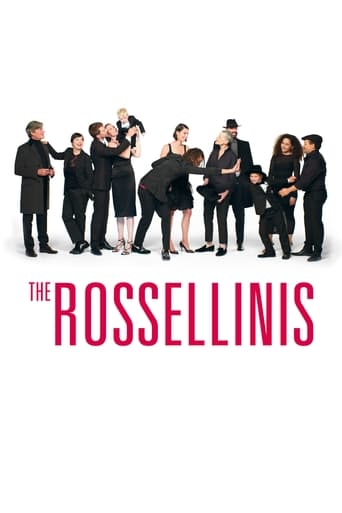
6.9A laid-back journey in search of one of the world’s most fascinating families, observed and examined from within its most intimate relationships, where the truth and depth of a memoir meet the ironic tone of an indie comedy.
The Rossellinis
2021
 7.4
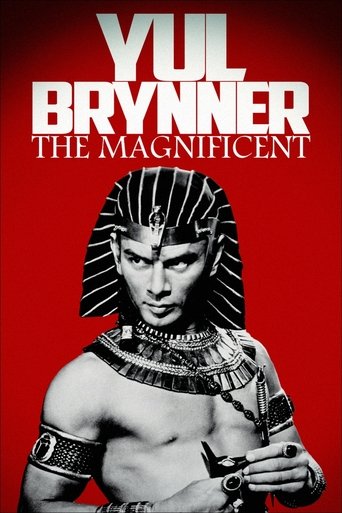
7.4The incredible story of the mythical Russian-American actor and filmmaker Yul Brynner (1920-85), the most exotic sex-symbol since Rudolph Valentino; the story of the atypical destiny of an international nomad: from the Parisian cabarets to the stages of Broadway and the Hollywood studios. The rise to fame of a multidisciplinary genius who became a king of the screen.
Yul Brynner, the Magnificent
2020
2010s · 7 titles
 7.6
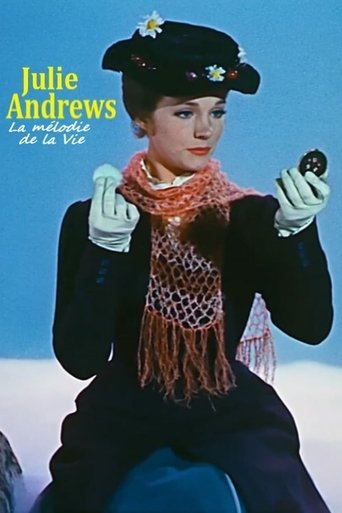
7.6Julie Andrews starred in Hollywood productions that have become iconic movies, winning an Oscar for her performance as Mary Poppins, a symbol of the magic of musicals from the 1960s. And yet, behind the squeaky-clean image hides a much more tortuous career, with its moments of glory and tough times, all of which explain the longevity of a story that is still being written.
Julie Andrews Forever
2019
 6.6
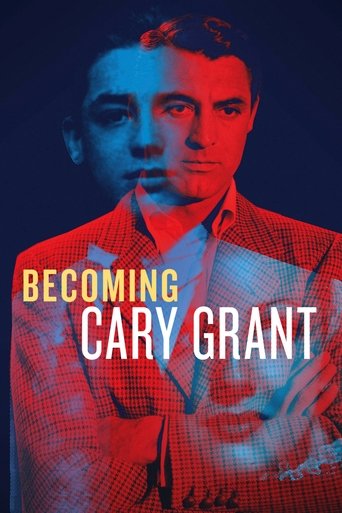
6.6For the first time one of Hollywood's greatest stars tells his own story, in his own words. From a childhood of poverty to global fame, Cary Grant, the ultimate self-made star, explores his own screen image and what it took to create it.
Becoming Cary Grant
2017
 5.0
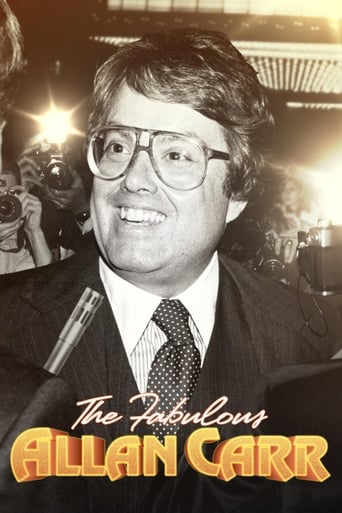
5.0Armed with a limitless Rolodex and a Benedict Canyon enclave with its own disco, Allan Carr threw the Hollywood parties that defined the 1970s. A producer, manager, and marketing genius, Carr built his bombastic reputation amid a series of successes including the mega-hit musical film "Grease," until it all came crashing down after he produced the 1989 Academy Awards, a notorious debacle.
The Fabulous Allan Carr
2017
 7.1
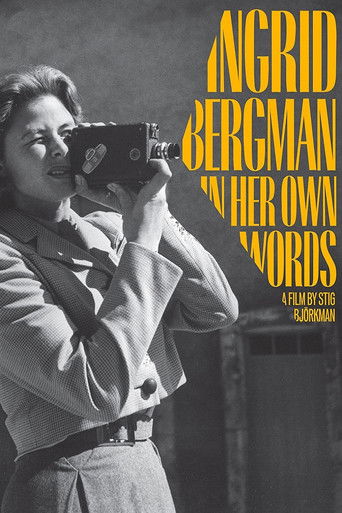
7.1A personal and captivating account of the extraordinary life and work of Ingrid Bergman (1915-82), a young Swedish woman who became one of the most celebrated actresses in world cinema.
Ingrid Bergman: In Her Own Words
2015
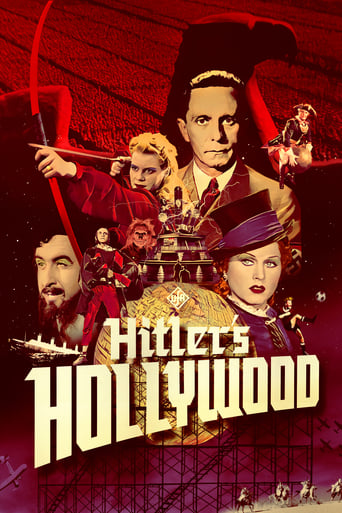 6.5
6.5Film journalist and critic Rüdiger Suchsland examines German cinema from 1933, when the Nazis came into power, until 1945, when the Third Reich collapsed. (A sequel to From Caligari to Hitler, 2015.)
Hitler's Hollywood
2017
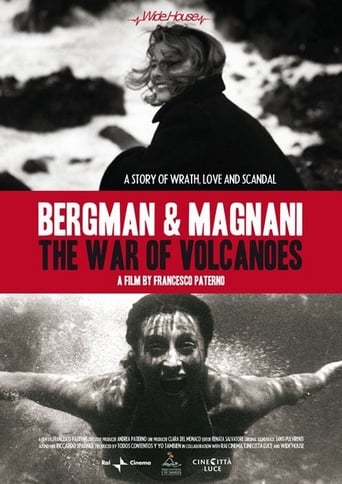 5.0
5.0In 1948, a fan letter arrived for director Roberto Rossellini from Ingrid Bergman, one of Hollywood’s biggest stars; after a meeting in New York, Rossellini invited Bergman to Italy to work on a project. Meanwhile, Anna Magnani, one of Italy’s biggest stars and Rossellini’s longtime lover, was furious. When the Rossellini/Bergman project was announced as a tale set on Stromboli, one of the volcanic Aeolian Islands, Magnani quickly set up her own Aeolian project, financed by Hollywood, to be called Volcano. Italy’s tabloids simply went wild: the prospect of these two great divas battling it out with rival productions was breathlessly followed, especially as it became clear that the Rossellini/Bergman relationship was more than professional. Francesco Patierno has created an engrossing, revealing and highly entertaining chronicle of this cinematic battle royal.
The War of the Volcanoes
2012
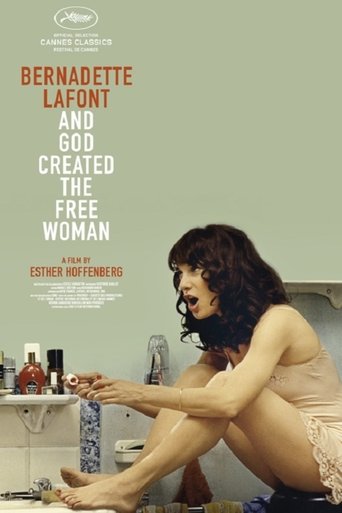 6.5
6.5A journey in the company of Bernadette Lafont, French Cinema’s most atypical actress. Tracing her career from pin-up girl, to New Wave model of sexual freedom, to drug-dealing granny in the film Paulette, by way of La Fiancée du Pirate and Les Stances à Sophie, this film pays tribute to her extraordinary life and artistic odyssey. Her grand-daughters, Anna, Juliette and Solène, revisit the dreams of Bernadette, in the family home in the Cevennes region where they, like her, grew up. Her close friends, Bulle Ogier and Jean-Pierre Kalfon, reminisce on their artistic and human complicity. Throughout the film, Bernadette Lafont in person, with her inimitable character actress voice, re-evokes a life in cinema marked with insolence, courage and freedom.
Bernadette Lafont: And God Created the Free Woman
2016
2000s · 2 titles
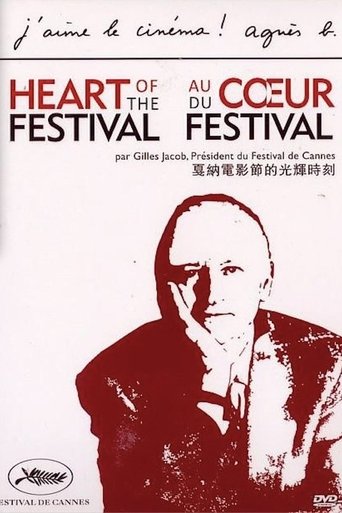 6.7
6.7A short film containing some of the highlights of the Cannes Film Festival's storied history.
Heart of the Festival
2002
 NR
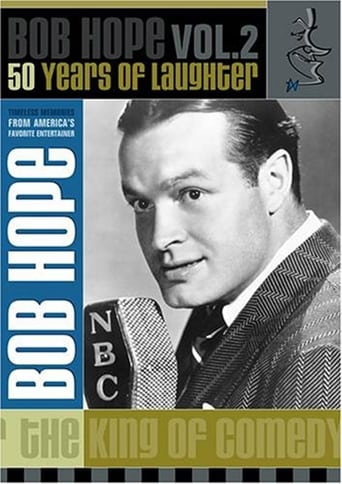
NRThis Bob Hope Special called “Highlights of a Quarter Century” begins his 26th year with NBC in 1975 (he began with NBC radio in 1937) celebrating 25 years of Bob Hope Specials and the many celebrities that appeared on them The clips begin with his very first special, for Frigidaire, on April 9, 1950 and putting his way through the years to 1975
The Best of Bob Hope: 50 Years of Laughter — Volume 2
2001
1990s · 8 titles
 7.1
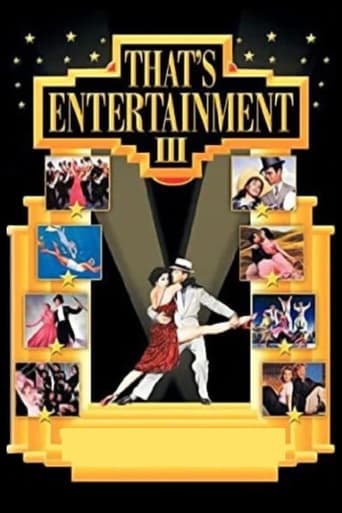
7.1Some of MGM's musical stars review the studio's history of musicals. From The Hollywood Revue of 1929 to Brigadoon, from the first musical talkies to Gene Kelly in Singin' in the Rain.
That's Entertainment! III
1994
 6.9
6.9The history of color photography in motion pictures, in particular the Technicolor company's work.
Glorious Technicolor
1998
 6.0
6.0After escaping Russia's communist revolution, Léon Theremin travels to New York, where he pioneers the field of electronic music with his synthesizer. But at the height of his popularity, Soviet agents kidnap and force him to develop spy technology.
Theremin: An Electronic Odyssey
1995
 NR
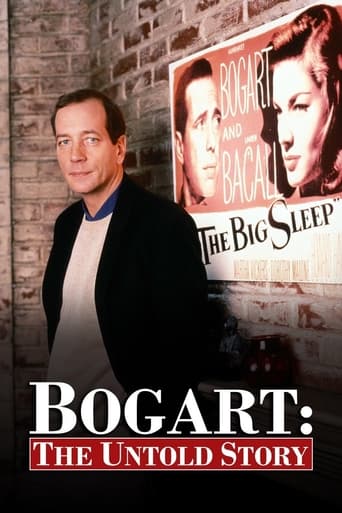
NRStephen H. Bogart narrates the rise to fame of his father, Humphrey Bogart through the use of film clips, written material and interviews of friends and co-workers.
Bogart: The Untold Story
1997
 8.0
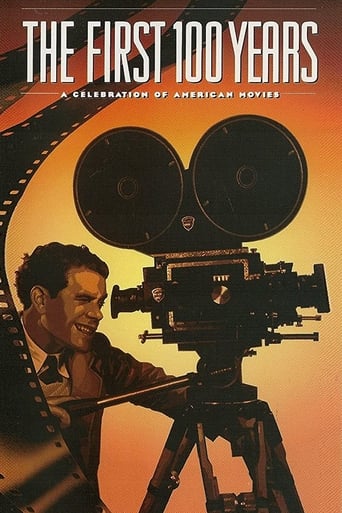
8.0Based on the first centenary of the largest exporter of films in the world, that is Hollywood, is the story told by its protagonists, actors and writers and other people who made life in this business, interspersing images of famous movies.
The First 100 Years: A Celebration of American Movies
1995
 6.9
6.9A documentary about the making of the classic film "Casablanca."
You Must Remember This: A Tribute to 'Casablanca'
1992
 6.8
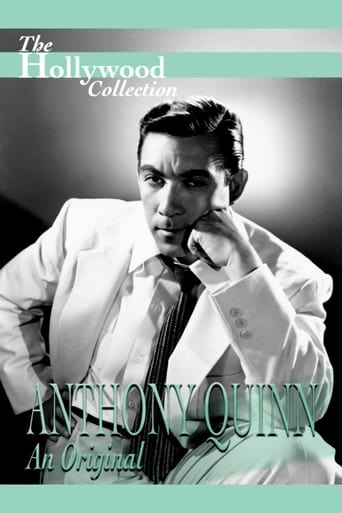
6.8Born in Mexico, Anthony Quinn became the family's main provider when his father died in an accident. Thus began the story of a man who had a thousand jobs before acting in a Cecil B. DeMille film…
Anthony Quinn: An Original
1990
 10.0
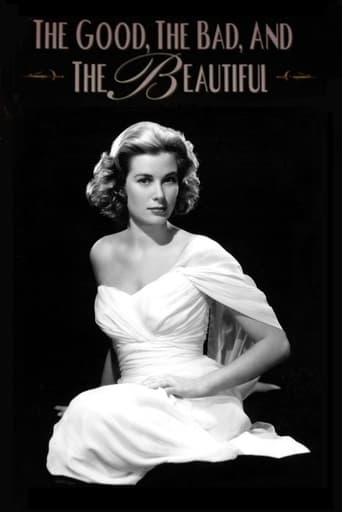
10.0A documentary reflecting on women in film and the entertainment industry through the ages led and hosted by some of its most beloved female icons.
The Good, The Bad, and the Beautiful
1996
1980s · 3 titles
 6.6
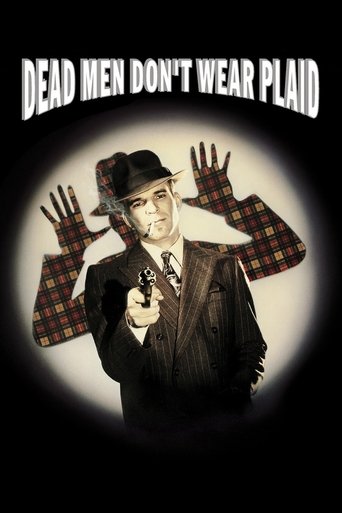
6.6Juliet Forrest is convinced that the reported death of her father in a mountain car crash was no accident. Her father was a prominent cheese scientist working on a secret recipe. To prove it was murder, she enlists the services of private eye Rigby Reardon. He finds a slip of paper containing a list of people who are 'The Friends and Enemies of Carlotta'.
Dead Men Don't Wear Plaid
1982
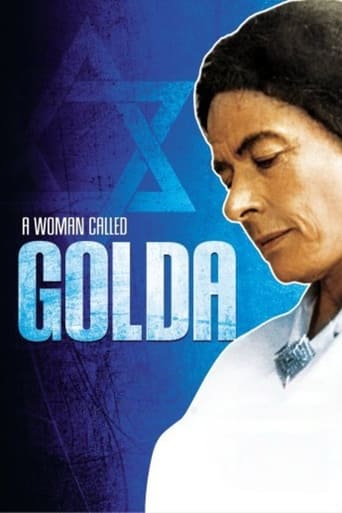 7.7
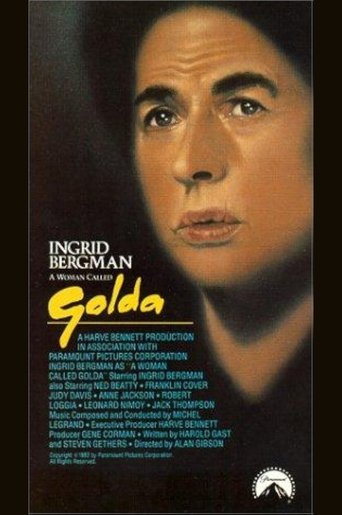
7.7The story of the Russian-born, Wisconsin-raised woman who rose to become Israel's prime minister in the late 1960s and early 1970s.
A Woman Called Golda
1982
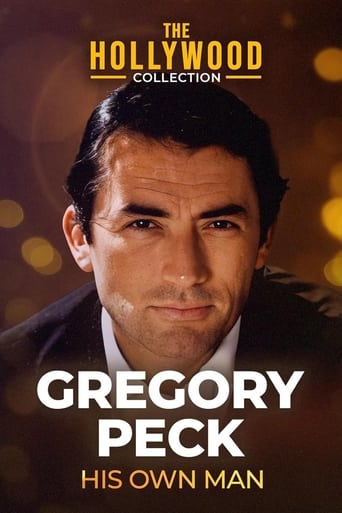 6.7
6.7Talented and enduring Academy Award-winning star, Gregory Peck, tells how it was when studios ruled and a shy boy from a broken family could rise to become a famous leading man. Unfashionably modest, Peck describes his fascinating journey from early theater roles, through his first films, to Hollywood’s elder statesman.
Gregory Peck: His Own Man
1988
1970s · 5 titles
 7.1
7.1In 1935, when his train is stopped by deep snow, detective Hercule Poirot is called on to solve a murder that occurred in his car the night before.
Murder on the Orient Express
1974
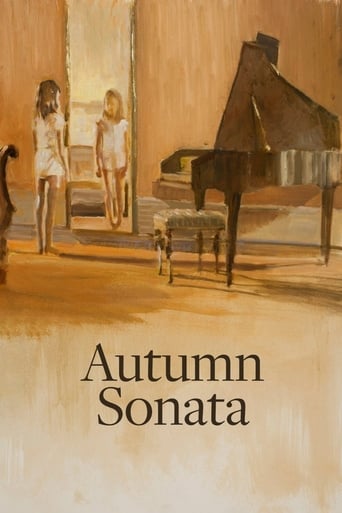 8.0
8.0After a seven-year absence, Charlotte Andergast travels to Sweden to reunite with her daughter Eva. The pair have a troubled relationship: Charlotte sacrificed the responsibilities of motherhood for a career as a classical pianist. Over an emotional night, the pair reopen the wounds of the past. Charlotte gets another shock when she finds out that her mentally impaired daughter, Helena, is out of the asylum and living with Eva.
Autumn Sonata
1978
 7.4
7.4A documentary about the glorious history of Metro-Goldwyn-Mayer Studios and its decline leading to the sale of its back lot and props. By extension this provides a general history of Hollywood's Golden Age and the legendary studio system.
Hollywood: The Dream Factory
1972
 5.1
5.1During a press conference, international star Nina remembers simpler times, flashing back to her days as a maid in a run-down Italian hotel. As a young woman, Nina befriends Contessa Sanziani, an elderly woman who entertains Nina with memories of her vibrant, wealthy life with Count Sanziani. Inspired by her tales of success, young Nina fantasizes about her own adventures and seeks to find the same excitement in her life.
A Matter of Time
1976
 NR
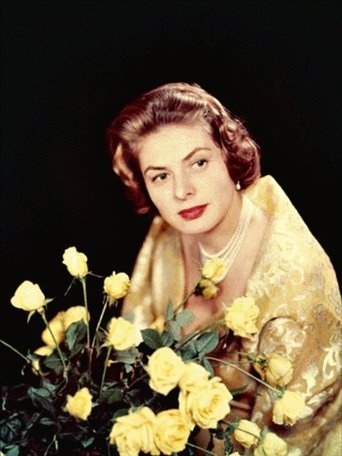
NRFrank Sinatra, Goldie Hawn, Cary Grant, Jimmy Stewart and many more pay tribute to Ingrid Bergman.
All Star Tribute to Ingrid Bergman
1979
1960s · 8 titles
 6.1
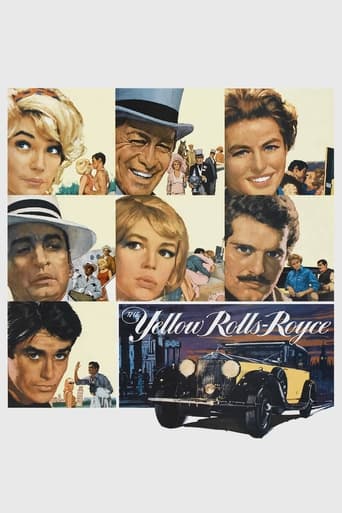
6.1One Rolls-Royce belongs to three vastly different owners, starting with Lord Charles, who buys the car for his wife as an anniversary present. The next owner is Paolo Maltese, a mafioso who purchases the car during a trip to Italy and leaves it with his girlfriend while he returns to Chicago. Finally, the car is owned by American widow Gerda, who joins the Yugoslavian resistance against the invading Nazis.
The Yellow Rolls-Royce
1964
 7.2
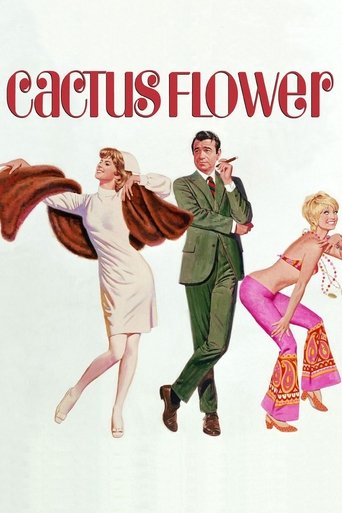
7.2A dentist pretends to be married to avoid commitment, but when he falls for his girlfriend and proposes, he must recruit his lovelorn nurse to pose as his wife.
Cactus Flower
1969
 7.1
7.1Middle-aged businesswoman Paula Tessier rejects the advances of her client's amusing 25-year-old son, Philip Van der Besh, but reconsiders when her longtime philandering partner begins yet another casual affair with a younger woman. She soon learns that May-December romances with older women are frowned upon in society.
Goodbye Again
1961
 7.2
7.2Carla Zachanassian had a child by Serge Miller as a teenager. When Serge refused to marry her, she was driven out of town. By her own wit and cunning, she has returned as a multi-millionaire for a visit. The town lays out the red carpet expecting big things from Carla, only to learn that her sole purpose is to see Serge Miller killed...
The Visit
1964
 4.4
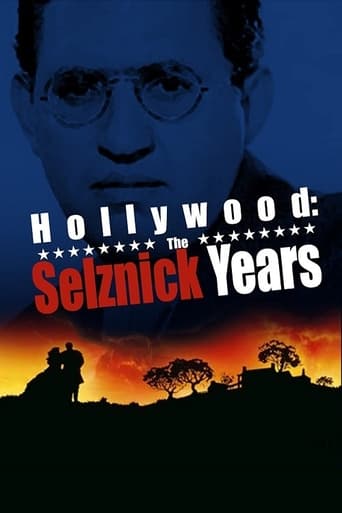
4.4Henry Fonda hosts this retrospective on the career and films of iconic filmmaker David O. Selznick, who epitomized the era of the auteur producer in the 30s and 40s.
Hollywood: The Selznick Years
1961
 6.1
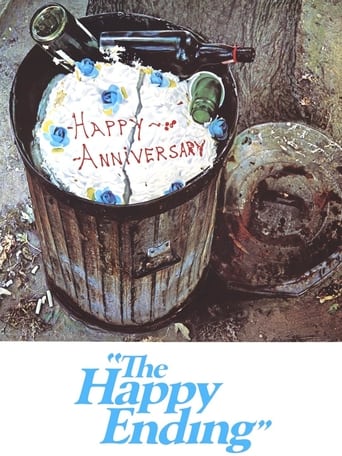
6.1When Fred asked for Mary's hand in marriage, she thought she had the happy ending she only read about in fairy tales. Now it's 16 years later; Fred has had an affair, and Mary drowns her sorrows in pills and booze, a dangerous combination that nearly resulted in her death the year before. As Mary rushes off to the Bahamas for a relaxing escape from her crumbling marriage, she reflects on the past and wonders just where it all went wrong.
The Happy Ending
1969
 4.5
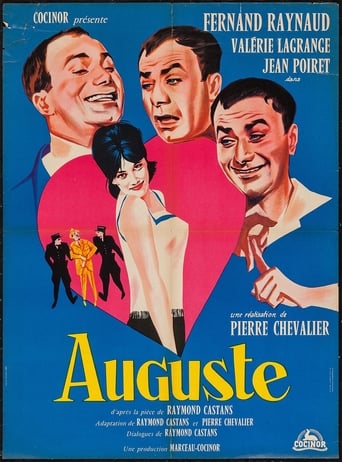
4.5Auguste is about an eponymous bank clerk who finds fame and fortune. Auguste happens to be in the right place at the right time to save young starlet Francine from killing herself -- or more accurately, pretending to kill herself. His supposed heroism hits the news, and before Auguste knows what is happening, a Machiavellian publicist is using him for his own ends. The bank clerk is no fool and soon thinks of a way to come out on top.
Auguste
1961
 6.3
6.3This promotional film showcases the automobile whose adventures are chronicled in The Yellow Rolls-Royce (1964). After the car is filmed in various European shooting locations, it becomes the star attraction in an international automobile show in New York City. We even see a fashion show whose colors and styles are based on the 1930 model vehicle.
The Car That Became a Star
1965
1950s · 9 titles
 7.1
7.1After the end of WWII, a young Lithuanian woman and a young Italian man from Stromboli impulsively marry, but married life on the island is more demanding than she can accept.
Stromboli
1950
 6.8
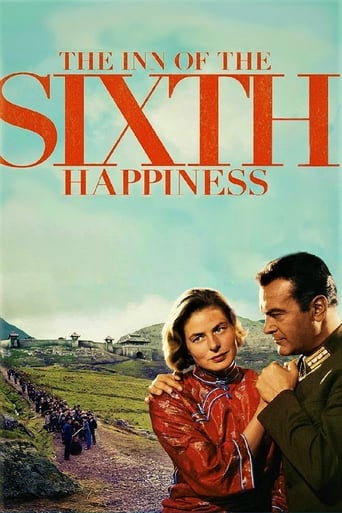
6.8All her life, Englishwoman Gladys Aylward knew that China was where she belonged. Unqualified to be sent as a missionary, Gladys works as a domestic to earn to send herself to a poor, remote village. There, she eventually lives a full and happy life: running the inn, acting as 'foot inspector', advising the local Mandarin, and even winning the heart of mixed-race Captain Lin Nan. Gladys discovers her real destiny when the country is invaded by Japan and the Chinese children need her to save their lives.
The Inn of the Sixth Happiness
1958
 7.2
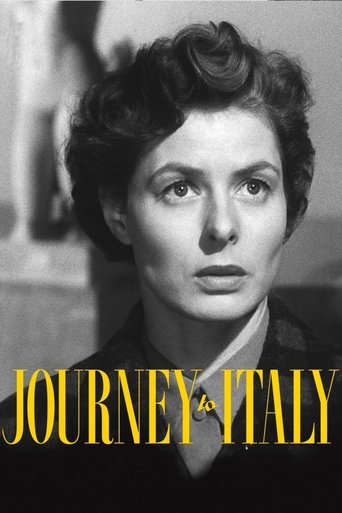
7.2Married for eight years with no children, Brits Katherine and Alex Joyce are driving to Italy, their ultimate destination just outside of Naples to sell the villa they have just inherited from his uncle, the villa where they will be staying during their time there. On the drive, they come to the realization that this trip marks the first time that they have truly been alone together, and as such don't really know one another in the true sense.
Journey to Italy
1954
 6.0
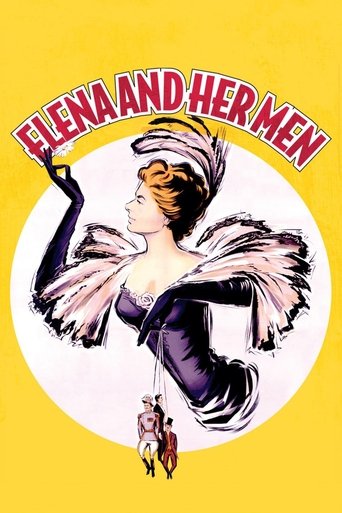
6.0Set amid the military maneuvers and Quatorze Juillet carnivals of turn-of-the-century France, Jean Renoir’s delirious romantic comedy Elena and her Men stars a radiant Ingrid Bergman as a beautiful, but impoverished, Polish princess who drives men of all stations to fits of desperate love. When Elena elicits the fascination of a famous general, she finds herself at the center of romantic machinations and political scheming, with the hearts of several men—as well as the future of France—in her hands.
Elena and Her Men
1956
 6.6
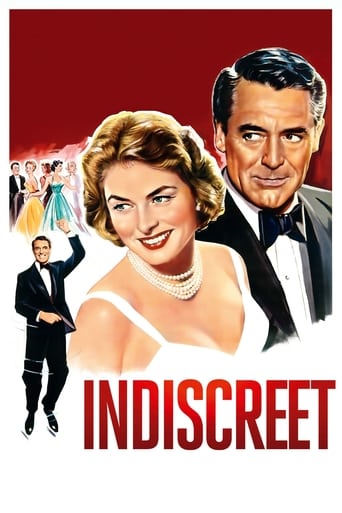
6.6Anna Kalman is an accomplished actress who has given up hope of finding the man of her dreams. While talking about this subject with her sister, in walks Philip Adams and she realizes that this is the charming, smart, and handsome man she has been waiting for.
Indiscreet
1958
 6.8
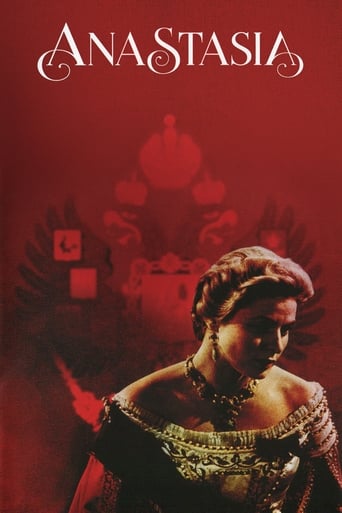
6.8Russian exiles in Paris plot to collect ten million pounds from the Bank of England by grooming a destitute, suicidal girl to pose as heir to the Russian throne. While Bounin is coaching her, he comes to believe that she is really Anastasia. In the end, the Empress must decide her claim.
Anastasia
1956
 6.4
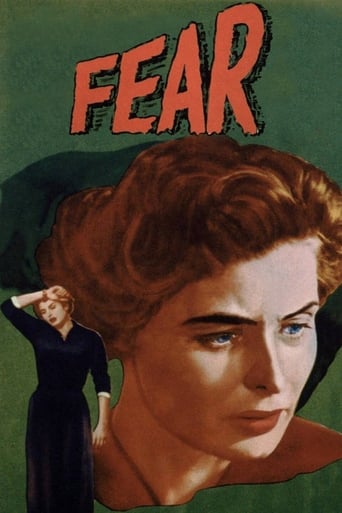
6.4Irene Wagner, the wife of the prominent German scientist Professor Albert Wagner, had been having an affair with Erich Baumann. She does not disclose this to her husband, hoping to preserve his innocence and their "perfect marriage". This fills her with anxiety and guilt. However, Johanna Schultze, Erich's jealous ex-girlfriend, learns about the affair and begins to blackmail Irene, turning Irene's psychological torture into a harsh reality.
Fear
1954
 7.3
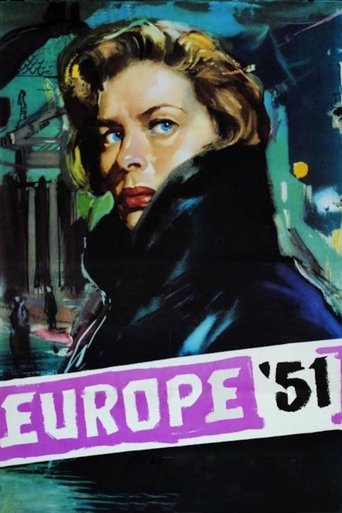
7.3A wealthy, self-absorbed Rome socialite is racked by guilt over the death of her young son. As a way of dealing with her grief and finding meaning in her life, she decides to devote her time and money to the city’s poor and sick. Her newfound, single-minded activism leads to conflicts with her husband and questions about her sanity.
Europa '51
1952
 NR
NRIngrid Bergman notices that her roses have been destroyed. At first she suspects it is her dogs or her children, but later on notices a chicken walking around the area of her roses. (Originally appeared as a segment of the omnibus film "Siamo donne" ("We, the Women") but later presented separately as a short film.)
The Chicken
1953
1940s · 12 titles
 8.1
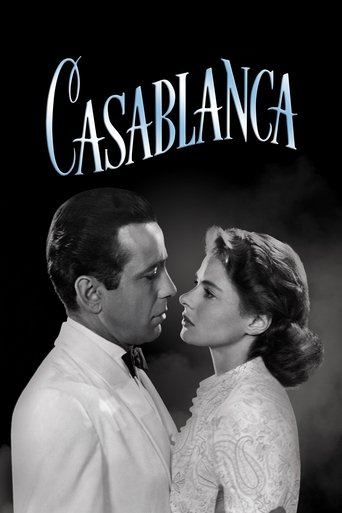
8.1In Casablanca, Morocco in December 1941, a cynical American expatriate meets a former lover, with unforeseen complications.
Casablanca
1943
 7.7
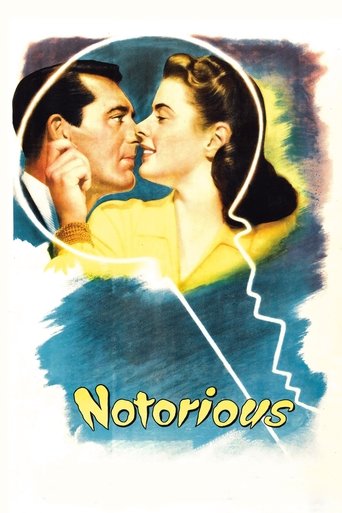
7.7In order to help bring Nazis to justice, U.S. government agent T.R. Devlin recruits Alicia Huberman, the American daughter of a convicted German war criminal, as a spy. As they begin to fall for one another, Alicia is instructed to win the affections of Alexander Sebastian, a Nazi hiding out in Brazil. When Sebastian becomes serious about his relationship with Alicia, the stakes get higher, and Devlin must watch her slip further undercover.
Notorious
1946
 6.5
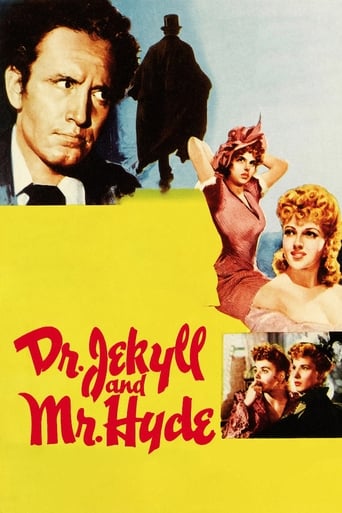
6.5Dr. Jekyll believes good and evil exist in everyone and creates a potion that allows his evil side, Mr. Hyde, to come to the fore. He faces horrible consequences when he lets his dark side run amok.
Dr. Jekyll and Mr. Hyde
1941
 6.0
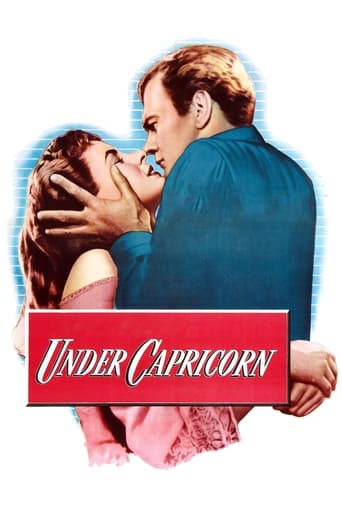
6.0A British ex-convict in colonial Australia and his fragile wife, haunted by the past crime that binds them, struggle to rebuild their lives when a young newcomer stirs long-buried passions and secrets.
Under Capricorn
1949
 6.0
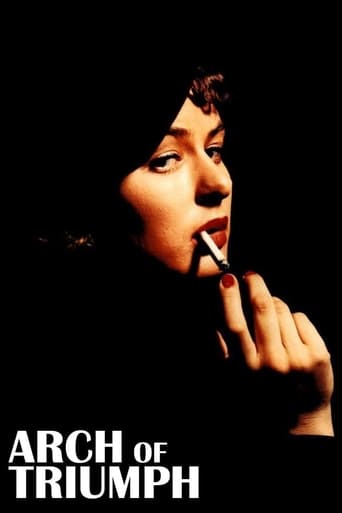
6.0In the winter of 1938, Paris is crowded with refugees from the Nazis, who live in the black shadows of night, trying to evade deportation. One such is Dr. Ravic, who practices medicine illegally and stalks his old Nazi enemy Haake with murder in mind. One rainy night, Ravic meets Joan Madou, a kept woman cast adrift by her lover's sudden death. Against Ravic's better judgment, they become involved in a doomed affair.
Arch of Triumph
1948
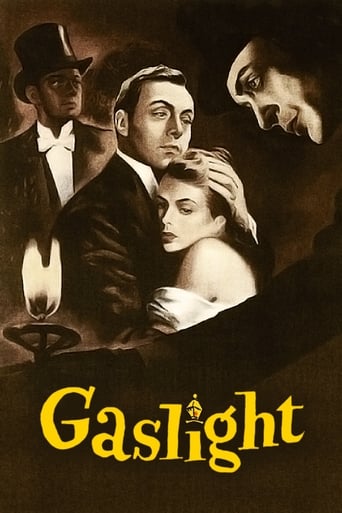 7.5
7.5A newlywed fears she's going mad when strange things start happening at the family mansion.
Gaslight
1944
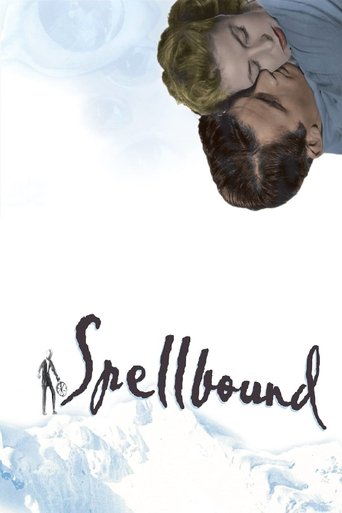 7.4
7.4When Dr. Anthony Edwardes arrives at a Vermont mental hospital to replace the outgoing hospital director, Dr. Constance Peterson, a psychoanalyst, discovers Edwardes is actually an impostor. The man confesses that the real Dr. Edwardes is dead and fears he may have killed him, but cannot recall anything. Dr. Peterson, however is convinced his impostor is innocent of the man's murder, and joins him on a quest to unravel his amnesia through psychoanalysis.
Spellbound
1945
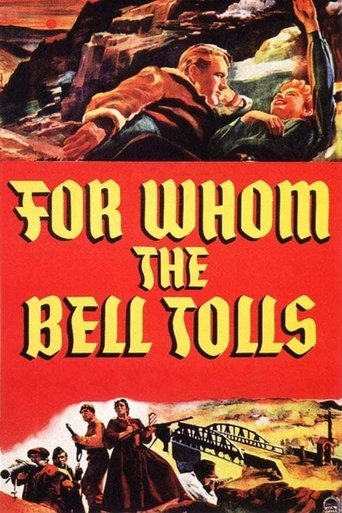 6.5
6.5Spain in the 1930s is the place to be for a man of action like Robert Jordan. There is a civil war going on and Jordan—who has joined up on the side that appeals most to idealists of that era—has been given a high-risk assignment up in the mountains. He awaits the right time to blow up a crucial bridge in order to halt the enemy's progress.
For Whom the Bell Tolls
1943
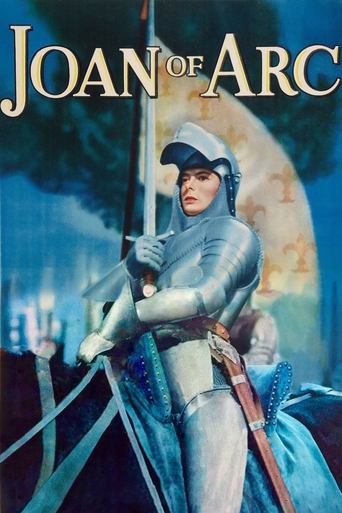 6.2
6.2In the 15th Century, France is a defeated and ruined nation after the One Hundred Years War against England. The fourteen-year-old farm girl Joan of Arc claims to hear voices from Heaven asking her to lead God's Army against Orleans and crowning the weak Dauphin Charles VII as King of France. Joan gathers the people with her faith, forms an army, and conquers Orleans.
Joan of Arc
1948
 6.8
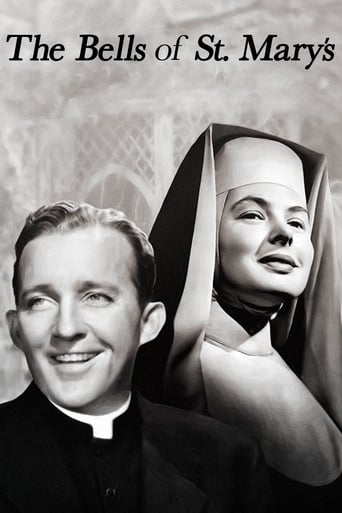
6.8Father O'Malley is sent to St. Mary's, a run-down parochial school on the verge of condemnation. He and Sister Benedict work together in an attempt to save the school, though their differing methods often lead to good-natured disagreements.
The Bells of St. Mary's
1945
 6.1
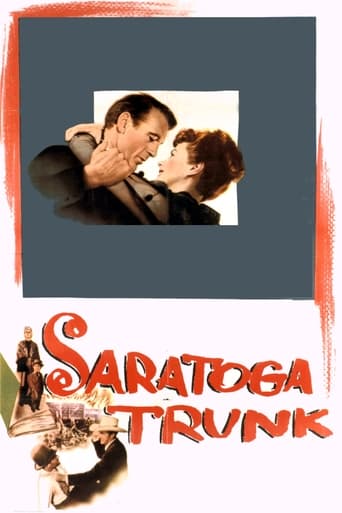
6.1An opportunistic Texas gambler and the exiled Creole daughter of an aristocratic family join forces to achieve justice from the society that has ostracized them.
Saratoga Trunk
1945
 5.9
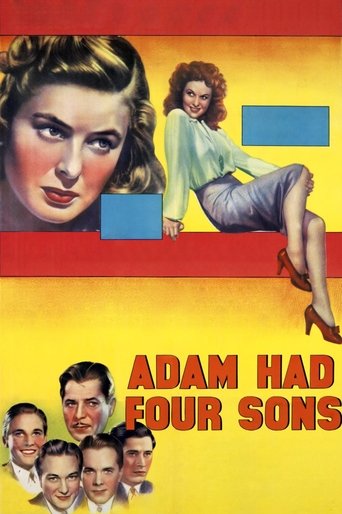
5.9Emilie has been hired to care for the four sons of wealthy Adam Stoddard and his wife, Molly. After Molly dies, Adam and the boys grow to depend on Emilie even more. At the same time, Emilie falls in love with Adam. The boys grow up, but Adam insists that Emilie stay on as part of the family. Her relationships with both the boys and Adam become strained after one son marries a gold-digging viper named Hester. Written by Daniel Bubbeo
Adam Had Four Sons
1941
Series credits
9.5Marcello Mastroianni, Isabelle Adjani, Alain Delon, Martin Scorsese, Woody Allen... the biggest stars in cinema were welcomed by Christian Defaye on his show Spécial cinéma. Between intimate confessions from actors and immersion in the world of the greatest filmmakers, Christian Defaye took viewers on a journey into the fascinating world of cinema for nearly thirty years.
Spécial cinéma
1974
NRThe Antoinette Perry Award for Excellence in Theatre, more commonly known as a Tony Award, recognizes achievement in live Broadway theatre. The awards are presented by the American Theatre Wing and The Broadway League at an annual ceremony in New York City. The awards are given for Broadway productions and performances, and an award is given for regional theatre.
Tony Awards
1956
8.5Apostrophes was a live, weekly, literary, prime-time, talk show on French television created and hosted by Bernard Pivot. It ran for fifteen years (724 episodes) from January 10, 1975, to June 22, 1990, and was one of the most watched shows on French television (around 6 million regular viewers). It was broadcast on Friday nights on the channel France 2 (which was called "Antenne 2" from 1975 to 1992). The hourlong show was devoted to books, authors and literature. The format varied between one-on-one interviews with a single author and open discussions between four or five authors.
Apostrophes
1975
4.5Intimate Portrait is a biographical television series on the Lifetime Television cable network focusing on different celebrities, which includes interviews with each subject. Among the people profiled were Grace Kelly, Natalie Wood, Carly Simon, Jackie Kennedy, Katharine Hepburn, Carol Burnett, Tanya Tucker, and Marla Maples.
Intimate Portrait
1993
9.0The Bambi, often called the Bambi Award and stylised as BAMBI, is a German award presented annually by Hubert Burda Media to recognize excellence in international media and television to personalities in the media, arts, culture, sports, and other fields "with vision and creativity who affected and inspired the German public that year", both domestic and foreign. First held in 1948, it is the oldest media award in Germany. The trophy is named after Felix Salten's book Bambi, A Life in the Woods and its statuettes are in the shape of the novel's titular fawn character. They were originally made of porcelain until 1958, when the organizers switched to using gold, with the casting done by the art casting workshop of Ernst Strassacker in Süßen.
Bambi
1948
7.2Omnibus was an arts-based BBC television documentary series, broadcast mainly on BBC1 in the United Kingdom. The programme was the successor to the long-running arts-based series 'Monitor'. It ran from 1967 until 2003, usually being transmitted on Sunday evenings. During its 35-year history, the programme won 12 Bafta awards. Among the series' best remembered documentaries are Cracked Actor, a profile of David Bowie, and Rene Magritte, a graduate film by David Wheatley, 'Madonna: Behind the American dream', a film produced by Nadia Hagger, and a profile of the British film director Ridley Scott. For a season in 1982, the series was in a magazine format presented by Barry Norman. The series was replaced by 'Imagine' hosted by Alan Yentob.
Omnibus
1967
 7.1
7.1An annual American awards ceremony honoring cinematic achievements in the film industry. The various category winners are awarded a copy of a statuette, officially the Academy Award of Merit, that is better known by its nickname Oscar.
The Oscars
1953
The BBC's flagship cinema review TV program featuring reviews of new releases, news items and interviews. The title of the program changes each year to incorporate the year of broadcast.
Film '72
1971
 6.2
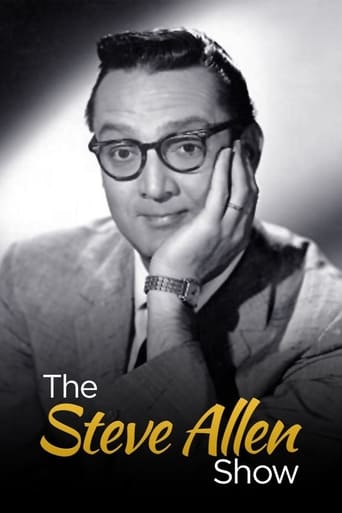
6.2No synopsis available yet.
The Steve Allen Show
1956
6.2No synopsis available yet.
The Steve Allen Show
1956
 8.7
8.7No synopsis available yet.
Cinépanorama
1956
 6.8
6.8Startime, an anthology of drama, comedy and variety, was one of the first American television shows broadcast in color.
Startime
1959
 6.8
6.8ABC Stage 67 is the umbrella title for a series of 26 weekly shows that included dramas, variety shows, documentaries, and original musicals. It premiered on American Broadcasting Company on September 14, 1966 with Murray Schisgal's The Love Song of Barney Kempinksi, directed by Stanley Prager and starring Alan Arkin as a man enjoying the sights and sounds of New York City in his last remaining hours of bachelorhood. Arkin was nominated for an Emmy Award for Outstanding Single Performance By An Actor in a Leading Role in a Drama and the program was nominated as Outstanding Dramatic Program. Future programs included appearances by Petula Clark, Bobby Darin, Sir Laurence Olivier, Albert Finney, Peter Sellers, David Frost, and Jack Paar. ABC's effort to bring culture to the masses was a noble but unsuccessful experiment. Scheduled first against I Spy on Wednesdays and then The Dean Martin Show on Thursdays, the show consistently received low ratings. Its last production, an adaptation of Jean Cocteau's one-woman play The Human Voice starring Ingrid Bergman, aired on May 4, 1967. "Stage 67" was not actually a part of the primary ABC facilities in Los Angeles. It was produced at the old Monogram Studios backlot that was later sold to KCET.
ABC Stage 67
1966
 6.2
6.2A look back at television appearances by legends of the silver screen, using archive footage to tell the story of their lives and careers.
Talking Pictures
2013
 6.3
6.3In 1973 the American Film Institute initiated its Life Achievement Award, to be presented to a yearly recipient whose talent has fundamentally advanced the film art; whose accomplishments have been acknowledged by scholars, critics, professional peers and the general public; and whose work has stood the test of time.
The American Film Institute Salute to ...
1973
 8.0
8.0No synopsis available yet.
Dim Dam Dom
1965
Presents a filmed, intercontinental conversation that links moderator Edward R. Murrow in New York with three internationally known figures located in different parts of the world. What set this apart from other televised interview/discussion programs was the fact that its participants could not see each other but could hear one another via telephone lines and radio.
Small World
1958
 10.0
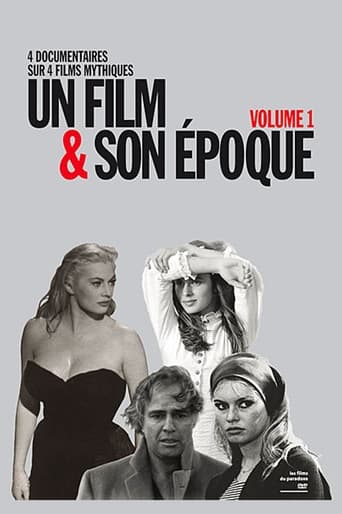
10.0No synopsis available yet.
Un film et son époque
2003
 5.0
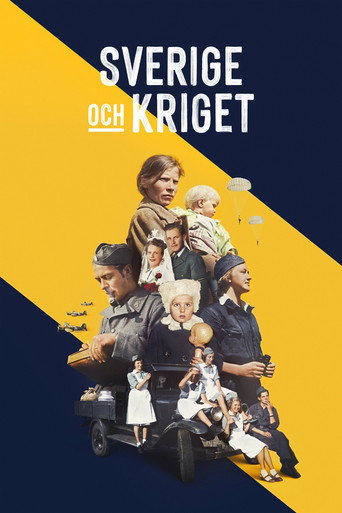
5.0In 2025 it will be 80 years since the end of World War II. What was it like to live in Sweden during the war? How were people affected by everything that happened so close to home? SVT has asked the Swedish people to send in their memories: letters, films, photographs and diaries and several thousand responses were received from all over the country.
Sverige och kriget
2025
 10.0
10.0No synopsis available yet.
A Woman Called Golda
1982